News related to
wikipedia

Seef Properties has formalized its commitment to supporting female entrepreneurs through a strategic partnership with Ra’edat, a platform dedicated to empowering women in business. This collaboration aims to create avenues for aspiring and established female entrepreneurs by offering innovative retail opportunities within Seef Properties’ network. The agreement aligns with Bahrain’s broader efforts to nurture entrepreneurial talent and advance gender equality in the business sector.

The memorandum of understanding (MoU) enables women-led businesses to access retail spaces under the “Mahali” initiative, which is part of Seef Properties’ portfolio. These spaces, located at Seef Mall and other prime locations, provide tailored environments for businesses to scale operations, engage customers, and enhance their visibility. This initiative is particularly designed to support homegrown enterprises seeking to establish a stronger foothold in the marketplace.

Ahmed Yusuf, Chief Executive Officer of Seef Properties, highlighted the collaboration as a step toward fostering a robust entrepreneurial ecosystem in Bahrain. He emphasized the company’s commitment to empowering women entrepreneurs through providing opportunities that combine prime retail locations with business development resources. Yusuf also noted that the initiative would contribute to Bahrain’s long-term economic vision by encouraging diversity and inclusivity within the entrepreneurial landscape.

Ra’edat, recognized for its role in promoting women’s economic participation, expressed optimism about the partnership’s potential to strengthen the region’s business ecosystem. By facilitating access to premium retail environments, the platform envisions fostering growth for women-led businesses and inspiring a broader cultural shift toward gender-balanced economic contributions.

Dubai’s Roads and Transport Authority (RTA) has unveiled a major update to its traffic management strategy by introducing variable road toll pricing (Salik) and dynamic parking tariffs. This decision marks a shift toward a more adaptive and responsive traffic system, aimed at improving traffic flow and reducing congestion across the city. The move includes the implementation of event-specific parking rates to address higher demand during major events, […]

Dubai’s real estate sector is witnessing a surge in competition as new developers enter the market, driving up supply and introducing diverse offerings. With the demand for luxury properties continuing to soar, a new generation of developers is working to reshape the landscape, creating challenges for established players while offering unique opportunities for investors and buyers.

The entrance of these new developers is a reflection of Dubai’s dynamic property market, which has shown impressive resilience despite global economic pressures. These newcomers are not only investing in residential projects but also diversifying into commercial spaces, mixed-use developments, and hospitality, areas that are seeing a significant increase in demand. The competition has intensified as developers offer more attractive terms and design concepts to stand out in a crowded market.

One of the key reasons for the heightened interest is Dubai’s sustained appeal to global investors. The UAE’s economic recovery, backed by government initiatives to attract foreign investment, continues to position the country as a hub for both business and leisure. Additionally, the government’s policy of easing property ownership restrictions for foreigners has opened up opportunities for international investors, further fueling demand.

Developers such as the Dubai-based Azizi Developments and Arada have been gaining traction with their focus on affordable luxury. Azizi’s portfolio, which includes high-end residential and mixed-use developments, caters to both local and international buyers looking for properties that combine luxury with functional living. Arada’s presence, marked by their flagship development in Sharjah, is another example of developers aiming to capture a diverse clientele by offering competitive prices and quality.

Dubai’s real estate sector is seeing a significant shift toward sustainability and innovation. Many new developers are incorporating green building practices and energy-efficient technologies into their designs to meet the rising demand for eco-friendly living spaces. This focus on sustainability is aligned with the UAE’s broader vision of creating a greener, more sustainable future.

Key players in the market, including Emaar Properties and DAMAC, continue to dominate the luxury sector, but the influx of new developers is pushing them to evolve their offerings. For instance, Emaar is now emphasizing the creation of smart homes and lifestyle-oriented communities, areas where its competitors are also investing heavily. Meanwhile, DAMAC, known for its high-end residential developments, has started to explore the commercial and hospitality sectors in response to shifting market dynamics.

While luxury remains the primary focus of many high-profile developments, affordable housing is becoming increasingly popular. This shift is driven by a growing middle class within the UAE and an influx of professionals from various sectors. Developers are responding by providing more affordable, yet high-quality, housing options, ensuring that they capture a wider market share.

Real estate experts also point to the increase in the number of Dubai’s population as another driving factor in the demand for new housing developments. Projections estimate that the city’s population will continue to rise in the coming years, with more people flocking to the city for its tax-free incentives and high quality of life. As the population grows, developers are focusing on mixed-use developments that provide residential, retail, and entertainment options all in one location.

The competition among developers is forcing many to reconsider traditional marketing strategies. Digital marketing has become a critical tool, with developers focusing on online platforms and virtual tours to attract a global audience. Some have even begun incorporating virtual reality (VR) into property showings, enabling potential buyers to experience properties remotely, no matter where they are located.

Dubai’s burgeoning property market is not without challenges, however. While demand remains strong, the rapid influx of new projects may lead to an oversupply in certain sectors, particularly in the luxury segment. Experts warn that while the demand for high-end properties is robust, it could eventually stabilize, creating an imbalance in the market. Consequently, developers are keenly focused on maintaining a competitive edge through innovation, design, and value-added services.

The fluctuating cost of raw materials, labor shortages, and global supply chain disruptions pose hurdles for developers trying to stay on track with their project timelines. These factors have contributed to slight delays in the delivery of some developments, but most developers have adjusted their plans to minimize the impact on their portfolios.


Saudi Arabia’s insurance sector is experiencing a transformative shift, with mergers and acquisitions (M&As) expected to surge in the coming years, according to Moody’s. The sector’s ongoing consolidation is driven by a combination of market pressures, regulatory changes, and evolving consumer demands. Moody’s recent analysis suggests that the trend towards mergers and acquisitions could redefine the landscape, bringing both opportunities and challenges to industry players.

The Saudi insurance market has been under intense scrutiny as it adapts to evolving regulations, demographic changes, and heightened competition. As part of the country’s Vision 2030 goals, the Kingdom aims to diversify its economy, reduce reliance on oil, and develop various sectors, including insurance. The consolidation trend reflects a broader strategy to streamline operations, enhance profitability, and meet growing demand for more comprehensive insurance products.

In particular, the Saudi Arabian Monetary Authority (SAMA) has implemented stricter capital requirements for insurance firms in recent years. These regulations aim to ensure financial stability and protect policyholders but have also placed pressure on smaller insurers. As a result, many companies are struggling to maintain their competitive edge, leading them to explore strategic partnerships or acquisitions.

The consolidation process is further fueled by rising operational costs. Insurers are under pressure to enhance their digital capabilities, improve customer experiences, and streamline their administrative processes. The increasing reliance on technology is leading to significant investment in digital infrastructure, with firms seeking to pool resources to stay competitive in an increasingly tech-driven market. Larger entities are better positioned to capitalize on these changes, and mergers allow them to strengthen their technological and operational foundations.

One of the most significant drivers behind the surge in M&A activity is the shifting demographics of the Kingdom. Saudi Arabia’s young, tech-savvy population is reshaping the demand for insurance products, especially in health, life, and vehicle insurance. With an increasing awareness of the importance of financial protection, there is growing interest in comprehensive insurance policies tailored to the needs of younger consumers. The consolidation of smaller companies into larger ones may enable insurers to better target these evolving consumer preferences and offer a wider range of services.

Foreign investments in Saudi Arabia’s insurance sector are also playing a pivotal role in the current consolidation trends. The Kingdom’s market remains attractive to international investors looking to capitalize on its expanding insurance market. As the sector continues to mature, the influx of foreign capital is expected to foster even more M&A activity. Global players see the potential for growth in Saudi Arabia, especially as the country develops a more diverse economy and strengthens its regulatory framework.

The Saudi government’s approach to healthcare, including reforms and a shift towards privatization, has also influenced the insurance sector. With healthcare services being increasingly privatized, the demand for health insurance coverage is rising. Insurers are now seeking to expand their portfolios to include comprehensive health policies and other specialized coverage plans. Larger firms, often backed by foreign investors, are best positioned to acquire companies with expertise in specific areas, allowing them to quickly adapt to the evolving landscape.

While the outlook for mergers and acquisitions is generally positive, the sector is also facing challenges. The increasing concentration of the market may lead to concerns over competition, with some experts warning that fewer players in the market could limit choices for consumers. Smaller insurers may find it difficult to compete against larger, more capitalized companies, potentially leading to a reduction in diversity within the market. Regulatory bodies will need to monitor the consolidation process closely to ensure that it does not hinder competition or lead to higher premiums for consumers.

The global economic environment is another factor that may influence the pace and nature of M&As in the Saudi insurance market. Economic fluctuations, shifting oil prices, and geopolitical factors could create uncertainty, which may affect investment decisions. However, despite these risks, the long-term prospects for the sector remain strong, supported by Saudi Arabia’s strategic economic plans and its ambition to become a regional financial hub.

ADVERTISEMENT

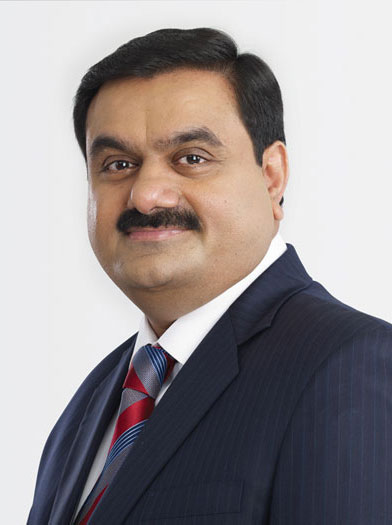
Gautam Adani, chairman of the Adani Group, faces allegations from U.S. prosecutors accusing him and his associates of orchestrating a bribery scheme to secure lucrative solar energy contracts in India. According to the indictment, Adani and others allegedly paid bribes totaling ₹2,029 crore (approximately $265 million) to government officials between 2020 and 2024. The scheme reportedly aimed to secure power purchase agreements essential for unlocking significant profits for the group and its U.S.-based partner.

The indictment outlines a sophisticated operation involving encrypted communications, code names, and falsified project justifications. Prosecutors have also accused the group of attempting to obstruct investigations by destroying evidence and staging a fake inquiry to mislead regulators. Additional charges include violations of the Foreign Corrupt Practices Act (FCPA) and securities fraud, highlighting the alleged use of deceptive claims to raise over $2 billion from U.S. investors.

Prominent figures implicated include Gautam Adani, his nephew Sagar Adani, and former CEOs of both Indian and U.S. entities involved in the projects. The case has reignited concerns about corporate governance and transparency within the Adani Group, which had already faced scrutiny following a report by Hindenburg Research earlier this year.

The allegations have sent shockwaves through the group’s financial landscape. Within hours of the charges being announced, the Adani Group canceled a $600 million bond offering, citing legal uncertainties. The company’s stock prices plummeted, with shares in Adani Enterprises falling over 20%. Bonds tied to Adani Green Energy also experienced steep declines, reflecting investor apprehensions about the group’s future.

Abu Dhabi National Oil Company (ADNOC) is reportedly considering the sale of an additional 3% to 5% stake in its gas subsidiary, ADNOC Gas. This move, aimed at enhancing liquidity and broadening investor access, could raise as much as $3.5 billion, based on ADNOC Gas’s current valuation on the Abu Dhabi Securities Exchange (ADX). The exact details of the sale, including its size and timing, remain under […]

Operations at the London office of a hedge fund tied to a prominent figure in Iran’s oil sector are set to wind down amid ongoing regulatory scrutiny and shifting geopolitical landscapes. The decision marks a significant development in the financial hub’s interactions with entities linked to sanctioned economies, underscoring broader challenges in managing global compliance and transparency in investment sectors. The hedge fund, associated with a businessman […]

Advertisements
ADVERTISEMENT

The UAE’s entertainment and gaming industry has entered a transformative phase with the official introduction of the nation’s first regulated lottery system, The UAE Lottery. This initiative is set to redefine the country’s gaming landscape, catering to a diverse audience while adhering to robust ethical and regulatory standards.

The game has been unveiled as a comprehensive platform, offering participants an opportunity to engage in a state-regulated lottery with significant prizes while promoting responsible gaming practices. By establishing this first-of-its-kind operation, the UAE is cementing its commitment to diversify its entertainment options and foster innovative business opportunities in a sector traditionally limited by stringent laws.

This launch aligns with the nation’s broader strategic goals of expanding its non-oil sectors. The UAE Lottery is envisioned not only as a recreational platform but as a catalyst for economic growth, offering revenue streams that will benefit public welfare programs. The framework of the lottery prioritizes transparency, with the promise of rigorous monitoring to ensure fair play and participant trust.

Industry observers view this development as a pivotal moment, marking the UAE’s gradual embrace of global trends in gaming and entertainment. While the country has previously allowed raffles and prize draws, this regulated lottery represents a formal acknowledgment of the potential in this sector. With significant backing from government and private entities, the lottery is positioned to operate under strict compliance with international best practices.

Details surrounding the ticket purchasing process, prize distribution mechanisms, and the anticipated societal impact have been meticulously designed to resonate with the UAE’s cultural and economic ethos. The system leverages cutting-edge technology to ensure security and efficiency, underscoring the country’s ambition to set new benchmarks in regulated gaming.

Early reports suggest that the rollout of The UAE Lottery has garnered significant public interest, with an enthusiastic reception from various demographics. Marketing campaigns have emphasized the initiative’s alignment with the UAE’s values, showcasing it as a responsible and socially beneficial form of entertainment.

The UAE Lottery’s impact is expected to extend beyond its entertainment value. Experts predict it will significantly contribute to the nation’s economic diversification efforts, creating new jobs and boosting ancillary industries. Moreover, the revenues generated are likely to support key sectors, including education, healthcare, and infrastructure development.

Although the concept of a national lottery is novel in the region, The UAE Lottery’s introduction reflects a progressive shift in attitudes toward regulated entertainment. Analysts highlight this as an indication of the UAE’s willingness to adopt global innovations, adapting them to fit local contexts.

The European Union is ramping up efforts to enhance its collaboration with Saudi Arabia in the field of green energy, seeking to bolster clean energy initiatives and investments. This push comes as part of broader EU objectives to reduce its reliance on fossil fuels, accelerate the transition to renewable energy, and meet its ambitious climate goals set under the Paris Agreement. Recent dialogues between EU officials and […]

Abu Dhabi is hosting an event that has gathered leading experts, researchers, and companies to focus on the future of open-source AI technologies. The Open-Source AI Summit, organized by the Technology Innovation Institute (TII), is bringing together prominent voices from academia and the tech industry to discuss the most pressing issues facing artificial intelligence today. The event highlights the crucial role of open-source development in shaping the trajectory of AI across sectors, including healthcare, data infrastructure, and generative models.

The summit is set to provide a platform for exploring new algorithms, ethical frameworks, and cutting-edge technologies aimed at improving AI systems’ transparency and usability. The discussions will address the challenges and potential benefits of open-source contributions to the rapidly growing field of AI. A major theme of the event is how open-source AI could democratize access to powerful technologies, fostering a more inclusive approach to innovation.

Experts at the summit, including Michal Valko, Principal Llama Engineer at Meta Paris, are pushing forward the theoretical foundations of machine learning. Valko’s focus on reinforcement learning from human feedback (RLHF) is among the key topics, as it offers insights into aligning AI behaviors with human values. This approach, which combines human preference models with reinforcement learning, has gained significant traction for refining AI models like large language models (LLMs).

In parallel, Dr. June Paik, Founder and CEO of FuriosaAI, is presenting her company’s work on AI chips designed to improve energy efficiency and performance, particularly in data centers managing the growing demand for deep learning inference. The shift towards hardware specifically built for AI is another cornerstone of the discussions, addressing the challenges posed by energy consumption and scalability in AI applications.

The event is also delving into the role of AI in conversational technologies. Dr. Neil Zeghidour, co-founder of Kyutai, is showcasing their advancements in creating Moshi, the world’s first full-duplex speech-to-speech system that allows AI to engage in natural, real-time conversations with human-like emotions. This breakthrough represents a significant leap forward in human-AI interaction, promising enhanced experiences in customer service, healthcare, and education.

The diverse perspectives presented at the summit underline the importance of collaboration between open-source communities, corporations, and government institutions. Many of the featured technologies, from generative AI to AI-powered hardware, are set to play an integral role in shaping industries over the next decade. Open-source AI, with its focus on collaboration and accessibility, is positioned as a transformative force, promising to create more robust and adaptable systems.

The summit also emphasizes the role of regulatory frameworks in the future of open-source AI. With the rapid rise of generative models like ChatGPT, discussions have intensified about the need for effective governance to ensure these technologies are developed responsibly and ethically. As some experts argue for tighter regulations to manage the risks associated with AI, others emphasize the need to keep open-source AI development flexible and adaptable to meet emerging challenges.

ADVERTISEMENT

A high-profile banker has been apprehended in Dubai, accused of orchestrating an elaborate money laundering operation by siphoning off substantial bonuses, allegedly linked to illicit activities. This arrest comes amid heightened scrutiny of the UAE’s financial sector, which has been under increasing pressure to tighten regulations against financial crimes, particularly money laundering.

Authorities in Dubai have confirmed the detention of the banker, whose name has not yet been disclosed, after a detailed investigation uncovered the manipulation of bonus payouts as part of a broader money laundering scheme. The arrest is being viewed as a significant development in the UAE’s ongoing efforts to address financial crime and uphold its reputation as a global financial hub.

According to sources familiar with the investigation, the banker, who worked at a well-known financial institution, reportedly used sophisticated methods to divert funds obtained through fraudulent bonuses into offshore accounts. The bonuses were either inflated or issued without proper documentation, allowing the banker to disguise the true source of the funds. Law enforcement officials assert that the scale of the operation was large, with millions of dollars funneled through complex financial channels.

This arrest underscores growing concerns about the financial practices in the UAE, where money laundering has been an ongoing challenge. Despite the UAE’s progress in enhancing its anti-money laundering (AML) regulations, experts have expressed doubts about the effectiveness of enforcement. In recent years, the government has been working with international bodies to strengthen its AML laws, aligning with global standards. However, critics argue that enforcement still lags behind the country’s growing financial ambitions.

The banker’s arrest is believed to be linked to a larger investigation involving multiple parties, some of whom are suspected to be accomplices. Authorities have not yet confirmed whether other individuals will be implicated or arrested in connection with the scheme. However, law enforcement has vowed to continue its scrutiny of the financial sector to identify other potential money laundering activities.

Dubai, in particular, has faced increasing pressure from global watchdogs to tighten its control over financial transactions that could be linked to illegal activities. As one of the world’s leading financial centers, the UAE has made strides to clean up its banking sector by implementing stricter reporting measures, expanding due diligence requirements, and improving transparency in financial dealings. Yet, the country continues to grapple with its image as a potential destination for illicit financial flows.

Financial experts have pointed out that the focus on bonuses and executive compensation may be a new avenue for money laundering, one that many financial institutions have yet to fully address. Bonuses, which are often tied to performance metrics, can be manipulated to create false incentives or disguise the origin of funds. In the case of the detained banker, investigators believe that the bonuses were inflated or funneled into non-transparent accounts under the guise of legitimate financial rewards.

The UAE’s government has continued to bolster its efforts in preventing money laundering, having established multiple initiatives aimed at increasing financial transparency. The country has also aligned itself with international initiatives to combat money laundering, including cooperating with global anti-corruption and financial monitoring agencies. These efforts are part of a broader push to demonstrate the UAE’s commitment to meeting international standards for financial regulation, particularly in light of growing scrutiny from the Financial Action Task Force (FATF), a global money-laundering watchdog.

However, despite the progress, challenges remain in fully eradicating financial crime. The opaque nature of some financial transactions, combined with the global flow of illicit funds, complicates efforts to ensure that the UAE’s financial system is completely clean. As such, the banker’s arrest may be a precursor to further investigations and regulatory crackdowns aimed at safeguarding the integrity of the UAE’s financial landscape.

While the case continues to unfold, it serves as a reminder of the vulnerabilities that exist within the financial sector, particularly in fast-growing global markets like Dubai. The growing focus on bonuses as a potential vehicle for illicit financial activities is expected to drive new regulatory approaches across the region, with institutions now under increased scrutiny to prevent similar cases of financial manipulation.

As the UAE works to enhance its financial systems and strengthen its anti-money laundering mechanisms, the outcome of this high-profile case may have broader implications for the future of banking practices in the region. Financial institutions operating in the UAE will likely face stricter oversight, particularly around executive compensation and the transparency of their financial dealings.

Brazil’s Chamber of Deputies is deliberating a legislative proposal aimed at incorporating Bitcoin into the country’s foreign reserve portfolio. This groundbreaking move seeks to allocate a portion of Brazil’s international reserves to the cryptocurrency, marking a significant step towards integrating digital assets into mainstream financial strategies.

The proposed legislation, introduced by lawmakers advocating for diversified economic resilience, would allow Bitcoin to constitute up to five percent of the nation’s reserves. This initiative aligns with global trends where nations and institutions are exploring the potential of cryptocurrencies to hedge against traditional economic risks. If passed, the bill could position Brazil as a leader in adopting blockchain-backed financial instruments at a governmental level.

The draft highlights the strategic advantages of holding Bitcoin, including its decentralized nature, resistance to inflationary pressures, and potential as a counterbalance to fluctuations in fiat currencies. Proponents argue that Bitcoin’s finite supply and increasing global acceptance enhance its viability as a reserve asset. These features, according to the proposal, could complement Brazil’s existing reserves composed of foreign currencies, gold, and special drawing rights.

Analysts monitoring Brazil’s economic policies have noted the implications of such a move. Incorporating Bitcoin would diversify the country’s portfolio, potentially safeguarding it against geopolitical tensions and market volatility affecting traditional reserve currencies. The legislation reflects broader global discussions about the role of digital currencies in future economic frameworks, as countries grapple with evolving financial technologies.

Critics of the proposal, however, have raised concerns about the volatility of Bitcoin, which has seen dramatic price swings since its inception. They caution that incorporating such an asset into national reserves could introduce risks, particularly in a global economic environment already rife with uncertainty. Economists skeptical of the move emphasize the importance of stability in reserve assets, arguing that Bitcoin’s speculative nature might undermine the reliability of the country’s holdings.

Despite these criticisms, supporters of the measure point to the growing adoption of Bitcoin and blockchain technology across various sectors worldwide. They argue that early investment in digital currencies could provide Brazil with a strategic advantage, particularly as cryptocurrencies gain legitimacy and value in international markets. Bitcoin’s adoption by major corporations and financial institutions has further strengthened the case for its inclusion in national strategies.

Brazil’s proposal comes amid a broader regional interest in cryptocurrencies. Other Latin American countries, including El Salvador, have taken bold steps to integrate Bitcoin into their economies. While El Salvador adopted Bitcoin as legal tender, Brazil’s approach appears more measured, focusing on Bitcoin as a reserve asset rather than a medium of exchange.

The legislative push aligns with Brazil’s broader digital transformation efforts, which include initiatives to modernize financial services and explore blockchain applications in public administration. These measures signal the country’s intent to leverage technology to enhance transparency, efficiency, and economic growth. Observers see the Bitcoin reserve proposal as a natural extension of these efforts, reflecting a willingness to embrace innovation while navigating its challenges.

The Chamber of Deputies has yet to finalize deliberations on the bill. If approved, the legislation would require regulatory adjustments to ensure that Bitcoin holdings comply with international financial standards and Brazil’s fiscal policies. Key stakeholders, including the Central Bank of Brazil, are expected to play a pivotal role in shaping the implementation framework should the bill pass into law.

Aston Martin Lagonda Global Holdings Plc has announced plans to raise additional capital after issuing its second profit warning in two months. The luxury carmaker, headquartered in Warwickshire, has faced persistent production and financial difficulties, exacerbated by supply chain disruptions and a weakening macroeconomic environment in key markets like China. The company revealed that production targets for 2024 have been reduced to 6,000 vehicles, down from a […]

Rainfall is anticipated to affect various parts of the UAE starting midweek, as the National Centre of Meteorology (NCM) forecasts a shift in weather patterns across the region. The weather bureau indicates that parts of Abu Dhabi will see rain by Wednesday night, with precipitation expanding to Dubai, Sharjah, and other emirates on Thursday morning.

The rainfall will be accompanied by cloudy skies across the country, with chances of thunderstorms in certain areas. Meteorologists attribute this to atmospheric instability caused by a convergence of moist air from the Arabian Gulf and cooler temperatures at higher altitudes. These conditions are expected to persist for several days, resulting in sporadic showers and cloudy weather over the UAE.

Daytime temperatures are expected to vary, with highs reaching up to 41°C in some inland regions. However, coastal areas may experience slightly cooler conditions due to cloud cover and sea breezes. Despite the heat, the likelihood of rain offers relief to many residents, with areas including the Northern Emirates and Al Dhafra region forecasted to experience moderate to heavy showers.

Sea conditions are expected to remain generally calm to moderate in the Arabian Gulf and Oman Sea, although local authorities urge residents to stay updated on weather alerts and exercise caution during outdoor activities. Motorists are particularly advised to be vigilant on wet roads as visibility may be reduced during rainfall.

This weather change follows a period of dry and sunny conditions across the UAE, bringing much-needed precipitation to the arid landscape. Rainfall during this time of the year is not uncommon, as transitional weather patterns pave the way for cooler months ahead. The UAE continues to monitor and adapt to seasonal changes, with its advanced weather forecasting systems providing timely updates to ensure public safety.

ADVERTISEMENT

The UAE’s small and medium-sized enterprises (SMEs), which make up over 90% of the country’s businesses, are witnessing an influx of transformative mergers and acquisitions (M&A) activity. This surge, prompted by a combination of government initiatives and the rise of digital solutions, is expected to redefine the sector’s growth trajectory. As part of its economic diversification strategy, the UAE has been fostering the expansion of SMEs, and […]

Suriname’s presidential candidate Maya Parbhoe has unveiled a groundbreaking strategy to transform the nation’s financial system by adopting Bitcoin as its primary currency, seeking to make Suriname a global pioneer in cryptocurrency-based governance. If elected, Parbhoe plans to declare Bitcoin as legal tender immediately and phase out the Suriname dollar (SRD), positioning the nation at the forefront of decentralized economic reform.

This initiative, inspired by El Salvador’s trailblazing adoption of Bitcoin, represents a broader ambition to overhaul the country’s financial framework and diminish reliance on international financial institutions, including the International Monetary Fund (IMF). Parbhoe envisions Bitcoin as not just a currency but a foundation for economic sovereignty and a shield against corruption.

Parbhoe’s proposal to introduce Bitcoin as legal tender hinges on its expedited implementation. The executive order required for this change, she asserts, could bypass legislative hurdles, ensuring rapid adoption. This measure would follow her inauguration, signaling the start of a comprehensive economic transition designed to dismantle existing financial hierarchies and empower local populations. With Bitcoin replacing the SRD as the national currency, Suriname could set an unprecedented example of large-scale cryptocurrency integration.

To facilitate this transition, Parbhoe has assembled a specialized economic advisory group, including Austrian economist Philip Baggis, who has extensive experience in decentralized financial systems. The advisory panel is drafting a roadmap to ensure a structured shift to Bitcoin while addressing potential legal and logistical challenges. This transformation, estimated to take two to three years, would also involve public education initiatives to familiarize citizens with cryptocurrency usage.

The candidate’s campaign has gained international attention, particularly among the global cryptocurrency community. A crowdfunding effort on Geyser, a platform tailored for Bitcoin projects, has so far raised approximately $45,000. This support has not only fueled her political campaign but also enabled local development projects, including technology centers and community food initiatives, reinforcing her image as a reformist leader.

Suriname’s modest economy and relatively small population provide an environment conducive to such a bold financial experiment. Parbhoe believes that adopting Bitcoin will allow the nation to bypass conventional financial constraints, reduce dependency on volatile currency exchange rates, and attract foreign investment. The revenue from oil reserves, projected to rise significantly by 2028, is another pillar of her strategy, aimed at repaying external debts and ensuring financial autonomy.

Critics, however, caution against the risks associated with volatile cryptocurrency markets and the social upheaval that could accompany such a sweeping economic change. Skeptics argue that a lack of infrastructure and widespread understanding of Bitcoin could create barriers to implementation, potentially alienating sections of the population and disrupting everyday transactions.

Electric vehicle manufacturer Lucid Motors is generating significant interest as it prepares to launch its first models in the UAE. Backed by Saudi Arabia’s Public Investment Fund (PIF), which holds a 60% stake in the company, Lucid has been intensifying its operations in the Middle East. This expansion includes the opening of a service center in Dubai Investment Park and a studio in Abu Dhabi, aiming to […]

ADVERTISEMENT

A prominent shopping center in Bahrain has joined forces with Yellow Door Energy to launch a 4.7 MWp solar power plant, marking a significant step in the kingdom’s efforts to achieve net-zero carbon emissions by 2060. The new solar plant, which will supply clean energy to the mall, highlights Bahrain’s growing commitment to sustainable energy practices and its pursuit of a greener future. This collaboration is part […]

Singapore Gulf Bank (SG Bank), established by the Whampoa Group family office and licensed in Bahrain in February, is moving forward with plans to raise a minimum of $50 million in an equity round slated to close in early 2025. This fundraising initiative is part of the bank’s broader expansion strategy, which includes acquiring a stablecoin payments company by the first quarter of next year.

As part of its efforts to secure funding, the bank is in advanced talks with a Middle Eastern sovereign wealth fund, along with other investors, to offer less than 10% of its equity in exchange for the significant capital needed for its growth. These discussions are aimed at attracting key institutional investors who can help strengthen the bank’s position in the rapidly growing digital finance market.

This move marks an important step for SG Bank, which, despite being a relatively new player in the region, has attracted attention due to its connection with the Whampoa Group, a well-established entity in the financial and technology sectors. By securing this funding, the bank plans to accelerate its investment into blockchain and stablecoin technology, which has become a focal point of financial innovation globally. Its acquisition strategy, particularly with a stablecoin payments company, indicates its intention to deepen its involvement in the evolving digital currency ecosystem.

The digital currency sector, especially in the Gulf region, has seen significant interest, with several financial institutions exploring ways to integrate cryptocurrencies and blockchain technology into their operations. Stablecoins, which are pegged to traditional currencies like the US dollar, are considered less volatile compared to other cryptocurrencies, making them an attractive option for companies and financial institutions that aim to capitalize on the growing digital payment ecosystem while maintaining price stability.

In addition to this, SG Bank’s planned acquisition will help facilitate cross-border payments and financial transactions, further positioning the bank as a key player in the Middle Eastern and global financial landscapes. The involvement of a sovereign wealth fund in the funding process adds credibility to the bank’s ambitions, as these funds are known for investing in high-growth, high-potential projects that align with long-term regional and global investment goals.

Bahrain, where SG Bank is licensed, has positioned itself as a hub for fintech innovation in the Middle East, particularly in the blockchain and cryptocurrency sectors. The country’s regulatory environment for financial services, particularly in digital currencies, is regarded as one of the most advanced in the region, providing a supportive backdrop for SG Bank’s expansion plans. Bahrain has become a magnet for fintech startups and investors, given its robust financial infrastructure and forward-thinking policies towards digital currencies.

As SG Bank pushes ahead with its plans, it faces a competitive market with other financial institutions in the Gulf region also venturing into the blockchain space. However, the bank’s ability to leverage its connections within the Whampoa Group and its deepening relationships with regional sovereign wealth funds gives it an edge in securing the capital necessary to achieve its goals.

A new theory presented by blockchain analytics firm BTCparser suggests that Satoshi Nakamoto, the elusive creator of Bitcoin, may be responsible for liquidating a substantial amount of Bitcoin from the “2010 megawhale” wallets. According to this hypothesis, Nakamoto could have been behind strategic sales of Bitcoin starting in 2019, while deliberately avoiding attention by leaving the older 2009 wallets untouched. The most significant recent sale occurred on November 15, 2024, when over $176 million worth of Bitcoin was moved from these wallets.

The “2010 megawhale” wallets are named for the block of Bitcoin mined in 2010, a year after Bitcoin’s creation. These wallets are notable because they hold Bitcoin that was mined in the early days of the cryptocurrency, with a large amount being moved on multiple occasions. While the theory has not been confirmed, the BTCparser report suggests that the movements are part of a deliberate strategy to keep the identity of the holder hidden while maintaining control over the vast Bitcoin holdings.

The 2009 wallets, which contain Bitcoin mined in the first year of Bitcoin’s existence, have remained almost entirely untouched. Experts believe that the 2009 wallets are likely associated with Satoshi Nakamoto themselves, as the early blocks were likely mined by the pseudonymous figure. The untouched state of these wallets has led to speculation that Nakamoto is purposely avoiding any visible transactions that would draw attention to their identity. This intentional inaction contrasts with the frequent but calculated movements from the 2010 wallets.

BTCparser’s theory rests on the idea that Nakamoto is trying to preserve anonymity while ensuring that the Bitcoin market remains stable. By selectively selling Bitcoin in smaller, less noticeable batches over a period of time, Nakamoto could avoid the kind of price volatility that would occur if they were to liquidate their holdings all at once. Such a strategy would allow them to cash out their holdings while protecting the value of the cryptocurrency. The most recent transaction on November 15 involved 8,000 BTC, a move that sparked both intrigue and concern in the crypto community.

The movement of such large amounts of Bitcoin has prompted speculation about who could be behind the transactions. While many in the Bitcoin community have long suspected that Nakamoto may still hold significant portions of Bitcoin, few concrete links have been made between Nakamoto and the 2010 wallets until now. BTCparser’s analysis suggests that the addresses associated with the 2010 megawhale wallets share a pattern of deliberate liquidity management, hinting at a long-term plan to minimize public attention while still executing trades.

Bitcoin’s decentralized and pseudonymous nature has made it difficult to conclusively determine the identity of its creator. The absence of direct evidence linking Nakamoto to the 2010 wallets has left room for a variety of theories, from the idea that Nakamoto could be a single individual to the possibility of a group of people behind the pseudonym. What is clear is that Nakamoto’s actions, or inactions, continue to influence the market.

Since 2019, when the first significant movements from the 2010 wallets were observed, speculation has intensified about whether these sales were coordinated by Nakamoto or by someone else. The notion that Satoshi might be systematically liquidating their Bitcoin holdings has created ripples through the cryptocurrency industry, especially as the price of Bitcoin has fluctuated in response to these movements.

The BTCparser theory also proposes that the carefully timed sales could be part of a broader effort to manage Bitcoin’s impact on the market. If Nakamoto were to suddenly release the full contents of the 2010 wallets, it could flood the market with Bitcoin and cause a sharp drop in price. Such a scenario would be detrimental to Nakamoto’s holdings, as the market value of their remaining Bitcoin would likely plummet. Instead, the theory suggests that Nakamoto has opted for a slow, steady liquidation strategy to avoid destabilizing the market.

This idea fits with the broader philosophy that has governed Bitcoin since its creation: maintaining a decentralized, stable currency. Bitcoin was designed to be resistant to manipulation by any single entity, including its creator. However, Nakamoto’s continued control over a substantial portion of the supply of Bitcoin has always been a point of contention in the community. Many supporters of Bitcoin’s decentralization have expressed concerns that a single individual or group could eventually manipulate the currency’s value by controlling large amounts of Bitcoin.

The argument for Nakamoto’s involvement in the 2010 wallet movements is bolstered by the fact that these wallets have consistently moved large amounts of Bitcoin over the past few years. While not every transaction is identical, the overall pattern of the movements is consistent with someone who is closely monitoring the market and acting strategically to avoid drawing attention. By continuing to hold the 2009 wallets intact, Nakamoto may be sending a signal that they are intentionally staying out of the public eye while still having an outsized impact on the market.

Despite the theory gaining traction, experts have pointed out that there are still many unanswered questions. One of the key issues is whether Nakamoto remains active in the cryptocurrency space. It is possible that the movements from the 2010 wallets are not the work of Nakamoto themselves but are instead being executed by another party who has gained access to these early Bitcoin blocks. Alternatively, it could be that Nakamoto has delegated control of their assets to another party for management.

Eastern Europe is quickly becoming a popular destination for ski enthusiasts seeking a thrilling adventure without the hefty price tag associated with more established resorts in the Alps. Ski resorts in countries like Poland, Slovakia, and Bulgaria are gaining attention as affordable alternatives to the high-end ski destinations in Western Europe. These lesser-known mountains provide an exhilarating experience with much lower costs, making them an attractive option for budget-conscious travelers looking for a mix of adventure and value.

The snow-capped peaks of Eastern Europe offer a diverse range of ski options that rival some of the world’s most renowned destinations. With hundreds of miles of ski slopes, well-developed infrastructure, and stunning views, these regions are poised to capitalize on the growing trend of alternative winter sports destinations. Skiers can expect varied terrain suitable for all levels of expertise, from beginner slopes to challenging off-piste runs. The range of facilities is comparable to those in the Alps, but at a fraction of the cost.

In Bulgaria, the Bansko ski resort has become a standout location, renowned for its mix of traditional culture and modern amenities. Located in the Pirin Mountains, Bansko offers over 70 kilometers of ski slopes, making it one of the largest ski areas in the Balkans. What sets it apart is its exceptional value proposition, offering ski passes, accommodations, and meals that are significantly cheaper than similar services in the Alps. The resort is known for its friendly atmosphere, combining Eastern European hospitality with high-quality ski runs. Visitors are often drawn to the lively après-ski scene, which blends cultural authenticity with vibrant nightlife. Bansko’s reputation has grown steadily over the past decade, attracting both seasoned skiers and newcomers alike.

Neighboring Romania also presents enticing options for winter sports enthusiasts, with its Carpathian Mountains offering a variety of resorts that appeal to different tastes and budgets. Poiana Brașov, for example, is one of the country’s premier ski resorts. It boasts more than 24 kilometers of well-maintained slopes, snowboarding parks, and modern cable cars, all set against a dramatic backdrop of dense forests and medieval villages. Poiana Brașov is renowned for being both a family-friendly destination and a location that provides quality skiing without breaking the bank.

Poland is another Eastern European country with an emerging ski scene. Zakopane, situated at the foot of the Tatra Mountains, has long been a favorite for Polish tourists and is gaining recognition on the international stage. Zakopane offers over 40 kilometers of skiing terrain and a lively après-ski culture that is distinctly Polish. The town is particularly appealing for its picturesque charm, offering a combination of rustic wooden cottages and modern ski resorts. Zakopane’s affordable prices, particularly in comparison to neighboring Austria and Slovakia, have made it a rising star in the Eastern European ski market.

Slovakia, with its well-maintained ski resorts such as Jasná in the Low Tatras, is another destination that offers great value. Jasná, the largest ski resort in Slovakia, is renowned for its high-standard facilities, extensive terrain, and affordability. It has rapidly become a popular choice for those looking to experience skiing in the heart of Europe, offering nearly 50 kilometers of ski slopes and a range of winter activities for visitors of all levels. The resort’s modern amenities and beautiful setting in the Low Tatras National Park make it an attractive alternative to some of the more expensive Alpine resorts.

Despite the increasing competition from other countries, these Eastern European destinations retain a unique advantage: their affordability. In many of these regions, the cost of accommodation, food, and lift passes is significantly lower than in Western European ski resorts. For example, the cost of a ski pass in Bansko can be less than half of what visitors would pay at popular Alpine resorts like Chamonix or Zermatt. Similarly, lodging and dining options in countries such as Romania and Poland are often considerably cheaper, making it easier for families and smaller groups to enjoy a ski holiday without the financial strain that typically comes with top-tier Alpine resorts.

Beyond their affordability, these resorts also offer a different cultural experience that sets them apart from the traditional Alpine destinations. Skiers in Eastern Europe can expect a blend of history, culture, and scenic beauty that is unique to this region. Traditional cuisine, charming villages, and centuries-old castles add a distinctive charm to the ski experience. Eastern European resorts are also known for their hospitality, with smaller crowds and a more relaxed atmosphere than the sometimes over-crowded slopes in Western Europe.

Dubai has emerged as the epicenter for global futurism with the launch of the third edition of the Dubai Future Forum, a major event held at the city’s Museum of the Future. This year’s forum is expected to attract over 2,500 prominent experts, policymakers, and innovators from nearly 100 countries. Organized by the Dubai Future Foundation (DFF), the event stands as a significant gathering aimed at exploring cutting-edge technologies and visions for the future.

The two-day forum, which kicked off with high anticipation, brings together more than 150 thought leaders, industry pioneers, and visionaries. With over 70 scheduled sessions, it is poised to be the largest event of its kind, drawing international attention as a hub for foresight and innovation. The forum’s scope extends across multiple sectors, including artificial intelligence, robotics, sustainable development, healthcare, and more, focusing on how emerging technologies are reshaping the world.

A key feature of the forum is the diversity of participants, including leading academic institutions, top governmental figures, as well as major players from global industries. These individuals are sharing knowledge and discussing transformative trends, challenges, and solutions that are shaping the future of societies and economies worldwide. The Dubai Future Forum aims to serve not just as a meeting point for experts, but as a dynamic platform for the exchange of ideas that could drive future global policies and technological advancements.

A focal point for this year’s event is the ongoing developments in AI and its application across industries. Leading experts are set to explore the ethical, economic, and societal implications of AI, especially in areas such as automation and decision-making. Discussions around the role of AI in global governance, data privacy, and its integration into both public and private sectors will likely dominate much of the debate. Industry giants are also highlighting the increasing reliance on data-driven decision-making and machine learning models, with implications for both business practices and public policy.

Sustainability remains a pivotal topic, with the forum showcasing various initiatives aimed at tackling climate change, resource depletion, and environmental degradation. Speakers from both the private sector and international environmental organizations will delve into innovative solutions that use technology to combat ecological challenges. This includes advancements in green energy, circular economy principles, and smart cities, all of which will be central to the conversations.

The Dubai Future Forum also offers a unique opportunity for participants to engage with various forms of immersive technologies such as virtual reality (VR) and augmented reality (AR). These tools, frequently used in industries like gaming and entertainment, are now being explored for their potential applications in education, healthcare, and even urban planning. Experts are showcasing how these technologies can reshape the learning experience, improve healthcare delivery, and contribute to smarter urban environments.

Another important aspect of the forum is the representation of younger generations in the discussions about the future. The Dubai Future Foundation has made an intentional effort to include youth leaders and young entrepreneurs who are shaping the next wave of innovation. Their involvement underscores the importance of engaging younger voices in the conversation about technological advancements and their impact on society.

In addition to the scheduled sessions and talks, the forum also features an exhibition area, where startups, innovators, and corporations present their latest projects and prototypes. These exhibitions serve as a live demonstration of how businesses are pushing the boundaries of innovation to create real-world solutions to future challenges. Entrepreneurs are highlighting breakthrough technologies in fields like biotechnology, space exploration, and autonomous vehicles, showcasing the practical applications of futuristic concepts.

The Dubai Future Forum aligns with the UAE’s broader vision to position itself as a global leader in technological innovation and a hub for future-oriented thinking. The country’s investments in the future, such as the establishment of the Museum of the Future itself, reflect a strategic commitment to shaping global technological trends and fostering the development of transformative solutions.

Blender 4.3 marks a significant milestone for the open-source 3D creation suite, with notable improvements aimed at enhancing user experience and performance. A primary feature of this release is the introduction of ray tracing support for Linux users, specifically those with AMD hardware. The addition of this technology brings a much-needed upgrade to Linux systems, allowing artists and developers to create more realistic lighting and reflections in […]

The Abu Dhabi National Oil Company (ADNOC) has announced plans to sell shares in its gas subsidiary, marking a pivotal move to unlock substantial value for its investors and support the UAE’s broader economic diversification goals. This strategic move is expected to enhance the company’s operational flexibility while contributing to ADNOC’s long-term growth prospects.

The share sale involves ADNOC Gas, a key subsidiary of the state-owned energy giant, which has been positioned to lead the UAE’s transition into a low-carbon energy future. ADNOC Gas is a crucial player in the gas sector, focusing on production, processing, and transportation, with a portfolio that spans both domestic and international markets. The company has been at the forefront of ADNOC’s gas exploration and development efforts, a key component of the UAE’s broader energy strategy. By listing its shares, ADNOC is poised to create a more diverse capital structure, positioning ADNOC Gas as a standalone entity in the rapidly evolving global energy landscape.

As part of ADNOC’s broader push to tap into the capital markets, the gas unit’s share sale will provide the company with increased financial flexibility, funding for future investments, and an avenue to pursue more growth opportunities. The move comes in line with ADNOC’s broader corporate restructuring and its ongoing efforts to enhance shareholder value. The public offering is expected to be a significant milestone for ADNOC, with analysts predicting a strong interest from global investors looking to capitalize on the stability and profitability of ADNOC Gas.

ADNOC’s gas subsidiary has seen strong performance in recent years, benefiting from both increased demand for natural gas and ADNOC’s investments in improving efficiency and expanding its infrastructure. The UAE’s strategic positioning as an energy hub also plays a key role in ADNOC Gas’s potential, with its expansive pipeline networks, substantial reserves, and proximity to growing energy markets in Asia and Europe. By offering shares to the public, ADNOC aims to capture additional capital that can be reinvested into expanding its gas production capacity and enhancing its market reach.

The sale also aligns with ADNOC’s broader efforts to diversify its revenue streams. The UAE’s long-term economic strategy emphasizes reducing dependency on oil, which accounts for a significant portion of the country’s GDP. By tapping into the global market for natural gas, ADNOC hopes to capitalize on the growing demand for cleaner energy sources. Natural gas has been increasingly recognized as a bridge fuel, offering lower carbon emissions compared to coal and oil, thus positioning ADNOC Gas to benefit from shifting global energy policies.

The decision to list ADNOC Gas is expected to draw significant interest from institutional investors, particularly those focused on energy and infrastructure sectors. With ADNOC Gas’s stable cash flows and its involvement in key infrastructure projects, it has emerged as an attractive prospect for those looking to invest in the Middle East’s energy sector. Furthermore, ADNOC has indicated that the share sale will also strengthen its corporate governance by increasing transparency and accountability.

ADNOC’s decision to list ADNOC Gas follows a broader trend among major energy companies to unlock value through initial public offerings (IPOs) and spin-offs. It mirrors similar moves made by companies in the oil and gas industry that are seeking to separate their traditional energy assets from their renewable energy or gas divisions. By creating standalone entities, these companies aim to streamline operations and enhance market valuations.

The share sale is also part of ADNOC’s broader initiative to increase the UAE’s capital markets activity. By expanding the participation of institutional and retail investors in its energy sector, ADNOC is working to boost the role of the UAE’s financial markets on the global stage. It is expected that the offering will deepen liquidity in the UAE’s stock markets and encourage further investments in energy-related sectors.

The proceeds from the share sale are anticipated to support ADNOC’s ambitious plans to develop new gas fields and expand its gas infrastructure. This includes the modernization of its gas processing plants and investments in carbon capture technologies, which are central to the UAE’s broader strategy for decarbonization. As part of its commitment to sustainability, ADNOC has been heavily involved in projects designed to reduce its carbon footprint while maintaining its role as a global energy supplier.

The listing of ADNOC Gas will likely have significant implications for the broader Gulf Cooperation Council (GCC) region, where energy companies are increasingly looking for ways to optimize their capital structures and attract new investors. The move underscores the UAE’s determination to maintain its position as a leading energy player while adapting to changing global energy demands and trends.

Experts believe that ADNOC Gas’s IPO could set a precedent for other energy giants in the region looking to unlock value and attract international investment. While ADNOC remains a state-owned entity, the partial sale of shares in ADNOC Gas represents a major shift in how energy companies in the UAE approach their capital strategies. The success of this listing could pave the way for more similar initiatives across the GCC, reinforcing the region’s reputation as a dynamic hub for energy innovation and investment.

VISHNU RAJA
RYO YAMADA
HITORI GOTOH
IKUYO KITA
Social Media Auto Publish Powered By : XYZScripts.com