News related to
wikipedia

Saudi Arabia’s startup ecosystem is experiencing a significant surge in investments, with major moves in private equity, sportstech, and digital platforms. As the country continues to diversify its economy, efforts to boost innovation and entrepreneurial ventures have shown tangible results, with prominent regional funds securing notable commitments from key players.

One of the latest developments comes from Jada Fund of Funds, a prominent investment vehicle in Saudi Arabia, which has committed to the Jadwa GCC Private Equity Fund I. Managed by Jadwa Investment, this fund is aiming for SR1.5 billion ($399.2 million) in commitments, with a hard cap of SR2 billion. This move is reflective of a broader trend of growing capital flows into the country’s private equity sector, particularly those supporting diversified businesses targeting the Gulf Cooperation Council (GCC) region.

The capital infusion into sportstech ventures is also noteworthy. Saudi Arabia is positioning itself as a leader in the Middle East’s rapidly growing sportstech industry, which is attracting attention from both regional and international investors. The government’s Vision 2030 initiative, aimed at reducing the country’s dependency on oil, is providing the foundation for an increasingly vibrant startup landscape. With an eye on the growing sports sector, Saudi firms are investing heavily in sports technologies, including wearable devices, data analytics, and performance-enhancing software that cater to athletes and sports organizations across the region.

Several Saudi-based investors, including venture capital firms and family offices, are increasingly putting their money into sportstech, reflecting the broader regional interest in this high-growth sector. The Saudi government has been actively supporting innovation in the sports industry, with ambitious projects like the establishment of mega-sports events and investment in sports infrastructure. This has, in turn, created significant opportunities for sportstech startups to grow and scale.

The trend is not limited to just private equity or sportstech. The digital platform sector, which includes e-commerce, fintech, and SaaS startups, has also seen an uptick in investment. The rise of e-commerce platforms and fintech innovations is being driven by growing internet penetration and mobile usage, particularly among Saudi Arabia’s tech-savvy youth. The government’s push to digitize various sectors of the economy has made the country a hotbed for digital platform startups looking to serve a rapidly evolving market.

These investments are not just a sign of a thriving startup ecosystem but are also a testament to the maturity of Saudi Arabia’s venture capital scene. With institutions like Jada Fund of Funds and Jadwa Investment playing key roles, the country is moving towards a more sophisticated investment environment. Jada Fund of Funds, a government-backed initiative, is helping to bridge the funding gap for early-stage companies, creating a more robust ecosystem for entrepreneurs.

Private equity firms are targeting sectors ranging from healthcare to renewable energy, demonstrating that the Saudi investment appetite is not confined to tech but extends across a range of industries vital for the kingdom’s long-term diversification strategy. This is part of a wider effort by the government to encourage private sector participation in building a non-oil economy, and the growth in startup investments reflects this strategy in action.

Beyond traditional venture capital, the sportstech space has seen a surge in the establishment of innovation hubs and incubators focused on sports technology. These hubs are providing much-needed resources and mentorship to emerging sportstech startups, enabling them to scale more rapidly. Companies in this space are developing innovative solutions that address the needs of professional athletes, fitness enthusiasts, and sports organizations alike.

International investors are also recognizing the potential of Saudi Arabia’s startup ecosystem, with increasing interest in the country from foreign venture capitalists and corporate investors. This influx of global capital is helping to accelerate the growth of homegrown startups, while also enhancing the visibility of Saudi Arabia as a regional innovation hub. By positioning itself as a key player in the tech and innovation space, Saudi Arabia is attracting startups and venture capital firms from around the world.

The government’s role in fostering innovation through policies and financial incentives cannot be overstated. Vision 2030 has made it clear that entrepreneurship and technological innovation are crucial components of Saudi Arabia’s future. With initiatives designed to support small and medium-sized enterprises (SMEs), including financial grants, tax breaks, and access to government contracts, the kingdom is ensuring that startups have the necessary tools to succeed.

These policies are beginning to bear fruit, with a number of high-profile exits in the startup space. Several homegrown startups have either been acquired by global firms or have secured substantial rounds of funding, further validating the strength of the Saudi startup ecosystem. This trend of successful exits will only continue to attract more venture capital to the country, further cementing Saudi Arabia’s position as a regional startup powerhouse.

The role of women in Saudi Arabia’s startup ecosystem has also seen notable expansion. With the government’s focus on gender equality as part of Vision 2030, female entrepreneurs are increasingly making their mark in the tech and business world. Initiatives such as the Women’s Empowerment Program are helping to provide a platform for female entrepreneurs to showcase their ideas, access funding, and network with key industry players.

Apple is poised to expand its retail footprint in the UAE, announcing plans for a fifth store in the region. This development comes as the company’s cumulative investments in the UAE have surpassed $1.6 billion, underscoring the tech giant’s commitment to strengthening its presence in a key international market. The upcoming store, slated to open in Abu Dhabi’s Al Maryah Island, will be the second Apple location […]

The Permanent Account Number (PAN), long a cornerstone of India’s financial ecosystem, is undergoing a significant transformation with the launch of PAN 2.0, aimed at modernizing and streamlining taxpayer services. The revamped system is set to revolutionize how citizens and businesses interact with the country’s tax framework, enhancing transparency, accountability, and overall efficiency.

Traditionally, the PAN has served as a critical identifier for taxpayers, widely used for income tax purposes, financial transactions, and identity verification. It has been a pivotal tool in ensuring compliance and curbing tax evasion. However, as the nation continues to digitize its services and move toward a more paperless economy, the existing PAN system faced limitations. The introduction of PAN 2.0 addresses these challenges by integrating cutting-edge technology, aimed at simplifying the process for taxpayers while improving the accuracy of the system.

One of the key upgrades in PAN 2.0 is its deeper integration with digital platforms. The system now allows for easier access to tax records and services, making it possible for individuals and businesses to manage their financial obligations online more seamlessly. This digitalization has become particularly important as the Indian government continues to push for a cashless economy, promoting digital payments and reducing the reliance on traditional, in-person transactions.

Another significant improvement is the enhancement of PAN security features. With cyber threats becoming more sophisticated, the government has strengthened the encryption mechanisms surrounding PAN data, ensuring that individuals’ financial identities are protected against fraud and unauthorized access. The new PAN system uses advanced biometric data and digital signatures, allowing for better authentication processes. These security measures are expected to minimize cases of identity theft and fraudulent activities that have plagued the old system.

PAN 2.0 introduces a faster, more efficient system for taxpayers to apply for a PAN or update their details. The process, once bogged down by paperwork and delays, is now automated and simplified, reducing the time it takes to receive a PAN card. The online application process is intuitive, ensuring that even those with minimal digital literacy can easily access the services. These enhancements are designed to not only reduce administrative burdens but also ensure that people can quickly and easily resolve any issues with their accounts.

The revamped system is also tailored to assist non-resident Indians (NRIs) and foreign investors. By allowing them to track their tax obligations and make necessary amendments to their PAN details with ease, the new system fosters a more inclusive approach, particularly in attracting foreign investments. This change is expected to bolster the Indian government’s efforts to position India as a global financial hub. International businesses seeking to navigate India’s vast market will find the system more user-friendly and responsive, enhancing their overall experience with the country’s tax system.

As part of the ongoing modernization, PAN 2.0 also comes equipped with real-time data analysis and reporting tools for tax authorities. These tools allow for a more accurate and immediate assessment of taxpayers’ compliance with the country’s tax laws. The integration of artificial intelligence and machine learning into the system means that potential tax fraud and discrepancies can be identified more efficiently. The new system also incorporates features that automate tax filings and ensure that taxpayers remain up-to-date on their obligations without manual intervention.

The rollout of PAN 2.0 is part of India’s broader efforts to strengthen its tax administration and combat tax evasion. Over the years, the government has been working on initiatives like the Goods and Services Tax (GST) and the Digital India campaign, both of which aim to bring more of the economy under formal tax channels. The PAN system’s modernization serves as a key pillar in these reforms, helping to build trust in the tax system while improving tax compliance.

Despite these advancements, experts caution that the success of PAN 2.0 will depend on its adoption by the public and the business community. While the government has invested heavily in digital infrastructure and public awareness campaigns, there are still challenges related to internet access and digital literacy in some regions of the country. To address this, local support centers and helplines have been established to assist individuals who may face difficulties navigating the new system.

Global cryptocurrency trading volumes surged to record highs in November, with spot markets witnessing a transaction volume of $2.7 trillion, marking the most significant activity since mid-2021. This dramatic increase coincided with substantial developments in the political and economic landscape, catalyzing heightened market enthusiasm. Futures trading also experienced a remarkable boost, with Bitcoin and Ethereum futures dominating the derivatives segment.

The momentum in the cryptocurrency market followed the reelection of Donald Trump as U.S. President, a development that fueled optimism around potential regulatory reforms. The departure of SEC Chair Gary Gensler added to this positive sentiment, as his tenure was marked by stringent scrutiny of digital assets. Market participants anticipate a more supportive stance toward cryptocurrencies under the new administration, especially after campaign promises to position the U.S. as a global hub for digital finance.

Bitcoin approached the $100,000 mark for the first time, underscoring a bull run driven by multiple factors. The approval of Bitcoin ETFs in several jurisdictions further encouraged institutional investment, with a combined inflow of $6.87 billion during November. This development was instrumental in providing institutional investors with a more streamlined pathway to crypto exposure, signaling a shift toward mainstream adoption.

The global market cap for cryptocurrencies rose to $3.47 trillion, reflecting robust investor confidence. Exchanges such as Binance and Kraken reported unprecedented activity in perpetual contracts, with altcoins like Solana and Dogecoin showing significant trading volume increases. Dogecoin, often viewed as a speculative asset, briefly surpassed Ethereum in daily trading volumes, highlighting its growing appeal among traders.

Regulatory shifts outside the U.S. also contributed to the rally. Nations in Asia and Europe introduced or committed to frameworks for digital assets, providing much-needed clarity for investors. These developments have encouraged both institutional and retail investors to explore opportunities in the cryptocurrency ecosystem, further driving up trading volumes.

The macroeconomic environment also played a pivotal role. The U.S. Federal Reserve’s decision to ease monetary policy injected additional liquidity into financial markets. Investors flocked to cryptocurrencies as a hedge against inflation, drawn by their scarcity and potential for high returns. This influx of capital was particularly evident in Bitcoin, which saw substantial growth in both spot and futures markets.

ADVERTISEMENT

Human resources professionals play a critical role in managing employee data, making them a prime target for cyber threats. With businesses increasingly digitizing their operations, experts are emphasizing the importance of equipping HR professionals with the necessary skills to safeguard sensitive data and mitigate cyber risks. According to leading industry figures, the need for HR professionals to receive adequate cyber security training has become an urgent matter […]

Saudi Arabia’s presidency of COP16 has spotlighted the pressing need for enhanced funding for land restoration, urging the private sector to take a leading role in addressing the critical financial shortfall. As the world confronts escalating environmental challenges, the call aims to overcome what experts have described as a “blackhole” of financial resources necessary to restore degraded lands globally. The issue of land restoration has gained momentum […]

Oil prices have held their ground after a slight dip as the focus shifts to OPEC+’s upcoming decision regarding production cuts. Market participants are awaiting critical guidance on future supply restrictions from the cartel, a move that could significantly impact both global energy prices and economic stability. With mounting pressures from both geopolitical factors and fluctuating demand, the outcome of this decision is poised to influence the […]

Advertisements
ADVERTISEMENT

Cuba’s national power grid has collapsed, leaving millions of citizens without electricity and causing widespread disruption across the country. Late Wednesday, officials reported that the country was only generating enough electricity to meet one-sixth of its peak demand. This power failure comes as Cuba continues to grapple with energy infrastructure issues, highlighting the vulnerabilities in its aging electrical system.

The power outage, which began hours before the statement from the state-owned Electric Union of Cuba, resulted in a total blackout in several regions, including the capital Havana and major provincial cities. The grid collapse came as temperatures soared, exacerbating the already difficult living conditions for many Cubans. The government has faced mounting criticism over its inability to provide a consistent and reliable electricity supply, with the national grid experiencing periodic failures throughout the year.

Cuban officials blamed the national grid’s collapse on a combination of factors, including weather-related issues and aging infrastructure. While the authorities have taken steps to mitigate the crisis, such as shifting to emergency power generation and rationing electricity in some areas, the situation remains dire. Reports from residents describe long-lasting blackouts, with some parts of the country still waiting for power to be restored more than a day after the incident.

The impact of the blackout is severe, affecting daily life and businesses alike. Hospitals, schools, and other essential services have had to operate on backup generators, placing further strain on resources that were already stretched thin due to Cuba’s ongoing economic struggles. With the government focusing efforts on restoring power, many are also questioning the broader implications for the country’s energy policy and infrastructure development.

Power shortages have long been a concern in Cuba, with frequent blackouts and unreliable energy supplies being a part of daily life in many regions. The situation has worsened in recent months, as the country faces an economic crisis compounded by the ongoing effects of the COVID-19 pandemic and international sanctions. These challenges have placed significant pressure on the energy sector, which has been struggling to meet the needs of a population already facing considerable hardship.

Energy experts have pointed out that Cuba’s power grid is outdated and in need of significant investment and modernization. The country relies heavily on oil for electricity generation, but fuel shortages have been a common issue in recent years. The collapse of the power grid is seen by many as the latest sign of systemic failure within the country’s energy sector, which has failed to keep pace with the demands of a growing population and the complexities of modern energy production.

The government has said it is working to restore the grid and minimize further disruptions. However, some experts have warned that the root causes of the crisis will require long-term planning and investment to address. As part of its efforts, Cuba has turned to its allies in the region, seeking assistance with both emergency energy supplies and technical expertise to overhaul its electricity infrastructure.

In the meantime, the Cuban government has been forced to impose rolling blackouts, a move that has drawn widespread criticism from citizens who have endured long periods without power. Many have taken to social media to voice their frustration, accusing the government of failing to provide basic services despite the country’s vast natural resources. The government, for its part, has insisted that it is working diligently to restore full power, but has also acknowledged the difficulties in overcoming the challenges posed by the aging infrastructure.

The situation has prompted a broader debate over Cuba’s energy policy and its reliance on outdated systems and foreign aid. While the country is rich in renewable energy resources, such as solar and wind, it has been slow to transition to more sustainable energy solutions. Experts have long recommended that the government invest in renewable energy infrastructure, but progress has been slow. Critics argue that more aggressive steps should have been taken years ago to modernize the energy sector, reducing Cuba’s dependence on imported oil and providing more sustainable energy options for its citizens.

Cuban President Miguel Díaz-Canel, in a public address, acknowledged the severity of the power failure and promised to take immediate action to address the crisis. He reassured the public that the government would prioritize restoring power to the most affected areas and was working with international partners to bring in additional resources. However, the situation remains fluid, with many still uncertain about the long-term solutions to the country’s energy challenges.

This power outage is not the first of its kind in Cuba, and it is unlikely to be the last unless substantial investments are made to address the underlying issues. As the country continues to struggle with an outdated and overburdened grid, the question of how to modernize Cuba’s energy infrastructure and move towards more sustainable solutions is becoming increasingly urgent. The current crisis serves as a stark reminder of the challenges facing the Cuban government and its citizens in securing reliable access to electricity.

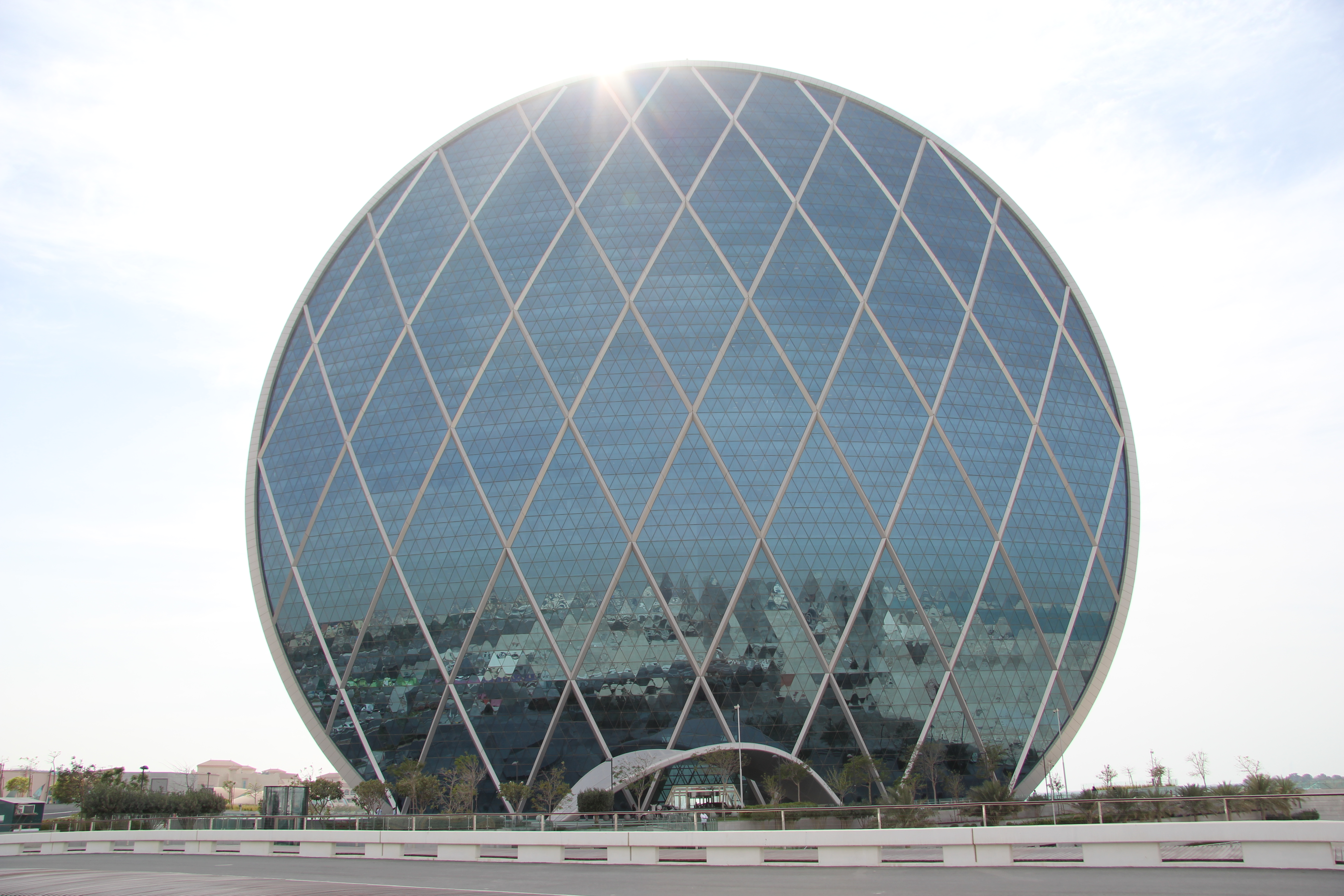
Aldar Properties, the prominent real estate developer from Abu Dhabi, has made a significant move to expand its footprint in Dubai by acquiring key commercial properties and planning landmark projects. These ventures underline Aldar’s commitment to tapping into the growing demand for premium office spaces in one of the region’s most dynamic business hubs.

The acquisition of a commercial tower in Dubai International Financial Centre (DIFC), formerly owned by H&H Development, positions Aldar as the sole developer with major commercial assets in both the Abu Dhabi Global Market (ADGM) and DIFC. This strategic purchase reinforces its status as a key player in the UAE’s real estate sector. This tower boasts state-of-the-art facilities and prime positioning, adding to Aldar’s growing portfolio of high-grade commercial properties.

Simultaneously, Aldar unveiled plans to develop a Grade A office tower along Sheikh Zayed Road near DIFC. Designed with premium office spaces and luxury amenities, the development is set to include a boutique hotel and branded residences. The project, located on one of Dubai’s last undeveloped double plots, will enhance connectivity with its proximity to major transport hubs, such as the Emirates Towers Metro Station.

These investments align with Aldar’s strategy to diversify its portfolio beyond residential and retail projects. Dubai has been identified as a priority growth market, as the company continues to explore opportunities in the emirate’s flourishing commercial real estate landscape. The acquisition also complements Aldar’s existing projects in Dubai, such as its developments in Dubai Internet City, further cementing its role in shaping the emirate’s commercial property offerings.

With an investment value exceeding AED 1.8 billion, Aldar’s ventures in Dubai are anticipated to contribute to economic growth and job creation while catering to the evolving needs of businesses seeking high-quality spaces in the UAE. This expansion comes amid strong demand for office properties, spurred by Dubai’s status as a global business hub and the economic diversification initiatives driving regional development.

Elon Musk’s $56 billion compensation package from Tesla has been voided by a Delaware judge, who ruled that the deal was influenced by Musk’s dominant role in the company. The court found that Tesla’s board and compensation committee failed to act independently during negotiations, citing Musk’s deep ties with board members and his control over the process. This decision follows allegations that Tesla’s shareholder vote on the […]

ADVERTISEMENT

Microsoft Edge, once heralded as a robust competitor in the browser market, is showing signs of stagnation amid intense competition. Despite achieving a desktop market share of 12.96%, a new record for the browser, the dominance of Google Chrome remains unchallenged at 62.7%. Mozilla Firefox, with 6.34%, continues to maintain its place in the market as an alternative for privacy-conscious users. While Microsoft has invested heavily in […]

Two of the most influential projects in the Linux ecosystem, KDE and GNOME, are venturing into uncharted territory by developing their own Linux distributions. KDE is working on the “KDE e.V.” project, while GNOME is crafting its own end-user-focused system. This marks a significant shift from their traditional roles as providers of desktop environments to becoming full-fledged Linux distribution creators. Both initiatives aim to offer optimized, integrated […]

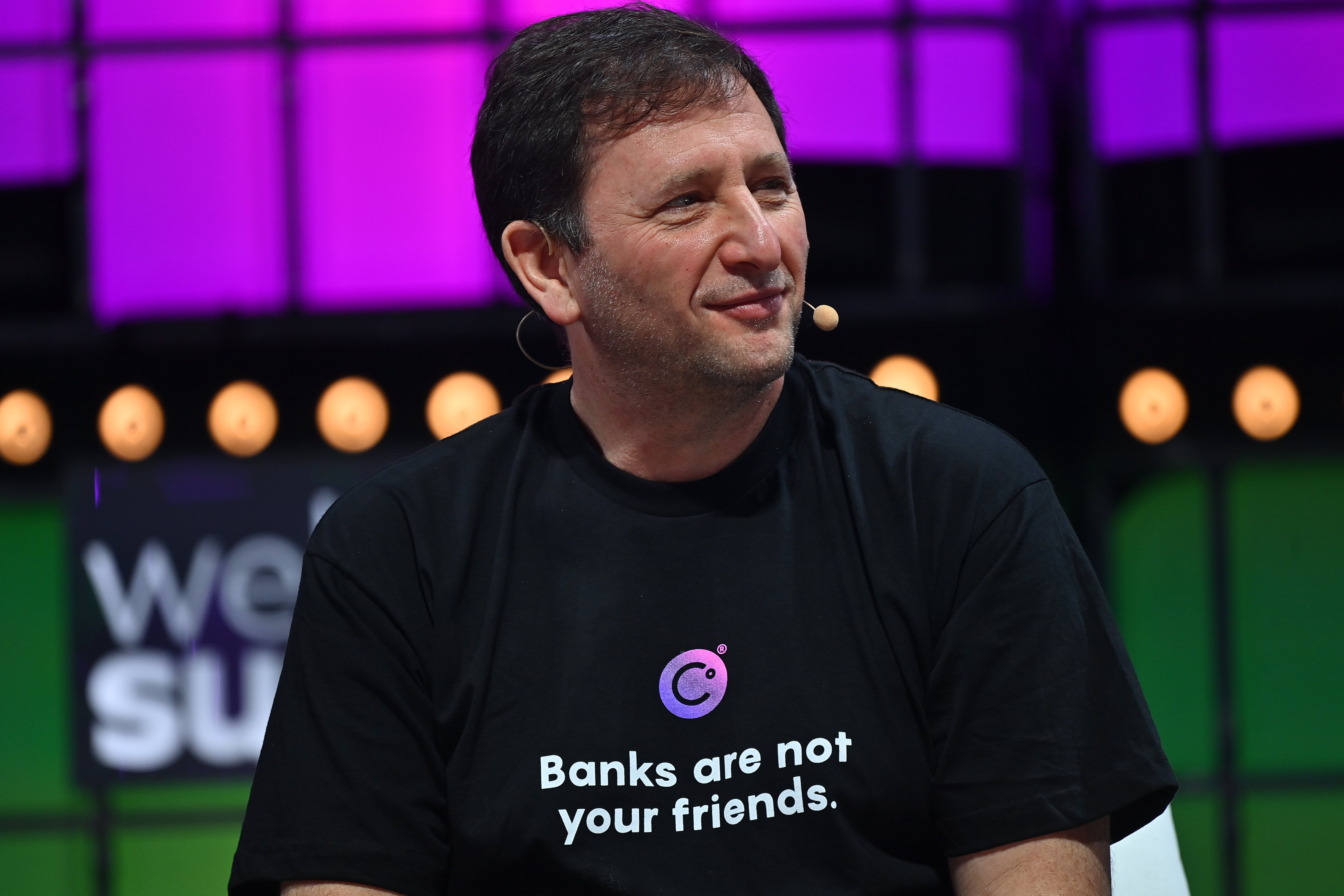
Alex Mashinsky, co-founder of Celsius Network, is set to plead guilty to charges of fraud tied to his role in artificially inflating the value of the CEL token, which was pivotal to the cryptocurrency platform. This development follows Mashinsky’s decision to change his plea, marking a significant shift in the high-profile case. Prosecutors allege that Mashinsky misled investors by manipulating the token’s price to attract users and generate personal profits, estimated at $42 million.

Celsius Network, once a major player in crypto lending, allowed users to earn returns on digital assets and access loans backed by cryptocurrency. However, its financial collapse in 2022 revealed vulnerabilities exacerbated by broader market turmoil, including the failure of the Terra-Luna ecosystem. Mashinsky is accused of using deceptive practices to assure investors of Celsius’s stability, despite the company’s mounting risks, and misrepresenting the safety of their deposits.

The charges against Mashinsky encompass fraud, securities violations, and market manipulation. Prosecutors highlight his attempts to inflate CEL’s value through fraudulent means, claiming this misled investors and caused significant losses. His upcoming guilty plea represents an acknowledgment of his role in these allegations and aligns with broader scrutiny on transparency within the crypto sector.

Celsius filed for bankruptcy in mid-2022 after halting customer withdrawals, with billions in assets trapped in the platform. Mashinsky’s case has drawn parallels to other high-profile crypto frauds, such as the collapse of FTX, where founder Sam Bankman-Fried faced criminal prosecution for mismanaging user funds. These incidents underscore the growing legal risks for executives in the digital asset industry and the heightened focus on regulatory enforcement.

The trial proceedings have also addressed complex legal interpretations of securities and commodities laws. Earlier attempts by Mashinsky to have charges dismissed were rejected, with judges affirming the validity of the allegations under both the Commodity Exchange Act and the Securities Exchange Act. If convicted on all counts, Mashinsky could face a lengthy prison sentence, reflecting the severity of his alleged misconduct.

Cryptocurrency trading in South Korea has faced a turbulent period marked by sharp declines in the value of digital assets paired with the Korean won. Bitcoin prices dropped dramatically to $79,167, while XRP fell to $1.89 during a temporary halt in trading activities. This disruption is closely tied to the implementation of martial law by the country’s leadership, which resulted in the complete shutdown of cryptocurrency exchanges and a pause in trading activity.

The declaration of martial law was reportedly aimed at ensuring political stability and security amid escalating tensions. However, it inadvertently led to market panic, affecting both institutional and retail cryptocurrency investors. Exchange operators were forced offline, rendering digital wallets and trading services inaccessible. This scenario disrupted the South Korean cryptocurrency market, one of the most active globally, renowned for its high trading volumes and significant local investor participation.

After the initial shock, trading volumes and prices have shown signs of recovery as exchanges gradually resume operations under stringent monitoring. The impact of these events has shed light on the vulnerabilities of digital asset trading platforms, especially in regions with heightened political risks. Market analysts suggest that the sharp price drops also highlighted the dependence of cryptocurrencies on broader socio-political factors, challenging the perception of these assets as insulated from traditional market influences.

The Korean won has been a key currency in global cryptocurrency markets, with South Korea’s exchanges acting as critical liquidity providers. This is partly due to regulatory clarity and strong local demand for cryptocurrencies. Despite this robust environment, the martial law declaration revealed gaps in crisis management and operational resilience among exchange operators. Stakeholders, including the government and financial regulators, are now exploring policy frameworks to ensure business continuity during unforeseen disruptions.

Bitcoin and XRP, alongside other major cryptocurrencies, saw varying degrees of recovery as investor confidence began to return. Bitcoin’s recovery reflects its status as a benchmark cryptocurrency, while XRP’s performance underlines the impact of regional trading dynamics. Observers have noted increased activity among professional traders leveraging the temporary volatility for speculative gains.

Cryptocurrency regulation in South Korea has been a topic of considerable debate, with authorities historically adopting a proactive stance to safeguard investors while fostering innovation. This latest incident may accelerate efforts to establish a more robust regulatory infrastructure, emphasizing risk mitigation strategies. Potential measures under discussion include mandatory contingency planning for exchanges, stricter capital requirements, and enhanced cybersecurity protocols.

The martial law’s implications extend beyond market disruptions, potentially reshaping global perceptions of South Korea as a hub for cryptocurrency activity. While the immediate focus remains on restoring normalcy in trading, long-term considerations include the balance between ensuring national security and maintaining the country’s competitive edge in blockchain and cryptocurrency innovation. The rapid rebound in trading volumes suggests resilience within the market, although questions linger regarding the sector’s preparedness for similar challenges in the future.

ADVERTISEMENT

The European data center market is experiencing an unprecedented boom, with artificial intelligence (AI), cloud computing, and the rapid evolution of digital infrastructure fueling the expansion. According to the latest findings in JLL’s EMEA Data Centre Report Q2 2024, demand for data storage and processing capacity has reached new heights, reflecting broader shifts in the global tech landscape. AI has emerged as a dominant driver behind the […]

Saudi Arabia is advancing its healthcare framework through a strategic partnership with China’s BGI Genomics, a globally recognized leader in biotechnology. This collaboration is set to focus on transformative healthcare solutions, including advanced genetic research, infectious disease management, and early cancer detection. This development aligns with Saudi Vision 2030, which emphasizes healthcare modernization and increased investment in precision medicine. The agreement between BGI Genomics and Saudi Arabia’s […]

France is contemplating a significant tax overhaul aimed at targeting “unproductive wealth,” which could include assets like Bitcoin, private jets, yachts, and luxury cars. This potential move reflects a growing trend among European countries to reshape their tax systems in response to the changing nature of wealth accumulation and its role in economic inequality.

French President Emmanuel Macron’s government is looking to implement a broader fiscal policy that addresses the concentration of wealth in certain sectors and individuals who possess assets not actively contributing to the economy. The move comes as part of a wider effort to tackle rising inequality in the country, with a particular focus on taxing luxury goods and non-productive financial assets. The goal is to redistribute resources to fund social programs and reduce the wealth gap, particularly in times of economic pressure exacerbated by the aftermath of the COVID-19 pandemic.

A key target of this new tax policy is cryptocurrency holdings, particularly Bitcoin, which has been characterized as an asset that is primarily held for speculative purposes. Bitcoin, often referred to as a store of value or “digital gold,” has garnered significant attention in recent years as a hedge against inflation and a means of diversifying portfolios. However, its volatile nature and lack of productive output have raised concerns among policymakers, who argue that such assets contribute little to the broader economy.

Supporters of the tax argue that the move would level the playing field between those who accumulate wealth through productive means and those who hold non-productive assets. They contend that luxury goods and speculative investments like Bitcoin should not be exempt from taxation, as they offer minimal societal benefit while contributing to wealth inequality.

Opponents, however, warn that such a policy could stifle investment and economic growth. They argue that taxing assets like Bitcoin could undermine investor confidence in both traditional and digital markets. There is also concern that the policy may discourage innovation in the cryptocurrency space, which has been seen as a driver of financial innovation and economic diversification.

The inclusion of Bitcoin in the potential tax bracket highlights France’s growing stance on regulating cryptocurrencies. France has long been cautious about the rise of digital currencies, having implemented stringent regulations to combat money laundering and fraud. However, this new proposed tax is a more direct approach, targeting the underlying wealth of crypto investors.

For many cryptocurrency enthusiasts, the tax represents a broader philosophical debate over the role of government in regulating digital assets. The decentralization of cryptocurrencies, which operate outside the traditional banking system, has made them an attractive option for individuals seeking financial autonomy. As the debate continues, French lawmakers are grappling with balancing the need for regulation and oversight with the potential for stifling innovation in the growing crypto economy.

Beyond cryptocurrency, the tax proposal includes traditional luxury assets, such as private jets, yachts, and high-end automobiles. These assets, often associated with the wealthiest individuals, have been a focus of criticism for their environmental impact and lack of tangible economic contribution. The government’s argument is that taxing these non-productive assets can help fund projects that would benefit a broader segment of the population, particularly in the context of green initiatives and sustainable development.

The tax would not only target French residents but also foreign nationals who own such luxury assets within France. This has raised concerns among global elites, many of whom use France as a destination for both leisure and business. While the policy is still in the proposal stage, it has sparked significant debate within both the political and business communities. Opponents argue that France could risk losing its status as a major hub for luxury goods and high-net-worth individuals if such a tax were to be implemented.

Despite these concerns, the government is moving forward with consultations to finalize the details of the tax. The proposed tax would likely be tiered, with higher rates for those who hold larger or more expensive assets, both in the realm of cryptocurrency and physical luxury goods. This progressive approach is intended to ensure that the wealthiest individuals, who are often the primary holders of such assets, contribute a fairer share to the country’s public finances.

While France has yet to release a formal timetable for the implementation of the tax, the proposal is gaining traction among certain factions of the political spectrum, particularly those advocating for stronger measures to combat inequality and climate change. However, it remains to be seen how the policy will affect investment in both luxury markets and cryptocurrencies, which have been seen as major sources of wealth for the affluent in recent years.

ADVERTISEMENT

Qatar’s Central Bank has introduced a groundbreaking framework to regulate digital banking, marking a significant step toward modernizing the nation’s financial sector. This initiative aligns with the Qatar National Vision 2030 and is part of the broader Financial Sector Strategy for the 2024-2030 period. The framework is set to reshape digital banking operations, ensuring a balance between innovation and stringent regulatory oversight to foster financial stability and inclusion.

Taiwan has implemented a stringent regulatory framework aimed at tightening the oversight of Virtual Asset Service Providers (VASPs), marking a significant shift in the country’s approach to managing the digital asset industry. Effective from November 30, new rules under the Financial Supervisory Commission (FSC) mandate rigorous anti-money laundering (AML) measures, pushing for transparency and compliance across all cryptocurrency operators.

The FSC’s framework introduces a phased regulatory process, culminating in comprehensive legislation expected by mid-2025. All VASPs, including new and existing operators, must submit initial applications by March 2025, with final registration due by September 2025. Penalties for non-compliance include fines of up to NT$5 million and potential imprisonment of up to two years, a clear indication of the government’s commitment to addressing financial misconduct within the virtual asset market.

VASPs operating overseas must establish a local presence in Taiwan, conforming to requirements under the Company Act and adhering to stringent AML compliance protocols. The measures seek to enhance consumer protection, promote financial integrity, and foster a more secure cryptocurrency ecosystem.

U.S. President Joe Biden has pardoned his son, Hunter Biden, clearing federal convictions related to gun possession and tax offenses. This decision follows months of scrutiny over Hunter’s legal troubles, which had drawn significant public attention and political criticism. The pardon marks a reversal from the president’s prior stance, where he had assured he would not interfere in the judicial process concerning his son. Hunter Biden was […]

Shares of GQG Partners, a key investor in the Adani Group, plummeted significantly following an analyst report warning about the potential outflows from the firm’s portfolio. The note raised concerns regarding GQG’s continued exposure to the Adani Group amid increasing scrutiny over alleged bribery and fraud charges against Adani executives. The report, which was published late last week, highlighted a possible shift in investor sentiment as GQG […]

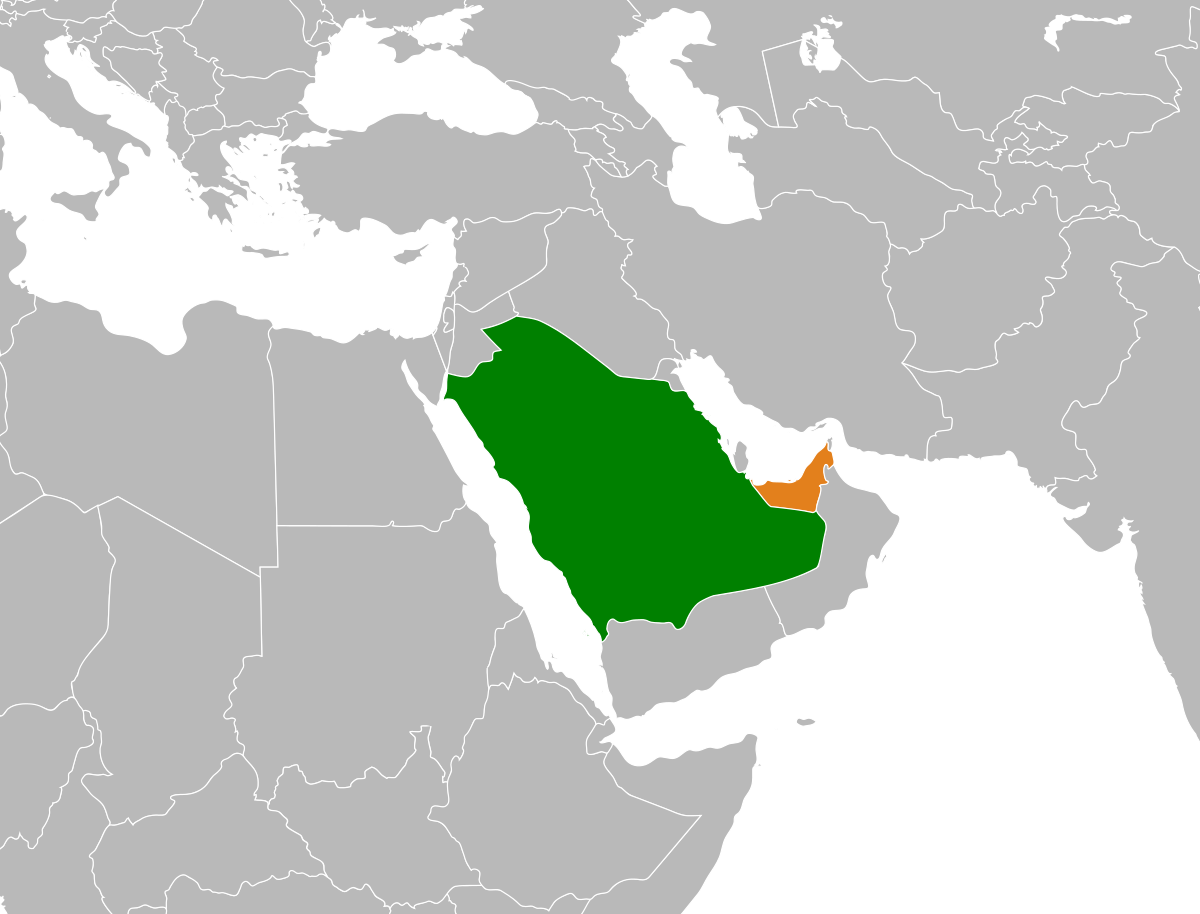
UAE President Sheikh Mohamed bin Zayed Al Nahyan and Saudi Crown Prince Mohammed bin Salman held a high-level meeting to further solidify their countries’ bilateral relations, underscoring the enduring strength of their partnership. The meeting comes as both nations navigate complex regional and global challenges, aiming to reinforce their cooperation in key sectors such as energy, security, and technology.

The summit, which took place in Abu Dhabi, reflects the growing strategic importance of the UAE-Saudi relationship. This alliance has been marked by a shared commitment to regional stability, economic growth, and development. The two leaders’ discussions have centered on deepening political and economic collaborations, enhancing trade, and exploring opportunities in emerging fields like renewable energy and space exploration.

The UAE and Saudi Arabia have long been influential players in the Gulf region, and their partnership is often seen as a counterbalance to external powers. Their collaboration spans beyond bilateral matters, impacting broader issues such as security in the Middle East, OPEC oil production agreements, and joint ventures in technological advancements. The convergence of their interests is aimed at positioning the two nations as global leaders in multiple sectors.

Trade relations between the UAE and Saudi Arabia have been growing steadily, with the UAE becoming one of Saudi Arabia’s largest trading partners. The two nations are focused on further facilitating economic integration through the Gulf Cooperation Council (GCC), which serves as a platform for harmonizing their policies on trade, investment, and infrastructure. Their concerted efforts are seen as crucial for advancing the region’s economic diversification and reducing dependence on oil.

In the realm of energy, the UAE and Saudi Arabia are working together to lead the charge on clean energy initiatives. Both countries have made significant strides in developing sustainable energy solutions, with large investments in solar power, nuclear energy, and hydrogen. Their collaboration in these sectors is intended to help the Gulf region transition toward a low-carbon future while maintaining energy security.

Security is another critical component of the UAE-Saudi partnership. Both nations have faced regional security threats, particularly from non-state actors and the geopolitical tensions surrounding Iran. As a result, the UAE and Saudi Arabia have worked in tandem to fortify their defense mechanisms and enhance intelligence sharing. Their coordinated efforts are also evident in joint military operations, particularly in Yemen, where both countries have been involved in the ongoing conflict as part of a Saudi-led coalition.

The leaders’ discussions also touched on the importance of technological innovation as a driver of future economic growth. The UAE has positioned itself as a hub for technological advancements in the Middle East, with initiatives like Dubai’s smart city projects and the UAE’s space program gaining international recognition. Meanwhile, Saudi Arabia has launched its own ambitious Vision 2030 initiative, which includes plans for transforming its economy through technology, including its investments in artificial intelligence, blockchain, and digital infrastructure.

The strategic alliance between the UAE and Saudi Arabia has not only helped shape the region’s economic and political landscape but has also made them key partners in broader international forums. Both nations have increasingly taken a proactive stance in addressing global challenges, including climate change, public health, and geopolitical tensions. Their efforts to collaborate on such issues signal a broader commitment to fostering stability and peace in the Middle East and beyond.

The transition from traditional banking systems to cryptocurrency has marked a pivotal shift in the financial world, driven by the impact of demonetization trends and the surge in digital transactions. This evolution, explored in depth by researchers Aashi Rawal, Santosh Gopalkrishnan, Dhanashree Tharkude, and Pallavi Deshpande, highlights the challenges and opportunities that cryptocurrencies present to global financial frameworks. A comprehensive study presented at the 2024 International Seminar […]

Motorcity Systems, a leader in transportation technology, has introduced ROLLER™, a new mobile application designed to transform fleet operations and improve the experiences of both drivers and fleet managers. The app, which integrates seamlessly with Motorcity’s cloud-based platforms, brings advanced features to streamline workflows and enhance operational efficiency.

VISHNU RAJA
RYO YAMADA
HITORI GOTOH
IKUYO KITA
Social Media Auto Publish Powered By : XYZScripts.com