News related to
wikipedia

WordCamp USA concluded recently with a keynote address from Matt Mullenweg, the co-founder of WordPress.org and CEO of Automattic, that has since ignited a considerable backlash from the WordPress community and beyond. While the event typically fosters a spirit of collaboration and community, Mullenweg’s speech diverged sharply from this norm, culminating in pointed criticism of a prominent managed WordPress web host, WP Engine. This controversial moment not […]

A violent episode unfolded late Saturday night in Birmingham, Alabama, resulting in four fatalities and 17 injuries when gunfire erupted in the bustling Five Points South entertainment district. This incident marks one of several high-profile shootings that have recently disturbed the city, prompting urgent calls for action from local leaders and law enforcement. Shortly after 11 p.m., patrons of the vibrant area were caught off guard as […]

Oman’s Nama Power and Water Procurement Company (Nama PWP) has identified several prominent utility developers to spearhead the construction of five large-scale wind energy projects. This initiative marks a significant step in the nation’s efforts to diversify its energy sources and enhance sustainability. The competitive process saw strong interest from major players in the energy sector, with Saudi Arabia’s Acwa Power, Japan’s Sumitomo and Itochu, France’s TotalEnergies […]

Germany’s top envoy to Canada has issued a stark warning regarding the future of natural gas demand in Europe, suggesting that the continent’s appetite for Canadian exports is poised to diminish. This statement arrives amid ongoing discussions about energy supply amid Europe’s shifting focus towards renewable energy sources and greater energy independence. The envoy highlighted a significant transformation in Europe’s energy landscape, emphasizing a strategic pivot away […]

ADVERTISEMENT

Saudi Arabia has emerged as the leading G20 nation in international tourism growth during the initial seven months of 2024, setting remarkable benchmarks in both tourist numbers and tourism revenue. According to data released by the UN Tourism Barometer at the recent G20 Tourism Ministerial Meeting in Belem, Brazil, the Kingdom recorded an impressive 73% increase in international tourist arrivals compared to the same period in 2019. Equally striking, international tourism revenues soared by 207%, signaling a robust recovery and expansion of the sector post-pandemic.

This surge aligns with Saudi Arabia’s ambitious Vision 2030 initiative, which aims to diversify the economy away from oil dependency by promoting tourism and entertainment. The Kingdom’s strategic investments in infrastructure and its efforts to enhance the overall visitor experience have played a crucial role in attracting global travelers. Significant projects, such as the NEOM city and various mega resorts along the Red Sea, exemplify Saudi Arabia’s commitment to creating world-class tourism destinations.

Tourism has been identified as a key pillar for economic diversification, providing job opportunities and stimulating local economies. The Kingdom’s strategic location, rich cultural heritage, and unique offerings, such as historical sites, desert experiences, and modern entertainment complexes, contribute to its appeal. The government’s proactive measures to streamline visa processes, including the introduction of e-visas and a visa-on-arrival system for certain nationalities, have further facilitated travel to the country.

Riyadh, the capital, has seen a notable influx of international tourists, bolstered by high-profile events and festivals. The Saudi Seasons initiative, which hosts a variety of cultural and entertainment events throughout the year, has attracted millions of visitors. Additionally, major sporting events, such as the Saudi Arabian Formula E race and international concerts, have significantly enhanced the Kingdom’s visibility on the global tourism map.

The report highlights that several other G20 countries also witnessed growth in their tourism sectors, but none matched the scale of Saudi Arabia’s advancements. Countries like Mexico and Italy showed positive trends, with increases in both tourist arrivals and revenues, yet their figures fell short in comparison to the Kingdom’s exponential growth rates.

Emerging trends within the tourism sector suggest a shift in traveler preferences. Tourists are increasingly seeking immersive cultural experiences and sustainable travel options. Saudi Arabia’s focus on heritage tourism, particularly through its UNESCO World Heritage sites like Al-Ula and Diriyah, aligns with these trends. The government has invested in preserving and promoting these sites, allowing visitors to engage deeply with the Kingdom’s history and traditions.

The Kingdom is positioning itself as a hub for eco-tourism. Initiatives such as the Red Sea Project aim to create a sustainable tourism model that minimizes environmental impact while maximizing visitor engagement with the natural beauty of the region. This focus on sustainability resonates with a growing segment of travelers who prioritize environmental responsibility in their choices.

Key players in the Saudi tourism landscape include both state-owned and private enterprises. The Saudi Tourism Authority plays a central role in promoting the Kingdom as a premier tourist destination, while private companies are rapidly emerging to offer diverse travel packages, accommodations, and experiences tailored to international tourists. Collaborative efforts between these entities are vital for ensuring the seamless integration of services and maintaining high standards of hospitality.

Despite the optimistic growth trajectory, challenges remain. The global tourism industry is still navigating the complexities introduced by the COVID-19 pandemic, including changing travel restrictions and health regulations. Additionally, geopolitical factors in the region can influence tourist perceptions and decision-making. The Kingdom must continue to cultivate a safe and welcoming environment to maintain its competitive edge.

Market analysts suggest that the momentum seen in the first half of 2024 could pave the way for sustained growth, provided that the Kingdom continues to innovate and adapt to changing market dynamics. As the global tourism landscape evolves, Saudi Arabia’s commitment to enhancing its offerings and promoting itself effectively on the world stage will be critical in attracting and retaining international visitors.

The collaboration between various sectors—government, hospitality, transport, and cultural organizations—will be essential for creating a cohesive tourism strategy. This integrated approach not only enhances visitor experiences but also maximizes the economic benefits derived from tourism, fostering community development and cultural exchange.

India’s climate tech sector is facing significant funding challenges, according to a report by IIMA Ventures and MUFG Bank. Despite the country boasting over 800 climate tech startups, the ecosystem is grappling with limited access to capital, which is hampering innovation in critical areas such as renewable energy, carbon capture, and sustainable agriculture. The findings highlight a growing concern over the sector’s future, as it seeks to […]

President Joe Biden convened with key Indo-Pacific leaders on Saturday, reaffirming the United States’ commitment to bolstering regional maritime cooperation and countering the growing strategic influence of China. During the summit with the leaders of India, Australia, and Japan, Biden underscored the importance of the Quadrilateral Security Dialogue (Quad), a security coalition increasingly focused on ensuring the stability of the Indo-Pacific region, both economically and militarily. Biden’s […]

Advertisements
ADVERTISEMENT

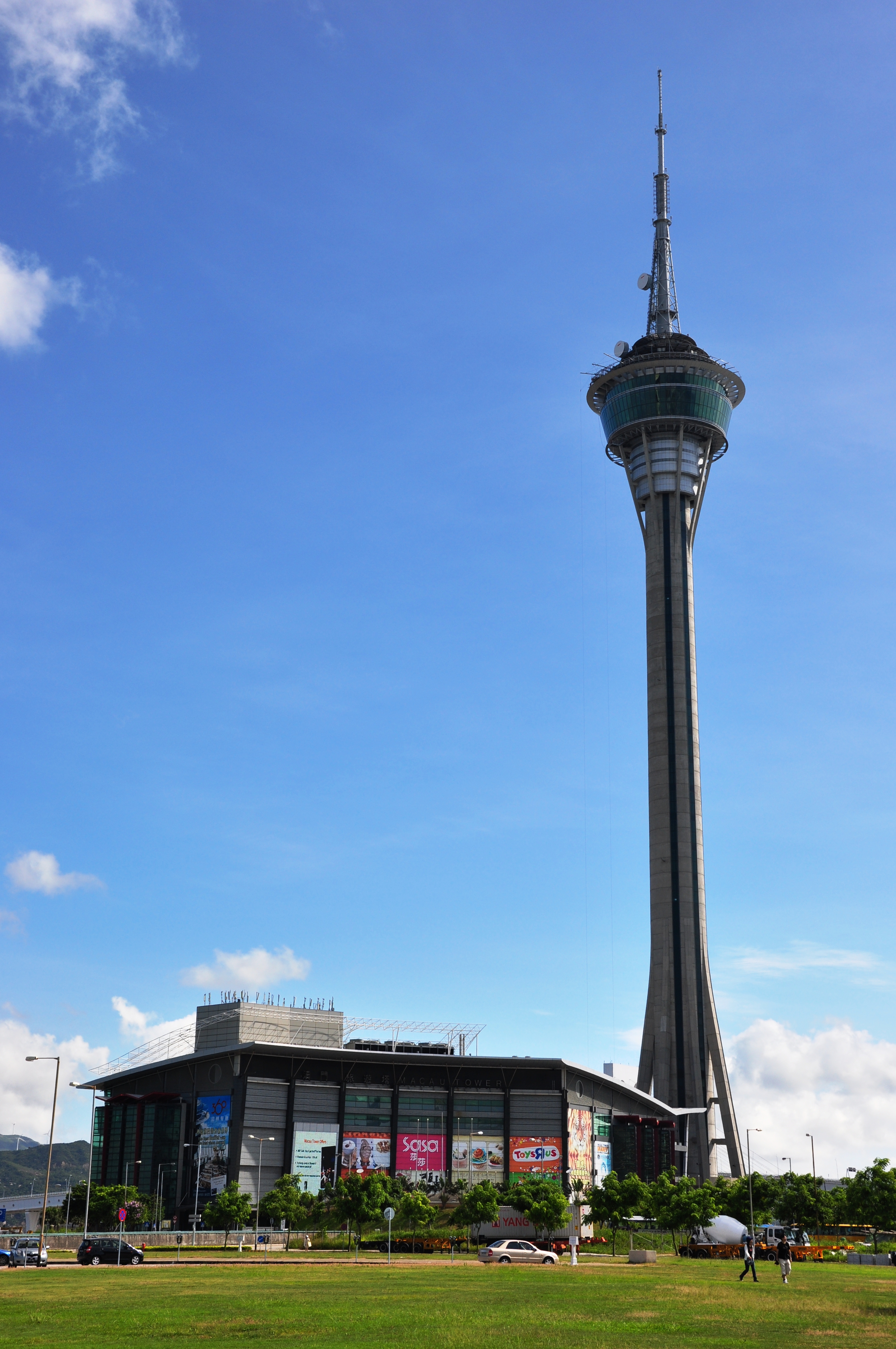
Macau, long recognized as the world’s casino capital, is pivoting towards economic diversification as concerns mount over the sustainability of its gaming-centric economy. The territory, heavily reliant on its vibrant gambling industry, is now witnessing a push from key leaders to embrace broader economic avenues in light of recent challenges, including regulatory pressures and shifting global economic dynamics.

Sam Hou Fai, a former judge and leading contender for the role of Macau’s next chief executive, has emerged as a prominent advocate for this diversification strategy. Emphasizing the urgent need for change, he has openly criticized the rampant expansion of the gaming sector, labeling it “barbaric” and detrimental to the territory’s long-term viability. Hou Fai’s vision encompasses not only an expansion of tourism beyond gaming but also the development of cultural, technological, and entertainment sectors that can provide stable revenue streams independent of the fluctuating fortunes of gambling.

The challenges facing Macau’s economy are manifold. Following the COVID-19 pandemic, the territory has seen a dramatic decline in tourist arrivals, particularly from mainland China, which accounted for a significant portion of its gaming revenues. This downturn has illuminated the risks of an economy overly reliant on a single industry. Furthermore, the Chinese government’s tightening of regulations surrounding gambling and its crackdown on illicit activities linked to the gaming industry have led to uncertainty, prompting both local stakeholders and investors to reconsider their strategies.

As part of this broader push for economic resilience, Macau has initiated various initiatives aimed at enhancing its attractiveness as a destination for non-gaming tourism. These include the development of cultural and heritage tourism, which seeks to showcase Macau’s rich history and blend of Portuguese and Chinese cultures. Events such as the Macau International Fireworks Display Contest and the Macau Arts Festival are being promoted to draw visitors who may not be interested in gambling but are keen on experiencing the local culture.

The shift towards diversification is also backed by the Macau government, which has unveiled plans to allocate substantial funds towards infrastructural projects that enhance connectivity and accessibility. This includes the expansion of public transport networks and the enhancement of facilities to accommodate large-scale international events. By investing in infrastructure, Macau aims to position itself as a competitive hub for business, conventions, and exhibitions, catering to a broader audience.

Tech innovation is another focal point in Macau’s diversification efforts. The government is actively encouraging the growth of tech startups and digital industries, aiming to harness the potential of emerging technologies such as artificial intelligence and blockchain. Initiatives to support entrepreneurship and attract foreign investment in tech sectors are being prioritized, with the goal of creating a sustainable ecosystem that supports job creation and economic growth beyond gambling.

Furthermore, Macau’s geographic location offers unique opportunities for expanding its role as a trade and logistics hub within the Greater Bay Area, a region comprising Hong Kong, Guangdong province, and Macau. This initiative aligns with China’s broader economic strategy, promoting interconnectedness among cities within the region. By leveraging its advantageous location and existing infrastructure, Macau seeks to establish itself as a key player in regional supply chains, thereby attracting businesses that are looking to expand their operations in Asia.

While the road to diversification presents numerous challenges, including resistance from entrenched gaming interests and the need for skilled labor in emerging sectors, the momentum for change is palpable. Sam Hou Fai’s leadership and advocacy are crucial in navigating these complexities, as he seeks to foster a collaborative environment among various stakeholders, including businesses, government entities, and the community at large.

The evolving landscape of Macau’s economy also reflects broader global trends. Many economies that have traditionally relied on a narrow set of industries are recognizing the importance of resilience and adaptability in an increasingly volatile world. The push for diversification is not just about mitigating risks; it is also about seizing new opportunities in a post-pandemic era characterized by shifting consumer preferences and technological advancements.

Microsoft has announced that it will shut down its long-running Xbox Ambassadors program by mid-October, signaling a shift in its community engagement strategy. The program, which has been active for over 13 years, aimed to provide experienced Xbox gamers with a platform to assist others by answering support questions, hosting game sessions, and helping cultivate a positive gaming environment. In recognition of their efforts, Xbox Ambassadors received exclusive rewards and participated in special events.

The decision to discontinue the program aligns with Microsoft’s broader strategy of streamlining its community initiatives. The company cited changes in the gaming landscape and evolving needs of its global community as key reasons for this move. Over the years, the Ambassador program helped create a more inclusive and global gaming culture. However, Microsoft believes it is time to integrate the lessons and values from this initiative into other player engagement platforms like Xbox Fanfest, the Xbox Insider Program, and Xbox Rewards.

The closure of the Ambassadors program is scheduled for October 15, 2024. Ambassadors have until then to claim any remaining rewards, including redeeming codes, and the Xbox Ambassadors badge will receive a final legacy design. While the program is winding down, Microsoft will offer a series of special sweepstakes in its final weeks, providing members with one last opportunity to earn rewards.

Active participants in the current season of the program will receive a special “thank you” in the rewards section. Additionally, the Ambassador Champions program will transition into a new format, dubbed “Xbox Community Champions,” as part of this restructuring.

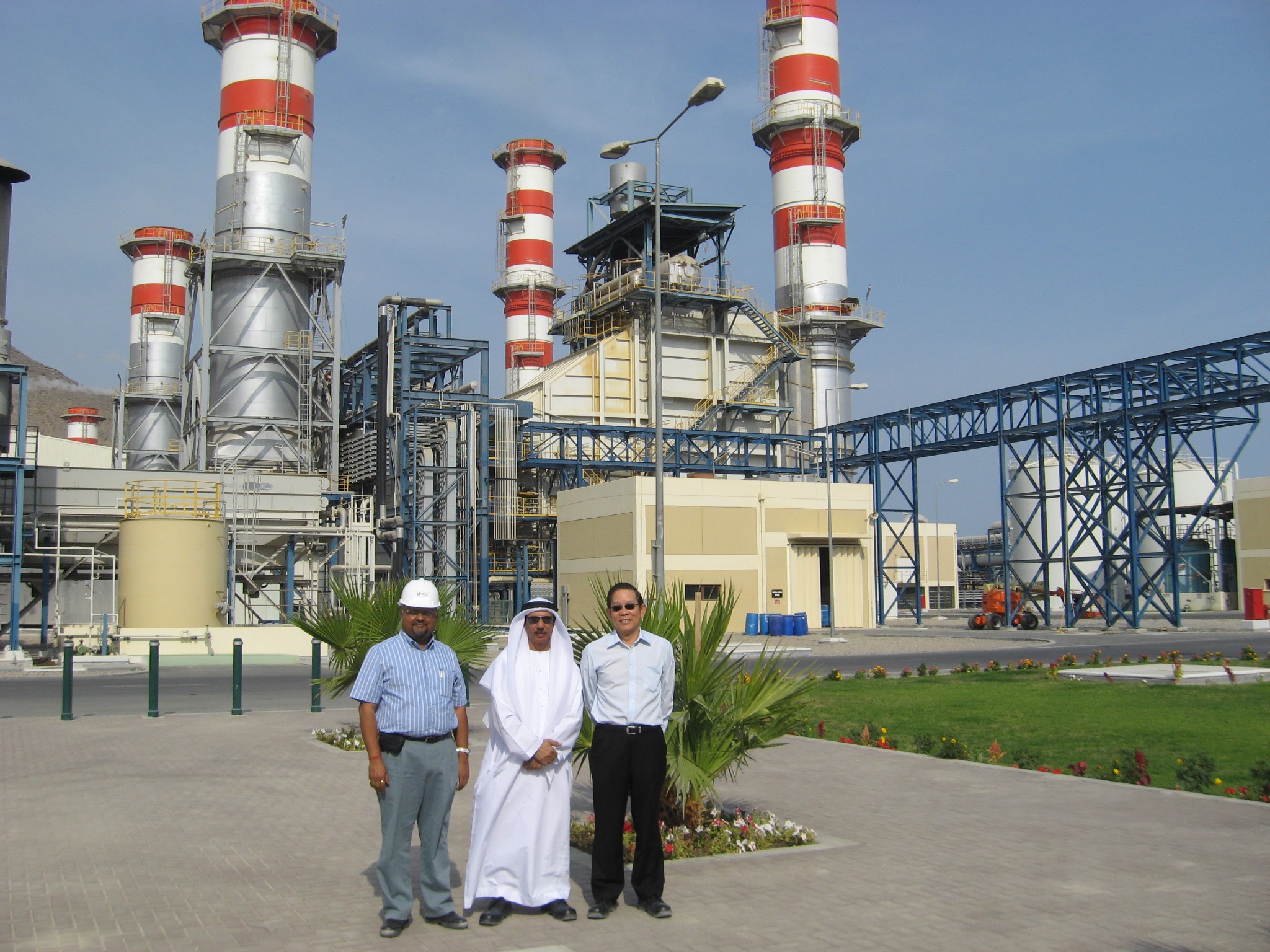
A significant deal has been struck in the UAE’s energy and water infrastructure sector as the UAE Offsets Group (UOG) awarded a $453 million contract to a consortium of Al Jaber Energy Services (AJES) and Technip for the transmission package of the Fujairah desalination and power project. The signing of this agreement marks a crucial step forward in efforts to meet the rising demand for water in Al Ain and power in the Northern Emirates.

The consortium, featuring AJES as the local partner and Technip, a global leader in engineering and construction, will be responsible for the design, construction, and commissioning of a 185-kilometer pipeline. This pipeline will transport water from Fujairah to Al Ain, including a 16-kilometer extension to Al Dhaid. In addition to the pipeline, the project involves the construction of associated infrastructure such as water pumping stations and storage tanks to ensure an efficient supply of water to meet growing consumption in the region.

The contract comes at a time when power demand in the Northern Emirates is increasing by 10 to 15 percent annually, particularly during the peak summer months. Addressing these needs has become a top priority for the UAE government. The project will provide a much-needed solution to the region’s persistent power shortages while catering to the growing population and industrial expansion in the area.

Al Jaber Energy Services and Technip were selected as the preferred bidders after a competitive tender process. The successful award of the contract is part of a broader strategy by the UAE to develop its water and energy infrastructure to meet both present and future needs. The project is also aligned with the country’s sustainable development goals, particularly in water conservation and energy efficiency.

The pipeline will play a critical role in ensuring the long-term security of water supply for residents of Al Ain, a city that has seen rapid growth in recent years. The consortium is expected to deliver the project with high standards of efficiency and reliability, leveraging their combined expertise in large-scale engineering projects.

This award follows a series of projects aimed at bolstering the UAE’s infrastructure, including power generation and desalination initiatives. The Fujairah desalination plant itself, part of the overall package, will have a significant capacity to meet future water demands, thus reinforcing the UAE’s commitment to sustainable water management and infrastructure resilience.

Al Jaber, a UAE-based conglomerate with vast experience in the construction and engineering sectors, has previously been involved in major infrastructure projects across the region. Meanwhile, Technip, known for its global reach and expertise in energy infrastructure, will provide the technical know-how and engineering capabilities needed to ensure the project’s success.

This contract award highlights the importance of public-private partnerships in the UAE’s ongoing efforts to address infrastructure challenges. The UOG’s involvement ensures that the project will be executed within the strategic framework of the UAE’s national development objectives. It also underscores the growing role of international companies like Technip in supporting the UAE’s infrastructure and energy needs.

Construction on the pipeline and its associated facilities is set to begin shortly, with a tight project timeline to meet the pressing demand for water and power. The Fujairah-Al Ain pipeline is expected to significantly improve water distribution efficiency and address critical shortages that have affected the region in recent years.

ADVERTISEMENT

Bitcoin’s surge past $62,000 has rekindled interest in the cryptocurrency market, with growing attention from major financial institutions. As fears of a U.S. dollar crisis mount, BlackRock, one of the world’s largest asset management firms, has issued warnings about the potential fallout from America’s rising debt burden. The firm has indicated that this escalating debt, now towering over $35 trillion, could erode confidence in the U.S. dollar, pushing investors toward alternative assets like Bitcoin.

A sharp 0.5% interest rate cut by the U.S. Federal Reserve shocked the financial world, marking a significant policy shift. This surprise move has added momentum to Bitcoin’s rally, with many investors interpreting it as a sign that traditional financial systems may be under strain. The combination of surging inflation, monetary easing, and ballooning U.S. debt levels is seen by some as a perfect storm for institutional investors to seek refuge in digital assets. BlackRock’s growing focus on Bitcoin reflects this sentiment, as it positions itself ahead of potential macroeconomic upheavals.

The asset manager’s shift towards Bitcoin marks a noteworthy moment in the broader adoption of cryptocurrencies by institutional players. Bitcoin, long regarded as a fringe asset or speculative plaything, is increasingly being viewed as a credible alternative to traditional stores of value. The rise of digital currencies is not just a retail phenomenon anymore; institutional investors like BlackRock are finding it prudent to diversify their portfolios in the face of looming economic uncertainty.

Fears over the stability of the U.S. dollar are not unfounded. Analysts have pointed out that the Federal Reserve’s dovish stance, combined with government borrowing, is creating an environment where the dollar could weaken further. With interest rates low and inflation persisting, the purchasing power of the dollar faces increasing pressure. BlackRock has underscored the importance of preparing for such scenarios, highlighting Bitcoin’s distinct potential as a hedge against currency depreciation.

Bitcoin’s unique characteristics are drawing institutional attention. Unlike gold or other traditional safe-haven assets, Bitcoin offers a blend of scarcity, decentralization, and growing utility in global financial systems. As central banks worldwide grapple with inflation and currency fluctuations, Bitcoin’s role as a hedge has gained legitimacy among institutional investors. BlackRock’s analysts have stressed that Bitcoin’s fixed supply—capped at 21 million coins—makes it a robust alternative to fiat currencies, which can be devalued by excessive monetary policies.

The cryptocurrency’s surge past $62,000 has only strengthened the case for its adoption. A combination of factors, including institutional buying and a broader acceptance of Bitcoin as a financial asset, have contributed to its price rally. Analysts believe that Bitcoin’s newfound appeal as a long-term hedge could propel it further, especially as central banks continue to implement aggressive monetary easing measures.

One of the key drivers behind Bitcoin’s rise is the increasing participation of institutional investors. BlackRock’s move signals a broader trend where traditional financial players, who once viewed Bitcoin with skepticism, are now embracing it as part of their risk management strategies. The company’s endorsement of Bitcoin comes at a time when more hedge funds, pension funds, and asset managers are looking to incorporate digital assets into their portfolios. This growing interest marks a pivotal shift in the financial landscape, with Bitcoin no longer confined to niche markets or retail traders.

BlackRock’s leadership in asset management means its endorsement of Bitcoin is likely to resonate across the financial industry. As one of the largest and most influential firms, BlackRock’s insights often set the tone for broader market trends. Its acknowledgment of Bitcoin as a viable hedge against U.S. dollar risks may spur other institutions to reconsider their stance on digital currencies, further driving adoption in the months to come.

Despite the positive momentum surrounding Bitcoin, the cryptocurrency market remains volatile. Bitcoin’s price swings are still more pronounced compared to traditional assets, and some investors are cautious about jumping in. However, BlackRock has argued that Bitcoin’s volatility may be a risk worth taking in the current macroeconomic climate. The firm’s analysts suggest that as long as the U.S. government continues to accumulate debt and rely on monetary easing, Bitcoin’s role as a hedge will become more valuable.

Institutional investors are also looking beyond Bitcoin’s price movements. The underlying technology of blockchain, which supports Bitcoin and other cryptocurrencies, is increasingly being explored for its potential in financial systems. BlackRock has recognized the long-term value of blockchain technology, acknowledging its potential to revolutionize sectors beyond just finance. The company’s interest in Bitcoin can be seen as part of a broader strategy to position itself at the forefront of technological innovation in finance.

Bitcoin’s status as a “digital gold” is being cemented by its growing adoption. BlackRock’s focus on Bitcoin is a reflection of the wider belief that the world’s oldest cryptocurrency could play a significant role in future financial markets. As the U.S. dollar faces challenges from both domestic and international forces, institutional players like BlackRock are preparing for scenarios where traditional assets might underperform. By including Bitcoin in their portfolios, they are hedging against a potential loss of confidence in the world’s reserve currency.


Strategic economic discussions are at the forefront of the United Arab Emirates’ diplomatic agenda as officials prepare for President Mohamed bin Zayed Al Nahyan’s upcoming visit to Washington. This visit aims to reinforce economic partnerships and bolster trade relations, reflecting the UAE’s commitment to enhancing its global economic footprint amid shifting geopolitical dynamics.

The discussions are anticipated to focus on a range of issues, including technology investments, renewable energy, and sustainable development initiatives. The UAE has been proactive in positioning itself as a leader in renewable energy, with significant investments in solar and nuclear power projects. The visit comes at a time when the United States is keen on strengthening ties with Middle Eastern allies, especially in the context of energy security and economic stability.

Officials from both countries are expected to engage in talks to expand bilateral trade, which has shown resilience even in challenging global economic conditions. According to the UAE Ministry of Economy, trade between the two nations reached $24 billion in 2022, highlighting the potential for further growth. The discussions will likely include opportunities for U.S. companies to invest in the UAE’s burgeoning sectors, including technology and healthcare.

The UAE’s diversification efforts, particularly through its Vision 2021 and subsequent strategies, underscore its ambition to reduce reliance on oil revenues. With a strong focus on innovation and sustainability, the UAE is attracting foreign direct investment (FDI) and enhancing its reputation as a business hub. The ongoing development of the UAE’s technology landscape, with initiatives like the Dubai Future Foundation and Abu Dhabi’s Tech Investment Fund, positions it as an attractive destination for U.S. investors seeking new opportunities.

Key players from both sides are expected to participate in high-level meetings. Notable figures may include U.S. Secretary of State Antony Blinken and UAE Minister of Foreign Affairs Abdullah bin Zayed Al Nahyan. Their discussions are likely to revolve around fostering cooperation in areas such as cybersecurity, artificial intelligence, and advanced manufacturing. The emphasis on technology reflects the growing recognition of the digital economy’s role in driving future growth.

Moreover, the UAE’s role as a logistics and trade hub for the region presents further opportunities for collaboration. The country’s strategic location, coupled with its advanced infrastructure, makes it an ideal gateway for U.S. companies aiming to access markets in Africa, Asia, and Europe. Enhancing logistics and supply chain efficiency will be a key topic of discussion, particularly in the aftermath of the disruptions caused by the pandemic.

The economic dialogue also aligns with broader geopolitical interests. The UAE’s commitment to stability in the Gulf region is crucial for U.S. interests, particularly in light of ongoing tensions with Iran and other regional challenges. Strengthening economic ties serves to fortify alliances that are vital for regional security and economic resilience.

The upcoming visit also underscores the UAE’s efforts to position itself as a mediator in global conflicts and an advocate for multilateral cooperation. The nation’s diplomatic initiatives in promoting peace and stability in conflict zones such as Yemen and Libya have garnered international attention. This diplomatic approach is expected to be highlighted during the discussions, reinforcing the UAE’s role as a key player in regional and global politics.

Additionally, climate change is likely to be a significant theme during the meetings. The UAE has made notable commitments to sustainability, including hosting the COP28 climate summit in 2023. This platform will allow the UAE to showcase its initiatives in reducing carbon emissions and promoting green technologies. Cooperation with the U.S. on climate action can pave the way for joint ventures in renewable energy projects and innovative environmental solutions.

Furthermore, the visit may address concerns regarding the global supply chain, particularly in light of recent disruptions. Both countries are likely to explore collaborative strategies to enhance resilience in supply chains, focusing on technology-driven solutions to streamline processes and mitigate risks.

Donald Trump’s World Liberty Financial has entered the crypto arena with aspirations to redefine investment paradigms, led by his sons, Donald Jr. and Eric Trump. The launch event at Mar-a-Lago, broadcast via X Spaces and in collaboration with Rug Radio, set the stage for this ambitious project aimed at positioning the U.S. as a frontrunner in the cryptocurrency space. At the heart of World Liberty Financial is […]

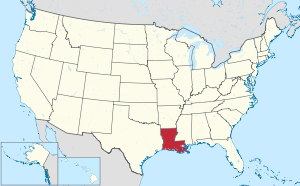
Louisiana has taken a significant step in embracing cryptocurrency by allowing residents to use Bitcoin, Bitcoin Lightning, and USD Coin to pay for state services. This development marks Louisiana as the first U.S. state to officially accept cryptocurrency payments for public services, a move that has both local and national implications.

The state has partnered with Bead Pay, a payment processing platform, to facilitate these transactions. The system automatically converts cryptocurrency payments into U.S. dollars, ensuring that the state does not hold or manage volatile digital assets directly. This approach helps mitigate risks while still offering a progressive payment option to residents. The introduction of cryptocurrency payments is expected to provide more flexibility for taxpayers and businesses in Louisiana, especially given the growing popularity of digital currencies across various sectors.

Louisiana’s decision to move forward with cryptocurrency adoption aligns with global trends where more governments and businesses are recognizing the potential of blockchain technology. Many see this as a pivotal moment in expanding the role of decentralized finance, particularly in public sector services.

For citizens using these digital currencies, payments can be made from private wallets in a secure, decentralized manner. The blockchain-based transactions ensure transparency and traceability, which proponents of cryptocurrency argue are critical advantages over traditional payment methods. Critics, however, point to concerns regarding regulation, price volatility, and the broader implications for monetary policy.

By accepting Bitcoin, Bitcoin Lightning, and USD Coin, Louisiana is tapping into some of the most widely used and stable cryptocurrencies on the market. Bitcoin remains the largest and most well-known, while Bitcoin Lightning offers faster and cheaper transactions. USD Coin, a stablecoin pegged to the value of the U.S. dollar, is often favored by users seeking minimal fluctuations in value.

The partnership with Bead Pay provides the infrastructure needed for the state to convert these payments to fiat currency, ensuring the government receives a predictable revenue stream. This development is part of a broader trend where more states and municipalities are exploring ways to integrate blockchain technology into their operations, but Louisiana has gone further by fully implementing it for state services.

While this initiative is still in its early stages, the successful rollout could encourage other U.S. states to adopt similar measures. Louisiana’s decision comes at a time when the use of cryptocurrencies is steadily rising in popularity among both investors and everyday consumers. Bitcoin and other digital assets have been gaining wider acceptance in industries ranging from finance to retail, and now, with Louisiana’s move, the public sector is beginning to explore its benefits.

This groundbreaking policy shift could have far-reaching effects on the future of payments and finance, not just within Louisiana but across the country. It signifies a growing openness to digital assets in mainstream financial systems, a trend that is likely to expand as more states and businesses see the advantages of offering crypto-based payment options.

ADVERTISEMENT

Canada’s central bank has ended its pursuit of a central bank digital currency (CBDC), known as the “digital loonie,” following nearly five years of investigation into its feasibility. This decision marks a significant pivot in Canada’s financial strategy, as the bank’s research did not yield a conclusive justification for continuing with the digital currency project. The Bank of Canada, which had been exploring the potential of a […]

Donald Trump, the leading Republican candidate for the 2024 U.S. presidential election, made an unexpected move during a campaign stop at PubKey, a Bitcoin-friendly bar in New York City. Trump, who had previously dismissed cryptocurrencies as “a scam,” surprised many by completing his first-ever Bitcoin transaction, buying hamburgers for his supporters with the digital currency.

During the event, the former president used Bitcoin’s Lightning Network, a technology that enables faster, more cost-efficient transactions. Although PubKey’s representatives did not confirm the specifics of the transaction, footage shows Trump distributing burgers, referring to them as “crypto burgers,” signaling a newfound embrace of the digital asset space.

Hong Kong’s monetary landscape shifted as the Hong Kong Monetary Authority (HKMA) cut its base rate by 50 basis points to 5.25%. This adjustment, which aligns with the U.S. Federal Reserve’s rate cut, underscores the deep linkage between Hong Kong’s monetary policy and the U.S. due to the pegging of the Hong Kong dollar to the U.S. currency. The rate cut, initiated by the U.S. Federal Reserve […]

ADVERTISEMENT

The SEC has reached a settlement with Rari Capital, a decentralized finance (DeFi) platform, and its co-founders following allegations of misleading investors and conducting unregistered broker activities. Rari Capital, co-founded by Jai Bhavnani, Jack Lipstone, and David Lucid, operated platforms known as Earn and Fuse, which allowed users to deposit crypto assets and earn returns. The SEC’s complaint centered on Rari’s failure to register these offerings as […]

Abu Dhabi’s Gulf Capital and Kazakhstan’s QIC have joined forces to establish an $800 million fund aimed at boosting investments across Central Asia. The newly created fund is set to target key sectors such as infrastructure, energy, and technology, addressing the growing investment opportunities in the region.

The initiative marks a significant collaboration between two prominent investment entities. Gulf Capital, a leading alternative investment firm based in Abu Dhabi, and QIC, Kazakhstan’s sovereign wealth fund, are leveraging their respective expertise to drive economic development in Central Asia. This partnership reflects a broader trend of increased investment interest in the region, driven by its strategic location and abundant natural resources.

Central Asia has emerged as a focal point for international investors due to its potential for economic growth and development. The region’s strategic positioning as a bridge between Europe and Asia, coupled with its rich reserves of natural resources such as oil and gas, makes it an attractive destination for investment. The new fund aims to capitalize on these factors by channeling capital into projects that can drive long-term economic benefits.

The $800 million fund will focus on several key areas. Infrastructure development is a major priority, with investments planned for projects that enhance connectivity and support regional integration. This includes improvements to transportation networks, such as highways and railways, which are crucial for facilitating trade and economic activity.

Energy projects are another significant focus of the fund. Central Asia’s energy sector offers substantial opportunities for development, with the region possessing considerable reserves of oil, gas, and renewable energy sources. The fund will target projects that enhance energy production and distribution, supporting the region’s energy needs and promoting sustainable development.

Technology and innovation are also on the agenda. The fund aims to invest in technology startups and innovation hubs that can drive digital transformation in Central Asia. By supporting the growth of technology-driven businesses, the fund seeks to foster an environment conducive to innovation and entrepreneurship.

The establishment of this fund is expected to have a positive impact on the regional economy. By attracting substantial capital inflows, the fund will support job creation, infrastructure development, and technological advancement. These investments are likely to enhance economic growth and improve living standards in Central Asia.

The partnership between Gulf Capital and QIC represents a strategic alignment of interests and resources. Gulf Capital brings extensive experience in managing alternative investments and executing complex transactions, while QIC provides a strong presence in the Central Asian market and deep knowledge of the region’s economic landscape.

Both Gulf Capital and QIC have a track record of successful investments and a shared vision for fostering economic development. Their collaboration on this fund underscores their commitment to driving growth and creating value in Central Asia. The fund is anticipated to attract additional investment from other international investors, further boosting the region’s economic prospects.

Central Asia’s investment climate has been increasingly favorable, with governments in the region implementing reforms to improve the business environment and attract foreign investment. The new fund is well-positioned to leverage these positive developments and contribute to the region’s economic transformation.

As the fund begins its operations, it will likely focus on identifying high-potential projects and opportunities that align with its strategic objectives. The emphasis will be on projects that offer substantial returns on investment while contributing to the broader economic goals of the region.

The United Arab Emirates has introduced a groundbreaking regulation requiring private joint-stock companies to include women on their boards of directors. This mandate, unveiled this week, marks a significant step in the country’s ongoing efforts to enhance gender diversity within the corporate sector.

The new rule stipulates that at least one woman must occupy a position on the board of directors in every private joint-stock company operating within the UAE. This initiative is part of a broader strategy to foster inclusive leadership and align with international standards on gender equality in the workplace.

UAE Minister of State for Advanced Sciences Sarah bint Yousif Al Amiri emphasized that this move reflects the country’s commitment to advancing gender parity across all sectors. The regulation is expected to encourage companies to recognize the value of diverse perspectives in decision-making processes, which could drive innovation and improve overall business performance.

The introduction of this regulation is not an isolated measure but part of a comprehensive agenda aimed at achieving gender balance in leadership roles. Over the past few years, the UAE has implemented various policies to promote women’s participation in the workforce, including initiatives to support women entrepreneurs and enhance their representation in governmental and private sector positions.

Several prominent business leaders and industry experts have welcomed the new mandate. They argue that including women on boards is crucial for bringing diverse viewpoints to strategic discussions, which can lead to more balanced and effective decision-making. This move aligns with global trends where companies are increasingly recognizing the importance of gender diversity for better governance and financial outcomes.

While the UAE has made considerable progress in promoting women’s rights and opportunities, some critics suggest that the effectiveness of such regulations will depend on their implementation and the commitment of companies to truly embrace gender diversity. There are concerns about the potential for tokenism if the roles are not accompanied by meaningful influence in decision-making processes.

Nevertheless, the regulation is expected to have a positive impact on the corporate landscape. Studies have shown that gender-diverse boards are associated with improved financial performance, enhanced corporate reputation, and greater innovation. By setting clear requirements for board composition, the UAE aims to set a precedent for other countries in the region and beyond.

The government’s strategy includes not only regulatory measures but also supportive initiatives to help companies comply with the new requirements. Training programs and resources will be made available to assist firms in identifying and appointing qualified female candidates for board positions. This support is intended to ensure that the mandate does not merely become a symbolic gesture but leads to tangible improvements in gender diversity.

As the UAE continues to position itself as a leader in business and economic development, this regulation underscores its commitment to creating an inclusive and equitable business environment. The emphasis on gender diversity reflects a broader understanding that economic growth and social progress are intertwined, and that diverse leadership teams are better equipped to address complex challenges and drive sustainable success.

Dubai’s strategic focus on medical tourism has intensified, driven by a new Memorandum of Understanding (MoU) signed between the Dubai Health Authority (DHA) and the Dubai Department of Economy and Tourism (DET). The MoU is set to bolster the city’s already formidable reputation in healthcare by expanding its role as a premier destination for medical tourists. This collaboration aligns with Dubai’s broader economic agenda, particularly the D33 strategy, aimed at enhancing the emirate’s position across key sectors.

One of the most significant objectives of this agreement is to attract investments into Dubai’s healthcare sector. Authorities are targeting a global audience of medical tourists by leveraging advanced healthcare facilities and promoting top-quality services. Dubai’s existing infrastructure, along with its geographic advantage at the crossroads of Europe, Asia, and Africa, plays a critical role in enhancing its attractiveness to international patients seeking high-quality medical care. The DHA’s Director General, Awadh Seghayer Al Ketbi, emphasized that this MoU is part of a broader vision to solidify Dubai’s position as a global leader in medical tourism, attracting investments and showcasing the emirate’s medical capabilities.

Dubai has already witnessed a strong surge in medical tourism over the past year, drawing 691,478 medical tourists in 2023, with expenditures on healthcare services exceeding AED 1.034 billion. This marks an increase from the previous year, demonstrating the emirate’s growing appeal in the global healthcare landscape. Dubai has positioned itself as a prime destination for advanced treatments across specialties, including orthopedics, cardiology, oncology, and cosmetic surgery. Hospitals in the city are also seeing a rise in demand for wellness programs, preventive care, and medical check-ups, catering to international patients looking for comprehensive healthcare solutions.

The impact of this surge in medical tourism extends far beyond healthcare. The influx of international visitors has fueled revenue across sectors such as aviation, hospitality, and retail, with indirect revenues surpassing AED 2.305 billion. The city’s medical tourism infrastructure is further strengthened by initiatives like the Al Safeer Congress Ambassador Programme, which works to attract major medical conferences and meetings to Dubai, solidifying its position as a medical knowledge hub. This combination of world-class facilities and strategic networking places Dubai at the forefront of the medical tourism industry globally.

As part of the DHA and DET’s collaboration, the two entities plan to establish networks of international partnerships, further driving innovation and knowledge sharing within the medical field. The collaboration also seeks to streamline investment opportunities for foreign and local stakeholders, ensuring that the healthcare sector remains a robust engine of economic growth. These efforts will likely lead to the introduction of more state-of-the-art hospitals and specialized medical centers, enhancing the overall quality of life for residents and international visitors alike.

Dubai’s continued investment in smart healthcare solutions and digital health is another critical factor contributing to its success in attracting medical tourists. By adopting advanced technology, the city is setting a benchmark for medical innovation, from AI-driven diagnostics to telemedicine and remote care services. These technological advancements offer convenience and enhanced patient care, which is a significant draw for medical tourists from around the world.

Additionally, the DHA has implemented several regulatory reforms aimed at simplifying business registration for investors and ensuring compliance with local laws, thus encouraging further growth in the medical tourism sector. These reforms are part of a broader effort to make Dubai a more attractive environment for medical professionals and investors, allowing the healthcare industry to expand rapidly and meet the demands of a growing international patient base.

In this increasingly competitive global medical tourism market, Dubai’s ability to offer a unique blend of cutting-edge medical care, luxury hospitality, and tourism experiences sets it apart. The city offers patients not only access to world-class medical treatment but also the opportunity to recover in a luxurious environment, with easy access to Dubai’s numerous leisure and cultural attractions.

A potential reduction in the Federal Reserve’s interest rate might spell trouble for cryptocurrency markets and could signal the end of the era of central bank dominance. Arthur Hayes, a notable figure in the crypto space, has voiced concerns that such a move could trigger inflationary pressures and bolster the Japanese yen, leading to significant disruptions across financial markets.

Hayes, the co-founder of BitMEX, has recently shared his analysis on how a Fed rate cut could reverberate through global economies. According to Hayes, lowering interest rates could potentially stoke inflation, undermining the value of cryptocurrencies as investors might seek refuge in traditional fiat currencies. This shift could lead to a substantial decrease in the market value of digital assets, which have already been grappling with volatility.

The Fed’s stance on interest rates is crucial for various economic sectors, including cryptocurrencies. Typically, lower interest rates make borrowing cheaper and can stimulate investment in riskier assets. However, Hayes argues that the current economic climate, marked by uncertainties and geopolitical tensions, could make cryptocurrencies particularly vulnerable to these shifts. As traditional financial systems adapt to lower rates, cryptocurrencies might face increased selling pressure as investors shift their portfolios in search of stability.

Additionally, Hayes highlights the potential strengthening of the Japanese yen as a critical factor. A rate cut could lead to a depreciation of the U.S. dollar, making the yen a more attractive currency for investors seeking safety. This scenario could impact global trade and investment flows, further destabilizing markets already on edge.

Central banks have long held significant sway over global financial systems, using monetary policy tools to manage economic stability. However, Hayes suggests that the effectiveness of these institutions is waning. The increasing complexity of global financial markets and the rise of alternative investment vehicles, including cryptocurrencies, might be diminishing the traditional influence of central banks.

In his analysis, Hayes points to the broader implications of central banks’ policies on financial stability. As these institutions grapple with the effects of rate cuts and their unintended consequences, the resilience of alternative financial systems, such as decentralized cryptocurrencies, is being tested. The interplay between traditional financial mechanisms and emerging digital assets is becoming increasingly intricate, potentially reshaping how economic stability is managed in the future.

The discussion around central banks and interest rates is further complicated by the ongoing debates about inflation and economic growth. Hayes contends that while central banks attempt to address economic slowdowns with rate cuts, they may inadvertently contribute to inflationary pressures. This dynamic could undermine efforts to stabilize markets and preserve the value of currencies, including both traditional and digital assets.

Investors and market analysts are closely monitoring these developments, as the potential fallout from a Fed rate cut could have wide-ranging effects. The crypto market, known for its sensitivity to macroeconomic changes, might experience heightened volatility as traders react to shifting economic indicators and policy adjustments. Meanwhile, traditional financial markets could face adjustments as currencies like the yen gain prominence.

As the financial world navigates these complex dynamics, the role of central banks and their ability to influence economic outcomes is under scrutiny. Hayes’ perspective sheds light on the evolving landscape of global finance, emphasizing the need for investors and policymakers to stay attuned to the shifting tides of monetary policy and its impact on various asset classes.

A new phishing scam is targeting personal Gmail accounts, with fraudsters impersonating corporate directors to gain trust and access to sensitive information. The scam has sparked concern among professionals, particularly in industries where data breaches and online fraud are on the rise. The emails, originating from seemingly legitimate addresses, have raised questions about how personal Gmail accounts are being accessed and exploited. The scam unfolded when multiple […]

Bybit, a leading player in the cryptocurrency industry, has released a joint report with BlockScholes, offering a deep dive into how Bitcoin (BTC) could respond to the upcoming U.S. election and the Federal Reserve’s anticipated rate cuts cycle. As the global economic landscape braces for continued market shifts, crypto investors are closely examining how these key events may influence digital assets, particularly Bitcoin, amid heightened volatility.

The report highlights that Bitcoin is expected to play a pivotal role in shaping the investment portfolios of many as traders weigh traditional and digital assets in a volatile environment. Bybit’s collaboration with BlockScholes, a well-regarded firm specializing in digital asset analysis, provides a timely look at how Bitcoin’s market positioning could shift as macroeconomic conditions evolve in the United States.

Increased volatility is forecasted as the U.S. gears up for its election cycle, coupled with the Federal Reserve signaling rate cuts aimed at addressing inflation and promoting economic growth. The report notes that Bitcoin’s decentralized nature, combined with its growing adoption among institutional investors, positions it as a potential hedge against traditional economic risks, such as inflationary pressures and fluctuations in interest rates.

Experts within the report suggest that Bitcoin could see more significant price fluctuations in the lead-up to the U.S. election as political uncertainty traditionally drives volatility in markets. While rate cuts are generally seen as supportive for risk assets, the impact on Bitcoin is expected to vary, given its unique role within the broader financial system. The report underscores that Bitcoin’s correlation with traditional assets, such as equities, has weakened, allowing it to act as a relatively independent asset class under certain macroeconomic conditions.

Cryptocurrency’s growing prominence in the U.S. election has emerged as a key theme in the report. Regulatory developments and policy stances on digital assets are increasingly coming to the forefront of the political discourse. The report indicates that political candidates’ positions on crypto regulation could directly impact market sentiment, particularly if the regulatory environment tightens or loosens significantly.

Federal Reserve’s impending rate cuts are another critical component analyzed within the report. Traditionally, rate cuts boost liquidity in financial markets and can lead to increased investments in high-risk assets. Bitcoin, often referred to as “digital gold,” has historically reacted to monetary policy shifts in unique ways. Its supply cap of 21 million coins, coupled with its decentralized network, makes it immune to inflationary policies that typically affect fiat currencies. Thus, Bitcoin has become an attractive store of value for those looking to protect their wealth from fiat debasement.

However, the report also warns that Bitcoin’s price volatility, a defining characteristic of the asset, may deter risk-averse investors. This volatility may be further compounded by the uncertain geopolitical environment, including the upcoming U.S. election, which could result in unpredictable swings in market sentiment. As political parties finalize their campaign platforms, their approaches to digital currency regulation could heavily influence Bitcoin’s trajectory.

One of the key insights provided in the report revolves around Bitcoin’s potential to act as a hedge against inflationary pressures that are likely to emerge from the rate cuts cycle. Historically, Bitcoin’s price has shown a correlation with inflation expectations. With the Federal Reserve expected to implement rate cuts to stimulate economic growth, the possibility of higher inflation looms large, leading some investors to turn to Bitcoin as a protective asset.

Bybit and BlockScholes also address the growing institutional interest in Bitcoin. Institutional investors have been increasingly incorporating Bitcoin into their portfolios as a diversification tool. According to the report, Bitcoin’s risk-adjusted returns remain attractive compared to traditional assets, particularly during periods of monetary easing. The report suggests that institutional adoption will likely accelerate if Bitcoin continues to outperform traditional assets, further solidifying its place in the financial ecosystem.

While the report provides an optimistic view of Bitcoin’s role amid macroeconomic uncertainties, it also emphasizes the risks associated with regulatory overreach. Stringent crypto regulations could stifle innovation and adoption, creating headwinds for Bitcoin’s growth. The U.S. election could act as a critical inflection point for the future of cryptocurrency regulation, and any shifts in the political landscape may directly affect Bitcoin’s price movements.

Additionally, Bybit and BlockScholes explore the implications of central bank digital currencies (CBDCs) and their potential impact on Bitcoin. As more governments, including the U.S., explore the introduction of digital currencies, the competition with decentralized cryptocurrencies like Bitcoin could intensify. The report suggests that while CBDCs offer greater control to governments and central banks, Bitcoin’s appeal lies in its decentralized nature, which could bolster its attractiveness as a hedge against centralization.

The report’s findings come at a time when the crypto market is experiencing renewed interest, driven by global economic uncertainty and growing distrust in traditional financial systems. Bybit’s CEO, Ben Zhou, remarked that Bitcoin is poised to benefit from the confluence of economic and political factors, though caution is warranted due to the unpredictable nature of both the election and the rate cuts.

Bybit’s partnership with BlockScholes ensures a thorough and data-driven approach to analyzing Bitcoin’s future prospects. The report consolidates a wide range of market data, including historical performance, macroeconomic trends, and political analysis, providing a holistic view of Bitcoin’s potential paths forward.

VISHNU RAJA
RYO YAMADA
HITORI GOTOH
IKUYO KITA
Social Media Auto Publish Powered By : XYZScripts.com