

Just in:
Panama mobilises emergency relief after widespread earthquake damage
//
UAE broadens AI deployment across essential public services
//
Qilin and Settra exploit patched Palo Alto VPN flaw
//
Epstein cultivated Woody Allen ties to widen connections
//
VinFast announces special incentives for new electric motorcycle showrooms in Indonesia and the Philippines, accelerating distribution network expansion
//
Dubai Global Village prepares 31st season opening Wednesday
//
ZNAKI FM Expands Its Arabic Edition, Bringing Its News and Reference Network to Middle East Readers
//
Working Graduate Share In Labour Market Fell To 5 Years Low In September
//
Thyssenkrupp establishes Pune centre for automotive software development
//
Empowering Huanggang Port: Over 100 KONE elevators and escalators unlock vertical flow design
//
It’s Time For British Labour Party To End Its Evasions On The Issue Of Genocide
//
China-EU agreement threatens surge in Chinese hybrid exports
//
Creative Secondary School Celebrates 20 Years of Educational Excellence with Open Day 2026: “World of Possibilities”
//
Ledger reseller investigation widens as theft estimates rise
//
Japanese Bag Brand pionunnal Makes Its Overseas Debut at Takashimaya Singapore
//
Temasek Trust and World Bank Group Forge Strategic Partnership to Advance Shared Development Priorities
//
Saudi airport cancellations mount after deadly Houthi strikes
//
Gargash urges Gulf states to reinforce collective defences
//
Full Collaboration Of INDIA Bloc And CJP Needed To Fight Modi Govt
//
Anthropic disconnects internal AI tests after website breaches
//
Category: Peer to Peer
Latest P2P News and Updates on Arabian Post
ADVERTISEMENT
BitBridge to Buy Bitcoin and Launch Public Listing by 2025


University of Sharjah Teams Up with Binance for Blockchain Education

Base Network Experiences First Service Interruption in Over a Year

The disruption began shortly after 1:00 UTC, with users and developers quickly reporting that transactions were no longer being processed. Blockchain
Shitcoins Move from Solana to Base in Surge

The momentum on Base has been further bolstered
Scammers exploit fake Bitcoin tactics to deceive users
A common scam method involves sending small amounts of Bitcoin,
eToro Plans Launch of Tokenized US Stocks and ETFs on Ethereum

The initiative aims to bridge the gap between conventional finance and the burgeoning world of decentralised finance. By utilising Ethereum’s blockchain, eToro will
Bitcoin Creator’s Statue Stolen from Swiss City

The statue, a large sculpture depicting the name "Satoshi Nakamoto" etched into a series of metallic layers, had captivated visitors and
Ethereum Whales Increase Holdings by 200,000 ETH in 48 Hours

The surge in whale accumulation
CoinShares launches innovative zero-fee ETP for SEI token

The SEI ETP is being heralded as a groundbreaking development within the cryptocurrency
ETH Price Could Soar to $13K in Q4, Analyst Predicts

The analyst's prediction is
Ruvi AI’s Potential to Outperform Cardano in Crypto Market

Meme Stocks Surge Back Into Focus for Retail Investors
Ripple Partners Ctrl Alt for Dubai Tokenisation Drive

The agreement will enable Ctrl Alt to leverage Ripple’s custody solution to store and manage tokenised property title deeds on the XRP Ledger, as Dubai intensifies its push to integrate advanced digital
US House Green‑Lights First Stablecoin Regulation

The GENIUS Act mandates that issuers—including banks, credit unions, fintech firms, and select non‑bank entities—maintain
CME Refuses to Develop Memecoin Derivatives
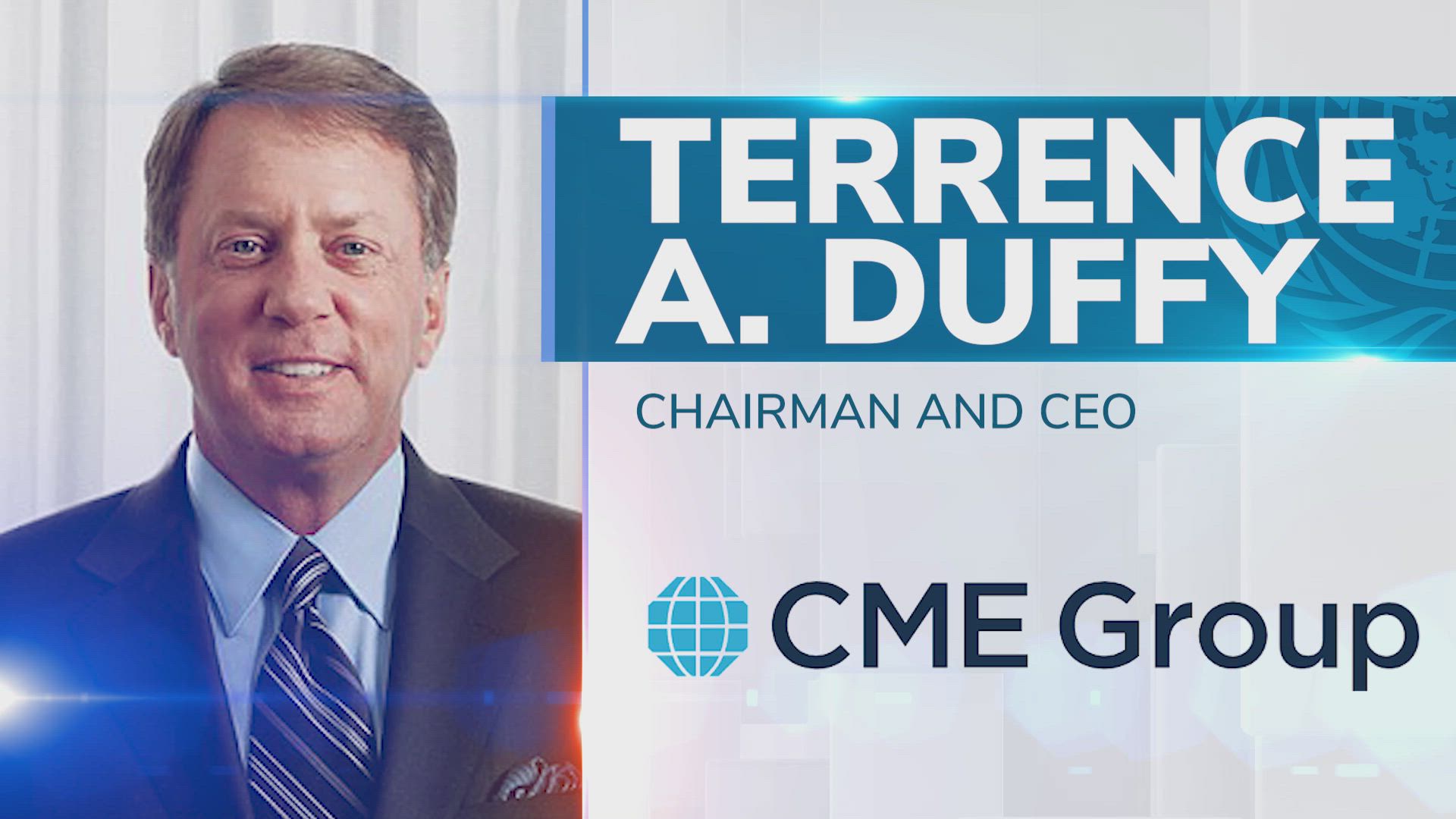
CME, a prominent player in the derivatives market, has expressed concern that while the meme-based
Ethereum Treasury Strategy Powers BitMine’s $500M ETH Hoard

Tom
Metaplanet Doubles Bitcoin Holdings with Bold $95m Purchase

CEO Simon Gerovich reiterated that Metaplanet intends to use its growing Bitcoin reserves not for trading
Analysts Forecast Ruvi AI to Eclipse Memecoins in Next Bull Cycle

RUVI recently secured an independent audit from CyberScope, addressing smart-contract vulnerabilities and enhancing investor confidence. The project
Sky‑High Ambitions: Bitcoin to Cross $200K, Says Bitwise CIO

Industry momentum is underpinned by record ETF inflows. As of Thursday, bitcoin exchange‑traded funds saw $1.18 billion of daily inflows, with total net inflows in 2025 reaching approximately $51 billion. Hougan emphasises that this flood of
BoE charts new wholesale terrain for stablecoins and tokenised assets

Coffee Chains Join Bitcoin Mania with Bold Treasury Moves
Vanadi already owns 54 BTC, acquired at an average price of around €93,444 per coin, valued today
Blockchain Meets AI: Ruvi AI Set for Explosive Surge

Bitcoin Supply on Exchanges Drops to Multi‑Year Low

According to Coinglass, total Bitcoin reserves across centralised exchanges have fallen to approximately 2.07 million BTC, marking a fresh low measured in this multi‑year timeframe. Glassnode data confirms that exchange-held Bitcoin as a percentage of total supply has dipped below 15%—a level unseen
El Salvador Arrests Bitcoin Developer Over Neighbour Altercation

Atack,
Just in:
Temasek Trust and World Bank Group Forge Strategic Partnership to Advance Shared Development Priorities
//
VinFast announces special incentives for new electric motorcycle showrooms in Indonesia and the Philippines, accelerating distribution network expansion
//
Dubai Global Village prepares 31st season opening Wednesday
//
HKTDC Hong Kong International Lighting Fair (Autumn Edition) and Hong Kong International Outdoor and Tech Light Expo Set to Illuminate this October
//
Riyadh airport strikes prompt Saudi retaliation warning
//
Microsoft introduces Maia 300 for large-scale AI deployment
//
ZNAKI FM Expands Its Arabic Edition, Bringing Its News and Reference Network to Middle East Readers
//
Thyssenkrupp establishes Pune centre for automotive software development
//
Britain retains mansion tax threshold despite fiscal pressures
//
UK widens Saudi travel warnings, raising insurance risks
//
Japanese Bag Brand pionunnal Makes Its Overseas Debut at Takashimaya Singapore
//
Gargash urges Gulf states to reinforce collective defences
//
Ledger reseller investigation widens as theft estimates rise
//
UAE broadens AI deployment across essential public services
//
Saudi airport attacks sharpen pressure for US intervention
//
Full Collaboration Of INDIA Bloc And CJP Needed To Fight Modi Govt
//
Qilin and Settra exploit patched Palo Alto VPN flaw
//
Chamet Brings Real-Time AI Translation in 50+ Languages and Multimodal Safety AI to Cross-Border Video Chat
//
Epstein cultivated Woody Allen ties to widen connections
//
Anthropic disconnects internal AI tests after website breaches
//