News related to
Capital

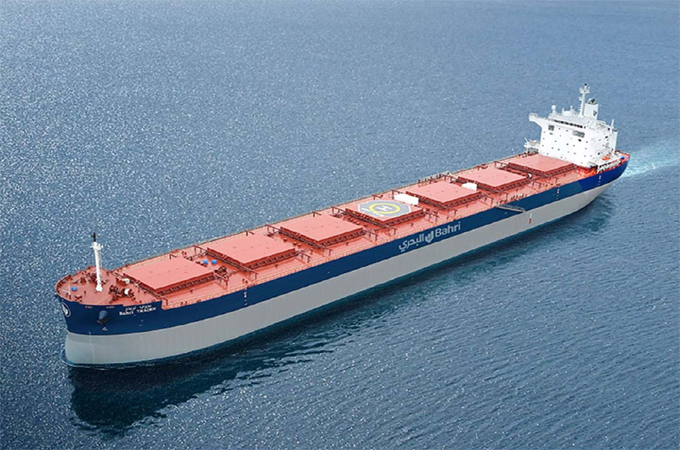
Saudi Arabian shipping giant Bahri has significantly bolstered its fleet by acquiring nine new crude oil carriers in a landmark transaction valued at approximately $1 billion. This strategic move underscores Bahri’s commitment to enhancing its global shipping capacity and operational efficiency in the oil transport sector.

The acquisition deal, finalized with a prominent shipbuilder, marks one of the largest expansions in the crude carrier segment this year. Each vessel is designed to meet the latest environmental and technological standards, reflecting Bahri’s focus on modernizing its fleet and adhering to global maritime regulations.

This fleet expansion is strategically timed to capitalize on the expected increase in global oil demand and the corresponding need for more efficient transportation solutions. The new carriers are expected to enhance Bahri’s ability to serve major oil-producing and consuming regions, thereby strengthening its position in the global shipping market.

Industry experts anticipate that the addition of these vessels will enable Bahri to optimize its operational capabilities and improve its service offerings. This move aligns with the broader trends in the shipping industry, where major players are investing in newer, more efficient ships to reduce operational costs and meet stricter environmental standards.

Bahri’s decision to invest heavily in its fleet is seen as a proactive response to the evolving dynamics of the global oil market and shipping industry. By integrating these advanced carriers into its operations, Bahri aims to reinforce its role as a leading player in the maritime logistics sector.

The acquisition also highlights Bahri’s ongoing efforts to adapt to the changing landscape of global trade and transportation. As international trade continues to evolve, Bahri’s investment in its fleet is expected to enhance its competitive edge and operational resilience.

With this substantial investment, Bahri not only strengthens its fleet but also positions itself to better navigate the complexities of the global oil supply chain. The company’s strategic vision includes expanding its reach and capabilities, ensuring that it remains at the forefront of the industry amid shifting market conditions.

Overall, Bahri’s $1 billion investment in new crude carriers represents a significant milestone in its growth trajectory and reflects its commitment to maintaining a modern and efficient fleet. As the company continues to expand its operations, it will play a crucial role in shaping the future of global maritime transport and oil logistics.


The Saudi Public Investment Fund (PIF) has achieved a notable expansion in its assets under management, reaching $925 billion as of the end of 2023. This substantial increase reflects a strategic investment focus and a growing commitment to bolstering the domestic economy. In a major push to stimulate local economic growth, the PIF invested $40 billion within Saudi Arabia last year. These investments have been directed across […]

Qatar Airways has announced a significant investment, acquiring a 25% stake in South Africa’s regional carrier, Airlink. This strategic move is poised to enhance Qatar Airways’ presence in the African aviation market and strengthen its network across the continent. The partnership marks a notable development for both airlines as they look to leverage each other’s strengths in their respective regions.

Airlink, a prominent player in South Africa’s regional aviation sector, operates a comprehensive network of routes connecting major cities and remote areas within Southern Africa. The acquisition by Qatar Airways is expected to bolster Airlink’s operational capabilities, expanding its reach and improving its connectivity to international destinations. For Qatar Airways, the investment aligns with its strategy to build a more extensive network in Africa, providing passengers with greater access to regional destinations.

The deal is also anticipated to facilitate greater collaboration between the two airlines, including codeshare agreements that will offer enhanced travel options for passengers. By integrating Airlink’s regional expertise with Qatar Airways’ global reach, the partnership aims to deliver a more seamless travel experience and increased convenience for travelers.

This acquisition is part of Qatar Airways’ broader strategy to expand its global footprint and strengthen its position in key markets. The airline, known for its extensive international network and high service standards, continues to seek opportunities for growth and strategic partnerships that complement its existing operations. By investing in Airlink, Qatar Airways is positioning itself to capture a larger share of the African aviation market, which has been showing signs of growth and increased demand for connectivity.

Airlink’s regional network will benefit from Qatar Airways’ support, potentially leading to enhanced service quality and operational efficiencies. The investment also reflects Qatar Airways’ commitment to supporting and fostering growth in regional carriers, which can play a crucial role in expanding global connectivity.

This partnership comes at a time when the global aviation industry is navigating post-pandemic recovery and adapting to evolving travel demands. Collaborations like the one between Qatar Airways and Airlink are seen as strategic moves to address these challenges and capitalize on emerging opportunities in the aviation sector. The integration of Airlink’s services with Qatar Airways’ global network is expected to provide passengers with a broader range of travel options and improved connectivity between Africa and other parts of the world.

As the aviation industry continues to evolve, strategic alliances and investments will play a crucial role in shaping the future of global air travel. Qatar Airways’ acquisition of a stake in Airlink represents a significant step in this direction, underscoring the importance of regional partnerships in enhancing global connectivity and fostering growth in key markets.

Kuwait Finance House has completed the sale of its entire stake in Sharjah Islamic Bank, fetching $351 million. This divestment marks a significant shift in the bank’s investment strategy, reflecting a broader trend of strategic asset reallocation in the Gulf banking sector. The sale involves a substantial block of shares, marking the end of a notable investment by Kuwait Finance House (KFH) in Sharjah Islamic Bank. The […]

  By K R Sudhaman   Himalayan states that share borders with neighboring countries of China, Pakistan, Bangladesh, Nepal, Bhutan and parts of Myanmar have faced tardy development since independence. This is partly because of difficult terrain and ecological fragility. Backwardness too is a factor. The terrain is hilly but most of the states are […]


Saudi Arabia has intensified efforts to attract Asian investors, focusing on capital from India, China, and other key regional players to rejuvenate its stock market. This move comes as the kingdom aims to diversify its economy and reduce its reliance on oil revenues. The Saudi Arabian government has launched a series of initiatives to enhance the appeal of its financial markets. Among these efforts is the introduction […]

Businesses in the Middle East are grappling with a significant liquidity issue, with over $50 billion reportedly trapped in their operations, according to a new PwC report. This situation has emerged as a critical concern for companies across various sectors in the region, highlighting a broader financial challenge that could impact economic stability and growth.

The liquidity problems are attributed to a combination of factors including prolonged payment delays from clients, difficulties in accessing financing, and regulatory hurdles that complicate the release of funds. The report underscores that these issues are not isolated but rather a widespread phenomenon affecting numerous businesses throughout the Middle East.

Key industries such as construction, real estate, and manufacturing are among the hardest hit. Companies in these sectors often face substantial delays in receiving payments for completed projects, which exacerbates their liquidity problems. Additionally, the challenging economic environment and fluctuations in commodity prices have further strained their financial resources.

The PwC report highlights that companies are also dealing with a slowdown in credit availability. Financial institutions have tightened lending standards, making it more difficult for businesses to secure the necessary funds to maintain operations and invest in growth opportunities. This credit crunch has compounded the liquidity issues, forcing many firms to explore alternative financing options or restructure their operations to remain viable.

Regulatory and administrative challenges also play a role in the liquidity crisis. Complex procedures for accessing funds and bureaucratic delays can hinder the timely release of capital. Companies must navigate a web of regulations that often vary by country, adding to the complexity of managing their finances effectively.

The report emphasizes the need for strategic measures to address these liquidity concerns. Businesses are encouraged to adopt more efficient financial management practices, such as improving cash flow forecasting and optimizing working capital. Additionally, engaging with financial advisors and exploring alternative financing solutions, such as private equity or venture capital, could help alleviate some of the pressures caused by the liquidity squeeze.

Furthermore, the report suggests that policymakers in the Middle East should consider reforms to streamline regulatory processes and enhance the availability of credit to support businesses in overcoming these financial challenges. By fostering a more supportive environment for companies, the region could mitigate some of the adverse effects of the current liquidity crisis.

This liquidity challenge reflects broader economic trends in the Middle East, where companies are navigating a complex and evolving financial landscape. The PwC report serves as a critical reminder of the need for both businesses and policymakers to address the underlying issues contributing to the liquidity crunch. As the situation develops, ongoing monitoring and proactive measures will be essential to ensuring the stability and resilience of the region’s economic sector.

Advertisements

Emerging breakthroughs in computational speed and algorithmic efficiency are poised to drive the next phase of blockchain technology, potentially realizing the long-sought goal of complete decentralization. Paul Brody, who leads blockchain initiatives at Ernst & Young (EY), highlights that these innovations could transform how decentralized networks function, enhancing both their resilience and the range of services they offer. The drive towards a fully decentralized blockchain has been […]

Hedge funds are increasingly turning their attention to small-cap casino stocks, drawn by the sector’s potential for significant returns amid evolving market dynamics. As the gambling industry continues to rebound from the pandemic, smaller firms are attracting investors with innovative online platforms and strategic partnerships. Companies like Super Group, which operates the Betway brand, have emerged as key players, leveraging robust cash flows and minimal debt to […]

Vice President Kamala Harris has endorsed President Joe Biden’s 2025 budget proposal, which introduces significant changes to tax policy, particularly targeting high-net-worth individuals. The proposal outlines a 44.6% tax on long-term capital gains and a 25% tax on unrealized gains for those with assets surpassing $100 million. This budget plan represents a strategic effort to address income inequality and bolster federal revenue. By increasing taxes on capital […]

The Indian rupee fell by 7 paise to 83.84 against the US dollar in early trading, driven by a combination of weak domestic equities and foreign capital outflows. The depreciation of the rupee comes amid ongoing concerns over global economic conditions and their impact on emerging market currencies.

Weakness in the Indian stock market has contributed to the rupee’s decline. Domestic equities have faced pressure due to fluctuations in global markets, compounded by concerns over inflation and interest rate policies. These factors have led to reduced investor confidence, resulting in a sell-off in Indian stocks, which has further exerted pressure on the rupee.

Foreign capital outflows have also played a significant role in the rupee’s depreciation. Investors have been withdrawing investments from Indian markets, seeking safer assets amid global economic uncertainty. This trend has been exacerbated by a stronger US dollar, which has attracted investment flows away from emerging markets.

The Reserve Bank of India (RBI) has been actively intervening in the foreign exchange market to stabilize the rupee. However, persistent economic challenges and market volatility have posed significant hurdles for the central bank’s efforts. The RBI’s interventions have included measures to support the rupee and manage volatility, but these steps have so far been insufficient to counteract the overall downward trend.

Analysts suggest that the rupee’s performance is closely linked to broader economic indicators, including inflation rates and geopolitical developments. The outlook for the rupee remains uncertain, with potential fluctuations depending on both domestic and international economic conditions. Continued vigilance and strategic measures by the RBI will be crucial in addressing the challenges facing the rupee.

Overall, the depreciation of the rupee highlights ongoing economic challenges and the complex interplay of factors affecting currency movements. As global and domestic conditions evolve, the impact on the rupee and broader financial markets will continue to be closely monitored by investors and policymakers alike.

Abu Dhabi Global Market (ADGM) has reported impressive growth during the first half of 2024, solidifying its position as one of the fastest-growing international financial centers. The financial hub issued 1,271 new licenses in the first six months of the year, a 20.5% increase compared to the same period in 2023, reflecting the growing confidence of global financial institutions in Abu Dhabi as a leading financial hub. […]

  By Pradeep Kapoor   LUCKNOW: Uttar Pradesh Congress has launched massive outreach program to win over dalit, OBCs and minorities to strengthen the vote bank of the party to face 2027 assembly polls in the state.   The  party  cadres  are  enthused  by the good performance of the  party in 2024 Lok Sabha polls […]

GUIYANG, CHINA – Media OutReach Newswire – 20 August 2024 – Guanshanhu is a modern urban area in the capital city of Guiyang, southwest China’s Guizhou Province. It integrates ecology, culture and economy, and boasts rich tourism resources and powerful urban functions. Music Festival held in Guanshanhu District, Guiyang city, Guizhou Province, China In recent years, Guanshanhu, one of the core urban districts of Guiyang, has been […]

T2, a prominent Saudi Arabian investment group, has secured a controlling stake in Jordan’s Smart Way Business Solutions, marking a significant expansion in its regional technology investments. This strategic move reflects T2’s commitment to strengthening its foothold in the Middle Eastern tech industry and leveraging Jordan’s growing digital sector. The acquisition deal, finalized this week, sees T2 obtaining a 60% share in Smart Way Business Solutions, a […]

Kuwait Finance House (KFH) has successfully divested its entire stake in Sharjah Islamic Bank (SIB), marking a significant transaction in the financial sector. The sale, valued at approximately AED 1.29 billion (USD 351 million), involved the transfer of KFH’s shares in the Sharjah-based bank to a group of investors. The transaction aligns with KFH’s strategy to optimize its asset portfolio and focus on its core markets. This […]

HONG KONG SAR – Media OutReach Newswire – 20 August 2024 – Avenir Group, a global institutional family office focused on multi-strategy investment trading powered by financial technology (FinTech), has become the largest institutional holder of two major Bitcoin exchange traded-funds (ETFs) in Asia in the second quarter (Q2) of 2024. According to its 13-F filing with the U.S. Securities and Exchange Commission (SEC) on 2 August […]

HONG KONG SAR – Media OutReach Newswire – 20 August 2024 – Redress, the environmental NGO with a mission to accelerate the change to a circular fashion industry by educating and empowering designers and consumers so as to reduce clothing’s negative environmental impacts, is now calling for consumers worldwide to vote online here for their favourite Finalist of the Redress Design Award 2024, the world’s leading sustainable […]

A significant boost to Dubai’s financial landscape is unfolding as a prominent hedge fund, recently making its debut, announces an impressive $700 million in assets under management. This development underscores the city’s growing appeal as a global financial center, drawing attention from international investors and positioning itself as a key player in the global hedge fund market.

The hedge fund, established by a consortium of seasoned financial professionals and investment veterans, is set to amplify Dubai’s status as a critical financial hub in the Middle East. Its launch reflects a broader trend of increasing investment flows into the region, driven by Dubai’s favorable regulatory environment, strategic geographical location, and burgeoning economic opportunities.

Dubai’s financial sector has experienced robust growth over the past few years, bolstered by the UAE’s strategic initiatives to diversify its economy beyond oil dependency. The introduction of this hedge fund is expected to contribute significantly to the city’s economic diversification efforts, further strengthening its position in the global financial ecosystem.

The hedge fund’s focus will span various asset classes, including equities, fixed income, and alternative investments, aiming to deliver strong returns for its investors. This approach aligns with Dubai’s ambition to attract sophisticated investors seeking diversified portfolios and innovative financial solutions. The fund’s leadership includes professionals with extensive experience in global markets, further enhancing its credibility and attractiveness.

The influx of substantial capital into Dubai reflects a shift in investor sentiment towards the Middle East, as geopolitical stability and economic reforms continue to make the region an attractive destination for investment. Dubai’s proactive stance on regulatory enhancements and financial innovation has played a pivotal role in fostering a conducive environment for such high-profile financial ventures.

In addition to its financial significance, the hedge fund’s launch is expected to create a ripple effect within Dubai’s broader economic landscape. It is anticipated to stimulate job creation, bolster local businesses, and elevate the city’s profile as a premier destination for global financial services. The move aligns with Dubai’s long-term vision of establishing itself as a leading global financial center, on par with other major financial hubs such as New York and London.

The establishment of this hedge fund also highlights the growing interest in alternative investment strategies, as investors seek to diversify their portfolios and capitalize on emerging market opportunities. Dubai’s robust infrastructure, coupled with its strategic initiatives, provides an ideal environment for such investment vehicles to thrive.

As the fund begins operations, its performance will be closely monitored by industry analysts and investors alike, with expectations high for it to deliver on its promises of significant returns and strategic investment opportunities. The hedge fund’s success will further solidify Dubai’s standing in the global financial community and underscore its role as a pivotal financial center in the Middle East.

This development marks a new chapter in Dubai’s financial evolution, reaffirming its status as a key player in the global hedge fund sector and reflecting the city’s ongoing commitment to economic growth and financial innovation.

Finance House, listed on the Abu Dhabi Securities Exchange (ADX), has successfully repurchased 10% of its subscribed capital, equating to over 1.7 million shares. This move, disclosed in a Monday filing, underscores the company’s strategic financial adjustments and commitment to enhancing shareholder value.

The repurchase of shares is part of Finance House’s broader strategy to manage capital efficiently and potentially boost its stock price. By acquiring a significant portion of its shares, the company aims to consolidate its financial position and signal confidence in its future performance to investors.

The transaction is a notable step in Finance House’s efforts to optimize its capital structure. Share buybacks are often employed by firms to return value to shareholders, particularly when they believe their stock is undervalued or when they seek to improve key financial metrics such as earnings per share.

In the context of the Abu Dhabi financial market, such moves can influence investor sentiment and market dynamics. The buyback reflects broader trends in the market where companies engage in strategic financial maneuvers to enhance shareholder returns and stabilize stock prices.

Finance House’s decision aligns with practices observed among other companies in the region that utilize share repurchases as a tool for financial management and shareholder engagement. The firm’s proactive approach in managing its equity base is indicative of its confidence in the stability and growth prospects of its business operations.

As the Abu Dhabi Securities Exchange continues to evolve, the impact of such repurchases on stock liquidity and investor confidence will be closely monitored. The market’s response to Finance House’s move could provide insights into broader investor attitudes and market trends within the financial sector.

This development highlights Finance House’s ongoing efforts to strengthen its financial standing and reinforce its commitment to creating value for its shareholders. The company’s strategic actions are likely to influence its market position and contribute to its long-term growth objectives.

WETEX, the Water, Energy, Technology, and Environment Exhibition, has become a significant platform showcasing Dubai’s commitment to sustainability and innovation. Organized by the Dubai Electricity and Water Authority (DEWA), this event is a cornerstone in the emirate’s strategy to position itself as a leader in green technologies and sustainable development. Held under the leadership of His Highness Sheikh Mohammed bin Rashid Al Maktoum, WETEX has consistently drawn […]

The Saudi Public Investment Fund (PIF) has achieved notable financial gains following a global market upswing, significantly boosting its returns. This surge is attributed to a series of positive developments across various global markets, enhancing the value of PIF’s diverse investment portfolio.

In the past quarter, PIF’s investment performance has markedly improved, reflecting a broader positive trend in global equities. The rally in major stock indices, including those in the US and Europe, has contributed substantially to the fund’s recent success. Particularly strong performances in the technology and energy sectors have been instrumental, with stocks in these areas achieving substantial growth.

The PIF, known for its strategic investments in sectors such as technology, entertainment, and infrastructure, has benefited from its early and diversified investments in high-growth areas. Investments in cutting-edge technology firms and renewable energy projects have yielded impressive returns, aligning with the global emphasis on innovation and sustainability.

Recent data reveals that the PIF’s stake in various tech giants and renewable energy companies has been a key driver behind the improved performance. Companies focusing on artificial intelligence, clean energy, and digital transformation have seen their stock values rise significantly, thereby boosting the value of PIF’s investments.

In addition to equity investments, PIF’s strategic acquisitions and partnerships have played a crucial role. The fund’s engagement in major international projects and joint ventures has not only diversified its investment portfolio but also enhanced its global footprint. This approach has allowed PIF to leverage emerging market trends and capitalize on lucrative opportunities.

Moreover, the PIF’s focus on geographic diversification has helped mitigate risks associated with market volatility. By investing across various regions and sectors, the fund has effectively balanced its portfolio, ensuring stability and growth despite fluctuations in specific markets.

The recent market rally has also been supported by favorable macroeconomic conditions, including low-interest rates and strong economic recovery signals from key markets. This environment has created a conducive backdrop for investment gains, further amplifying the positive impact on the PIF’s returns.

Looking ahead, the PIF is expected to continue benefiting from ongoing global market trends and its strategic investment choices. The fund’s proactive approach to identifying and investing in high-potential sectors positions it well to capitalize on future market opportunities and maintain its robust financial performance.

As the global economy evolves, the PIF’s ability to adapt and strategically align its investments with emerging trends will be crucial. The fund’s continued focus on diversification and innovation will likely play a significant role in sustaining its growth trajectory and reinforcing its position as a leading global investment player.

Saudi Arabia’s Vision 2030 has placed a strong emphasis on empowering women and fostering their active participation in the country’s economic transformation. One key aspect of this agenda is the focus on promoting women’s involvement in the financial sector, which has historically been male-dominated. The Rise of Women-Led Businesses and the Need for Inclusive Financing As Saudi Arabia continues to diversify its economy and promote entrepreneurship, women-owned […]

Arabian Post Staff O2 Group has emerged as a game-changer in the UAE’s real estate and financial advisory sectors, driving innovation through bespoke solutions and strategic partnerships. As the primary facilitator for foreign investors entering the UAE market, the company offers a range of customized services designed to streamline market entry and investment processes. With the UAE’s real estate market continuing to attract substantial international interest, O2 […]

VISHNU RAJA
RYO YAMADA
HITORI GOTOH
IKUYO KITA