News related to
Capital

Bitcoin has been hovering near significant price levels, prompting traders and investors to closely monitor market movements. As the cryptocurrency approaches the psychological $100,000 mark, many speculate whether it will maintain its upward momentum or face another setback. While numerous indicators are used to predict Bitcoin’s movements, experts agree that none can guarantee precise timing. The challenge lies in deciphering the market’s sentiments and understanding the underlying factors that influence its volatility.

Historically, Bitcoin has been subject to dramatic fluctuations, with traders attempting to predict its movements based on a range of technical and fundamental factors. While lagging indicators, such as moving averages and relative strength indices (RSI), offer some guidance, they often fail to provide real-time insights that would allow investors to capitalize on price swings before they occur. For this reason, market sentiment remains a crucial yet elusive factor in forecasting Bitcoin’s next move.

One of the key elements that influence Bitcoin’s price is investor sentiment, driven by factors like macroeconomic conditions, regulatory developments, and institutional adoption. As Bitcoin’s price has grown, so has interest from major financial institutions, leading to a surge in demand. Institutional investors have been particularly attracted to Bitcoin’s potential as a hedge against inflation and a store of value amid uncertain economic conditions.

Over the past several years, Bitcoin has increasingly been viewed as “digital gold” by some of the world’s largest financial institutions. This shift in perception has played a significant role in driving up Bitcoin’s price, as companies like Tesla and Square, along with numerous hedge funds, have invested heavily in the cryptocurrency. This institutional buy-in has sparked further bullish sentiment, making Bitcoin’s potential for reaching new highs a frequent topic of discussion in financial circles.

However, this optimism is tempered by ongoing regulatory challenges. Governments around the world have expressed concerns about the volatility of cryptocurrencies, prompting regulatory scrutiny. Recently, there has been a wave of regulatory developments, particularly in the United States and Europe, aimed at increasing transparency and reducing the risk of illegal activities associated with cryptocurrency transactions. While these regulations are still evolving, many believe that they will eventually offer greater clarity and stability for Bitcoin’s future growth.

Bitcoin faces challenges in maintaining its value amidst the increasing popularity of decentralized finance (DeFi) and alternative cryptocurrencies. Ethereum, the second-largest cryptocurrency by market capitalization, continues to dominate the smart contract space, while newer blockchain platforms are pushing for increased scalability and efficiency. As investors explore other projects, Bitcoin’s role in the cryptocurrency ecosystem faces some competition, though its dominance remains strong.

On the technical side, several analysts point to the upcoming halving event in 2024 as a potential catalyst for Bitcoin’s price surge. Halving occurs approximately every four years and reduces the reward miners receive for verifying transactions, effectively decreasing the rate at which new Bitcoin enters circulation. Historically, halving events have been followed by significant price increases, although there are no guarantees that this pattern will repeat.

As the $100,000 mark approaches, Bitcoin’s price movements are being closely watched by both retail investors and professionals. The psychological impact of hitting this milestone could influence market behavior, with some speculating that it may trigger another wave of FOMO (fear of missing out) as traders rush to capitalize on the upward trend. However, others caution that Bitcoin’s price may face resistance at this level, with profit-taking occurring among long-term holders who may choose to lock in gains.

Despite the uncertainty, Bitcoin’s long-term outlook remains optimistic. The cryptocurrency continues to gain mainstream recognition, with major companies and investors continuing to enter the space. Furthermore, Bitcoin’s decentralized nature and limited supply make it an attractive asset in a world where inflationary pressures continue to rise. As more people view Bitcoin as a store of value rather than just a speculative investment, its role in the global financial system becomes increasingly significant.

Toncoin has remained a key player in the cryptocurrency market, consistently showing strength as a utility coin and a solid investment for long-term holders. However, with the market’s rapid evolution and shifting investor sentiments, some Toncoin holders are now pivoting their attention to a new contender: FXGuys ($FXG). This emerging DeFi token is garnering significant attention due to its innovative features and bold predictions of a potential 20x growth in the near future.

FXGuys, which recently gained traction within the decentralized finance (DeFi) space, is being recognized for its groundbreaking approach to how cryptocurrencies are traded and invested in. The platform’s model, which includes a Trade2Earn system, a unique Trader Funding Program, and staking opportunities, has captivated investors seeking the next big opportunity within a competitive and ever-changing landscape.

The growth of FXGuys comes at a time when investors are increasingly wary of inflationary assets and are actively exploring decentralized finance as a potential hedge. DeFi projects have grown exponentially, with the promise of disrupting traditional financial systems and providing users with more control over their investments. FXGuys stands out in this sector by offering an integrated approach that blends trading, staking, and reward incentives, all while maintaining a high level of transparency and security for its users.

A significant appeal of FXGuys is its Trade2Earn system, which allows users to earn tokens through trading activities. This model has drawn comparisons to successful crypto platforms like PancakeSwap, which have similarly incentivized trading through token rewards. FXGuys aims to replicate this success but with additional features like the Trader Funding Program, which helps users secure capital for trading strategies. This funding mechanism is particularly attractive to newer or less experienced traders who may lack the initial capital to make significant trades but still want to participate in the market’s potential gains.

Beyond its innovative business model, FXGuys has attracted the attention of some of the most prominent figures in DeFi. Analysts and influencers are increasingly betting on the potential of the $FXG token to surge, with some predicting a 20x growth in the upcoming months. While these predictions are based on market trends and growing interest in the platform, many investors see them as speculative at this stage, urging caution. However, the consensus among experts is that the fundamentals of the project are strong, and its ability to attract users and investors is already proving successful.

The project’s focus on sustainable tokenomics is another factor that sets FXGuys apart from other DeFi platforms. By introducing mechanisms that are designed to support long-term growth and stability, FXGuys aims to ensure that the token’s value is not subject to the volatile swings that have plagued other cryptocurrencies in the past. This long-term vision is attractive to both institutional investors and those seeking more than just quick returns from the volatile crypto space.

Staking is another key element of FXGuys’ offering, which has captured the interest of seasoned investors in the DeFi community. Staking provides users with the opportunity to lock in their tokens and earn rewards over time, giving them a passive income stream that supports the platform’s long-term vision. With the rise of staking across various blockchain networks, FXGuys has managed to carve out its niche by providing competitive rewards and leveraging its other unique features.

Despite its early stages, FXGuys is already making strides within the cryptocurrency market, challenging some of the larger, more established tokens in the DeFi space. It has attracted a growing user base, with many noting that the platform’s user-friendly interface, transparency, and innovative features are key reasons for its appeal. The platform has made it a point to prioritize security, ensuring that all trades and investments are protected against fraud and manipulation, which has helped it gain the trust of its rapidly expanding community.

The timing of FXGuys’ rise is significant, as the DeFi market has witnessed an influx of institutional investors, driven by the search for alternative financial solutions. This trend is expected to continue, with major financial institutions and tech companies exploring the potential of blockchain-based financial services. In this environment, FXGuys appears well-positioned to capitalize on the growing demand for decentralized financial platforms that offer both reliability and growth potential.

As the crypto market continues to evolve, the competition among DeFi projects is intensifying. While Toncoin has remained a strong asset for many, the arrival of new, innovative platforms like FXGuys is prompting investors to reassess their portfolios. With a projected 20x growth and a distinctive approach to DeFi, FXGuys is fast becoming a focal point for those looking to stay ahead of the curve.

Agility Global, a leading logistics and supply chain services provider, has secured a $1.4 billion credit facility to support its ongoing operations and future growth initiatives. The financing comprises €1 billion and $370 million, with maturities of three and five years, respectively. This strategic move aims to enhance the company’s financial flexibility and fund its expansion plans across various markets. The credit facility was arranged with a […]

KUALA LUMPUR, MALAYSIA – Media OutReach Newswire – 25 December 2024 – As the year draws to a close, traders are turning their attention to the Santa Claus rally, a period known for delivering consistent market gains. Kar Yong Ang, a financial market analyst at Octa Broker, explores the rally’s history, key factors, and strategies that enable traders to capitalise on this annual phenomenon. Understanding the Santa […]

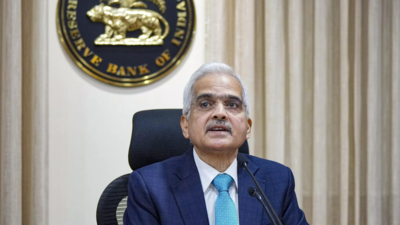
By Nantoo Banerjee It will be unfair to expect much from the new Reserve Bank governor, Sanjay Malhotra, a career bureaucrat and former revenue secretary, in terms of delivery of key functions of a central bank chief such as controlling inflation, stabilizing domestic currency, foreign exchange control and lifting economic growth. If three of his […]

Nuveen, a prominent global asset manager with $1.2 trillion in assets under management, has strategically enhanced its presence in the Middle East by establishing an office in Abu Dhabi’s financial hub, Abu Dhabi Global Market (ADGM). This move underscores Nuveen’s commitment to deepening relationships with regional institutional investors, particularly sovereign wealth funds. Leading the new office is Fadi Khoury, appointed as Managing Director and Head of Middle […]

By D Raja History of the Communist Party of India in the last 100 years is a glorious saga of struggles and sacrifices for our country and its people. History of our freedom movement and our progress after independence are incomplete without the blood and sweat of communists all over the country. The foundation day […]
Advertisements

HONG KONG SAR – Media OutReach Newswire – 19 December 2024 – Chow Tai Fook Life Insurance Company Limited (CTF Life) has become the exclusive Founding Insurance Partner of Kai Tak Sports Park (KTSP), forming strategic partnership to foster the integrated development of sports, culture and tourism. Set to officially open in the first quarter of 2025, KTSP is poised to become the largest integrated sports and […]

Video-sharing platform Rumble has announced a $775 million strategic investment from cryptocurrency firm Tether, marking a significant collaboration between the digital content and crypto sectors.

Tether has agreed to purchase approximately 103.3 million shares of Rumble at $7.50 per share, totaling $775 million. Rumble plans to allocate $250 million of this investment to support growth initiatives, with the remaining funds designated for a self-tender offer to repurchase up to 70 million shares of its Class A common stock at the same price.

Following the transaction, CEO Chris Pavlovski will retain his controlling stake in Rumble. Pavlovski has committed to tendering shares but does not intend to sell more than 10 million. The investment and tender offer are expected to close in the first quarter of 2025.

Rumble’s shares responded positively to the announcement, rising 41% to $10.17 in after-hours trading.

Tether, known for issuing the world’s largest stablecoin by market capitalization, has faced regulatory scrutiny in the past. Despite this, the company continues to expand its influence in the digital finance sector.

Rumble, positioning itself as a free-speech alternative to platforms like YouTube, has experienced growth in user engagement and revenue. In the third quarter, the company reported a 39% year-over-year increase in revenue, reaching $25.1 million, alongside a rise in monthly active users and narrowed losses.

This investment aligns with Rumble’s recent strategic decisions, including plans to add Bitcoin to its balance sheet, reflecting a deeper integration with the cryptocurrency ecosystem.

Despite significant challenges posed by extreme weather conditions in Indonesia and Australia, Delta Dunia Group reported a stable revenue of USD 1.35 billion during 9M 2024. EBITDA for 9M 2024 declined by 16% YoY to USD 252.3 million, impacted by weather-related production declines and planned investments. Net loss significantly improved to USD 17.4 million, down from USD 26.6 million reported in 1H 2024, despite a 20% increase […]

By K Raveendran While Prime Minister Narendra Modi’s ‘friend’, the US President-elect Donald J Trump, is set to move into White House, once again, it need not be particularly beneficial for India. If anything, Trump can be said to be “anti-India” even while remaining “pro-Modi”. The camaraderie contrasts starkly with the president-elect’s anti-India economic stance, […]

Green hydrogen, once heralded as a cornerstone of the global transition to clean energy, is encountering significant economic challenges due to its high production costs. This reality is prompting a reevaluation of its role in future energy strategies. A study from Harvard University, published in the journal *Joule*, reveals that the comprehensive costs associated with green hydrogen—including production, storage, and distribution—render it a prohibitively expensive method for […]

Arabian Post Staff -Dubai Jared Kushner’s investment firm, Affinity Partners, has secured an additional $1.5 billion in funding from the Qatar Investment Authority and Abu Dhabi-based asset manager Lunate. This significant capital infusion extends the investment period of Affinity’s debut fund to 2029, positioning the firm for sustained growth in the competitive private equity landscape. Kushner, founder of the Miami-based firm, disclosed these developments during an episode […]

HONG KONG SAR – Media OutReach Newswire – 20 December 2024 – The first baijiu company listed on the Hong Kong Stock Exchange, ZJLD Group Inc. (“ZJLD” or the “Company”, SEHK stock code: 06979. HK), is pleased to announce that it has been awarded the 2024 Hong Kong Corporate Governance and ESG Excellence Award by the Chamber of Hong Kong Listed Companies (“CHKLC”). This accolade recognizes ZJLD’s […]

The Gulf Cooperation Council (GCC) debt capital market has reached a significant milestone, with outstanding debt surpassing $1 trillion by the end of November 2024. This achievement marks an 11% year-on-year growth, with approximately 40% of the total debt comprising sukuk, or Islamic bonds. Saudi Arabia leads the region’s debt capital market, followed by the United Arab Emirates and Qatar. In September, Fitch projected that Saudi Arabia’s […]

DP World, the Dubai-based global logistics leader, has issued a $100 million Blue Bond, marking the Middle East and North Africa’s inaugural corporate Blue Bond. This five-year bond, priced at a 5.25% coupon rate, aims to fund sustainable projects in marine transportation, port infrastructure, marine pollution mitigation, and water-positive initiatives. The primary investor in this groundbreaking issuance is T. Rowe Price Associates, Inc., a prominent investment management […]

The Central Bank of the United Arab Emirates (CBUAE) and the Hong Kong Monetary Authority (HKMA) have formalized an agreement to enhance cooperation between their financial markets. This development follows a bilateral meeting held in Hong Kong on December 20, 2024, where both institutions signed a Memorandum of Understanding (MoU) aimed at establishing connectivity between their debt capital markets and related financial infrastructures. The MoU focuses on […]

Cryptocurrency exchanges across the European Union are preparing to delist stablecoins that fail to comply with the forthcoming Markets in Crypto-Assets (MiCA) regulations, set to be fully enforced by December 30, 2024. Notably, Tether’s USDT, the world’s largest stablecoin by market capitalization, is among those facing delisting due to non-compliance with MiCA’s stringent requirements.

MiCA aims to establish a comprehensive regulatory framework for crypto-assets within the EU, enhancing transparency, consumer protection, and market integrity. A key provision mandates that stablecoin issuers obtain an e-money license, ensuring tokens are fully backed by reserves held in independent banks and that issuers maintain robust transaction monitoring systems. Tether has not yet secured this license, rendering USDT non-compliant under the new regulations.

In response, major cryptocurrency exchanges operating in the EU have announced plans to delist USDT and other non-compliant stablecoins. Coinbase Europe, for instance, has informed its users of the impending delisting, advising them to convert their USDT holdings into compliant alternatives such as USD Coin (USDC) or Euro Coin (EURC), both issued by Circle and fully compliant with MiCA standards. This move is in line with Coinbase’s commitment to adhere to regulatory requirements and ensure the security of its users’ assets.

The delisting of USDT is expected to have significant implications for the European cryptocurrency market. USDT has been a cornerstone of crypto trading, providing liquidity and a stable store of value for traders and investors. Its removal could lead to reduced liquidity, increased trading costs, and potential disruptions in the market. Market participants are concerned that the absence of USDT may hinder trading activities and slow the growth of the crypto ecosystem within the EU.

Tether’s non-compliance stems from its current operational structure, which does not align with MiCA’s requirements for reserve backing and regulatory oversight. The company has faced scrutiny over the transparency and adequacy of its reserves, with critics alleging insufficient backing for the tokens in circulation. Tether has previously defended its practices, asserting that its tokens are fully backed and that it operates with a commitment to transparency and regulatory compliance.

The implementation of MiCA represents a significant step toward the formalization and regulation of the cryptocurrency industry within the EU. By enforcing strict compliance standards, the EU aims to mitigate risks associated with crypto-assets, including fraud, money laundering, and market manipulation. The regulation also seeks to foster innovation by providing clear guidelines and a stable regulatory environment for businesses and investors.

However, the delisting of prominent stablecoins like USDT raises questions about the balance between regulation and market dynamics. While regulatory compliance is essential for market integrity and consumer protection, the sudden removal of widely used assets could disrupt market operations and negatively impact users who rely on these tokens for trading and value transfer.

Exchanges are taking steps to minimize disruption by offering users options to convert their USDT holdings into compliant alternatives. For example, Coinbase has facilitated the transition by providing seamless conversion services and detailed guidance to its users. Other exchanges are expected to implement similar measures to ensure a smooth transition and maintain user trust.

“Global Multi-Currency Accounts” Empowers SMEs with New Market Opportunities SHANGHAI, CHINA – Media OutReach Newswire – 20 December 2024 – XTransfer, the World’s Leading & China’s No.1 B2B Cross-Border Trade Payment Platform, and OCBC, the second largest financial services group in Southeast Asia, jointly announced the comprehensive partnership. OCBC China will leverage the OCBC Group’s extensive regional network and resources in its key markets of Singapore, Hong […]

Dogecoin’s 11% decline has positioned it as the leading loser among major cryptocurrencies, reflecting broader market concerns as Bitcoin also experiences notable drops. These movements have cast a shadow over the crypto sector during the holiday season, stirring unease in an industry already grappling with volatility and uncertainty.

Market experts attributed the downturn to a combination of factors, with QCP Capital, a trading firm, pointing to an overconfidence in market positioning. Their analysis, shared in a Friday report, suggests that traders had adopted overly bullish strategies, which backfired as the market sentiment shifted. This pattern is not isolated to Dogecoin alone but has been echoed across other key cryptocurrencies, with Bitcoin and Ethereum also facing downward pressure.

While Bitcoin remains the dominant player in the market, its decline has been significant, with the cryptocurrency losing ground as investor sentiment wavers. Experts have raised concerns about the future direction of the market, particularly as Bitcoin struggles to regain its footing. Dogecoin’s movement, which often follows trends set by Bitcoin, adds to the growing anxiety about the sector’s stability. The dip is widely seen as part of the broader correction phase that has affected digital currencies in the last few weeks.

The relationship between Bitcoin and altcoins like Dogecoin remains closely intertwined. Historically, shifts in Bitcoin’s price have had a ripple effect, influencing altcoin trends. As Bitcoin’s performance falters, smaller cryptocurrencies, including Dogecoin, often experience more pronounced fluctuations. This pattern appears to be playing out once again, with Dogecoin feeling the brunt of the market’s uncertainty. Traders had previously shown increasing optimism, but now face a sudden correction that has thrown off short-term projections.

Several factors have contributed to the market’s current mood. The ongoing scrutiny of crypto regulations globally has created an environment of caution among investors. As regulators consider tighter controls over digital assets, some market players are reconsidering their positions. For Dogecoin, a currency that has been driven in part by social media sentiment and celebrity endorsements, the external pressures are especially pronounced. Unlike Bitcoin, which is seen as a store of value by many, Dogecoin has struggled to maintain consistent long-term investor confidence.

Investor enthusiasm for digital currencies had been buoyed by the promise of blockchain technology and decentralized finance, but now, market corrections are bringing those expectations into sharper focus. Cryptocurrencies, once seen as the future of finance, are increasingly viewed as speculative assets vulnerable to short-term sentiment shifts. These developments come as the global economy faces uncertainty, with inflationary pressures and geopolitical tensions contributing to the overall risk appetite in the markets.

The combination of technical factors and macroeconomic concerns has created a more cautious environment for crypto trading. As a result, some investors are choosing to hold off on major positions until the market stabilizes. This cautious outlook has been exacerbated by the holiday season, traditionally a time when market activity can be less predictable due to lower trading volumes.

As the crypto industry navigates these challenges, market analysts are keeping a close eye on the broader trends. While Bitcoin and Dogecoin face immediate hurdles, many experts continue to view the long-term potential of cryptocurrencies as promising. However, in the short term, the volatility is likely to persist, leaving many traders to reassess their strategies. The ability of Dogecoin and other altcoins to recover will depend on several factors, including Bitcoin’s price trajectory and the ongoing regulatory landscape.

The ripple effect of Bitcoin’s struggles has also been felt among smaller crypto projects, with many seeing similar patterns of decline. However, some market observers are cautious about the depth of these corrections, noting that the crypto space has a history of bouncing back after sharp declines. While Dogecoin’s fall has been steep, it is far from the first time the currency has experienced significant volatility.

AD Ports Group has successfully refinanced and upsized its revolving credit facility (RCF) to $2.125 billion, enhancing its financial flexibility. This move sees the RCF increased from $1 billion, a strategic decision to bolster the company’s liquidity and further its investment ambitions. The new facility comprises both AED and USD tranches, offering a diversified funding structure that aligns with AD Ports’ expansive growth plans across multiple sectors.

The RCF, now one of the largest in the region, is designed to provide AD Ports with the capacity to pursue its long-term strategic initiatives. The group has positioned itself as a key player in the maritime, logistics, and infrastructure sectors, and this refinancing represents a significant step in its ability to seize emerging opportunities. With the upsized facility, AD Ports aims to fuel its investments in major infrastructure projects, improve its service offerings, and support the increasing demand in global trade.

In an official statement, the company outlined that the new RCF would enhance its liquidity position, enabling it to better capitalize on future expansion opportunities. This includes investments in port infrastructure, logistics, and real estate development, which are central to its growth strategy. The refinancing also comes at a time when AD Ports is actively looking to expand its footprint in new and existing markets, including Asia, Europe, and Africa.

AD Ports Group’s new financing structure offers a blend of flexibility and stability, a crucial element given the current economic environment. The group’s diversified portfolio, which spans across container ports, logistics hubs, industrial zones, and offshore services, provides a strong foundation for leveraging this expanded credit line. Additionally, the refinanced facility includes terms that reflect the group’s improved financial standing, with favorable pricing and extended maturity.

Industry experts have pointed to this refinancing as a sign of the growing strength and financial health of AD Ports. The company’s continued expansion into various sectors has made it a formidable player in the global logistics and maritime industry. The RCF upsizing comes in response to a significant increase in demand for port and logistics services, particularly in the Middle East and beyond, as global supply chains continue to evolve and expand.

The refinancing also highlights AD Ports’ ability to secure competitive financing terms, despite global market fluctuations. This positions the company as a leader in the regional logistics and transportation sectors, equipped with a robust balance sheet to support ambitious growth. By securing favorable credit conditions, AD Ports ensures its ability to navigate the complexities of international trade, enhance its global connectivity, and better serve its diverse customer base.

As part of the refinancing, AD Ports also emphasized its commitment to sustainability and digital transformation, which are integral to its long-term strategy. The company has been investing heavily in smart port technologies, green energy solutions, and digital logistics platforms. These investments are not only expected to improve operational efficiency but also ensure that AD Ports remains at the forefront of innovations in the global trade and logistics sectors.

The expansion of the RCF aligns with AD Ports Group’s vision of becoming a global leader in integrated logistics and transportation services. With access to enhanced capital resources, the company is better positioned to expand its portfolio of services, such as warehousing, cargo handling, and integrated supply chain solutions. The upsized facility ensures that AD Ports has the flexibility to take advantage of opportunities in both developed and emerging markets, continuing to diversify its offerings and increase its market share.

Experts believe that this move will further strengthen AD Ports’ competitive edge, particularly in the UAE and GCC markets, where demand for infrastructure and logistics services continues to grow. The company’s long-term focus on infrastructure development and modernization makes it a pivotal player in shaping the region’s economic future, and the RCF upsizing ensures that it has the financial muscle to execute its plans effectively.

As AD Ports Group continues to expand its global presence, this refinancing positions it to maintain its momentum and meet the evolving needs of its clients and stakeholders. The facility’s enhanced size reflects the company’s strategic shift toward larger-scale operations, enabling it to tackle both regional and global challenges with increased financial agility.

This development also marks a significant milestone for AD Ports as it seeks to integrate more sustainable practices into its operations. The group’s investment in green technologies, including renewable energy solutions for its ports and logistics hubs, is expected to play a central role in its ability to secure future growth. By aligning its financing with its sustainability goals, AD Ports is demonstrating its commitment to responsible business practices while positioning itself for continued success.

BANGKOK, THAILAND – Media OutReach Newswire – 20 December 2024 – DBP has once again been recognized as a trailblazer in sustainability with the conferment of two prestigious accolades at the ACES Awards 2024: the Outstanding Leaders in Asia Award and the Green Initiative Award. These honors recognize DBP’s enduring commitment to environmental stewardship, responsible economic growth, and social inclusion—principles that have guided the institution since its […]

Marathon Digital Holdings, a leading cryptocurrency mining company, has significantly increased its Bitcoin reserves through strategic financial maneuvers. In November and December 2024, the firm raised approximately $1.93 billion via zero-coupon convertible senior notes. These funds facilitated the acquisition of 15,574 Bitcoins at an average price of $98,529 per coin, totaling around $1.53 billion. Additionally, Marathon repurchased approximately $263 million of its existing convertible notes maturing in 2026. As of December 18, 2024, the company holds 44,394 Bitcoins, valued at approximately $4.45 billion, based on the spot price of $100,151 per Bitcoin.

The initial offering, completed on December 4, 2024, involved $850 million in zero-coupon convertible senior notes due 2031. Marathon granted initial purchasers an option to buy an additional $150 million in notes, potentially increasing the total to $1 billion. The net proceeds of approximately $835.1 million were designated primarily for Bitcoin acquisitions and repurchasing existing convertible notes due in 2026.

Subsequent to this offering, Marathon continued its strategy by raising additional funds through similar financial instruments. The company utilized these proceeds to purchase 11,774 Bitcoins for about $1.1 billion, averaging $96,000 per Bitcoin. This purchase increased Marathon’s total Bitcoin holdings to 40,435, valued at approximately $3.9 billion, based on a Bitcoin price of $96,500 at the time.

Marathon’s aggressive accumulation of Bitcoin aligns with a broader trend among major corporations integrating cryptocurrency into their financial strategies. Companies like MicroStrategy and Riot Platforms have similarly expanded their Bitcoin holdings, viewing the digital asset as a viable store of value and a hedge against traditional market fluctuations. This corporate adoption reflects growing confidence in Bitcoin’s long-term potential and its role in diversified investment portfolios.

The use of convertible notes has become a favored method for companies to raise capital for cryptocurrency investments. These financial instruments allow firms to secure funds at low or zero interest rates, with the option to convert debt into equity under specific conditions. This approach provides flexibility in capital management and aligns with the dynamic nature of the cryptocurrency market.

Marathon’s strategic investments have also been accompanied by efforts to enhance its mining operations. The company has entered into agreements to acquire renewable energy assets, such as a wind farm in Hansford County, Texas, with 240 MW of interconnection capacity and 114 MW of nameplate wind capacity. This initiative reflects Marathon’s commitment to integrating sustainable energy sources into its mining activities, addressing environmental concerns associated with cryptocurrency mining.

Despite these advancements, Marathon has faced challenges in the financial markets. The announcement of convertible debt offerings has led to stock price volatility, with shares experiencing declines due to potential shareholder dilution. For instance, following the announcement of a $250 million convertible debt offering in August 2024, Marathon’s stock dropped over 10%.

Nevertheless, Marathon’s leadership remains optimistic about the company’s strategic direction. By leveraging convertible notes to finance Bitcoin acquisitions and repurchase existing debt, Marathon aims to strengthen its balance sheet and enhance shareholder value. The company’s substantial Bitcoin holdings position it favorably to capitalize on potential future appreciation of the digital asset.

A parliamentary session in Abkhazia’s capital, Sokhumi, turned deadly as lawmakers debated a bill to ban cryptocurrency mining. Deputy Vakhthang Golandzia was fatally shot, and Deputy Kan Kvartchia sustained injuries during the altercation. The primary suspect, Deputy Adgur Khazaria, fled the scene and remains at large.

The incident unfolded during discussions on prohibiting cryptocurrency mining, a practice that has exacerbated Abkhazia’s ongoing electricity crisis. Despite previous bans, illegal mining operations have persisted, straining the region’s power infrastructure. Authorities have intensified efforts to enforce the ban, seizing over 600 mining devices this year.

Abkhazia’s energy challenges are compounded by its reliance on the Inguri hydroelectric power station, which has faced operational issues. The region has experienced severe electricity shortages, leading to rolling blackouts and limited daily power supply. Efforts to secure additional energy resources from Russia have been complicated by financial constraints and geopolitical tensions.

The fatal shooting has intensified scrutiny of Abkhazia’s internal political dynamics and the influence of illicit economic activities. The parliament’s debate over the cryptocurrency mining ban reflects broader concerns about the region’s economic stability and governance challenges. As authorities search for the suspect, the incident underscores the volatility surrounding contentious policy discussions in the region.

VISHNU RAJA
RYO YAMADA
HITORI GOTOH
IKUYO KITA