News related to
Capital

Oil prices have seen a notable uptick in recent weeks as escalating political tensions and shifting alliances in Syria continue to have a significant impact on the region’s oil production and global energy markets. As the influence of Bashar al-Assad’s regime wanes in the wake of Syria’s civil conflict, key players in the Middle East are positioning themselves to capitalize on the country’s vast energy resources, contributing to global price fluctuations.

Syria, once a minor oil producer in the Middle East, has become a focal point of geopolitical struggles. Despite being marred by years of civil war and under heavy international sanctions, the country still holds a considerable amount of oil, mostly concentrated in its northeastern region. For years, the Assad regime has relied on these oil fields for revenue, yet the ongoing conflict has severely hampered production and distribution capabilities.

One of the main factors contributing to the current rise in oil prices is the shifting control over Syria’s oil fields. While the Assad regime’s hold over these assets has weakened, both Kurdish forces and various regional actors have taken advantage of this power vacuum. The Kurdish-led Syrian Democratic Forces (SDF), with support from U.S. military forces, have been managing oil extraction in the northeast. However, their trade has been fraught with complications, as they have continued to sell crude to both Iraq’s Kurdistan Regional Government (KRG) and indirectly to the Assad regime, albeit under clandestine circumstances.

This complex trade network has drawn attention from global powers, with Washington’s policy fluctuating between trying to limit Assad’s access to these resources while also preventing the rise of other regional powers, including Russia, from exploiting the vacuum. U.S. efforts to maintain influence over the oil-rich regions have been complicated by the increasing involvement of Russian companies, such as Gulfsands Petroleum, which is now positioning itself to gain access to Syria’s energy assets. This has raised concerns that a shift toward Russian control could stabilize Assad’s regime financially and politically, but at the cost of U.S. objectives in the region.

As these power struggles unfold, oil prices have responded to market uncertainty. The Kurdish-controlled Syrian oil fields, despite being heavily damaged by the conflict, continue to produce, although at lower volumes compared to pre-war levels. However, the trade of oil at below-market prices has become more common, especially with the involvement of entities like Delta Crescent Energy. The U.S. company, which was initially granted a license to help the Kurdish-controlled Autonomous Administration of North and East Syria (AANES) boost its oil exports, faced significant challenges, including a lack of progress in securing long-term contracts. The Biden administration’s decision to revoke Delta Crescent’s license earlier this year has left the situation even more uncertain, and it remains to be seen whether the U.S. will allow new energy companies to enter the market.

Simultaneously, global oil prices have been influenced by shifts in Syria’s energy landscape. The ongoing conflict, the role of U.S. sanctions, and the intervention of Russia in the region’s oil trade have all contributed to price increases, as the Middle East remains a volatile hub for energy production. Additionally, international sanctions against Syrian oil exports have inadvertently created opportunities for black-market trading, often circumventing established sanctions regimes. As a result, global oil markets are left grappling with the complex realities of these geopolitical maneuvers.

Saudi Arabia’s Savola Group, one of the country’s largest diversified holding companies, has announced plans to repurchase sukuk worth $229 million. This move is part of the company’s ongoing efforts to manage its financing costs effectively while optimizing its capital structure.

The company stated that the buyback would provide substantial benefits by lowering its debt-related expenses. Sukuk, which are Sharia-compliant bonds, have gained significant popularity in the Middle East due to their adherence to Islamic financial principles. Savola’s decision to repurchase a significant portion of its sukuk is seen as a strategic move to reduce outstanding liabilities and enhance financial flexibility.

This development comes at a time when many companies in the Gulf region are focused on optimizing their balance sheets amid fluctuating global economic conditions. The sukuk buyback also signals a positive outlook for Savola’s financial health, reinforcing investor confidence. The company has been actively exploring ways to streamline its operations and improve profitability, with an emphasis on reducing costs and ensuring long-term stability.

The repurchase offer follows a series of initiatives by Savola to restructure its financing arrangements. By buying back sukuk, the company aims to manage its debt more efficiently and take advantage of favorable market conditions. Analysts have pointed out that this move could help Savola unlock value for shareholders while reducing its overall exposure to interest rate fluctuations.

Savola Group has been a key player in the Saudi Arabian and broader Gulf economies, with a presence in sectors ranging from food production to retail. The company has continuously adapted to changing market dynamics, making strategic decisions to sustain its growth trajectory. The buyback announcement is a reflection of Savola’s commitment to maintaining a strong financial position while also providing attractive returns to investors.

The company’s efforts to reduce financing costs have been welcomed by market observers, who view this move as a prudent financial strategy. By lowering the cost of capital, Savola will be better positioned to execute its growth plans and capitalize on emerging opportunities in the region. Moreover, the buyback reflects a broader trend among companies in the Middle East, particularly those with large sukuk issuances, to manage their debt more efficiently.

Sukuk markets in the Gulf have seen an uptick in activity in recent years, with companies looking to raise funds through these Islamic financial instruments. The buyback is likely to further solidify Savola’s reputation as a responsible corporate entity that values financial discipline and shareholder value. Investors in the sukuk market have been closely monitoring developments in the region, and this move could serve as a model for other companies seeking to optimize their debt structures.

Savola’s strategic initiatives go beyond financial maneuvers, as the company is also focused on expanding its business footprint. The group has been diversifying its portfolio, expanding into new markets and reinforcing its leadership in the food and beverage industry. Despite the challenges posed by economic uncertainties, Savola remains optimistic about its future prospects.

The success of Savola’s buyback initiative will depend on a number of factors, including market conditions and the company’s ability to execute its plans effectively. However, the early signals point to a well-calculated move aimed at positioning the company for long-term success. By repurchasing sukuk, Savola is not only lowering its financing costs but also signaling its commitment to enhancing shareholder value and ensuring a resilient financial future.

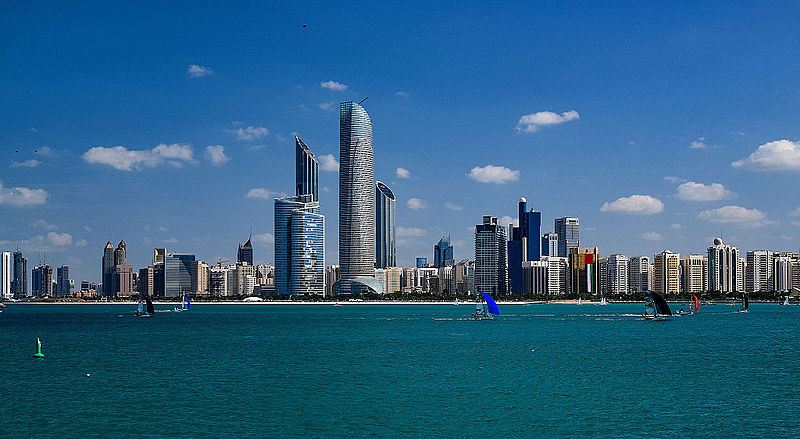
Abu Dhabi is steadily positioning itself as a global financial hub, attracting an increasing number of international bankers, investors, and financial institutions. The capital of the United Arab Emirates (UAE) has long been known for its oil wealth, but in recent years, its economic diversification strategies have begun to bear fruit, transforming it into a key player in the world’s financial markets. This shift is no longer just a future possibility; it is happening now, with rising interest from top-tier banking executives seeking to leverage the city’s infrastructure, favorable regulatory environment, and strategic position at the crossroads of Europe, Asia, and Africa.

As part of its ambition to become a leader in global finance, Abu Dhabi has made significant strides in enhancing its financial services ecosystem. Financial institutions, including major international banks, are increasingly opening branches and expanding operations in the city, attracted by its strategic location and investor-friendly policies. The UAE capital has also established itself as a center for private equity, wealth management, and Islamic finance, sectors where it continues to see consistent growth.

The financial sector in Abu Dhabi has grown rapidly, not just due to its historical advantages but because of deliberate policy decisions made by the government. For example, the Abu Dhabi Global Market (ADGM), a financial free zone established in 2015, has been pivotal in attracting foreign investment. ADGM offers a robust regulatory framework, tax exemptions, and a business-friendly environment that allows for greater ease of doing business compared to other regions in the Middle East.

Another factor drawing attention is Abu Dhabi’s growing role as a leading center for sustainable finance. The UAE has positioned itself as a key player in the global push towards greener investments, with Abu Dhabi at the forefront of green bonds and other sustainable financial products. In addition to the nation’s investment in renewable energy projects like the massive solar farm at Mohammed bin Rashid Al Maktoum Solar Park, the UAE has been a significant proponent of integrating environmental, social, and governance (ESG) criteria into investment strategies.

Abu Dhabi’s rise as a financial powerhouse is not only benefiting the city’s banks but also drawing the attention of global investment funds, particularly those looking to invest in markets with high growth potential. Financial giants from New York to London are setting up operations to tap into the rapidly growing wealth in the Gulf region, with Abu Dhabi being a prime location. The city’s appeal is also reinforced by its relatively low tax environment, particularly for foreign businesses, and the increased liberalization of the banking sector. This has helped make Abu Dhabi a go-to destination for global funds seeking to access emerging markets with fewer barriers.

The UAE government has long supported policies that encourage the diversification of the economy beyond oil, and banking and finance have become pivotal to this transformation. The establishment of the Financial Services Regulatory Authority (FSRA) has played an essential role in strengthening the regulatory framework, providing international businesses with confidence in operating within the emirate’s borders. This system offers a well-defined legal framework, based on international best practices, which ensures transparency and stability in the financial sector.

Abu Dhabi is seeking to capitalize on the global demand for fintech, especially with the increased adoption of digital financial services. Many leading global fintech companies have established a presence in the emirate, while government-backed initiatives continue to promote innovation in the sector. The growth of digital banking, blockchain technologies, and cryptocurrency is becoming more pronounced, positioning the city as an attractive destination for tech-driven financial services. The authorities in Abu Dhabi are keen to foster an ecosystem conducive to fintech startups, leveraging the city’s burgeoning tech infrastructure and access to venture capital funding.

In addition to financial services, Abu Dhabi’s ambitions are evident in its wealth management strategies. With a high concentration of wealthy individuals and families, Abu Dhabi has seen a surge in the demand for sophisticated wealth management services. The city’s wealth managers, private banks, and family offices are increasingly seeking to provide tailored services that cater to the unique needs of their clients. As such, Abu Dhabi is establishing itself as a key player in the high-net-worth individual (HNWI) market, attracting wealthy clients from the Gulf region and beyond.

International investors, particularly from Europe and Asia, are closely monitoring the developments in Abu Dhabi as they seek to capitalize on the economic growth that the emirate is experiencing. Many analysts view the city as one of the best places to invest in the Middle East, noting its ability to offer competitive returns and stability, especially in comparison to other regional markets that have seen geopolitical instability in recent years. Moreover, the city’s efforts to embrace innovation, sustainability, and diversification are making it an increasingly attractive destination for both traditional investors and those seeking to invest in cutting-edge sectors like green technologies and digital finance.

Hanwha Life, a leading South Korean financial powerhouse managing assets worth over $300 billion, has announced a strategic investment in Abu Dhabi-based Shorooq Partners. The announcement was made during the Abu Dhabi Finance Week, underlining Hanwha’s ambitions to expand its influence in the Gulf region and strengthen its foothold in alternative investments globally. Shorooq Partners, an eminent venture capital firm in the Middle East, North Africa, and […]

HANOI, VIETNAM – Media OutReach Newswire – 9 December 2024 – The Vietnamese F88 Business Joint Stock Company has been certified by Synesgy for excellent compliance with environmental, social and governance (ESG) principals, fully in line with national and international best practices. Earning an ESG Score of ‘A’ indicates that F88’s performance is at an excellent level of sustainability. Synesgy is a digital platform supporting organisations and […]

Increasing global insolvency levels heighten risks for executives. The febrile geopolitical landscape poses liability challenges for global corporations caught up in world events. “AI washing” is an emerging risk trend, leading to securities class action lawsuits. D&O market remains competitive but a step up in scrutiny of corporate conduct around the globe means loss potential is still high. SINGAPORE – Media OutReach Newswire – 5 December 2024 […]

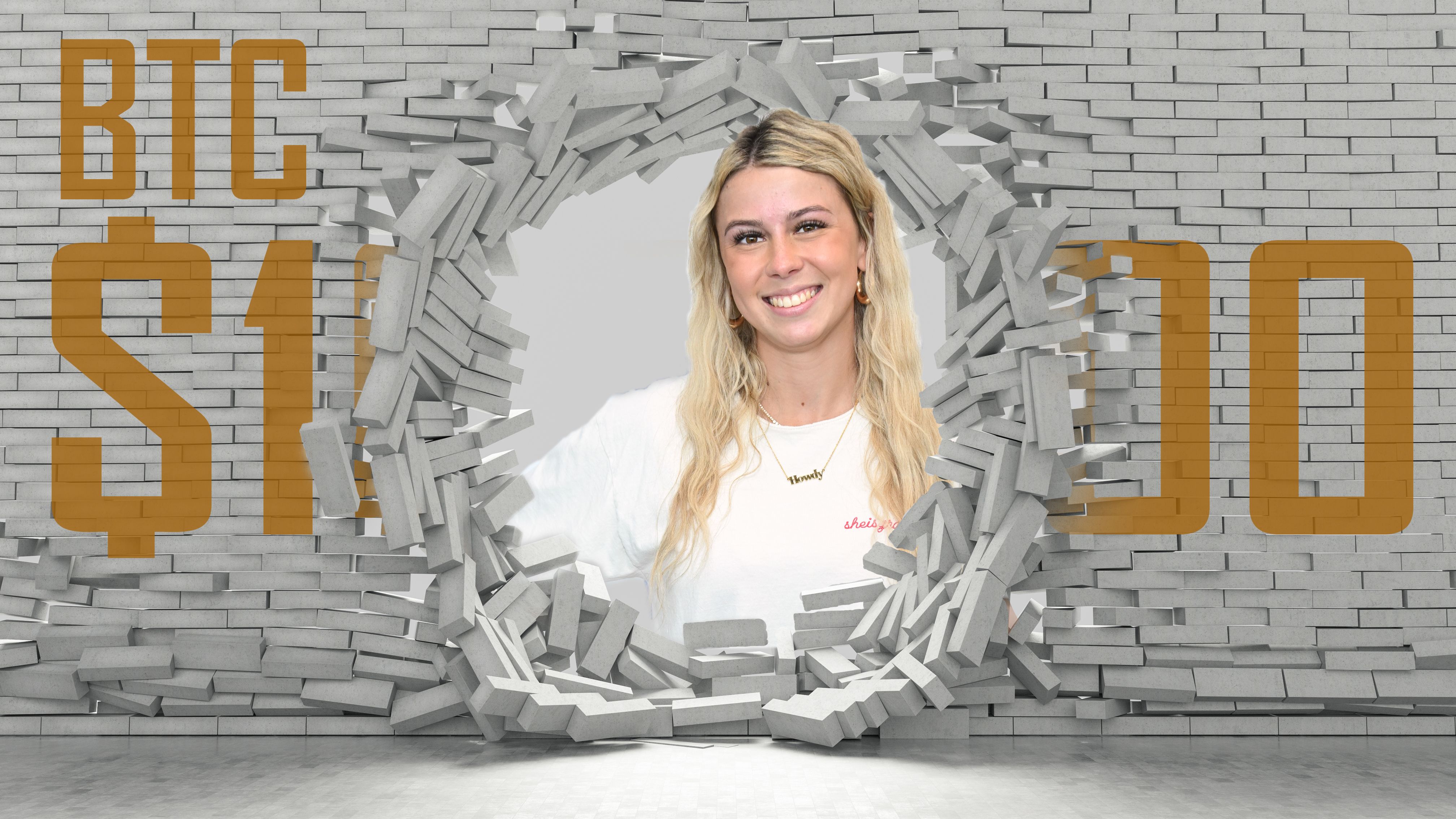
Bitcoin’s monumental climb to $100,000 had all the trappings of a historic achievement. The cryptocurrency’s value soared as market analysts predicted continued growth, and investors dreamed of an even greater financial revolution. Despite the fanfare surrounding Bitcoin’s rally, an unexpected event in the world of altcoins quickly drew significant attention: the sudden collapse of Hawk Tuah, a cryptocurrency that had captivated many. What was once seen as a promising token has now raised questions about the stability of digital assets and the volatile nature of the crypto space.

Bitcoin’s $100K achievement was anticipated for years by its most ardent supporters, who argue that the cryptocurrency is poised to disrupt traditional finance. Many analysts view Bitcoin as a store of value akin to gold, especially during times of economic instability. A surge in institutional investment and public interest contributed to the rise in Bitcoin’s price, spurred by fears of inflation, the erosion of traditional financial systems, and growing support from government-backed institutions worldwide. As Bitcoin breached the $100K mark, enthusiasts celebrated, hoping the moment would mark the beginning of a new era for digital currencies.

However, while Bitcoin was grabbing the headlines, an altcoin—Hawk Tuah—was making waves for a completely different reason. A social media frenzy about Hawk Tuah’s potential led to an influx of retail investors, many of whom viewed the coin as a shortcut to quick profits. Cryptocurrency enthusiasts, seeking new opportunities outside Bitcoin, were drawn to Hawk Tuah’s marketing promises, with influencers and self-styled financial gurus touting it as a major up-and-comer.

The coin’s rapid ascent was fueled by hype and speculation, yet the rapid downfall was equally abrupt. Less than a week after Hawk Tuah reached its all-time high, it became clear that the project was riddled with issues: broken promises, questionable development practices, and, in some cases, fraud allegations. In an industry plagued by instability and a lack of regulation, the Hawk Tuah crash was a stark reminder of the risks involved in crypto investments.

In many online communities, the collapse of Hawk Tuah overshadowed Bitcoin’s milestone. Enthusiasts who had once been excited about Bitcoin’s price surge seemed far more engaged in analyzing the rise and fall of the altcoin. Even conversations among casual investors and retail participants shifted focus toward the sudden evaporation of Hawk Tuah’s market capitalization. Some even compared the situation to the famous “pump and dump” schemes that have plagued the crypto space for years.

Experts have weighed in on why the drama surrounding Hawk Tuah stole attention from Bitcoin’s $100K moment. For one, the crypto space remains largely unregulated, making it difficult for investors to distinguish between legitimate projects and speculative ventures. As Bitcoin gains more mainstream acceptance, smaller projects like Hawk Tuah leverage social media and influencer marketing to attract the attention of everyday investors, often without offering a transparent roadmap or fundamental utility. These tactics have raised alarms among financial experts, who caution that the lack of due diligence can lead to catastrophic losses.

The emotional allure of altcoins often leads to impulsive decisions, driven by the fear of missing out on the next big thing. Retail investors, many of whom lack the expertise to fully assess the long-term viability of a crypto asset, tend to be drawn in by short-term price movements rather than evaluating the coin’s underlying technology and use case. Hawk Tuah was no exception. As news of its rapid price escalation spread across social media platforms, inexperienced traders piled in, hoping for a fast return.

While Bitcoin’s position as the leader of the cryptocurrency market remains undisputed, the Hawk Tuah debacle serves as a cautionary tale for investors. Even as Bitcoin’s market cap continues to soar, the volatility of altcoins like Hawk Tuah shows that the crypto landscape is still filled with uncertainty. The success of a few digital currencies can overshadow the broader, more dangerous realities of the market. While Bitcoin may continue to rise, the price of altcoins often remains susceptible to the whims of influencers, market sentiment, and, more ominously, scam artists.

For many, the Hawk Tuah disaster is emblematic of a larger issue in the crypto world: the lack of regulation and investor protections. Unlike traditional stocks, which are subject to stringent rules and oversight, the cryptocurrency market operates in a gray area, with minimal regulatory frameworks in place. This allows for rapid price fluctuations and allows unverified projects to thrive. With the crypto sector continually drawing new participants, questions surrounding accountability, transparency, and investor safety are growing louder.

Despite the turbulence in the altcoin market, Bitcoin’s fundamentals remain strong. Institutional adoption, continued mainstream integration, and growing interest from governments around the world are signs that Bitcoin’s rise may not be a fleeting moment but the start of a more stable, established financial instrument. Yet, even with Bitcoin’s increasing legitimacy, the volatility of the broader market continues to pose challenges for investors looking for consistent returns.

Advertisements

Saudi Arabia’s startup ecosystem is experiencing a significant surge in investments, with major moves in private equity, sportstech, and digital platforms. As the country continues to diversify its economy, efforts to boost innovation and entrepreneurial ventures have shown tangible results, with prominent regional funds securing notable commitments from key players.

One of the latest developments comes from Jada Fund of Funds, a prominent investment vehicle in Saudi Arabia, which has committed to the Jadwa GCC Private Equity Fund I. Managed by Jadwa Investment, this fund is aiming for SR1.5 billion ($399.2 million) in commitments, with a hard cap of SR2 billion. This move is reflective of a broader trend of growing capital flows into the country’s private equity sector, particularly those supporting diversified businesses targeting the Gulf Cooperation Council (GCC) region.

The capital infusion into sportstech ventures is also noteworthy. Saudi Arabia is positioning itself as a leader in the Middle East’s rapidly growing sportstech industry, which is attracting attention from both regional and international investors. The government’s Vision 2030 initiative, aimed at reducing the country’s dependency on oil, is providing the foundation for an increasingly vibrant startup landscape. With an eye on the growing sports sector, Saudi firms are investing heavily in sports technologies, including wearable devices, data analytics, and performance-enhancing software that cater to athletes and sports organizations across the region.

Several Saudi-based investors, including venture capital firms and family offices, are increasingly putting their money into sportstech, reflecting the broader regional interest in this high-growth sector. The Saudi government has been actively supporting innovation in the sports industry, with ambitious projects like the establishment of mega-sports events and investment in sports infrastructure. This has, in turn, created significant opportunities for sportstech startups to grow and scale.

The trend is not limited to just private equity or sportstech. The digital platform sector, which includes e-commerce, fintech, and SaaS startups, has also seen an uptick in investment. The rise of e-commerce platforms and fintech innovations is being driven by growing internet penetration and mobile usage, particularly among Saudi Arabia’s tech-savvy youth. The government’s push to digitize various sectors of the economy has made the country a hotbed for digital platform startups looking to serve a rapidly evolving market.

These investments are not just a sign of a thriving startup ecosystem but are also a testament to the maturity of Saudi Arabia’s venture capital scene. With institutions like Jada Fund of Funds and Jadwa Investment playing key roles, the country is moving towards a more sophisticated investment environment. Jada Fund of Funds, a government-backed initiative, is helping to bridge the funding gap for early-stage companies, creating a more robust ecosystem for entrepreneurs.

Private equity firms are targeting sectors ranging from healthcare to renewable energy, demonstrating that the Saudi investment appetite is not confined to tech but extends across a range of industries vital for the kingdom’s long-term diversification strategy. This is part of a wider effort by the government to encourage private sector participation in building a non-oil economy, and the growth in startup investments reflects this strategy in action.

Beyond traditional venture capital, the sportstech space has seen a surge in the establishment of innovation hubs and incubators focused on sports technology. These hubs are providing much-needed resources and mentorship to emerging sportstech startups, enabling them to scale more rapidly. Companies in this space are developing innovative solutions that address the needs of professional athletes, fitness enthusiasts, and sports organizations alike.

International investors are also recognizing the potential of Saudi Arabia’s startup ecosystem, with increasing interest in the country from foreign venture capitalists and corporate investors. This influx of global capital is helping to accelerate the growth of homegrown startups, while also enhancing the visibility of Saudi Arabia as a regional innovation hub. By positioning itself as a key player in the tech and innovation space, Saudi Arabia is attracting startups and venture capital firms from around the world.

The government’s role in fostering innovation through policies and financial incentives cannot be overstated. Vision 2030 has made it clear that entrepreneurship and technological innovation are crucial components of Saudi Arabia’s future. With initiatives designed to support small and medium-sized enterprises (SMEs), including financial grants, tax breaks, and access to government contracts, the kingdom is ensuring that startups have the necessary tools to succeed.

These policies are beginning to bear fruit, with a number of high-profile exits in the startup space. Several homegrown startups have either been acquired by global firms or have secured substantial rounds of funding, further validating the strength of the Saudi startup ecosystem. This trend of successful exits will only continue to attract more venture capital to the country, further cementing Saudi Arabia’s position as a regional startup powerhouse.

The role of women in Saudi Arabia’s startup ecosystem has also seen notable expansion. With the government’s focus on gender equality as part of Vision 2030, female entrepreneurs are increasingly making their mark in the tech and business world. Initiatives such as the Women’s Empowerment Program are helping to provide a platform for female entrepreneurs to showcase their ideas, access funding, and network with key industry players.

HONG KONG SAR – Media OutReach Newswire – 5 December 2024 – The MIPIM Asia 2024 Awards, which honor excellence and innovation in Asia’s real estate industry, reveals this year’s winners during the Gala Dinner on December 4 at the Grand Hyatt in Hong Kong. The prestigious awards garnered numerous nominations from various countries, showcasing the remarkable diversity and growth within the sector. This wide array of […]

Apple is poised to expand its retail footprint in the UAE, announcing plans for a fifth store in the region. This development comes as the company’s cumulative investments in the UAE have surpassed $1.6 billion, underscoring the tech giant’s commitment to strengthening its presence in a key international market. The upcoming store, slated to open in Abu Dhabi’s Al Maryah Island, will be the second Apple location […]

Matein Khalid I wrote a column on Vornado (VNO) as a buy at 18 in Sep’22 as it was slammed by the pandemic, its debt load and the Fed’s draconian rate hikes. So VNO’s price ascribed a $450 a square foot value to its prime Manhattan office/Fifth Ave retail portfolio even though its occupancy rate was 91% as the pandemic raged. To help my Dubai friends grasp […]

Autonomous vehicles are making strides in Abu Dhabi as driverless taxis, also known as robotaxis, operate on specific routes in the capital. The initiative, a collaboration between WeRide, a pioneering autonomous vehicle company, and ride-hailing platform Uber, has been launched on routes connecting Yas Island, Saadiyat Island, and Sheikh Zayed International Airport. Currently available for select bookings under UberX or Uber Comfort, this service represents a significant step in the UAE’s smart mobility aspirations.

WeRide, which holds the UAE’s first national license for self-driving vehicles, is integrating its autonomous fleet with Uber to expand accessibility. These vehicles, initially bookable via the TXAI app, are expected to feature on the Uber platform by year-end. Although pricing details remain under wraps, Uber has confirmed that qualifying ride requests may prompt users with the option to select a WeRide vehicle.

Mubadala Investment Company has entered into an agreement to acquire a minority stake in Zelis, a prominent US-based health technology firm. This deal, valued at approximately $1.7 billion, is poised to enhance the UAE-based investment firm’s health sector portfolio. The strategic move aligns with Mubadala’s long-term goal of expanding its footprint in high-growth markets, especially within health tech, and signals its continued interest in driving international expansion, […]

Donald Trump’s longtime business associate, Thomas Barrack, is capitalizing on deep connections with Gulf states as the family-run Trump Organization benefits from a thriving real estate market. Barrack, who has cultivated ties across the Middle East for decades, has played a pivotal role in linking Trump’s business interests with opportunities in the region, particularly in property development. Trump’s investments, including luxury properties in the United Arab Emirates […]

The Dubai International Financial Centre (DIFC) has unveiled its ambitious decarbonisation strategy, aiming to achieve Net Zero emissions by 2045. The strategy aligns with the UAE’s national goals to reduce carbon emissions and foster sustainability within the financial sector, emphasizing the critical role of financial institutions in shaping a low-carbon future. As part of its roadmap, DIFC is prioritizing sustainability through various initiatives, including increasing energy efficiency, […]

Uber Technologies has officially rolled out autonomous ride-hailing services in Abu Dhabi in collaboration with WeRide, a leading autonomous vehicle technology firm. This strategic partnership marks a significant step forward in integrating autonomous mobility solutions within the region, leveraging WeRide’s advanced autonomous vehicle systems on Uber’s platform. WeRide, recognized for operating the largest autonomous fleet in the UAE through its TXAI app, secured national authorization in 2023 […]

Fortress Investment Group, a global investment firm backed by Mubadala Investment Company, has expressed strong interest in expanding its footprint in the Middle East. The firm, known for its private equity, credit, and real estate investments, is exploring new opportunities across the region as it seeks to capitalize on the growing economic diversification efforts of Middle Eastern countries. These efforts, led by a focus on non-oil industries and infrastructural growth, present an ideal environment for Fortress to leverage its financial resources.

Fortress, which operates a range of alternative investment strategies, has built a significant presence in global markets. The firm’s interest in the Middle East comes at a time when several countries in the region are pushing for an increase in foreign investment, particularly in non-energy sectors. These efforts align with Mubadala’s strategy of diversifying its assets and enhancing its international partnerships. Mubadala’s backing provides Fortress with the resources and access to secure a competitive advantage as it pursues opportunities in the Middle East.

The firm’s regional strategy is already taking shape, with a focus on sectors that align with the region’s long-term goals, such as technology, infrastructure, and renewable energy. The Middle East, particularly the Gulf Cooperation Council (GCC) countries, has become a key area for private equity firms due to its increasing openness to foreign investment. Saudi Arabia, the UAE, and Qatar have implemented various economic reforms to improve their business environments, making them attractive destinations for global investors.

For Fortress, this interest is driven by the region’s growing demand for capital to fund large-scale development projects. The economic transformations underway in countries like Saudi Arabia, under its Vision 2030 plan, aim to reduce reliance on oil exports and diversify economies through infrastructure development, tourism, and technological innovation. Fortress, with its established expertise in financing major projects and navigating complex markets, is well-positioned to contribute to these ambitious goals.

The UAE and Saudi Arabia, in particular, have been making strides in attracting foreign investors with initiatives like the Dubai International Financial Centre and Saudi Arabia’s Public Investment Fund. Fortress has expressed interest in tapping into these new avenues, especially in sectors such as real estate development, which continues to see high demand across the region. The firm’s extensive experience in managing large portfolios and its global network of partners give it an edge in securing substantial investments in the region.

As Fortress moves forward with its Middle East strategy, it is also looking to expand its relationships with local partners. Mubadala, a key player in Fortress’s growth strategy, continues to be instrumental in helping Fortress secure new investments and navigate the regulatory landscape. The partnership with Mubadala ensures that Fortress has the local knowledge and strategic insight needed to make informed decisions in the fast-evolving Middle Eastern market.

With the global investment landscape becoming increasingly competitive, Fortress’s plans to expand in the Middle East highlight the region’s growing importance in the broader financial ecosystem. As Middle Eastern countries continue to invest in large-scale infrastructure projects and diversify their economies, private equity firms like Fortress will play a critical role in driving innovation and fueling economic growth.

The firm’s focus on technology and renewable energy aligns well with the region’s sustainable development goals. The UAE’s ongoing commitment to clean energy initiatives, exemplified by projects like Masdar City, presents a compelling opportunity for Fortress to leverage its expertise in green technologies. Similarly, Saudi Arabia’s efforts to foster technological innovation through its NEOM city and other initiatives offer a platform for Fortress to deploy capital in high-growth sectors.

Fortress’s involvement in the Middle East also reflects the broader trend of increased foreign interest in the region, particularly as it diversifies its economies. While oil remains a dominant economic driver, there is growing recognition of the need to build sustainable, diversified industries that can withstand global economic shifts. Fortress, with its established track record in navigating complex markets, is expected to be an important player in this transformation.

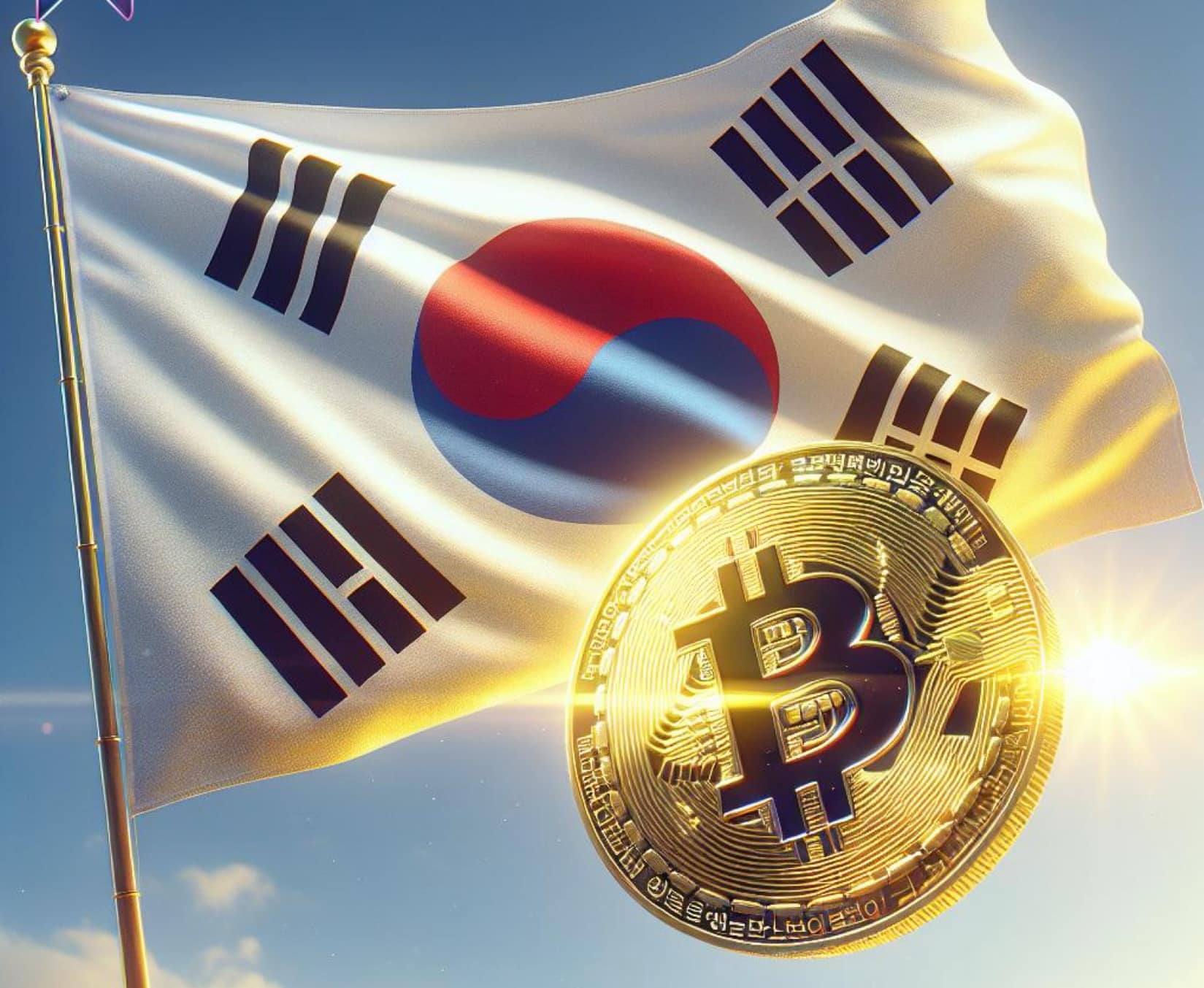
Cryptocurrency trading in South Korea shows a clear preference for altcoins, with 93% of transactions in the country involving digital assets other than Bitcoin. This trend starkly contrasts with the U.S., where Bitcoin continues to hold a larger share of the market, accounting for 29.5% of cryptocurrency transactions.

The growing dominance of altcoins in South Korea is reflective of broader trends within the cryptocurrency ecosystem. While Bitcoin remains the first and most recognized cryptocurrency worldwide, the South Korean market has become a hotspot for alternative cryptocurrencies. These digital assets, often referred to as altcoins, have gained significant traction, with a variety of tokens fueling both investment and speculative trading.

The data highlighting this shift reveals a marked preference for altcoins among South Korean investors, who appear to favor the variety and potential for high returns that altcoins offer. This preference may be driven by a combination of factors, including technological innovation, market volatility, and the potential for faster gains that altcoins can provide compared to Bitcoin, which has a more established presence and slower growth trajectory.

Several of these altcoins have gained popularity due to their specific utility in different sectors, from decentralized finance (DeFi) to gaming and non-fungible tokens (NFTs). The South Korean market, known for its high engagement with emerging technologies and trends, has also seen a growing interest in blockchain projects that offer more than just a store of value, making altcoins an attractive option for a broad base of retail investors.

In contrast, Bitcoin still holds significant sway in the U.S. market, accounting for almost a third of all cryptocurrency transactions. The U.S. has historically been a leader in the cryptocurrency space, with early adoption of Bitcoin paving the way for widespread acceptance. Institutional investment in Bitcoin, along with its status as the first cryptocurrency, has helped maintain its dominance in the American market.

Bitcoin’s larger share of the market in the U.S. is often attributed to its role as a store of value and the most recognized cryptocurrency. Despite the rise of altcoins globally, Bitcoin continues to be viewed as a safer, more stable investment option by many, particularly in more developed markets like the U.S. where institutional investors are a key component of the cryptocurrency ecosystem.

South Korea’s crypto trading landscape is also influenced by the country’s government policies and regulatory environment, which have been both restrictive and supportive of the crypto industry. South Korean regulators have implemented measures to curb speculative trading, including restrictions on anonymous crypto trading and a tax on crypto earnings. However, the country has also embraced blockchain technology and is a significant player in the global cryptocurrency market, making it a key area of focus for cryptocurrency exchanges and investors.

The dominance of altcoins in South Korea also reflects broader regional trends in Asia. Countries like Japan and China have had varying levels of cryptocurrency regulation, but South Korea has emerged as a prominent hub for crypto trading in Asia. The country’s crypto exchanges, such as Upbit, Bithumb, and Coinone, are among the largest in the world by trading volume, underscoring the importance of South Korea in the global digital asset market.

The high volume of altcoin transactions in South Korea is also indicative of a more risk-tolerant investor base. Many South Korean traders are known for their willingness to engage in speculative trading, often seeking to capitalize on the volatility of smaller cryptocurrencies. This risk appetite has created a market where altcoins, despite their relative instability compared to Bitcoin, are seen as more appealing due to the potential for higher rewards.

Despite these trends, Bitcoin’s position in South Korea is not negligible. Although it represents a smaller portion of the overall market compared to altcoins, it remains a key asset in the portfolios of many crypto traders. Bitcoin’s continued relevance is supported by its use as a benchmark for the broader cryptocurrency market, as well as its position as the largest and most well-established cryptocurrency.

Global trends in the cryptocurrency market suggest that the preference for altcoins in South Korea could have implications for other markets, particularly in Asia. As cryptocurrencies evolve and new technologies emerge, the demand for more specialized tokens could increase, leading to further shifts in market dynamics. While Bitcoin remains dominant in many regions, the rise of altcoins is a testament to the diversity and innovation that continues to characterize the cryptocurrency space.

The ongoing global competition between Bitcoin and altcoins reflects the broader evolution of the cryptocurrency ecosystem. As new use cases for digital assets continue to emerge, investors in markets like South Korea are looking beyond Bitcoin to find the next big opportunity. This trend highlights the complex and fast-changing nature of the crypto world, where innovation is constant and market preferences can shift rapidly.

The GameFi sector, which combines gaming and decentralized finance, has emerged as one of the most volatile areas within the blockchain industry. A new report by ChainPlay reveals staggering statistics, including the failure of 93% of GameFi projects, marking it as the sector with the highest rate of collapse. These findings underscore the significant risks investors and developers face when venturing into this rapidly evolving space.

GameFi projects, on average, last only four months, according to the ChainPlay analysis. The short lifespan of these initiatives suggests that many are struggling to gain traction or sustain long-term interest. This trend reflects broader challenges within the blockchain and cryptocurrency industries, where volatility and high turnover rates are not uncommon. GameFi’s focus on integrating traditional gaming elements with decentralized finance has led to a surge in interest but also to an overwhelming number of unsustainable projects.

The report also highlighted the impact of these failures on investors. Around 58% of venture capitalists (VCs) who invested in GameFi initiatives have experienced substantial losses, with some reporting a loss between 2.5% and as much as 99% of their investments. This staggering range of losses points to the unpredictability and speculative nature of investing in the GameFi market. For VCs, the combination of high-risk projects and a lack of long-term viability has led to significant financial setbacks, causing many to reassess their strategies within this niche sector.

The performance of GameFi projects has been disappointing in terms of price sustainability. On average, these projects have seen a drastic 95% decline from their all-time high prices. This sharp drop in value has affected not only investors but also the development teams, gaming communities, and stakeholders who were optimistic about the potential of combining gaming with blockchain technology. The lack of sustained growth and the overwhelming number of failures in this space have contributed to the disillusionment among many participants, causing them to question the long-term viability of GameFi.

Despite these challenges, a small number of successful GameFi projects have managed to maintain their presence in the market, showing that there is still potential for innovation in the sector. However, the data highlights a broader trend of overhyped projects that fail to deliver on their promises. The combination of a highly competitive environment, speculative investing, and a lack of regulation has made it difficult for many GameFi projects to thrive.

The failure of GameFi projects is part of a larger pattern of struggles within the broader cryptocurrency and blockchain industries. The market has faced significant hurdles, from regulatory challenges to the volatility of digital currencies. GameFi, which attempts to blend gaming with decentralized finance, finds itself at the intersection of two sectors already marked by uncertainty. While there is potential for growth in blockchain-based gaming, the overwhelming majority of projects have not been able to capitalize on this opportunity.

Several factors have contributed to the high failure rate in GameFi, including inadequate funding, lack of clear use cases, and poor execution. Many projects have failed to capture the attention of mainstream gamers or failed to create a compelling gaming experience that integrates well with decentralized finance. This has led to a lack of sustained user engagement, which is essential for the long-term success of any gaming project. Moreover, the speculative nature of the market, where some projects are launched more for investment purposes than for genuine gaming experiences, has created an unstable foundation for growth.

Another challenge facing GameFi is the high level of competition within the space. As new blockchain-based games are launched at a rapid pace, it becomes increasingly difficult for any single project to stand out and maintain long-term relevance. Many of these projects face challenges in attracting and retaining a dedicated user base, with some failing to differentiate themselves from one another. The lack of differentiation between GameFi projects contributes to their short lifespans, as gamers and investors alike move on to the next big opportunity.

GameFi’s integration with decentralized finance has raised concerns about its sustainability. While the concept of combining gaming and finance holds appeal, the lack of regulation in both industries has led to a volatile market where fraud, scams, and market manipulation can thrive. In many cases, GameFi projects have faced criticism for lacking transparency and failing to deliver on promises made to investors and users. This lack of accountability has been a key factor in the high failure rate, as many projects have been abandoned or left incomplete, leaving investors with little recourse for recovery.

Despite the overwhelming number of failures, there is still a glimmer of hope for the GameFi sector. Some developers are focusing on creating projects that offer genuine value to users, such as offering in-game assets that can be traded or creating games that appeal to mainstream gamers. Additionally, blockchain-based gaming offers the potential for new business models and revenue streams that traditional gaming cannot provide. However, for these innovations to succeed, the GameFi sector will need to overcome its current challenges and create a more sustainable ecosystem.

Global cryptocurrency trading volumes surged to record highs in November, with spot markets witnessing a transaction volume of $2.7 trillion, marking the most significant activity since mid-2021. This dramatic increase coincided with substantial developments in the political and economic landscape, catalyzing heightened market enthusiasm. Futures trading also experienced a remarkable boost, with Bitcoin and Ethereum futures dominating the derivatives segment.

The momentum in the cryptocurrency market followed the reelection of Donald Trump as U.S. President, a development that fueled optimism around potential regulatory reforms. The departure of SEC Chair Gary Gensler added to this positive sentiment, as his tenure was marked by stringent scrutiny of digital assets. Market participants anticipate a more supportive stance toward cryptocurrencies under the new administration, especially after campaign promises to position the U.S. as a global hub for digital finance.

Bitcoin approached the $100,000 mark for the first time, underscoring a bull run driven by multiple factors. The approval of Bitcoin ETFs in several jurisdictions further encouraged institutional investment, with a combined inflow of $6.87 billion during November. This development was instrumental in providing institutional investors with a more streamlined pathway to crypto exposure, signaling a shift toward mainstream adoption.

The global market cap for cryptocurrencies rose to $3.47 trillion, reflecting robust investor confidence. Exchanges such as Binance and Kraken reported unprecedented activity in perpetual contracts, with altcoins like Solana and Dogecoin showing significant trading volume increases. Dogecoin, often viewed as a speculative asset, briefly surpassed Ethereum in daily trading volumes, highlighting its growing appeal among traders.

Regulatory shifts outside the U.S. also contributed to the rally. Nations in Asia and Europe introduced or committed to frameworks for digital assets, providing much-needed clarity for investors. These developments have encouraged both institutional and retail investors to explore opportunities in the cryptocurrency ecosystem, further driving up trading volumes.

The macroeconomic environment also played a pivotal role. The U.S. Federal Reserve’s decision to ease monetary policy injected additional liquidity into financial markets. Investors flocked to cryptocurrencies as a hedge against inflation, drawn by their scarcity and potential for high returns. This influx of capital was particularly evident in Bitcoin, which saw substantial growth in both spot and futures markets.

Gautam Hari Singhania has been appointed Executive Chairman of Raymond Lifestyle, following shareholder approval of the decision. This move marks a significant step for the company after the recent demerger of its lifestyle business, which now operates separately from Raymond’s other ventures. The reshaping of leadership within Raymond Lifestyle is seen as part of a broader strategy to enhance its growth prospects in a highly competitive market.

The demerger has allowed Raymond to streamline its operations, with the lifestyle business focusing exclusively on apparel, textiles, and retail. The appointment of Singhania, who has been involved in the family business for decades, underscores the company’s efforts to strengthen its leadership and position itself for the future. Under his stewardship, Raymond Lifestyle aims to continue its legacy in the textile and fashion sectors while diversifying its product offerings and expanding its market reach.

Singhania’s extensive experience in the corporate world is expected to bring a new era of innovation and growth for the company. His leadership will focus on maintaining Raymond’s strong market presence while navigating the challenges of a rapidly changing retail environment. With an emphasis on sustainable business practices and digital transformation, the company is poised to capture the shifting demands of modern consumers.

As Raymond Lifestyle operates in the highly competitive and fast-evolving fashion and retail sector, the company’s decision to appoint Singhania comes at a critical juncture. With the demerger now complete, the focus will be on maximizing operational efficiencies, expanding its retail footprint, and enhancing its digital capabilities. Singhania’s leadership will be integral in ensuring the brand remains relevant and agile in a market increasingly dominated by e-commerce and fast fashion.

The demerger itself is a strategic decision aimed at enabling both Raymond Lifestyle and the other businesses under the Raymond umbrella to flourish independently. Raymond Lifestyle, which has built a strong reputation for its high-quality apparel, will now have the flexibility to pursue its growth objectives without the complexities of managing non-core businesses. This move is expected to create a more focused entity, better able to respond to the needs of the modern consumer while continuing to leverage the strength of the Raymond brand.

Under Singhania’s direction, Raymond Lifestyle is also expected to further capitalize on emerging trends in sustainability and digital transformation. The company has already begun investing in eco-friendly fabrics and production methods, aligning with broader industry shifts towards more responsible manufacturing. As global consumers demand more transparency and sustainability from their brands, Raymond Lifestyle is well-positioned to lead in these areas.

Singhania’s appointment also signals a broader shift in corporate governance at Raymond Lifestyle. The company’s focus on innovation, sustainability, and digital transformation is expected to continue driving its long-term growth strategy. As the fashion industry undergoes rapid changes, the leadership of Raymond Lifestyle will need to remain adaptive, ensuring it can respond to both challenges and opportunities that lie ahead.

The demerger and Singhania’s appointment come at a time when Raymond is looking to consolidate its position in the market, ensuring that its lifestyle segment remains competitive while expanding its presence across the country and abroad. As global markets become more interconnected, Raymond Lifestyle’s ability to innovate and respond to consumer demands will be key to its success.

In the long term, Raymond Lifestyle is expected to deepen its presence in both domestic and international markets. The brand has already established a strong footprint in India, and Singhania’s leadership will be crucial in helping the company expand further into new international markets. With a focus on both digital and brick-and-mortar retail, Raymond Lifestyle will aim to provide an integrated shopping experience for consumers who are increasingly seeking convenience and personalization in their shopping choices.

As Raymond Lifestyle enters this new phase under Gautam Singhania’s leadership, industry observers are keen to see how the company navigates the challenges ahead. The fashion and lifestyle sector is undergoing a transformation, with shifting consumer preferences, supply chain challenges, and the rise of online retail. Singhania’s vast experience in both traditional business management and adapting to modern market trends will play a pivotal role in the company’s ability to thrive in this dynamic environment.

Bitcoin has crossed a major milestone, emerging as the world’s 10th largest asset by market capitalization. This significant shift places the cryptocurrency ahead of both the Australian dollar and the Swiss franc, marking a new chapter in the ongoing evolution of digital assets. The latest surge in Bitcoin’s value showcases its growing influence within the global financial landscape.

The cryptocurrency has made headlines with a substantial increase in its market cap, which now exceeds $500 billion. This has been driven by a combination of factors, including a stronger adoption rate among institutional investors and a renewed interest from retail investors. As the digital currency continues to gain traction, its market value surpasses that of traditional currencies, positioning Bitcoin among the top 10 global assets.

The rise of Bitcoin comes at a time when financial markets are grappling with the volatility of traditional assets and currencies. The Australian dollar and Swiss franc, long seen as safe-haven currencies, are now being overshadowed by the growing dominance of Bitcoin in the financial markets. Bitcoin’s ability to secure its place among the top assets has further solidified its reputation as a digital store of value and an alternative investment class.

What makes this development even more striking is Bitcoin’s ability to challenge conventional asset classes, particularly in the context of growing concerns over inflation and economic instability. Investors are increasingly looking for assets that are decentralized and immune to government manipulation, making Bitcoin an attractive option.

A key contributor to Bitcoin’s rise is the influx of institutional investors, including hedge funds and publicly traded companies, that have begun adding Bitcoin to their portfolios. Large financial institutions like BlackRock, Fidelity, and MicroStrategy have embraced Bitcoin as a legitimate asset, fueling its upward trajectory. These investors view Bitcoin as a hedge against inflation, as it is perceived as being less susceptible to the monetary policies that affect traditional currencies.

At the same time, Bitcoin’s growing acceptance among retail investors has been a significant driver of its value. As more individuals recognize the potential of Bitcoin as both an investment vehicle and a medium of exchange, the demand for the cryptocurrency continues to soar. This has led to a steady increase in Bitcoin’s price and, consequently, its market capitalization.

The rising popularity of decentralized finance (DeFi) platforms has also contributed to Bitcoin’s ascension. DeFi applications, which are built on blockchain technology, are providing users with more ways to earn, borrow, and lend digital assets. As Bitcoin plays a central role in the DeFi ecosystem, its value is becoming increasingly linked to the success of these platforms.

Despite the volatility that has often been associated with cryptocurrencies, Bitcoin’s market dominance is a testament to its resilience. Unlike traditional financial markets, where volatility can be exacerbated by central bank interventions and geopolitical tensions, Bitcoin operates within a decentralized network that is free from government control. This has made Bitcoin a particularly attractive option during times of global uncertainty.

The broader crypto ecosystem, however, remains highly competitive. Ethereum, which ranks second in market capitalization, continues to challenge Bitcoin for dominance in the digital asset space. Despite this, Bitcoin has maintained its position as the leader in terms of market cap, even as other cryptocurrencies such as Binance Coin and Cardano grow in value.

Experts also note that Bitcoin’s status as a store of value is likely to continue strengthening as more people move away from traditional investment vehicles. The ongoing development of Bitcoin-related financial products, such as exchange-traded funds (ETFs) and futures contracts, is helping to integrate the cryptocurrency into mainstream financial markets. This trend suggests that Bitcoin’s role in the global financial system will only expand further in the coming years.

While the current rally in Bitcoin’s market value has garnered attention, analysts remain cautious about the sustainability of its growth. Bitcoin’s price has historically been prone to volatility, with sudden fluctuations often causing uncertainty in the market. Despite this, the long-term outlook for Bitcoin remains optimistic, as its underlying blockchain technology continues to garner support from both institutional and retail investors.

As Bitcoin continues to gain ground, questions remain about its role in the broader economy. While many view it as a hedge against inflation and a store of value, others are concerned about its environmental impact, given the energy consumption associated with mining operations. Moreover, regulatory scrutiny of cryptocurrencies is intensifying in several countries, with governments and financial regulators grappling with how to treat digital assets.

Bitcoin’s rise in market capitalization also highlights the increasing integration of cryptocurrencies into the global financial system. As more financial institutions adopt Bitcoin and other digital assets, it is likely that cryptocurrencies will continue to play an influential role in shaping the future of global finance. The potential for Bitcoin to be used as a widely accepted form of payment, along with its increasing recognition as an asset class, positions it as a key player in the evolution of the financial sector.

HONG KONG SAR – Media OutReach Newswire – 5 December 2024 – Hong Kong’s economic outlook and business confidence are set to further improve in 2025, CPA Australia’s latest survey shows. With more than half of respondents predicting their company’s revenue will grow in 2025, companies are becoming more aggressive in their expansion plans and hiring intentions are the highest since 2020. (from left to right) Mr […]

Dubai-based billionaire Hussain Sajwani’s Edgnex Data Centers has entered a joint venture with PPC Group, a major European utility, to build and operate a state-of-the-art data center in Greece. This collaboration comes with an initial investment of €150 million ($157 million), marking a significant step in Edgnex’s expansion strategy into the European data infrastructure market.

The partnership between Edgnex, a leading data center provider in the Middle East, and PPC Group, a key player in Greece’s energy sector, aims to capitalize on the growing demand for cloud computing, data storage, and digital transformation services across Europe. The planned facility will offer high-performance data storage and cloud infrastructure solutions designed to meet the needs of businesses and government agencies in Greece and the broader region.

The data center, to be located in a strategic area in Greece, will be designed to provide a sustainable and scalable infrastructure to meet the growing demand for data services. Both Edgnex and PPC Group aim to position the new facility as a key asset in Europe’s digital economy, enabling businesses to operate more efficiently and support the region’s transition to a more digitally connected and technologically advanced landscape.

Edgnex’s investment in Greece follows the company’s recent push into international markets. The Dubai-based firm is focusing on expanding its footprint beyond the Middle East, responding to a surge in demand for robust digital infrastructure and advanced technology solutions. The decision to partner with PPC Group allows Edgnex to leverage local expertise and infrastructure, making the venture highly strategic as it seeks to capture a larger share of the European market.

PPC Group, for its part, brings significant experience in managing large-scale infrastructure projects, with a long history in the energy and utilities sector. Its involvement in the joint venture ensures that the project will benefit from Greece’s extensive energy network, ensuring that the data center operates sustainably and efficiently. With a commitment to supporting the energy transition in Europe, PPC Group’s contribution underscores the growing importance of sustainable energy practices in the development of modern data infrastructure.

This collaboration aligns with broader trends in the data center industry, where there is an increasing emphasis on environmental sustainability and energy efficiency. As data centers consume substantial amounts of energy, the sector has been under increasing scrutiny to adopt greener practices. Edgnex’s data center in Greece is expected to integrate cutting-edge technologies to minimize its environmental impact, positioning it as a leader in sustainable data infrastructure development.

Greece itself has become an attractive location for data center investments due to its strategic geographical position, favorable regulatory environment, and growing digital economy. The Greek government has been actively working to position the country as a hub for digital innovation and technology services, providing incentives for international investors to develop critical infrastructure. These efforts have been paying off, as more global players look to establish a presence in Greece to serve the region’s increasing demand for digital services.

The Edgnex-PPC Group venture is expected to further bolster Greece’s position as a key player in Europe’s digital economy. By attracting major investments in the data infrastructure space, the country is laying the groundwork for future growth in sectors such as cloud computing, artificial intelligence, and big data analytics. As these industries continue to evolve, the demand for secure, high-performance data centers will only increase, making Edgnex and PPC Group’s investment a timely and strategic move.

Edgnex’s foray into the European market reflects the growing trend of Middle Eastern companies expanding their presence globally. With its strong financial backing and expertise in data center operations, Edgnex is well-positioned to compete with other global players in the European market. The joint venture with PPC Group is expected to serve as a model for future collaborations, as both companies aim to capitalize on the burgeoning demand for digital infrastructure services across the continent.

The joint venture is also poised to generate significant economic benefits for Greece, creating jobs, boosting local economies, and supporting the country’s digital transformation. As the demand for data storage and cloud services continues to rise, the development of new, advanced data centers will play a crucial role in supporting the growth of industries such as e-commerce, finance, and telecommunications.

As data privacy and security concerns continue to grow, the joint venture is also expected to address the increasing need for secure data storage solutions. The data center will meet high international standards for cybersecurity, ensuring that the data hosted on the site remains protected against emerging threats. This focus on security is expected to make the facility particularly attractive to clients in highly regulated industries such as finance and healthcare.

Looking ahead, Edgnex and PPC Group’s venture in Greece is poised to be a catalyst for further investment in the data center sector, not only in Greece but across Europe. The ongoing digital transformation across industries makes the demand for reliable, efficient, and sustainable data infrastructure more critical than ever. As businesses increasingly rely on data-driven solutions to stay competitive, the need for cutting-edge data centers to support this growth will continue to rise, creating opportunities for companies like Edgnex to expand their operations and meet this demand.

VISHNU RAJA
RYO YAMADA
HITORI GOTOH
IKUYO KITA