News related to
Capital

PHNOM PENH, CAMBODIA – Media OutReach Newswire – 6 September 2024 – The Bay of Lights, a transformative USD 16 billion coastal township development project, took center stage at the inaugural Singapore Business Expo 2024, coinciding with Singapore’s 59th Independence Day celebrations. Showcased as the groundbreaking project, the Bay of Lights is poised to transform Cambodia’s coastal economy and create ripple effects across the Southeast Asia region. […]

A significant shake-up is underway in the Saudi retail sector as Investcorp, a prominent global investment firm, is poised to sell its stake in BinDawood Holding, a major player in the kingdom’s retail market. The decision to divest comes as the company aims to streamline its investment portfolio and focus on other strategic areas. This move has sparked considerable interest and speculation regarding the future trajectory of […]

NMDC Energy, a leading entity in the UAE’s energy sector, is scheduled to begin trading on the Abu Dhabi Securities Exchange (ADX) starting next week. The company’s shares will be available on the First Market segment of the exchange, marking a significant development in the UAE’s capital markets. This listing represents a major milestone for NMDC Energy, which has established itself as a key player in the […]

The United Arab Emirates is poised to witness an unprecedented surge in international visitor spending, with expenditures expected to exceed $52 billion by the end of this year. This remarkable growth underscores the UAE’s expanding role as a global tourism hub, fueled by ongoing investments in infrastructure and strategic marketing efforts.

The World Travel & Tourism Council (WTTC) has reported that the UAE’s tourism sector is on track to break previous records, driven by a combination of increased international travel and robust economic conditions. The forecasted spending figure represents a substantial increase from previous years, highlighting the UAE’s resilience and attractiveness in the global tourism market.

Several factors contribute to this surge in visitor spending. The UAE has successfully positioned itself as a premier destination for luxury travel, attracting high-net-worth individuals with its opulent hotels, world-class dining experiences, and exclusive events. The country’s strategic initiatives, such as hosting major international events and enhancing its hospitality sector, have played a significant role in drawing affluent tourists.

Recent developments in tourism infrastructure have also bolstered the UAE’s appeal. The expansion of airports, the introduction of new flight routes, and the enhancement of travel experiences have made the UAE more accessible to international visitors. These advancements are complemented by the UAE’s continuous efforts to innovate and diversify its tourism offerings, ranging from cultural festivals to adventure tourism.

The UAE’s commitment to maintaining high safety and cleanliness standards, particularly in the wake of the COVID-19 pandemic, has further solidified its reputation as a safe and attractive destination. This focus on health and safety has reassured travelers, contributing to the surge in tourism-related expenditures.

Moreover, the UAE’s strategic use of digital marketing and social media has amplified its visibility on the global stage. Campaigns highlighting the UAE’s unique attractions, such as the Burj Khalifa, the Palm Jumeirah, and cultural landmarks like the Louvre Abu Dhabi, have resonated with a broad audience, driving interest and visits.

The influence of high-profile events, such as the Expo 2020 Dubai, has had a lasting impact on the UAE’s tourism sector. Although the Expo concluded, its legacy continues to attract tourists and stimulate economic activity. The influx of international visitors during the event showcased the UAE’s capacity to host large-scale global gatherings, further cementing its status as a leading destination.

The rise in international visitor spending is also reflective of broader global tourism trends. As countries recover from the pandemic, there is a noticeable rebound in travel, with tourists eager to explore new destinations and experience diverse cultures. The UAE has capitalized on this trend by offering a mix of luxury, adventure, and cultural experiences that cater to various preferences.

Key players in the UAE’s tourism industry, including major hotel chains, travel agencies, and entertainment providers, are witnessing significant growth in revenue. These businesses are investing in enhancements to attract and retain international visitors, ensuring that the UAE remains competitive in the global tourism market.

Economic analysts highlight that the tourism sector’s growth has positive implications for the UAE’s overall economy. Increased visitor spending contributes to job creation, supports local businesses, and generates substantial revenue for the government. The tourism industry’s expansion aligns with the UAE’s broader economic diversification goals, reducing reliance on oil revenues and fostering sustainable development.


UAE-based Harwal Group, a prominent player in the building materials sector, is preparing to merge two of its subsidiaries and subsequently list the newly formed entity on Saudi Arabia’s NOMU market. This strategic move is aimed at capitalizing on the substantial growth opportunities within the Gulf Cooperation Council (GCC) region’s construction sector.

The merger will bring together TSSC KSA and Interplast Riyadh, two key companies within Harwal’s portfolio. Together, these firms generate an annual turnover of approximately SAR 355 million, equivalent to $100 million. This consolidation is expected to streamline operations and enhance market competitiveness, positioning the new entity to leverage the expanding construction opportunities in Saudi Arabia and beyond.

Saudi Arabia’s construction sector has witnessed a significant surge, driven by the country’s Vision 2030 initiative, which includes numerous mega-projects such as NEOM and the Red Sea Project. These projects are designed to diversify the economy away from oil dependence and stimulate substantial infrastructural and commercial growth. Harwal’s strategic entry into the NOMU market aims to position it advantageously to tap into this growth wave.

TSSC KSA, a leader in manufacturing and supplying high-quality building materials, and Interplast Riyadh, known for its innovative plastic solutions, are set to merge their operations. This amalgamation is anticipated to create a more robust and diversified entity, enhancing its ability to meet the increasing demand for construction materials driven by Saudi Arabia’s ambitious infrastructure plans.

By listing on NOMU, the secondary market of the Saudi Stock Exchange (Tadawul), Harwal Group intends to access capital necessary for its GCC expansion strategy. The NOMU market, which caters to small and medium-sized enterprises (SMEs) and provides a platform for growth-focused companies, offers Harwal an opportunity to raise funds and boost its operational capabilities.

The move aligns with a broader trend of increased regional investment in construction and infrastructure. Saudi Arabia’s proactive approach to economic diversification and infrastructure development has attracted significant attention from investors and companies looking to capitalize on the burgeoning market. Harwal’s planned listing on NOMU reflects its confidence in the sustained growth prospects within the region’s construction sector.

Harwal Group’s decision to merge TSSC KSA and Interplast Riyadh and subsequently list the combined entity highlights its strategic focus on enhancing operational efficiency and expanding its market footprint. The merger is expected to create synergies between the two companies, allowing for more streamlined operations and enhanced competitive positioning.

The merger and listing also underscore Harwal’s commitment to expanding its presence in the GCC region. The company aims to leverage its strengthened market position to tap into new opportunities and drive further growth. The listing on NOMU will provide Harwal with the capital necessary to support its expansion plans and invest in new projects, bolstering its ability to meet the evolving demands of the construction sector.

This strategic move comes at a time when the GCC construction sector is experiencing unprecedented growth, fueled by large-scale projects and increasing investments. Harwal’s entry into the NOMU market positions it to benefit from the sector’s expansion and capitalize on emerging opportunities.

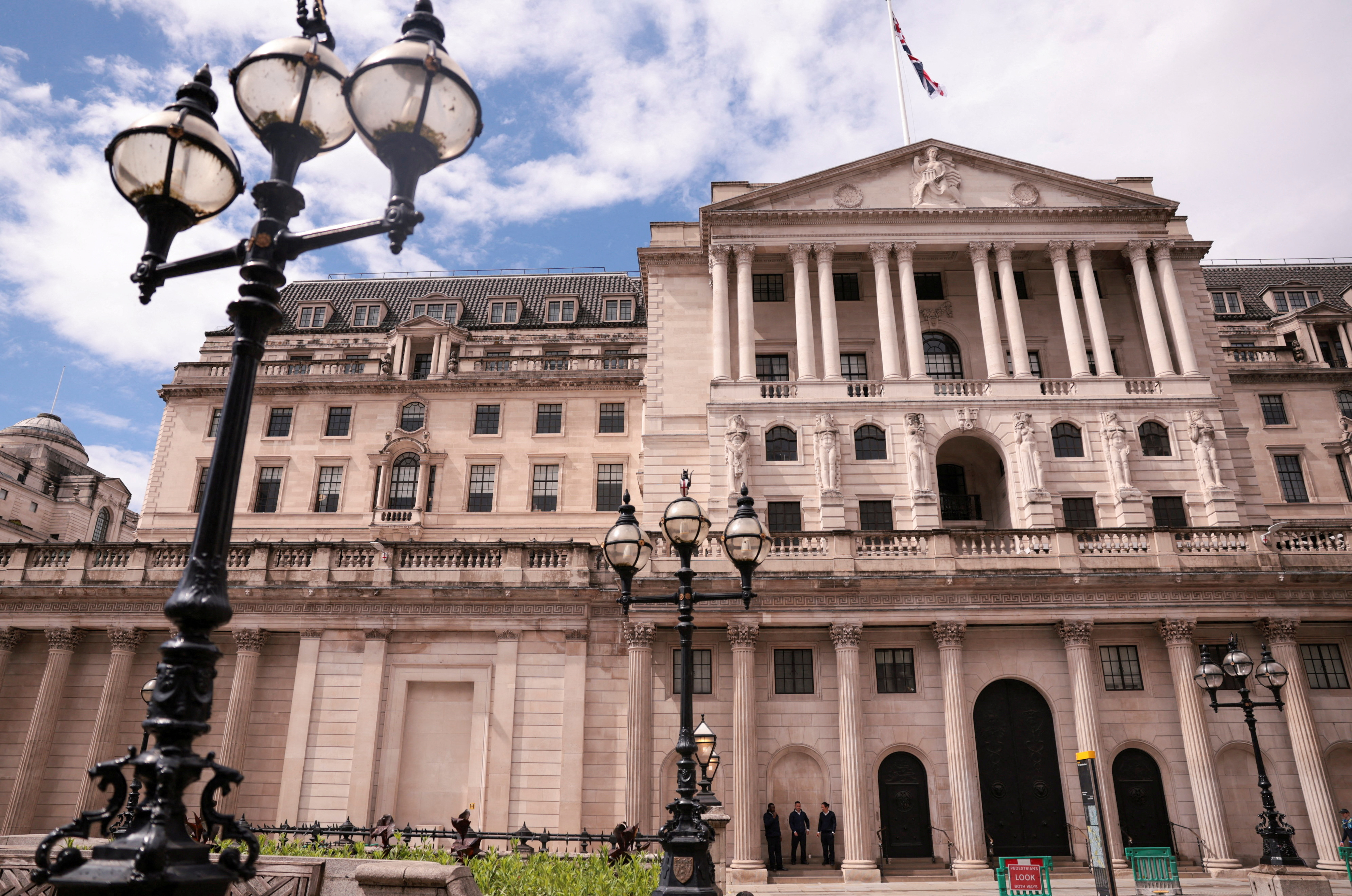
Banking regulators in the United States, including the Federal Reserve, Federal Deposit Insurance Corporation (FDIC), and Office of the Comptroller of the Currency (OCC), are expected to release significant revisions to bank capital requirements this month. These changes, which aim to strengthen the resilience of the financial system, are part of the larger “Basel III endgame” framework. The upcoming rules are targeted at banks with over $100 billion in assets, with the intention of bolstering their ability to withstand future financial crises.

The planned regulations will eliminate the use of banks’ internal risk models in favor of standardized models, addressing longstanding concerns about inconsistencies in how banks evaluate their risk exposure. If implemented, the new capital requirements will be phased in over three years, beginning in July 2025. However, the proposal has met with significant resistance from the banking industry, which argues that the regulations could lead to reduced lending capacity, stifling economic growth and affecting consumer credit availability.

The proposed revisions represent a culmination of years of efforts by regulators to tighten capital standards in the aftermath of the 2008 financial crisis. Banks have faced increasing scrutiny from both regulators and lawmakers over the adequacy of their capital buffers. Stress tests conducted by U.S. authorities have consistently shown that the nation’s banking system remains well-capitalized, but concerns linger about whether current rules are sufficient to safeguard against future economic shocks.

Among the major changes expected is the implementation of higher capital buffers for banks, particularly those with significant trading operations. This would affect major Wall Street firms, including JPMorgan Chase, Goldman Sachs, and Citigroup. These institutions could be required to hold substantially more capital against their trading assets, which has drawn criticism from the financial sector. The American Bankers Association (ABA) and other industry groups have argued that excessive capital requirements could reduce profitability and hamper their ability to finance economic activity.

Despite these objections, proponents of the new rules, including key regulatory figures, have emphasized the importance of ensuring that banks are prepared for a range of potential crises. Federal Reserve officials have expressed confidence in the banking system’s current stability but have stressed that more stringent capital requirements would reduce the likelihood of taxpayer-funded bailouts in the future. They have also pointed to the Basel III guidelines as an international standard, which the U.S. must comply with to maintain financial stability on a global scale.

Opponents within the banking sector are mounting an aggressive lobbying campaign to delay or modify the rulemaking. They argue that the proposed rules do not take into account the economic impact of stricter capital standards, especially at a time when inflation and interest rate hikes are already placing significant pressure on the industry. Large banks, which are likely to be most affected by the new regulations, have voiced concerns that they will be forced to cut back on lending activities to meet the higher capital requirements.

The pushback has been particularly vocal from some of the biggest players in the financial industry, who warn that the new capital rules could lead to reduced lending to businesses and consumers. The ABA, in a statement, expressed support for strong capital requirements but urged regulators to strike a balance that does not stifle economic growth. They argue that while the banking sector remains resilient, overly stringent capital rules could inadvertently weaken it by making credit more expensive and difficult to obtain.

At the heart of the debate is the balance between financial stability and economic growth. Regulators believe that higher capital buffers will protect the economy from future crises, ensuring that banks can absorb losses without threatening the broader financial system. On the other hand, industry critics argue that the proposed rules may do more harm than good, reducing banks’ ability to lend at a critical time for the economy.

HANOI, VIETNAM – Media OutReach Newswire – 6 September 2024 – Hanoi, Vietnam Amidst a geopolitical and economic landscape fraught with uncertainty, VinFast, the Vietnamese electric vehicle manufacturer, is positioning itself for success with a diversified strategy. By offering a range of products and targeting multiple markets, the company is creating a unique advantage in the rapidly evolving automotive industry. As geopolitical tensions cast a long shadow […]

Advertisements

HONG KONG SAR – Media OutReach Newswire – 6 September 2024 – In celebration of Hello Kitty’s 50th anniversary, Alifish, a copyright trading and innovation platform under Alibaba Pictures, joined forces with Sanrio and Tmall to launch the inaugural Sanrio Tmall Super Brand Day event under the theme “Besties should stay together like Hello Kitty & Friends”. This event saw the participation of over 30 licensees, showcased […]

China is preparing to form its largest brokerage firm by merging two major state-owned securities companies, Guotai Junan Securities and Haitong Securities. The merger is estimated to create a financial giant worth approximately $230 billion, positioning it to compete more effectively on the global stage, particularly against established Wall Street institutions. The plan, which has been in development for some time, is part of Beijing’s broader efforts […]

Leon Black, co-founder of Apollo Global Management, is establishing a new branch of their family office in Abu Dhabi. This significant move marks a pivotal expansion in the region, reflecting a broader trend of high-profile financial figures investing in the UAE’s growing financial hub. The new branch aims to leverage Abu Dhabi’s robust economic environment and favorable business conditions. Black’s entry into the Abu Dhabi market follows […]

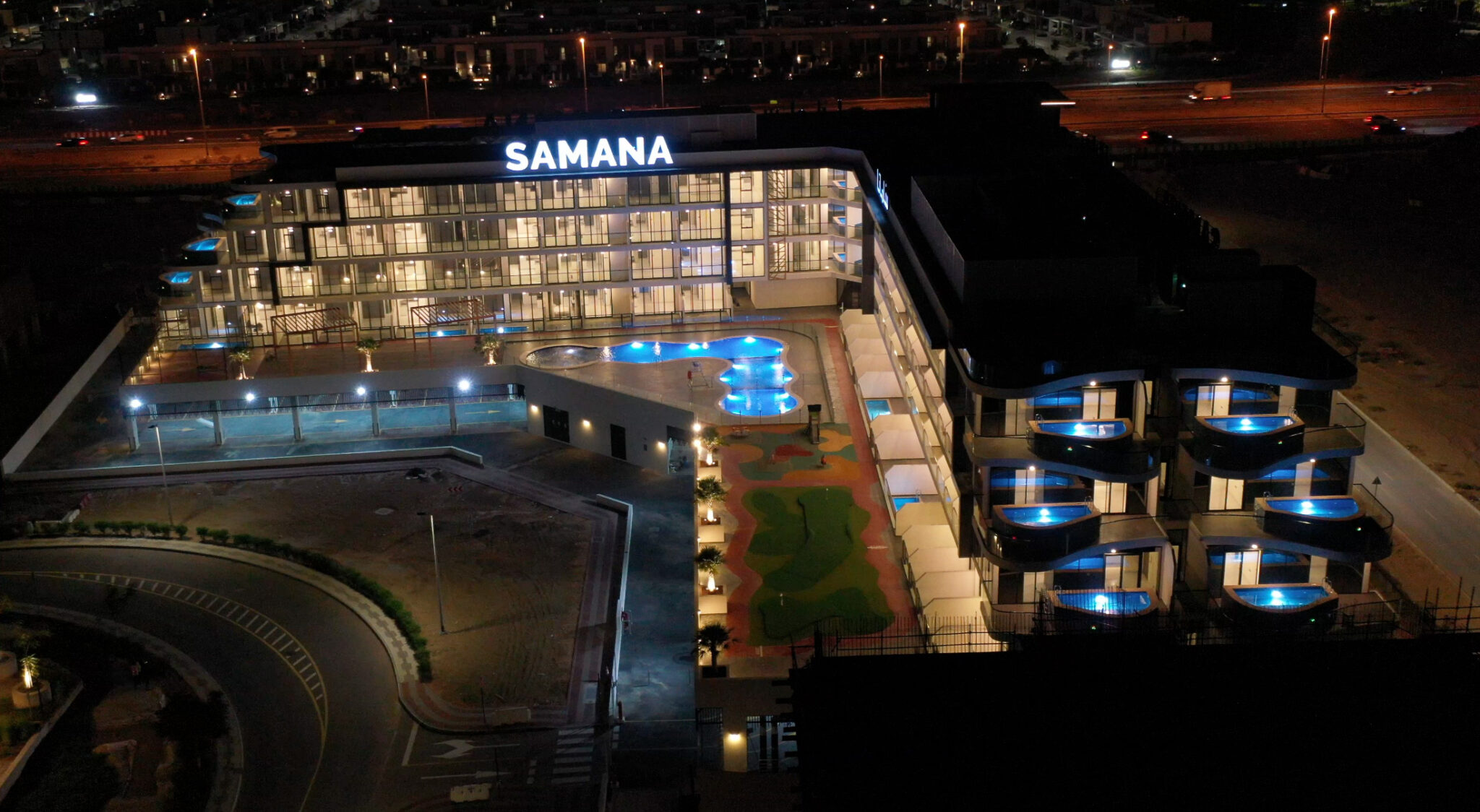
Samana Properties has achieved a significant milestone with its latest waterfront project in Dubai, which sold out within two hours of its launch. The project, named Samana Hills, has attracted substantial interest from both local and international investors, reflecting a strong appetite for premium real estate in Dubai’s competitive market.

Located in the heart of Dubai, Samana Hills promises an upscale living experience with modern amenities and stunning waterfront views. The development comprises luxury apartments designed to cater to high-net-worth individuals seeking exclusive properties in one of the world’s most sought-after real estate markets. The rapid sales pace highlights a trend of increasing demand for high-end residential properties in Dubai, driven by the city’s status as a global business hub and tourism hotspot.

The success of Samana Hills comes amidst a broader trend in Dubai’s real estate market, where luxury and waterfront properties have seen a surge in popularity. Analysts attribute this rise to Dubai’s robust economic recovery and the ongoing influx of expatriates and international investors. The city’s strategic location, coupled with its tax-free status and favorable business environment, continues to make it an attractive destination for property buyers.

Samana Properties, a notable player in the Dubai real estate sector, has capitalized on these trends by offering a project that aligns with current market demands. Their ability to sell out a development so quickly underscores the strong demand for well-located, high-quality properties. This also suggests a growing confidence among investors in the stability and profitability of Dubai’s real estate market.

The launch of Samana Hills is part of a broader strategy by Samana Properties to expand its portfolio in the luxury segment. The company’s focus on waterfront properties taps into a niche market where exclusivity and high value are key selling points. By offering a limited number of units with premium features, Samana Properties has successfully created a sense of urgency and exclusivity that resonates with high-end buyers.

Dubai’s real estate market has seen various phases of boom and adjustment over the past decades. However, the current phase appears to be characterized by sustained growth, particularly in the luxury segment. The demand for waterfront and high-end properties is driven by factors such as Dubai’s appealing lifestyle, the high standard of living, and the city’s continuing role as a global financial and tourism center.

The rapid sell-out of Samana Hills is also indicative of a broader trend where developers are increasingly targeting affluent buyers with exclusive offers. This approach not only meets the demand for luxury living but also positions developers to capitalize on the premium pricing of such properties. The high-speed sales performance is likely to encourage other developers to adopt similar strategies to tap into the lucrative luxury real estate market.

Pepe Unchained ($PEPU) has garnered significant attention in the cryptocurrency space, amassing $11.5 million during its Initial Coin Offering (ICO). This remarkable fundraising achievement underscores the growing interest in meme-based cryptocurrencies and reflects broader trends within the digital asset market. Launched as the latest iteration in the meme coin arena, Pepe Unchained aims to capitalize on the enduring popularity of meme culture and its potential to drive […]

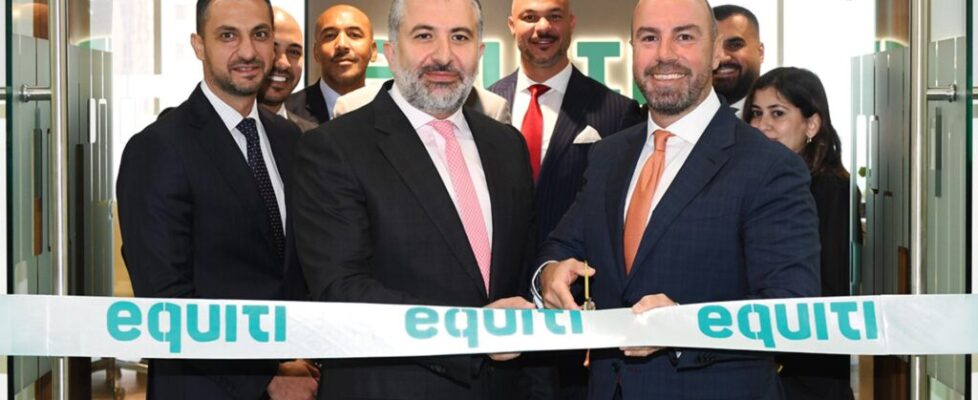
CFI Financial Group, a leading online trading provider in the region, has expanded its UAE-regulated entity, CFI Financial Markets LLC (CFI UAE), into Abu Dhabi. This move reinforces the company’s growing presence in the country, following a strategic approach to further enhance its offerings across the Emirates. The expansion underscores the Group’s commitment to providing a wider range of financial services to clients nationwide while maintaining its reputation for delivering quality trading solutions.

The decision to enter Abu Dhabi comes as CFI UAE looks to leverage its Category One license, which was granted by the Securities and Commodities Authority (SCA). This license allows the firm to offer a broad spectrum of financial instruments, including access to global markets through cutting-edge technology. By choosing Abu Dhabi, the firm seeks to tap into the capital’s growing investor base and enhance its service offerings in line with the region’s economic ambitions.

The CEO of CFI Financial Group has noted that this expansion reflects the company’s continued focus on meeting the evolving needs of traders in the UAE. By extending operations to Abu Dhabi, CFI UAE aims to provide investors with more robust trading opportunities and seamless access to global financial markets. The move also aligns with Abu Dhabi’s vision of becoming a key financial hub in the region, as part of its broader economic diversification strategy.

CFI UAE has already established itself as a key player in the UAE’s financial landscape, particularly through its presence in Dubai. The expansion into Abu Dhabi marks another milestone in the company’s ambitious growth plan, which is focused on strengthening its regional presence and offering clients a comprehensive suite of financial services. As a fully regulated entity, CFI UAE adheres to stringent regulatory standards, ensuring transparency and investor protection in all its operations.

With the growing demand for sophisticated trading platforms and services, CFI UAE has consistently invested in the latest financial technology to provide its clients with innovative solutions. The company’s platform allows access to thousands of financial instruments, including forex, stocks, commodities, indices, and cryptocurrencies, giving traders the flexibility to diversify their portfolios. The expansion into Abu Dhabi is expected to further boost these offerings, providing local investors with even more options and opportunities.

The financial services sector in the UAE has been experiencing rapid growth, driven by increasing demand for investment products and the government’s efforts to attract foreign investment. As the UAE continues to develop its financial infrastructure, companies like CFI Financial Group are positioning themselves to capitalize on these opportunities. The firm’s entry into Abu Dhabi is seen as a strategic step in capturing a larger share of the growing market, particularly as more investors seek access to global markets from the UAE.

CFI UAE’s expansion also comes at a time when the financial industry is becoming increasingly competitive, with numerous players offering similar services. However, the firm believes that its strong regulatory foundation, coupled with its focus on innovation and client satisfaction, will set it apart from the competition. The company’s leadership has emphasized that the move to Abu Dhabi is part of a broader strategy to stay ahead of market trends and continue delivering value to its clients.

Abu Dhabi, as the capital of the UAE, has been steadily building its reputation as a financial center, attracting both regional and international firms. The government’s efforts to diversify the economy, combined with the emirate’s favorable regulatory environment, have created an attractive destination for financial services companies. CFI UAE’s entry into the Abu Dhabi market is expected to contribute to this growth, further solidifying the city’s status as a key player in the global financial industry.

This expansion is not only a reflection of CFI Financial Group’s long-term vision but also an indication of the broader trends shaping the financial sector in the UAE. With the global economy continuing to evolve, and technological advancements driving changes in the way people trade and invest, CFI UAE is well-positioned to take advantage of these developments. The company’s focus on innovation, regulatory compliance, and customer service has been central to its success, and these values are expected to guide its future growth.

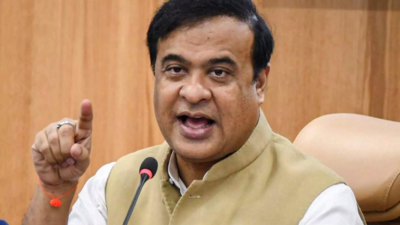
By P. Sudhir The situation in Assam has steadily deteriorated due to growing tensions between communities and certain incidents being used to divide people on communal and chauvinistic lines. The chief minister, Himanta Biswa Sarma, and the BJP-led government are solely responsible for the current state of affairs. Himanta Biswa Sarma has crossed all limits […]

Agility Global, a leading logistics and supply chain company listed on the Abu Dhabi Securities Exchange, is contemplating a strategic divestment of its stake in Tristar Group, a prominent fuel logistics firm. The potential sale highlights a significant shift in Agility’s focus as it seeks to optimize its portfolio and enhance its strategic positioning in the market. Agility Global’s decision to explore the sale of its shares […]

Wizz Air has announced the launch of its inaugural long-haul flight from Abu Dhabi to Milan, marking a significant expansion of its route network. This new service reflects the airline’s strategic push into longer-haul markets and aims to strengthen its presence in the European and Middle Eastern travel corridors.

Starting from next month, the Abu Dhabi-Milan route will offer passengers a direct link between the UAE capital and Italy’s fashion and finance hub. This development underscores Wizz Air’s commitment to enhancing connectivity between key global cities. The service is expected to cater to both leisure and business travelers, offering a new, affordable option for flying between the two cities.

The addition of this route is part of Wizz Air’s broader strategy to increase its footprint in long-haul operations. The airline has been expanding its network extensively over the past year, adding several new destinations and enhancing its connectivity. The Abu Dhabi-Milan route will operate multiple times a week, providing passengers with greater flexibility and convenience.

Wizz Air’s move into long-haul flights aligns with a growing trend among budget carriers to explore longer routes, traditionally dominated by full-service airlines. By entering this market, Wizz Air aims to capture a share of the increasing demand for affordable long-haul travel options.

Milan, known for its fashion industry, rich cultural heritage, and vibrant business environment, is expected to attract a significant number of travelers from the UAE and beyond. The city serves as a major hub for commerce and tourism, making it an attractive destination for both business and leisure trips.

The airline’s new route is anticipated to bolster tourism and business ties between the UAE and Italy. It reflects a broader trend of increasing bilateral connections between the Middle East and Europe. As global travel recovers and evolves, airlines are continually adapting their strategies to meet shifting demands and market opportunities.

Wizz Air’s expansion into long-haul services also highlights the competitive nature of the budget airline sector. As airlines strive to differentiate themselves, adding long-haul routes provides an opportunity to offer more comprehensive travel options and appeal to a broader audience.

In addition to expanding its route network, Wizz Air is focusing on improving its operational efficiency and passenger experience. The airline has been investing in new aircraft and technology to enhance its service offerings and streamline its operations.

This new route is expected to be well-received by travelers seeking affordable and direct flights between Abu Dhabi and Milan. With competitive pricing and a focus on customer satisfaction, Wizz Air aims to establish a strong foothold in the long-haul market.

Aldar Properties has introduced a new luxury villa community on Yas Island, expanding its portfolio of high-end residential offerings in Abu Dhabi. This development marks a significant step in the company’s strategy to enhance its presence in the premium real estate market. The project, named “The Villas at Yas,” promises to set new standards in luxury living with its array of upscale amenities and prime location.

Situated on the northeastern side of Yas Island, the villa community spans an extensive area, featuring a blend of contemporary design and traditional influences. Each villa is designed with meticulous attention to detail, boasting spacious layouts, high-quality finishes, and expansive outdoor areas. The development includes a variety of villa types, catering to different preferences and family sizes, all while maintaining the highest standards of luxury.

Aldar’s latest offering emphasizes sustainability and modern living. The villas are equipped with advanced energy-efficient systems and smart home technologies, ensuring both environmental responsibility and convenience. Residents will have access to private gardens, swimming pools, and dedicated recreational areas, enhancing the overall living experience.

The strategic location of the villas on Yas Island offers residents proximity to key attractions, including Yas Marina Circuit, Yas Waterworld, and Ferrari World. This prime positioning ensures that residents enjoy a vibrant lifestyle with easy access to entertainment, dining, and leisure facilities.

The launch of “The Villas at Yas” reflects Aldar’s commitment to meeting the growing demand for luxury residential options in Abu Dhabi. The company aims to cater to affluent individuals and families seeking an unparalleled living experience in a prestigious setting. The development is expected to attract both local buyers and international investors, bolstering Abu Dhabi’s position as a global real estate hub.

The project underscores Aldar’s ongoing efforts to diversify its portfolio and address various segments of the real estate market. By focusing on high-end residential properties, Aldar is enhancing its reputation for delivering exceptional quality and innovative designs. This initiative aligns with the company’s broader vision of shaping Abu Dhabi’s urban landscape with premium developments.

The introduction of this luxury community also comes at a time when Abu Dhabi’s real estate market is experiencing significant growth. With increasing interest from international investors and a rising number of high-net-worth individuals, there is a growing appetite for upscale properties. Aldar’s new project is well-positioned to capitalize on this trend, offering a unique blend of luxury and convenience that meets the expectations of discerning buyers.

The initial public offering (IPO) of NMDC Energy has seen an unprecedented level of demand, closing 31.3 times oversubscribed. The IPO, which offered 1.15 billion shares representing 23% of the company’s total share capital, was priced at AED2.8 per share. This strong market response underscores investor confidence in NMDC Energy, a key player in the UAE’s energy sector. The offering attracted substantial interest from a wide range […]

An investment fund backed by the Abu Dhabi Investment Authority (ADIA) is seeking to raise $4 billion to expand its infrastructure portfolio in India. This move underscores the growing appeal of Indian infrastructure as a strategic investment opportunity amid an evolving economic landscape.

The fund, operating under the name of its supporting entity, ADIA, aims to tap into India’s burgeoning infrastructure sector, which has seen increased interest from global investors. The initiative reflects ADIA’s strategy to capitalize on high-growth opportunities in emerging markets, leveraging its significant financial resources to drive infrastructure development in India.

India’s infrastructure sector has become a focal point for foreign investments due to the country’s ambitious growth targets and substantial need for infrastructure development. The Indian government has rolled out several initiatives to bolster infrastructure, including road construction, urban development, and renewable energy projects. These initiatives are intended to support the nation’s rapid urbanization and economic growth, presenting a lucrative opportunity for investors.

ADIA’s decision to invest further in Indian infrastructure aligns with broader trends in global investment strategies, where there is a noticeable shift towards infrastructure assets in high-growth regions. The focus on India is particularly significant due to the country’s ongoing economic reforms and its strategic importance in the global economy.

The fund’s investment strategy involves identifying and financing key infrastructure projects that can provide long-term value and stability. This includes investments in sectors such as transportation, energy, and urban development. By targeting these areas, the fund aims to contribute to India’s economic growth while securing attractive returns for its investors.

India’s infrastructure needs are vast and varied, with the government estimating a requirement of several trillion dollars over the next decade to support its development goals. The country’s infrastructure deficit has been a critical barrier to sustained economic growth, and substantial investments are required to address this gap. The influx of capital from ADIA’s backed fund is expected to play a significant role in meeting these needs.

The Indian government has been proactive in creating an investor-friendly environment to attract foreign capital. This includes policy reforms aimed at improving the ease of doing business, enhancing regulatory frameworks, and offering incentives for infrastructure investments. These measures have contributed to increased confidence among global investors and have been instrumental in driving foreign direct investment (FDI) into the infrastructure sector.

As the fund gears up for its fundraising campaign, it is also expected to face competition from other global investors looking to tap into India’s infrastructure market. Several international players have shown keen interest in Indian infrastructure projects, driven by the country’s robust economic growth prospects and its large-scale infrastructure requirements.

The impact of this fund’s investment will likely be far-reaching, contributing to the development of critical infrastructure projects that are essential for India’s continued economic advancement. It will also highlight the attractiveness of Indian infrastructure assets to other global investors, potentially leading to additional capital inflows into the sector.

The ADIA-backed fund’s effort is part of a broader trend where sovereign wealth funds and large institutional investors are increasingly looking towards emerging markets for growth opportunities. With India being one of the fastest-growing major economies, it stands out as a key destination for such investments.

Snoop Dogg and filmmaker Robert Rodriguez are turning to their fans for financial backing to support their upcoming ventures. This novel approach allows fans to directly invest in and participate in the development of creative projects, reflecting a broader trend in the entertainment industry towards decentralized funding models.

Snoop Dogg is leveraging his significant fan base by offering opportunities to invest in his various artistic endeavors. His latest venture, which involves both music and entrepreneurial projects, is poised to benefit from the direct involvement of his supporters. By inviting fans to contribute financially, Snoop Dogg aims to create a more interactive and invested audience for his work.

Similarly, Robert Rodriguez, known for his distinctive filmmaking style and successful projects such as “Desperado” and “Sin City,” is exploring fan funding to finance his new film projects. Rodriguez’s move is part of a growing trend where traditional financing models are being disrupted by more personalized and engaging methods. This strategy not only raises capital but also generates early buzz and a committed audience for the projects.

This shift towards fan investment underscores a larger transformation in the entertainment industry. As digital platforms and social media become more integral to the creative process, artists and creators are increasingly seeking ways to engage their audiences in financial and creative decision-making. This model benefits both the creators, who gain financial support and build a loyal following, and the fans, who gain a sense of ownership and involvement in the projects they support.

The impact of fan financing extends beyond individual projects. It signifies a broader trend where crowdfunding and decentralized investment are reshaping how creative works are funded and distributed. This approach challenges traditional financing structures and opens up new possibilities for artists to bring their visions to life without relying solely on conventional studio or production company backing.

The increasing popularity of crowdfunding platforms like Kickstarter and Indiegogo has demonstrated the potential of this model. These platforms have been instrumental in financing a wide range of projects, from independent films to innovative products. The success stories from these platforms have paved the way for high-profile artists and creators to explore similar funding mechanisms.

Snoop Dogg’s and Rodriguez’s initiatives also highlight a growing trend of collaboration between artists and fans. By involving fans directly in the investment process, creators can cultivate a more engaged and enthusiastic audience. This engagement can lead to more robust promotional efforts and a more dedicated fan base, which is crucial in a competitive entertainment landscape.

In addition to financial contributions, fans who invest in these projects may receive exclusive content, early access to releases, and other perks. This creates a reciprocal relationship between creators and supporters, enhancing the overall fan experience and fostering a deeper connection to the work.

The rise of fan financing also reflects broader economic and technological trends. As digital tools and platforms become more accessible, they enable new forms of engagement and collaboration. This democratization of funding and participation is reshaping industries beyond entertainment, including technology, fashion, and even philanthropy.

As Snoop Dogg and Robert Rodriguez forge ahead with their fan-funded projects, they join a growing cohort of creators who are redefining traditional funding models. Their efforts exemplify how digital innovation and audience engagement can combine to create new opportunities and reshape the creative landscape.

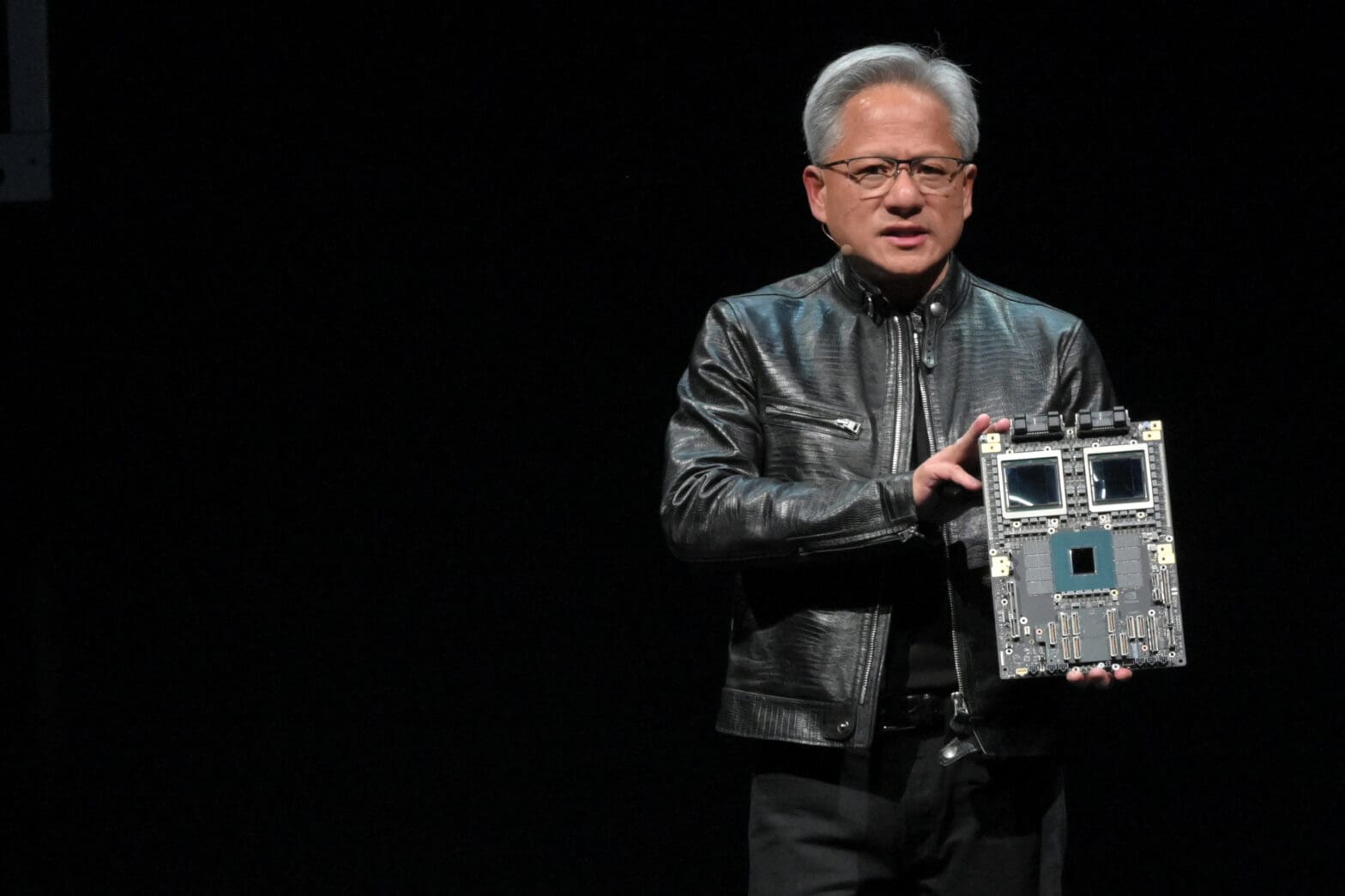
Nvidia’s market value plunged dramatically by $360 billion in a single trading day, as investors reacted to the latest developments surrounding the company’s legal troubles. This steep decline, however, was slightly mitigated, with the loss settling at approximately $280 billion by the end of the day. The volatility was spurred by a clarification from Nvidia regarding its interaction with the U.S. Department of Justice (DOJ), which became […]

The Japanese yen has gained ground against the US dollar as the Bank of Japan (BOJ) signals a shift in its monetary policy, indicating the possibility of further interest rate hikes. This comes as part of an effort by the central bank to combat inflationary pressures that have persisted in Japan’s economy. The BOJ’s move marks a departure from its traditionally dovish stance, which has seen the bank maintain ultra-low interest rates for years to stimulate growth.

Japan’s bond yields have surged to their highest levels in over a decade, driven by the bank’s decision to allow more flexibility in managing its yield curve control policy. This has caused government bond yields to touch levels not seen since 2008. Bank shares also responded positively, benefiting from the prospect of higher interest rates, which generally increase profitability for financial institutions.

BOJ Governor Kazuo Ueda’s remarks have been crucial in shaping market expectations, as he emphasized that the central bank is closely monitoring inflation trends and could further adjust its policies depending on the economic outlook. Inflation in Japan has consistently stayed above the bank’s 2% target, which is a significant factor in the BOJ’s recalibration of its strategies.

Investors and analysts are paying close attention to the yen’s movements in response to these changes. The USD/JPY pair, a key indicator of global currency dynamics, has reflected the yen’s resurgence as the BOJ signals a break from its previous ultra-loose policies. Despite this strengthening, the yen remains volatile due to the uncertain nature of Japan’s future economic direction.

This development has also had broader implications for international markets, especially as Japan’s stance on monetary tightening contrasts with other central banks, such as the Federal Reserve and the European Central Bank, which have been raising rates more aggressively over the past year. Japan’s slow approach, however, could see further adjustments if inflation continues to outpace forecasts.

Japan’s government bonds have also garnered significant interest from investors globally, as the rising yields offer better returns compared to the low or negative yields that have characterized the Japanese bond market for years. This shift has led to increased foreign capital inflows, which in turn supports the yen’s value.

Anthropic has introduced Claude Enterprise, a new subscription plan designed for businesses seeking enhanced administrative control and security in AI interactions. This offering aims to directly compete with OpenAI’s ChatGPT Enterprise, which has been in the market for approximately a year. The launch of Claude Enterprise marks a significant move by Anthropic to expand its presence in the enterprise AI sector, reflecting a strategic effort to match […]

Banks in the United Arab Emirates are increasingly poised to expand their lending activities, driven by a robust economic outlook and improving asset quality, according to the Central Bank of the UAE (CBUAE). This shift reflects growing confidence in the stability and potential of the financial sector, fostering a more dynamic lending environment. The CBUAE’s latest report highlights that the UAE’s economic stability has strengthened significantly, supporting […]

VISHNU RAJA
RYO YAMADA
HITORI GOTOH
IKUYO KITA