News related to
Capital

Tourism in the UAE has seen a substantial boost in the first half of 2024, positioning the country as the leading destination in the Gulf Cooperation Council (GCC) region. According to recent figures, the UAE has outpaced its neighbors in attracting international visitors, driven by a combination of strategic marketing, major events, and ongoing investment in tourism infrastructure.

The UAE’s Ministry of Economy reported a significant increase in tourist arrivals, with Dubai and Abu Dhabi leading the charge. The country welcomed over 10 million international tourists from January to June 2024, marking a 15% increase from the same period last year. This surge has been fueled by a series of high-profile events and a continued emphasis on enhancing the visitor experience.

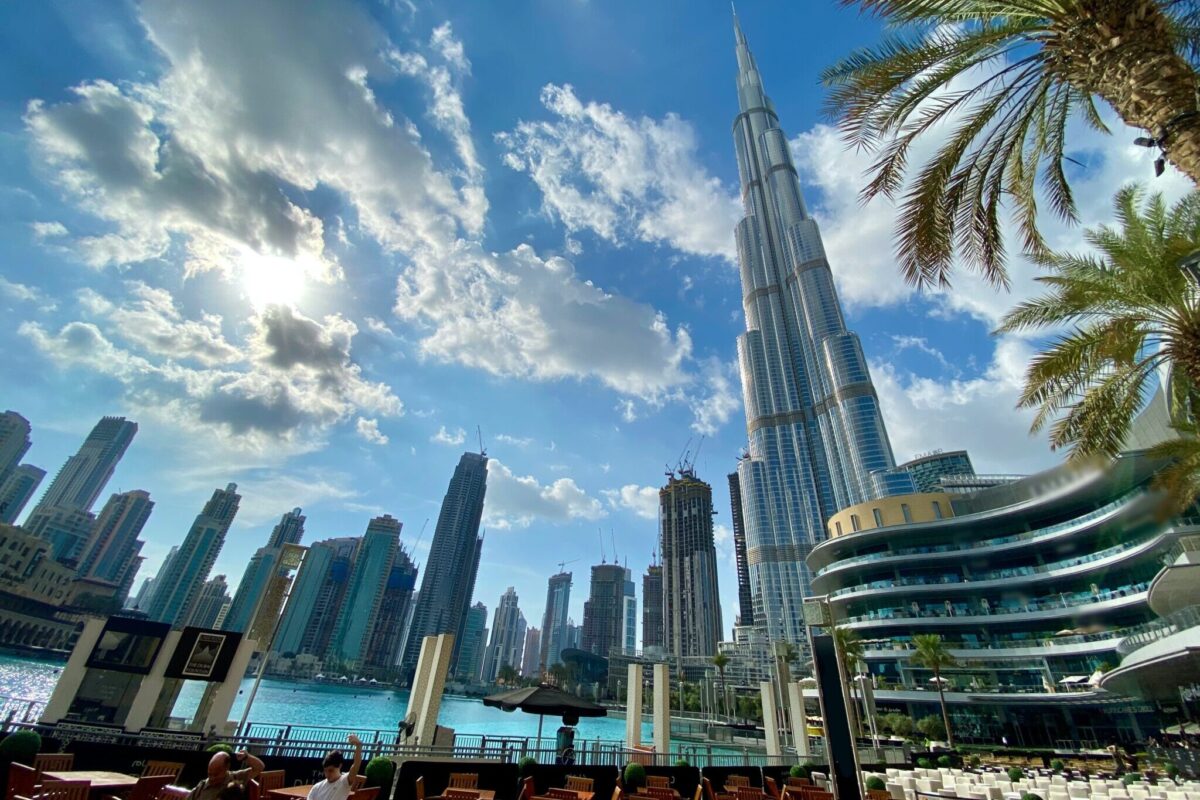
Dubai, known for its luxury tourism and major attractions like the Burj Khalifa and Dubai Mall, has witnessed a notable uptick in visitor numbers. The city’s ambitious strategy to diversify its tourism offerings and invest in world-class infrastructure has paid off. Major events such as the Dubai Shopping Festival and the Expo 2024 have drawn large crowds, contributing significantly to the rise in tourism figures.

Abu Dhabi, the UAE’s capital, has also seen a remarkable increase in tourist numbers. The city’s cultural and entertainment offerings, including the Louvre Abu Dhabi and Yas Island, have become major attractions. Recent investments in expanding hospitality services and promoting cultural tourism have bolstered Abu Dhabi’s position as a key player in the GCC tourism sector.

Other GCC countries have also experienced growth in their tourism sectors, but none have matched the UAE’s pace. Saudi Arabia, for instance, has made considerable strides with its Vision 2030 initiative, which aims to diversify the economy and promote tourism. However, while Saudi Arabia has seen growth, the scale and speed of the UAE’s tourism boom remain unmatched in the region.

Qatar and Oman have also reported increased tourist numbers, but the UAE’s strategic advantages in terms of infrastructure, marketing, and event management have given it a competitive edge. Qatar’s World Cup legacy continues to attract sports tourists, while Oman’s natural landscapes appeal to adventure and eco-tourism enthusiasts. Yet, the UAE’s well-established tourism ecosystem and its ongoing efforts to innovate and enhance the visitor experience have set it apart.

One of the key factors contributing to the UAE’s success is its continuous investment in tourism infrastructure. The UAE government has committed to expanding its hospitality sector, with numerous new hotels and resorts opening in recent months. Additionally, major projects such as the expansion of Dubai International Airport and the development of new tourism districts in Abu Dhabi are expected to further boost tourist numbers.

Another significant element is the UAE’s strategic marketing campaigns, which have effectively targeted key international markets. The UAE has focused on promoting its diverse attractions, ranging from luxury shopping and fine dining to cultural heritage and adventure tourism. This multifaceted approach has resonated with a broad spectrum of travelers, from affluent tourists seeking luxury experiences to those interested in cultural exploration and outdoor activities.

The UAE’s ability to host major global events has also played a crucial role in its tourism success. Events such as the Abu Dhabi Film Festival and Dubai Design Week attract international visitors and media attention, further enhancing the country’s profile as a leading tourist destination. These events not only draw visitors but also contribute to the UAE’s reputation as a hub for cultural and creative industries.


Gulf Cooperation Council (GCC) banks are expected to maintain robust performance through 2024, according to a new report by S&P Global Ratings. Despite uncertainties and potential economic disruptions, these financial institutions are well-positioned to navigate the challenges and sustain their strong financial metrics.

S&P Global Ratings’ latest analysis highlights that GCC banks have demonstrated remarkable resilience over recent years. Their solid performance is attributed to a combination of strong capital buffers, prudent risk management practices, and favorable economic conditions within the region. The banks’ ability to adapt to fluctuations in the global economic environment has been crucial in maintaining their stability.

One significant factor contributing to the banks’ resilience is their strong capitalization. GCC banks have managed to build and maintain high capital adequacy ratios, providing them with a solid cushion against potential financial shocks. This strong capital base allows them to absorb losses and continue operating effectively even in adverse conditions.

Additionally, GCC banks have benefited from improved economic conditions in the region. The ongoing economic diversification efforts by GCC countries, aimed at reducing their dependency on oil revenues, have created a more stable economic environment. Investments in infrastructure, tourism, and technology have bolstered economic growth, supporting the financial sector’s stability.

The report notes that while GCC banks are in a favorable position, they are not entirely immune to external shocks. Global economic uncertainties, fluctuations in oil prices, and geopolitical tensions could pose risks to the financial stability of these institutions. However, the banks’ strong risk management practices and conservative lending strategies are expected to mitigate these risks effectively.

In particular, the banking sector’s focus on digital transformation has enhanced its ability to manage and respond to potential disruptions. The adoption of advanced technologies and digital platforms has improved operational efficiency, customer engagement, and risk management. This technological edge positions GCC banks to better handle emerging challenges and capitalize on new opportunities.

Moreover, the GCC banking sector has shown a commitment to strengthening regulatory frameworks and compliance standards. This proactive approach to regulatory adherence has enhanced transparency and accountability within the sector, further bolstering its resilience.

S&P Global Ratings also highlights that GCC banks are likely to continue benefiting from supportive government policies and economic initiatives. The ongoing reforms and strategic plans undertaken by GCC governments aim to enhance economic stability and promote sustainable growth, providing a favorable environment for the banking sector.

By Dr. Gyan Pathak Farmers have been demanding legal guarantee for Minimum Support Price (MSP), but the Centre has announced 7 new big schemes for farm sector worth Rs14,000 crore on September 2. Modi government said that the schemes intended for farmers welfare, but farmers have been saying that their well-being depend on the legally […]

IIT Delhi has inaugurated its first international campus in Abu Dhabi, marking a significant milestone in the institution’s expansion strategy. The new facility, situated in the UAE capital, represents IIT Delhi’s commitment to globalizing its world-renowned STEM education and research programs. This move is part of a broader initiative to enhance international collaboration and extend the institution’s educational reach beyond India’s borders.

The campus, located within the Abu Dhabi University district, is equipped with state-of-the-art facilities designed to foster advanced research and innovation. This expansion aims to build on IIT Delhi’s established reputation for excellence in engineering and technology, bringing its expertise to a new geographical region. The initiative aligns with the UAE’s strategic goals of enhancing educational offerings and fostering innovation-driven growth.

IIT Delhi’s new international campus will offer a range of undergraduate and postgraduate programs tailored to local and regional needs, including specialized courses in artificial intelligence, data science, and sustainable engineering. The institution has emphasized that the Abu Dhabi facility will serve as a hub for collaborative research, drawing on the UAE’s growing emphasis on technological advancement and smart city development.

The decision to establish a campus in Abu Dhabi reflects both IIT Delhi’s strategic vision and the UAE’s broader educational objectives. The UAE has been making substantial investments in higher education and research, aiming to position itself as a global leader in innovation. The partnership between IIT Delhi and UAE institutions is expected to strengthen the region’s academic and technological landscape.

This expansion is also seen as a response to the increasing global demand for high-quality STEM education and research opportunities. By leveraging its established reputation and expertise, IIT Delhi seeks to attract students and researchers from around the world, thereby enhancing its global footprint and influence.

The launch of the Abu Dhabi campus comes amid growing interest in international education partnerships, with many institutions seeking to broaden their global reach. For IIT Delhi, this venture not only represents an opportunity to extend its impact but also to contribute to the UAE’s educational and technological ambitions. The partnership is expected to yield mutual benefits, including collaborative research projects, student exchange programs, and joint ventures with local industries.

The new facility has been designed with a focus on cutting-edge technology and sustainability. It includes advanced laboratories, collaborative workspaces, and high-tech classrooms, all intended to support a dynamic learning and research environment. The campus is set to become a key player in the region’s academic and technological advancements, reinforcing IIT Delhi’s role as a leading global institution.

IIT Delhi’s international campus in Abu Dhabi is poised to attract students and researchers from across the globe, positioning itself as a significant educational hub in the Middle East. This move is expected to enhance the institution’s global network and influence, while contributing to the development of the UAE’s educational infrastructure and research capabilities.

The Singapore dollar has reached its strongest level against the US dollar in over ten years, reshaping economic dynamics and influencing various sectors from tourism to trade. This notable appreciation of the Singapore dollar, driven by a mix of global economic factors and local financial policies, has brought both opportunities and challenges to different stakeholders.

The current strength of the Singapore dollar, surpassing 1.35 against the US dollar, marks a significant shift in the currency’s performance. This upsurge is attributed to Singapore’s robust economic fundamentals, strategic monetary policies by the Monetary Authority of Singapore (MAS), and a relatively stable political environment compared to other global economies. Investors and analysts have observed that this strength reflects broader trends of a resilient Singaporean economy amidst global uncertainties.

For tourists, this stronger Singapore dollar translates to enhanced purchasing power. Visitors from countries with weaker currencies find their travel budgets stretching further, resulting in increased spending on luxury goods, dining, and entertainment. This shift has been beneficial for Singapore’s retail and hospitality sectors, with luxury boutiques and high-end restaurants reporting a boost in sales from foreign tourists. The tourism sector, a significant contributor to Singapore’s economy, is experiencing a revival as a result of this currency trend.

On the flip side, Singapore’s strong dollar poses challenges for local exporters. Companies exporting goods and services may face reduced competitiveness in international markets due to the higher cost of Singaporean products. This could impact profit margins and market share, particularly in sectors where price sensitivity is crucial. Exporters, especially those dealing with bulk commodities and price-competitive goods, are likely to experience squeezed margins unless they can offset the higher costs through operational efficiencies or increased value addition.

Importers, however, benefit from a stronger Singapore dollar. Lower costs for imported goods can lead to reduced expenses for businesses reliant on foreign products and raw materials. This could translate to lower prices for consumers, especially for imported electronics, vehicles, and other high-value items. The increased purchasing power of the dollar enables businesses to negotiate better terms with international suppliers and capitalize on favorable exchange rates.

The appreciation of the Singapore dollar has also influenced financial markets, with increased capital inflows observed as investors seek stable and profitable opportunities in Singapore. The local stock market has witnessed heightened activity, with foreign investors showing greater interest in Singaporean equities. This influx of investment is bolstering market liquidity and providing additional capital for domestic companies.

Moreover, the currency strength has implications for Singapore’s monetary policy. The MAS, which has a mandate to ensure price stability and economic growth, is closely monitoring the impact of the currency’s appreciation on inflation and economic activity. While a stronger dollar can help in containing import-driven inflation, it also requires careful management to ensure that the broader economic growth is not adversely affected.

The currency’s rise is also intertwined with global financial trends. Investors are increasingly turning to safe-haven assets and stable currencies amid economic uncertainties and geopolitical tensions. The Singapore dollar, often seen as a stable and secure currency, has attracted significant interest from global investors looking to hedge against risks. This trend is reflective of a broader shift towards currencies and assets perceived as safe havens in volatile times.

Aldar Properties has introduced its latest development, Yas Riva, a luxurious canal-front villa community located on the renowned Yas Island. The project marks a significant addition to the island’s growing portfolio of high-end residential areas, offering residents unparalleled canal views and direct access to waterfront living. With its unique focus on leisure and luxury, Yas Riva is poised to set a new standard for residential developments in Abu Dhabi, blending natural beauty with modern architectural design.

Yas Riva stands out as one of the few communities in the capital to offer both canal-front and canal-accessible homes. The development is designed to cater to families and individuals seeking a premium lifestyle in a serene, waterfront setting, with each villa offering access to a private canal, enabling residents to enjoy a truly immersive waterside experience. This combination of exclusivity and convenience is expected to attract both local buyers and international investors looking for prime real estate in the UAE.

The launch of Yas Riva aligns with Aldar’s strategic vision of expanding its residential offerings on Yas Island, a destination that has rapidly evolved into one of Abu Dhabi’s most desirable addresses. Over the past few years, Yas Island has witnessed a surge in demand for high-quality residential developments, thanks to its proximity to key attractions such as Yas Mall, Ferrari World, and the Yas Marina Circuit, along with its well-planned infrastructure and vibrant community atmosphere.

In addition to its stunning canal views, Yas Riva offers a range of amenities aimed at enhancing residents’ quality of life. These include state-of-the-art fitness centers, swimming pools, and beautifully landscaped gardens. A network of pedestrian-friendly walkways and cycling paths ensures that residents can enjoy the outdoors while maintaining a healthy lifestyle. The community will also feature a clubhouse, retail spaces, and dining options, providing all the conveniences of modern living within the development itself.

The architectural design of Yas Riva reflects a contemporary aesthetic, with clean lines, expansive glass facades, and open-plan layouts that maximize natural light and space. Each villa is crafted with attention to detail, featuring high-end finishes and materials that create an ambiance of sophistication and comfort. Sustainability has also been a key consideration in the design process, with energy-efficient systems and eco-friendly construction practices being incorporated throughout the development.

Aldar’s commitment to sustainability is further evident in Yas Riva’s focus on integrating green spaces and preserving the natural environment. The community will be surrounded by lush greenery, with carefully planned landscaping that enhances the sense of tranquility and connection to nature. This emphasis on sustainability not only benefits the environment but also contributes to the well-being of residents, creating a healthy and balanced living environment.

The Yas Riva development is expected to appeal to a diverse range of buyers, from young professionals and growing families to retirees looking for a peaceful retreat. With its strategic location on Yas Island, residents will have easy access to a wide range of leisure and entertainment options, including the island’s renowned golf courses, theme parks, and marina facilities. The community’s proximity to Abu Dhabi International Airport and major highways also ensures convenient connectivity to the rest of the UAE.

Aldar Properties has long been a key player in Abu Dhabi’s real estate market, known for delivering high-quality developments that cater to the needs of modern residents. The launch of Yas Riva further solidifies the company’s position as a leading developer in the region, with a track record of creating innovative, sustainable, and luxurious living environments.

Yas Island has become a focal point for Aldar’s expansion efforts, with several successful residential projects already completed on the island. The introduction of Yas Riva adds to this portfolio, reinforcing Yas Island’s reputation as a premier destination for upscale living. As more residents are drawn to the island’s unique lifestyle offerings, the demand for high-end properties is expected to continue rising, making Yas Riva a valuable investment opportunity for those looking to enter Abu Dhabi’s flourishing real estate market.

The villas at Yas Riva are available in a variety of sizes and layouts, catering to different preferences and lifestyles. Buyers can choose from spacious three, four, and five-bedroom options, each designed to offer maximum comfort and privacy. The homes are equipped with modern amenities and smart home technologies, ensuring that residents enjoy a seamless and connected living experience.

The announcement of Yas Riva has already generated significant interest among potential buyers and investors, reflecting the growing demand for exclusive waterfront properties in the UAE. With its unique canal-front setting and luxurious design, Yas Riva is expected to become one of the most sought-after residential communities in Abu Dhabi.

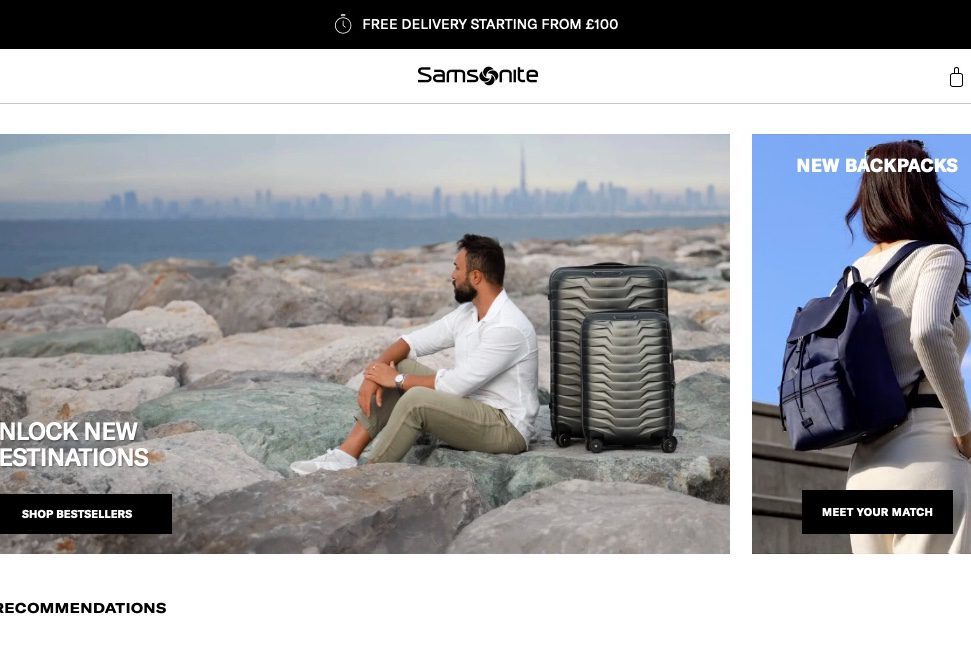
Samsonite International SA, the world’s largest travel luggage company, is preparing for a significant move to enhance its market position by pursuing a dual listing in the United States. According to sources familiar with the matter, Samsonite has selected JPMorgan Chase & Co. and Morgan Stanley to lead the process, signaling its intent to improve liquidity and widen its shareholder base. The decision comes as the company seeks to bolster its global presence and capitalize on the strong recovery of the travel industry.

The dual listing will allow Samsonite to attract a broader range of investors, particularly from the US, where its brands, including American Tourister and Tumi, are already well known. A listing on a US exchange, such as the New York Stock Exchange or Nasdaq, would increase the company’s visibility and provide easier access to the capital markets. This is seen as part of a strategic initiative by the company to diversify its funding sources and offer shareholders the option to trade more easily in a larger and more liquid market.

Samsonite, headquartered in Luxembourg, has been listed on the Hong Kong Stock Exchange since 2011. The company has been looking to expand its investor base, particularly in the wake of a strong recovery in travel demand. The resurgence in global travel after years of pandemic-related disruptions has given the company renewed confidence to explore growth avenues, including a possible US dual listing. The decision is seen as a way to solidify its foothold in a market that has seen increased demand for premium luggage and travel-related goods.

As discussions on the dual listing progress, it is expected that Samsonite will file the necessary paperwork for an initial public offering (IPO) in the US in the coming months. The timeline for the listing remains flexible, but sources suggest the company could be ready to go public in 2024. The dual listing would allow shares to be traded both in Hong Kong and the US, giving Samsonite a strategic edge in navigating international capital markets.

The company’s board is reportedly optimistic about the move, believing that a US listing could bring in significant capital that could be reinvested in expanding Samsonite’s retail footprint, enhancing its digital presence, and accelerating product development. Analysts view the listing as a smart move that would enable the firm to tap into the resurgence of travel demand and capture the attention of a larger pool of investors, especially those focused on the luxury goods and travel sectors.

Samsonite has seen substantial growth since its founding in 1910. The company, initially based in Denver, Colorado, has transformed itself into a global giant in the luggage industry. With operations in over 100 countries and a broad portfolio of brands catering to various market segments, Samsonite is uniquely positioned to take advantage of the recovery in global travel. Its product offerings, which range from budget-friendly to high-end luxury, have made it a household name in both business and leisure travel circles.

While the company faced significant challenges during the COVID-19 pandemic, with travel restrictions severely curtailing demand for its products, the easing of lockdowns and a rebound in international tourism have provided a much-needed boost. The firm reported a strong performance in its most recent earnings, with revenues climbing back to pre-pandemic levels. This recovery has been driven by a surge in demand for luggage and travel accessories as consumers resume international vacations and business trips.

In addition to its traditional luggage products, Samsonite has been investing heavily in expanding its range of travel-related goods, such as backpacks, business bags, and travel accessories. The company has also focused on sustainability initiatives, launching eco-friendly product lines made from recycled materials. These efforts are part of a broader strategy to appeal to environmentally conscious consumers, who are increasingly driving purchasing decisions in the travel goods market.

Samsonite’s leadership has remained focused on maintaining the company’s competitive edge in a rapidly evolving industry. CEO Kyle Gendreau has been vocal about the company’s ambitions to grow its presence in key markets, particularly in North America, Europe, and Asia. The potential US dual listing is seen as a critical part of this strategy, allowing the company to raise additional capital that could be used to fuel its expansion plans.

Market analysts have speculated that Samsonite’s choice of JPMorgan and Morgan Stanley reflects the company’s intent to make a strong debut in the US market. Both banks have extensive experience in handling high-profile IPOs and dual listings, making them ideal partners for a company of Samsonite’s scale and ambitions. Their involvement is expected to instill confidence in prospective investors, many of whom are eager to capitalize on the company’s strong market position and its growth potential.

The dual listing comes at a time when Samsonite is benefiting from favorable market conditions. Travel demand has rebounded sharply, and consumer spending on luggage and travel accessories is expected to grow steadily over the next several years. Industry forecasts indicate that the global luggage market could reach $23.6 billion by 2026, driven by increased travel, rising disposable incomes, and greater demand for premium travel products.

Advertisements

Brookfield Renewable Partners is on the brink of finalizing a major transaction involving Saeta Yield, a leading Spanish renewable energy firm. The deal, valued at approximately $1.1 billion, will see Saeta Yield acquired by Masdar, an Abu Dhabi-based renewable energy powerhouse. This move underscores a significant shift in the global renewable energy landscape and highlights the growing influence of Middle Eastern investors in the European green energy […]

Abu Dhabi National Oil Company (ADNOC) has announced the initial price thoughts (IPTs) for its latest dollar-denominated unsecured benchmark bond issuance, which will span three tranches with varying maturities. The offerings include five-year, 10-year, and 30-year bonds, reflecting ADNOC’s strategy to attract diverse investor interest while aligning with its long-term funding requirements. The five-year notes are being marketed at approximately 105 basis points (bps) over US Treasuries, […]

Saudi Arabia’s Public Investment Fund (PIF) is poised to issue benchmark sukuk and green bonds as part of its expanded financing strategy. This move is designed to diversify its funding sources and support the country’s sustainability goals. The sukuk issuance, a form of Islamic bond, and green bonds will be pivotal in funding various projects that align with Saudi Arabia’s Vision 2030 objectives.

The planned sukuk issuance will mark a significant step for the PIF, as it aims to leverage the strong appetite for Sharia-compliant investment products. This initiative is expected to attract substantial interest from global investors seeking opportunities in the Islamic finance sector. Sukuk, which comply with Islamic law by avoiding interest payments, have gained popularity in recent years due to their ethical investment framework and competitive returns.

In parallel, the PIF is also set to launch green bonds to support sustainable development projects. Green bonds are designed to raise capital for environmental and climate-related projects, contributing to global sustainability efforts. The issuance aligns with Saudi Arabia’s broader strategy to enhance its environmental footprint and promote green investment opportunities.

The PIF’s move comes amid a broader trend of increased issuance of sukuk and green bonds in the Middle East. Other regional players have also been active in this space, reflecting a growing commitment to sustainable finance and responsible investment practices. The market for both sukuk and green bonds has been expanding, driven by a combination of investor demand and supportive regulatory frameworks.

The sukuk and green bonds issued by the PIF will be closely watched by market participants for several reasons. First, the size and structure of these issues could set a benchmark for future offerings in the region. Second, the focus on sustainability through green bonds highlights the increasing integration of environmental considerations into investment strategies, aligning with global trends toward more responsible investing.

Saudi Arabia’s Vision 2030 aims to diversify the economy away from oil dependency and foster growth in various sectors, including finance and sustainable development. By tapping into the sukuk and green bond markets, the PIF is positioning itself to play a key role in this transformation. The fund’s activities are expected to contribute to the development of a more diverse and resilient financial market in Saudi Arabia.

The PIF’s approach reflects a broader shift in the financial landscape of the Middle East. Institutional investors and government entities across the region are increasingly focusing on sustainable finance as part of their investment strategies. This trend is driven by both regulatory pressures and growing awareness of environmental and social issues among investors.

Delivery Hero, the global food delivery service, has enlisted Emirates NBD and Morgan Stanley to guide the upcoming initial public offering (IPO) of its Dubai-based subsidiary, Talabat. This strategic move underscores Delivery Hero’s commitment to strengthening its presence in the Middle Eastern market and capitalizing on the burgeoning e-commerce sector.

The IPO, anticipated to be one of the significant market events in the region this year, aims to raise capital that will support Talabat’s expansion and enhance its competitive edge in a rapidly evolving industry. The decision to hire Emirates NBD and Morgan Stanley reflects Delivery Hero’s intent to leverage the expertise of prominent financial institutions in executing the listing.

Emirates NBD, one of the largest banks in the Middle East, brings extensive regional knowledge and a robust network to the table. The bank’s involvement is expected to facilitate a smooth transition for Talabat into the public market, given its deep understanding of local investor sentiment and market dynamics. Morgan Stanley, a global financial services firm, complements this with its international reach and expertise in managing high-profile IPOs, ensuring that the offering attracts a diverse pool of investors.

The selection of these two firms follows a competitive bidding process, wherein Delivery Hero sought advisors with a proven track record in handling major IPOs and a comprehensive grasp of both regional and global market trends. The collaboration aims to position Talabat effectively in the market, aligning with broader trends in the food delivery and e-commerce sectors.

The IPO is expected to be a pivotal moment for Talabat, which has established itself as a leading player in the Middle East’s food delivery market. The company, founded in 2004 and acquired by Delivery Hero in 2019, has seen substantial growth, driven by an increasing demand for online food delivery services. This growth trajectory has been bolstered by changing consumer behaviors and the rise of digital platforms, which have reshaped how consumers interact with food service providers.

Market analysts predict that Talabat’s IPO will attract significant interest from both institutional and retail investors, given the company’s strong market position and growth potential. The offering is anticipated to be a key indicator of investor confidence in the Middle Eastern tech and e-commerce sectors, which have seen a surge in investment and interest over the past few years.

The timing of the IPO is strategic, as it aligns with broader economic trends in the region. The Middle East has been experiencing a period of economic transformation, with an increasing focus on technology and innovation as drivers of growth. The successful listing of Talabat could serve as a catalyst for further investment in the region’s tech and e-commerce sectors, highlighting the Middle East’s potential as a hub for technological advancement and digital innovation.

Delivery Hero’s decision to list Talabat in Dubai is also a reflection of the city’s growing prominence as a global financial center. Dubai has become a key destination for IPOs, attracting companies looking to tap into its dynamic market and leverage its strategic location as a bridge between East and West. The city’s financial infrastructure and supportive regulatory environment provide a conducive backdrop for the successful execution of high-profile IPOs.

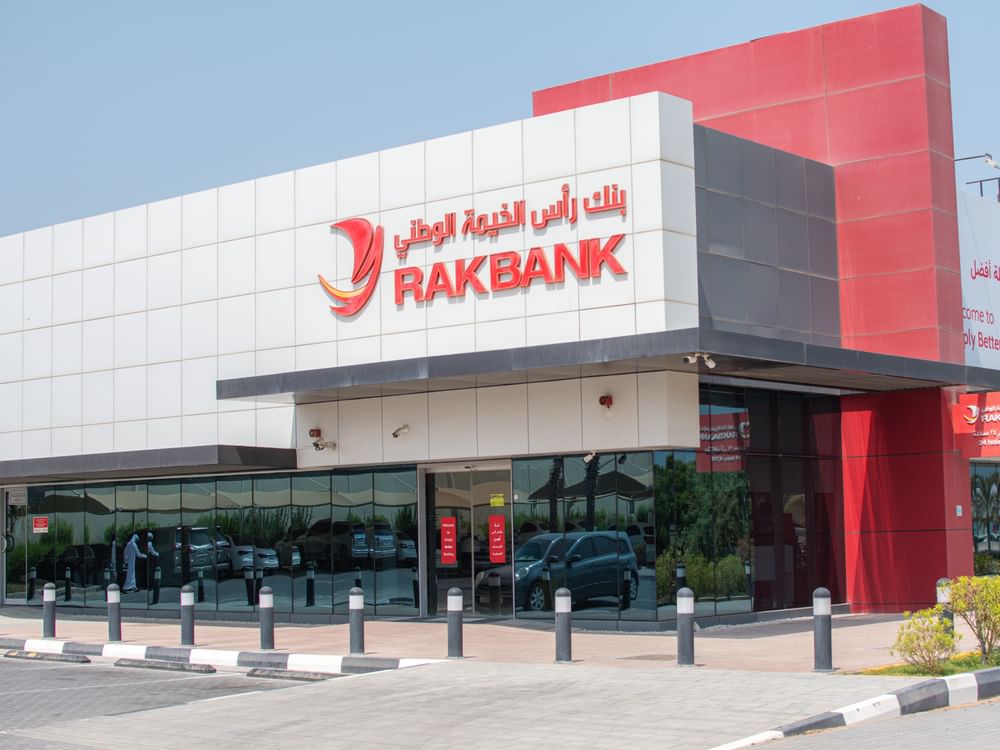
RAKBANK, the National Bank of Ras Al Khaimah, has successfully concluded its inaugural issuance of Tier 2 bonds, raising $250 million. This marks a significant milestone for the bank as it diversifies its funding sources and strengthens its capital base.

The bond issuance, conducted on September 4, 2024, was well-received by investors, reflecting strong confidence in the bank’s financial stability and growth prospects. The Tier 2 bonds are designed to enhance RAKBANK’s regulatory capital, providing a buffer against potential financial uncertainties and supporting its expansion strategies.

The bonds, with a 10-year maturity, were issued at an annual fixed rate of 5.25%, demonstrating the bank’s ability to secure favorable terms in the current capital markets. The issuance process attracted a diverse group of investors, including institutional and private investors, both regionally and internationally.

RAKBANK’s decision to issue Tier 2 bonds aligns with its ongoing efforts to strengthen its financial position and comply with the evolving regulatory requirements. Tier 2 capital, which forms part of a bank’s regulatory capital base, is crucial for maintaining the bank’s stability and supporting its growth initiatives. The successful issuance of these bonds is expected to bolster RAKBANK’s capital adequacy ratio, enhancing its ability to absorb potential losses and support future lending.

The bank’s strategy to tap into the Tier 2 bond market reflects a broader trend among financial institutions in the Middle East, where banks are increasingly turning to the capital markets to meet regulatory capital requirements and support their expansion plans. The issuance also underscores RAKBANK’s commitment to maintaining a robust capital structure, which is essential for navigating the challenges of the evolving financial landscape.

The completion of this bond issuance comes at a time when the global financial markets are experiencing a period of heightened volatility, driven by various economic and geopolitical factors. Despite these uncertainties, RAKBANK’s ability to secure significant investor interest highlights the bank’s strong market position and investor confidence in its long-term prospects.

Industry experts view RAKBANK’s Tier 2 bond issuance as a strategic move that positions the bank well for future growth. By securing additional capital, the bank is better equipped to support its lending activities, invest in new projects, and enhance its competitive position in the market. This capital injection will also enable RAKBANK to continue offering innovative financial products and services to its customers.

The successful completion of the Tier 2 bond issuance is expected to enhance RAKBANK’s credit profile, potentially leading to improved ratings from international credit rating agencies. This, in turn, could lower the bank’s borrowing costs and support its efforts to expand its footprint in both domestic and international markets.

RAKBANK’s Tier 2 bond issuance is part of a broader trend among banks in the region seeking to bolster their capital bases amid evolving regulatory requirements and economic uncertainties. Financial institutions across the Middle East are increasingly leveraging capital markets to meet their capital needs and support growth initiatives. This trend reflects a shift towards more sophisticated funding strategies as banks navigate the complexities of the modern financial landscape.

Economic sentiment across the Gulf Cooperation Council (GCC) remains largely positive despite facing significant challenges. Leaders from the region’s six member states—Saudi Arabia, the United Arab Emirates, Qatar, Kuwait, Oman, and Bahrain—are projecting continued economic growth driven by strategic diversification and investment in key sectors.

Saudi Arabia’s Vision 2030 continues to shape its economic landscape. The Kingdom is expanding its non-oil industries, particularly focusing on tourism, technology, and entertainment. Major projects like NEOM, a futuristic city planned to be powered entirely by renewable energy, are set to bolster economic diversification efforts. Despite fluctuations in oil prices and global economic uncertainties, Saudi Arabia’s economic policies aim to position the country as a global hub for innovation and investment.

The United Arab Emirates is also charting a course of strategic growth. Dubai, in particular, is enhancing its status as a global business and tourism center. The emirate’s emphasis on sustainable development, with initiatives such as the Dubai Clean Energy Strategy 2050, underscores its commitment to a diversified economy. Additionally, Abu Dhabi’s investments in renewable energy and technology sectors are expected to drive future economic stability.

Qatar’s economy is benefiting from its robust infrastructure projects and strategic investments. The country has been preparing for the 2022 FIFA World Cup, which is anticipated to provide a substantial boost to the hospitality and tourism sectors. Additionally, Qatar is focusing on strengthening its natural gas sector, positioning itself as a leading global exporter. This economic strategy aims to maintain Qatar’s high growth trajectory despite regional geopolitical tensions.

Kuwait is working towards economic diversification through its Vision 2035 plan, which seeks to reduce dependency on oil revenues by investing in sectors such as finance, technology, and healthcare. Despite facing budget deficits and economic pressures, Kuwait’s government is committed to implementing reforms and enhancing the investment climate to attract foreign capital.

Oman’s economic policies are geared towards improving its economic resilience through diversification. The Sultanate is investing in industries such as mining, tourism, and manufacturing. Oman’s efforts to enhance its business environment, coupled with regional trade agreements, are designed to foster economic growth. The government is also focusing on developing its infrastructure to support economic activities.

Bahrain is making strides in transforming its economy through investments in banking, finance, and technology. The Kingdom’s focus on becoming a fintech hub reflects its strategy to attract international businesses and foster innovation. Additionally, Bahrain’s efforts to enhance its human capital and improve its regulatory framework are expected to contribute to its long-term economic stability.

Virgin Atlantic Airways is set to expand its global footprint with a new service to Riyadh, Saudi Arabia, marking its first direct route to the Kingdom. This move comes amid a surge in travel demand as Saudi Arabia continues to emerge as a significant player in the global tourism sector.

The new route will operate three times a week starting from next month, aiming to connect Riyadh with London’s Heathrow Airport. This expansion aligns with Saudi Arabia’s Vision 2030, which seeks to diversify the economy and boost tourism as a key sector. Virgin Atlantic’s entry into the Saudi market reflects a broader trend of international airlines increasing their presence in the region.

Saudi Arabia’s tourism industry has witnessed substantial growth due to the government’s efforts to open up the country to international visitors. Initiatives such as the introduction of new visa programs and the development of large-scale tourist attractions are contributing to this growth. The country’s investment in infrastructure, including the expansion of airports and the construction of luxury hotels, further supports this upward trajectory.

Virgin Atlantic’s decision to add Riyadh to its network comes as part of the airline’s strategy to leverage the increasing travel demand in the Middle East. The route is expected to cater not only to business travelers but also to tourists exploring Saudi Arabia’s cultural and historical landmarks. Riyadh, the capital city, has seen a rise in international visitors, drawn by its vibrant culture and economic opportunities.

This move is also significant in the context of competition within the Middle Eastern aviation market. Major carriers like Emirates, Qatar Airways, and Etihad have long dominated the region, but Virgin Atlantic’s entry represents a shift in the competitive landscape. The airline’s expansion strategy includes targeting key emerging markets, with Riyadh being a prime example of this approach.

Virgin Atlantic’s new service will offer passengers a range of amenities, including state-of-the-art cabin features and high-quality in-flight services. The airline is positioning itself as a premium choice for travelers between the UK and Saudi Arabia, differentiating itself with a focus on customer experience and modern aircraft.

The addition of Riyadh to Virgin Atlantic’s route map also highlights the growing importance of the Middle East as a travel hub. The region’s strategic location between Europe, Asia, and Africa makes it a key transit point for international travelers. As global travel patterns continue to evolve, airlines are increasingly looking to the Middle East to drive growth.

Saudi Arabia’s push to enhance its global tourism appeal includes not only traditional landmarks but also new attractions and events. The country’s efforts to host international conferences, festivals, and sporting events are part of its strategy to become a top tourist destination. Virgin Atlantic’s new route will likely benefit from these initiatives, as increased tourism activities drive demand for air travel.

The expansion also underscores the role of airlines in supporting economic development and cultural exchange. By connecting Riyadh with London, Virgin Atlantic is facilitating greater connectivity between two major global cities, promoting business and leisure travel. This service will likely foster increased bilateral trade and investment opportunities, benefiting both the UK and Saudi Arabia.

Kazuo Ueda, the Governor of the Bank of Japan (BOJ), has recently reiterated the central bank’s readiness to raise interest rates if the Japanese economy and inflation align with forecasts. This stance has significantly impacted currency markets, contributing to the yen’s strengthened position against the U.S. dollar. As the BOJ navigates its monetary policy, the broader implications for risk assets and global financial stability are becoming increasingly […]

Mark Karpeles, the former CEO of the infamous Mt. Gox cryptocurrency exchange, is preparing to launch a new digital currency trading platform in Europe, marking a significant comeback after the collapse of his previous venture. The new exchange, reportedly named UNGOX, aims to restore trust in the cryptocurrency market, particularly in a region known for its robust regulatory environment. Mt. Gox, once the world’s largest Bitcoin exchange, […]

ADNEC Group, through its subsidiary Tourism 365, has entered a strategic partnership with Resorts World Cruises, aiming to significantly elevate the Arabian Gulf’s cruise tourism sector. This collaboration is set to strengthen the region’s position as a premier destination for international cruise travelers, expanding the scope of tourism and enhancing economic opportunities. Tourism 365, a key player in the UAE’s tourism landscape, is responsible for driving this […]

Innovation Center Invests RMB 9 Billion to Support Enterprises and Drive Technological Projects in Huishan HONG KONG SAR – Media OutReach Newswire – 3 September 2024 – CashOn, Hong Kong’s first digital currency lending platform, announced today the signing of a strategic cooperation memorandum with the Wuxi Huishan (Shenzhen) Innovation Center. The cooperation aims to jointly explore digital currency lending matching services based on CashOn’s innovative fintech […]

Octa analysts explain why the Malaysian ringgit has strengthened substantially against the U.S. dollar and express their opinion on whether the trend can continue. KUALA LUMPUR, MALAYSIA – Media OutReach Newswire – 4 September 2024 – Over the past few months, the Malaysian ringgit (MYR) has appreciated by more than 9% against the U.S. Dollar (USD) from 4.770 in April to 4.345 today. Indeed, the decline in […]

This strategic sale will enhance Jebsen & Jessen’s geographic expansion, strengthen its distribution capabilities and networks while securing MSM’s long term growth and future development in Mongolia. ULAANBAATAR, MONGOLIA/SINGAPORE – Media OutReach Newswire – 2 September 2024 – Diversified Industrial, Automotive, Chemical, Agricultural and Beverage Conglomerate, MSM Group today announces the sale of a majority stake to Jebsen & Jessen Group thereby securing a continuously growing future […]

Saudi Arabia’s Public Investment Fund (PIF) has returned to the bond market for the fourth time this year, showcasing its continued aggressive strategy to finance its expansive investment agenda. This latest issuance is part of the sovereign wealth fund’s broader plan to raise substantial capital, aimed at supporting Vision 2030, the kingdom’s ambitious initiative to diversify its economy away from oil dependence.

The PIF has set an initial price guidance for a new dollar-denominated bond, with an expected issuance close to $10 billion for 2024. This move marks its second sukuk offering this year, following previous issuances that cumulatively position the fund as a significant player in global bond markets.

The timing of this bond issuance is strategically aligned with the PIF’s ongoing efforts to bolster its investment portfolio, which spans across various sectors including technology, green energy, and entertainment. This strategy is not just about raising capital but also about reinforcing Saudi Arabia’s financial presence on the international stage.

Analysts have noted that this consistent tapping into the bond market is a clear indication of the PIF’s robust financial health and its capacity to leverage global capital markets to fund its initiatives. The fund’s ability to attract substantial investment reflects confidence among international investors in the PIF’s management and Saudi Arabia’s economic reforms.

As the PIF continues its trajectory of aggressive investment, the funds raised from these bond issuances are expected to be channeled into both domestic and international projects, further solidifying Saudi Arabia’s position as a leading global investor. This strategy underscores the fund’s critical role in driving the kingdom’s economic diversification goals, particularly in the non-oil sectors.

The latest bond offering is expected to close shortly, with strong investor interest anticipated, given the PIF’s proven track record and the attractive pricing structure of its bonds. This issuance will add to the fund’s growing portfolio of debt instruments, ensuring that it remains well-capitalized to meet its long-term investment objectives.

Shares of Premier Energies, a Hyderabad-based renewable energy company, surged on their debut in the Indian stock market, marking a successful listing fueled by substantial backing from the Abu Dhabi Investment Authority (ADIA). Opening at a price significantly above its initial public offering (IPO) price, the stock quickly doubled, reflecting strong investor confidence in the company’s prospects.

Premier Energies, which has been in the spotlight for its aggressive expansion in the solar energy sector, made its stock market debut amid considerable anticipation. The company’s IPO, which was oversubscribed multiple times, raised significant capital intended to bolster its capacity and expand its footprint in the renewable energy sector, particularly in the manufacturing of solar photovoltaic (PV) cells and modules. The robust performance of the stock on its first day of trading highlights the growing investor appetite for green energy investments in India, driven by both governmental policies and global environmental commitments.

Premier Energies has been recognized as one of the fastest-growing companies in the renewable energy space, particularly in solar manufacturing. The company’s strategic partnerships and technological advancements have positioned it as a key player in India’s renewable energy transition. Its collaboration with ADIA has provided it with the financial muscle to scale its operations, including the establishment of new manufacturing facilities and research centers focused on innovation in solar technology.

ADIA, one of the world’s largest sovereign wealth funds, has increasingly turned its attention towards sustainable and renewable energy investments, aligning with global trends favoring environmentally responsible projects. Its investment in Premier Energies is part of a broader strategy to capitalize on the rapid growth of the renewable energy market in emerging economies like India. The success of Premier Energies’ IPO and subsequent stock performance underscores the effectiveness of this strategy, as well as the growing market opportunities in the green energy sector.

The listing comes at a time when India is aggressively pushing for renewable energy expansion to meet its ambitious climate goals. The country aims to achieve 500 GW of non-fossil fuel-based capacity by 2030, with solar energy expected to play a pivotal role. Premier Energies, with its advanced manufacturing capabilities and strategic partnerships, is well-positioned to contribute significantly to this target.

Market analysts have noted that the stellar debut of Premier Energies’ stock is indicative of a broader trend where companies in the renewable energy sector are increasingly favored by investors. This shift is driven by several factors, including government incentives, the decreasing cost of renewable technologies, and rising awareness of environmental issues among both consumers and investors. The company’s strong fundamentals, combined with its strategic alliances and future growth potential, have made it a highly attractive proposition in the eyes of investors.

The doubling of Premier Energies’ share price on its first day of trading also reflects the broader confidence in the Indian stock market, particularly in sectors aligned with the government’s long-term vision of sustainable development. The success of this IPO could pave the way for more renewable energy companies to tap into the public markets, further fueling the sector’s growth and contributing to India’s renewable energy goals.

Premier Energies has announced plans to use the funds raised from the IPO to enhance its manufacturing capacity, including setting up new facilities and upgrading existing ones to incorporate the latest technologies in solar PV manufacturing. The company is also exploring opportunities to expand its product portfolio and enter new markets, both within India and internationally. This expansion strategy is expected to drive further growth and consolidate its position as a leader in the renewable energy sector.

The stock’s performance on its debut is seen as a positive indicator of the market’s confidence in Premier Energies’ business model and growth prospects. Analysts have highlighted the company’s strong order book, experienced management team, and strategic partnerships as key factors contributing to its successful listing. As the company continues to execute its expansion plans, it is expected to attract further interest from institutional and retail investors alike.

The Arab Energy Fund (TAEF), previously known as APICORP, has reported a significant 37% increase in net income for the first half of 2024, reaching $121 million compared to $88 million in the same period the previous year. This impressive growth underscores the institution’s successful strategic investments and value-enhancing acquisitions. TAEF’s financial performance reflects robust expansion in its investment portfolio, which grew to $1.44 billion. This surge […]

Metaplanet has secured a significant partnership with Japan’s SBI Holdings, aiming to bolster its regional Bitcoin custody and trading capabilities. This collaboration marks a strategic move for Metaplanet as it seeks to enhance its footprint in the digital asset space, particularly in the Asian market. The partnership will integrate SBI Holdings’ extensive financial infrastructure with Metaplanet’s advanced blockchain technology. This integration is expected to streamline Bitcoin transactions […]

VISHNU RAJA
RYO YAMADA
HITORI GOTOH
IKUYO KITA