News related to
Capital

SandboxAQ, a company specializing in quantum technology and artificial intelligence, has expressed optimism about the burgeoning opportunities for quantum AI within the United Arab Emirates. The firm, which recently established a regional headquarters in Abu Dhabi, aims to leverage the UAE’s innovative ecosystem to further its mission of integrating quantum solutions into various sectors, including finance, healthcare, and security. The UAE’s government has demonstrated a keen interest […]

Partnership is unveiled at the Ascott Unlimited Global Marquee Event during ITB Asia 2024, capping off a year-long campaign celebrating Ascott’s 40th anniversary SINGAPORE – Media OutReach Newswire – 23 October 2024 – The Ascott Limited (Ascott), the lodging business unit wholly owned by CapitaLand Investment (CLI), is pleased to announce that Ascott China has entered a 50:50 joint venture with Jin Jiang Hotels (China Region) to […]

Pearl Petroleum, a consortium operating in the Kurdistan Region of Iraq, has taken a significant step in its expansion efforts by mandating a group of banks to facilitate a $300 million bond offering. This move signals the company’s intent to enhance its financial resources, particularly as it seeks to further develop its oil and gas operations in the energy-rich region.

The decision to issue the bond, aimed at international investors, aligns with Pearl Petroleum’s strategy of capitalizing on the growing global demand for energy. With key stakeholders including Dana Gas and Crescent Petroleum, the consortium operates a series of gas fields that are pivotal to energy supply within the Kurdistan Region and beyond. This bond issuance is expected to support continued infrastructure investment and help the company maintain steady production levels amidst growing regional and global energy needs.

Pearl Petroleum’s bond will target both institutional and retail investors, with the capital raised earmarked for expanding gas production facilities and further drilling in the Khor Mor field. This field, one of the largest non-associated gas reservoirs in Iraq, has been central to Pearl’s operations, supplying gas to power plants and industrial projects across the region. The investment is set to bolster output, which currently averages around 400 million cubic feet of gas per day.

The bond is being coordinated by a syndicate of banks led by Citi, Deutsche Bank, and JPMorgan. These institutions have been mandated to structure and market the bond to a wide range of investors. The move follows Pearl Petroleum’s success in enhancing operational efficiency and solidifying its position as a major player in Iraq’s gas sector. It also comes amid renewed interest from international investors in Middle Eastern energy assets, spurred by strong global demand and energy market volatility.

Kurdistan’s gas reserves have long been a strategic asset, and Pearl Petroleum’s activities are crucial for regional energy security. The bond offering underscores the consortium’s ambition to continue expanding its footprint, despite the geopolitical complexities that come with operating in the Kurdistan Region. The area’s political and regulatory landscape remains challenging, but the firm has successfully navigated these hurdles in the past, owing to its established partnerships and local expertise.

Proceeds from the bond sale will likely be channeled toward increasing production capacity, which has been part of Pearl’s long-term growth plan. The company has outlined its intentions to raise production to 1 billion cubic feet per day over the next several years, a target that will require substantial investment in new wells, infrastructure, and processing facilities. The additional funding will also provide liquidity for future projects, ensuring that Pearl is well-positioned to meet the increasing demand for gas in Iraq and its neighboring countries.

Energy analysts have noted that Pearl Petroleum’s bond issue comes at a favorable time. Global energy prices have remained high, driven by supply disruptions and a rebound in demand following the pandemic-induced slump. Investors have been drawn to the energy sector, seeking higher returns amid an uncertain economic outlook. This has created a ripe environment for energy firms like Pearl to tap into capital markets and secure financing for long-term projects.

The Kurdistan Region, while rich in resources, faces ongoing political challenges, particularly in its dealings with Baghdad. Tensions over revenue-sharing and control of oil and gas exports have complicated efforts by companies operating in the region. However, Pearl Petroleum’s established position and its critical role in supplying gas to power plants have enabled it to maintain stable operations despite these challenges.

Pearl Petroleum’s latest move highlights the continued importance of the Kurdistan Region as a vital source of energy. The consortium has been able to steadily increase production over the years, contributing significantly to the region’s energy mix and playing a key role in meeting its electricity demands. The additional funding through the bond offering is expected to further solidify Pearl Petroleum’s leading position in the market.

The company’s long-term vision of enhancing gas production aligns with Iraq’s broader energy goals, which aim to diversify the country’s energy portfolio and reduce reliance on oil. The bond issuance is seen as a crucial step in ensuring that Pearl Petroleum can maintain its growth trajectory while contributing to the stability of the region’s energy supply.

Diplomatic negotiations have led to the Nigerian government officially dropping charges against Tigran Gambaryan, a senior executive at Binance Holdings, who was facing legal action over allegations of money laundering. His release is seen as a crucial step in resolving the broader tensions between Nigerian authorities and the cryptocurrency industry, which has been under intense scrutiny due to concerns over foreign exchange manipulation and money laundering.

Gambaryan, a U.S. citizen, had been detained in Nigeria since February 2024 following his visit for discussions aimed at addressing Nigeria’s regulatory concerns over cryptocurrency trading. His arrest and subsequent trial became a flashpoint in Nigeria’s ongoing efforts to regulate the digital currency market, which has been accused of contributing to currency volatility and evasion of foreign exchange rules. The detention also attracted significant attention from U.S. officials, with some members of Congress calling for stronger intervention to secure his release.

After months of legal wrangling and growing diplomatic pressure, Nigeria’s Federal Inland Revenue Service (FIRS) decided to drop tax-related charges against Gambaryan. In an official statement, Binance expressed relief, stating that Gambaryan was not involved in decision-making at the company, and his detention was unnecessary for resolving the broader dispute between the Nigerian government and Binance. The FIRS’s decision has been hailed as a significant breakthrough in what had become a protracted standoff.

Binance has reiterated its commitment to cooperating with Nigerian authorities to address regulatory concerns. The exchange remains at the center of Nigeria’s wider crackdown on cryptocurrency activities, with Nigerian regulators expressing unease about the role of digital currencies in capital flight and foreign exchange violations. Binance’s legal troubles in the country are not entirely over, as it still faces other charges, primarily linked to alleged money laundering.

The executive’s detention was fraught with challenges, including deteriorating health conditions. According to Binance, Gambaryan, who had spent 110 days in custody, had contracted both malaria and pneumonia while being held in Kuje prison. Despite court orders for his medical treatment, delays in his care raised concerns about the conditions of his detention, further complicating diplomatic efforts to secure his release.

Binance’s legal representatives expressed hope that the Economic and Financial Crimes Commission (EFCC) would soon follow the FIRS’s example by dropping its case against Gambaryan, thereby allowing him to return to his family in the United States. Gambaryan’s arrest also drew wider international attention, with several U.S. lawmakers addressing the issue. This diplomatic angle added another layer of complexity to an already high-profile case that has implications for international business relations and cryptocurrency regulation.

Nigeria’s decision to drop the charges is seen as a potential turning point in the strained relationship between Binance and African regulators. Binance’s dominance in the global cryptocurrency market has made it a target of regulatory actions across several jurisdictions. As cryptocurrency adoption grows in regions like Africa, governments are grappling with how to regulate digital assets while protecting their economies from the risks associated with unregulated financial flows.

The Nigerian government’s initial crackdown on Binance and other cryptocurrency exchanges was part of a broader move to clamp down on speculative trading activities that were blamed for exacerbating the country’s foreign exchange crisis. The Central Bank of Nigeria (CBN) had earlier banned cryptocurrency transactions in 2021, but enforcement challenges and continued use of digital currencies led to ongoing tensions between the authorities and crypto platforms.

As part of the government’s efforts to rein in the sector, Nigerian authorities detained two senior Binance executives in early 2024 following allegations of foreign exchange manipulation. The authorities argued that speculative trading of cryptocurrencies had contributed to the depreciation of the naira. These actions were taken within the broader context of Nigeria’s struggle to stabilize its currency amidst economic pressures and rising inflation.

Although the charges against Gambaryan have been dropped, the broader regulatory environment for cryptocurrencies in Nigeria remains uncertain. Many see this case as indicative of the Nigerian government’s stance on cryptocurrency regulation. The government has been attempting to balance the need for financial innovation with the risks that come from unregulated digital markets. While the decision to release Gambaryan is being welcomed by the crypto community, it remains to be seen how future cases involving cryptocurrency firms will be handled by Nigerian regulators.

Russia is hosting the latest BRICS summit in a strategic demonstration of strength and unity as it seeks to challenge the geopolitical dominance of the West. The BRICS group – comprising Brazil, Russia, India, China, and South Africa -has evolved beyond its original purpose as a coalition of rapidly developing economies. Initially founded to represent economic growth prospects, BRICS has since transformed into a powerful geopolitical forum, […]

Saudi Arabia is on track for a significant economic acceleration in 2025, driven by a strategic increase in oil production alongside broader diversification efforts. The Kingdom’s Vision 2030 initiative, aimed at reducing dependence on oil and promoting sectors such as tourism and technology, is expected to further complement this growth trajectory. The International Monetary Fund (IMF) has recently projected Saudi Arabia’s GDP growth to reach 4.2% in […]

Abu Dhabi’s International Holding Company (IHC) has made a significant move in the leasing market by acquiring a 51% stake in Gallega Global, a strategic acquisition that underscores IHC’s commitment to diversifying its investments. The deal marks a crucial step for EasyLease, IHC’s leasing arm, as it seeks to enhance its service offerings and expand its footprint in the global market. This acquisition comes at a time […]

Advertisements

Shuaa Capital, a leading investment company based in Dubai, is poised to convene its board of directors to deliberate on a significant proposal for the issuance of Mandatory Convertible Bonds (MCBs) amounting to $175 million. This meeting, set against a backdrop of evolving financial strategies within the region, aims to explore potential avenues for enhancing the firm’s capital structure and investor appeal.

The proposed issuance of MCBs is seen as a strategic move to raise funds that can be deployed towards bolstering Shuaa’s core business activities and expanding its investment portfolio. These financial instruments, which offer investors the option to convert their bonds into equity after a specified period, can provide both liquidity and flexibility. MCBs have become an attractive choice for companies seeking to optimize their balance sheets while also catering to investors looking for growth opportunities.

Market analysts view this potential issuance as part of a broader trend among Gulf Cooperation Council (GCC) companies that are increasingly turning to hybrid financial instruments to navigate economic uncertainties. With oil prices stabilizing and global markets fluctuating, firms across the region are adapting their financing strategies to ensure sustainability and growth. Shuaa’s proactive approach in considering MCBs reflects its commitment to remaining competitive in a dynamic financial landscape.

Shuaa Capital’s management has expressed optimism regarding the approval of the MCB issuance, citing a favorable investment climate and the firm’s robust performance in various sectors, including asset management, capital markets, and advisory services. The company has made significant strides in enhancing its service offerings and expanding its client base, positioning itself as a key player in the regional investment space.

The decision to issue MCBs could be bolstered by Shuaa’s recent financial results, which indicate a steady growth trajectory. In its latest earnings report, the firm highlighted increased revenues driven by strong performance in its investment management division, alongside strategic partnerships and acquisitions that have expanded its market reach. This positive momentum has prompted discussions within the board about leveraging additional capital through innovative financing options.

The approval of the MCB issuance aligns with Shuaa’s long-term growth strategy, which emphasizes sustainable development and diversification of its investment portfolio. The firm has been keen on exploring new markets and sectors, particularly in technology and renewable energy, areas that are expected to experience substantial growth in the coming years. With capital raised through MCBs, Shuaa aims to capitalize on these emerging opportunities while enhancing shareholder value.

As the board meeting approaches, stakeholders and investors will be closely monitoring the outcomes and implications of the proposed bond issuance. Should the board approve the MCBs, it could signal a shift in Shuaa’s approach to capital raising, potentially influencing similar strategies among its peers in the investment sector.

Industry experts have noted that the demand for MCBs may also be driven by changing investor preferences, with many looking for securities that offer both fixed income and potential equity upside. The convertible nature of these bonds allows investors to participate in the growth of the company while still receiving periodic interest payments, making them an appealing option in uncertain market conditions.

Shuaa’s consideration of MCBs comes at a time when the GCC’s capital markets are witnessing a revival, characterized by a surge in initial public offerings (IPOs) and bond issuances. This resurgence is largely attributed to the economic recovery following the pandemic, coupled with ongoing government initiatives aimed at boosting private sector participation and foreign investment. As companies across the region assess their financing strategies, the MCB issuance could emerge as a popular choice for those looking to enhance liquidity without diluting existing equity.

The upcoming board meeting will not only address the MCB proposal but also evaluate the broader implications for Shuaa’s financial strategy moving forward. With a focus on maintaining strong governance and aligning with investor interests, the board is tasked with ensuring that any capital-raising initiative is consistent with the company’s vision and operational goals.

Mubadala Capital, the asset management arm of Abu Dhabi’s sovereign wealth fund, has announced the successful closure of its latest fund, which garnered commitments exceeding $3 billion. This substantial fundraising reflects growing investor confidence in Mubadala’s investment strategy, which focuses on both private equity and venture capital, aiming to drive innovation and long-term value across various sectors globally.

The new fund’s capital commitments come from a diverse group of institutional investors, including sovereign wealth funds, pension funds, family offices, and high-net-worth individuals. The increased interest in Mubadala’s offerings can be attributed to the firm’s strong track record of generating robust returns and its commitment to sustainable investment practices. This move aligns with the broader trend of heightened investment in private equity and alternative assets as investors seek opportunities that can provide substantial returns amid fluctuating public markets.

Mubadala Capital’s strategy is distinguished by its proactive approach in identifying promising sectors and regions for investment. The firm intends to focus on technology, healthcare, and clean energy, which are sectors projected to experience significant growth in the coming years. Notably, Mubadala has a history of successfully backing transformative companies and supporting their global expansion, which adds to its appeal for investors looking to diversify their portfolios.

The global private equity market has seen a notable influx of capital, with fundraising hitting record levels across various firms. This trend underscores the increasing willingness of investors to allocate resources towards private equity as a means to achieve greater returns compared to traditional asset classes. Mubadala Capital’s ability to secure over $3 billion amid a competitive fundraising landscape illustrates its strong positioning and the credibility it has built over the years.

This fund closure is expected to enhance Mubadala’s capacity to pursue innovative investment opportunities and continue its commitment to delivering value to stakeholders. The firm’s previous funds have demonstrated a successful investment track record, making it a trusted player in the private equity space. Investors are increasingly drawn to Mubadala’s combination of local expertise and global reach, which allows the firm to navigate complex markets effectively.

The growing emphasis on sustainability within investment strategies has also played a pivotal role in Mubadala’s fundraising success. The firm has incorporated environmental, social, and governance (ESG) considerations into its investment decisions, aligning with global trends towards responsible investing. This strategic focus not only enhances the appeal of Mubadala’s funds but also positions the firm as a leader in promoting sustainable business practices.

Mubadala Capital’s successful fundraising initiative follows its previous capital-raising efforts, which also yielded significant commitments. The firm’s ongoing commitment to innovation and strategic investments has allowed it to attract a wide array of investors, reflecting its capacity to adapt to changing market dynamics. By continuing to engage with a diverse range of stakeholders, Mubadala strengthens its position as a formidable player in the investment landscape.

As private equity continues to evolve, the demand for flexible investment structures and innovative strategies will likely increase. Investors are actively seeking firms that can provide unique insights and access to high-quality deal flow, which enhances the allure of platforms like Mubadala Capital. The successful closing of this latest fund demonstrates the firm’s ability to respond to market needs and capitalize on emerging trends.

The fundraising effort not only solidifies Mubadala’s financial standing but also supports its mission to contribute positively to the global economy. By investing in high-growth companies and supporting job creation, Mubadala is playing a crucial role in driving economic development both locally and internationally. This focus on creating economic impact resonates well with investors who are increasingly prioritizing sustainability and responsible investment practices.

Mubadala Capital’s ability to raise over $3 billion amidst a competitive fundraising environment highlights the strength of its investment thesis and operational expertise. This development marks a significant milestone for the firm, allowing it to expand its portfolio and further its commitment to fostering innovation across various sectors. Investors looking for opportunities in private equity will continue to monitor Mubadala’s activities closely, given its proven track record and strategic vision.

Expansion strategies for Lulu Group International are in focus as Chairman Yusuff Ali recently hinted at a potential listing in Saudi Arabia, following an initial public offering (IPO) set for its UAE operations. This move reflects a broader trend among Middle Eastern companies seeking to capitalize on the booming IPO market, particularly in Saudi Arabia, which has emerged as a financial hub.

Lulu Group is preparing for its IPO in the UAE, aiming to raise funds to finance its aggressive growth plans and to refinance existing debt. The planned IPO is expected to attract significant investment, reflecting the increasing investor interest in the region’s retail and food sectors. Ali emphasized that the funds raised from the UAE IPO would primarily be allocated toward expanding Lulu’s footprint, enhancing supply chains, and introducing new products. This initiative aligns with the company’s strategy to solidify its position as a leading retail brand not only in the UAE but across the Gulf Cooperation Council (GCC) region.

As part of this strategic expansion, Lulu Group has been investing heavily in technology and infrastructure. The Chairman pointed out that modernization efforts, including the incorporation of digital solutions into their operations, are essential to enhance customer experiences and improve operational efficiency. These advancements are set to position Lulu favorably within the competitive retail landscape.

The potential Saudi listing is also a strategic move, as the Kingdom continues to implement reforms aimed at diversifying its economy away from oil dependency. The Saudi stock market has seen an influx of foreign investments following the government’s initiatives to attract global capital. Lulu Group’s planned listing could tap into this growing interest, facilitating access to new funding streams while increasing its visibility in one of the largest markets in the region.

Market analysts suggest that the UAE IPO is likely to be well-received due to Lulu’s established brand presence and solid financial performance. The company has consistently demonstrated resilience, even during challenging economic periods, bolstered by its extensive network of hypermarkets and supermarkets. Financial reports indicate that Lulu has achieved steady growth in revenue, driven by an increase in consumer demand for groceries and essential goods, particularly during the pandemic.

Yusuff Ali has a clear vision for the company’s future, emphasizing sustainability and community engagement as core tenets of Lulu’s operational ethos. He noted that the IPO funds will also support initiatives aimed at promoting environmental sustainability, including waste reduction and sourcing products from local producers. These initiatives resonate with the growing consumer awareness surrounding sustainability, making them pivotal for modern retail strategies.

As the UAE prepares for Lulu’s IPO, regional investors are closely watching the potential impacts of this move on the broader market landscape. Lulu Group’s entry into the public market could set a precedent for other retail companies in the region, prompting them to consider similar strategies to unlock capital for expansion. This trend aligns with a larger shift in the region, where companies are increasingly looking to public offerings as a means of financing growth.

The UAE’s financial markets have demonstrated resilience and attractiveness to foreign investors, thanks in part to favorable regulatory frameworks and the government’s commitment to economic diversification. This context is conducive for Lulu Group’s IPO, as it seeks to leverage the growing appetite for investments in the retail sector.

The potential for a Saudi listing could create a ripple effect within the market, encouraging other Gulf retailers to explore public offerings. The ongoing push for listings is indicative of a vibrant economic climate in the GCC, fueled by strong government support and a strategic focus on economic diversification.

Investors are also keen on how Lulu Group’s strategies align with the broader economic objectives of the UAE and Saudi Arabia. The government’s emphasis on enhancing the non-oil sector is pivotal for both nations, and successful IPOs are expected to play a critical role in achieving these goals.

As Lulu Group prepares for its IPO and contemplates a future listing in Saudi Arabia, stakeholders are optimistic about the potential benefits. This move is anticipated to enhance the company’s growth trajectory while contributing to the evolving narrative of economic transformation in the GCC. By positioning itself strategically within this vibrant landscape, Lulu Group aims to leverage market opportunities that arise from the dynamic retail sector.

Having partnered with 100+ global brands, its second Impact Report highlights how the power of collaboration fosters impactful techstyle and agrifood innovations HONG KONG SAR – Media OutReach Newswire – 22 October 2024 – The Mills Fabrica launches its latest Impact Report to celebrate five years of fostering, accelerating and supporting techstyle and agrifood innovators to catalyze planet-positive change. In line with its inaugural report, this year’s […]

Sanad, a global aerospace engineering company, has finalized a $408 million transaction with Etihad Airways to purchase and lease back jet engines, marking a significant expansion of their partnership. The deal involves the sale of aircraft engines from Etihad’s fleet, enhancing the carrier’s financial flexibility and operational efficiency. By offloading these high-value assets, Etihad secures long-term funding while maintaining access to crucial engines through leaseback agreements, ensuring […]

The International Monetary Fund has raised concerns that global markets are underestimating the potential economic impact of geopolitical tensions. Amid signs of improving economic stability, especially as global disinflation enters its final stages, the IMF has identified several medium-term risks that could significantly disrupt financial markets. According to its latest Global Financial Stability Report, while short-term global financial stability risks have receded, major vulnerabilities persist.

The IMF’s warning comes at a time when many market participants are hopeful about the prospects of a “soft landing” for the global economy, aided by disinflation and easing monetary policies. Emerging markets have shown resilience, and international debt issuance has picked up in some frontier economies. Despite these optimistic signs, there are concerns that the financial system remains fragile, especially in light of potential external shocks.

One of the key areas flagged by the IMF is the growing strain in the commercial real estate sector. Rising interest rates over the past year have exposed vulnerabilities within the sector, and further shocks could worsen these conditions. The IMF also points to signs of credit deterioration among corporations, which could intensify if adverse economic conditions continue.

The report highlights that geopolitical tensions remain a significant factor that global markets may be neglecting. Escalating geopolitical conflicts, such as the war in Ukraine and ongoing trade disputes between major economies, present long-term threats that could disrupt financial systems worldwide. These risks are further compounded by cyber threats, which the IMF notes have been on the rise. Although no major systemic disruptions have been caused by cyber incidents so far, the increasing probability of severe cyberattacks poses a looming threat to global macroeconomic stability.

In addition to geopolitical and cyber risks, the IMF underscores the vulnerability of the corporate credit market, which has expanded rapidly in recent years. This market, particularly in private credit, now rivals more traditional forms of lending, including commercial banking. While private credit markets have served as an important source of capital for mid-sized firms, they are also exposed to higher risks. A sudden downturn in economic conditions or a sharp increase in interest rates could leave many of these firms struggling to meet their debt obligations, creating ripple effects throughout the global financial system.

While the IMF acknowledges the progress made in global disinflation and the efforts of central banks to maintain stability, it is urging policymakers and financial institutions to remain vigilant. The report recommends that governments and central banks continue to assess and address medium-term risks while maintaining a focus on geopolitical and cyber threats that could lead to severe disruptions.

A report highlighting the latest trends in investment banking fees across the MENA region reveals HSBC’s dominant position in the market, outpacing competitors and securing a significant share of the financial landscape. The bank’s robust performance is attributed to its strategic initiatives and a diverse portfolio of services that cater to the region’s unique economic demands. HSBC’s strong earnings are underscored by its comprehensive approach to investment […]

Takaful Emarat, a prominent insurance company based in Dubai, has initiated a significant capital reduction of AED 121 million (approximately $33 million). This move comes as part of the company’s broader strategy to enhance its financial stability and streamline its operations. The decision, which was announced in a regulatory filing, has been sanctioned by the company’s board of directors and will be executed following approval from the […]

ADNEC Group has announced its intention to acquire Royal Catering, a prominent food and beverage service provider in Abu Dhabi. This strategic move is part of ADNEC’s broader goal to enhance its portfolio and strengthen its position in the hospitality and catering sector. The acquisition is expected to be finalized within the next few months, pending regulatory approvals and standard due diligence processes. Royal Catering has established […]

The world’s largest Bitcoin conference has made its debut in Abu Dhabi, attracting thousands of attendees, including influential figures from the cryptocurrency industry, investors, and blockchain enthusiasts. This event marks a significant milestone for the Middle East, emphasizing the region’s growing importance in the global cryptocurrency landscape. The conference is poised to showcase cutting-edge technologies, regulatory frameworks, and investment opportunities, while highlighting the UAE’s ambition to position itself as a key player in the digital economy.

Held at the Abu Dhabi National Exhibition Centre, the conference has brought together more than 10,000 participants from across the globe. Notable speakers included prominent figures such as Anthony Pompliano, a well-known Bitcoin advocate and investor, and Elizabeth Stark, co-founder of Lightning Labs, who addressed the potential of Bitcoin to reshape financial systems. The agenda features discussions on various topics, including Bitcoin adoption, regulatory challenges, and the future of decentralized finance (DeFi).

Abu Dhabi’s embrace of this event reflects a broader trend within the UAE to foster a conducive environment for blockchain technology and cryptocurrencies. The UAE government has actively pursued initiatives to integrate blockchain solutions across various sectors, including finance, healthcare, and logistics. This commitment is evidenced by the establishment of regulatory bodies such as the Abu Dhabi Global Market (ADGM) and the Dubai Financial Services Authority (DFSA), which have implemented frameworks to regulate cryptocurrency exchanges and Initial Coin Offerings (ICOs).

The conference is seen as a strategic opportunity for the UAE to attract international investment in the cryptocurrency sector, which has grown exponentially in recent years. With the global cryptocurrency market capitalizing at over $1 trillion, the UAE aims to position itself as a regional hub for digital assets, competing with established markets like Singapore and Hong Kong. Industry experts argue that the UAE’s favorable regulatory environment and strategic geographical location make it an ideal destination for cryptocurrency businesses seeking to expand their operations.

Amid the growing interest in cryptocurrencies, discussions surrounding regulatory frameworks have been a focal point of the conference. Panel discussions have addressed the need for a balanced approach that encourages innovation while ensuring investor protection. The UAE’s proactive stance on regulation has garnered praise from industry leaders, who emphasize the importance of clear guidelines to foster trust in the cryptocurrency ecosystem.

Emerging trends within the cryptocurrency space have also been highlighted at the conference, including the rise of non-fungible tokens (NFTs) and decentralized finance. NFT marketplaces have gained significant traction, with many artists, musicians, and creators exploring these digital assets to monetize their work. The integration of NFTs into mainstream culture has prompted discussions about the future of digital ownership and intellectual property rights.

The concept of decentralized finance, which aims to replicate traditional financial services using blockchain technology, has gained momentum. DeFi platforms offer services such as lending, borrowing, and trading without the need for intermediaries, presenting a disruptive force in the financial industry. The conference has provided a platform for DeFi project leaders to share insights on the challenges and opportunities within this rapidly evolving space.

As the conference unfolds, attendees are optimistic about the future of cryptocurrencies in the Middle East. The engagement of local businesses, government officials, and global experts underscores the UAE’s commitment to fostering innovation in the financial sector. Networking opportunities abound, with many participants expressing excitement over potential collaborations and partnerships that could emerge from this gathering.

The successful hosting of this major Bitcoin conference is expected to catalyze further interest and investment in the UAE’s cryptocurrency market. As governments worldwide grapple with the implications of digital currencies, the UAE’s proactive approach positions it as a forward-thinking leader in the sector. The conference’s impact extends beyond mere discussions, as it showcases the region’s capabilities to host significant global events, potentially attracting future conferences focused on blockchain and financial technologies.

Dubai Holding Asset Management has officially rebranded its residential portfolio as part of a strategic initiative to strengthen its position in the real estate market. This transformation reflects a commitment to enhancing customer experience and aligns with Dubai’s vision for sustainable urban living. The new branding initiative not only updates the visual identity but also integrates a more customer-centric approach, emphasizing quality and innovation in residential offerings.

The rebranding comes amid significant growth in Dubai’s real estate sector, buoyed by a surge in demand for high-quality residential properties. According to industry reports, property transactions in Dubai reached record levels, with investments from both local and international buyers driving the market’s dynamism. The rebranding of Dubai Holding’s residential portfolio positions the company to capitalize on this upward trend, aiming to attract a wider audience.

Central to the rebranding effort is the introduction of a unified identity across all residential properties managed by Dubai Holding. This includes a refreshed logo, updated marketing materials, and a commitment to innovative design and sustainable practices. The company aims to create not just living spaces but vibrant communities that foster a sense of belonging and enhance the quality of life for residents.

One key focus of this initiative is sustainability. Dubai Holding has pledged to incorporate eco-friendly features and energy-efficient technologies in its residential developments. This commitment aligns with global trends toward sustainability in real estate and responds to the increasing demand from consumers for greener living options. The company has already begun implementing these practices in several ongoing projects, setting a benchmark for future developments.

The rebranding initiative highlights Dubai Holding’s strategic partnerships with renowned architects and designers, enhancing the aesthetic appeal and functionality of its residential offerings. By collaborating with industry leaders, the company aims to deliver high-quality living environments that meet the diverse needs of residents, from families to young professionals.

As part of this initiative, Dubai Holding has also introduced enhanced customer service features. These include improved digital platforms that allow potential buyers and current residents to access information about properties, amenities, and community events. By leveraging technology, Dubai Holding seeks to provide a seamless experience, making it easier for residents to engage with their community and access essential services.

Industry analysts have noted that Dubai Holding’s rebranding comes at a pivotal moment when the global real estate market is experiencing transformative changes. The demand for flexible living spaces that cater to remote work and community-oriented lifestyles is increasing. By adapting to these trends, Dubai Holding is not only reinforcing its market position but also addressing the evolving preferences of modern residents.

The rebranding initiative is expected to enhance Dubai Holding’s competitive edge in a crowded market. With several major players in the real estate sector, establishing a distinct identity and a strong brand reputation will be crucial for attracting investors and buyers. The company is confident that its renewed focus on quality, sustainability, and customer engagement will resonate well with its target audience.

The Dubai real estate market has shown resilience in the face of global economic challenges, with many experts predicting continued growth in the coming years. The introduction of new visa regulations and ongoing investment in infrastructure are factors contributing to this optimism. Dubai Holding’s rebranding aligns with these developments, positioning the company to leverage new opportunities as the market evolves.

In light of this strategic rebranding, Dubai Holding has also indicated plans for future developments that will further expand its residential portfolio. The company is exploring innovative concepts such as mixed-use developments that integrate residential, retail, and recreational spaces. This holistic approach is designed to create vibrant neighborhoods that foster community engagement and provide residents with a comprehensive living experience.

The launch of the rebranded residential portfolio has garnered positive feedback from stakeholders within the industry. Real estate experts believe that Dubai Holding’s commitment to quality and innovation will attract discerning buyers looking for premium living spaces in the heart of Dubai. Additionally, the emphasis on sustainability and community well-being aligns with broader global trends that prioritize responsible development.

As the rebranding unfolds, Dubai Holding will focus on marketing its properties through various channels, including digital platforms and targeted outreach campaigns. Engaging potential buyers through immersive experiences and showcasing the lifestyle benefits of living in its communities will be a cornerstone of the marketing strategy.


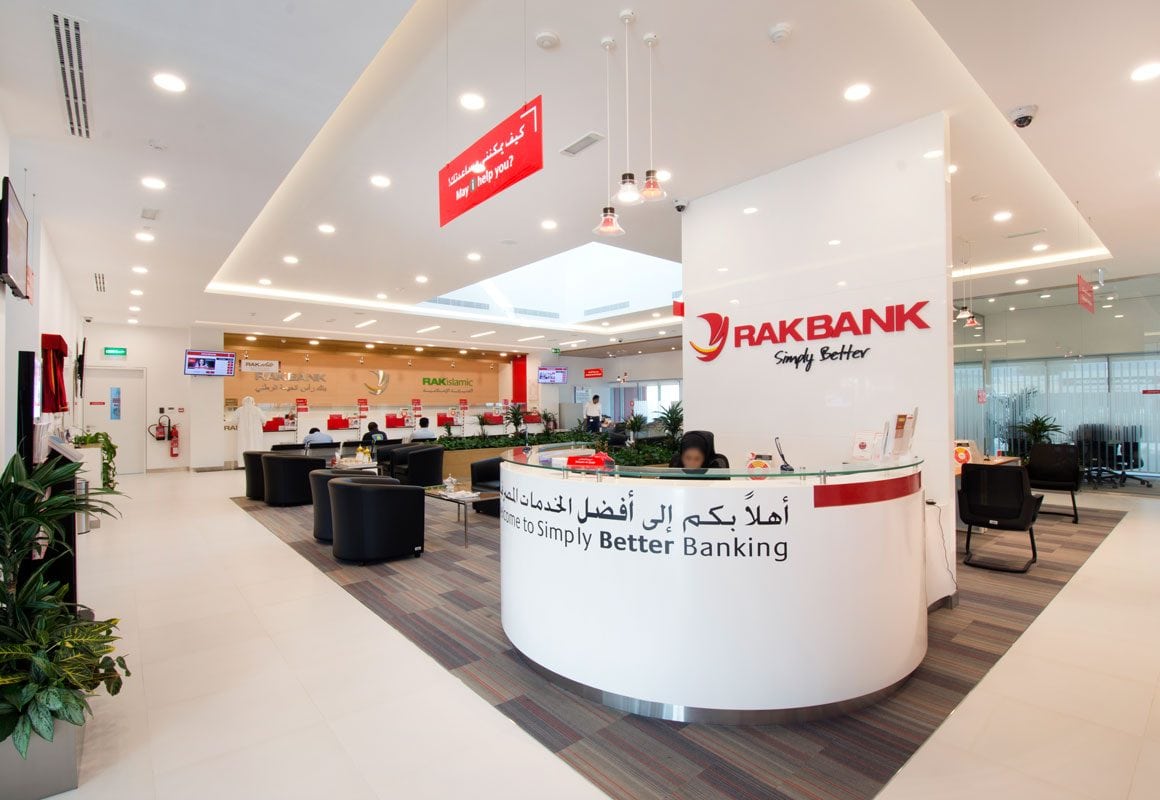
RAK Bank, officially known as the National Bank of Ras Al Khaimah, has announced robust financial results for the third quarter of 2024, highlighting significant growth in interest income alongside a reduction in provisions for loan losses. The bank’s net profit surged by 38% compared to the same quarter in the previous year, reflecting the bank’s effective strategies and the positive impact of the current economic landscape.

The increase in interest income has been attributed to the ongoing rise in interest rates, which has positively influenced the bank’s lending operations. This has resulted in a notable expansion of its net interest margin, a key indicator of a bank’s profitability. RAKBANK reported a net interest income of AED 563 million for the third quarter, marking a 30% increase from AED 433 million in the same period last year. The bank’s focus on optimizing its asset-liability management has allowed it to capitalize on the higher interest rates effectively.

The bank’s lending portfolio also showed resilience, with total loans and advances increasing by 12% to AED 32.4 billion. This growth is reflective of the bank’s strategic emphasis on retail banking and SME (small and medium-sized enterprises) lending, which have been prioritized as key growth areas. Retail loans accounted for a significant portion of the growth, as the bank introduced several attractive products tailored to meet customer needs.

RAKBANK has demonstrated a commendable effort in managing its operational costs, which have remained stable despite the increased lending activity. The cost-to-income ratio improved to 36.5%, down from 38.2% in the previous year, indicating enhanced operational efficiency. This metric is crucial for assessing how well a bank controls its costs relative to its income.

A noteworthy aspect of the quarterly results is the decline in provisions for credit losses, which decreased by 28% year-on-year to AED 96 million. This reduction is significant as it indicates a stabilizing economic environment and improved asset quality. The bank’s non-performing loan (NPL) ratio has also seen improvement, declining to 5.2% from 5.7% in the previous quarter, reflecting the bank’s effective risk management strategies.

RAKBANK’s leadership has expressed confidence in the bank’s strategic direction and financial health. The CEO emphasized the bank’s commitment to maintaining a strong balance sheet while focusing on sustainable growth initiatives. The management believes that by continuing to strengthen its core banking operations and expanding its service offerings, RAKBANK is well-positioned to navigate the current economic climate and capitalize on emerging opportunities.

Market analysts have responded positively to RAKBANK’s financial performance, noting that the bank’s robust results reflect not only its strong operational foundation but also its ability to adapt to changing economic conditions. Analysts project that RAKBANK will continue to benefit from the favorable interest rate environment and that its focus on retail and SME lending will drive further growth in the coming quarters.

The UAE’s overall economic environment remains supportive of banking sector growth, fueled by government initiatives aimed at diversifying the economy and fostering a more robust private sector. RAKBANK’s strategy to align its offerings with national objectives, such as promoting small businesses and innovation, positions it favorably in a competitive landscape.

RAKBANK has been actively investing in technology and digital transformation to enhance its customer service and streamline operations. Initiatives aimed at improving digital banking experiences have garnered positive feedback from customers, helping the bank to attract and retain clients in an increasingly digital-oriented market. The bank’s efforts to embrace fintech solutions are expected to further enhance its competitive edge and operational efficiency.

With these strong third-quarter results, RAKBANK has solidified its position as one of the leading banks in the UAE. The combination of increased interest income, reduced provisions, and efficient cost management underscores the bank’s commitment to delivering value to its shareholders while enhancing customer satisfaction. The management remains optimistic about future growth, emphasizing that continued focus on core banking and customer-centric strategies will be key to navigating the evolving financial landscape.

BANGKOK, THAILAND – Media OutReach Newswire – 21 October 2024 – ONYX Hospitality Group has embarked on an exciting new chapter with the signing of a partnership agreement with Small Luxury Hotels of the World (SLH). This collaboration introduces Oriental Residence Bangkok, a stunning haven reminiscent of a classy second home to the esteemed SLH repertoire. Embodying timeless elegance in the heart of the capital, the beautiful […]

RIYADH, SAUDI ARABIA – Media OutReach Newswire – 21 October 2024 – Sahm Capital announces that qualified retail investors can now subscribe to the Initial Public Offering (IPO) of Shalfa Facilities Management Company through the Sahm App. The subscription period will run from October 20 to October 28, 2024. IPO Details: Share Price: SAR 61 Minimum Subscription: 10 shares Maximum Subscription: 209,990 shares Instructions for Subscription via […]

Dubai’s real estate sector is poised for a significant expansion, projected to deliver approximately 90,000 new homes within the next two years. This surge, driven by a blend of robust demand, favorable government policies, and infrastructural advancements, marks a pivotal moment in the emirate’s housing market, indicating a strong recovery from the downturn experienced during the pandemic.

The influx of new housing is expected to address the growing population’s needs and meet the demand from expatriates and investors seeking to establish residence in the emirate. Recent reports from various real estate consultancies highlight that Dubai’s property market has shown resilience, with residential sales and rental prices steadily increasing. This trend has been underpinned by factors such as Dubai’s strategic location, world-class amenities, and a business-friendly environment that continues to attract global investments.

Leading real estate developers have ramped up their construction efforts, with several large-scale projects underway across various districts. Notable developers such as Emaar Properties, DAMAC Properties, and Nakheel are among the key players contributing to this ambitious housing agenda. Emaar, for instance, is actively advancing its Dubai Hills Estate and Downtown Dubai projects, which are anticipated to add thousands of units to the market.

Analysts emphasize that this upcoming supply will not only enhance housing availability but also introduce a diverse range of options, from affordable units to luxury villas. The diversification in housing stock is crucial for catering to the varied needs of potential buyers and renters. Moreover, government incentives aimed at boosting homeownership, including long-term residency visas for property investors, have further stimulated market interest.

Data from the Dubai Land Department indicates a remarkable growth trajectory in property transactions. The value of real estate transactions in Dubai reached AED 69 billion (approximately USD 18.8 billion) in the first half of 2024, reflecting a 23% increase compared to the same period in 2023. This vibrant market dynamic is expected to sustain momentum as the emirate continues to position itself as a global business hub.

Emerging trends in the housing market reveal a growing preference for sustainable and smart living solutions. Developers are increasingly incorporating green technologies and sustainable practices in their projects, appealing to environmentally-conscious buyers. This shift is aligned with Dubai’s broader vision to become one of the world’s most sustainable cities, as outlined in its Dubai 2040 Urban Master Plan.

In addition to sustainability, there is a heightened focus on community living, with many new developments emphasizing integrated communities that provide residents with a blend of lifestyle, leisure, and connectivity. The trend reflects a growing recognition of the importance of communal spaces and amenities in enhancing the overall quality of life for residents.

Infrastructure developments also play a pivotal role in bolstering Dubai’s real estate sector. The ongoing expansion of public transportation, including the Metro and road networks, is facilitating easier access to various neighborhoods, thereby enhancing their attractiveness. The upcoming Expo 2025 and the anticipated hosting of major events will further augment the demand for housing, as international visitors flock to experience what Dubai has to offer.

Challenges remain, however, as the market navigates through fluctuations in global economic conditions and interest rates. Rising construction costs and supply chain disruptions pose potential hurdles that could impact project timelines and profitability. Developers are urged to adopt innovative construction methodologies and materials to mitigate these challenges and maintain project viability.

Investors are also keeping a close watch on regulatory developments that could affect market dynamics. The Dubai government’s commitment to transparency and investor protection has fostered a favorable climate for investment. New regulations aimed at enhancing the ease of doing business and ensuring the stability of the property market are likely to maintain investor confidence and encourage further capital inflows.

Hedge funds are increasingly betting against the renewable energy sector, raising concerns over the viability of green investments. As climate change initiatives gain momentum and governments around the world push for a transition to clean energy, a growing number of hedge funds are accumulating short positions, signaling skepticism about the sustainability and profitability of these sectors. This strategic pivot reflects a complex interplay of market dynamics, regulatory […]

Growing economic ties between Russia and the United Arab Emirates (UAE) are underscored by a notable increase in trade, which has reportedly tripled over the last three years, according to President Vladimir Putin. This significant surge in bilateral commerce reflects a strengthening partnership that encompasses various sectors, including energy, agriculture, and technology. Both nations have shown a commitment to further expanding these economic relations, particularly in the […]

VISHNU RAJA
RYO YAMADA
HITORI GOTOH
IKUYO KITA