News related to
Capital

HONG KONG SAR – Media OutReach Newswire – 2 January 2025 – With much fanfare, Hong Kong welcomed the inaugural scheduled commercial flight outside of Mainland China of the country’s first domestically developed and built C919 passenger jet aircraft on January 1, 2025. The C919 aircraft receives a water salute at Hong Kong International Airport and warm welcome by Secretary for Transport and Logistics Mable Chan (first […]

Emaar The Economic City (EEC), the master developer behind Saudi Arabia’s King Abdullah Economic City (KAEC), has secured shareholder approval for a substantial capital reduction aimed at extinguishing accumulated losses. During the Extraordinary General Meeting (EGM) held on December 31, 2024, shareholders endorsed the board’s proposal to decrease the company’s capital by 53.83%, reducing it from SAR 11.33 billion to SAR 5.23 billion. This decision involves canceling […]

Shuaa Capital, a leading investment firm based in the UAE, has announced the resignation of its Managing Director, following the completion of a significant debt restructuring process. The move marks a turning point for the company, which has faced challenges in the aftermath of the financial overhaul. The board of Shuaa Capital confirmed that the resignation came after the successful conclusion of the restructuring process, which was […]

Oil prices maintained stability as trading resumed in 2025, with attention shifting towards US stockpiles amid market volatility. Despite fluctuations throughout the early part of the year, oil traders are closely monitoring the latest figures from the American Petroleum Institute (API) and the Energy Information Administration (EIA), which will provide critical insights into supply-demand dynamics. As concerns over global oil supply chain disruptions wane, the US oil inventory data will likely dictate near-term market direction.

Brent crude futures remained above $85 per barrel, while West Texas Intermediate (WTI) futures hovered around $80. The two benchmarks are managing to stay resilient as markets balance competing influences, such as slowing economic growth in major markets and tighter OPEC+ production cuts. The price levels indicate that traders are cautiously optimistic about the future despite challenges.

The main point of focus for market participants is the state of US crude stockpiles. The most recent data from the EIA and API have highlighted a noticeable reduction in stock levels, which is prompting questions about how sustainable the supply will be in the coming months. The drop in reserves has led some analysts to suggest that future price pressures could be on the rise if the supply situation worsens.

In addition, OPEC+’s actions remain a significant driver for global oil prices. Throughout 2024, the oil cartel, led by Saudi Arabia and Russia, has implemented coordinated production cuts, which have helped to keep prices relatively firm despite macroeconomic pressures. This decision to limit production, particularly in the context of a potential economic slowdown, has acted as a counterbalance to potential downturns in the global oil market.

Another major consideration for analysts is the ongoing developments in the US oil industry. Despite the challenges posed by fluctuating crude prices, US shale producers have demonstrated remarkable resilience. The continued ability of shale operators to cut costs and increase efficiency has allowed the US to maintain a competitive edge in global markets. However, concerns over the long-term sustainability of shale output, particularly in the face of regulatory changes and capital constraints, continue to weigh on investors’ minds.

For now, traders are wary of potential shocks to the oil market. Geopolitical tensions, particularly in the Middle East, have the potential to disrupt supply lines, and this possibility keeps the oil markets on edge. Despite the efforts by OPEC+ to stabilize prices, uncertainty surrounding global economic recovery and energy demand adds an element of volatility that traders are unwilling to ignore.

The US, as the world’s largest producer of oil, has become a critical factor in the stability of oil prices. The actions of the Federal Reserve and its stance on interest rates are expected to have a ripple effect on global energy markets. A stronger US dollar could potentially dampen demand for oil in international markets, while changes in US monetary policy could either stimulate or slow down global growth, influencing oil consumption patterns.

In this environment of caution, oil traders are also keeping an eye on upcoming policy shifts in major economies. While the US continues to prioritize energy independence, the global push towards cleaner energy alternatives remains a challenge to traditional oil demand. Countries such as China, which have been transitioning towards renewable energy, continue to create uncertainty in long-term projections for oil consumption.

Despite this, the global energy market has been adjusting to the new reality of higher oil prices, particularly in response to tighter production controls. The shift in pricing power towards OPEC+ and other oil-exporting nations underscores the changing dynamics of the global energy landscape, where once-dominant oil-consuming countries may find themselves on the back foot in the coming years.

Abu Dhabi’s sovereign wealth fund Mubadala has taken the lead in global investment deals, outshining Saudi Arabia’s Public Investment Fund (PIF) with a remarkable $29 billion in recent transactions. The massive deals, which span various sectors from energy to technology, signal Mubadala’s growing influence in international markets and its strategic approach to diversifying assets. This shift also highlights the evolving power dynamics between the Gulf’s financial titans, with each country intensifying efforts to bolster its economic position amid fluctuating oil prices and geopolitical shifts.

Mubadala’s landmark investments come at a time when Saudi Arabia has aggressively expanded the reach of its PIF, particularly through high-profile acquisitions and a focus on sectors such as entertainment, tourism, and green energy. However, Mubadala’s swift maneuvers in the market have positioned it to not only compete with the PIF but potentially reshape the future of the investment landscape in the Middle East. The fund’s most notable deals include a series of investments in technology companies, as well as strategic moves in the renewable energy sector, aimed at securing long-term returns in an increasingly volatile global economy.

Experts suggest that Mubadala’s success is tied to its methodical approach to diversification. Unlike the PIF, which has been bold in pursuing large-scale, high-risk investments, Mubadala has focused on stabilizing its portfolio with balanced investments across a wide range of industries. This includes a heightened focus on cutting-edge industries such as artificial intelligence, clean energy, and biotechnology. As a result, Mubadala has emerged as a significant player in these high-growth areas, while also maintaining a strong foothold in more traditional sectors like real estate and infrastructure.

The timing of Mubadala’s recent success also speaks volumes about its ability to adapt to changing market conditions. Amid rising inflation and shifting investor sentiments, the fund has strategically pivoted towards companies with promising growth prospects, even as market conditions become more unpredictable. The diversification strategy has not only paid off but has also placed Mubadala in a position to capitalize on opportunities in the rapidly changing global economy.

Saudi Arabia, meanwhile, is determined to maintain the prominence of the PIF as the engine driving the kingdom’s economic transformation under its Vision 2030 plan. The PIF has ramped up its investments in global companies, most notably in the entertainment and sports sectors, including stakes in firms like Lucid Motors and endeavors such as the development of the $500 billion smart city, Neom. But despite the PIF’s ambitious projects and high-profile investments, critics argue that its heavy reliance on the oil sector makes it vulnerable to market fluctuations, a concern that Mubadala’s diversified approach may be better positioned to mitigate.

Saudi officials have defended the PIF’s strategy, stating that it plays a critical role in advancing the country’s non-oil economy. The PIF’s investments, particularly in the entertainment and sports sectors, are expected to bring long-term returns and aid in the creation of new jobs, especially for Saudi youth. Yet, this aggressive pursuit of diversification has raised questions about the risk of spreading its resources too thin. Mubadala, on the other hand, has positioned itself to weather global downturns by maintaining a more balanced portfolio, one that includes significant investments in both emerging technologies and established industries.

Matein Khalid It is an ironic twist of history that the world’s largest Muslim country, an archipelago of 18,000 islands, whose ancient Sumatran kings once funded countless monasteries/temples at Nalanda, the Harvard/Oxford of Vedic India two millennia ago. Sumatra was then known as the kingdom of Srivijaya when Mauryan India’s ruler was Ashoka, imperator of the Magadan superstate. Fast forward 22 centuries and the two best performing […]

Citigroup has announced its departure from the Net-Zero Banking Alliance (NZBA), becoming the third major U.S. bank to exit the United Nations-backed coalition this month. This move follows similar decisions by Goldman Sachs and Wells Fargo, highlighting a significant shift among American financial institutions regarding collective climate commitments. The NZBA, established in 2021, comprises banks dedicated to aligning their lending and investment portfolios with net-zero greenhouse gas […]

Advertisements

Cryptocurrencies continue to revolutionize the financial world, with stablecoins standing at the forefront of this evolution. The $205 billion market for stablecoins is now approaching a level of mainstream integration that could redefine how digital assets are utilized in daily transactions and financial services.

Stablecoins, digital currencies pegged to assets like the U.S. dollar or gold, have gained significant traction over the past few years, driven by their stability compared to volatile cryptocurrencies like Bitcoin or Ethereum. Unlike their counterparts, stablecoins aim to maintain a fixed value, making them more attractive to investors and consumers looking for reliability in the crypto space. The potential for mainstream adoption lies not just in their price stability but in their growing use cases across sectors ranging from decentralized finance (DeFi) to remittances and even digital identity verification.

Tether (USDT), USD Coin (USDC), and Binance USD (BUSD) dominate the stablecoin market, each playing a crucial role in driving the sector’s growth. As the overall cryptocurrency market reaches new milestones, these stablecoins continue to provide the foundation for many of the transactions and liquidity movements that are essential to the ecosystem’s functionality. In fact, stablecoins now account for over 10% of the entire cryptocurrency market capitalization, a trend that is only expected to grow as more institutional players enter the space.

The increasing use of stablecoins has caught the attention of both regulators and traditional financial institutions. Governments around the world are exploring ways to regulate stablecoins, driven by concerns over financial stability, anti-money laundering (AML), and countering the financing of terrorism (CFT). Despite this, the rise of stablecoins is seen as inevitable by many experts, as they offer an alternative to traditional fiat currencies, especially in regions with unstable economies or where access to banking services is limited.

One of the most compelling arguments for the mainstream integration of stablecoins is their utility in cross-border payments. Traditional remittance channels often carry hefty fees and take several days to process. Stablecoins offer a faster, cheaper, and more transparent alternative, allowing users to transfer funds across borders in real time at a fraction of the cost. This has made them particularly popular in emerging markets, where they have the potential to provide financial inclusion to the unbanked and underbanked populations.

Beyond payments, stablecoins have also become integral to decentralized finance (DeFi), a sector that has exploded in popularity over the past few years. DeFi platforms offer a wide range of financial services, such as lending, borrowing, and trading, without the need for intermediaries like banks or brokers. Stablecoins are often used as collateral for these services, providing a level of security for both borrowers and lenders. The appeal of DeFi is growing rapidly as more individuals look for alternatives to traditional financial systems, and stablecoins have proven to be a critical part of this shift.

Stablecoins are increasingly being explored as a solution to the volatility of cryptocurrencies in the world of digital assets. While the prices of Bitcoin, Ethereum, and other cryptocurrencies can fluctuate wildly, stablecoins provide a more predictable store of value. This makes them an attractive option for investors who are seeking to hedge against the market’s ups and downs, as well as for businesses looking for stability in their crypto transactions. The ability to maintain a stable value also positions stablecoins as a potential bridge between traditional finance and the cryptocurrency world.

Financial giants like JPMorgan and BlackRock are also positioning themselves to leverage stablecoins and blockchain technology to streamline their operations. JPMorgan’s recent experimentation with blockchain-based stablecoins in its payment systems is a testament to the growing mainstream interest in this sector. Similarly, BlackRock, the world’s largest asset manager, has expressed interest in stablecoin-backed investment products. These high-profile endorsements signal that stablecoins are not just a niche technology but could soon become a core component of global financial infrastructure.

The rise of central bank digital currencies (CBDCs) is expected to further accelerate the adoption of stablecoins. While CBDCs are government-backed digital currencies that function similarly to stablecoins, they could eventually coexist alongside private sector stablecoins, creating a hybrid ecosystem. Central banks are actively researching and piloting CBDCs, and the success of stablecoins in the private sector may provide a blueprint for the development of these digital currencies.

Despite the optimism surrounding stablecoins, several challenges remain. Regulatory uncertainty is one of the biggest hurdles facing the market. While stablecoins are seen as a way to democratize finance, they are also under scrutiny from regulators who worry about the potential for systemic risk. There is growing pressure for stablecoins to comply with traditional banking regulations, including Know Your Customer (KYC) and Anti-Money Laundering (AML) standards. This could result in more stringent requirements for stablecoin issuers, potentially stifling innovation in the space.

Concerns over the transparency and security of stablecoin reserves have been raised. In 2022, Tether, the largest stablecoin issuer, came under fire for allegedly misrepresenting the composition of its reserves, which raised questions about the stability of the entire market. Although Tether and other issuers have taken steps to improve transparency, the issue of trust remains a critical challenge for the long-term viability of stablecoins.

Another concern is the environmental impact of stablecoins, particularly those that rely on energy-intensive blockchain networks. While many stablecoins are built on the Ethereum network, which has faced criticism for its high energy consumption, newer stablecoin projects are increasingly turning to more energy-efficient blockchains like Solana and Avalanche.


Arabian Post Staff -Dubai The United Arab Emirates, once a federation of small desert states, has become a beacon of rapid development and transformation over the past five decades. Under the visionary leadership of the late Sheikh Zayed bin Sultan Al Nahyan, the UAE has emerged as a global economic hub, with its journey serving as an inspiration to countries around the world. From humble beginnings in […]

Matein Khalid US money center banks/I-banks had their best year in 2024 since the pre-Covid Stone Age. My fav turnaround names Citi and Wells Fargo exceeded my wildest expectations while the prospect of light touch regulation and M&A/IPO underwriting jackpot made Goldman Sachs and Morgan Stanley go ballistic. Despite the post Dec FOMC fireworks, this sector will have winners if bought at the right price even though […]

SINGAPORE – Media OutReach Newswire – 31 December 2024 – APRIL Group recently won the 2024 Upakarti Award through its operating arm Riau Andalan Pulp and Paper (RAPP). The award recognises the company’s contribution to empowering local small and medium enterprises (SMEs) around its operations in Pangkalan Kerinci, Riau. The award was handed to RAPP’s President Director Sihol Aritonang by Industry Minister Agus Gumiwang in Jakarta. “We’d […]

design festival successfully concludes Continuing to condense creative forces in the coming year HONG KONG SAR – Media OutReach Newswire – 30 December 2024 – Since 2014, deTour, presented by PMQ and sponsored by the Cultural and Creative Industries Development Agency (CCIDA), formerly known as Create Hong Kong (CreateHK), has become Hong Kong’s annual design festival, gathering numerous local and international design talents to showcase their creativity […]

HARBIN, CHINA – Media OutReach Newswire – 30 December 2024 – Braving the biting cold, tourists are flocking to the snow-covered St. Sophia Cathedral, a century-old Byzantine building in Harbin, capital of northeast China’s Heilongjiang Province, with many stopping to pose for photos. An aerial drone photo shows a view of the Harbin Ice-Snow World in Harbin, northeast China’s Heilongjiang Province, Dec. 21, 2024. (Xinhua/Xie Jianfei) Harbin, […]

By Nantoo Banerjee Unbelievable but true. The government of the United States of America, supposedly the vanguard of modern capitalism, is fighting with its back to the wall to prevent a private corporate takeover of a publicly-listed US firm by a widely-held Japanese company. Both the outgoing US President Joe Biden of the Democratic Party […]

The Dubai Land Department (DLD) has announced the introduction of a ‘Smart Rental Index’ set to launch in January 2025, aiming to enhance transparency and trust within the emirate’s real estate sector. This initiative is designed to provide accurate, up-to-date rental data, benefiting landlords, tenants, and investors alike.

The Smart Rental Index will serve as a benchmark for assessing and calculating rents for new leases and renewals across Dubai. By utilizing advanced technologies, the index seeks to streamline rental valuations, ensuring they reflect current market conditions. This move is expected to foster confidence among all parties involved in rental transactions.

Dubai’s rental market has experienced significant growth over the past four years, driven by an influx of new residents and investors. The city’s population increased by over 100,000 this year, contributing to heightened demand for housing. In the third quarter of 2024, approximately 9,157 residential units were delivered, bringing the total for the year to 22,900 units, encompassing both apartments and villas.

According to real estate consultancy Cushman & Wakefield, city-wide rents rose by 18% year-on-year in the third quarter of 2024, marking the 15th consecutive quarter of significant growth. Apartment rents saw a sharper increase of 19% over the same period, while villa rents experienced a 13% rise, indicating a trend toward stabilization in the villa segment as prices approach affordability thresholds.

The DLD’s implementation of the Smart Rental Index aligns with its broader strategic plan to position Dubai as one of the world’s leading real estate markets through effective governance and innovation. By integrating cutting-edge technologies with accumulated real estate expertise, the DLD aims to meet the evolving needs of the market and its stakeholders.

In March 2024, the DLD updated the rental index to align rates with prevailing market conditions. The forthcoming Smart Rental Index represents a further evolution, offering a more dynamic and responsive tool for rental valuations. This initiative is anticipated to play a critical role in resolving disputes between tenants and landlords by providing a transparent reference point for fair rental assessments.

The introduction of the Smart Rental Index follows similar initiatives in the region. In August 2024, the Abu Dhabi Real Estate Centre launched the first residential Rental Index for the capital, aiming to increase transparency and support market stability. Dubai’s adoption of a smart index underscores the emirate’s commitment to leveraging technology to enhance market operations and stakeholder confidence.

Matein Khalid I am still puzzled by the frenzied selling in the bond market after the FOMC cut its dot-plot projections from 4 to 2 for 2025 at its Dec 18 conclave. Why? Mr. Market had already priced in two rate cuts in 2025 after he was spooked by the uptick in core PCE/CPI data. Inflation risk in Trumpnomics is exaggerated but with the President elect now […]

By Manish Rai While on my recent visit to Iraqi Kurdistan, I visited several frontline positions of the Peshmerga forces, where they are facing the Iraqi Army and active ISIS cells. Firstly, I visited Brigade 14 headquarters near Dibak, approximately 60 km from the Kurdistan capital, Erbil. There, I met with Brigadier General Almi Mzuri; he is a seasoned soldier who worked in the Iraqi Army for […]

Bitwise Asset Management has filed with the U.S. Securities and Exchange Commission (SEC) to introduce the “Bitcoin Standard Corporations ETF,” aiming to provide investors with exposure to publicly traded companies that hold substantial Bitcoin reserves.

According to the SEC filing, the ETF will focus on firms that maintain a minimum of 1,000 BTC in their corporate treasuries. Eligible companies must also meet specific financial criteria, including a market capitalization of at least $100 million, average daily trading liquidity of $1 million or more, and a public free float of less than 10%. The fund plans to invest at least 80% of its net assets in these corporations, utilizing a full replication approach to mirror the performance of the underlying index.

The index, managed by Bitwise Index Services, LLC, will be rebalanced and reconstituted quarterly, relying on quarterly and annual corporate reports to identify eligible companies. Each company’s weight in the index will be determined by the market value of its Bitcoin holdings, with a single constituent’s weight capped at 25% to ensure diversification.

This initiative reflects a growing trend among asset managers to offer investment products that provide indirect exposure to Bitcoin through equities of companies with significant cryptocurrency holdings. Notably, firms like MicroStrategy lead this space, holding substantial Bitcoin reserves.

The move comes amid increasing institutional interest in Bitcoin and related investment vehicles. Earlier this year, several hedge funds and asset managers, including Millennium Management and the Wisconsin Retirement System, acquired stakes in U.S. exchange-traded funds tied to Bitcoin, signaling a broader acceptance of cryptocurrency assets in traditional finance.

HANOI, VIETNAM – Media OutReach Newswire – 27 December 2024 – Driven by the vision of widespread electrification, VinFast is dedicated to making electric vehicles accessible to everyone. To achieve this, the company is actively building a robust green ecosystem across Asia while simultaneously enhancing its sustainable manufacturing processes to meet the surging and undeniable demand for electric mobility. Asia’s booming industries and growing population have made […]

Derayah Financial, a prominent Saudi-based investment firm, has secured approval from the Kingdom’s Capital Market Authority (CMA) to launch an Initial Public Offering (IPO), marking a significant milestone in the firm’s growth trajectory. This development comes as part of Saudi Arabia’s broader strategy to bolster its financial sector and increase the number of publicly traded companies on its stock exchange, Tadawul. The approval positions Derayah Financial as one of the key players in the Kingdom’s evolving financial landscape.

The company, which provides a range of services including asset management and investment advisory, has been preparing for its public offering for several months. The move to go public is seen as part of its long-term strategy to expand its client base, raise capital, and further diversify its business operations. By listing on Tadawul, Derayah aims to increase its financial stability and strengthen its competitive position within the regional financial market.

Derayah Financial’s IPO is part of a broader trend in Saudi Arabia, where the government has actively encouraged private companies to list on the stock exchange. This initiative aligns with the Kingdom’s Vision 2030, which seeks to transform the economy and reduce its dependency on oil exports by promoting the private sector and diversifying economic activities. The government’s push to increase the number of publicly listed companies is a key element of this vision, aiming to unlock new sources of capital and create more investment opportunities for both local and international investors.

Analysts have been closely watching Derayah Financial’s progress, noting that its IPO could pave the way for other firms in the asset management and financial services sectors to follow suit. With Saudi Arabia’s financial market continuing to mature, firms in the sector are increasingly recognizing the benefits of public listings. By tapping into the public equity market, companies can access a larger pool of capital and potentially gain broader investor exposure, which is crucial for long-term growth.

The CMA’s approval of Derayah’s IPO is also a testament to the continued regulatory enhancements in Saudi Arabia’s capital markets. Over the past few years, the CMA has implemented a series of reforms to improve market transparency, ensure investor protection, and enhance the overall investment climate in the Kingdom. These reforms have been pivotal in attracting both local and foreign investors to the Saudi stock market, making it one of the most active in the Middle East.

Market observers expect strong demand for Derayah Financial’s shares when the IPO is officially launched. As a well-established name in the Saudi financial sector, the company’s strong track record in asset management and investment advisory services has generated substantial interest among potential investors. The firm’s focus on digital transformation, coupled with its efforts to expand its service offerings, has positioned it as a forward-thinking company with promising prospects in the financial industry.

Derayah’s IPO is expected to provide a significant boost to the Saudi stock market, further solidifying Tadawul’s role as a leading regional exchange. Over the past few years, the Saudi bourse has seen a series of successful IPOs, many of which have attracted considerable attention from both domestic and international investors. The success of these offerings has bolstered investor confidence in the Kingdom’s financial market, and Derayah’s listing is likely to follow a similar pattern, contributing to the market’s continued expansion.

As part of the IPO process, Derayah Financial will disclose key financial information and offer shares to the public, providing insight into its business model, financial health, and growth potential. Investors will be able to gauge the company’s performance and outlook, which will play a critical role in determining the success of the offering. The IPO will also provide a valuable benchmark for other companies in the sector considering a similar move.

Beyond its immediate business objectives, Derayah’s IPO is likely to have broader implications for the Saudi economy. By providing a new avenue for capital raising and increasing the number of publicly traded firms, the offering is expected to enhance market liquidity and create new investment opportunities. Furthermore, it aligns with the Saudi government’s efforts to attract foreign investment and promote the Kingdom as a regional financial hub.

Despite the positive outlook, analysts caution that the success of Derayah’s IPO will depend on various factors, including broader market conditions, investor sentiment, and the performance of the financial sector in the coming months. While the company’s prospects appear strong, the market remains subject to fluctuations that could impact investor confidence. However, given the continued growth of Saudi Arabia’s financial services industry and the government’s support for the IPO process, many expect the offering to be a success.

Emirates NBD has formally joined the National Incubator Network through a newly signed memorandum of understanding (MoU) with Sandooq Al Watan, a strategic step aimed at enhancing the country’s startup ecosystem. The collaboration is expected to unlock new opportunities for entrepreneurs and further drive the UAE’s vision of fostering a dynamic, innovation-driven economy.

The MoU, signed by Yasser Al Gergawi, Director-General of Sandooq Al Watan, and representatives from Emirates NBD, marks a significant development in the UAE’s efforts to provide enhanced support for emerging businesses. This partnership will integrate Emirates NBD’s business incubator into the National Incubator Network, aligning the bank’s existing resources and expertise with a national strategy to empower local startups and entrepreneurs.

The move is seen as a direct response to the growing demand for incubators and accelerators that can help navigate the challenges faced by startups, particularly in competitive sectors such as technology, fintech, and healthcare. As the UAE continues to position itself as a hub for innovation, initiatives like this are crucial in ensuring that new businesses have the tools and networks needed to scale and succeed.

Emirates NBD’s business incubator brings a wealth of resources to the table, including access to funding, strategic mentorship, and operational support. These elements are designed to help startups refine their business models, gain market traction, and ultimately reach their potential in an increasingly complex marketplace. Through this collaboration, entrepreneurs will have the opportunity to tap into a wide range of resources from both the bank and other key players in the National Incubator Network.

Sandooq Al Watan’s involvement adds another layer of support, providing access to its vast network of investors, thought leaders, and other stakeholders crucial for business development. With its mission to drive sustainable economic growth through innovation and knowledge sharing, Sandooq Al Watan plays a pivotal role in connecting the dots between entrepreneurs and potential sources of funding and expertise. This collaboration will not only boost the prospects of individual startups but will also contribute to the broader objective of diversifying the UAE’s economy away from its traditional reliance on oil and gas.

The National Incubator Network, a key initiative under the UAE government’s broader innovation agenda, has seen growing momentum since its inception. The network’s focus on collaboration, knowledge exchange, and resource-sharing is expected to create a more robust and interconnected ecosystem for entrepreneurs. By joining this network, Emirates NBD and Sandooq Al Watan are signaling their commitment to nurturing homegrown talent and supporting the growth of startups that can drive forward the UAE’s long-term economic vision.

This initiative also aligns with the UAE’s broader vision for the future, where innovation is a cornerstone of national development. With a growing focus on sustainable industries, the UAE has been keen to promote the development of technology-driven startups that can address key challenges such as climate change, urbanization, and healthcare.

The partnership between Emirates NBD and Sandooq Al Watan is not only a win for entrepreneurs but also an indication of the increasing role that private sector institutions are playing in the UAE’s broader economic transformation. Banks and financial institutions, traditionally viewed as gatekeepers to capital, are now becoming key players in the startup ecosystem, offering more than just financial support. The collaboration between the two organizations exemplifies this shift, providing entrepreneurs with a comprehensive package of services and opportunities designed to accelerate their business growth.

One of the notable aspects of this collaboration is the focus on knowledge sharing. Both Emirates NBD and Sandooq Al Watan are well-positioned to leverage their extensive networks to connect startups with mentors, industry leaders, and investors who can provide invaluable advice and insights. This exchange of knowledge is critical in helping young companies navigate the challenges of scaling operations, managing growth, and positioning themselves for long-term success.

As the UAE moves forward with its innovation agenda, it is clear that partnerships like the one between Emirates NBD and Sandooq Al Watan will play an integral role in shaping the future of the country’s startup ecosystem. By connecting entrepreneurs with the right resources, expertise, and networks, this collaboration is set to drive forward a new wave of growth and innovation in the UAE’s economy.

SINGAPORE – Media OutReach Newswire – 27 December 2024 – Black Group Investment Holding Pte Ltd (Black Group) and Zenzic Oasis Holding Pte Ltd (Zenzic Oasis) today announced that they have signed an investment and strategic partnership agreement with the goal of expanding the use of cell-based therapeutic solutions, including personalised treatments. Above (from left): Dr. Lim Kah Meng, Tan Zi Jing and Dato Sri’ Alan Lee […]

HANOI, VIETNAM – Media OutReach Newswire – 26 December 2024 – While the EV industry is entering a period of sustainable but somewhat slower growth, VinFast’s long-term commitment to pure electric vehicles and the support of its parent company, Vingroup, give it a unique advantage. With a long-term vision for green mobility, VinFast has leveraged the industry slowdown to strategically expand its presence and build strong growth […]

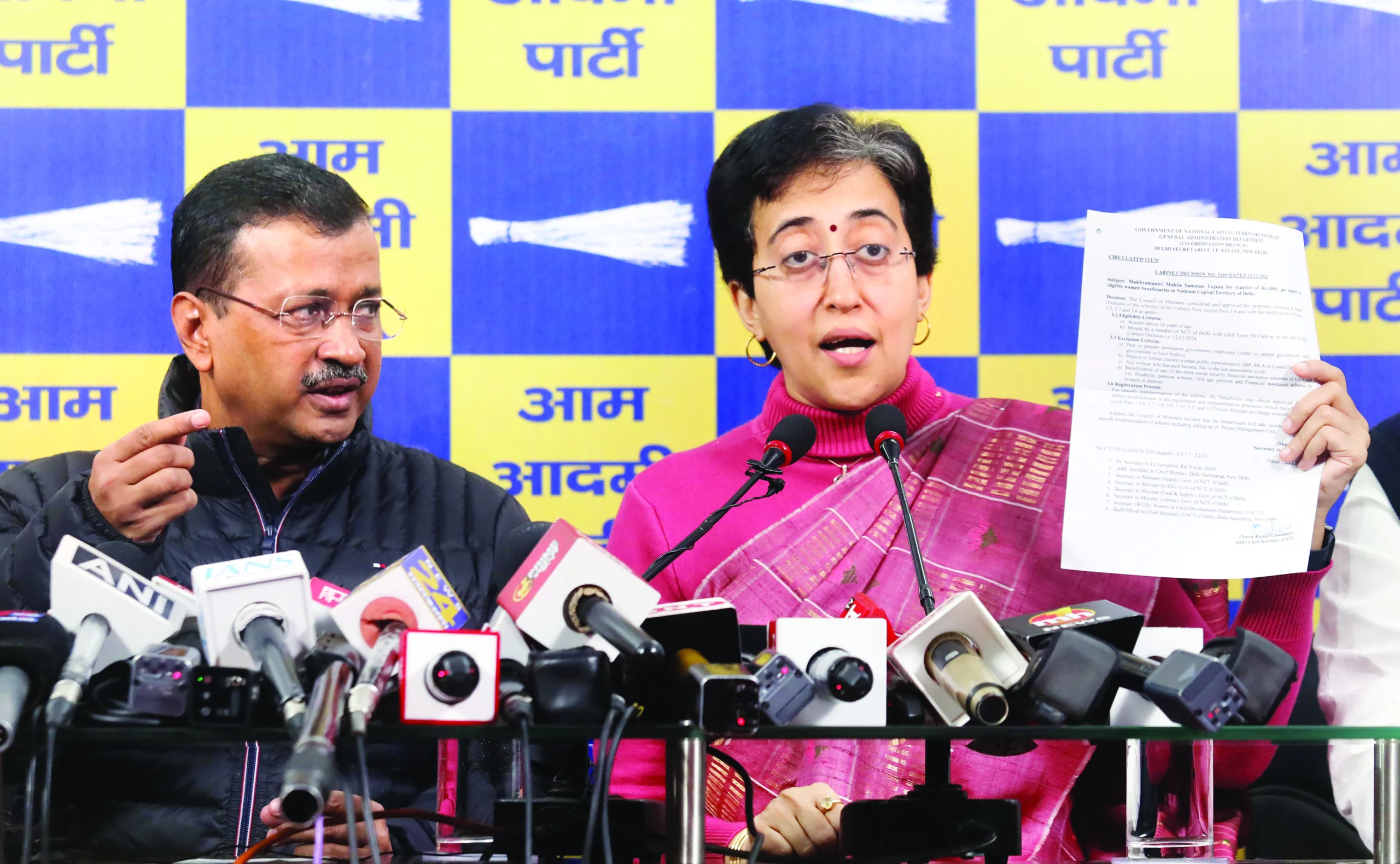
By Dr. Gyan Pathak A Joint Director of the Department of Woman and Child Development and the Special Secretary of the Health and Family Welfare Department of the National Capital Territory of Delhi placed public notices in newspapers on December 25, 2024, stating that two state government schemes of their respective departments were “fraudulent”. This […]

VISHNU RAJA
RYO YAMADA
HITORI GOTOH
IKUYO KITA