News related to
Capital

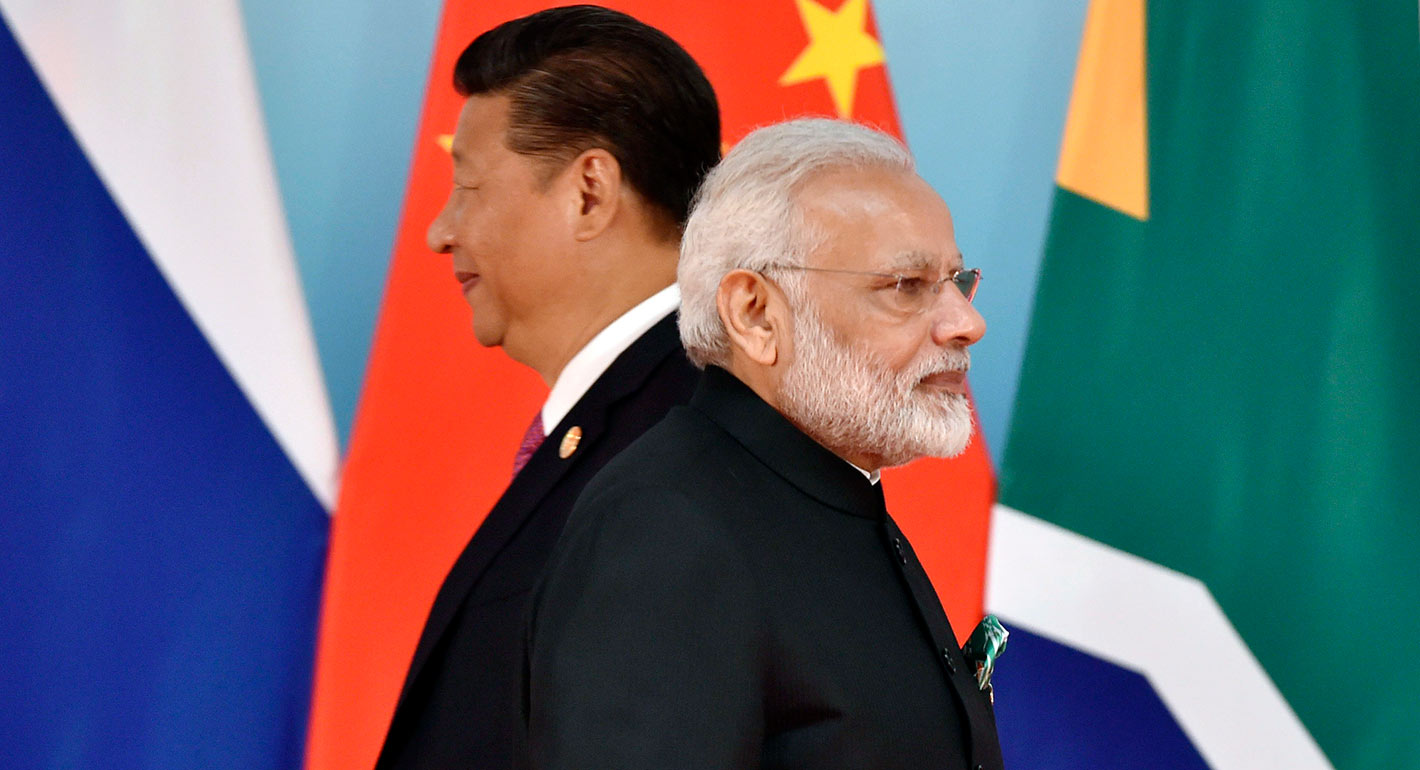
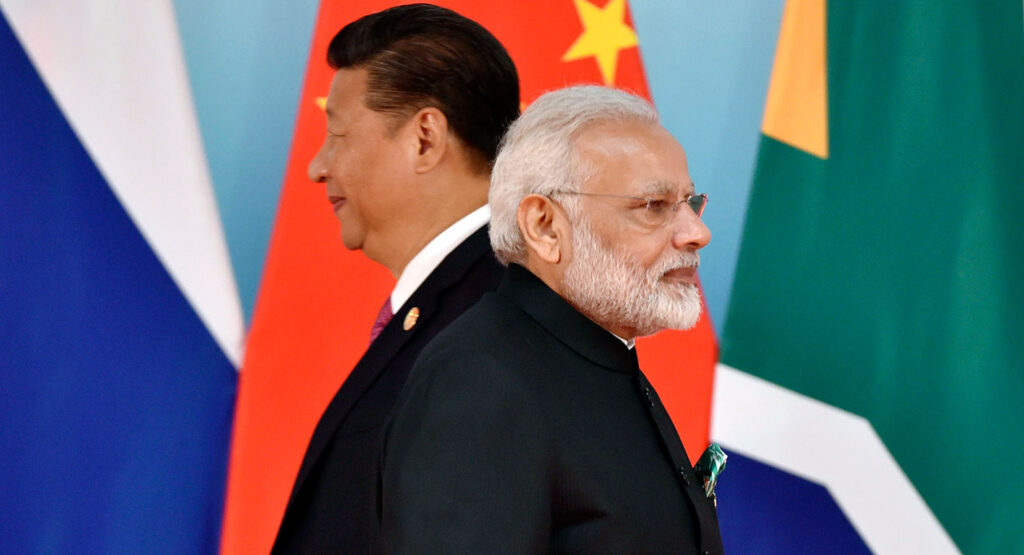
By Subrata Majumder Narendra Modi Government is going hot with China on diplomacy through remarks by the external affairs minister Dr. S Jaishankar, but at the same time, the finance minister Nirmala Sitharaman is soft on the issue of allowing Chinese investment in India. The economic survey of 2023-24 presented before this year’s budget underlines […]

Taiwan welcomed the establishment of a trade office by the U.S. state of Indiana as a significant step towards expanding economic collaboration, particularly in the high-tech and semiconductor sectors. Taiwan’s Ministry of Foreign Affairs (MOFA) expressed optimism that this move will further deepen bilateral ties and open new avenues for investment and innovation, positioning both Taiwan and Indiana as key players in critical global supply chains. Taiwan’s […]

SUGAR Cosmetics is gearing up for its initial public offering (IPO), following in the footsteps of Nykaa and Mamaearth as it looks to establish a stronger foothold in the beauty and personal care market. Founded in 2015 by Vineeta Singh and Kaushik Mukherjee, SUGAR has rapidly evolved from an online-only direct-to-consumer (D2C) platform to a full-fledged omnichannel brand, boasting over 40,000 retail touchpoints across India. This strategic expansion has significantly contributed to its impressive growth trajectory, pushing it closer to an IPO.

The company reported an 89% increase in its revenue for the fiscal year ending March 2023, reaching INR 420.2 crore. This surge was primarily driven by the brand’s expanded distribution and marketing efforts, along with its growing popularity among millennial and Gen Z consumers. Despite the rise in revenue, SUGAR posted a net loss of INR 76 crore for the same period, a fact that highlights the challenges faced by consumer-focused startups during periods of aggressive expansion.

SUGAR’s anticipated IPO is set to follow the success of other homegrown beauty giants, particularly Nykaa, which made waves when it debuted on the stock market in 2021, and Mamaearth, which is also preparing for its public listing. The beauty segment in India has experienced rapid growth over the last few years, with the shift toward online retail and the increasing consumer preference for beauty products tailored to Indian skin tones and climate. SUGAR, with its inclusive product range and localized marketing approach, has capitalized on these trends.

Hong Kong-based conglomerate CK Hutchison Holdings is poised to raise up to $1.5 billion through a two-tranche dollar bond issuance. The move, intended to solidify the company’s financial base, comes amid strategic planning by the group to capitalize on favorable market conditions. The bond structure is expected to span five and ten years, with several global banks acting as intermediaries. CK Hutchison, with its diversified portfolio in […]

British advertising mogul Martin Sorrell’s investment company, S4 Capital, is relocating its headquarters for its Middle Eastern operations from Dubai to Riyadh, Saudi Arabia. The move signifies a strategic pivot as the company aims to tap into Saudi Arabia’s burgeoning market and align with the kingdom’s ambitious Vision 2030 plan, which seeks to diversify its economy away from oil dependency. The decision to shift the headquarters comes […]

DBS Group Holdings Ltd. is actively seeking insurance partners in India and Taiwan as part of its strategy to broaden its financial services portfolio in the region. This move is driven by a growing demand for diversified financial products and an expanding market potential in both countries.

The Singapore-based bank, which has been consolidating its presence in Asia, is now looking to collaborate with established insurance firms to leverage their local expertise and distribution networks. The focus on India and Taiwan underscores DBS’s commitment to strengthening its foothold in key Asian markets where insurance penetration remains relatively low compared to other regions.

In India, where the insurance market has seen significant growth over the past decade, DBS aims to tap into the sector’s potential by forming alliances with local players. The Indian insurance industry, valued at approximately $80 billion, is poised for further expansion driven by increasing awareness and regulatory support. By partnering with established insurers, DBS seeks to capitalize on this growth trajectory and offer a comprehensive range of insurance products to its customers.

Similarly, Taiwan presents an attractive opportunity for DBS. The island nation boasts a well-developed insurance market with a high insurance penetration rate, making it a strategic location for DBS’s expansion. Taiwan’s mature financial services sector provides a solid foundation for DBS to introduce innovative insurance solutions and enhance its market share.

DBS’s strategy aligns with a broader trend among global banks seeking to diversify their services and capture growth in emerging markets. As financial institutions adapt to changing consumer preferences and regulatory landscapes, strategic partnerships become crucial for accessing new revenue streams and enhancing their competitive edge.

The move is also reflective of a wider trend in the financial sector, where banks are increasingly forming partnerships with insurance companies to offer integrated financial solutions. This approach not only provides customers with a one-stop shop for their financial needs but also helps banks to cross-sell products and increase customer loyalty.

While the specifics of the partnerships are still being negotiated, DBS’s focus on India and Taiwan highlights its strategic intent to build a more robust and diversified service offering in key Asian markets. The bank’s approach involves leveraging local expertise and market knowledge, which is essential for navigating the complex regulatory environments and competitive landscapes in these regions.

For India, the collaboration could involve partnerships with both private and public sector insurance companies. The country’s insurance sector has been undergoing significant reforms aimed at enhancing transparency and customer protection, creating a conducive environment for new entrants and partnerships. DBS’s entry into this market would likely involve a blend of joint ventures and strategic alliances designed to capture a share of the expanding market.

In Taiwan, DBS’s strategy may include forming joint ventures or acquiring stakes in local insurance companies. The Taiwanese insurance market is known for its high regulatory standards and competitive landscape, which requires a nuanced approach to market entry. By partnering with local firms, DBS can navigate these challenges more effectively and leverage existing market infrastructure.

The bank’s exploration of insurance partnerships reflects a broader industry trend where financial institutions are increasingly recognizing the value of integrating insurance products into their service offerings. This integration allows banks to provide comprehensive financial solutions that address a wide range of customer needs, from wealth management to risk protection.

Abu Dhabi’s state-owned holding company ADQ has assumed responsibility for managing two critical urban mobility systems in the emirate, DARB and Mawaqif. This decision marks a significant move within the UAE’s capital as part of ADQ’s ongoing strategy to consolidate its influence across key sectors, including transport and infrastructure. With ADQ at the helm, the management of these systems is expected to enhance efficiency, integrate technological advancements, and drive further development across the region’s mobility infrastructure.

The acquisition of DARB and Mawaqif, which manage road tolls and public parking respectively, signifies a larger push toward creating an interconnected transportation ecosystem in Abu Dhabi. The integration of these platforms under ADQ aims to bolster the emirate’s urban mobility framework, aligning with broader objectives to position Abu Dhabi as a leader in smart city development. The transition is being seen as a major step towards modernizing the city’s infrastructure while ensuring sustainability and ease of mobility for residents.

DARB, the road toll system in Abu Dhabi, was introduced as part of an initiative to reduce traffic congestion and promote the use of alternative transportation methods. The toll system uses automated technology to charge drivers passing through designated gates without requiring any physical tollbooths. This shift toward automation aligns with ADQ’s broader agenda of adopting cutting-edge solutions to enhance public services. The company is expected to focus on improving the technological framework of DARB, making it more user-friendly and efficient.

Mawaqif, on the other hand, is Abu Dhabi’s public parking management system, ensuring that parking spaces are utilized effectively across the city. The system operates through an integrated technology platform that allows residents and visitors to manage parking payments seamlessly through mobile applications and online systems. With ADQ assuming control of Mawaqif, there is speculation that the system could see further integration with other smart city services, enhancing the overall user experience and contributing to the wider development of a unified, technologically advanced infrastructure.

This move fits into ADQ’s long-term plan of building cluster ecosystems, where interconnected industries and services work cohesively to foster growth. The entity has been instrumental in managing a diverse portfolio that includes healthcare, energy, logistics, and utilities. By taking control of DARB and Mawaqif, ADQ is consolidating its role in the urban planning and development space, ensuring that these systems contribute meaningfully to the emirate’s economic and social objectives.

Moreover, ADQ’s involvement in the transportation sector underlines the company’s commitment to aligning its activities with the UAE’s national vision, which emphasizes sustainability, technological innovation, and efficient public services. The integration of DARB and Mawaqif under a single managerial entity allows for streamlined decision-making, faster implementation of improvements, and better coordination between different urban mobility projects. ADQ’s history of successfully managing large-scale projects also boosts confidence in the future of these systems, particularly in terms of reliability and technological advancement.

As the emirate continues to expand, ensuring a sustainable and efficient transport system remains critical. Abu Dhabi has been heavily investing in smart infrastructure, and the transportation sector is a central pillar of these developments. ADQ’s takeover of DARB and Mawaqif will likely bring in significant improvements, especially in terms of adopting newer technologies such as AI-driven traffic management and real-time data analytics. These innovations could lead to optimized traffic flow, better management of urban spaces, and an enhanced quality of life for residents.

Additionally, this transition reflects a broader trend in the region, where governmental entities are increasingly collaborating with semi-autonomous holding companies like ADQ to implement large-scale infrastructure projects. This approach allows for better flexibility in execution while ensuring that public services remain in line with the country’s long-term strategic objectives. The growing influence of such entities, including ADQ, is seen as a key driver of economic diversification in the UAE, reducing dependency on oil revenues and fostering growth in other critical sectors.

While the exact financial details of ADQ’s takeover of DARB and Mawaqif have not been disclosed, industry analysts suggest that the move could lead to a significant increase in revenue generation for the holding company, particularly as the systems expand their scope in the coming years. Both DARB and Mawaqif are essential to Abu Dhabi’s day-to-day urban management, affecting millions of residents and commuters. By streamlining the operations of these systems, ADQ is positioned to ensure that they operate more efficiently and continue to meet the growing demands of the city.

The leadership transition is being watched closely by industry experts, who believe that ADQ’s role could extend beyond operational management to involve strategic decision-making on future expansions of the mobility infrastructure. This could include initiatives such as expanding public transportation options, integrating electric vehicle (EV) infrastructure, and further leveraging digital platforms to make transportation and parking more accessible. The potential for cross-sector collaboration, especially with ADQ’s involvement in utilities and logistics, opens the door to even more comprehensive urban planning initiatives in the future.

Advertisements

HONG KONG SAR – Media OutReach Newswire – 10 September 2024 – YUP, the credit payment platform established by Singaporean startup Finture, has successfully raised US$30 million in its Series B funding round. The round was led by Hong Kong-based venture capital firm MindWorks Capital, with participation from XVC, SWC Global, Richen Pioneer, and Antao Capital. The funds will support market expansion in Southeast Asia and preparation […]

Oman is set to make waves in the Gulf region’s financial markets with the largest initial public offering (IPO) in the country’s history. Oman’s state energy company OQ SAOC has announced plans to raise approximately $2 billion by selling a 25% stake in its exploration and production unit, OQ Exploration & Production SAOG (OQEP). The valuation of the entire OQEP business could reach around $8 billion, based […]

Alpha Dhabi Group, an investment conglomerate listed on the Abu Dhabi Securities Exchange, has announced its intention to divest its 11% stake in OCI’s methanol division. This strategic move is connected to OCI’s acquisition by Methanex Corporation, a major player in the global methanol industry. The transaction, which will see Methanex take control of OCI’s methanol operations, is anticipated to be completed by 2025. Alpha Dhabi’s decision […]

Carrefour, the French multinational retail giant, has partnered with Dubai’s Apparel Group in a strategic move to enter the Indian market. This collaboration will focus on establishing a foothold in the northern region of the country, marking a significant step for both companies as they seek to tap into one of the world’s largest consumer markets. The venture will be guided by a phased strategy that includes […]

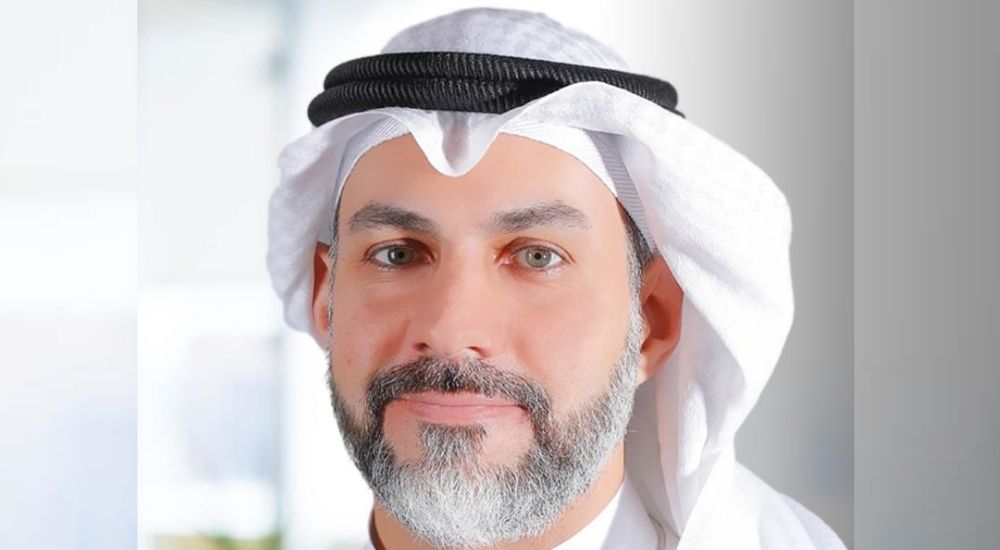
Emirates REIT has announced the appointment of a new Chief Financial Officer, Ali Kazim, a former banker with Abu Dhabi Islamic Bank (ADIB), as the company prepares for a critical sukuk maturity. This move comes amid heightened scrutiny over the real estate investment trust’s financial health as it faces a significant payment deadline.

Kazim’s selection is seen as part of the REIT’s strategy to strengthen its financial leadership and navigate a complex financial landscape. With the sukuk set to mature in December, Emirates REIT is under pressure to outline a clear plan for repayment or refinancing. Investors and analysts are closely watching how the Dubai-based company will handle the $400 million Islamic bond, which has been a central focus in its financial operations.

Emirates REIT, a sharia-compliant investment trust that manages a diverse portfolio of commercial and residential properties, has been in a challenging position over the past few years. Declining property values in the region, exacerbated by the global economic downturn and shifting investor sentiment, have contributed to its difficulties. The appointment of Kazim is seen as a key step in bolstering investor confidence as the sukuk repayment date approaches.

The company’s debt, which includes this substantial sukuk, has been a focal point for market watchers. Emirates REIT has attempted to alleviate concerns through various strategic decisions, including asset sales and cost-cutting measures. However, questions about its ability to meet the upcoming obligations remain. Kazim’s role will be pivotal in addressing these concerns, as he brings extensive experience in Islamic finance from his time at ADIB, a leading player in the Gulf’s financial sector.

Ali Kazim’s background includes over two decades of experience in banking and finance, particularly in Islamic finance. During his tenure at ADIB, he played a critical role in managing sukuk issuances, capital raising, and restructuring debt for major corporates. His appointment signals Emirates REIT’s commitment to leveraging expertise in Islamic banking to navigate the complexities of sukuk finance and ensure compliance with sharia principles while securing favorable terms for investors.

Market analysts view this appointment as a positive move but remain cautious about the broader financial outlook for Emirates REIT. The Dubai property market has seen volatility over the past decade, and while there has been some stabilization, risks remain. Property values, rental yields, and occupancy rates have all fluctuated, influencing the REIT’s performance. The upcoming sukuk repayment adds to the uncertainty, and how the new CFO manages this situation will be critical.

Kazim’s immediate focus will likely be on negotiating with bondholders and exploring refinancing options. With the sukuk’s maturity date drawing near, Emirates REIT must either arrange for the repayment of the bond or renegotiate terms with investors. There has been speculation in financial circles about the possibility of extending the maturity or restructuring the debt, although no official announcement has been made on this front.

The broader economic environment, particularly in the Gulf, will also play a significant role in shaping Emirates REIT’s strategy. The UAE’s real estate sector has been undergoing a period of transformation, with developers and investment trusts alike adjusting to shifting demand patterns, especially in the commercial property segment. Increased interest in flexible workspaces, changes in retail real estate, and new government regulations have all impacted market dynamics. Emirates REIT’s property portfolio spans both commercial and residential assets, and the performance of these sectors will directly influence its ability to meet financial commitments.

The sukuk, which was originally issued in 2017, has been a defining financial instrument for Emirates REIT. Sukuk, as an Islamic financial certificate, differs from conventional bonds by adhering to sharia principles, including the prohibition of interest. This makes managing and refinancing such instruments more complex, as sharia compliance must be maintained throughout the process. Kazim’s deep understanding of these intricacies will be essential as he steps into his new role.

Despite the challenges, Emirates REIT’s management has expressed optimism about the future. The company has undertaken several measures to strengthen its balance sheet, including divesting non-core assets and reducing operational costs. These efforts have been aimed at improving liquidity and preparing for the sukuk’s maturity. However, the market remains skeptical, and all eyes are on Kazim and the steps he will take in the coming months.

This leadership change also comes at a time when corporate governance and transparency are under increased scrutiny across the Gulf’s financial sector. The region has seen several high-profile corporate restructurings and defaults, and investors are paying closer attention to how companies manage debt obligations. Emirates REIT, which is one of the few real estate investment trusts in the region, must now demonstrate that it can navigate these challenges effectively while adhering to Islamic financial principles.

Kazim’s appointment is expected to bring a more disciplined approach to financial management at Emirates REIT. His track record at ADIB includes successful debt restructurings and managing complex financial transactions, which will be invaluable as the company works through the sukuk repayment process. Market participants are hopeful that his leadership will provide the clarity and direction needed to steer the company through this critical period.


Dubai International Financial Centre (DIFC) is spearheading a series of new initiatives aimed at positioning itself as a global hub for wealth management and asset management firms. As Dubai continues to solidify its reputation as a key financial center, the strategic move by the DIFC underscores the increasing interest from international firms looking to establish a presence in the region.

With the region’s financial landscape rapidly evolving, the DIFC’s efforts target the growing influx of high-net-worth individuals and institutional investors. A range of programs designed to enhance operational efficiencies for firms, alongside regulatory advancements and incentives, has been rolled out to attract global firms seeking to expand their wealth and asset management portfolios.

This development comes as the Middle East has emerged as a significant player in global wealth management. With a booming ultra-high-net-worth population and growing institutional investments, Dubai is making strides to become a central hub for wealth and asset management activities. The DIFC, long regarded as the financial heartbeat of Dubai, is now doubling down on its efforts to ensure that the city remains competitive on the global stage.

Key among the new initiatives are specialized regulatory frameworks tailored to the asset management sector. These frameworks have been designed to simplify the process for international firms looking to set up operations in Dubai. The objective is to provide a clear and efficient regulatory environment, reducing administrative burdens and encouraging more firms to base their operations in the DIFC.

As part of these efforts, the DIFC has also introduced a range of incentives for firms to expand their footprint in the region. These include tax exemptions, streamlined licensing processes, and enhanced access to a global network of clients and investors. By offering a competitive regulatory and business environment, Dubai aims to draw in more firms, contributing to the city’s long-term financial growth.

Dubai’s wealth management sector has seen significant expansion over the past few years. A growing number of family offices, private equity firms, and institutional investors have established themselves in the DIFC. The trend reflects the region’s increasing importance in the global financial ecosystem, driven in part by the region’s geographic location and its robust infrastructure.

The DIFC’s strategic location at the crossroads of Asia, Europe, and Africa has long made it an attractive destination for financial services. The center is now leveraging this advantage to deepen its focus on wealth and asset management. With growing geopolitical shifts and economic trends driving more capital to the Middle East, Dubai is well-positioned to capture a significant share of this market.

Global asset management firms have already begun to capitalize on the opportunities presented by the DIFC. Several prominent international firms have recently established their regional headquarters in Dubai, underscoring the city’s appeal as a base for financial operations. This growing influx of firms is expected to boost the region’s financial services sector, creating new jobs and driving further investment.

Moreover, the DIFC’s reputation as a secure, transparent, and well-regulated environment has played a critical role in attracting global investors. The center’s robust legal framework, which is based on international standards, provides firms and investors with the confidence needed to operate in the region. This legal certainty is particularly attractive to firms navigating complex international markets.

Another significant factor driving the DIFC’s initiatives is the growth of Islamic finance. As the demand for Sharia-compliant financial products continues to rise globally, Dubai is positioning itself as a leading hub for Islamic asset management. The DIFC has introduced several initiatives aimed at facilitating the growth of Islamic finance, including the establishment of dedicated frameworks for Sharia-compliant investments. These initiatives have positioned the DIFC as a key player in the global Islamic finance market, attracting firms from across the globe.

Dubai’s economic diversification strategy is another driving force behind the DIFC’s latest efforts. As the city looks to reduce its reliance on oil revenues, financial services have emerged as a critical pillar of Dubai’s economy. By fostering a competitive and dynamic financial sector, the DIFC is playing a central role in Dubai’s economic transformation.

The DIFC’s latest initiatives also align with Dubai’s broader strategy to become a global leader in innovation and technology. The center has placed a significant focus on fintech, with several programs aimed at fostering innovation within the financial services sector. The growing importance of digital transformation in financial services is further positioning Dubai as a key destination for firms seeking to innovate in asset management and wealth management.

Ethereum’s value faces a potential downturn, according to a prominent cryptocurrency strategist who has shifted focus to alternative coins promising substantial short-term returns. The analyst’s forecast underscores a cautionary stance on Ethereum (ETH), advocating for strategic investment in lesser-known altcoins that are expected to yield impressive gains with comparatively lower risks. The seasoned crypto expert’s analysis suggests that Ethereum, which has seen fluctuating performance, might experience a […]

The Dubai International Financial Centre (DIFC) has unveiled its latest strategic initiative aimed at bolstering the wealth and asset management sector. The DIFC Funds Centre is set to enhance the region’s appeal as a global hub for financial services, addressing the growing demand for sophisticated investment solutions and fostering a conducive environment for the sector’s expansion.

Designed to attract and support an increasing number of wealth and asset management firms, the DIFC Funds Centre will offer a comprehensive suite of services tailored to the needs of institutional and individual investors. This new initiative reflects DIFC’s commitment to strengthening its position as a leading financial centre in the Middle East and North Africa (MENA) region.

The DIFC Funds Centre will serve as a centralized platform for the creation and management of investment funds, facilitating seamless operations through advanced technological infrastructure and regulatory support. By integrating with existing DIFC frameworks, the Funds Centre aims to streamline fund administration processes and provide a robust regulatory environment for fund managers and investors.

This move comes in the wake of several other strategic actions by DIFC to enhance its offerings. The Centre has recently forged partnerships with prominent alternative investment firms and international financial institutions, further cementing its role as a key player in the global finance landscape. These collaborations are designed to attract a diverse range of investment strategies, including private equity, venture capital, and hedge funds.

The DIFC Funds Centre will feature a range of innovative tools and services, including bespoke fund structures, regulatory guidance, and investor relations support. This initiative is expected to significantly reduce the time and cost associated with fund setup and management, offering a competitive edge to firms operating within the DIFC ecosystem.

As part of its strategic vision, DIFC has also introduced enhanced measures to foster a more dynamic and inclusive investment environment. This includes a focus on sustainable investment strategies and the integration of advanced financial technologies. By doing so, DIFC aims to cater to the evolving preferences of investors who are increasingly seeking environmentally and socially responsible investment opportunities.

The launch of the DIFC Funds Centre aligns with broader trends in the global financial industry, where there is a growing emphasis on specialized investment solutions and bespoke financial services. The initiative reflects the shifting landscape of wealth management, where there is a heightened demand for tailored investment products and comprehensive asset management services.

The DIFC’s proactive approach in addressing these trends highlights its role as a forward-thinking financial hub, dedicated to adapting to the evolving needs of the global investment community. With its state-of-the-art facilities and strategic partnerships, the DIFC Funds Centre is poised to attract a significant influx of wealth and asset management firms seeking to leverage the Centre’s capabilities and network.

Furthermore, the DIFC’s emphasis on innovation and regulatory excellence underscores its commitment to maintaining the highest standards of financial services. By providing a platform that combines technological advancements with a strong regulatory framework, DIFC aims to ensure that its clients and partners can operate with confidence and efficiency.

The DIFC Funds Centre represents a critical component of DIFC’s broader strategy to enhance its global competitiveness and appeal. The initiative is expected to contribute to the Centre’s continued growth and success, reinforcing its status as a premier destination for financial services in the region.

Sheikh Mohammed bin Rashid Al Maktoum, Vice President and Prime Minister of the UAE, and Ruler of Dubai, has announced a new educational initiative aimed at establishing a prestigious national university in Dubai. This project is set to be a significant milestone in the country’s drive to enhance its educational infrastructure, with a strong focus on fostering Emirati identity. The planned university will aim to provide world-class education while contributing to the UAE’s broader goals of becoming a global knowledge hub.

Sheikh Mohammed emphasized that the university will serve as a beacon for innovation and research in the region, empowering future generations and reinforcing Dubai’s commitment to education as a central pillar of development. He further highlighted that the university will reflect the nation’s values and aspirations, helping to shape the future of education in the UAE while staying aligned with international standards. This ambitious initiative is part of a broader strategy to position Dubai as a leader in the global education sector, reflecting the city’s evolving role as a destination for both higher education and research excellence.

The university’s launch comes amid growing efforts by Dubai to bolster its educational infrastructure, catering to both local and international students. The institution will aim to develop top-tier academic programs across a variety of disciplines, attracting leading scholars and educators from around the world. The ultimate goal is to produce graduates equipped with the skills and knowledge to drive the UAE’s economic and social development, contributing to the nation’s long-term vision of fostering a diversified, innovation-led economy.

This new institution is also expected to collaborate with leading global universities, fostering international partnerships to ensure the highest standards of education. The curriculum will integrate advanced technologies and research methodologies, with the aim of preparing students to address the complex challenges of the modern world. As part of the larger UAE Vision 2030, this university will align with the country’s goals of achieving sustainable development through education and human capital development.

The strategic vision behind this project mirrors Sheikh Mohammed’s longstanding efforts to enhance the UAE’s global competitiveness in key sectors such as education and research. Over the years, Dubai has made significant strides in building its reputation as a center for academic excellence, with numerous international institutions already operating in the city. The establishment of a national university will further strengthen this status, while also creating more opportunities for Emirati students to access high-quality education within their own country.

Education has long been at the heart of the UAE’s development agenda. The country has invested heavily in building a world-class education system, focusing on developing human capital to meet the demands of a rapidly evolving global economy. The creation of a national university in Dubai will provide a unique opportunity to deepen these efforts, enhancing the quality of education available to both Emiratis and expatriates.

In addition to its academic mission, the national university will also prioritize research and innovation, particularly in areas critical to the UAE’s future. It is anticipated that the institution will play a pivotal role in advancing knowledge in fields such as artificial intelligence, renewable energy, and healthcare, areas in which the UAE has been actively investing. By fostering a culture of innovation and research, the university will contribute to the UAE’s broader goals of economic diversification and sustainable growth.

Moreover, the national university is expected to provide a platform for addressing some of the key challenges faced by the UAE, such as climate change, food security, and technological transformation. It will also aim to nurture a generation of leaders capable of shaping the future of the UAE and contributing to global progress in these critical areas.

Sheikh Mohammed’s vision for the university underscores the broader ambition to place the UAE at the forefront of educational innovation on the world stage. The institution will serve as a model for other countries in the region, demonstrating the potential of higher education as a driver of national development. The university is expected to have a significant impact not only within the UAE but also across the wider region, positioning Dubai as a leader in academic excellence and innovation.

As Dubai continues to evolve as a global city, the new national university will be a cornerstone of its development strategy. The institution is set to offer a diverse range of programs, catering to the growing demand for higher education in the region. It will also serve as a bridge between East and West, attracting students and academics from around the world, and fostering cross-cultural dialogue and collaboration.

Emaar the Economic City (Emaar EC), the developer behind the ambitious King Abdullah Economic City (KAEC) project, has announced a comprehensive capital optimisation strategy valued at 8.7 billion Saudi riyals ($2.32 billion). The plan, which includes restructuring existing debt and reducing the company’s capital, aims to improve the company’s financial standing as it navigates the complexities of developing one of the region’s largest economic hubs. Emaar EC’s […]

ASK Private Wealth, the advisory and family office arm of the Blackstone-backed ASK Asset and Wealth Management Group, is targeting non-resident Indians (NRIs) and overseas citizens of India (OCIs) with a new fund aimed at raising $100 million. The launch of this fund marks a significant strategic move by the firm to tap into the growing demand for investment in Indian capital markets by high-net-worth individuals based abroad, particularly in the Gulf Cooperation Council (GCC) region.

This newly launched ASK Wealth Advisors (ASKWA) India Opportunities Fund is specifically designed to cater to the investment preferences of NRIs and OCIs. Somnath Mukherjee, Chief Investment Officer and Senior Managing Partner at ASKWA, emphasized that the fund offers an opportunity for wealthy Indians abroad to capitalize on India’s economic growth while diversifying their portfolio. The fund, he explained, is part of a larger strategy to connect with the wealthy diaspora, particularly in the GCC, where there is a sizable population of ultra-high-net-worth individuals (UHNWIs).

ASKWA is seeking to tap into this demographic as NRIs in the Gulf region have consistently shown a strong inclination towards investing in India. The fund will primarily focus on a diversified portfolio of Indian equities, targeting sectors that are expected to benefit from the country’s robust economic growth trajectory. Mukherjee noted that India’s capital markets have shown significant resilience and continue to offer attractive long-term returns for investors. The fund aims to provide a channel for NRIs to participate in India’s growth story, particularly as global economic trends continue to favor emerging markets like India.

The GCC region, particularly countries like the United Arab Emirates (UAE), Saudi Arabia, and Qatar, remains a key source of investment for ASKWA. Mukherjee highlighted that the firm has already seen substantial interest from potential investors in these markets, with many NRIs in the GCC seeking exposure to the Indian stock market. He stated that the UAE has emerged as a hub for wealth management and investment services, attracting a large number of wealthy NRIs looking for efficient ways to manage and grow their wealth.

Mukherjee further explained that ASKWA has ambitious plans to strengthen its presence in the UAE. The firm is exploring the possibility of setting up a physical office in the UAE to better serve its clients in the GCC region. This strategic expansion is part of ASKWA’s broader goal of deepening its engagement with NRI investors, ensuring that they have access to tailored financial solutions that meet their unique investment needs. The GCC, with its concentration of wealthy NRIs, represents a significant market for the company’s growth plans.

The fund launch comes at a time when India is seeing a steady inflow of capital from NRIs worldwide. With Indian equities performing well over the past few years and the country’s economy showing signs of steady growth, NRI investors are increasingly looking at India as a key destination for their investments. Mukherjee noted that the India Opportunities Fund is poised to take advantage of this trend, offering NRI investors a structured and well-managed investment vehicle.

According to wealth management experts, the interest in Indian equities is expected to grow further, given the Indian government’s focus on economic reforms, infrastructure development, and digital innovation. These factors are expected to drive growth in sectors such as technology, financial services, and consumer goods, all of which are key areas of focus for the new ASKWA fund. The fund’s strategy will revolve around investing in blue-chip companies as well as high-growth sectors, providing a balanced risk-return profile for investors.

Mukherjee also emphasized that ASKWA is committed to maintaining high standards of governance and transparency in managing the fund, ensuring that investors’ interests are protected. He assured potential investors that the fund would be managed with a long-term perspective, focusing on delivering sustainable returns over time. This approach, Mukherjee said, aligns with the investment philosophy of many NRIs, who tend to have a long-term horizon when it comes to their investments.

The India Opportunities Fund is expected to attract a wide range of NRI investors, from those seeking growth opportunities in Indian equities to those looking for a reliable way to diversify their investment portfolios. ASKWA has already begun reaching out to its existing NRI clients, with initial feedback indicating a strong interest in the fund. The firm is confident that it will be able to raise the $100 million target, given the level of interest from the GCC and other key markets.

RIYADH, SAUDI ARABIA – Media OutReach Newswire – 8 September 2024 – Steven Chou, Chairman of Sahm Capital and Chief Strategy Officer of Valuable Capital Group Limited, highlighted the transformative role of technology in Saudi Arabia’s financial sector during his speech at the 24 Fintech in Riyadh. The event attracted 36,959 visitors, 300+ brands and 350 sector investors, making it a key platform for discussion on fintech […]

Emaar The Economic City (EEC), the master developer behind King Abdullah Economic City (KAEC), has unveiled a comprehensive capital optimization plan aimed at revitalizing the city’s growth and operational efficiency. This new strategy, recently approved by EEC’s board, marks a significant shift in the company’s approach to achieving financial stability and enhancing long-term sustainability.

The plan focuses on several key areas, including debt restructuring, asset management, and operational efficiencies. By recalibrating its financial strategy, EEC aims to reduce its overall debt burden and allocate resources more effectively. The company’s leadership believes this will not only improve liquidity but also enhance investor confidence.

Central to EEC’s new strategy is a detailed debt reduction initiative. The company plans to renegotiate existing loan terms and seek refinancing options to lower interest rates and extend repayment periods. This move is designed to ease the financial pressures that have been mounting due to previous economic challenges and market fluctuations.

In addition to financial restructuring, EEC is also placing a strong emphasis on optimizing its asset portfolio. This includes reviewing and potentially divesting non-core assets to focus on more strategic investments. The company aims to enhance the value of its core assets by improving operational efficiencies and leveraging technology to drive better outcomes.

The operational side of the plan involves a thorough review of existing processes and systems to identify areas where efficiency can be improved. EEC is investing in advanced technologies and innovative solutions to streamline operations, reduce costs, and increase overall productivity. This includes the adoption of smart city technologies that align with the broader vision of transforming KAEC into a leading global business hub.

Moreover, the capital optimization plan outlines a commitment to sustainable development practices. EEC is integrating sustainability into its strategic initiatives, focusing on reducing the environmental impact of its projects and promoting green building standards. This approach not only supports global sustainability goals but also enhances the appeal of KAEC to environmentally-conscious investors and businesses.

The announcement comes at a time when EEC faces growing competition from other economic zones in the region. By implementing this comprehensive turnaround plan, EEC seeks to strengthen its position and attract new investment opportunities. The company’s leadership is optimistic that these strategic moves will create a more resilient and competitive economic city, capable of driving future growth and development.

Emaar The Economic City’s updated strategy has been met with positive responses from market analysts and investors. Many view the plan as a necessary step toward stabilizing the company’s financial footing and positioning KAEC as a prime destination for international business and investment. The next few quarters will be critical in assessing the effectiveness of these strategic changes and their impact on the company’s performance.

The UAE’s financial sector has achieved a notable milestone as the market capitalization of its top 20 companies surged to AED 2.8 trillion ($762 billion). This achievement underscores the country’s expanding economic footprint and growing investor confidence.

The remarkable growth in market capitalization reflects a robust performance in the UAE’s equity markets, driven by diverse sectors including banking, real estate, and telecommunications. Dubai’s stock exchange, in particular, has seen significant activity, bolstered by increased foreign investment and strong corporate earnings.

Among the leading companies contributing to this milestone are major players such as Emirates NBD, Etisalat, and Dubai Investments. These firms have shown impressive financial results and strategic growth initiatives, solidifying their positions in both regional and global markets. Emirates NBD, for instance, has been pivotal in enhancing the financial infrastructure of the UAE, while Etisalat’s technological advancements have played a crucial role in expanding the digital economy.

The UAE’s continued focus on economic diversification and infrastructure development has further fueled this growth. Government initiatives, including the Dubai Economic Agenda and Abu Dhabi Vision 2030, aim to transform the UAE into a global hub for trade, finance, and innovation. These strategic plans are designed to attract more foreign direct investment and boost the country’s economic resilience.

Furthermore, the UAE’s financial markets have benefited from favorable regulatory changes and improved market liquidity. The introduction of more transparent and investor-friendly policies has enhanced the attractiveness of the UAE’s stock exchanges to international investors. The Financial Services Regulatory Authority (FSRA) and the Securities and Commodities Authority (SCA) have played pivotal roles in ensuring market stability and promoting investor confidence.

The surge in market capitalization also highlights the growing prominence of UAE-based companies on the global stage. The country’s financial markets are increasingly seen as a viable investment destination, with many international firms looking to enter or expand their presence in the UAE. This influx of global capital not only supports local businesses but also contributes to the overall economic growth of the region.

In addition to financial performance, the UAE’s real estate sector has been a significant contributor to the increased market capitalization. Major real estate developers such as Emaar Properties and Aldar Properties have seen substantial growth, driven by strong demand for residential and commercial properties. Their successful project launches and strategic developments have played a key role in enhancing the market value of the UAE’s leading companies.

The UAE’s ambitious growth plans are expected to continue driving market expansion in the coming years. The country’s leadership remains committed to fostering an environment conducive to business growth and innovation. Initiatives such as the Dubai Expo 2020 and Abu Dhabi’s ongoing infrastructure projects are anticipated to further boost investor sentiment and economic activity.

The combined market capitalisation of the UAE’s 20 largest companies has soared to AED 2.8 trillion ($762 billion), marking a significant milestone for the country’s local stock exchanges. These companies, listed on the Abu Dhabi Securities Exchange (ADX) and the Dubai Financial Market (DFM), now represent 77.6% of the total market capitalisation across UAE markets, which stands at AED 3.59 trillion. This achievement comes as the UAE continues to pursue an ambitious strategy to double its overall market value to AED 6 trillion in the coming years.

The top performer, International Holding Company (IHC), dominates the UAE market with a staggering market capitalisation of over AED 912.3 billion, accounting for 25.4% of the local stock markets. Following IHC is Abu Dhabi National Energy Company (Taqa), which holds a market value of AED 296.8 billion. These two firms exemplify the UAE’s growing prowess in sectors such as energy, infrastructure, and diversified investments.

Several other major players have also solidified their positions in the financial landscape. Adnoc Gas has secured a market value of AED 240.2 billion, while Etisalat by e& and First Abu Dhabi Bank (FAB) follow closely with market capitalisations of AED 161.5 billion and AED 147.6 billion, respectively. Companies like Emirates NBD and Dubai Electricity and Water Authority (DEWA) are also notable contributors to the UAE’s market strength, alongside real estate giants such as Emaar Properties and Aldar Properties.

Industry experts point to the UAE’s pro-business environment and its strategic initiatives to attract foreign investment as key factors driving the exponential growth of the stock market. The UAE government has committed to fostering economic diversification, furthering innovation, and implementing financial reforms that facilitate this expansion.

Typhoon Yagi, the second-most intense storm to hit Vietnam in 2024, unleashed deadly force on the country, killing at least four people and injuring 78 others. The storm made landfall on Saturday afternoon in northern Vietnam, with wind speeds exceeding 150 kilometers per hour. Vietnamese authorities have reported widespread devastation as emergency services continue to grapple with the storm’s aftermath. Homes have been torn apart, trees uprooted, […]

Saudi Arabia’s push towards sustainability and a clean energy future will take center stage at the EV Auto Show 2024, one of the most significant gatherings for the electric vehicle (EV) industry in the Middle East. From September 17th to 19th, the Riyadh International Convention and Exhibition Centre will host automakers, industry experts, and technology innovators from around the world. As the nation seeks to reduce its dependence on fossil fuels, this event marks a key moment in advancing electric mobility in the region.

The EV Auto Show 2024 is expected to attract some of the biggest names in electric vehicle manufacturing, as well as developers of charging infrastructure and related technologies. These participants will be instrumental in Saudi Arabia’s ambitious goals to become a global leader in sustainable energy. The event is more than a showcase of cutting-edge EV models; it represents a broader initiative aligned with the Kingdom’s Vision 2030 plan to diversify its economy and promote environmental responsibility.

Among the most anticipated exhibits are electric cars, commercial trucks, buses, and motorcycles that promise to reshape Saudi Arabia’s automotive landscape. Automakers from across Europe, the US, and Asia will be presenting their latest EV models, reflecting the global momentum in the shift towards electric transportation. Some companies are expected to unveil new vehicles tailored specifically to the needs of the Gulf region, focusing on extreme climate durability, high-performance batteries, and long-range capabilities that meet the challenges posed by the vast Saudi landscape.

Saudi Arabia’s commitment to electric vehicles has been clear over the past few years, as the Kingdom invests heavily in building EV infrastructure. Recent partnerships between the Saudi government and international EV manufacturers have already set the stage for increased local production and assembly of electric vehicles. The show is poised to bring these efforts into sharper focus, with an emphasis on collaborative innovation.

Several regional and international brands will showcase their EV charging solutions at the event. Saudi-based energy firms and multinational companies will demonstrate cutting-edge charging technologies and battery solutions, focusing on both residential and commercial applications. These technologies are pivotal for the growth of the EV market, as reliable and widespread charging infrastructure remains a key challenge in Saudi Arabia’s transition to electric vehicles. The event will feature panels on overcoming these hurdles, with industry leaders and government officials expected to discuss strategies for expanding the country’s EV charging network.

Energy and technology companies are increasingly looking at ways to integrate EVs with renewable energy sources such as solar power. Saudi Arabia’s abundant sunlight presents a significant opportunity to harness clean energy for EVs, reducing both emissions and energy costs in the long term. At the show, experts will discuss how solar-powered EV charging stations can support the country’s sustainability goals, especially as the Kingdom ramps up investment in its burgeoning solar industry.

Key figures in Saudi Arabia’s automotive and energy sectors have noted that the transition to electric vehicles is no longer a distant goal but an immediate priority. The EV Auto Show is expected to catalyze both consumer interest and industry momentum, with stakeholders eager to capitalize on the growing demand for sustainable transportation options. With gasoline prices fluctuating and global environmental policies tightening, EV adoption is not just a matter of preference but a strategic imperative for the Kingdom.

Public interest in electric vehicles has surged across Saudi Arabia, particularly among younger consumers who are increasingly aware of the environmental impacts of traditional gasoline-powered cars. To meet this rising demand, several local companies are making strides in EV development and marketing. In particular, Saudi Arabia’s own Public Investment Fund (PIF) has invested billions in Lucid Motors, a leading American EV manufacturer. Lucid has already established a production facility in King Abdullah Economic City (KAEC), marking a major milestone in local EV manufacturing. The partnership is seen as a crucial step in positioning the Kingdom as a future hub for electric vehicle production in the region.

Beyond private investment, government support for EVs in Saudi Arabia has been robust. In line with Vision 2030, the Saudi government has implemented policies designed to encourage both manufacturers and consumers to embrace electric mobility. Incentives such as tax breaks for EV buyers, subsidies for local manufacturers, and government contracts for EV fleets are just some of the measures aimed at fostering a supportive environment for the industry’s growth. These policies, coupled with investments in renewable energy, are part of a broader strategy to position the Kingdom as a leader in the clean energy transition.

The environmental impact of EV adoption is also a significant consideration for Saudi Arabia. While the country is one of the largest producers of oil globally, its leaders are keen to diversify its energy sources to ensure long-term sustainability. Reducing emissions from transportation is a key component of this strategy, as the sector accounts for a considerable portion of the country’s carbon footprint. With electric vehicles seen as a crucial solution to lowering emissions, the EV Auto Show serves as a platform to demonstrate the feasibility and necessity of electric mobility in achieving Saudi Arabia’s environmental goals.

VISHNU RAJA
RYO YAMADA
HITORI GOTOH
IKUYO KITA