News related to
Capital

Bank of Singapore is strategically focusing on expanding its presence in the Middle East, forecasting a significant increase in assets and revenue from the region over the next five years. The financial institution anticipates that the Middle East will contribute up to 20% of its total revenue and private banking assets by 2029. The bank’s expansion strategy aligns with broader trends of international financial institutions bolstering their […]

The Indian government is preparing to launch a significant green bond issuance in the latter half of the fiscal year, aiming to raise approximately 120 billion rupees ($1.4 billion). This move marks the country’s renewed effort to attract investment in sustainable projects, reflecting a broader trend in global finance where environmental, social, and governance (ESG) criteria are increasingly influencing investment decisions. India’s green bond market has been […]

Several leading airlines, including Singapore Airlines, British Airways, and Lufthansa, have resumed and expanded their flight operations over Afghanistan, a significant shift from their previous avoidance of the region. This development comes as heightened conflict in the Middle East has altered the strategic calculations regarding air routes over Afghanistan, which is now perceived as a safer passage compared to other turbulent areas. Singapore Airlines, known for its […]

Emirates Global Aluminium (EGA) has announced its decision to acquire Spectro Alloys, a prominent US-based recycled aluminum company. This strategic move is set to enhance EGA’s recycling capabilities and support its sustainability goals by increasing the volume of recycled material in its production processes. The acquisition, valued at approximately $200 million, aligns with EGA’s broader strategy to integrate more sustainable practices into its operations. Spectro Alloys, known […]

HONG KONG SAR – Media OutReach Newswire – 23 August 2024 – The 2024 “The Land of Blessings” Cultural Tourism Promotion Activities were successfully held in Hong Kong and Macao on August 20 and 22. The activities, hosted by Fuzhou Municipal Bureau of Culture and Tourism, attracted cultural and tourism authorities, representatives of cultural and tourism enterprises and institutions, chambers of commerce, and associations from Fuzhou, Hong […]

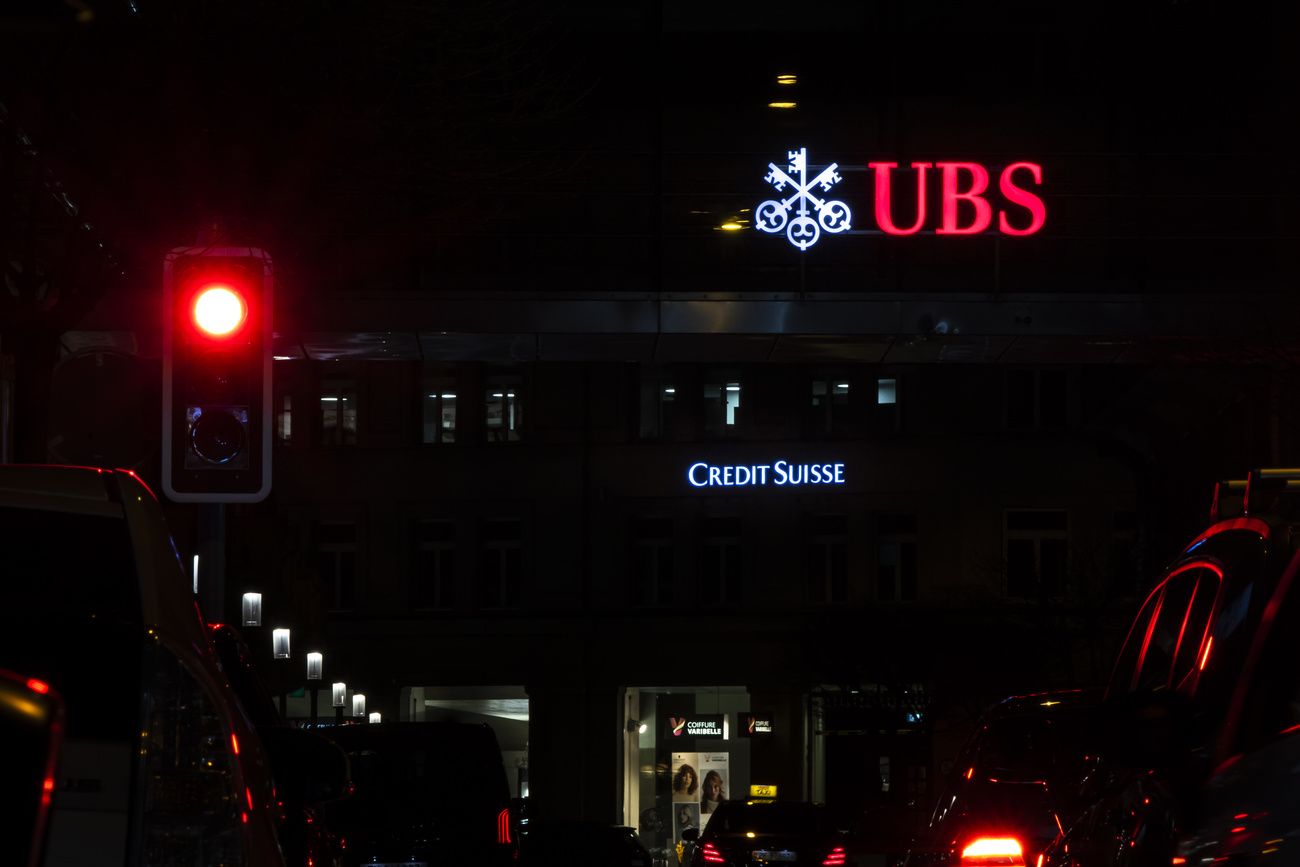
UBS Group AG’s push against increased capital requirements has been firmly rejected by Swiss Finance Minister Karin Keller-Sutter. Despite the bank’s substantial lobbying efforts, Keller-Sutter has maintained her stance, indicating that the proposed new regulations will proceed as planned.

UBS has been advocating for more leniency regarding capital requirements, arguing that the proposed rules could impose undue constraints on its operations and profitability. The lobbying campaign has included high-profile meetings and extensive dialogue with policymakers, aiming to influence the Swiss government’s decision on financial regulations.

However, Keller-Sutter’s response has been unequivocal. She emphasized that the government is committed to strengthening financial stability and ensuring that large financial institutions are adequately capitalized to withstand potential economic shocks. Her firm position reflects a broader trend among regulators worldwide, who are increasingly focusing on enhancing the resilience of the banking sector.

The debate over capital requirements is part of a larger global discussion about financial regulation following the 2008 financial crisis. Regulators and financial institutions continue to grapple with finding the right balance between maintaining financial stability and supporting economic growth. UBS’s lobbying efforts highlight the tension between these objectives, as banks seek to mitigate regulatory burdens while regulators aim to protect the financial system.

Keller-Sutter’s decision underscores Switzerland’s commitment to upholding stringent financial standards. The country has long been a global financial hub, and its regulatory policies often set a precedent for other nations. The Finance Minister’s stance signals a firm resolve to prioritize financial stability over industry lobbying.

The implications of this decision are significant for UBS and the broader banking sector. If the new capital requirements are implemented, UBS may need to adjust its financial strategies to comply with the regulations. This could involve raising additional capital, altering its investment strategies, or adjusting its business operations to align with the new requirements.

UBS’s lobbying efforts are not an isolated case. Financial institutions worldwide regularly engage in lobbying to influence regulatory policies that affect their operations. The effectiveness of such campaigns can vary, depending on the political climate, regulatory environment, and the strength of the arguments presented.

Keller-Sutter’s firm position has been met with both support and criticism from various stakeholders. Supporters argue that strong capital requirements are essential for preventing future financial crises and protecting the stability of the global financial system. Critics, however, contend that excessive regulatory constraints could stifle innovation and economic growth.

As the debate continues, the focus remains on how best to balance regulatory demands with the needs of the financial sector. UBS’s lobbying efforts reflect the ongoing negotiation between regulators and financial institutions over the future of banking regulations. The outcome of this issue will likely have far-reaching implications for the financial industry, both in Switzerland and globally.

Swiss Finance Minister Karin Keller-Sutter’s rejection of UBS’s lobbying against increased capital requirements emphasizes the Swiss government’s commitment to maintaining rigorous financial standards. The resolution of this issue will be closely watched by financial institutions and regulators alike, as it could shape the future of banking regulation in Switzerland and beyond.

Tatweer Company, in collaboration with Al Rajhi Capital, has announced the launch of a substantial investment fund valued at over $533 million (SAR 2 billion) aimed at developing a major multi-use project in Riyadh. This ambitious initiative targets the strategic intersection of Al-Urubah and Al-Takhassusi Roads in the Al-Rahmaniyah neighborhood, a rapidly growing area in the Saudi capital. The fund represents a significant commitment to enhancing urban […]

Advertisements

Tokyo witnessed a remarkable surge in foreign visitors in 2023, with approximately 19.54 million international travelers exploring Japan’s capital, according to the Tokyo Metropolitan Government. This figure, reflecting a significant recovery from the pandemic-induced slump, highlights Tokyo’s resilience as a leading global tourist destination.

The influx of visitors contributed to a nationwide recovery, as Japan welcomed a total of 25.1 million international tourists in 2023, achieving about 80% of the pre-pandemic peak seen in 2019. The weaker yen played a pivotal role in this resurgence, making Japan more affordable for foreign tourists, who enjoyed the nation’s renowned cuisine, culture, and hospitality at lower costs.

South Korea led the charge with 7 million visitors, followed by Taiwan and China. However, the number of Chinese tourists, once a dominant force in Japan’s tourism sector, was significantly lower than in previous years, partly due to lingering travel restrictions that were lifted only mid-year.

This tourism boom underscores Tokyo’s ongoing appeal and sets a strong foundation for future growth as the city prepares to welcome even more visitors in the years to come.

HANOI, VIETNAM – Media OutReach Newswire – 22 August 2024 – Vinhomes has redefined urban living in Vietnam, creating exceptional residential spaces that seamlessly blend luxury, technology, and community. With a portfolio of 29 projects across eight provinces and cities, the company has set new standards for urban lifestyles in Vietnam. Building on its success and capitalizing on Vietnam’s economic growth, Vinhomes is now attracting foreign buyers […]

XIONG’AN, CHINA – Media OutReach Newswire – 22 August 2024 – Over the past seven years since its establishment, Xiong’an New Area in Hebei Province, north China, has intensified efforts to relieve Beijing of functions non-essential to its role as China’s capital, with the demonstration effect of central enterprises clustering initially emerging. The market economy vitality has continued to burst forth, with the rapid development of the […]

Dubai-based firms have significantly expanded their footprint in China with investments totaling $1.4 billion from 2015 to 2023. This substantial financial commitment underscores the growing economic ties between the UAE and China, highlighting a strategic shift towards deepening commercial relationships. Mohammad Ali Rashed Lootah, President and CEO of Dubai Chambers, emphasized the scale and significance of this investment, marking a period of intensified economic collaboration. The influx […]

Board Approves Plan to Return US$180 million to Shareholders over Three Years in Addition to Normal Dividend Highlights: Shipment volume increased by 12.3%, led by Sports category Revenue increased by 7.5% to US$770.0 million Further enhanced customer portfolio Gross profit margin expanded by 2.7 percentage points to 25.8% Reported operating profit margin increased to 12.9% from 9.0% same period last year Adjusted net profit increased by 54.1% […]

Qatar’s economic trajectory is set for a dramatic transformation, with projections indicating the country’s economy could double by 2031. This ambitious plan is propelled by a series of strategic initiatives and investments aimed at diversifying and expanding Qatar’s economic base. At the core of this growth is Qatar’s National Vision 2030, which serves as a blueprint for its economic and social development. This plan focuses on reducing […]

Magellan Capital Holdings, headquartered in Dubai, is preparing to launch a hedge fund valued at $700 million. The investment firm, known for its expertise in alternative investments, aims to capture opportunities in global markets through this initiative. This move reflects Magellan Capital’s strategy to expand its footprint in the competitive landscape of hedge funds, an industry that continues to attract substantial capital despite broader economic uncertainties. The […]

TJX Companies, the parent company of retail chains like TJ Maxx and Marshalls, has solidified its footprint in the Middle East through a strategic investment in the retail group Brands for Less (BFL). This move marks a significant expansion into a lucrative market and underscores TJX’s commitment to global growth. BFL, a prominent player in the Middle Eastern off-price retail sector, operates across several countries including the […]

Saudi Arabia and China are exploring the possibility of trading oil in yuan, a move that could significantly impact the global oil market, which has long been dominated by the US dollar. However, analysts from S&P Global warn that this shift faces numerous challenges and could take decades to achieve substantial scale, casting doubt on the near-term viability of the yuan as a major currency in the oil trade.

Saudi Arabia, the world’s largest oil exporter, has been deepening its economic ties with China, its biggest trading partner. The prospect of conducting oil transactions in yuan instead of the US dollar is seen as part of a broader strategy by China to internationalize its currency and reduce reliance on the dollar. Such a move would also align with Saudi Arabia’s Vision 2030, which aims to diversify the kingdom’s economy and reduce its dependence on oil revenues. However, the potential transition from dollar-based oil trade to yuan-based transactions is fraught with complexities.

Key obstacles include the deep-rooted dominance of the US dollar in global trade, the relative illiquidity of the yuan in international markets, and the complex geopolitical implications of such a shift. The US dollar has been the primary currency for global oil transactions for decades, cementing its status as the world’s leading reserve currency. Any significant move away from the dollar could disrupt financial markets and strain Saudi Arabia’s long-standing relationship with the United States.

Moreover, the yuan’s limited convertibility and lack of deep, liquid financial markets make it a less attractive option for international trade compared to the dollar. Despite China’s efforts to internationalize the yuan, including the establishment of yuan-denominated oil futures contracts in Shanghai, the currency still faces significant barriers to becoming a global standard. The Chinese government’s tight control over the yuan’s exchange rate and its restrictions on capital flows add to concerns about the currency’s suitability for large-scale international transactions.

Additionally, the geopolitical landscape plays a critical role in the potential shift toward yuan-based oil trade. Saudi Arabia’s close military and economic ties with the United States have been a cornerstone of its foreign policy for decades. Moving away from dollar-based transactions could strain this relationship, particularly given the US’s strategic interest in maintaining the dollar’s dominance in global markets.

Despite these challenges, the discussions between Saudi Arabia and China reflect a broader trend of diversification in global trade and finance. As the world’s second-largest economy, China has been increasingly asserting its influence on the global stage, seeking to reduce its vulnerability to US economic policies. For Saudi Arabia, the shift towards yuan-based oil trade would be part of its broader strategy to align itself more closely with Asia’s growing economies, which are expected to drive future demand for energy.

The implications of a successful transition to yuan-based oil trade would be profound for the global economy, particularly for the role of the US dollar. The dollar’s status as the primary currency for oil transactions has been a key factor underpinning its dominance in global finance. A significant shift towards the yuan could erode this dominance, leading to a more multipolar currency system. However, given the numerous challenges and the slow pace of change in global financial systems, such a transition is likely to be gradual and may take decades to materialize.

While the prospect of yuan-based oil trade between Saudi Arabia and China is gaining attention, the path to realizing this shift is complex and fraught with challenges. The dominance of the US dollar, the yuan’s limitations as a global currency, and the geopolitical implications of such a move all suggest that any significant change in the global oil trade currency landscape will be a long and arduous process.


Dar Global, a luxury property developer listed on the London Stock Exchange, has engaged Rothschild & Co to explore growth opportunities in the United Kingdom and Saudi Arabia. The collaboration signals Dar Global’s ambition to enhance its portfolio through strategic acquisitions and joint ventures in these key markets.

Rothschild & Co, a prestigious financial advisory firm, is set to guide Dar Global through potential acquisitions and partnerships, focusing on prime real estate opportunities. This move aligns with Dar Global’s strategy to expand its footprint in both the London market, known for its ultra-luxury developments, and Saudi Arabia, where the real estate sector is experiencing rapid growth.

Dar Global has previously made significant strides in the international luxury property sector, and this partnership with Rothschild & Co is expected to further strengthen its position. The company’s expansion efforts in London are particularly noteworthy, given the city’s status as a global hub for luxury real estate, attracting high-net-worth individuals from around the world.

In Saudi Arabia, Dar Global is likely to capitalize on the country’s Vision 2030 initiative, which includes ambitious urban development plans aimed at diversifying the economy. The Saudi real estate market has seen increased investor interest, driven by large-scale projects such as NEOM and The Red Sea Project, making it an attractive target for Dar Global’s growth strategy.

The appointment of Rothschild & Co highlights Dar Global’s commitment to leveraging expert financial advice to navigate complex markets and achieve sustainable growth. As the company looks to solidify its presence in these regions, industry analysts will be watching closely to see how these expansion efforts unfold.

Dubai Chamber of Digital Economy, part of the Dubai Chambers network, has hosted two key events to accelerate the promotion of the ‘Launchpad Dubai’ initiative. The events, attended by approximately 180 entrepreneurs and digital company representatives, focused on expanding tech companies and encouraging innovation within Dubai’s business ecosystem. Held at strategic venues across Dubai, the events were designed to provide a platform for tech entrepreneurs to engage […]

Zomato, the food delivery giant, is set to expand its portfolio beyond food and grocery delivery by acquiring Paytm’s movie and event ticketing business for ₹2,048 crore ($244 million). This strategic acquisition is aimed at bolstering Zomato’s presence in the “going-out” sector, which includes movie and event ticketing, a market segment that has seen substantial growth in India.

The deal was approved by the boards of both companies, with the transaction expected to close within 90 days. Under the agreement, Paytm’s movie ticketing platform, OTPL, and its sports and events ticketing arm, WEPL, will become wholly-owned subsidiaries of Zomato. The acquisition will include a primary infusion into both subsidiaries, enabling them to settle the amount payable for the transfer.

Paytm, which has been a key player in the ticketing space since acquiring the TicketNew and Insider platforms in 2017 and 2018 respectively, is divesting these assets to focus on its core financial services. Zomato’s move into this sector is seen as a strategic expansion, aiming to capture a larger share of the entertainment market in India, where it will directly compete with established players like BookMyShow.

The acquisition marks a significant shift in Zomato’s business strategy as it seeks to diversify its offerings. As of March 2024, OTPL and WEPL had reported turnovers of ₹13.14 crore and ₹236.03 crore respectively, reflecting their robust presence in the ticketing market. The deal underscores Zomato’s intent to leverage these platforms to enhance its market position and revenue streams beyond its traditional food delivery service.

Zomato’s entry into the ticketing business also aligns with the broader trend of tech companies diversifying their services to capture more value from their user bases. By integrating Paytm’s ticketing services, Zomato aims to create a more comprehensive lifestyle platform for its users, capitalizing on the growing demand for online ticketing in India.

This acquisition is part of a broader consolidation in the Indian tech sector, where companies are increasingly looking to acquire complementary businesses to drive growth and profitability. As Zomato ventures into this new domain, industry observers will be watching closely to see how the company integrates and scales its new ticketing business.

Revenue and Profit Attributable to Shareholders up 54% and 83% respectively Proactive in Seeking Change and Capturing Growth Opportunities to Achieve Long-term Sustainable Development (RMB’ million) Six months ended 30 June 2024 2023 Change (%) Revenue 168.8 109.3 +54% Gross profit 85.8 56.6 +52% Operating profit 56.7 33.9 +67% Profit attributable to shareholders 56.1 30.7 +83% Basic earnings per share (RMB) 0.028 0.017 +65% HONG KONG SAR […]

The aggregate income of the UAE’s ten largest banks surged to $5.8 billion in the second quarter of 2024. This impressive figure reflects a notable increase from the previous quarter, driven by robust economic activities and heightened banking sector performance across the Emirates. The upward trend in earnings for the UAE’s leading financial institutions is attributed to several key factors. Economic recovery in the region has bolstered […]

By Manish Rai After lengthy negotiations in Doha, Hamas has named Yahya Sinwar as its new Political chief, replacing Ismail Haniyeh who was assassinated in Teheran. Since 2017, Sinwar has served as the group’s leader inside the Gaza strip. He now becomes overall leader of its political wing. Sinwar’s promotions undermines more pragmatic and senior figures in Hamas with wider exposure to the international political arena and […]

Genesis Digital Assets (GDA) has launched a groundbreaking initiative aimed at transforming waste heat into a valuable energy source. The project, introduced at a high-profile industry conference, represents a significant advancement in sustainable energy technology, with the potential to revolutionize how industrial processes manage waste heat. Abdumalik Mirakhmedov, Executive President of GDA, one of the world’s largest bitcoin mining companies in terms of hash rate, says strong […]

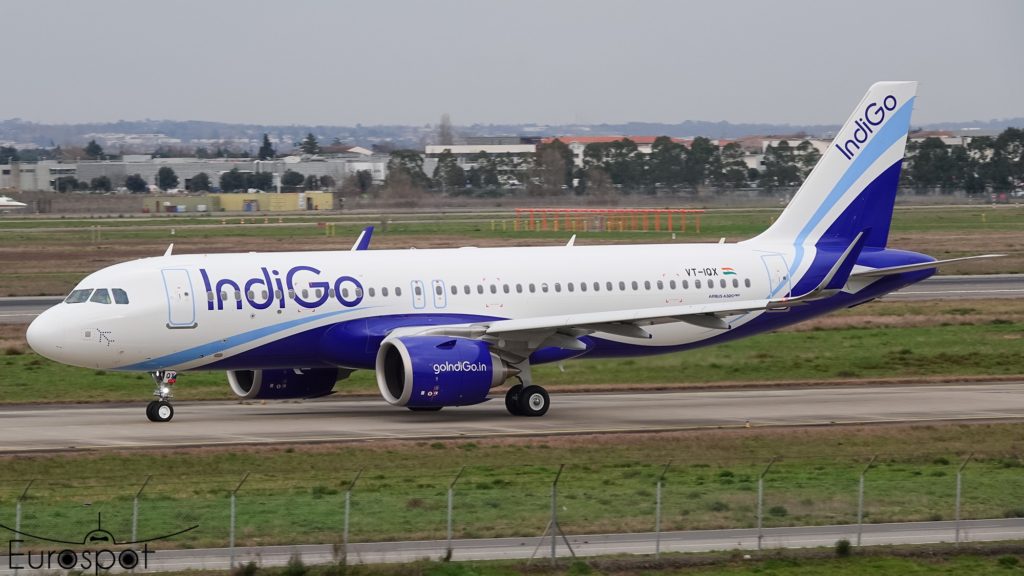
IndiGo has unveiled three new flight routes connecting Abu Dhabi’s Zayed International Airport to Mangaluru, Tiruchirappalli, and Coimbatore. This expansion, effective from next month, aims to enhance connectivity between the UAE and southern India, responding to growing demand for air travel in the region.

The new services will operate daily, with flights to Mangaluru, Tiruchirappalli, and Coimbatore scheduled to take off on a daily basis. This move is anticipated to bolster tourism and business travel between these cities and the UAE, capitalizing on the increasing number of travelers between the two regions.

Mangaluru, known for its port and economic significance in Karnataka, will benefit from improved accessibility to the Middle East, facilitating trade and investment opportunities. Tiruchirappalli, a key educational and industrial hub in Tamil Nadu, is expected to see a rise in student and business travel. Coimbatore, renowned for its manufacturing sector, will gain easier access to international markets and business partners.

This strategic route expansion aligns with IndiGo’s broader growth strategy, which focuses on increasing its footprint in key international markets. By linking these cities directly with Abu Dhabi, IndiGo aims to capture a larger share of the travel market between India and the UAE.

The airline’s move also reflects a broader trend of expanding connectivity in response to rising passenger numbers and evolving travel needs. As both leisure and business travel between India and the UAE continue to grow, airlines are investing in new routes and services to meet demand.

IndiGo’s new routes come at a time when the aviation industry is recovering from the global travel restrictions imposed during the pandemic. By establishing these direct connections, IndiGo is positioning itself to capitalize on the rebound in international travel and strengthen its market presence in the Middle East.

Passengers can expect modern aircraft and competitive fares on these new routes, consistent with IndiGo’s reputation for efficiency and affordability. The airline’s commitment to enhancing its international network is expected to foster increased economic and cultural exchanges between the UAE and southern India.

This development is part of a larger trend among airlines to expand their networks and adapt to shifting market dynamics. As travel restrictions ease and global connectivity improves, airlines like IndiGo are seizing opportunities to tap into high-demand routes and strengthen their global networks.

VISHNU RAJA
RYO YAMADA
HITORI GOTOH
IKUYO KITA