News related to
Capital

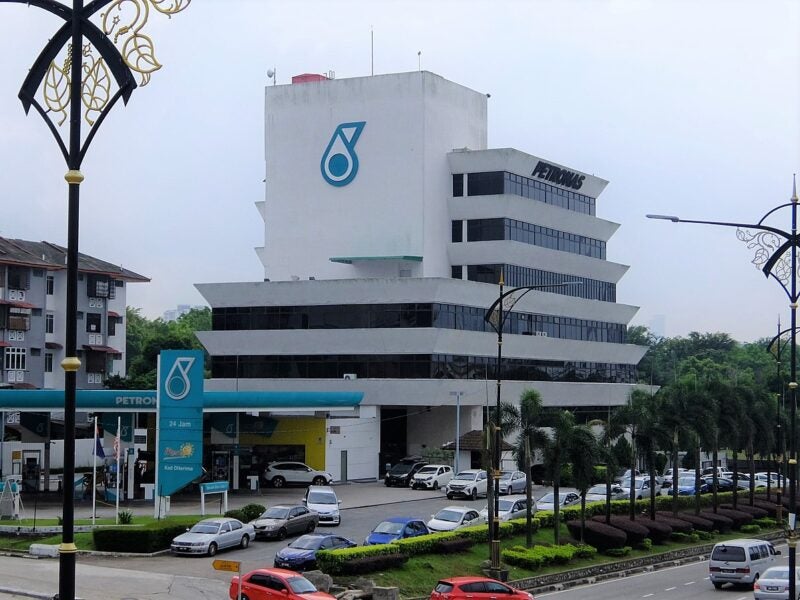
Petronas, the Malaysian oil and gas company, has achieved a significant milestone by securing an onshore concession license in Abu Dhabi. This development signals a noteworthy expansion for Petronas in the Middle East, positioning the company for increased engagement in the region’s burgeoning energy sector.

The agreement grants Petronas the right to explore, develop, and produce hydrocarbons in the concession area, an endeavor that aligns with the company’s strategic focus on enhancing its international upstream portfolio. The concession spans a 30-year term, during which Petronas aims to leverage its technological expertise and innovative solutions to optimize production while adhering to the highest environmental standards.

Abu Dhabi’s hydrocarbon-rich landscape has long attracted major oil players due to its substantial reserves and favorable investment climate. The emirate is keen on diversifying its economy and enhancing energy sustainability, and Petronas’s involvement is anticipated to contribute positively to these objectives. This concession license aligns with Abu Dhabi’s broader strategy to attract foreign investment while ensuring a sustainable energy future.

The licensing agreement underscores the UAE’s commitment to maintaining its status as a pivotal player in the global energy market. It also reflects Petronas’s strategic intention to capitalize on growth opportunities outside its home market, thereby enhancing its global footprint. The partnership with the Abu Dhabi National Oil Company (ADNOC) is expected to facilitate knowledge transfer and collaboration, fostering innovation within the energy sector.

ADNOC has actively sought international partners to strengthen its upstream capabilities, and Petronas’s involvement is seen as a testament to ADNOC’s strategy of forging alliances with leading global energy firms. The collaboration will focus on advanced technologies, including digitalization and artificial intelligence, to enhance exploration and production efficiencies.

Petronas has been expanding its international operations over the past few years, with significant investments in various countries, including Canada, Brazil, and Mozambique. The company aims to maintain a balanced portfolio while exploring opportunities in renewable energy, aligning with global shifts towards sustainable practices. The Abu Dhabi concession marks a continuation of Petronas’s efforts to adapt to evolving market dynamics and shifting energy demands.

Industry analysts view this agreement as a positive step for both Petronas and ADNOC, as it creates synergies that can drive value creation. The partnership is expected to leverage ADNOC’s extensive experience in the region along with Petronas’s technical capabilities, thereby enhancing operational efficiencies. With the global energy landscape undergoing significant transformations, this collaboration is poised to bolster the resilience and competitiveness of both entities.

The concession also comes at a time when oil prices are experiencing volatility, prompting many companies to reassess their strategies and investments. By securing this license, Petronas is positioning itself to navigate these fluctuations effectively. The company’s focus on innovation and sustainability is anticipated to enhance its adaptability to market challenges, ensuring its long-term growth prospects.

As the energy transition accelerates, the partnership between Petronas and ADNOC is likely to explore opportunities beyond traditional oil and gas. The companies may jointly investigate initiatives in carbon capture and storage, as well as investments in renewable energy projects. This strategic approach is essential for maintaining relevance in a rapidly changing energy landscape.

Both companies are well-positioned to contribute to Abu Dhabi’s goal of achieving net-zero emissions by 2050. The collaboration could lead to groundbreaking advancements in energy efficiency and sustainability practices, setting a benchmark for future partnerships in the region.

While the immediate focus is on hydrocarbon production, the strategic collaboration may pave the way for broader initiatives that align with global sustainability goals. This could include exploring alternative energy sources, enhancing energy efficiency measures, and investing in clean technologies that reduce carbon footprints.

The successful acquisition of the onshore concession license by Petronas not only highlights its commitment to expanding its operational footprint but also underscores the importance of collaboration in achieving energy sustainability. The agreement reflects a shared vision between ADNOC and Petronas to develop innovative solutions that meet the demands of an evolving energy landscape while prioritizing environmental stewardship.

As global energy markets continue to transform, Petronas’s expansion into Abu Dhabi marks a significant development in the region’s oil and gas sector. This venture is expected to enhance both companies’ operational efficiencies, drive technological innovation, and contribute to the sustainable development goals set forth by the UAE. The collaboration serves as a model for future partnerships, illustrating the potential of strategic alliances in navigating the complexities of the energy industry.

The Karl Lagerfeld brand is venturing into the luxury real estate market, announcing ambitious plans to expand its portfolio of branded residences both in the UAE and globally. This move marks a significant shift for the iconic fashion house, which has primarily been associated with haute couture, accessories, and lifestyle products. The expansion aligns with a broader trend in the luxury sector, where fashion brands are increasingly diversifying their offerings to include real estate as a means to enhance their brand presence and engage consumers in new ways.

The announcement comes as part of a collaboration between the Karl Lagerfeld brand and the luxury real estate developer, K. Group, headquartered in Dubai. The partnership aims to develop exclusive residential projects featuring the distinctive design and aesthetic synonymous with Lagerfeld’s legacy. The first of these projects is expected to launch within the next two years in one of Dubai’s upscale neighborhoods, further solidifying the city’s reputation as a global luxury hub.

This strategic expansion into branded residences capitalizes on the growing demand for luxury living spaces that offer personalized experiences, combining opulence with the allure of high fashion. Branded residences have become increasingly popular among affluent buyers seeking unique living experiences that reflect their lifestyle preferences. This trend is particularly pronounced in regions such as the Middle East, where luxury and exclusivity are paramount.

Lagerfeld’s iconic design sensibility, characterized by clean lines, bold colors, and a contemporary aesthetic, will play a central role in shaping the residential projects. Each residence is expected to showcase custom interiors inspired by Lagerfeld’s distinct style, ensuring that residents will experience a unique living environment that embodies the brand’s ethos. The integration of high-quality materials, innovative design features, and cutting-edge technology will further enhance the allure of these properties.

As the luxury real estate market continues to evolve, fashion houses like Karl Lagerfeld are leveraging their brand equity to tap into new revenue streams. This strategy not only enhances brand visibility but also creates a sense of community among residents who share an affinity for the brand. Moreover, the collaboration with K. Group will enable the Karl Lagerfeld brand to benefit from the developer’s extensive market knowledge and expertise in the real estate sector.

The global luxury real estate market is witnessing a surge in interest from high-net-worth individuals seeking investment opportunities that combine lifestyle with financial returns. According to industry analysts, the branded residences market is projected to grow significantly, driven by increasing demand for luxury properties in prime locations. The trend is particularly evident in cities like Dubai, where luxury developments have consistently attracted wealthy investors from around the world.

The partnership between Karl Lagerfeld and K. Group represents a broader trend among luxury brands diversifying their portfolios. Similar ventures have been seen with brands like Versace, Bulgari, and Armani, each establishing their own branded residences in various markets. These projects not only serve as a revenue stream but also deepen the emotional connection between consumers and the brand, fostering loyalty and enhancing the overall brand experience.

The move into branded residences also aligns with the growing consumer preference for experiential luxury, where buyers are increasingly looking for more than just a property. They seek a lifestyle that is intricately woven with the values and aesthetics of the brands they admire. By offering residences that reflect the essence of the Karl Lagerfeld brand, the company is poised to capitalize on this shift in consumer behavior, providing potential buyers with a unique living experience that transcends traditional luxury.

With the Karl Lagerfeld brand’s expansion into branded residences, the fashion house is set to redefine the luxury living experience. The move underscores the evolving landscape of the luxury market, where boundaries between fashion, lifestyle, and real estate continue to blur. As the brand prepares to unveil its first residential projects, anticipation is building among potential buyers eager to experience the unique fusion of high fashion and luxury living.

Google has announced a significant investment of $1 billion (36 billion Thai baht) into Thailand, marking a strategic move to enhance the country’s digital infrastructure. The tech giant will establish a new data center and further expand its cloud capabilities in Thailand, a region recognized as a growing hub for digital transformation. This investment, disclosed on Monday, positions Thailand as a pivotal location in Google’s broader Asia-Pacific strategy to harness the potential of artificial intelligence (AI) and cloud computing.

This expansion reflects Google’s growing interest in Southeast Asia’s digital economy, which has been steadily increasing in global significance. By building a data center in Thailand, Google aims to support the country’s rapidly evolving digital landscape, while also strengthening its cloud infrastructure across the Asia-Pacific region. The move is part of Google’s broader efforts to stay competitive in the AI and cloud computing markets, where it faces fierce competition from other tech players, including Microsoft and OpenAI.

Thailand’s digital economy has gained substantial momentum in the past decade, positioning the country as a key player in Southeast Asia’s tech scene. According to a 2023 report by Google, Temasek, and Bain & Company, Thailand’s digital economy ranks as the second-largest in Southeast Asia. It is projected to reach a valuation of $50 billion by 2025, underscoring the country’s rapid digitalization and growing importance in the regional tech landscape. Google’s investment aligns with these trends, helping to accelerate digital transformation in a market poised for further growth.

Google’s decision to invest heavily in Thailand is also influenced by the country’s growing digital consumption. With increased internet penetration and rising demand for cloud-based services, the Thai market presents a substantial opportunity for tech giants to expand their services. The new data center will support the growing needs of businesses and consumers in the region, providing enhanced connectivity, improved access to cloud computing services, and greater data storage capacities. This development is expected to spur innovation, particularly in sectors such as e-commerce, financial technology (fintech), and digital content creation.

Artificial intelligence is another key area where Google seeks to make significant strides with this investment. The data center in Thailand will not only serve as a cloud infrastructure hub but will also contribute to Google’s efforts to push AI applications and services into the Thai market. As AI becomes increasingly integrated into various industries, including healthcare, education, and finance, the infrastructure provided by Google’s new data center is anticipated to support a wide array of AI-driven innovations. The expansion will also facilitate the adoption of AI technologies by local businesses, enhancing their operational efficiencies and enabling them to compete on a global scale.

Thailand’s strategic geographical location within Southeast Asia makes it an ideal choice for Google’s investment. The country serves as a gateway to several other fast-growing markets in the region, offering access to both emerging and established economies. By enhancing its infrastructure in Thailand, Google is well-positioned to tap into broader regional opportunities, particularly as Southeast Asia continues to witness a surge in digital adoption and technological advancements.

Google’s investment is also expected to have a significant economic impact on Thailand. The construction of the data center will create numerous jobs, both directly and indirectly, across various sectors, including technology, construction, and services. Moreover, the expansion of Google’s cloud services in Thailand will benefit local businesses, enabling them to leverage advanced digital tools and platforms to drive growth and innovation. As a result, Thailand is likely to experience a boost in its digital economy, contributing to the overall economic development of the country.

This announcement comes at a time when major tech companies are increasingly focusing on artificial intelligence as the next frontier of technological advancement. As companies like Microsoft and OpenAI continue to advance their AI capabilities, Google’s investment in Thailand underscores its commitment to remaining competitive in this evolving landscape. The new data center will be a critical part of Google’s strategy to enhance its AI infrastructure and deliver cutting-edge AI solutions to customers in Southeast Asia and beyond.

Google’s AI ambitions in Thailand are not just about technology development; they also encompass AI education and skills development. The company has been working with local institutions to provide training in AI and cloud computing, aiming to build a workforce capable of supporting the country’s digital future. This initiative is expected to create a pipeline of skilled workers in Thailand, further positioning the country as a regional leader in AI and digital innovation.

This $1 billion investment also highlights the increasing importance of Southeast Asia as a focus for global tech giants. As the region’s digital economy continues to expand, companies are recognizing the need to invest in local infrastructure to meet the growing demand for digital services. Google’s data center in Thailand is part of a broader trend of tech companies establishing a stronger presence in Southeast Asia, seeking to capitalize on the region’s rapid digital growth.

Dubai has taken a significant step toward solidifying its position as a global leader in innovation and intellectual property (IP) management with the launch of the Dubai Intellectual Property Hub (DIPH). Developed in collaboration between the Dubai Future Foundation (DFF) and the UAE Ministry of Economy, the DIPH aims to provide a centralized platform for managing IP and intangible assets (IA) in the region. The initiative targets a wide range of stakeholders, including innovators, artists, entrepreneurs, researchers, academics, and startups, by offering streamlined support and resources.

The DIPH was unveiled at the “IP2024: Glimpse on the Future of IP” event, which attracted high-level officials, industry experts, and leading figures from the IP sector. The introduction of this hub underscores the UAE’s ambitions to position itself as a competitive hub for global intellectual property development and protection. The platform is designed to assist those working in knowledge-based industries, which are becoming increasingly crucial in today’s digital economy.

The Dubai Intellectual Property Hub is expected to fill a longstanding gap in the region’s innovation ecosystem by offering a one-stop solution for intellectual property needs. Through DIPH, innovators will have access to various resources that streamline the IP registration and management process, reducing the complexity that often hampers the commercialization of innovative ideas. By making it easier for creators to secure their intellectual property rights, Dubai is also encouraging the creation and growth of knowledge-based industries.

The launch of the DIPH comes at a critical time when global economies are placing more emphasis on knowledge and innovation. Intangible assets, such as patents, trademarks, copyrights, and trade secrets, are increasingly valuable, and their protection is crucial to driving growth and competitiveness in global markets. This new hub aims to address that demand by providing comprehensive support for the entire IP lifecycle, from idea generation and patent registration to commercialization and enforcement.

In remarks delivered during the launch event, officials highlighted the significance of the DIPH in fostering innovation not just in the UAE but across the broader Middle East and North Africa (MENA) region. The platform aims to establish Dubai as a center for IP-related activities, attracting talent and investment from across the globe. By empowering individuals and organizations to secure their intellectual property more efficiently, the UAE aims to create an environment that nurtures creativity and entrepreneurship.

The DIPH’s comprehensive services include assistance with patent filings, IP rights consultations, educational workshops, and resources on the commercialization of intangible assets. The hub also promises to facilitate networking opportunities between innovators, investors, and legal experts, thereby fostering collaborations that could lead to the development of cutting-edge technologies and creative endeavors.

The collaboration between the Dubai Future Foundation and the Ministry of Economy also reflects the UAE’s broader strategy of diversifying its economy away from traditional sectors like oil and gas. By promoting knowledge-based industries, the UAE is positioning itself as a global leader in sectors like artificial intelligence, biotechnology, and clean energy, where intellectual property plays a critical role. Officials at the launch underscored that the Dubai Intellectual Property Hub is aligned with the UAE’s long-term vision for innovation-driven economic growth.

The DIPH aims to be more than just a registry for patents and trademarks; it aspires to be a catalyst for innovation across multiple sectors. By providing a centralized resource for IP-related activities, the hub is set to attract innovators from around the world, providing them with the tools and support they need to succeed. This effort is in line with Dubai’s larger objective to become a leader in the global knowledge economy, fostering a fertile environment where new ideas and technologies can flourish.

The launch of the Dubai Intellectual Property Hub coincides with the UAE’s commitment to aligning its innovation goals with international standards. Officials noted that DIPH would ensure that the UAE remains compliant with international intellectual property laws and agreements, facilitating smoother collaboration with global partners and investors. This alignment is particularly crucial in today’s interconnected world, where cross-border collaborations are becoming more prevalent.

The introduction of DIPH has been met with widespread optimism from industry experts, who believe that the hub will help to overcome several challenges currently faced by innovators and businesses in the region. One of the primary obstacles to IP protection in many emerging markets is the lack of streamlined processes and resources for managing intellectual property rights. By addressing these gaps, the Dubai Intellectual Property Hub is expected to provide an essential service that will benefit both local and international innovators.

The DIPH is also designed to support the growth of startups in the UAE, which are often heavily reliant on their intellectual property for competitive advantage. Startups and small businesses frequently struggle to navigate the complex world of intellectual property law, and the DIPH aims to alleviate some of these burdens by offering tailored support to emerging companies. Through educational resources, legal consultations, and partnerships with venture capital firms, the hub will assist startups in securing their innovations and bringing them to market.

Ripple has achieved a significant milestone by receiving in-principle approval from the Dubai Financial Services Authority (DFSA) to enhance its operations from the Dubai International Financial Centre (DIFC). This approval marks Ripple as the first blockchain-enabled payment services provider licensed by the DFSA, enabling the company to offer its suite of digital asset infrastructure and services in the United Arab Emirates (UAE). With this regulatory endorsement, Ripple […]

Concerns are mounting for French equities as speculation intensifies regarding potential tax increases aimed at blue-chip companies. Analysts from Barclays Plc have raised alarms, suggesting that these proposed hikes may exacerbate the already sluggish performance of the French stock market. This forecast comes as the French government grapples with a growing budget deficit, prompting considerations for fiscal measures that could have far-reaching implications for corporate profitability and […]

An extraordinary surge in Bitcoin derivatives trading has caught the attention of the market, with nearly $1 billion in open interest tied to options betting on the cryptocurrency reaching the $100,000 mark. This comes as Bitcoin options on the Deribit exchange show an unprecedented interest at this price point, signaling that some investors are anticipating a bullish run. Despite the market volatility, the $100,000 strike price stands […]

Advertisements

Creditors of FTX Dotcom have overwhelmingly backed a reorganization plan aimed at resolving one of the largest financial collapses in cryptocurrency history. Over 94% of the affected creditors voted in favor of the proposal, marking a significant step towards restructuring the beleaguered cryptocurrency exchange. This plan was submitted by FTX’s debtors following months of legal battles and negotiations, reflecting a major attempt to repay debts owed to […]

HANOI, VIETNAM – Media OutReach Newswire – 1 October 2024 – On 27th September, Vietnam Prosperity Joint Stock Commercial Bank (VPBank) and LOTTE C&F Vietnam Co., Ltd held a ceremony for signing MOU. This is an important milestone, opening up a new prospect to help both parties optimize theirs resources, promoting sustainable growth; simutaneously bringing flexible, economical and effective consuming finance solutions to LOTTE customers. Representatives of […]

BlackRock’s Ethereum Exchange-Traded Fund (ETF) has faced challenges in attracting capital compared to its Bitcoin counterpart, raising questions about investor sentiment towards the two leading cryptocurrencies. Over the span of seven weeks since its launch, the Ethereum ETF has amassed approximately $1 billion in assets under management (AUM), a significant contrast to the staggering $24 billion accumulated by the Bitcoin ETF during the same period. This disparity […]

Adnoc Drilling has initiated a significant campaign targeting unconventional oil and gas resources, with an investment exceeding $1.7 billion. This move underscores the company’s commitment to expanding its operational capabilities and enhancing its production capacity amid the growing global demand for energy. The unconventional campaign aims to unlock resources that require advanced extraction technologies, reflecting a strategic shift toward maximizing the potential of the region’s energy landscape. […]

Verizon Communications has agreed to sell over 6,300 wireless towers to Vertical Bridge, a major U.S. infrastructure provider, in a landmark deal valued at $3.3 billion. The transaction, which was officially confirmed this week, marks a significant move in Verizon’s strategy to focus on 5G expansion, while also offering a substantial opportunity for Vertical Bridge to enhance its nationwide portfolio. Under the terms of the agreement, Vertical […]

Masdar, a prominent clean energy company based in Abu Dhabi, has intensified its commitment to renewable energy in the United States by acquiring a 50% stake in Terra-Gen, a leading independent power producer (IPP). This strategic investment, valued at approximately $1 billion, aligns with Masdar’s broader objective to scale its operations in the North American renewable energy market and supports the global transition towards sustainable energy. The […]

Qatar Airways has entered into an agreement to acquire a 25% stake in Virgin Australia, significantly enhancing its presence in the Australian aviation market. This strategic move comes as part of Qatar Airways’ broader efforts to expand its global footprint and capitalize on the increasing demand for air travel in the region. The deal is set to position both airlines for greater collaboration in terms of operational […]

Sovereign wealth funds in the Gulf Cooperation Council (GCC) countries have made significant investments, deploying $55 billion in various sectors during the first three quarters of 2024. This surge in investment underscores the GCC’s continued commitment to diversify its economies and reduce reliance on oil revenues. These funds are channeling capital into technology, healthcare, renewable energy, and infrastructure, among other sectors, aiming to foster long-term growth and […]

Saudi Arabia’s Bawan Company has experienced a delay in its acquisition of UAE-based Petronash, a manufacturer specializing in oil and gas equipment. Initially announced as a strategic move to enhance Bawan’s operational capabilities and market presence, the transaction has encountered unforeseen challenges that have raised concerns among industry analysts and stakeholders. Bawan, known for its diverse portfolio in the manufacturing sector, aimed to leverage Petronash’s expertise and […]

The United States government has enacted a new regulatory framework aimed at enhancing the export of artificial intelligence (AI) chips, particularly to nations in the Middle East. This development arrives amid increasing global demand for AI technologies and reflects a broader strategic intent to foster technological cooperation with regional allies. The updated policies are expected to significantly impact the semiconductor industry, as key players adapt to the […]

Abu Dhabi National Oil Company (Adnoc) has successfully concluded a significant acquisition, purchasing Covestro, the prominent German chemicals manufacturer, for an estimated €12 billion. This landmark deal marks a critical strategic move for Adnoc, bolstering its position in the global chemicals market while also enhancing its diversification efforts beyond oil and gas.

Adnoc’s acquisition of Covestro is seen as a vital component of its long-term strategy to expand its portfolio into high-value chemicals, driven by the increasing demand for sustainable and innovative products. The deal not only aligns with the UAE’s broader economic diversification goals but also underscores Adnoc’s commitment to investing in advanced technologies and sustainable practices within the chemical sector.

Covestro, recognized for its production of polycarbonate and other high-performance materials, has a robust market presence across various industries, including automotive, electronics, and construction. The acquisition is anticipated to provide Adnoc with enhanced access to advanced materials and innovative chemical solutions, positioning the company to meet the evolving demands of global markets. Furthermore, it is expected to facilitate significant synergies and operational efficiencies, capitalizing on Adnoc’s existing capabilities and Covestro’s innovative technologies.

Analysts have noted that the deal reflects a broader trend among oil and gas companies seeking to pivot towards chemical production as a means of revenue diversification. This shift is driven by the global transition to a low-carbon economy, prompting traditional energy firms to explore opportunities in more sustainable sectors. By investing in Covestro, Adnoc is not only expanding its product offerings but is also positioning itself to lead in the production of environmentally friendly materials.

The transaction is poised to enhance Covestro’s growth trajectory, allowing it to leverage Adnoc’s extensive resources and market expertise. It is expected to strengthen Covestro’s operational framework, particularly in research and development, facilitating the innovation of new products tailored to meet the needs of a changing marketplace.

Industry experts have expressed optimism regarding the deal’s potential impact on the chemical sector in the Middle East. Adnoc’s acquisition of Covestro is likely to attract further investments into the region, stimulating growth and encouraging collaboration between traditional energy companies and chemical manufacturers. The integration of Covestro’s advanced technologies with Adnoc’s operational excellence could lead to groundbreaking developments in sustainable chemical production.

The acquisition process has garnered attention not only for its financial magnitude but also for its implications on the geopolitical landscape of the energy sector. As companies like Adnoc expand their chemical production capabilities, it signifies a shift in focus from crude oil dependence towards the production of value-added products. This strategic pivot aligns with the UAE’s ambitions to emerge as a leader in sustainable development and innovation.

Following the announcement of the deal, both companies have reiterated their commitment to maintaining high operational standards and ensuring that the transition is seamless for employees and stakeholders. Adnoc has pledged to uphold Covestro’s legacy of innovation and sustainability, ensuring that the integration aligns with its own values and objectives.

Market reactions to the acquisition have been largely positive, reflecting investor confidence in Adnoc’s strategic direction. The company’s decision to invest heavily in chemicals has been viewed as a proactive approach to securing its future in an industry facing significant transformation. Analysts anticipate that this acquisition will not only enhance Adnoc’s profitability but also solidify its reputation as a forward-thinking leader in the energy sector.

The deal also highlights the growing significance of partnerships in the global chemical market. By acquiring Covestro, Adnoc is tapping into a wealth of expertise and established market relationships that could further its reach into new markets. This collaborative approach is indicative of the evolving dynamics within the chemical industry, where innovation and sustainability are becoming paramount.

As the global demand for sustainable materials continues to rise, Adnoc’s investment in Covestro positions it strategically to capitalize on this trend. The transition towards environmentally friendly alternatives is reshaping the chemical landscape, and companies that adapt to these changes are likely to thrive in the coming years.

Qatar Airways has solidified its global presence by purchasing a 25% stake in Virgin Australia, marking a significant move in its bid to expand its footprint in the Asia-Pacific region. The Gulf-based carrier’s acquisition was announced on Tuesday, following an agreement with Bain Capital, the U.S. private equity firm that owns the majority stake in the Australian airline. This investment signals Qatar Airways’ strategic ambitions to leverage the Australian market while bolstering Virgin Australia’s competitive edge in the aviation industry.

The acquisition comes as Virgin Australia seeks to recover from its challenging financial history. Having previously entered voluntary administration during the pandemic, Virgin Australia was restructured under Bain Capital’s ownership, focusing on a leaner business model. The airline is now positioning itself for growth, and Qatar Airways’ investment is expected to inject fresh capital into its operations, aiding in recovery and expansion efforts.

Qatar Airways, which is known for its vast global network and premium service, views this partnership as an opportunity to enhance its services to and from Australia. The Gulf airline has long sought greater access to the Australian market, one of the most competitive and lucrative aviation sectors in the world. By securing a stake in Virgin Australia, Qatar Airways gains an ally in navigating the regulatory and operational complexities of expanding services to Australian cities, including Sydney, Melbourne, and Brisbane.

While Virgin Australia’s domestic market share is strong, the airline has faced stiff competition from rival Qantas. The Australian aviation market, dominated by Qantas domestically and internationally, offers limited space for competing carriers. Virgin Australia has typically targeted the budget-conscious traveler, but the tie-up with Qatar Airways suggests that it may look to differentiate itself with an upgraded premium offering. Qatar Airways is known for its luxury service standards, and its involvement could lead to a redefined experience for Virgin Australia’s passengers.

This move is not Qatar Airways’ first attempt to break into the Australian market. The airline has been active in lobbying for more flight routes to Australia, seeking to operate more than the currently approved services under Australia’s strict bilateral air service agreements. Australian regulators have maintained a cautious approach in granting additional air traffic rights, particularly given Qantas’ dominant position. However, with this partnership, Qatar Airways may now benefit from Virgin Australia’s existing infrastructure, potentially allowing it to expand its reach without the need for extensive regulatory approvals.

Industry experts suggest that Qatar Airways’ investment aligns with a broader trend in the aviation sector, where carriers are seeking partnerships to weather market volatility. The global airline industry has undergone significant shifts due to the pandemic, with many companies looking for strategic alliances to survive and thrive in the post-pandemic world. Virgin Australia’s restructuring and focus on core markets make it an attractive partner for Qatar Airways, which is always looking to diversify its revenue streams and increase its influence in key markets.

As part of the acquisition agreement, Virgin Australia will retain operational independence, continuing to manage its fleet, staff, and branding. Bain Capital will also retain a majority stake, with its representatives remaining actively involved in the airline’s governance. Qatar Airways’ role is expected to be that of a strategic partner, offering financial support, technical expertise, and perhaps most importantly, access to its extensive network of international destinations.

Analysts believe that Qatar Airways’ involvement could also open up more long-haul routes from Australia to the Middle East, Europe, and beyond. Virgin Australia’s limited long-haul capacity has been one of its weaknesses, particularly compared to Qantas, which dominates the international space with its extensive network. Qatar Airways, with its globally recognized hub in Doha, can offer Virgin Australia passengers access to a wide range of destinations, providing new travel opportunities for both leisure and business travelers.

The timing of the deal is significant, as the global aviation industry is recovering from the pandemic’s devastating effects. Passenger demand is rebounding, but airlines face new challenges, including rising fuel costs and the need for more sustainable practices. Qatar Airways has been at the forefront of adopting fuel-efficient aircraft and promoting greener operations, and its partnership with Virgin Australia could bring similar advancements to the Australian carrier.

While this acquisition has drawn attention from industry watchers, it also highlights the growing trend of consolidation and partnership within the airline industry. As carriers face increasing competition and mounting operational costs, collaborations like this one are seen as vital for survival and growth. For Qatar Airways, the stake in Virgin Australia is more than just a financial investment – it is a strategic step towards expanding its reach in one of the world’s most competitive aviation markets.

The announcement has also prompted speculation about how this partnership could impact Virgin Australia’s relationship with other global alliances. Virgin Australia has historically partnered with several international carriers, including Delta Air Lines and Singapore Airlines, to provide international connectivity. Qatar Airways is a member of the oneworld alliance, which raises questions about whether Virgin Australia will eventually move towards joining a global airline alliance, potentially enhancing its ability to compete on the world stage.

Canon’s annual thought leadership platform returns with expert dialogue and tech innovation such as AI to help businesses better navigate global uncertainty SINGAPORE – Media OutReach Newswire – 1 October 2024 – Canon today announced the much-anticipated return of its annual ‘Think Big’ Leadership Business Series in Singapore, happening at Parkroyal Collection Marina Bay on 29 and 30 October 2024. This year’s theme, ‘The Year of Elections […]

RIYADH, SAUDI ARABIA – Media OutReach Newswire – 30 September 2024 – This past Saturday, the Annual Financial Services Forum in Riyadh successfully convened regulatory and industry leaders to discuss the future of the Saudi financial landscape. Hosted by j. awan & partners, the forum emphasized key strategies to enhance Saudi Arabia’s position as a global financial hub. In attendance at the forum were key figures such […]

As the Halloween horror budget approaches in the UK, scheduled for October 30, an ominous cloud looms over wealthy Britons, prompting many to consider leaving the country. This migration trend began under the Conservative government, which pushed UK taxes to a staggering 70-year high. The situation has escalated dramatically, with reports indicating that last year alone saw 4,200 millionaires departing the UK. With Labour now in charge, […]

Tamnoon, a managed cloud security remediation firm, has secured $12 million in Series A funding to bolster its innovative approach to cloud threat management. This new injection of capital is aimed at enhancing the company’s product roadmap and expanding its partnerships across the industry. Leading the round is Bright Pixel Capital, with participation from investors like Blu Ventures, Merlin Ventures, and others.

Tenth anniversary of the KPMG CEO Outlook shows that despite CEO confidence in the growth prospects of the economy declining since 2015, 72 percent of CEOs remain confident. Ninety-two percent of CEOs are looking to increase the overall headcount of their workforce – the highest since 2020. AI remains the top investment priority for most CEOs (64 percent), with a significant majority (76 percent) believing that it […]

VISHNU RAJA
RYO YAMADA
HITORI GOTOH
IKUYO KITA