News related to
Code

Pi Network’s native token, PI, plunged to a low of approximately $0.40 following a sudden unlock and broader market sell‑off, but recent developments indicate a tentative rebound that may reshape its trajectory.

The token had tumbled roughly 35% over a short timeframe, bottoming out at $0.40 before rebounding near $0.60—marking a swift 40% recovery since June 13. Technical indicators show that PI found support at a critical $0.39 level, considered a “value area low,” which triggered aggressive buying and a solid recovery candle.

Market analysts attribute the initial crash to a dual catalyst: the unlocking of some 280 million tokens on 11 June and escalating geopolitical tensions affecting global cryptomarkets. The influx of new supply triggered panic selling, exacerbated by macro‑market uncertainty—echoing patterns seen in earlier altcoin sell‑offs amid the Israel‑Iran tensions.

Further pressure stemmed from technical sell signals. PI dipped beneath its value area low but recovered swiftly—reflecting a classic false breakdown scenario that often precedes rebounds in trader psychology. Analysts highlight the critical resistance zone between $0.65 and $0.80: clearing $0.65 could pave the way for a push to $0.80, but failure to hold above $0.61 risks another drop toward $0.57–$0.60.

Broader technical sentiment remains mixed. On one hand, bullish patterns suggest floor levels have been re‑established; on the other, indicators like MACD remain bearish with death crosses and moving averages still overhead—signalling ongoing downward bias unless momentum shifts. The Relative Strength Index hovering below neutral levels hints at entrenched selling pressure.

Longer‑term forecasts for PI vary widely. Some platforms model a gradual climb toward $2–5 by 2027–2028, potentially reaching $10 only in the 2030s, contingent on substantial ecosystem growth—particularly from apps, PiAds, verified users, and major exchange listings. For example, CoinCodex’s algorithm estimates a $10 target as far off as November 2045.

Real‑world applications and mainstream exchange listings are viewed as pivotal. A Binance listing, for instance, could trigger a rally toward $8–$10, but such speculation remains unverified. Conversely, persistent unlock schedules and wallet‑to‑exchange flows continue to weigh on sentiment.

Tokenomics pose another challenge. With a potential maximum supply reaching dozens of billions, PI requires sustained demand—via decentralised apps, micropayments, or adverts—to absorb incoming supply and sustain valuations.

Despite turbulence, the Pi ecosystem is forging ahead. The launch of a $100 million Pi Network Ventures fund aims to support startups across AI, gaming, fintech, and e‑commerce. Meanwhile, the core network continues onboarding users, though some report frustration over KYC bottlenecks, wallet migration issues, and delays in accessing the mainnet.

The community appears split. On‑chain revelations show leverage derivatives listings on platforms like Kraken Pro—a possible sign of institutional curiosity—while sentiment indicators reflect rising caution.

Short‑term outlook hinges on whether PI can maintain support above $0.61 and break through the $0.65 resistance. If momentum continues from the rebound, the token could extend toward $0.80 and potentially $1. Conversely, a failure to hold onto current gains might push it back toward the low‑$0.50s.

Though the narrative of PI reaching $10 persists—driven by long‑term believers—most analysts agree such futures rely on meaningful network adoption, ecosystem maturity, and clear-cut exchange integrations. For now, the market is focused on stabilising around the $0.60–$0.80 band and resolving token unlock uncertainties to foster a credible case for sustained growth.

Turkish Airlines and TAP Air Portugal have deepened their codeshare collaboration, extending shared services to a host of new international destinations. Under the broadened agreement unveiled at the IATA Annual General Meeting on 4 June, travellers can now book seamless flights on routes to Brazil, Morocco, Qatar and Mauritius, while Turkish domestic holiday hotspots Dalaman and Bodrum are also integrated into the expanded arrangement.

Bilal Ekşi, chief executive of Turkish Airlines, explained that the enhanced alliance “offers greater flexibility and a wider range of travel options” and aims to bolster tourist and business connectivity between Türkiye and Portugal. TAP Air Portugal CEO Luís Rodrigues underscored that strategic partnerships are essential for extending the airline’s reach eastwards, remarking that the arrangement “provides our global passengers and our Portuguese community with increased options to visit new and exciting places using our Turkish Airlines partner”.

Both carriers are members of the Star Alliance network, which encompasses more than 1,160 airports in over 190 countries. Turkish Airlines, holding a Guinness World Record since December 2024 for servicing the largest number of countries, flies to 340 destinations across 129 countries, while TAP Air Portugal ranks as Europe’s safest airline and leads European service to Brazil.

The update enhances booking convenience and connectivity for passengers. With the codeshare, flyers can book single-ticket itineraries that combine flights operated by each carrier, gain through-check of baggage, and accrue loyalty benefits across both their Miles&Smiles and TAP Miles&Go programmes. The inclusion of Brazil responds to TAP’s strong presence in South America, where the airline operates over 1,250 weekly flights to 14 cities.

Beyond South America, the new route options into North Africa, the Middle East, and the Indian Ocean signify a strategic push to diversify leisure and business travel offerings. Dalaman and Bodrum, already popular among European tourists, have now become a seamless gateway for Portuguese travellers to experience Turkish coastlines within the shared network.

Theresa Walsh, aviation analyst at AeroInsight Strategies, noted that although codeshare agreements are common, this specific expansion stands out due to its geographical reach: “Covering holiday-centric jets like Dalaman and bridging long-haul markets from Lisbon to São Paulo or Doha offers a genuinely integrated experience.” She projected that ticket sales could rise by up to 8–10% on the newly covered routes over the next year.

Industry experts highlight that the move may also serve as a template for TAP as it navigates its planned partial privatisation. Portugal’s government is preparing to offload its 51% stake in TAP, with a 49% stake open to bids from Air France‑KLM, Lufthansa or IAG. Strengthening international partnerships may enhance TAP’s value proposition to prospective investors by showcasing expanded network synergy.

Passenger advocacy groups have raised the question of whether such agreements might introduce pricing complexity, as combining two carriers can involve disparate fare rules. Both airlines have reassured the public that prices will remain transparent, with unified booking and support frameworks across shared routes.

Operationally, the partners will synchronise schedules, optimise cabin connections, and co‑ordinate service protocols. TAP’s fleet of Airbus NEO aircraft, lauded for fuel efficiency, will fly in conjunction with Turkish Airlines’ diverse mix of modern jets.

Premier travel agents in Lisbon and Istanbul report immediate upticks in enquiries. João Ribeiro, a senior agent at Lusitano Travel, commented: “Our clients value simplicity. Booking Lisbon–Bodrum via Istanbul on one ticket, with aligned timings and baggage allowances, is exactly the evolution they want.”

The alliance extension comes as both airlines seek to rebalance portfolios in response to shifting tourism trends and evolving geopolitics. Airlines across Europe are recalibrating their route maps to lean on partnership networks, minimising standalone risk. The expanded Turkish‑TAP codeshare is among the most notable examples of this trend in 2025.

By K Raveendran Israel’s strike against Iran has reignited a familiar tension in global energy markets, sending oil prices climbing into the mid-$70 per barrel range. The impact is not just visible in the numbers, but in the broader nervousness sweeping across energy trading floors and geopolitical circles alike. At the heart of this movement […]

Runner H, Surfer H and Tester H, three autonomous AI agents developed by Paris-based H Company, make web-native task automation available across consumer and enterprise settings. The framework integrates advanced vision–language models that perceive browser interfaces and predict actions like clicking buttons or filling text fields, executing them via a headless browser. Runner H acts as the orchestrator. It receives natural‑language instructions, composes workflows using specialised sub‑agents and interacts with platforms […]

The Ethereum Foundation has pledged a significant $500,000 to support the legal defence of Roman Storm, co-founder of Tornado Cash, a cryptocurrency privacy mixer under legal scrutiny. The funds are designated for Storm’s upcoming trial in the United States, where he faces charges related to facilitating money laundering.

EF maintains that Storm’s actions—creating computer code to enable financial privacy—should not be criminalised. According to their position, penalising code that protects user privacy sets a dangerous legal precedent, potentially criminalising open-source software development.

Complementing its own contribution, the Eastern blockchain non‑profit has also committed to matching up to $750,000 in community donations. This initiative highlights a growing trend among privacy advocates and open‑source groups rallying behind the principle that privacy-preserving tools like Tornado Cash are legitimate forms of expression.

Storm was sanctioned by the US Office of Foreign Assets Control in 2022 following accusations of facilitating transactions for illicit actors. Prosecutors allege that he developed and operated the protocol despite knowing it could be used for crime. EF’s funding underscores a global debate over the legality of cryptographic tools and the boundary between code development and criminal liability.

Legal scholars warn that punishing software developers for downstream misuse of their code risks criminalising a broad array of programmers. EF counsel Mark Richardson stated that the Foundation views the case as emblematic: “Drawing a line at coding privacy tools criminalises essential computer science.”

Meanwhile, Storm’s defence team asserts he has complied with all legal sanctions since 2022 and is legally entitled to defend himself. His lawyers argue that code is not money, and that the US charges threaten basic digital rights globally.

The donation has triggered mixed reactions across the crypto ecosystem. Privacy-focused developers and activists have welcomed the move, viewing it as a bulwark against overreach. Others caution that aligning with a figure sanctioned for money-laundering may tarnish the reputations of supportive institutions.

Industry analysis shows similar defence funds are emerging. After Tornado Cash co-founder Alexey Pertsev was indicted in 2023, a contingent of blockchain attorneys and developers established a legal support fund that raised over $1 million. That effort helped secure pro bono counsel and led to a plea deal later that year, avoiding jail time.

This pattern reflects an emerging ecosystem of legal defence organisations in crypto. Legal incubators like the Blockchain Advocacy Group are also gaining prominence. Their efforts underscore how the infrastructure behind open‑source development is evolving—from purely technical endeavours to encompassing legal and policy support.

Globally, courts are increasingly confronting the tension between code as speech and legal responsibility for misuse. In the US, landmark cases such as Bernstein v. US DOJ recognised source code as protected expression under the First Amendment. However, the legal landscape remains uncertain as more privacy tools face legal action.

Ethereum’s own legacy in decentralisation and censorship-resistance makes this move philosophically consistent. Other projects, including Monero and Zcash, have similarly supported neutral stances on privacy technologies while discouraging illicit misuse. Some funders in the Ethereum ecosystem have previously financed legal defences for developers under regulatory pressure.

Legal experts caution that outcomes in Storm’s trial could have far-reaching implications. If the prosecution succeeds, it may embolden regulators to pursue software developers in other jurisdictions—potentially chilling innovation in cryptography and privacy tools.

EF’s donation also coincides with debates in Europe and the US over privacy regulation. In the EU, digital privacy laws are being reformed; shielding cryptographic tools may soon gain legislative clarity. In the US, government task forces are evaluating whether sanctions should extend to software developers whose code is used unlawfully.

Public reaction has been vocal. Twitter and Telegram forums dedicated to crypto privacy have confirmed that EF’s announcement prompted a surge in community donations. Some analysts estimate over $200,000 has been raised within just 24 hours of the announcement.

A blaze in the upper levels of the 67‑storey Marina Pinnacle tower in Dubai Marina was extinguished after nearly six hours of intense firefighting effort on Friday night, authorities confirmed, with no reported injuries.

Flames erupted at approximately 9:30 pm from one of the upper floors, prompting urgent deployment of Dubai Civil Defence teams. Thick smoke was seen billowing around the 60th floor, and emergency crews worked swiftly to evacuate 3,820 residents from 764 apartments. Multiple agencies—including ambulances and mental health support units—remained on standby as containment operations got underway.

By 1:44 am, the Dubai Media Office reported that evacuation was complete and efforts to contain the fire were ongoing. By 2:21 am, the full evacuation was confirmed safe and injury-free. Civil Defence officials continued extinguishing hotspots until around 3:30 am, declaring the blaze under control roughly six hours after it began.

The 67‑storey Marina Pinnacle tower, also known as Tiger Tower, sits adjacent to The Torch, another residential high‑rise with its own history of fire incidents in 2015 and 2017. In this case, the presence of fire-resistant cladding and a coordinated emergency response were credited for preventing injuries and halting the spread of flames to neighbouring structures.

Residents who fled described chaotic scenes as they left their flats in pyjamas, some carrying pets, and congregated outside the tower in the late‑night heat. One resident recalled smelling pungent smoke on the 49th floor and racing down emergency staircases alongside neighbours.

Considering the recurring fire incidents in high-rise buildings across the emirate, safety standards have been under scrutiny. In 2018, amended Fire and Life Safety Code regulations mandated the use of NFPA‑285 fire safety tests on cladding systems. Despite regulatory tightening, buildings like Marina Pinnacle and The Torch, which had earlier vulnerabilities, retained updated materials and protocols.

Dubai Civil Defence said its upgraded equipment, including specialised aerial vehicles and rapid deployment teams, enabled quicker access to upper‑floor blazes. Officials pointed out that the absence of injuries reflected improvements since prior incidents.

Emergency units also cordoned off the surrounding area as a precaution, urging nearby residents and motorists to avoid the marina precinct until the scene was safe.

With the fire now suppressed, engineers and inspectors are beginning a thorough investigation into its cause, though authorities have yet to release detailed findings. Civil Defence will examine potential factors including electrical faults, balcony grill cooking, or cladding degradation.

Evacuees have been offered temporary accommodation and healthcare evaluations. Petra Morgan, one of the residents, described waiting in the street with other tenants and pets, noting the presence of mental‑health professionals among responders providing calming reassurance.

This incident again highlights the persistent risks of high‑rise living in dense urban environments such as Dubai Marina. While past fires have prompted stricter building regulations, ongoing vigilance is deemed vital. Experts have pointed out that fire-alarm systems, stairwell access, staff training, and rapid evacuation protocols remain crucial elements in minimising harm.

By Nitya Chakraborty On Thursday June 12, Indian diplomacy under the Prime Minister Narendra Modi reached its lowest ebb when India abstained in the United Nations General Assembly from a vote on a resolution demanding an immediate, unconditional and permanent ceasefire in Gaza. The 193 member UN general assembly passed the resolution overwhelmingly with 149 […]

Advertisements

Apple has unveiled a breakthrough open‑source framework, Containerization, during its WWDC 2025 keynote, enabling developers to create, run and manage Linux containers directly on macOS. The Container CLI, a companion command‑line tool, operates each container as a lightweight virtual machine, bypassing the need for third‑party platforms like Docker. This marks a strategic shift in Apple’s support for cross‑platform workflows, particularly for developers working on server‑side and cloud‑native […]

A surge in Adversary‑in‑the‑Middle phishing attacks exploiting Phishing‑as‑a‑Service frameworks has been recorded in 2025, allowing cybercriminals to systematically bypass multi‑factor authentication and harvest corporate credentials at industrial scale. Researchers from Sekoia and Barracuda warn that tools like Tycoon 2FA, EvilProxy and Sneaky 2FA are being rapidly refined, embedding advanced evasion techniques and automation that make detection increasingly challenging. AiTM phishing campaigns leverage reverse proxies that intercept login credentials and […]

By Nitya Chakraborty More than a month after the pause of India’s Operation Sindoor on May 10 at 5 PM, time has come to state it in candid terms that our Prime Minister’s doctrine of New Normal in respect of relations with Pakistan has failed to convince the major global powers. While strongly defending India […]
By Nitya Chakraborty The high level delegations of United States of America and China concluded their two day trade talks in London on Tuesday agreeing to take forward the course of negotiations for further promoting steady and healthy development of economic and trade ties between the two largest economies of the world. Both Chinese and […]

Dubai International Airport has introduced sharply reduced long‑stay parking rates across all terminals, aiming to ease travel costs and reduce traffic congestion as passenger volumes surge. From 10 to 30 June, motorists can park for three days at AED 100, a week at AED 200, or up to 14 days at AED 300—a significant reduction from regular tariffs. The move addresses growing demand at DXB, where the airport expects to […]

Apple has announced a standalone Games app, launching this autumn, to serve as an integrated gateway for gaming across iPhone, iPad and Mac. Displaying a curated selection of titles, social features and gameplay updates in one centralised spot, the app aims to elevate gaming engagement and streamline discovery across Apple’s ecosystem. The new Games app will host five main sections: Home, Arcade, Play Together, Library and Search. […]

OpenAI has reported a substantial increase in annual recurring revenue, rising to $10 billion as of June 2025—nearly double the $5.5 billion recorded in December 2024. This leap underscores the robust commercial appetite for its offerings, driven by consumer subscriptions, enterprise usage, and API sales. The fuel behind this surge is ChatGPT, which now boasts over 500 million weekly active users and around 3 million paying business and education customers. Its […]

U.S. law enforcement has seized approximately 145 darknet and clearnet domains, along with cryptocurrency holdings linked to BidenCash, a notorious carding marketplace that facilitated the distribution of stolen credit card data and personal information. Since its inception in March 2022, the platform served over 117,000 users and trafficked more than 15 million payment card records, reportedly generating at least $17 million in illicit revenue.

BidenCash gained traction by periodically publishing stolen data sets—for example, offering 3.3 million credit card records free of charge between October 2022 and February 2023—as a marketing tactic to lure new buyers. These leaks included full card numbers, expiry dates, CVV codes, account holder names, addresses, email IDs and phone numbers. Beyond carding, the platform also traded compromised credentials which could be used for unauthorised computer access.

By court order, U.S. authorities have seized cryptocurrency wallets used by BidenCash to collect illicit proceeds. On‑chain intelligence from Arkham Intelligence indicates that around $43,000 in USDT was transferred to wallets designated as “Seized Funds”, although the total seizure remains undisclosed.

Visitors to the seized domains are now automatically redirected to servers controlled by U.S. law enforcement and are greeted with official seizure banners bearing logos of the Department of Justice, FBI, U.S. Secret Service and involved international partners.

The dismantling of BidenCash resulted from a joint operation involving the U.S. Attorney’s Office for the Eastern District of Virginia, the Secret Service, the FBI and international partners including the Dutch National High Tech Crime Unit, the Shadowserver Foundation and Searchlight Cyber. While no arrests have been confirmed publicly, the takedown highlights expanded cooperation between U.S. and European agencies.

Cybersecurity analysts warn that some traces of BidenCash remain active. As of early June, researchers such as Vmprotect identified at least seven live domains tied to the marketplace, illustrating the inherent challenges in fully eradicating darknet infrastructure.

Experts highlight that even expired credit cards and outdated personal data can fuel phishing schemes, identity theft and account takeovers, underscoring the enduring risks for victims.

The crackdown on BidenCash forms part of a broader escalation by global law enforcement in their fight against cybercrime malign platforms. Recent operations have targeted malware-as-a-service networks, counter‑antivirus services and other darknet commerce sites. Yet analysts caution that such efforts often spark rapid migration of criminal activity to new domains and platforms.

Investigators are now focusing on tracing the individuals behind the BidenCash operation and pursuing further legal actions to freeze remaining assets. Analysts emphasise that the success of this takedown will depend on follow‑through investigations and the dismantling of successor networks.

By Nitya Chakraborty The interim Chief Adviser of Bangladesh Government Dr. Muhammad Yunus has finally announced the holding of national elections in the country in the first half of April next year defying the demand of the main opposition party BNP to hold it in December this year. The final dates will be notified by […]

Security teams globally face mounting pressure as artificial‑intelligence‑driven “hackbots” emerge as a new front in cyber warfare. These autonomous agents, powered by advanced large language models and automation frameworks, are increasingly capable of probing systems, identifying exploits, and in some instances, launching attacks with minimal human intervention. Experts warn that if left unchecked, hackbots could rapidly outpace traditional scanning tools and elevate the scale of cyber threats. […]

Etihad Airways and Ethiopian Airlines have launched a strategic codeshare partnership designed to broaden travel options and enhance connectivity across their global networks. This collaboration enables passengers to access a wider array of destinations with seamless transfer options, utilising the complementary routes of the two carriers. The agreement allows Etihad, based in Abu Dhabi, and Ethiopian Airlines, headquartered in Addis Ababa, to offer joint flight services where […]

Canonical will cease all Bazaar code hosting on its Launchpad platform in two stages, culminating on 1 September 2025. The legacy version control system, once the backbone of many Ubuntu-related projects, will see its web interface retired soon, followed by full removal of backend functionality. Users of Bazaar, including developers relying on Ubuntu Engineering, must migrate to Git or other supported systems ahead of the deadline to preserve continuity. […]

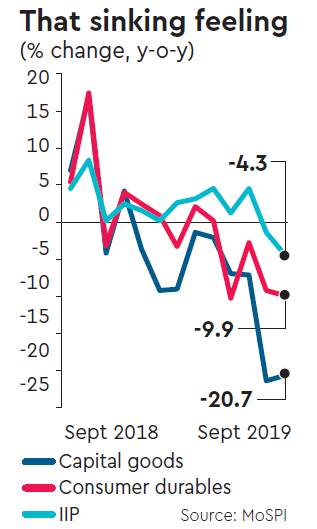
By Nantoo Banerjee India’s economic growth figures seem to be getting increasingly delinked with domestic manufacturing, industrial output, and job generation. The manufacturing sector had a very little contribution to the country’s 6.5 percent GDP growth during the last financial year, the slowest in four years. Despite a good monsoon last year, the country’s agriculture […]

Apparel Group has marked a significant milestone by launching Go Colors’ inaugural international store at Dubai’s Silicon Central Mall, signalling the brand’s entry into the global retail market. This expansion represents a strategic step for Go Colors, which has established a strong presence in India with its vibrant and affordable fashion offerings. The move aims to capitalise on Dubai’s status as a retail hub, known for its diverse, fashion-conscious clientele and high footfall of international shoppers.

Go Colors is part of the Apparel Group, a leading retail conglomerate that manages over 75 global brands across the Middle East, India, and beyond. The launch in Dubai is designed to leverage the city’s cosmopolitan market, introducing Go Colors’ distinct range of colourful apparel, accessories, and lifestyle products to a broader audience. The brand’s identity revolves around youthful, trendy designs and a commitment to affordable pricing, which has resonated well with the domestic market and is now poised to attract the diverse demographics of Dubai’s shoppers.

Dubai’s Silicon Central Mall, a recently developed retail complex situated in the heart of Dubai Silicon Oasis, was chosen for its strategic location and modern infrastructure. The mall is rapidly emerging as a key destination for technology and lifestyle retail, combining innovation with shopping experiences. This aligns with Go Colors’ dynamic brand ethos and the Apparel Group’s ambition to expand its footprint in premium retail locations. The new store covers approximately 2,000 square feet and features a wide array of products tailored to appeal to men, women, and children, maintaining the brand’s core focus on versatility and style.

The decision to launch Go Colors internationally reflects broader trends in the retail sector, where Indian-origin brands are increasingly seeking growth beyond domestic boundaries. This expansion is facilitated by Dubai’s robust economic framework, ease of doing business, and a strong retail infrastructure that attracts international brands looking to establish a presence in the Middle East. Industry experts note that the Middle East retail market continues to grow steadily, driven by a young population, rising disposable incomes, and a blend of traditional and contemporary shopping preferences.

Go Colors’ entry into the Dubai market comes amid intensifying competition among apparel brands vying for consumer attention in the region. The brand’s strategy focuses on differentiating itself through vibrant colour palettes, frequent new collections, and price accessibility. This approach is expected to attract not only the local UAE residents but also expatriates and tourists, who constitute a significant share of Dubai’s retail consumers. By emphasising a youthful and energetic brand image, Go Colors aims to fill a niche that balances trendy fashion with everyday affordability.

The Apparel Group’s leadership expressed confidence in the growth potential of the new store. The group’s CEO highlighted that the launch represents a blend of innovation, market understanding, and the ability to connect with diverse consumer groups. He underlined the importance of Dubai as a gateway for international expansion and pointed to the group’s extensive experience in managing multiple global brands as a key asset in navigating new markets. The leadership’s vision for Go Colors involves not only store expansion within the UAE but also potential future openings in other strategic locations worldwide.

Operationally, the new store employs a mix of local staff trained in customer engagement and product knowledge, ensuring a high standard of service that aligns with the brand’s values. The layout of the store is designed to offer a seamless shopping experience, combining colourful, eye-catching displays with intuitive product categorisation. This allows customers to easily navigate through seasonal collections, casual wear, and accessories. Additionally, the store integrates digital elements such as QR codes for product information and promotions, reflecting a growing trend towards blending physical and digital retail experiences.

Market analysts observe that the Apparel Group’s expansion strategy is well-timed, considering the growing appetite for fast fashion and lifestyle brands in the Middle East. The region’s retail sector is adapting rapidly to shifts in consumer behaviour, with increased demand for value-oriented yet stylish apparel. Go Colors’ proposition fits into this paradigm by offering fresh designs frequently, thus catering to consumers seeking variety without compromising affordability. This trend is underscored by data indicating increased spending on casual and lifestyle clothing across GCC countries, driven by younger demographics and evolving fashion sensibilities.

While the launch signals optimism, challenges remain for Go Colors as it enters a competitive and sophisticated market. Established international brands and regional players alike have entrenched customer bases, and consumer expectations for quality, trendiness, and service are high. Success will depend on how effectively Go Colors can localise its product offerings, adapt to cultural preferences, and sustain a compelling value proposition. The Apparel Group’s experience in the Middle East retail sector, including managing franchises and original brands, is expected to play a crucial role in mitigating these challenges.

The store opening is also part of a wider retail resurgence in Dubai, as the city continues to attract global investors and shoppers post-pandemic. Retail experts point to increased foot traffic in malls and rising consumer confidence as indicators of a robust recovery. Government initiatives promoting tourism, retail innovation, and business-friendly policies have contributed to this positive environment. For Go Colors, entering this market now could provide early mover advantages as consumer habits stabilise and purchasing power strengthens.

Governor Gavin Newsom has labelled the federal deployment of California National Guard troops to Los Angeles as unlawful and a breach of state sovereignty. He formally requested their withdrawal in a letter to the defence secretary, emphasising that law enforcement agencies on both the state and local level were equipped to manage the protests without military reinforcement. Approximately 2,000 National Guard members, federalised under Title 10 of the […]

The UAE Football Association has imposed substantial sanctions on Sharjah FC’s Khalid Al Dhanhani and Shabab Al Ahli’s Sultan Adil, levying fines of Dh500,000 each and domestic bans spanning five matches. Both clubs have expressed full support for the association’s decision and announced plans to initiate internal reviews into the conduct of the players involved.

The disciplinary measures follow an investigation into conduct deemed inappropriate during recent fixtures in the UAE Pro League. The Football Association’s decision signals a firm stance on maintaining discipline and sportsmanship standards in the country’s top-tier football competitions. Sharjah and Shabab Al Ahli, two of the UAE’s most prominent clubs, have publicly committed to cooperation with the governing body’s directives and have vowed to undertake rigorous internal probes aimed at preventing future breaches.

Officials from Sharjah FC described the imposed sanctions as “just and necessary,” underscoring the club’s zero-tolerance policy towards behaviour that undermines the integrity of the sport. Similarly, Shabab Al Ahli representatives reiterated their support for the Football Association’s rulings, stressing the importance of upholding the reputation of UAE football on domestic and regional stages.

The cases against Al Dhanhani and Adil reportedly involved incidents that breached the association’s code of conduct, though specific details about the nature of the violations have been withheld from public disclosure to protect all parties involved. Observers note that the magnitude of the fines and bans reflects the association’s increased commitment to enforcing discipline and deterring misconduct in a league that continues to grow in regional prominence.

This move aligns with broader efforts by the UAE Football Association to professionalise the sport locally and align with international standards of governance and fairness. The recent enforcement of hefty penalties on high-profile players sends a message to the football community that violations, irrespective of player status, will attract stringent consequences.

Inside the clubs, internal investigations are expected to scrutinise not only the incidents leading to the penalties but also the systemic factors that may have contributed to the lapses in conduct. Sharjah and Shabab Al Ahli’s initiatives aim to reinforce codes of behaviour, improve player education regarding sportsmanship, and implement monitoring mechanisms to prevent recurrence.

The UAE Pro League, which features many international talents alongside local stars, has seen increased scrutiny over player behaviour and match officiating standards in recent seasons. The Football Association’s disciplinary committee has stepped up its vigilance to safeguard the league’s competitive integrity and enhance its appeal to sponsors and fans alike.

Football experts within the region have welcomed the decisive action taken by the association, noting that maintaining discipline is crucial as UAE clubs seek to compete more effectively in continental competitions such as the AFC Champions League. The implementation of fair play principles is viewed as integral to sustaining the sport’s development and nurturing young talent under professional frameworks.

While the penalties levied are severe, they also serve as an opportunity for the players to reflect on their professional conduct and align with the expectations set by their clubs and governing bodies. Both Al Dhanhani and Adil remain key figures within their teams, and their return following suspension will likely come with an emphasis on exemplary behaviour.

The financial fines represent a significant deterrent, especially in a league where clubs are increasingly investing in player welfare and development. The sanctions highlight the balance sought between disciplinary action and the need to foster a positive competitive environment that encourages respect among players, coaches, and officials.

The Football Association’s handling of this matter has been consistent with international best practices, reflecting a growing maturity in sports governance within the UAE. Clubs across the league are anticipated to reinforce internal policies and promote awareness to ensure alignment with the standards enforced by the governing body.

The disciplinary episode involving Al Dhanhani and Adil has also drawn attention to the broader cultural and professional expectations within UAE football, emphasising accountability and ethical behaviour as non-negotiable elements of athlete performance. As clubs prepare for the next stages of the season, the message from the association and participating teams is clear: professionalism and discipline will be upheld at all costs.

Kali GPT demonstrates a new frontier in cybersecurity, embedding an AI‑powered assistant directly into Kali Linux to streamline penetration testing for professionals and learners. Leveraging GPT‑4 architecture, the tool generates payloads, explains complex tools such as Metasploit and Nmap, and recommends relevant exploits—all within the terminal. For expert practitioners, the assistant accelerates assessments; for novices, it serves as an interactive mentor by translating technical concepts into clear guidance . […]

VISHNU RAJA
RYO YAMADA
HITORI GOTOH
IKUYO KITA