Just in:
The “1st Greater Bay Area Health and Longevity Summit & Awards Ceremony” concludes successfully in Macao // OpenAI introduces GPT-6 Cyber with restricted security access // UK air traffic outage inflicted £33m financial losses // After Reaching 7 Million Users in the Philippines, Skyro Launches Transparent Cash Loans in Malaysia // Emaar approves Development buyout ahead of planned delisting // Miss Universe Hong Kong Jen Zhou Departs for Puerto Rico to Compete in the 75th Miss Universe World Final // Emirates Group records AED 4.1 billion half-year profit // Oil advances towards $100 as tanker attacks persist // Beyond the exhibition floor: How robots, AI and networks are moving into the real world // Trump’s Iran War Has A Share Of Contribution To His Midterm Debacle // Hong Kong mandates crypto transaction disclosures to tax authorities // OpenAI identifies 948 Linux privilege escalation flaws using AI // CR Longdation Aethereal Cybersecurity × Global Cybersecurity Alliance (GCSA) Join Hands to Establish the “AI and Cybersecurity Research Centre” // Cloudflare unveils Zero Wire vulnerability intelligence service // Oil and chip shares retreat after Democratic victories // APT29-linked campaign exploits outdated Apple and Android software // Geely’s i-HEV Intelligent Hybrid Technology Offers a New Direction for Gasoline-Powered Vehicles // e-Crime Bureau Signs Cybersecurity Partnership With Smart Africa, Reinforcing Its Global Expansion // TVM –Mangaluru Vande Bharat claims top spot // Geely’s i-HEV Intelligent Hybrid Technology Offers a New Direction Vision for Gasoline-Powered Vehicles //

News related to
Edge

PHNOM PENH, CAMBODIA – Media OutReach Newswire – 22 October 2024 – The Prince Horology Vocational Training Center, Cambodia’s premier horology institute, proudly announces the graduation of its second batch of students. The prestigious ceremony, held at the Prince Holding Group Headquarters, marked a significant milestone in the development of Cambodia’s watchmaking talent. These aspiring watchmakers, joined by their families, completed 3,400 hours of full-time, two-year training […]

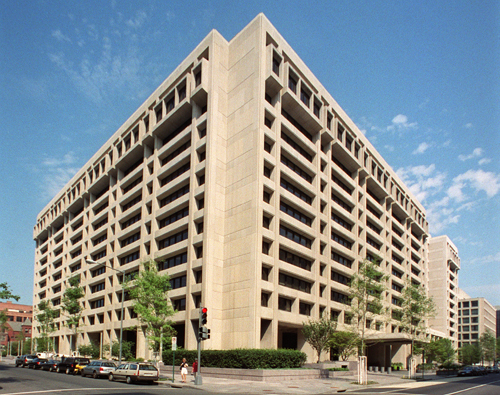
The International Monetary Fund has raised concerns that global markets are underestimating the potential economic impact of geopolitical tensions. Amid signs of improving economic stability, especially as global disinflation enters its final stages, the IMF has identified several medium-term risks that could significantly disrupt financial markets. According to its latest Global Financial Stability Report, while short-term global financial stability risks have receded, major vulnerabilities persist.

The IMF’s warning comes at a time when many market participants are hopeful about the prospects of a “soft landing” for the global economy, aided by disinflation and easing monetary policies. Emerging markets have shown resilience, and international debt issuance has picked up in some frontier economies. Despite these optimistic signs, there are concerns that the financial system remains fragile, especially in light of potential external shocks.

One of the key areas flagged by the IMF is the growing strain in the commercial real estate sector. Rising interest rates over the past year have exposed vulnerabilities within the sector, and further shocks could worsen these conditions. The IMF also points to signs of credit deterioration among corporations, which could intensify if adverse economic conditions continue.

The report highlights that geopolitical tensions remain a significant factor that global markets may be neglecting. Escalating geopolitical conflicts, such as the war in Ukraine and ongoing trade disputes between major economies, present long-term threats that could disrupt financial systems worldwide. These risks are further compounded by cyber threats, which the IMF notes have been on the rise. Although no major systemic disruptions have been caused by cyber incidents so far, the increasing probability of severe cyberattacks poses a looming threat to global macroeconomic stability.

In addition to geopolitical and cyber risks, the IMF underscores the vulnerability of the corporate credit market, which has expanded rapidly in recent years. This market, particularly in private credit, now rivals more traditional forms of lending, including commercial banking. While private credit markets have served as an important source of capital for mid-sized firms, they are also exposed to higher risks. A sudden downturn in economic conditions or a sharp increase in interest rates could leave many of these firms struggling to meet their debt obligations, creating ripple effects throughout the global financial system.

While the IMF acknowledges the progress made in global disinflation and the efforts of central banks to maintain stability, it is urging policymakers and financial institutions to remain vigilant. The report recommends that governments and central banks continue to assess and address medium-term risks while maintaining a focus on geopolitical and cyber threats that could lead to severe disruptions.

HANGZHOU, CHINA – Media OutReach Newswire – 22 October 2024 – BERLANDES, a pioneer in cellular regeneration and biotechnology, has announced the launch of its new product, the PCCIDINCT2™ Ovarian Capsules. This revolutionary product aims to support ovarian health and address common reproductive health issues among women, leveraging decades of research and development in biological sciences. Since the end of the last century, BERLANDES has been exploring […]

A report highlighting the latest trends in investment banking fees across the MENA region reveals HSBC’s dominant position in the market, outpacing competitors and securing a significant share of the financial landscape. The bank’s robust performance is attributed to its strategic initiatives and a diverse portfolio of services that cater to the region’s unique economic demands. HSBC’s strong earnings are underscored by its comprehensive approach to investment […]

MBC Group has divested 2.45 million shares of Al Arabia, amounting to a substantial $111 million deal, marking a significant shift in its investment strategy. The move follows a broader trend in the media industry, where conglomerates are re-evaluating their holdings amid changing market dynamics and financial pressures. Al Arabia, a major player in the Middle Eastern media landscape, has seen fluctuations in its stock performance in […]

The world’s largest Bitcoin conference has made its debut in Abu Dhabi, attracting thousands of attendees, including influential figures from the cryptocurrency industry, investors, and blockchain enthusiasts. This event marks a significant milestone for the Middle East, emphasizing the region’s growing importance in the global cryptocurrency landscape. The conference is poised to showcase cutting-edge technologies, regulatory frameworks, and investment opportunities, while highlighting the UAE’s ambition to position itself as a key player in the digital economy.

Held at the Abu Dhabi National Exhibition Centre, the conference has brought together more than 10,000 participants from across the globe. Notable speakers included prominent figures such as Anthony Pompliano, a well-known Bitcoin advocate and investor, and Elizabeth Stark, co-founder of Lightning Labs, who addressed the potential of Bitcoin to reshape financial systems. The agenda features discussions on various topics, including Bitcoin adoption, regulatory challenges, and the future of decentralized finance (DeFi).

Abu Dhabi’s embrace of this event reflects a broader trend within the UAE to foster a conducive environment for blockchain technology and cryptocurrencies. The UAE government has actively pursued initiatives to integrate blockchain solutions across various sectors, including finance, healthcare, and logistics. This commitment is evidenced by the establishment of regulatory bodies such as the Abu Dhabi Global Market (ADGM) and the Dubai Financial Services Authority (DFSA), which have implemented frameworks to regulate cryptocurrency exchanges and Initial Coin Offerings (ICOs).

The conference is seen as a strategic opportunity for the UAE to attract international investment in the cryptocurrency sector, which has grown exponentially in recent years. With the global cryptocurrency market capitalizing at over $1 trillion, the UAE aims to position itself as a regional hub for digital assets, competing with established markets like Singapore and Hong Kong. Industry experts argue that the UAE’s favorable regulatory environment and strategic geographical location make it an ideal destination for cryptocurrency businesses seeking to expand their operations.

Amid the growing interest in cryptocurrencies, discussions surrounding regulatory frameworks have been a focal point of the conference. Panel discussions have addressed the need for a balanced approach that encourages innovation while ensuring investor protection. The UAE’s proactive stance on regulation has garnered praise from industry leaders, who emphasize the importance of clear guidelines to foster trust in the cryptocurrency ecosystem.

Emerging trends within the cryptocurrency space have also been highlighted at the conference, including the rise of non-fungible tokens (NFTs) and decentralized finance. NFT marketplaces have gained significant traction, with many artists, musicians, and creators exploring these digital assets to monetize their work. The integration of NFTs into mainstream culture has prompted discussions about the future of digital ownership and intellectual property rights.

The concept of decentralized finance, which aims to replicate traditional financial services using blockchain technology, has gained momentum. DeFi platforms offer services such as lending, borrowing, and trading without the need for intermediaries, presenting a disruptive force in the financial industry. The conference has provided a platform for DeFi project leaders to share insights on the challenges and opportunities within this rapidly evolving space.

As the conference unfolds, attendees are optimistic about the future of cryptocurrencies in the Middle East. The engagement of local businesses, government officials, and global experts underscores the UAE’s commitment to fostering innovation in the financial sector. Networking opportunities abound, with many participants expressing excitement over potential collaborations and partnerships that could emerge from this gathering.

The successful hosting of this major Bitcoin conference is expected to catalyze further interest and investment in the UAE’s cryptocurrency market. As governments worldwide grapple with the implications of digital currencies, the UAE’s proactive approach positions it as a forward-thinking leader in the sector. The conference’s impact extends beyond mere discussions, as it showcases the region’s capabilities to host significant global events, potentially attracting future conferences focused on blockchain and financial technologies.

Dubai Holding Asset Management has officially rebranded its residential portfolio as part of a strategic initiative to strengthen its position in the real estate market. This transformation reflects a commitment to enhancing customer experience and aligns with Dubai’s vision for sustainable urban living. The new branding initiative not only updates the visual identity but also integrates a more customer-centric approach, emphasizing quality and innovation in residential offerings.

The rebranding comes amid significant growth in Dubai’s real estate sector, buoyed by a surge in demand for high-quality residential properties. According to industry reports, property transactions in Dubai reached record levels, with investments from both local and international buyers driving the market’s dynamism. The rebranding of Dubai Holding’s residential portfolio positions the company to capitalize on this upward trend, aiming to attract a wider audience.

Central to the rebranding effort is the introduction of a unified identity across all residential properties managed by Dubai Holding. This includes a refreshed logo, updated marketing materials, and a commitment to innovative design and sustainable practices. The company aims to create not just living spaces but vibrant communities that foster a sense of belonging and enhance the quality of life for residents.

One key focus of this initiative is sustainability. Dubai Holding has pledged to incorporate eco-friendly features and energy-efficient technologies in its residential developments. This commitment aligns with global trends toward sustainability in real estate and responds to the increasing demand from consumers for greener living options. The company has already begun implementing these practices in several ongoing projects, setting a benchmark for future developments.

The rebranding initiative highlights Dubai Holding’s strategic partnerships with renowned architects and designers, enhancing the aesthetic appeal and functionality of its residential offerings. By collaborating with industry leaders, the company aims to deliver high-quality living environments that meet the diverse needs of residents, from families to young professionals.

As part of this initiative, Dubai Holding has also introduced enhanced customer service features. These include improved digital platforms that allow potential buyers and current residents to access information about properties, amenities, and community events. By leveraging technology, Dubai Holding seeks to provide a seamless experience, making it easier for residents to engage with their community and access essential services.

Industry analysts have noted that Dubai Holding’s rebranding comes at a pivotal moment when the global real estate market is experiencing transformative changes. The demand for flexible living spaces that cater to remote work and community-oriented lifestyles is increasing. By adapting to these trends, Dubai Holding is not only reinforcing its market position but also addressing the evolving preferences of modern residents.

The rebranding initiative is expected to enhance Dubai Holding’s competitive edge in a crowded market. With several major players in the real estate sector, establishing a distinct identity and a strong brand reputation will be crucial for attracting investors and buyers. The company is confident that its renewed focus on quality, sustainability, and customer engagement will resonate well with its target audience.

The Dubai real estate market has shown resilience in the face of global economic challenges, with many experts predicting continued growth in the coming years. The introduction of new visa regulations and ongoing investment in infrastructure are factors contributing to this optimism. Dubai Holding’s rebranding aligns with these developments, positioning the company to leverage new opportunities as the market evolves.

In light of this strategic rebranding, Dubai Holding has also indicated plans for future developments that will further expand its residential portfolio. The company is exploring innovative concepts such as mixed-use developments that integrate residential, retail, and recreational spaces. This holistic approach is designed to create vibrant neighborhoods that foster community engagement and provide residents with a comprehensive living experience.

The launch of the rebranded residential portfolio has garnered positive feedback from stakeholders within the industry. Real estate experts believe that Dubai Holding’s commitment to quality and innovation will attract discerning buyers looking for premium living spaces in the heart of Dubai. Additionally, the emphasis on sustainability and community well-being aligns with broader global trends that prioritize responsible development.

As the rebranding unfolds, Dubai Holding will focus on marketing its properties through various channels, including digital platforms and targeted outreach campaigns. Engaging potential buyers through immersive experiences and showcasing the lifestyle benefits of living in its communities will be a cornerstone of the marketing strategy.

Advertisements

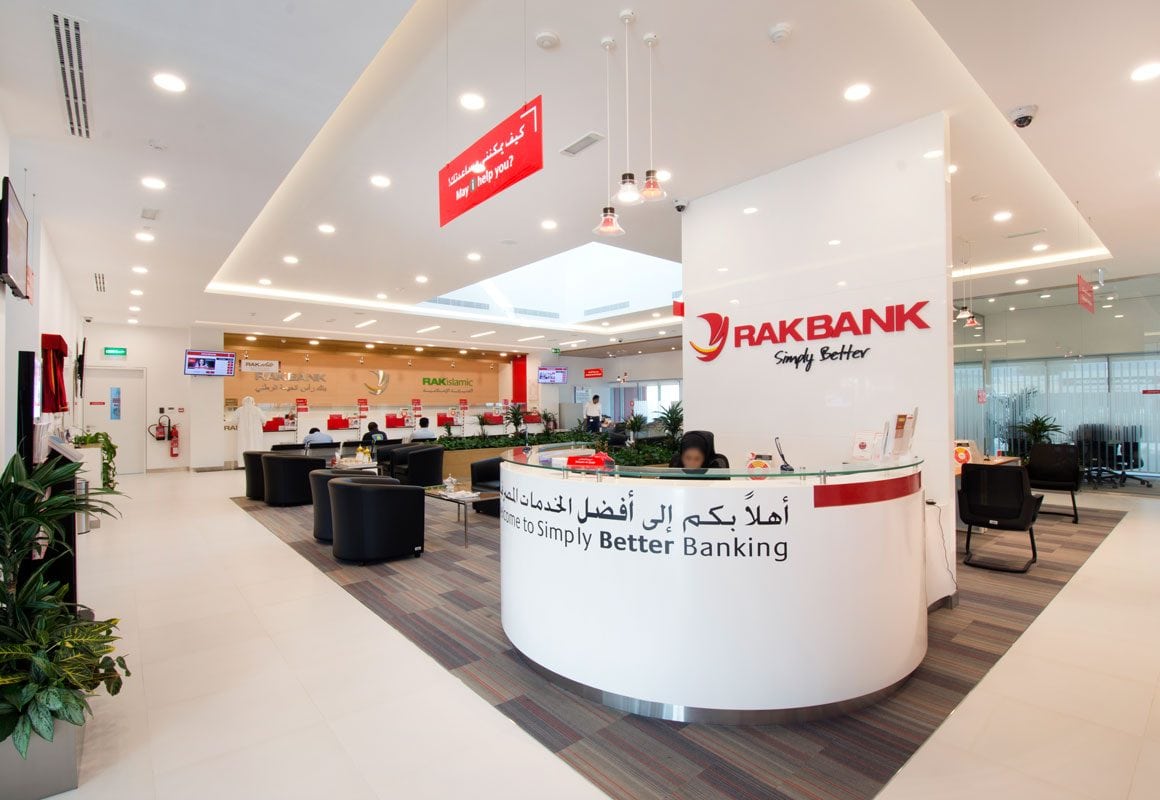
RAK Bank, officially known as the National Bank of Ras Al Khaimah, has announced robust financial results for the third quarter of 2024, highlighting significant growth in interest income alongside a reduction in provisions for loan losses. The bank’s net profit surged by 38% compared to the same quarter in the previous year, reflecting the bank’s effective strategies and the positive impact of the current economic landscape.

The increase in interest income has been attributed to the ongoing rise in interest rates, which has positively influenced the bank’s lending operations. This has resulted in a notable expansion of its net interest margin, a key indicator of a bank’s profitability. RAKBANK reported a net interest income of AED 563 million for the third quarter, marking a 30% increase from AED 433 million in the same period last year. The bank’s focus on optimizing its asset-liability management has allowed it to capitalize on the higher interest rates effectively.

The bank’s lending portfolio also showed resilience, with total loans and advances increasing by 12% to AED 32.4 billion. This growth is reflective of the bank’s strategic emphasis on retail banking and SME (small and medium-sized enterprises) lending, which have been prioritized as key growth areas. Retail loans accounted for a significant portion of the growth, as the bank introduced several attractive products tailored to meet customer needs.

RAKBANK has demonstrated a commendable effort in managing its operational costs, which have remained stable despite the increased lending activity. The cost-to-income ratio improved to 36.5%, down from 38.2% in the previous year, indicating enhanced operational efficiency. This metric is crucial for assessing how well a bank controls its costs relative to its income.

A noteworthy aspect of the quarterly results is the decline in provisions for credit losses, which decreased by 28% year-on-year to AED 96 million. This reduction is significant as it indicates a stabilizing economic environment and improved asset quality. The bank’s non-performing loan (NPL) ratio has also seen improvement, declining to 5.2% from 5.7% in the previous quarter, reflecting the bank’s effective risk management strategies.

RAKBANK’s leadership has expressed confidence in the bank’s strategic direction and financial health. The CEO emphasized the bank’s commitment to maintaining a strong balance sheet while focusing on sustainable growth initiatives. The management believes that by continuing to strengthen its core banking operations and expanding its service offerings, RAKBANK is well-positioned to navigate the current economic climate and capitalize on emerging opportunities.

Market analysts have responded positively to RAKBANK’s financial performance, noting that the bank’s robust results reflect not only its strong operational foundation but also its ability to adapt to changing economic conditions. Analysts project that RAKBANK will continue to benefit from the favorable interest rate environment and that its focus on retail and SME lending will drive further growth in the coming quarters.

The UAE’s overall economic environment remains supportive of banking sector growth, fueled by government initiatives aimed at diversifying the economy and fostering a more robust private sector. RAKBANK’s strategy to align its offerings with national objectives, such as promoting small businesses and innovation, positions it favorably in a competitive landscape.

RAKBANK has been actively investing in technology and digital transformation to enhance its customer service and streamline operations. Initiatives aimed at improving digital banking experiences have garnered positive feedback from customers, helping the bank to attract and retain clients in an increasingly digital-oriented market. The bank’s efforts to embrace fintech solutions are expected to further enhance its competitive edge and operational efficiency.

With these strong third-quarter results, RAKBANK has solidified its position as one of the leading banks in the UAE. The combination of increased interest income, reduced provisions, and efficient cost management underscores the bank’s commitment to delivering value to its shareholders while enhancing customer satisfaction. The management remains optimistic about future growth, emphasizing that continued focus on core banking and customer-centric strategies will be key to navigating the evolving financial landscape.

SYDNEY, AUSTRALIA – Media OutReach Newswire – 22 October 2024 – COSETTE, a leading retailer of luxury handbags and accessories, is pleased to announce the conclusion of a comprehensive, year-long investigation by NSW Fair Trading into the authenticity of goods supplied by COSETTE. The investigation has ended with no adverse findings or further action. COSETTE believes this vindicates our repeated statements on the quality and authenticity of […]

Abu Dhabi is making bold strides to position itself as a global leader in food security by launching a pioneering initiative aimed at transforming the emirate into a net food exporter. The newly approved AgriFood Growth and Water Abundance (AGWA) cluster, backed by billions in investments, is set to become a game-changer in addressing global food shortages while leveraging advanced technologies in agriculture and water resource management.

The AGWA cluster, located in Abu Dhabi and supported by the Department of Economic Development (ADDED) and the Abu Dhabi Investment Office (ADIO), is designed to become an innovation hub for food production and water management. The emirate has earmarked substantial resources, expecting AGWA to generate AED 90 billion in additional GDP by 2045 and create over 60,000 new jobs. These figures are seen as essential to diversify Abu Dhabi’s economy beyond oil, providing critical support to its “Falcon Economy” and ensuring long-term sustainability.

This initiative builds on the UAE’s longstanding history of addressing food security. In 1969, under the leadership of Sheikh Zayed, the UAE established its first network of greenhouses on Saadiyat Island, a pioneering effort at the time to create sustainable food production systems. Today, AGWA continues this legacy by focusing on advanced technologies like alternative proteins, algae cultivation, and reverse osmosis for water desalination, among other innovations.

As global food demands rise due to population growth, expected to surpass nine billion by 2050, Abu Dhabi’s proactive measures highlight the emirate’s forward-thinking approach. The World Bank estimates that feeding this population will require a 50% increase in agricultural production and a 15% increase in water use, making solutions like AGWA critical. Abu Dhabi is home to approximately 24,000 farms, half of which are located in Al Ain, and these farms are expected to benefit from the cluster’s advanced infrastructure and support systems.

AGWA’s focus is on fostering sustainable food production, addressing both local and international needs. By supporting local suppliers and creating export opportunities, Abu Dhabi aims to strengthen its food security strategy while also contributing to global agricultural sustainability. This effort is seen as part of the UAE’s National Food Security Strategy 2051 and Water Security Strategy 2036, which aim to enhance the country’s resilience to food and water shortages by using cutting-edge technologies.

Abu Dhabi has also been working to enhance its infrastructure, attracting investors through a business-friendly environment, strong supply chain networks, and substantial government support. The launch of AGWA follows the introduction of other high-tech economic clusters, such as the Smart and Autonomous Vehicle Industries (SAVI) cluster, highlighting the emirate’s commitment to innovation across multiple sectors.

Organised in collaboration with Singapore Chefs’ Association, this internationally celebrated event also takes place on the first day of Worldchefs Congress & Expo 2024 SINGAPORE – Media OutReach Newswire – 21 October 2024 – Nestlé Professional Singapore, in collaboration with Singapore Chefs’ Association, celebrated the 20th anniversary of International Chefs Day at the Nestlé Professional Customer Engagement Centre (CEC) on 19 October with a local and global […]

SINGAPORE – Media OutReach Newswire – 21 October 2024 – Sin Chew Woodpaq Pte Ltd (Sin Chew), a leading integrated project logistics solutions provider, proudly announces its latest achievement: the prestigious Workplace Safety and Health (WSH) Tech Award 2024. This award recognizes the company’s continuous efforts to prioritize and enhance workplace safety, cementing its reputation as an industry leader in safety innovation. Commitment to Safety Through AI-Driven […]

Hedge funds are increasingly betting against the renewable energy sector, raising concerns over the viability of green investments. As climate change initiatives gain momentum and governments around the world push for a transition to clean energy, a growing number of hedge funds are accumulating short positions, signaling skepticism about the sustainability and profitability of these sectors. This strategic pivot reflects a complex interplay of market dynamics, regulatory […]

Saudi Arabia’s United International Holding has confirmed plans to sell a 30% stake in the company through an initial public offering (IPO). This decision marks a significant move in the Saudi capital markets, reflecting the broader trend of privatization and investment diversification pursued by the kingdom. The company aims to utilize the funds raised through the IPO to enhance its operations and expand its market presence across […]

SINGAPORE – Media OutReach Newswire – 21 October 2024 – Food Japan 2024, ASEAN’s premier exhibition for Japanese food and beverage (F&B) products, technology, and services, returns for its 12th edition, running from 24 to 26 October at the Suntec Singapore Convention & Exhibition Centre, Hall 403. With 194 exhibitors from 37 prefectures, including special pavilions such as Tokyo, Himeji City, Onojo City, Sake and Spirits, Sake […]

Lulu Group International, one of the Middle East’s largest retail conglomerates, is planning to sell a 25% stake in its retail and sourcing divisions, raising approximately $1.7 billion to $1.8 billion. This move is a precursor to its highly anticipated initial public offering (IPO), expected on the Abu Dhabi Securities Exchange (ADX). The company, led by Chairman and Managing Director Yusuff Ali M.A., is seeking a valuation in the range of $6.5 billion to $7 billion, according to sources with direct knowledge of the matter.

The decision to proceed with an IPO is expected to be announced within the week, marking a significant milestone for the company, which operates more than 250 hypermarkets across the Middle East, Africa, and Asia. Lulu Group’s IPO plans come amid a wave of interest in the Gulf’s capital markets, bolstered by investor confidence and economic diversification efforts across the region.

Lulu’s expansion into the public market is seen as part of a broader strategy to tap into new growth opportunities and enhance its market presence. The company’s financial performance has remained solid over the years, with continued revenue growth fueled by its expansion in key markets such as Egypt, India, and Malaysia. In addition to its retail operations, Lulu Group has invested heavily in logistics and infrastructure to support its growing global footprint.

The timing of the IPO coincides with heightened market activity on the ADX, where several major IPOs have been launched recently. Analysts view Lulu Group’s entry into the public market as a significant event, one that could set a precedent for other large family-owned businesses in the region to follow suit. The dual listing of the company on both the ADX and Saudi Arabia’s Tadawul is also under consideration, according to reports, which could further amplify investor interest.

Octa, a global financial broker, sponsored an on-sight coding bootcamp called STATUS 200 in Kuala Lumpur, Malaysia. Having joined forces with Ideas International, Octa provided a group of young Malaysian men and women with a unique opportunity to level up their coding skills and make a significant leap towards future careers in a sought-after field. KUALA LUMPUR, MALAYSIA – Media OutReach Newswire – 1 October 2024 – […]

European Central Bank (ECB) economists have voiced their concerns regarding Bitcoin’s growing role in financial markets. They warn that the cryptocurrency’s rising value could potentially exacerbate wealth inequality, especially by benefiting early adopters and investors, thus concentrating wealth in fewer hands. Originally envisioned as a decentralized, global payment system, Bitcoin’s limited use in everyday transactions has raised questions about its broader societal impact, particularly as its speculative appeal overtakes its utility.

Bitcoin’s trajectory, especially in the post-pandemic economic landscape, has been closely monitored by institutions like the ECB. Analysts argue that its rapid appreciation has led to a divergence from its intended function, with its primary use now largely centered around investment rather than payments. This shift has had profound implications for wealth distribution. A significant portion of Bitcoin’s wealth is concentrated among a small group of holders, typically those who invested early, while new investors often enter the market at inflated prices, exposing themselves to financial risks without proportionate rewards.

The cryptocurrency’s volatile nature further complicates its role in financial ecosystems. While some advocate Bitcoin as a hedge against inflation, critics, including those at the ECB, believe its unpredictability makes it more of a speculative asset than a reliable store of value. This speculation-driven environment attracts a particular segment of the population, typically wealthier, tech-savvy investors, while leaving lower-income groups on the sidelines, thus reinforcing economic divides.

The energy-intensive process of Bitcoin mining has drawn criticism for its environmental impact, with ECB experts highlighting the environmental cost as another factor contributing to its unsustainability as a mainstream currency. These issues have caused European regulators to explore measures that could curb Bitcoin’s influence, particularly as central banks globally weigh the potential for digital currencies issued and controlled by state authorities. A shift towards Central Bank Digital Currencies (CBDCs), which are being developed in several countries, could serve as an alternative to cryptocurrencies like Bitcoin, offering the benefits of digital payments without the associated risks of speculative bubbles and wealth inequality.

SINGAPORE – Media OutReach Newswire – 17 October 2024 – Akzo Nobel Paints (Singapore) Pte Ltd proudly introduces the new flagship Dulux Ambiance All AirClean, an innovative paint formulated with PureAir™ Technology to deliver cleaner indoor air. This breakthrough product represents AkzoNobel’s commitment to delivering solutions that can bring health and well-being advantages to its customers. Dulux Ambiance All AirClean Poor indoor air quality can arise from […]

The GCC is witnessing a pivotal moment in its financial landscape with the launch of the region’s first structured investment linked to Bitcoin. This innovative financial product is designed to offer investors exposure to the world’s leading cryptocurrency while also providing a level of capital protection. Financial experts view this development as a significant step toward integrating digital assets into traditional investment portfolios.

The structured investment product, introduced by a leading financial institution in the region, combines the potential high returns of Bitcoin with a structured payout mechanism. This approach aims to cater to the growing interest in cryptocurrencies among investors who seek both security and yield. By linking the investment to Bitcoin’s performance, the product allows participants to benefit from potential price appreciation while safeguarding their initial capital.

The launch comes amid a broader trend in the GCC, where various governments and financial regulators are increasingly recognizing the importance of digital currencies. Several states within the region are exploring frameworks for regulating cryptocurrencies, which could enhance investor confidence and stimulate market growth. The structured investment’s introduction is a reflection of this evolving landscape, indicating a growing acceptance of cryptocurrencies as viable financial instruments.

Market analysts suggest that the structured investment is likely to attract a diverse group of investors, including high-net-worth individuals and institutional players. The appeal lies in its ability to offer a balance between risk and reward, a characteristic that is becoming increasingly important in today’s volatile financial markets. As traditional investment avenues face challenges, products linked to digital assets provide an alternative for those looking to diversify their portfolios.

The recent surge in Bitcoin’s price has generated significant interest from both retail and institutional investors. Many view Bitcoin as a hedge against inflation and a potential store of value. This shift in perception has been instrumental in driving demand for Bitcoin-related products, including structured investments. Investors are increasingly looking to capitalize on the cryptocurrency’s price movements without fully committing to direct purchases of the asset.

While the product promises exciting opportunities, experts caution potential investors to consider the inherent risks associated with cryptocurrencies. The volatility of Bitcoin is well-documented, with significant price fluctuations occurring over short periods. Consequently, investors must assess their risk tolerance and investment objectives before participating in structured investment products linked to Bitcoin.

In conjunction with this launch, several regional financial institutions are ramping up their efforts to provide educational resources on cryptocurrencies and blockchain technology. Workshops, webinars, and informational sessions are being organized to equip investors with the knowledge necessary to navigate this emerging asset class. These initiatives aim to demystify cryptocurrencies and foster a more informed investor base, ultimately supporting the responsible growth of the market.

Regulatory bodies across the GCC are also taking steps to enhance their understanding of cryptocurrencies and their implications for financial markets. Collaborative efforts are underway to develop comprehensive regulatory frameworks that address the unique challenges posed by digital assets. Such measures are expected to create a safer environment for investors and promote sustainable growth in the sector.

The introduction of Bitcoin-linked structured investments is not limited to one specific country within the GCC. Various financial hubs in the region are embracing innovation and competing to become leaders in the cryptocurrency space. This competitive landscape is expected to drive further advancements and attract investment from both local and international players.

In response to the growing demand for cryptocurrency-related products, asset management firms are exploring innovative ways to integrate digital assets into their offerings. This trend reflects a broader shift in the investment landscape, where traditional financial institutions are increasingly accommodating digital currencies to meet the evolving preferences of their clients.

Despite the optimism surrounding Bitcoin-linked structured investments, potential investors should remain vigilant. The cryptocurrency market is characterized by rapid changes and unpredictable trends. Continuous monitoring of market dynamics and price movements is crucial for anyone looking to participate in these investment opportunities.

As the financial sector adapts to technological advancements, the introduction of structured investments linked to Bitcoin signals a broader acceptance of digital assets in the GCC. This development could pave the way for more sophisticated investment products in the future, further bridging the gap between traditional finance and the digital currency world.

Dubai-based Emirates SkyCargo has announced a significant expansion of its cargo operations with a new order for additional Boeing 777F freighters. This move underscores the airline’s commitment to enhancing its global logistics capabilities and meeting the increasing demand for air freight services. The deal is expected to bolster Emirates SkyCargo’s position as a leading player in the global air cargo industry, which has witnessed remarkable growth amid […]

Bahrain is contemplating a major infrastructure project, considering the development of a new terminal for Bahrain International Airport. This initiative aims to bolster the country’s position as a regional transportation hub, significantly increasing its capacity and efficiency. Transport Minister Mohammed bin Thamer Al Kaabi has emphasized that the new terminal would accommodate a growing number of passengers and airlines, improving the overall traveler experience. Currently, Bahrain International […]

Construction plans in Dubai are unveiling a striking new addition to the skyline: a skyscraper designed to be just one apartment wide, set to reach an impressive height of 380 meters. This innovative architectural marvel, dubbed “The One,” is part of a growing trend in urban development focused on maximizing space in densely populated cities. The project represents a shift towards vertical living, showcasing a blend of cutting-edge design and functional urban planning that aims to redefine modern living.

Developed by the UAE-based firm, HDA Architecture, “The One” is positioned in the bustling Business Bay district, an area known for its luxurious residential and commercial properties. The building’s unique design aims to maximize views of the iconic Dubai skyline and the Burj Khalifa, enhancing the living experience for its residents. The project is emblematic of the ongoing transformation within Dubai, where space constraints and rising population demands have prompted architects to explore innovative solutions.

Construction of “The One” is slated to commence in early 2025, with completion expected in 2028. The structure will comprise 80 floors, housing a total of 140 luxury apartments. Each unit will feature floor-to-ceiling windows, offering unobstructed views and allowing natural light to permeate the narrow living spaces. This design approach aims to create a sense of openness despite the building’s slender profile, making it attractive to potential buyers seeking both luxury and uniqueness.

The concept of ultra-slim skyscrapers is not entirely new, with similar projects emerging worldwide. However, “The One” stands out due to its unprecedented width-to-height ratio. The tallest of such buildings, “The One,” sets a new benchmark for urban architecture. The development also includes various amenities, such as a sky garden, fitness center, and swimming pool, all designed to cater to the high-end lifestyle of its residents.

Dubai’s real estate market continues to flourish, driven by a combination of factors, including foreign investments, tourism, and the emirate’s status as a global business hub. The demand for unique living spaces has increased, particularly among high-net-worth individuals looking for exclusive properties that offer both luxury and distinctive features. “The One” is expected to attract significant interest from international buyers, further enhancing Dubai’s reputation as a destination for innovative and opulent living.

The construction of such a narrow skyscraper raises questions about the practicalities of living in a one-apartment-wide structure. Experts in architecture and urban design have pointed out that while the aesthetic appeal is undeniable, there are challenges related to logistics, fire safety, and structural integrity. The design and engineering teams behind “The One” are working diligently to address these concerns, ensuring that the building meets the highest safety and sustainability standards.

The development reflects broader trends in architecture, where the need for space efficiency is paramount. As urban centers become more congested, the focus shifts toward vertical living solutions that utilize limited land effectively. Innovations in materials and construction techniques have paved the way for skyscrapers that were previously deemed impractical. “The One” embodies this ethos, pushing the boundaries of what is possible in high-rise construction.

As the project moves forward, it will undergo rigorous evaluations and approvals from local authorities. Dubai’s Urban Planning Department and the Dubai Municipality will ensure that the design adheres to safety regulations and urban planning guidelines. These assessments are critical to the success of such an ambitious project, and stakeholders are optimistic about the outcomes.

The architectural vision for “The One” includes not only residential spaces but also a commitment to sustainability. Developers are incorporating eco-friendly technologies, such as energy-efficient systems and sustainable building materials, aiming to minimize the environmental footprint of the skyscraper. This aligns with Dubai’s broader goals to enhance sustainability and resilience within the built environment, as outlined in its urban development strategy.

Dubai’s reputation as a hub for innovative architecture and luxury living continues to solidify with projects like “The One.” The city’s skyline is rapidly evolving, characterized by futuristic designs that draw global attention. The upcoming construction of this narrow skyscraper not only showcases cutting-edge architecture but also reflects the emirate’s ambition to be at the forefront of urban innovation.


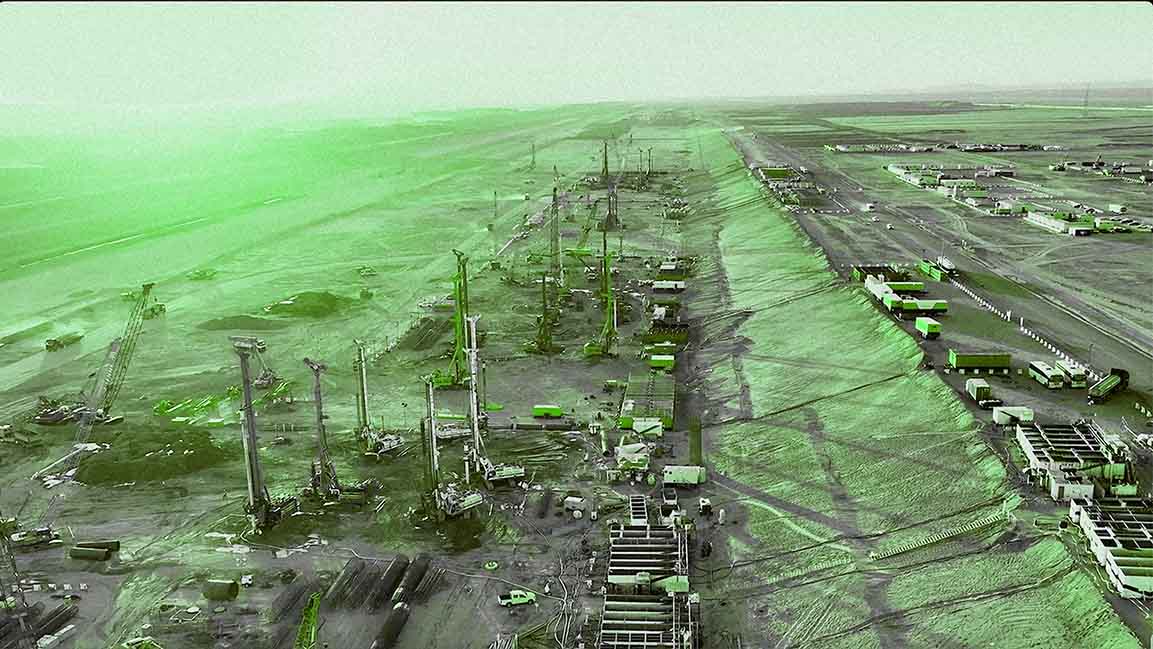
Saudi Arabia’s next major development, dubbed the “New Murabba,” is set to transform Riyadh’s skyline with the addition of a futuristic cube-shaped structure, slated to be one of the largest in the world. As the centerpiece of this $50 billion mega-development, the “Mukaab” will tower over 400 meters, making it taller than the Empire State Building. The cube is set to house various attractions, including residential spaces, hotels, cultural landmarks, and retail experiences, all within a digitally enhanced interior.

The New Murabba project is part of Riyadh’s push to become a global metropolis under the ambitious Vision 2030 initiative. Spearheaded by Crown Prince Mohammed bin Salman, Vision 2030 aims to diversify Saudi Arabia’s economy away from oil dependency by developing sectors such as tourism, entertainment, and technology. As part of this transformation, the Mukaab will serve not just as an architectural wonder but as a symbol of Saudi Arabia’s rapid modernization and growing influence in the global arena.

The cube’s massive scale reflects the Kingdom’s broader focus on positioning Riyadh as the Middle East’s primary hub for business, culture, and tourism. The project is expected to play a central role in hosting international events, including Expo 2030 and potentially the FIFA World Cup in 2034. Riyadh’s population is projected to reach 9.2 million by 2030, spurring the need for new infrastructure developments, including an improved road network and the construction of a metro system.

However, the massive scope of this project has raised concerns regarding its financial feasibility. With an estimated cost of $7.8 billion for the Expo alone, the Saudi government is recalibrating its priorities to manage the growing expenses of multiple giga-projects. Some developments, such as the $500 billion Neom city, have been delayed as Riyadh diverts resources toward completing critical infrastructure on time for these international events. The Public Investment Fund (PIF), which backs these mega-projects, has resorted to raising debt to meet its financial obligations. Nonetheless, the Mukaab remains a priority, given its symbolic and economic potential.

As the cube takes shape, it promises to offer more than just luxurious living spaces. Its immersive environment will incorporate augmented reality and digital technologies, creating a fully interactive experience for visitors and residents alike. This vision aligns with Riyadh’s goal of becoming a leading smart city, catering to both tourists and residents with cutting-edge technology and unique architectural designs. The Mukaab, in this sense, embodies the future Saudi Arabia envisions—a fusion of tradition and innovation, framed within a monumental structure that captures the imagination.

VISHNU RAJA
RYO YAMADA
HITORI GOTOH
IKUYO KITA
Just in:
Trump’s Iran War Has A Share Of Contribution To His Midterm Debacle // Dubai details five-year visa benefits for returning visitors // e-Crime Bureau Signs Cybersecurity Partnership With Smart Africa, Reinforcing Its Global Expansion // Emaar approves Development buyout ahead of planned delisting // CR Longdation Aethereal Cybersecurity × Global Cybersecurity Alliance (GCSA) Join Hands to Establish the “AI and Cybersecurity Research Centre” // Kochi police detain two actors over bid to honey trap doctor // Hong Kong mandates crypto transaction disclosures to tax authorities // Meraas showcases five residential zones at Dubai Design Week // Private varsities bill all set to face the axe // Geely’s i-HEV Intelligent Hybrid Technology Offers a New Direction Vision for Gasoline-Powered Vehicles // Cloudflare unveils Zero Wire vulnerability intelligence service // Emirates Group records AED 4.1 billion half-year profit // TVM –Mangaluru Vande Bharat claims top spot // Beyond the exhibition floor: How robots, AI and networks are moving into the real world // Xi Jinping Preparing For A Trilateral Summit With Trump And Putin At APEC Summit On Nov 18-19 // Millions Of Indians May Soon Be Deprived Of Government Assistance // The “1st Greater Bay Area Health and Longevity Summit & Awards Ceremony” concludes successfully in Macao // Asia Left Behind: Ten international companies have yet to report delivering on their cage-free egg pledges across the region // Oil advances towards $100 as tanker attacks persist // Geely’s i-HEV Intelligent Hybrid Technology Offers a New Direction for Gasoline-Powered Vehicles //