Just in:
Geely’s i-HEV Intelligent Hybrid Technology Offers a New Direction for Gasoline-Powered Vehicles // Meraas showcases five residential zones at Dubai Design Week // Trump’s Iran War Has A Share Of Contribution To His Midterm Debacle // OpenAI abandons secrecy agreements for future data centres // Ousted top Kochi cop gets IG post // Emirates Group records AED 4.1 billion half-year profit // Ningbo Consensus on Collaborative Development released at 2026 Global Mayors Dialogue · Ningbo // Hong Kong mandates crypto transaction disclosures to tax authorities // Oil and chip shares retreat after Democratic victories // Motorola introduces Signature 27 flagship priced at $1,599 // Millions Of Indians May Soon Be Deprived Of Government Assistance // Dubai boat show confirms international shipyard line-up for November // Private varsities bill all set to face the axe // Asia Left Behind: Ten international companies have yet to report delivering on their cage-free egg pledges across the region // TVM –Mangaluru Vande Bharat claims top spot // APT29-linked campaign exploits outdated Apple and Android software // The “1st Greater Bay Area Health and Longevity Summit & Awards Ceremony” concludes successfully in Macao // UK air traffic outage inflicted £33m financial losses // e-Crime Bureau Signs Cybersecurity Partnership With Smart Africa, Reinforcing Its Global Expansion // Geely’s i-HEV Intelligent Hybrid Technology Offers a New Direction Vision for Gasoline-Powered Vehicles //

News related to
Edge

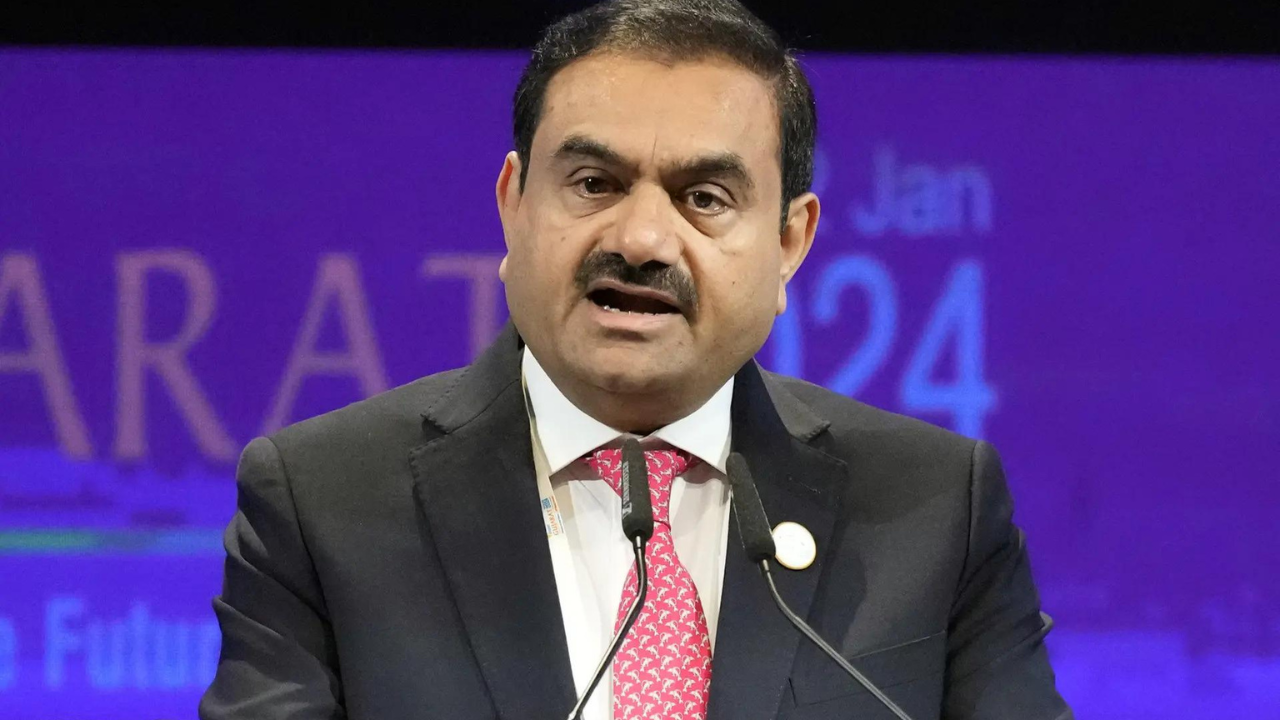
By Anjan Roy The real import of the US department of justice (DOJ) indictment of Indian billionaire, Gautam Adani, on counts of corruption and bribery has been somewhat lost on the wider public. It is the geo-economics of US dominion over the rest of the world that has to be taken note of. It is […]

HANOI, VIETNAM – Media OutReach Newswire – 22 November 2024 – By capitalizing on its first-mover advantage, Vincom Retail has had a profound impact on Vietnamese leisure culture. Over the past two decades, the company has demonstrated significant growth through a tripartite strategy: expanding its footprint, diversifying its retail real estate formats to cater to a wide range of consumer needs, and continuously pioneering to stay ahead. […]

MicroStrategy has successfully completed the issuance of $3 billion in convertible senior notes, marking a significant move just three days after its initial offering. The company, known for its significant Bitcoin holdings, opted for the issuance as part of its strategy to bolster its financial flexibility. The move has attracted widespread attention due to the nature of the deal, which offers investors the opportunity to convert their debt into equity in the future, with a 0% interest rate attached to the notes.

The offering is part of the company’s ongoing efforts to raise capital, primarily to fund its Bitcoin investments. MicroStrategy’s strategy of accumulating Bitcoin over the years has been a key aspect of its business model, and this convertible note issuance is seen as a way to support its ambitious cryptocurrency acquisition goals without incurring immediate interest payments.

The $3 billion raised through this debt offering is a notable increase compared to its previous financing moves. The company had already raised substantial funds through similar offerings in the past, and with Bitcoin’s market fluctuations, the timing of this move is seen as a proactive measure. MicroStrategy’s ability to offer a 0% interest rate has been an enticing factor for investors, signaling confidence in the company’s future performance, even amidst the volatile nature of cryptocurrency markets.

Convertible notes have become a preferred financing option for firms like MicroStrategy, which are heavily involved in the cryptocurrency space. By issuing convertible debt, companies offer investors the potential upside of equity conversion while avoiding the pressure of paying interest, which could strain their balance sheets. The terms of the offering specify that the notes will mature in 2027, giving MicroStrategy ample time to execute its strategy and raise additional capital through its Bitcoin holdings.

The offering comes at a time when cryptocurrency markets are experiencing significant shifts, with Bitcoin prices seeing both upward and downward trends. This volatility makes financing through traditional methods such as equity offerings less appealing for companies like MicroStrategy, which is why convertible debt has become increasingly popular. By issuing these notes, MicroStrategy is able to maintain its focus on acquiring more Bitcoin, which it views as a long-term hedge against inflation and economic instability.

In terms of execution, the completion of the offering so quickly reflects MicroStrategy’s readiness and confidence in its financial strategy. The company was able to swiftly finalize the deal, a testament to its strong investor base and the strategic importance of its Bitcoin holdings. The capital raised from this offering will be used to buy more Bitcoin, aligning with the company’s goal of becoming the world’s largest corporate holder of the cryptocurrency. With this latest round of funding, MicroStrategy’s Bitcoin acquisition plan is set to continue, further solidifying its position in the market.

The notes issued are convertible into common stock at a premium to the current price of MicroStrategy’s shares, offering investors the possibility to benefit from future price appreciation. This structure is a clear indication that MicroStrategy anticipates growth in its stock value, which could eventually lead to profitable conversions of the debt into equity.

The company’s CEO, Michael Saylor, has been a vocal advocate for Bitcoin, emphasizing the cryptocurrency’s role as a store of value. Saylor’s firm stance on Bitcoin as a strategic asset has made MicroStrategy one of the most visible corporate players in the space. The company has continued to accumulate Bitcoin despite the fluctuations in market prices, demonstrating its unwavering commitment to the asset class. As of now, MicroStrategy holds over 150,000 Bitcoin, with the value of these holdings exceeding $4 billion at current prices.

The interest in convertible notes from investors is also reflective of the broader appetite for cryptocurrency exposure. The growing acceptance of Bitcoin and other digital assets in mainstream financial markets has led to an increase in investment vehicles that allow for indirect exposure to the cryptocurrency market. For MicroStrategy, this offering represents a savvy financial maneuver to maintain flexibility while continuing to build its Bitcoin portfolio.

Despite the volatility of Bitcoin and the broader cryptocurrency market, MicroStrategy’s approach to capital raising is attracting attention for its innovation and the company’s unique position in the tech and financial sectors. The move to issue convertible notes also signals that MicroStrategy is positioning itself to ride out any short-term market fluctuations while staying committed to its long-term Bitcoin acquisition strategy.

MicroStrategy’s latest financing effort marks a crucial step in its larger strategy of integrating Bitcoin into its corporate structure. While critics may question the company’s reliance on a volatile asset, MicroStrategy’s leadership remains focused on its vision for the future, with Bitcoin expected to play a central role in its corporate growth. By issuing convertible notes with a zero-interest rate, the company has secured the funds needed to continue its expansion in the cryptocurrency market without taking on additional financial strain.

PayPal users across the globe were met with frustration as the platform faced a significant outage, causing disruptions to transactions and access to accounts. Reports indicate that users encountered issues logging into their accounts and completing payments, with many voicing their concerns on social media platforms about the impact on both personal and business transactions. The outage, which reportedly affected multiple PayPal services, left users unable to […]

OpenAI has announced plans to introduce a browser powered by its AI capabilities, integrating ChatGPT to provide users with an advanced web experience. This move directly challenges existing market leaders like Google Chrome and Microsoft Edge, leveraging OpenAI’s reputation for generative AI innovation to reshape how people interact with online content. The browser, set to expand upon the framework of OpenAI’s existing SearchGPT tool, aims to provide […]

Donald Trump’s Media and Technology Group (TMTG), parent company of Truth Social, has taken a significant step into the cryptocurrency sector. Reports suggest the company has filed a trademark application for “TruthFi,” signaling plans to develop a platform for cryptocurrency payments, digital asset custody, and trading. This move aligns with its reported discussions to acquire shares in Bakkt, a prominent cryptocurrency exchange platform backed by Intercontinental Exchange.

TMTG’s ambitions in the crypto domain appear to capitalize on the growing influence of digital assets. By potentially acquiring Bakkt, the company seeks to enhance its foothold in the emerging market of decentralized finance and digital payments. Bakkt’s infrastructure, which includes a consumer app for managing cryptocurrencies and other digital assets, could serve as a robust foundation for TMTG’s new venture. Market analysts speculate that this acquisition could bridge Truth Social’s ecosystem with blockchain technology, fostering a streamlined integration of social media and financial technology.

The decision comes during a bullish phase for cryptocurrencies. Bitcoin recently surpassed $93,000, buoyed by optimism surrounding President-elect Donald Trump’s policies, which are expected to favor a lighter regulatory approach to digital assets. This spike has further stimulated activity in the cryptocurrency market, with Ethereum and decentralized finance tokens also experiencing substantial gains.

Bakkt, which went public via a SPAC merger in 2021, has positioned itself as a significant player in the crypto market, offering a regulated platform for trading and managing digital assets. Its potential integration with TMTG could unlock opportunities for users seeking seamless transactions within a politically conservative ecosystem. Trump’s team has declined to comment on the acquisition, though Bakkt acknowledged the market speculation but refrained from issuing a confirmation.

The broader implications of this development extend beyond TMTG’s immediate interests. Analysts believe that a successful foray into cryptocurrency by Trump’s media group could reshape the financial technology landscape, especially by linking ideological media with decentralized finance. This could cater to a niche market of users aligned with Trump’s policies while leveraging the soaring popularity of cryptocurrencies.

Shares of Bakkt surged over 160% following reports of the potential deal, reflecting market optimism. Similarly, TMTG shares experienced fluctuations as speculation about the acquisition grew. Industry observers anticipate further volatility as negotiations progress, with a formal announcement expected to clarify the strategic objectives of the partnership.

As TMTG continues to diversify its portfolio, the integration of cryptocurrency services marks a transformative step in the evolution of its digital ventures. While the success of this endeavor hinges on regulatory approvals and market reception, the potential synergy between Truth Social’s platform and Bakkt’s crypto expertise underscores the growing intersection of media, politics, and finance in the digital age.

This strategic pivot also aligns with Trump’s broader vision to establish a technology-driven economy with minimal government intervention, appealing to proponents of blockchain innovation. As cryptocurrency adoption accelerates globally, TMTG’s initiatives could set a precedent for other media companies exploring similar integrations.

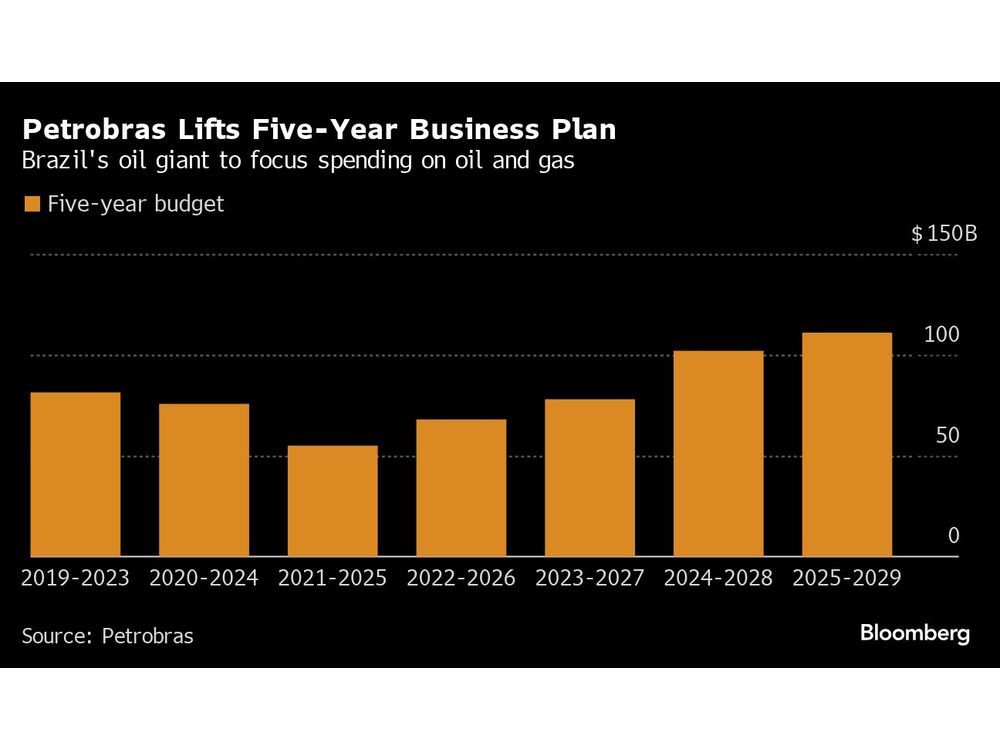
Petrobras, officially Petroleo Brasileiro SA, has committed to paying up to $55 billion in dividends by 2029 as part of its recently unveiled five-year strategic plan. This initiative underscores the state-controlled company’s ongoing emphasis on robust shareholder returns while navigating operational and market challenges. The substantial payout is linked to the company’s goal of balancing investor expectations with reinvestment in its core projects.

According to Petrobras, the projected dividend distributions align with a policy stipulating payouts equivalent to 45% of the firm’s free cash flow, a figure adjusted for specific tax considerations. Analysts suggest this conservative approach may allow for further flexibility, including potential extraordinary dividends depending on market conditions and Petrobras’ liquidity position. The estimated free cash flow for shareholders over the next fiscal year stands at approximately $16 billion.

The updated strategy incorporates a total investment plan of $78 billion spanning from 2024 to 2028, focusing primarily on exploration and production, particularly in offshore and deepwater oil fields. The allocation is intended to maintain Petrobras’ competitive edge in Brazil’s energy sector, which accounts for a significant portion of its revenues. While upstream activities will receive the bulk of investments, renewable energy projects and decarbonization efforts are gradually gaining traction within the portfolio.

Chief Executive Officer Jean Paul Prates emphasized the importance of maintaining operational efficiency and ensuring dividend payments remain sustainable. He also noted the growing scrutiny Petrobras faces in balancing returns with its broader role as a national oil company, particularly amid rising environmental concerns.

Despite promising financial targets, the company has faced criticism over its focus on traditional fossil fuels. Environmental advocates and some industry experts argue that a greater share of resources should be directed toward clean energy initiatives to future-proof the company’s relevance in a rapidly transitioning global energy landscape.

Advertisements

AirAsia is charting a bold course to establish a low-cost aviation hub, inspired by the success of Dubai, in key Southeast Asian cities like Bangkok and Kuala Lumpur. The carrier’s move comes at a time when it seeks to reposition itself after enduring a series of challenges that have shaped the airline industry post-pandemic. AirAsia’s vision is to become a major player in the global air transport scene by capitalizing on the low-cost model that has become increasingly attractive to budget-conscious travelers.

The decision to target Bangkok and Kuala Lumpur reflects a strategic pivot toward optimizing the airline’s existing routes and expanding its presence in an increasingly competitive air travel market. The model aims to leverage these cities as central hubs from which passengers can access a wide range of affordable international destinations. This vision mirrors the transformative success of Dubai International Airport, which has become one of the world’s busiest transit hubs by offering extensive connections at competitive prices.

This ambitious project is not just a push for more flight routes but a larger vision of connecting key Southeast Asian cities to the world. AirAsia aims to position these locations as gateways for travelers seeking affordable access to global destinations. By doing so, AirAsia hopes to replicate the success of Dubai, which has thrived on a similar strategy of fostering global connectivity through a low-cost airline model.

The role of technology and innovative service models is central to AirAsia’s approach. The airline plans to enhance its digital capabilities, streamlining operations and customer engagement through mobile apps, online booking systems, and other digital platforms. By focusing on efficiency and customer-centric services, AirAsia intends to remain competitive in the increasingly digital world of air travel.

One of the key challenges AirAsia faces is the evolving nature of the aviation industry. While the low-cost model has proven successful, especially during times of financial instability, the airline is now contending with a new set of pressures. Rising fuel costs, inflationary pressures on travel demand, and labor shortages have all made it more difficult for low-cost carriers to maintain profitability without compromising service quality. In this challenging landscape, AirAsia’s focus on cost efficiency and technological innovation is crucial to ensuring long-term sustainability.

The airline’s pivot toward Southeast Asia as a potential low-cost hub also taps into the growing demand for regional air travel. The COVID-19 pandemic reshaped many travelers’ preferences, with a notable shift toward short-haul flights in regional markets. As countries in the Asia-Pacific region begin to recover from the pandemic, AirAsia anticipates that demand for budget-friendly travel options will surge, especially as economic uncertainty remains a significant concern for many consumers.

AirAsia’s ability to offer cheap fares while maintaining operational efficiency is critical to its long-term strategy. A key part of this strategy is maintaining a fleet of narrow-body aircraft, which are more fuel-efficient and better suited for short-haul, budget-friendly routes. AirAsia has already begun expanding its fleet in anticipation of this growth, particularly focusing on the latest aircraft models that offer lower operational costs. By doing so, the airline hopes to maintain its competitive edge while providing a seamless travel experience to its customers.

Despite the airline’s optimism, competition remains fierce in Southeast Asia’s budget airline market. Regional competitors, including Singapore Airlines’ Scoot and Jetstar Asia, have also adopted low-cost models and are expanding their services in key markets. As these rivals continue to grow, AirAsia will need to ensure that its hubs in Bangkok and Kuala Lumpur are not just affordable but also offer a unique and attractive proposition to travelers.

AirAsia’s ability to succeed in establishing itself as a global hub will depend on its partnerships with local governments, airport authorities, and tourism boards. AirAsia’s experience in fostering relationships with regional authorities will be a key advantage, as the airline seeks to integrate seamlessly into the local tourism and transportation infrastructure. By aligning its objectives with those of local stakeholders, AirAsia can position its Southeast Asian hubs as integral parts of regional and global travel networks.

The airline’s expansion also taps into broader trends in the global aviation industry, which has seen significant consolidation and a shift towards sustainability. AirAsia has committed to reducing its carbon footprint and has already introduced several initiatives to make its operations more environmentally friendly, including the purchase of more fuel-efficient aircraft and the implementation of carbon offsetting measures. While these efforts are still in their early stages, the airline’s focus on sustainability is likely to appeal to an increasingly environmentally conscious traveler base.

One aspect that could play a significant role in AirAsia’s bid to establish a low-cost hub in Southeast Asia is the region’s growing middle class. With countries like Indonesia, Thailand, and Malaysia witnessing rapid urbanization and a rise in disposable income, air travel is becoming more accessible to a wider segment of the population. As this trend continues, the potential for a low-cost hub to serve as a gateway for millions of travelers expands.

Dubai has witnessed a transformative step in sustainable living with the groundbreaking of Knightsbridge, a pioneering climate-adaptive wellness community by LEOS Developments. Marking a milestone in urban planning, the project blends luxury and environmental consciousness, establishing a new benchmark for real estate in the region.

Strategically situated in Meydan’s District 11, the development covers an extensive 335,877 square feet, with an impressive 70% dedicated to green spaces. The Knightsbridge master plan, a collaboration with Nakheel and Meydan, integrates natural surroundings into a luxury urban environment, setting a new standard for ecological harmony and resident well-being.

The design draws inspiration from classic British architecture, integrating modern climate-responsive features such as UV-proof double glazing, energy-efficient LED lighting, and a self-shading building structure. Additionally, the community prioritizes sustainability through solar panels, smart irrigation systems, greywater recycling, and biodegradable reed-bed filtration. The eco-conscious approach ensures optimal adaptation to Dubai’s unique climate, promoting both comfort and efficiency.

Knightsbridge comprises luxury villas and townhouses, offering amenities such as private pools, elevators, climate-controlled outdoor terraces, and cutting-edge smart home systems. Enhanced features in the villas include private cinemas, chef’s kitchens, and jacuzzis, providing an unparalleled living experience. Residents will also enjoy access to a swimmable lagoon, yoga decks, outdoor cinemas, and wellness-focused facilities.

This innovative project positions Knightsbridge not just as a residence but as a lifestyle destination, seamlessly blending luxury, health, and sustainability. LEOS Developments aims to redefine modern living in Dubai, aligning with the emirate’s vision for progressive urban development.

SINGAPORE – Media OutReach Newswire – 22 November 2024 – Wine enthusiasts in Singapore can embark on a global wine adventure at Wine Connection’s Wine Tasting Fair 2024. Held on November 23rd and 24th at the Wine Connection Bistro @ Robertson Walk, the two-day event offers a chance to explore over 170 wines from across the globe, including exclusive sneak peeks at the upcoming 2025 New Collection. […]

BANGKOK, THAILAND – Media OutReach Newswire – 22 November 2024 – Michelin, world-leading manufacturer of life-changing composites and experiences, welcomed international media to its two-day Asia Pacific Media Event at Michelin’s Talent Campus, located in Chon Buri, Thailand. The event focused on the theme “Innovating for a Sustainable Future” and Michelin’s dedication to innovation and sustainability, outlined through its All-Sustainable Strategy: People X Profit X Planet. MICHELIN […]

OPPO Find X8 and Find X8 Pro launched in global markets Find X8 Series delivers ultra-grade cameras, performance and battery life ColorOS 15 debuts on Find X8 Series with cutting-edge OPPO AI JAKARTA, INDONESIA – Media OutReach Newswire – 21 November 2024 – OPPO, the world’s leading smart device brand, today announced the global availability of its Find X8 and Find X8 Pro flagship smartphones. Each delivers […]

Bithumb, South Korea’s second-largest cryptocurrency exchange, is set to launch trading for TONCOIN (TON) and METIS (METIS) in Korean won (KRW) on November 21 at 8 p.m. KST. This move is anticipated to attract increased interest from both local and international investors, further positioning the platform as a key player in the region’s digital asset market.

The decision to list these two cryptocurrencies comes at a time of growing adoption and interest in the global crypto space. TONCOIN, a blockchain originally developed by the Telegram team, has gained considerable traction since its inception, while METIS, known for its Ethereum Layer 2 scaling solution, has also secured a loyal following for its efficiency and reduced transaction fees. By adding these coins to its roster, Bithumb hopes to cater to the increasing demand for both established and emerging crypto assets.

TONCOIN’s potential is rooted in its association with Telegram, one of the most popular messaging apps worldwide. The coin has carved out a niche by leveraging Telegram’s massive user base, with users able to use TONCOIN for a variety of decentralized applications (dApps) and services. As Telegram has faced regulatory hurdles in various markets, the coin has emerged as a decentralized alternative, gaining adoption both in the consumer space and by developers building on its blockchain.

On the other hand, METIS has been gaining attention due to its focus on improving the scalability and cost-efficiency of the Ethereum network. As the Ethereum blockchain faces growing network congestion and high gas fees, METIS offers an alternative by enabling faster, cheaper transactions without sacrificing the security that Ethereum provides. This scaling solution has attracted several projects, making METIS a strong contender in the Layer 2 space.

Bithumb’s decision to list both coins follows the growing trend of exchanges expanding their offerings to cater to investor demands for more diverse assets. The exchange, which handles a significant portion of South Korea’s cryptocurrency trading volume, has previously listed various popular coins, including Bitcoin, Ethereum, and Ripple, but the addition of TONCOIN and METIS signals its strategy to embrace more specialized cryptocurrencies that have garnered international interest.

The announcement was met with positive feedback from both the investor community and developers in the crypto space. TONCOIN’s supporters believe that the coin’s listing on Bithumb will help further its acceptance and adoption, particularly in South Korea, a country known for its tech-savvy population and strong interest in digital assets. Meanwhile, METIS proponents see the listing as a validation of their efforts to improve Ethereum’s scalability, a key issue for the network as it continues to expand.

The timing of the listing could also be significant given the evolving regulatory environment surrounding cryptocurrencies. South Korea has historically taken a cautious approach to crypto regulation, balancing innovation with consumer protection. The government has taken steps in recent years to tighten its grip on the sector, but has also indicated its willingness to support blockchain and cryptocurrency development. The introduction of TONCOIN and METIS trading on a major exchange like Bithumb comes at a time when South Korea is looking to position itself as a regional leader in the crypto and blockchain industries.

This development also underscores the ongoing importance of Korean won (KRW) trading pairs in the broader cryptocurrency market. As one of the leading fiat currencies in the crypto world, the South Korean won is often used as a reference point for cryptocurrency pricing in the Asian market. The availability of TONCOIN and METIS for KRW trading provides local investors with an accessible way to participate in the growing blockchain ecosystem, especially for those who may not have exposure to international exchanges or prefer to trade in their local currency.

Despite the positive outlook, some analysts caution that the ongoing volatility of the cryptocurrency market means that the success of these listings will depend heavily on market conditions. The global crypto market has experienced significant fluctuations in recent months, with both Bitcoin and Ethereum facing substantial price corrections. Therefore, while the listing of TONCOIN and METIS could attract short-term interest, the long-term viability of these coins will largely depend on broader market trends and the ongoing development of their respective blockchain ecosystems.

Nevertheless, Bithumb’s strategic move aligns with the growing demand for diverse cryptocurrency options and the need for exchanges to stay ahead of emerging trends in the industry. With more investors seeking alternative assets outside of traditional financial markets, the exchange’s decision to list TONCOIN and METIS could enhance its competitive edge in the dynamic and rapidly evolving crypto market.

A new study by Salesforce underscores the growing importance of AI agents in restoring consumer trust, revealing significant opportunities for brands to regain loyalty through transparency and personalization. According to the research, nearly 60% of consumers express concerns about how businesses handle their personal data, highlighting a crucial area for improvement in building stronger relationships. The study finds that companies investing in AI-powered customer service and communication […]

EdgeNebula, an innovative player in the data center sector, is setting a new benchmark for facility transformation by converting underutilized or abandoned spaces into state-of-the-art AI data centers in a mere two months. This rapid turnaround is part of the company’s strategic vision to address the surging demand for artificial intelligence infrastructure and data processing capabilities. With over a century of combined experience in the field, EdgeNebula’s […]

Cologix, a leading provider of network-neutral interconnection and hyperscale edge data centers across North America, has announced a $7 billion investment to build an advanced AI-ready data center campus in Central Ohio. This major development marks a significant step toward enhancing the region’s digital infrastructure, catering to the rising demand for high-performance computing needed by artificial intelligence (AI) technologies.

The company plans to establish the expansive campus near Johnstown, Ohio, strategically positioning it within the region’s burgeoning tech ecosystem. The decision to invest in this project comes at a time when the demand for AI services, cloud computing, and data storage is reaching unprecedented levels. According to Cologix, the facility will be designed to meet the growing needs of businesses operating at the forefront of digital transformation, including AI-driven enterprises.

A key element of the investment will be the development of state-of-the-art data center facilities capable of handling vast amounts of computational power. The campus will feature cutting-edge infrastructure, including high-density compute facilities, advanced cooling solutions, and secure power systems to support AI applications. As AI technologies demand more robust and efficient computing resources, the facility is expected to become a vital component of the region’s technological landscape.

Cologix’s decision to choose Central Ohio as the site for its new AI-ready data center campus comes amidst a broader push by the state to foster its tech industry. The Ohio government has been actively working to attract technology investments, with initiatives aimed at developing infrastructure to support the evolving needs of the digital economy. Cologix’s project aligns with these efforts, positioning Ohio as a key player in the nation’s rapidly expanding tech ecosystem.

The new facility will cater to the needs of a wide range of industries, from cloud service providers to content delivery networks and enterprise customers who are increasingly adopting AI solutions. This includes the growing demand for infrastructure that can support machine learning, large-scale data processing, and the development of sophisticated AI models. The move also supports the broader trend of tech companies seeking to establish AI-optimized environments to accelerate their research and development efforts.

The data center campus will be designed with scalability in mind, allowing for rapid expansion as demand for AI infrastructure continues to rise. This forward-thinking approach is particularly important in the context of AI’s rapid evolution, which requires facilities that can accommodate new technological advancements and the increasing computational requirements of AI models. Cologix’s investment is seen as a response to these trends, signaling the company’s commitment to providing cutting-edge infrastructure for AI-driven enterprises.

The Ohio campus is also expected to bring significant economic benefits to the local community. The development of the data center will create thousands of construction jobs in the short term, followed by long-term employment opportunities once the facility is operational. The presence of a major tech infrastructure hub in the region could also spur additional investments in the local economy, particularly in related sectors such as telecommunications, cybersecurity, and AI research.

Cologix has been expanding its presence across North America, with a focus on providing interconnection services that enable seamless communication between networks, cloud platforms, and other digital infrastructure. The company’s data centers are known for their reliability, security, and scalability, making them ideal for hosting AI applications that demand high levels of performance and uptime.

AI is increasingly seen as a transformative force across industries, driving innovations in healthcare, finance, logistics, and beyond. As businesses continue to integrate AI into their operations, the need for specialized data center facilities that can support these technologies will only grow. Cologix’s investment in Ohio reflects this demand, positioning the company as a key player in the development of AI-optimized infrastructure.

The $7 billion investment also reflects Cologix’s commitment to sustainability, with the company emphasizing its plans to incorporate green energy solutions and environmentally friendly practices into the design and operation of the new data center. This commitment to sustainability aligns with broader trends in the tech industry, where companies are under increasing pressure to reduce their environmental impact while maintaining the high levels of performance required by AI applications.

Saudi Aramco, the world’s largest oil company, is advancing its debt strategy, seeking to optimize financial resources while prioritizing consistent dividend payouts to its shareholders. This strategy aligns with the company’s broader goals to remain resilient in the face of global energy market fluctuations and economic challenges.

Aramco’s approach comes at a time when global oil markets are in a state of volatility, driven by geopolitical tensions, supply chain disruptions, and shifting demand. The company’s decision to increase its debt load is seen as an effort to safeguard its dividend policy, which is a critical aspect of its value proposition to investors. Aramco’s dividends have been a significant draw for shareholders, especially given the company’s size and influence in the energy sector.

The company’s recent bond issuance, one of the largest in its history, is a key element in this strategy. Analysts suggest that Aramco is strategically leveraging debt to bolster its liquidity while avoiding the pitfalls of excessive dependence on oil revenues alone. As oil prices fluctuate, Aramco has turned to debt instruments to help ensure stability in its cash flow, a move that underscores its commitment to its long-standing dividend policy.

In its latest move, Aramco plans to issue more bonds and engage in strategic financing activities. The company has emphasized that this will allow it to balance its capital expenditures, which include investments in both upstream and downstream operations, while maintaining robust dividends for its stakeholders. By strengthening its debt profile, Aramco is positioning itself for long-term sustainability, despite potential market risks.

The strategy is designed to support Aramco’s ambitious growth plans. These include continuing investment in key oilfields and enhancing its refining and chemical operations, which are integral to its diversification efforts. The company has also focused on its low-carbon initiatives and investments in renewable energy, both of which have become critical to securing its future in an energy transition world.

With the global energy landscape in flux, Aramco’s management is keenly aware of the pressures that both internal and external factors exert on the company’s financial performance. The increase in debt comes at a time when the company must balance short-term obligations with long-term growth objectives. As part of this initiative, Aramco has reassured investors that the funds raised through debt will be used strategically to support both its operational goals and financial returns.

Aramco’s expanded debt strategy is expected to ensure its ability to maintain a competitive edge in an increasingly dynamic and uncertain energy market. The company’s solid track record of profitability, bolstered by its vast reserves and global footprint, provides a foundation for this enhanced financial approach. By strategically increasing its debt levels, Aramco aims to navigate the unpredictable nature of the oil market while positioning itself as a financially stable and attractive option for investors.

Financial analysts closely monitoring Aramco’s moves believe that the company’s debt strategy could have wider implications for the energy sector. As the global energy transition accelerates, many energy giants are exploring similar strategies to adapt to new market conditions. For Aramco, the challenge will be balancing its debt load with continued operational success, especially as global energy consumption patterns evolve.

Some experts suggest that while Aramco’s strategy to increase debt is sound in the short term, it could present challenges in the longer term, particularly if energy prices experience sustained declines. The company’s massive capital expenditures in the form of infrastructure development and the diversification into non-oil sectors could be financially strained if global oil prices slump. However, with its deep pockets and strong backing from the Saudi government, Aramco is likely to weather these challenges better than most.

Aramco’s increasing reliance on debt raises broader questions about the future of the global energy sector, especially among state-owned oil giants. The move is seen as a response to the changing dynamics of global energy, where sustainability and long-term shareholder value are becoming more important than immediate profits. For Aramco, the shift in focus to maintaining dividends through debt could mark a new phase in its evolution, one where financial flexibility becomes as important as its oil and gas output.

Space Perspective, the innovative space tourism company, is set to revolutionize the sector by selecting the Gulf region as a key launch site for its high-altitude flights. Scheduled for 2025, the company’s plans signal the emergence of the Middle East as a significant player in the global space tourism industry, with far-reaching implications for both the region and the future of space travel. The Gulf’s selection for […]

The rise of stablecoin adoption in Africa has sparked a surge of digital economic activity, with US-based crypto startups leading the charge. This financial shift is largely driven by increasing demand for stable, blockchain-backed currencies that offer a hedge against inflation and volatility, a feature that aligns with the continent’s unique economic challenges. Stablecoins have become a critical tool in enhancing financial inclusion, particularly for underserved populations and markets traditionally excluded from the global financial system.

Several US companies are at the forefront of this movement, offering accessible platforms that enable seamless cryptocurrency transactions across the continent. For example, companies like Yellow Card and other crypto exchange platforms have seen exponential growth in the region, facilitating cross-border payments and enabling users to store wealth in a more stable digital format compared to local currencies that are susceptible to inflation.

Between 2021 and 2022, Africa witnessed a staggering 1200% surge in cryptocurrency adoption, with stablecoins playing a pivotal role in this transformation. As the most widely used digital assets in many African nations, stablecoins provide a vital service by offering an alternative to traditional financial systems that many Africans find inaccessible. These cryptocurrencies are typically pegged to stable assets, like the US dollar, which helps shield users from currency devaluation. They have proven particularly useful for businesses and individuals looking to avoid the risks associated with rapidly fluctuating fiat currencies.

One of the key drivers behind the adoption of stablecoins in Africa is their use in remittances. With millions of Africans living abroad, remittances from the diaspora constitute a significant portion of the continent’s GDP. Traditional money transfer services often charge high fees and can be slow. However, stablecoins allow for nearly instant transfers with minimal fees, making them an appealing alternative for both senders and recipients.

The push for adoption is also supported by local cryptocurrency exchanges, like Yellow Card, which provide users with easy access to stablecoins. According to industry leaders, platforms that embrace stablecoins are able to tap into the growing demand for faster, cheaper, and more reliable digital payments. Furthermore, the integration of blockchain networks like Solana has also helped in reducing transaction fees and increasing the speed of transfers, making stablecoins even more accessible.

Despite the optimism, challenges remain, particularly regarding regulatory frameworks. While some African governments have embraced digital currencies and cryptocurrencies, others have imposed restrictions, complicating the regulatory environment. This has led to a fragmented landscape where the adoption of stablecoins varies significantly across countries. Some countries, such as Nigeria and South Africa, have shown proactive engagement, creating pilot projects and regulations that balance innovation with consumer protection. However, the lack of standardized regulations across the continent continues to pose a challenge.

Education also plays a crucial role in ensuring the success of stablecoin adoption. Many African users are still unfamiliar with how cryptocurrencies work, and a lack of awareness can be a barrier to widespread adoption. To address this, companies like Yellow Card have launched educational initiatives, such as the Yellow Card Academy, which provides free resources to help users understand digital currencies and blockchain technology. These programs aim to foster greater trust in stablecoins and expand the knowledge base, empowering individuals to make informed decisions about their finances.

The European Central Bank (ECB) has issued a stark warning regarding the growing risks of sovereign debt within the eurozone. The institution expressed concern that markets could face disruptions similar to the debt crisis of the 2010s, with potential knock-on effects across global financial systems. In a recent assessment, the ECB pointed to rising government borrowing, weakening fiscal positions, and the economic strain from ongoing geopolitical tensions as significant factors amplifying these vulnerabilities.

The warning follows a series of alarming signals from key eurozone countries. Italy, France, and Spain, in particular, have seen their debt-to-GDP ratios soar, raising doubts about their ability to manage growing liabilities. These countries, among the eurozone’s largest economies, have faced increased fiscal pressures due to high public spending and sluggish economic growth, especially in light of the prolonged impacts of the COVID-19 pandemic and the energy crisis exacerbated by the war in Ukraine.

The ECB highlighted that while some nations have made strides in managing debt, the overall trajectory of government borrowing across the region remains unsustainable. The European Commission has set a 60% debt-to-GDP threshold as part of its fiscal rules, but most member states are far beyond this target, with Italy’s ratio hovering around 150%, Spain’s near 120%, and France’s above 110%. These figures suggest a significant challenge to the region’s economic stability, with policymakers struggling to implement effective measures that balance debt reduction with stimulating economic growth.

As government borrowing continues to rise, the ECB cautioned that markets could once again face a series of challenges akin to those seen during the sovereign debt crisis. During that period, fears over the solvency of key eurozone countries, particularly Greece, sent shockwaves through European and global financial markets. The situation led to a series of bailout packages and austerity measures that had profound social and economic consequences.

The ECB also noted that the current economic climate, with high inflation and uncertain energy prices, further complicates the ability of governments to implement effective fiscal policies. With interest rates rising across the board, borrowing costs for governments are increasing, making it more difficult to service existing debt while funding new public spending. The ECB’s own policies have been focused on curbing inflation, but the unintended consequence could be exacerbating the sovereign debt burden, especially for countries already on the financial edge.

One critical element of the ECB’s warning centers around the evolving relationship between fiscal and monetary policy. In the wake of the 2010s crisis, the ECB implemented unconventional monetary policies, including large-scale asset purchases and negative interest rates, to support struggling economies. However, with inflation reaching multi-decade highs in the eurozone, the central bank has pivoted towards tightening its monetary stance. The delicate balance between maintaining financial stability and addressing inflationary pressures presents a growing challenge for policymakers, with potential repercussions for sovereign debt markets.

Another aspect of the warning involves the broader global economic environment. The ECB emphasized that the interconnected nature of the global economy means that any destabilizing shocks in the eurozone could ripple through international markets. The ongoing energy crisis, driven by the war in Ukraine, has already led to significant increases in energy prices, placing further pressure on already strained budgets. Additionally, the broader global economic slowdown, compounded by rising interest rates in major economies such as the United States, could affect demand for European exports, limiting growth opportunities for countries within the eurozone.

While the ECB has stressed that it is committed to safeguarding the financial stability of the eurozone, the institution faces a complex array of challenges. The central bank has already signaled its intention to act if market conditions deteriorate, but its capacity to intervene effectively is limited by the sheer scale of sovereign debt across the region. If major eurozone economies, such as Italy or Spain, were to face a crisis of confidence, the ECB’s ability to contain the fallout could be tested.

The warning comes at a time when governments across the eurozone are grappling with the dual challenges of fiscal consolidation and promoting economic growth. With the looming threat of a debt crisis, the need for comprehensive structural reforms has never been more urgent. However, the political complexities involved in implementing such reforms, especially in countries with high levels of public debt, make it unlikely that significant progress will be made in the short term.

Bitcoin has surged to an unprecedented high, reaching $94,000, reflecting growing investor optimism and the increasing mainstream adoption of cryptocurrencies. This new milestone marks a significant moment for the digital asset, which has seen its value rise sharply over the past months, despite facing several market fluctuations. As Bitcoin climbs to new heights, it signals not only the expanding interest in cryptocurrencies but also highlights the shifting dynamics of the global financial markets.

The recent spike in Bitcoin’s value has been fueled by a confluence of factors, including institutional adoption, growing interest from hedge funds, and heightened global economic uncertainty. Key players in the financial industry have taken a keen interest in cryptocurrencies, viewing them as a store of value in the face of inflation and currency devaluation. Bitcoin’s ascent is seen as a response to concerns over traditional financial systems, particularly amid rising inflation in major economies.

Experts point to several catalysts behind this bullish trend. One major factor is the ongoing embrace of Bitcoin by institutional investors, who are increasingly looking at it as a hedge against inflation. For example, several large financial institutions and publicly traded companies have disclosed significant Bitcoin holdings. This shift towards institutional investment is seen as a vote of confidence in Bitcoin’s long-term viability as a store of value.

Bitcoin’s increasing integration into traditional finance systems is enhancing its credibility and acceptance. Financial instruments such as Bitcoin futures, exchange-traded funds (ETFs), and Bitcoin-linked products are becoming more mainstream, allowing investors to gain exposure to the cryptocurrency market through regulated platforms. These developments have made it easier for traditional investors to add Bitcoin to their portfolios, further driving up demand.

Another significant factor contributing to the rise in Bitcoin’s price is the growing interest in decentralized finance (DeFi) applications. These platforms, which allow individuals to engage in financial transactions without relying on traditional intermediaries such as banks, have seen explosive growth in the past year. Bitcoin is often seen as the backbone of these platforms, and as DeFi gains traction, so does Bitcoin’s value.

The increasing number of Bitcoin users is also a contributing factor to the surge in price. As more people worldwide recognize the potential of Bitcoin as a financial asset and alternative currency, demand for the cryptocurrency has grown. This is especially notable in countries facing economic instability, where individuals turn to Bitcoin as a means to preserve their wealth. Moreover, Bitcoin’s decentralized nature appeals to those seeking financial independence from centralized financial institutions.

However, Bitcoin’s path to $94,000 has not been without its hurdles. The cryptocurrency has faced regulatory challenges in various countries, with governments exploring ways to control or tax cryptocurrency activities. Despite this, Bitcoin has proven resilient, as regulatory concerns have been overshadowed by the cryptocurrency’s growing use case and its appeal as a hedge against inflation.

In addition, the volatility of the Bitcoin market remains a critical issue for investors. While the cryptocurrency has achieved new highs, it is still prone to sharp price fluctuations. This volatility, often driven by news events or regulatory announcements, continues to pose risks for those looking to invest in Bitcoin. Nonetheless, many market analysts argue that the volatility is a natural part of Bitcoin’s growth cycle, and they expect the digital asset to mature over time, stabilizing as it becomes more integrated into the global economy.

As Bitcoin continues its upward trajectory, other cryptocurrencies are also benefiting from the broader trend. Altcoins, including Ethereum, Litecoin, and others, have seen their values rise alongside Bitcoin, with investors seeking diversified exposure to the cryptocurrency market. However, Bitcoin remains the dominant force in the digital asset space, accounting for a significant portion of the market capitalization of all cryptocurrencies combined.

The growing interest in Bitcoin is not limited to institutional investors and individuals; governments around the world are also taking note of the cryptocurrency’s rising influence. Some countries have embraced Bitcoin, with El Salvador famously adopting it as legal tender in 2021. Others, however, have moved in the opposite direction, with China implementing strict measures to curb cryptocurrency mining and trading. The regulatory environment for Bitcoin remains a key area of focus, with governments looking to balance innovation with consumer protection and financial stability.

Looking ahead, many analysts predict that Bitcoin’s growth trajectory is likely to continue. With its increasing acceptance by both institutional and retail investors, Bitcoin is well-positioned to remain a key player in the global financial ecosystem. Additionally, the growing infrastructure surrounding cryptocurrencies, including wallets, exchanges, and payment processing systems, further enhances Bitcoin’s accessibility and usability.


The United Arab Emirates’ stock market, with a valuation nearing $1 trillion, has emerged as a beacon for investors. Central to its rapid ascent is the concentrated influence of Sheikh Tahnoon bin Zayed Al Nahyan, a prominent member of Abu Dhabi’s ruling family, whose business empire and sovereign wealth fund oversight shape a significant portion of the region’s financial landscape.

The Abu Dhabi Securities Exchange (ADX), a core part of this market, reflects the dominance of family-linked entities like the International Holding Company (IHC), which has seen its valuation surge under Sheikh Tahnoon’s strategic leadership. IHC and associated companies represent some of the exchange’s most traded stocks, underpinning their value with holdings in diverse sectors such as renewable energy, technology, and mining. The emirate’s ambitions are clear: diversify its economy away from oil dependency and position itself as a global financial hub.

Sheikh Tahnoon oversees sovereign funds managing approximately $1.5 trillion, an unprecedented level of centralized financial control. This influence extends to IPOs, where companies tied to his network consistently dominate performance charts. For example, Bayanat AI Plc, part of his portfolio, tripled its stock value on its trading debut in 2022, exemplifying the trend of successful launches. However, challenges persist. International investors often cite limited access to lucrative IPO allocations, leading to frustrations about the inclusivity of the system.

The UAE has sought to liberalize its markets in recent years, introducing reforms such as allowing 100% foreign ownership across industries and listing stakes in state-owned companies to attract global capital. These measures have drawn attention from investment heavyweights, but concerns remain about whether foreign participants enjoy equal opportunities alongside local entities with entrenched interests.

Economic scholars note the dual-edged nature of Abu Dhabi’s stock market model. While the interconnection between state-run entities and private enterprises allows for strategic economic coordination, it also raises questions about transparency and the safeguarding of minority shareholders’ rights. Despite this, the UAE’s market resilience and significant growth since 2020, driven by oil revenue reinvestments and economic diversification efforts, cement its position as a dominant regional player.

MicroStrategy, a business intelligence company, has reached a significant milestone by entering the ranks of the top 100 U.S. public companies based on market capitalization. With a valuation of $96 billion, the company’s market surge is propelled by a striking 528% increase in its stock price year-to-date. This rapid ascent places MicroStrategy among tech giants like NVIDIA, signaling the influence of Bitcoin in corporate valuations.

The surge in MicroStrategy’s stock has coincided with an unprecedented rally in Bitcoin’s value. As of now, the company holds 331,200 Bitcoin, which is currently valued at over $30 billion. This position makes MicroStrategy the largest corporate holder of the cryptocurrency, significantly influencing its overall market cap.

This performance not only highlights the company’s strategic bet on Bitcoin but also signals a broader trend of cryptocurrency’s growing role in traditional financial markets. MicroStrategy’s growth outpaces even NVIDIA’s over the past five years, a company that has seen significant appreciation due to its dominance in the semiconductor industry and the artificial intelligence (AI) sector.

MicroStrategy’s performance surge is indicative of the ongoing integration of cryptocurrency into mainstream financial strategies. Bitcoin’s price has recently surpassed $94,000, marking a new all-time high and further solidifying the digital asset’s place as a significant financial tool. The company’s strategy to adopt Bitcoin as a central part of its treasury reserves has now positioned it at the intersection of technology and digital assets, with financial markets increasingly viewing it as a key player in both spheres.

The surge in Bitcoin’s value has spurred a ripple effect throughout the broader economy. Companies with significant Bitcoin holdings, such as MicroStrategy, are seeing their market valuations skyrocket. This trend is not limited to MicroStrategy, as other firms in the cryptocurrency space have experienced similar growth. However, MicroStrategy stands out due to its deliberate focus on Bitcoin as a core asset. The company has repeatedly expressed confidence in the digital currency, viewing it as a hedge against inflation and a long-term store of value.

The market’s reaction to MicroStrategy’s performance has been overwhelmingly positive, with its stock price rising consistently throughout 2024. Analysts have pointed out that the company’s market cap, driven by its Bitcoin holdings, positions it as one of the most unique players in the tech sector. Unlike traditional tech firms, MicroStrategy is not just building software or providing services but is also leveraging a volatile and highly speculative asset class to drive its valuation.

MicroStrategy’s success has garnered attention from both traditional investors and crypto enthusiasts alike. The company’s stock has become a proxy for those looking to gain exposure to Bitcoin without directly purchasing the cryptocurrency. This has made MicroStrategy a key stock for those looking to diversify their portfolios and hedge against traditional market risks. Investors have increasingly viewed the company’s stock as a way to benefit from Bitcoin’s upside while avoiding the complexities of managing cryptocurrency directly.

This strategic move by MicroStrategy also raises questions about the future of cryptocurrency in corporate financial strategies. While some skeptics have warned about the volatility of Bitcoin and the potential risks associated with such heavy exposure to a single asset, MicroStrategy’s leadership remains undeterred. The company’s CEO, Michael Saylor, has long been a vocal proponent of Bitcoin, and his vision has shaped the company’s approach to integrating cryptocurrency into its business model. Under his leadership, MicroStrategy has made Bitcoin a central part of its balance sheet, purchasing large amounts of the digital asset over the years.

However, MicroStrategy’s approach is not without its challenges. The volatility of Bitcoin poses risks, particularly in terms of cash flow and the company’s ability to weather downturns in the market. At times when Bitcoin’s price fluctuates dramatically, MicroStrategy faces scrutiny from investors who are concerned about the stability of the company’s earnings. Yet, the company’s long-term vision for Bitcoin has enabled it to weather these fluctuations, and its success so far suggests that its strategy is paying off.

The cryptocurrency market’s growth has not only benefited companies like MicroStrategy but has also led to broader shifts in financial markets and institutional investment strategies. As Bitcoin continues to climb, more institutional investors are entering the space, either by purchasing the cryptocurrency directly or by investing in companies like MicroStrategy that hold substantial amounts of Bitcoin. This trend is reshaping the financial landscape, as digital assets continue to gain legitimacy as an asset class that can provide long-term growth potential.

For now, MicroStrategy’s position in the top 100 U.S. companies by market cap is a testament to the transformative power of Bitcoin and its increasing role in corporate strategy. The company’s growth is a clear indication that cryptocurrency is no longer a niche market, but an integral part of the global financial system. The surge in Bitcoin’s value has only accelerated this trend, and companies like MicroStrategy are positioning themselves at the forefront of this new era in finance.

DigiLeap is a first-of-its-kind AI-driven platform connecting over 200 enterprises, including financial institutions and technology providers, to expedite Singapore and ASEAN’s transition to net-zero. Utilising advanced AI algorithms, DigiLeap customises matches between green projects and decarbonisation solutions, enhancing access to sustainable financing and innovative technologies. Aligned with COP29 priorities, DigiLeap drives impactful climate action across key sectors such as energy, construction, and real estate, fostering substantial environmental […]

VISHNU RAJA
RYO YAMADA
HITORI GOTOH
IKUYO KITA
Just in: