Just in:
Oil and chip shares retreat after Democratic victories // Ta’ziz finalises $1.39bn funding for Ruwais industrial facilities // Dubai boat show confirms international shipyard line-up for November // Hong Kong mandates crypto transaction disclosures to tax authorities // Asia Left Behind: Ten international companies have yet to report delivering on their cage-free egg pledges across the region // Dubai details five-year visa benefits for returning visitors // CR Longdation Aethereal Cybersecurity × Global Cybersecurity Alliance (GCSA) Join Hands to Establish the “AI and Cybersecurity Research Centre” // Technology shares plunge as Nasdaq enters correction // Emirates Group records AED 4.1 billion half-year profit // Trump’s Iran War Has A Share Of Contribution To His Midterm Debacle // Fast Just Got Fastest: STING Energy Boost™ Celebrates Kimi Antonelli’s Formula 1® World Championship and the Fan Energy Behind It // Meraas showcases five residential zones at Dubai Design Week // The “1st Greater Bay Area Health and Longevity Summit & Awards Ceremony” concludes successfully in Macao // Cloudflare unveils Zero Wire vulnerability intelligence service // Geely’s i-HEV Intelligent Hybrid Technology Offers a New Direction Vision for Gasoline-Powered Vehicles // Xi Jinping Preparing For A Trilateral Summit With Trump And Putin At APEC Summit On Nov 18-19 // Oil advances towards $100 as tanker attacks persist // Private varsities bill all set to face the axe // UK air traffic outage inflicted £33m financial losses // Geely’s i-HEV Intelligent Hybrid Technology Offers a New Direction for Gasoline-Powered Vehicles //

News related to
Edge

VinFast is redefining the EV market with industry-leading warranties, including a 10-year/200,000-kilometer vehicle warranty and unlimited mileage battery coverage, easing consumer doubts and building trust. MANILA, PHILIPPINES – Media OutReach Newswire – 6 February 2025 – Just a few years ago, car warranties were predictable: a standard three years or nearly 60,000 kilometers—whichever came first. It didn’t matter whether the vehicle was a luxury sedan or a […]

HONG KONG SAR – Media OutReach Newswire – 6 February 2025 – XTransfer, the world-leading and China’s No.1 B2B Cross-Border Trade Payment Platform, and Ecobank Group, the leading private pan-African financial services group with unrivalled African expertise, have signed a landmark Memorandum of Understanding of Cooperation (MOU) to roll out comprehensive cross-border financial services to Africa’s small and medium-sized enterprises (SMEs) engaged in foreign trade. The collaboration […]

A widespread outage of ChatGPT has left users across the globe unable to access the AI platform, marking the latest in a series of disruptions affecting the popular service. The incident, which has persisted for several hours, has drawn attention to the platform’s infrastructure, with users reporting issues ranging from slow loading times to complete inaccessibility. The outage has disrupted work for individuals relying on ChatGPT for various professional and personal tasks, raising questions about the platform’s reliability and its impact on users.

Reports have emerged from numerous regions, including North America, Europe, and parts of Asia, where users have been met with error messages or experienced delays while attempting to interact with the AI. The outage seems to be linked to server-side issues, though specific technical details have yet to be confirmed by the platform’s operators. While the company behind ChatGPT has acknowledged the issue, the lack of detailed communication has left many users frustrated and seeking alternative solutions.

ChatGPT, developed by OpenAI, has become a staple for those seeking advanced AI-driven conversations, including students, professionals, and developers. It has been integrated into numerous platforms and services, with millions of users accessing the system for tasks ranging from content creation to coding assistance. The platform’s capabilities have transformed various industries, particularly in sectors like education, customer support, and research. However, this disruption has highlighted the inherent vulnerabilities in cloud-based systems, with many questioning how such widespread outages can be mitigated in the future.

This isn’t the first time that users have faced problems with ChatGPT. Previous disruptions have occasionally caused intermittent issues, but the scale of this outage appears to be more significant. The timing of the event has sparked conversations within the tech community, with many speculating whether the growing demand for AI-driven services may be putting an undue strain on the platform’s infrastructure. As AI platforms gain more prominence, their reliability becomes increasingly crucial, and the ability to scale effectively is now a key challenge.

The outage has sparked frustration among users who rely on ChatGPT for both personal and business needs. Several social media platforms, including Twitter and Reddit, have been flooded with posts from users seeking updates or venting their frustration about the service’s downtime. The lack of real-time communication from OpenAI has intensified concerns, as users feel left in the dark about the severity and duration of the disruption. While outages are not uncommon in the tech world, the speed at which platforms address these issues can significantly impact user trust.

OpenAI, the company responsible for ChatGPT, has yet to provide a full explanation for the outage. Typically, when issues of this nature arise, companies work to resolve them behind the scenes and communicate with users once a resolution is in place. However, the lack of a clear timeline or specific details has only heightened user frustration. Despite this, some experts within the tech industry suggest that the issue could be related to server overloads, as the platform continues to scale to meet increasing demand.

There has been speculation that the infrastructure responsible for supporting ChatGPT’s rapid growth may be under more strain than initially anticipated. With the rise of AI tools and their widespread integration into various sectors, the demands placed on cloud computing systems have intensified. As a result, ensuring stable service for millions of users worldwide presents significant technical challenges. This current disruption could serve as a wake-up call for tech companies to reevaluate their server architectures and adopt more robust systems to handle future spikes in demand.

The consequences of this outage extend beyond just user frustration. For businesses that have integrated ChatGPT into their operations, the downtime has disrupted workflows, particularly in areas where the AI system is employed for customer service, data analysis, or content generation. While alternative solutions may exist, businesses that have come to rely on ChatGPT’s unique capabilities are now left scrambling to find other ways to meet their needs.

OpenAI CEO Sam Altman is scheduled to visit the United Arab Emirates this week for discussions with the Abu Dhabi-based investment group MGX. The meeting will focus on securing funding for OpenAI’s ongoing projects, particularly its model development and the expansive Stargate infrastructure initiative, which is central to the company’s long-term strategy.

The meeting in Abu Dhabi comes as OpenAI embarks on a $40bn fundraising effort to support its next phase of growth. This funding is crucial as OpenAI looks to expand its capabilities, especially in light of intensifying competition from Chinese alternatives in the artificial intelligence space.

OpenAI, known for its development of the popular language model ChatGPT, is seeking to raise a significant sum to push forward with its plans to enhance AI models and infrastructure. The Stargate project is particularly important, as it aims to revolutionise OpenAI’s computational resources and data handling capabilities, laying the groundwork for more advanced AI systems. Altman’s visit to the UAE comes at a pivotal moment for OpenAI, as it strives to maintain its competitive edge in a rapidly evolving AI landscape.

The company is facing increasing pressure from cheaper Chinese alternatives, particularly DeepSeek, which has emerged as a formidable challenger in the AI market. DeepSeek’s ability to provide cost-effective solutions has gained attention, potentially disrupting the US-dominated sector. This new wave of competition has forced US companies, including OpenAI, to rethink their strategies and accelerate the development of more advanced and resource-intensive AI models.

Altman’s trip to Abu Dhabi is part of a broader effort by OpenAI to secure partnerships and financial backing from international investors. MGX, known for its significant influence in the Middle East’s investment landscape, is a key player in the UAE’s ambitious push to position itself as a global leader in technology and innovation. OpenAI’s appeal to MGX is underscored by the potential for lucrative returns in the burgeoning AI sector, which continues to attract attention from global investors looking to capitalise on the future of artificial intelligence.

As OpenAI seeks to cement its position as a leader in AI development, the company is also navigating the challenges that come with maintaining a competitive edge. The emergence of DeepSeek, backed by strong financial support and growing technical capabilities, has added a new dimension to the AI race. The Chinese company’s ability to offer AI solutions at a lower cost has made it an attractive alternative for businesses looking to deploy AI at scale, putting pressure on US companies to innovate more rapidly and efficiently.

Altman’s discussions with MGX are expected to focus not only on securing the necessary funds for Stargate and model development but also on building strategic partnerships that could help OpenAI fend off the growing competition from China. The UAE has become an increasingly important player in the global tech ecosystem, with its investments in AI, fintech, and other cutting-edge technologies positioning it as a hub for innovation in the region.

The timing of Altman’s visit to the UAE highlights the importance of securing international investment to sustain OpenAI’s aggressive growth strategy. The UAE’s commitment to fostering technological innovation and supporting global AI leaders aligns with OpenAI’s goals, making it a natural partner in the quest for funding and resources.

In recent months, OpenAI has made significant strides in its model development, releasing new versions of its language models and expanding the scope of its offerings. The company’s plans to scale its operations and invest heavily in infrastructure are essential for staying ahead of rivals like DeepSeek, whose rapid advancements have put additional pressure on the US tech sector to invest more heavily in AI research and development.

The competition between OpenAI and DeepSeek is not just a matter of technological advancement but also of financial strength. OpenAI’s ability to raise $40bn would provide a significant boost to its efforts to outpace competitors, especially as global demand for AI-powered solutions continues to grow. However, the challenge of securing funding in a highly competitive market underscores the stakes for both companies as they vie for dominance in the AI space.

For Altman and OpenAI, the upcoming meetings in Abu Dhabi are a critical opportunity to secure the backing needed to sustain their leadership position. With the stakes higher than ever, OpenAI is focusing on securing long-term partnerships and investments that will allow it to continue pushing the boundaries of AI technology. The collaboration with MGX could play a pivotal role in shaping the future of OpenAI and its efforts to remain at the forefront of artificial intelligence development.

Everdome, a Dubai-based leader in the metaverse space, has announced a strategic partnership with Immerso, an artificial intelligence company affiliated with one of the largest film studios globally. This collaboration marks a significant milestone in the evolution of digital entertainment, blending cutting-edge technology with immersive virtual experiences. The partnership aims to harness Immerso’s AI capabilities alongside Everdome’s virtual reality infrastructure to offer innovative entertainment experiences. Immerso, a […]

Global Partners and Distributors Recognized for Outstanding Contributions to Cybersecurity SINGAPORE – Media OutReach Newswire – 6 February 2025 – SonicWall proudly honored its exceptional partners and distributors at the annual SonicWall Partner Awards, celebrating their unwavering commitment to safeguarding customers in a dynamic and increasingly complex threat landscape. This prestigious award acknowledges partner organizations worldwide that have demonstrated remarkable dedication to delivering innovative cybersecurity solutions. “While […]

SINGAPORE – Media OutReach Newswire – 6 February 2025 – 24/7 FITNESS, one of Hong Kong’s most renowned fitness brands, has officially debuted in Singapore with the opening of its flagship club on Orchard Road. This expansion follows the acquisition of local fitness chain GymmBoxx, marking 24/7 FITNESS’s commitment to providing accessible, world-class fitness solutions to Singaporeans. With plans to open 40 locations over the next three […]

Advertisements

SINGAPORE – Media OutReach Newswire – 5 February 2025 – Coopers Hill, an international consultancy specialising in landscape architecture, urban design and masterplanning, today announced its acquisition of Scape Design UK, Europe’s premier hospitality and luxury lifestyle landscape architects. With its new London studio, Coopers Hill establishes its first European office marking the firm’s seventh international office following its Dubai opening in 2023. With a 40-year legacy […]

Markets flourish with predictability. Companies require consistency to strategize effectively. However, the current US administration’s erratic approach to trade is fostering the opposite environment. Donald Trump’s eleventh-hour decision to postpone sweeping tariffs on Mexico and Canada provides temporary relief but does not address the core issue: the United States is becoming an increasingly erratic economic ally. Investors are already experiencing the repercussions. This latest suspension is the […]

New Jersey’s AI ecosystem has received a significant boost with the addition of Microsoft and CoreWeave as founding partners of the New Jersey Artificial Intelligence Hub . The initiative, which launched in winter 2024 under the leadership of Governor Phil Murphy and Princeton University President Christopher L. Eisgruber, aims to solidify the state’s position as a frontrunner in artificial intelligence research and development. The collaboration between Microsoft, […]

The surge in gold prices has sparked a corresponding rise in gold-backed cryptocurrencies, which have gained significant traction in the wake of global economic uncertainties and a prolonged trade war. The value of gold has climbed nearly 10% this year, reaching new heights as investors look for stable assets amidst volatile market conditions, while most major cryptocurrencies have struggled to maintain positive momentum.

Gold-backed digital currencies, which are pegged to the price of gold, have become increasingly popular as both a hedge against inflation and a secure store of value. These cryptocurrencies provide investors with the benefits of blockchain technology, offering fast, secure transactions and lower fees, while still being tied to the tangible value of gold. As the price of gold breaks records, these digital assets have seen a sharp rise in value, attracting attention from institutional investors who are traditionally more risk-averse and have historically favoured physical gold for their portfolios.

The economic backdrop fueling this surge is primarily the ongoing trade tensions between major global economies. With trade disputes, particularly between the United States and China, showing no signs of abating, the global economy faces mounting pressure. These trade conflicts have led to fears of inflation and slower growth, pushing investors to seek refuge in traditional safe-haven assets like gold. As a result, the demand for gold-backed cryptocurrencies has risen, with investors increasingly willing to embrace digital assets that offer stability amid uncertain times.

Gold-backed cryptocurrencies differ from typical cryptocurrencies such as Bitcoin and Ethereum, which are not directly tied to any physical asset. Instead, the value of gold-backed tokens is directly correlated to the price of gold, which has proven to be a reliable store of value for centuries. This connection appeals to investors who seek the benefits of cryptocurrency without the volatility associated with unbacked tokens.

Several platforms have emerged in recent years offering gold-backed digital currencies, and their growth is being driven by the increasing adoption of blockchain technology across multiple sectors. These platforms typically work by holding physical gold reserves in vaults and issuing tokens that represent ownership of a specific amount of gold. Investors can trade these tokens on various exchanges, and they can also redeem them for physical gold if desired. This hybrid approach offers a unique combination of traditional financial instruments and the advantages of digital currencies.

Notably, the surge in gold prices has been driven by several factors, including concerns over inflation, geopolitical tensions, and the economic fallout from the ongoing trade war. As central banks continue to print money to stimulate economies, the fear of inflation has grown, leading to greater demand for gold as a hedge. In times of economic instability, gold has historically served as a safe-haven asset, with its value often rising when other markets falter. With the US dollar weakening and bond yields remaining low, gold’s appeal as an investment has only increased.

Meanwhile, the trade war, which has disrupted global supply chains and created uncertainty in the markets, has further compounded these concerns. Both the US and China have imposed tariffs on each other’s goods, resulting in higher prices for consumers and reduced global trade. This ongoing uncertainty has prompted many investors to turn to assets like gold-backed cryptocurrencies, which offer the potential for stability in an unpredictable economic environment.

One of the key advantages of gold-backed cryptocurrencies is their ability to provide exposure to the price of gold without the need for physical ownership or storage. Traditional gold investors often face challenges related to the high costs of securing and storing physical gold. By contrast, digital currencies offer a more accessible and efficient way to invest in gold. As more investors seek to diversify their portfolios, gold-backed tokens provide an attractive option for those looking to capitalise on the price of gold while avoiding some of the logistical issues associated with owning physical gold.

Despite the growth of gold-backed cryptocurrencies, challenges remain. The volatility of the broader cryptocurrency market can still affect the price of gold-backed tokens, and there are concerns around regulation and the potential for government crackdowns on digital currencies. While some countries have embraced blockchain technology and cryptocurrency as part of their financial systems, others remain cautious or outright hostile to the sector. This regulatory uncertainty could pose a risk to the long-term growth of gold-backed cryptocurrencies, as potential investors weigh the risks of government intervention and the stability of the market.

The Czech National Bank has agreed to assess the possibility of including Bitcoin in its foreign reserve strategy. This decision follows a recent meeting of the Bank Board, which reviewed a report outlining the bank’s plans for international reserve management in 2024. The move marks a significant step towards considering digital currencies, such as Bitcoin, as a potential asset in the country’s financial strategy.

As part of its ongoing efforts to modernise reserve management, the CNB has acknowledged the growing importance of cryptocurrencies in global financial markets. The move is aimed at diversifying the country’s reserves, which have traditionally been composed of more conventional assets like gold, foreign currencies, and government bonds. The bank’s evaluation will focus on the feasibility of incorporating Bitcoin, given its rising prominence in both investment and economic contexts.

The decision to review Bitcoin as an investment option reflects broader global trends. Central banks and financial institutions worldwide are increasingly exploring the role of digital currencies in their portfolios, with some even establishing direct ties to blockchain technology. The CNB’s assessment, however, is in its early stages and will require careful consideration of Bitcoin’s volatility, regulatory implications, and long-term stability.

For the Czech Republic, the potential inclusion of Bitcoin could enhance its international reserve strategy by introducing a new layer of diversification. This step could also signal the CNB’s proactive stance in adapting to the evolving landscape of global finance.

While the CNB’s proposal is yet to be formalised, the board’s willingness to examine Bitcoin is indicative of the growing recognition of cryptocurrencies as legitimate financial assets. A full review is expected to take place in the coming months, with experts predicting that the CNB could use this period to explore Bitcoin’s role within the broader context of digital finance.

Global interest in cryptocurrencies has surged over the past few years, with Bitcoin being the most prominent of the digital assets. As Bitcoin’s market capitalisation continues to grow, its appeal as a store of value has caught the attention of investors, central banks, and regulators alike. However, its inherent volatility remains a concern for many institutions considering its potential as part of official reserve holdings.

For the Czech National Bank, this proposal comes amid broader discussions on how central banks should respond to the rise of cryptocurrencies and the increasing use of blockchain technologies. Other central banks, including the European Central Bank , have expressed interest in researching the potential benefits and risks of incorporating digital currencies into their portfolios.

One of the main challenges for the CNB will be understanding how Bitcoin’s unpredictable price movements could impact its reserve strategy. Bitcoin’s value has experienced dramatic fluctuations, making it difficult for central banks to predict the asset’s future performance with any degree of certainty. Despite this, there is a growing belief that Bitcoin and other cryptocurrencies may become more stable over time, particularly as the market matures and becomes more integrated into the global financial system.

The CNB’s move also aligns with the broader shift towards digitalisation in the financial sector. The adoption of blockchain and digital currencies is reshaping traditional financial markets, with many institutions seeking to capitalise on the emerging technologies. Bitcoin’s decentralised nature and its ability to function outside of traditional banking systems are among the factors contributing to its growing popularity as an asset class.

Despite the potential benefits, several questions remain unanswered regarding the role of Bitcoin in reserve management. A key concern for the CNB will be the regulatory landscape surrounding digital currencies. As global regulators seek to establish frameworks for cryptocurrency markets, the CNB will need to carefully assess the legal and regulatory implications of holding Bitcoin as part of its official reserves.

In addition to regulatory concerns, the CNB will need to consider the impact of Bitcoin on the country’s broader monetary policy. Bitcoin’s decentralised nature means that it is not subject to the same policies as traditional currencies, which could complicate the CNB’s ability to manage the national economy in times of crisis or economic instability.

The proposal has sparked a broader debate among financial experts about the future role of cryptocurrencies in national reserve systems. While some experts view Bitcoin as a hedge against inflation and a potential safe haven asset, others caution that its volatility and lack of regulation could make it a risky addition to central bank reserves.

As the CNB moves forward with its evaluation, the decision will likely have wider implications for central banks across the globe. If successful, the Czech National Bank’s exploration of Bitcoin could serve as a model for other institutions considering the integration of digital assets into their financial strategies. It could also pave the way for greater acceptance of cryptocurrencies as a mainstream investment option, particularly in the context of government-backed reserves.


Tether, the prominent stablecoin issuer behind USDT, has announced the launch of a new artificial intelligence software development kit platform designed to drive the convergence of AI and cryptocurrency. The move positions Tether as a key player in blending these two transformative technologies, aiming to reshape the cryptocurrency landscape with AI-powered solutions. The new platform is expected to facilitate the development of AI-driven applications and services that […]

Canadian technology firm Nebula Block has entered into a strategic partnership with AI-focused blockchain platform Swan Chain, focusing on the acquisition and deployment of GPU resources. The deal is designed to address the growing demand for high-performance computing power, which is critical for the evolving landscape of AI and blockchain applications. Nebula Block, a prominent player in the cloud computing and hardware supply sector, has long been […]

DeepSeek, a trailblazer in artificial intelligence, has unveiled a cutting-edge low-cost AI model poised to revolutionise the optical communication industry. This development is expected to significantly influence the growth of optical transceivers, with shipment projections indicating an impressive 56.5% increase in 2025. The widespread adoption of this technology is set to enhance data centre interconnectivity, positioning the sector for a new wave of demand driven by the […]

Cryptocurrency markets began the day with a notable lack of movement, as trading volumes dropped by nearly 30%, marking a period of consolidation. Amid this trend, both bullish and bearish forces have remained active, but the lack of significant price fluctuations points to a potential for range-bound consolidation in the coming period. As major assets like Bitcoin, Ethereum, and XRP continue to experience subdued movement, two particular blockchain projects—Solana and SUI—stand out as they face pivotal moments in their market trajectories.

Solana, once considered one of the leading contenders in the blockchain space, is encountering a crucial juncture. The network, which rose to prominence with its promise of fast transaction speeds and low fees, has seen its price experience a steady decline. As the broader market grapples with low liquidity, Solana’s ability to maintain relevance is being tested. Despite an initial surge fueled by optimism regarding its scalability and unique consensus mechanism, Solana now faces concerns over network outages and heightened competition from other smart contract platforms, including Ethereum and newer contenders such as Avalanche and SUI.

Recent updates from Solana Labs highlight ongoing improvements to the network, including enhancements to decentralisation and transaction throughput. However, these developments have not been enough to stem the downward price pressure that has plagued SOL for months. The volatility seen in its earlier days is now replaced by uncertainty. While Solana remains a top-tier blockchain in terms of market capitalization, many analysts are watching closely to determine whether the project can sustain its position or if it risks falling into the shadows of more dominant platforms.

At the same time, the SUI network—launched with the backing of former Meta engineers—has been positioning itself as a potential long-term winner in the smart contract ecosystem. While it is still in its infancy compared to more established blockchains, SUI has garnered attention for its innovative approach to scalability. Its unique Move programming language, designed to offer flexibility and efficiency in asset management, could differentiate it from competitors.

However, SUI is still in a critical phase where the market must confirm whether it can deliver on its promise. Despite some initial interest, the lack of a clear price surge has left many investors on edge, waiting for concrete signs of bullish momentum. The current market conditions, combined with the cautious stance of many institutional investors, have led to a stagnation in SUI’s growth. Many analysts are closely observing SUI’s ability to break through its resistance levels, which could indicate the start of a more pronounced rally.

As Solana faces its critical point, SUI’s development remains a topic of growing importance in the crypto space. The two projects, while vastly different in terms of their technology and goals, both embody the shifting dynamics of blockchain development. Solana’s struggle to regain its former strength is tempered by the rising expectations around SUI, which is yet to prove itself on a large scale.

The outlook for Solana hinges significantly on its ability to address its scalability issues while maintaining a stable, decentralized network. With its price below key support levels, market watchers have been closely monitoring for any signs of recovery. Some experts argue that Solana might need to focus on strengthening its developer ecosystem, as many of the more successful blockchain platforms owe their success to vibrant communities and continuous innovation.

On the other hand, SUI’s success is largely dependent on its ability to convince both developers and users of its scalability and security advantages. Although SUI’s underlying technology is promising, many in the industry remain sceptical about whether it can achieve significant adoption and whether its distinct approach to data handling will stand the test of time.

The broader market environment plays a crucial role in shaping the trajectories of both networks. If the overall crypto market begins to recover, both Solana and SUI could stand to benefit. However, the current market sentiment remains cautious, as traders wait for more definitive signals. The drop in trading volume indicates that many are waiting for a trigger that might set off the next phase of market activity, whether it’s a bullish breakout or another downtrend.

As it stands, the near-term outlook for Solana is one of continued consolidation, with a focus on whether its core development team can introduce updates capable of restoring confidence in the network. For SUI, the situation is somewhat different; it still has to prove itself in terms of user adoption and building out its ecosystem. While the blockchain space is rife with competition, SUI’s innovative features may yet allow it to carve out a significant position if the market sees an influx of interest in its offerings.

Bitcoin traders are bracing for a possible downturn as market sentiment shifts. The flagship cryptocurrency has been under pressure for weeks, with experts warning that a significant price drop could be on the horizon. According to on-chain metrics, factors such as increased selling activity and a slowing bullish momentum are contributing to the growing concern.

Bitcoin, which has long been a cornerstone of the cryptocurrency market, has experienced remarkable volatility in recent months. After reaching new highs, the cryptocurrency has struggled to maintain its upward momentum, with many analysts suggesting that the market is entering a phase of heightened risk. A key factor in this shift is the increasing sell-off activity by long-term holders and institutional investors, who have been cashing in on their positions after a period of sustained growth.

As Bitcoin faces heightened selling pressure, experts point to several signs indicating a potential price correction. On-chain metrics, which track activity on the blockchain, show that many investors are currently in a profit-taking mode. This has created a significant imbalance between buying and selling, with more sellers than buyers in the market. Historically, this has been a precursor to price declines as selling pressure increases, and Bitcoin’s price fluctuates as a result.

Several prominent analysts have expressed concern about Bitcoin’s price trajectory, with some predicting that the cryptocurrency could plummet to as low as $74,000 if the current trend continues. This figure is significantly lower than Bitcoin’s recent highs, marking a potential decline that could shake investor confidence. For many in the crypto community, this warning serves as a reminder of the market’s inherent volatility, where massive swings in value are not unusual.

Despite these concerns, there are still optimists within the market who believe Bitcoin’s current price levels are merely part of a natural correction. Many investors argue that the cryptocurrency market is in the midst of a healthy consolidation phase, which often precedes further upward movement. They point to Bitcoin’s resilience over the years and the increasing adoption of digital assets by traditional financial institutions as reasons to remain bullish in the long term. However, even among these optimists, the prevailing sentiment is that market conditions are growing more uncertain.

At the heart of the current debate is the role of institutional investors. Bitcoin has increasingly attracted attention from large-scale investors, many of whom have been instrumental in driving its previous price surges. However, their involvement has also introduced a new level of complexity to the market. Institutional investors tend to take a more measured approach, often selling off their holdings when they perceive a downturn, which can amplify downward pressure on the price.

The technical indicators also suggest that Bitcoin is facing a critical juncture. On-chain analysis reveals that key support levels are being tested, and a break below these levels could trigger a cascade of selling. If the price drops below $74,000, many analysts expect further liquidation from investors, which could accelerate the decline. This potential scenario has left some traders on edge, as they weigh their options amid the uncertainty.

Adding to the unease is the broader economic environment. The cryptocurrency market, like many others, is not immune to the effects of global economic shifts. In recent months, regulatory scrutiny around cryptocurrencies has increased, particularly in major markets such as the United States and the European Union. The prospect of stricter regulations or increased taxes on crypto transactions has the potential to further weigh on Bitcoin’s price, as it could reduce market liquidity and discourage new investment.

Despite these pressures, there are also several factors working in Bitcoin’s favour. The increasing institutional adoption of digital currencies continues to grow, with companies like Tesla and Square adding Bitcoin to their balance sheets. This trend is expected to continue, as more traditional companies see Bitcoin as a hedge against inflation and a store of value. Moreover, Bitcoin’s use as a digital asset for cross-border payments and remittances continues to expand, particularly in regions where inflation and currency instability are concerns.

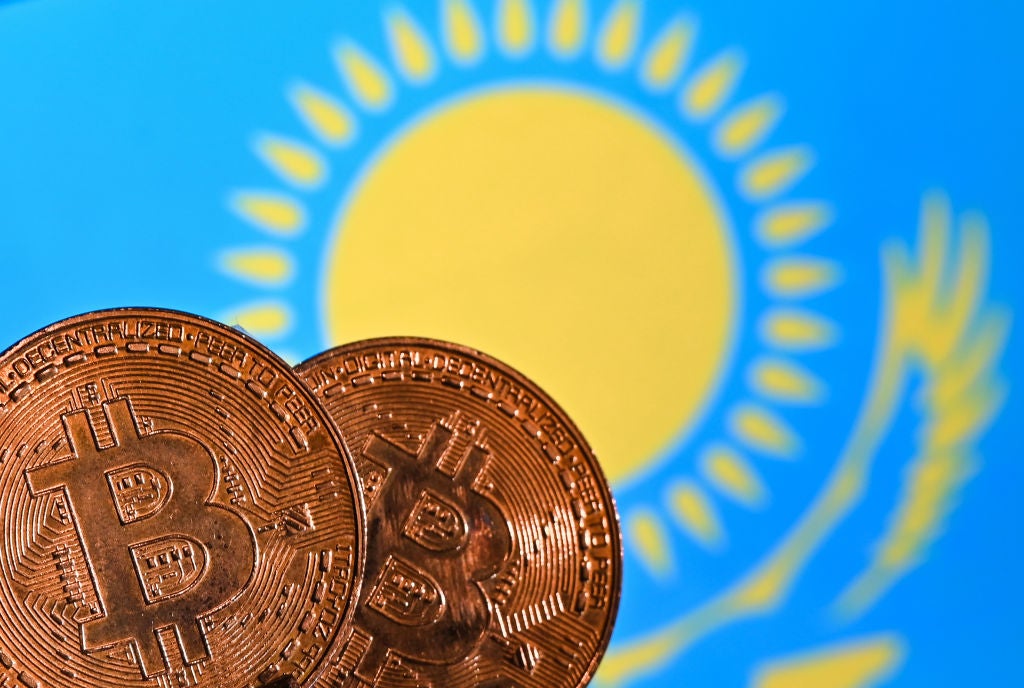
Kazakhstan’s President, Kassym-Jomart Tokayev, has called for the swift expansion of the nation’s cryptocurrency infrastructure, acknowledging its crucial role in shaping the future of the financial sector. Tokayev’s remarks, made during a government meeting on 28 January 2025, highlight the growing importance of digital currencies and assets, particularly in the face of advancements in artificial intelligence.

Addressing government officials, Tokayev pointed out that the global financial landscape is undergoing a significant transformation, with cryptocurrencies becoming a key part of economic systems worldwide. He emphasised that Kazakhstan must capitalise on these developments to stay competitive in an increasingly digital economy. The President outlined the necessity of building a robust and secure digital infrastructure that can support the growing demand for cryptocurrency transactions and services.

Kazakhstan has emerged as a critical player in the global cryptocurrency market in recent years. With a favourable regulatory environment and a relatively low cost of electricity, the country has become a hotspot for cryptocurrency mining. In fact, Kazakhstan currently ranks among the top ten countries globally in terms of Bitcoin mining hash rate, despite facing challenges such as rising energy consumption and concerns over the environmental impact of mining operations.

Tokayev’s call to action for the expansion of crypto infrastructure aligns with broader efforts to position Kazakhstan as a leader in digital finance. The government has already taken steps to strengthen the country’s position in the crypto space, including establishing regulations aimed at attracting foreign investment and enhancing market transparency. However, Tokayev stressed that the pace of development must accelerate to keep up with global trends and technological advancements.

Artificial intelligence , which Tokayev identified as a fundamental factor in the evolving financial landscape, is also seen as a major driver for the adoption of digital assets. The President pointed to the intersection of AI and blockchain technology as a pivotal area for innovation. AI’s ability to optimise blockchain processes, increase security, and enable the creation of decentralised applications is expected to drive further growth in the sector.

Kazakhstan’s proactive stance on crypto infrastructure is particularly important as the country navigates the challenges posed by global economic uncertainty and the increasing prevalence of digital assets. While digital currencies have faced volatility and regulatory hurdles in some parts of the world, Kazakhstan’s government remains committed to fostering an environment conducive to their development. Tokayev’s vision includes creating a comprehensive ecosystem that incorporates not only cryptocurrency mining and trading, but also other digital financial services such as digital banking, insurance, and payment systems.

The potential for Kazakhstan to become a regional hub for digital finance is underscored by its strategic location at the crossroads of Europe and Asia. As more businesses and individuals seek access to alternative financial systems, Kazakhstan’s crypto-friendly policies could position the country as a key player in the global digital economy.

Despite the optimistic outlook, challenges remain. One of the key concerns is ensuring the security of digital assets and protecting consumers from the risks associated with crypto investments. Tokayev acknowledged that while cryptocurrencies offer numerous opportunities, they also present risks, particularly in terms of cyber threats and fraud. As such, the President called for the development of a robust regulatory framework to safeguard the interests of investors and ensure that the benefits of digital assets are fully realised.

The government’s approach to crypto infrastructure is also focused on improving public awareness and fostering educational initiatives. As cryptocurrency adoption continues to grow, it is essential for both the public and private sectors to work together to enhance understanding and encourage responsible usage. Tokayev highlighted the need for collaboration with international experts and stakeholders to create best practices for the crypto industry and establish Kazakhstan as a trusted destination for digital asset innovation.

The push for enhanced crypto infrastructure comes at a time when global financial markets are increasingly focused on the intersection of technology and finance. Countries around the world are competing to establish themselves as leaders in the digital asset space, and Kazakhstan is determined to stake its claim. Tokayev’s remarks reflect a sense of urgency in ensuring that Kazakhstan does not fall behind in the race to capitalise on the potential of cryptocurrencies and blockchain technology.

MediaTek has announced significant improvements in its design workflow efficiency, thanks to its adoption of Cadence Virtuoso Studio and Spectre Simulation on Nvidia’s accelerated computing platform. The collaboration is set to propel MediaTek’s ability to meet the demands of advanced semiconductor technologies, particularly as the company prepares for 2nm process node designs in the future. The integration of these tools, which leverage artificial intelligence , promises to […]

SINGAPORE – Media OutReach Newswire – 5 February 2025 – FBS, a leading global broker, introduces FBS AI Assistant, a next-generation tool designed to support traders in making informed decisions. This AI-powered feature analyzes instrument charts in seconds, providing real-time insights based on price trends, patterns, and key market signals. FBS AI Assistant FBS AI Assistant simplifies complex data, transforming complicated chart patterns into clear, easy-to-read reports. […]

IMAX Corporation has reported a record-breaking box office performance during the Chinese New Year period, amassing $61.3 million in ticket sales. This figure represents a 72% increase compared to the same period in the previous year, underscoring a significant resurgence in the Chinese cinema market.

Leading this impressive performance was “The Wandering Earth 2,” which has become IMAX’s highest-grossing local language film to date. The film generated $50.4 million on IMAX screens across China, accounting for 9% of its total box office revenue, despite IMAX screens comprising less than 1% of the total available. This achievement also places “The Wandering Earth 2” as IMAX’s third highest-grossing release ever in the Chinese market.

IMAX CEO Rich Gelfond highlighted the importance of these results, stating that the Chinese box office is experiencing a robust recovery. He emphasized that, just two months into 2023, IMAX has delivered record-breaking results with its Chinese New Year slate and has seen a strong performance in China for “Avatar: The Way of Water,” with a promising lineup of Hollywood films yet to come. Gelfond noted that with China reemerging as a leading moviegoing market, IMAX is making significant strides toward returning to pre-pandemic levels of global box office performance.

Since fully reopening in December, China’s box office has demonstrated a remarkable comeback, more than doubling North American box office figures for January. Up to February 16, IMAX has generated $82 million in the Chinese market for 2023, already surpassing half of the $152.5 million earned throughout 2022. A significant contributor to this success is James Cameron’s “Avatar: The Way of Water,” which has earned over $52 million in China since its December 16 release, making it only the third film to surpass the $50 million mark in the country.

The diverse Chinese New Year slate also included Zhang Yimou’s period drama “Full River Red,” animated film “Deep Sea” produced by Enlight Film, and espionage thriller “Hidden Blade” produced by Bona Film and Xiyue Film. Daniel Manwaring, CEO of IMAX China, expressed optimism for the future, stating that the excellent slate of Chinese New Year films provides a great springboard for the year ahead. He congratulated Chinese studio and filmmaking partners for reigniting the country’s passion for moviegoing and looked forward to more successes in 2023.

In the coming weeks, several high-profile Hollywood releases are set to debut across the IMAX China network, including Disney/Marvel’s “Ant-Man and the Wasp: Quantumania,” Warner Bros./DC’s “Shazam! Fury of the Gods,” and Paramount’s “Dungeons and Dragons: Honor Among Thieves.” These releases are anticipated to further bolster IMAX’s performance in the Chinese market.

Analyst firm Benchmark has also noted IMAX’s strong position, suggesting that the company is poised to benefit from a robust 2025 box office, despite some underperforming major releases in late 2024. Benchmark analyst Mike Hickey acknowledged a softer-than-expected box office but viewed the resulting share-price weakness as a buying opportunity. He emphasized confidence in the company’s growth prospects, highlighting the importance of a rebounding IMAX China box office. Hickey expressed optimism that the Chinese New Year, beginning January 29, would kickstart the recovery, though he noted that the durability and magnitude of the rebound beyond the holiday remain uncertain.

China is positioned for significant growth in 2025, with the Chinese New Year slate featuring promising titles like “Creation of the Gods II,” “Ne Zha 2,” “Detective Chinatown,” and “Legend of the Condor Heroes,” expected to drive strong box-office performance. Upcoming Hollywood blockbusters such as “Mission: Impossible – Dead Reckoning Part Two,” “Avatar 3,” “Formula 1,” and “Zootopia 2” are also anticipated to bolster 2025 prospects. IMAX China’s strong ties to the film bureau are expected to enable Hollywood releases with minimal cuts, further enhancing the company’s outlook.

IMAX Box Office in China’s Peak Moviegoing Period up +57% over Previous Best; Animated Blockbuster “Ne Zha 2” Leads the Way with $36 Million and Counting NEW YORK, US and SHANGHAI, CHINA – Media OutReach Newswire – 5 February 2025 – IMAX Corporation (NYSE: IMAX) shattered its box office record for Chinese New Year, delivering $53 million during the 7-day holiday period concluded February 4. The busiest […]

Mastercard has teamed up with Payrails, a payment technology firm, to offer enterprises innovative digital payment solutions. This partnership focuses on transforming payment processes for large businesses by providing seamless and efficient transaction handling across global operations. The collaboration aims to deliver a robust platform that can simplify complex payment workflows, improve operational flexibility, and enhance financial optimization. The deal combines Mastercard’s vast experience in global payment […]

Nestlé has forged a strategic alliance with Dubai AI Campus to develop an advanced AI-powered platform designed to enhance product innovation. The collaboration aims to leverage artificial intelligence to identify emerging trends, offering valuable consumer insights that could revolutionize Nestlé’s approach to market strategies. The new tool, which combines Nestlé’s extensive industry experience with the cutting-edge capabilities of AI, will focus on processing large volumes of data. […]

VISHNU RAJA
RYO YAMADA
HITORI GOTOH
IKUYO KITA
Just in:
Oil advances towards $100 as tanker attacks persist // Fast Just Got Fastest: STING Energy Boost™ Celebrates Kimi Antonelli’s Formula 1® World Championship and the Fan Energy Behind It // Miss Universe Hong Kong Jen Zhou Departs for Puerto Rico to Compete in the 75th Miss Universe World Final // APT29-linked campaign exploits outdated Apple and Android software // Emaar approves Development buyout ahead of planned delisting // Meraas showcases five residential zones at Dubai Design Week // OpenAI identifies 948 Linux privilege escalation flaws using AI // CR Longdation Aethereal Cybersecurity × Global Cybersecurity Alliance (GCSA) Join Hands to Establish the “AI and Cybersecurity Research Centre” // Ta’ziz finalises $1.39bn funding for Ruwais industrial facilities // Geely’s i-HEV Intelligent Hybrid Technology Offers a New Direction Vision for Gasoline-Powered Vehicles // Geely’s i-HEV Intelligent Hybrid Technology Offers a New Direction for Gasoline-Powered Vehicles // Oil and chip shares retreat after Democratic victories // The “1st Greater Bay Area Health and Longevity Summit & Awards Ceremony” concludes successfully in Macao // Kochi police detain two actors over bid to honey trap doctor // Trump’s Iran War Has A Share Of Contribution To His Midterm Debacle // Asia Left Behind: Ten international companies have yet to report delivering on their cage-free egg pledges across the region // Dubai details five-year visa benefits for returning visitors // Technology shares plunge as Nasdaq enters correction // After Reaching 7 Million Users in the Philippines, Skyro Launches Transparent Cash Loans in Malaysia // TVM –Mangaluru Vande Bharat claims top spot //