Just in:
Emaar approves Development buyout ahead of planned delisting // e-Crime Bureau Signs Cybersecurity Partnership With Smart Africa, Reinforcing Its Global Expansion // Oil and chip shares retreat after Democratic victories // Beyond the exhibition floor: How robots, AI and networks are moving into the real world // The “1st Greater Bay Area Health and Longevity Summit & Awards Ceremony” concludes successfully in Macao // OpenAI introduces GPT-6 Cyber with restricted security access // Xi Jinping Preparing For A Trilateral Summit With Trump And Putin At APEC Summit On Nov 18-19 // After Reaching 7 Million Users in the Philippines, Skyro Launches Transparent Cash Loans in Malaysia // Dubai boat show confirms international shipyard line-up for November // Asia Left Behind: Ten international companies have yet to report delivering on their cage-free egg pledges across the region // Geely’s i-HEV Intelligent Hybrid Technology Offers a New Direction for Gasoline-Powered Vehicles // Dubai details five-year visa benefits for returning visitors // Geely’s i-HEV Intelligent Hybrid Technology Offers a New Direction Vision for Gasoline-Powered Vehicles // OpenAI identifies 948 Linux privilege escalation flaws using AI // Oil advances towards $100 as tanker attacks persist // Kochi police detain two actors over bid to honey trap doctor // Millions Of Indians May Soon Be Deprived Of Government Assistance // CR Longdation Aethereal Cybersecurity × Global Cybersecurity Alliance (GCSA) Join Hands to Establish the “AI and Cybersecurity Research Centre” // Ousted top Kochi cop gets IG post // Emirates Group records AED 4.1 billion half-year profit //

News related to
Edge

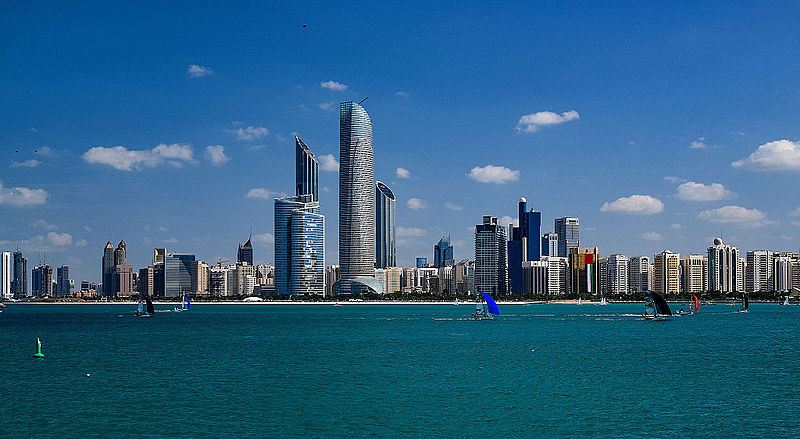
Abu Dhabi is hosting an event that has gathered leading experts, researchers, and companies to focus on the future of open-source AI technologies. The Open-Source AI Summit, organized by the Technology Innovation Institute (TII), is bringing together prominent voices from academia and the tech industry to discuss the most pressing issues facing artificial intelligence today. The event highlights the crucial role of open-source development in shaping the trajectory of AI across sectors, including healthcare, data infrastructure, and generative models.

The summit is set to provide a platform for exploring new algorithms, ethical frameworks, and cutting-edge technologies aimed at improving AI systems’ transparency and usability. The discussions will address the challenges and potential benefits of open-source contributions to the rapidly growing field of AI. A major theme of the event is how open-source AI could democratize access to powerful technologies, fostering a more inclusive approach to innovation.

Experts at the summit, including Michal Valko, Principal Llama Engineer at Meta Paris, are pushing forward the theoretical foundations of machine learning. Valko’s focus on reinforcement learning from human feedback (RLHF) is among the key topics, as it offers insights into aligning AI behaviors with human values. This approach, which combines human preference models with reinforcement learning, has gained significant traction for refining AI models like large language models (LLMs).

In parallel, Dr. June Paik, Founder and CEO of FuriosaAI, is presenting her company’s work on AI chips designed to improve energy efficiency and performance, particularly in data centers managing the growing demand for deep learning inference. The shift towards hardware specifically built for AI is another cornerstone of the discussions, addressing the challenges posed by energy consumption and scalability in AI applications.

The event is also delving into the role of AI in conversational technologies. Dr. Neil Zeghidour, co-founder of Kyutai, is showcasing their advancements in creating Moshi, the world’s first full-duplex speech-to-speech system that allows AI to engage in natural, real-time conversations with human-like emotions. This breakthrough represents a significant leap forward in human-AI interaction, promising enhanced experiences in customer service, healthcare, and education.

The diverse perspectives presented at the summit underline the importance of collaboration between open-source communities, corporations, and government institutions. Many of the featured technologies, from generative AI to AI-powered hardware, are set to play an integral role in shaping industries over the next decade. Open-source AI, with its focus on collaboration and accessibility, is positioned as a transformative force, promising to create more robust and adaptable systems.

The summit also emphasizes the role of regulatory frameworks in the future of open-source AI. With the rapid rise of generative models like ChatGPT, discussions have intensified about the need for effective governance to ensure these technologies are developed responsibly and ethically. As some experts argue for tighter regulations to manage the risks associated with AI, others emphasize the need to keep open-source AI development flexible and adaptable to meet emerging challenges.


Emirates is signaling significant fleet expansion as the airline considers increasing its order of Airbus A350 aircraft beyond the current commitment of 65 jets. President Tim Clark, speaking at an aviation industry event, highlighted this potential move as part of Emirates’ strategy to accommodate growing passenger demand and sustain its competitive edge in the evolving global aviation market. The A350, known for its fuel efficiency and advanced […]

TORONTO, ONTARIO – Media OutReach Newswire – 27 November 2024 – Tech A Break Digital Solutions Inc., a pioneering technology company that focuses on innovative Artificial Intelligence solutions, has introduced its AI chatbot service. This fresh innovation will change how businesses interact with their customers by providing personalized and efficient real-time communication solutions that are highly effective. Tech A Break Digital Solutions Inc. strives to enable businesses […]

Trezor, a leading hardware wallet provider, has reported an unprecedented 600% increase in weekly wallet sales, underscoring the escalating demand for self-custody solutions among cryptocurrency investors. This surge coincides with Bitcoin’s remarkable rally, approaching its record high of $99,600, driven by significant market developments and shifting investor behavior.

The cryptocurrency market has seen heightened activity as Bitcoin prepares for its fourth halving event, anticipated in April 2024. This event, which reduces the block reward miners receive, historically triggers supply shocks that contribute to price surges. Alongside this technical catalyst, enhanced regulatory clarity in the United States has bolstered confidence among institutional and retail investors. The recent approval of spot Bitcoin exchange-traded funds (ETFs) by regulatory authorities has further legitimized Bitcoin as an asset class.

Market trends indicate a substantial withdrawal of Bitcoin from centralized exchanges, with approximately 427,000 BTC removed in 2024 alone. This trend reflects a growing preference for self-custody amid concerns over the security of funds held on exchanges. The collapse of prominent cryptocurrency platforms in prior years has heightened awareness of the risks associated with centralized custodians, driving investors toward more secure storage options such as hardware wallets.

Trezor’s sales figures highlight the growing emphasis on decentralized ownership and asset security. The company’s wallets offer offline storage, safeguarding assets from hacking attempts and cyber threats. This surge in demand aligns with the broader industry shift toward empowering users to take control of their financial assets.

Bitcoin’s rally has also been fueled by its role as a hedge against inflation and economic uncertainty. As traditional financial systems face challenges, Bitcoin’s fixed supply and decentralized nature have attracted investors seeking alternative stores of value. This sentiment is echoed by major institutional players, including MicroStrategy, which continues to accumulate Bitcoin as a strategic reserve asset. MicroStrategy’s holdings, currently exceeding 150,000 BTC, signify the growing institutional adoption of cryptocurrency.

The geopolitical landscape has further underscored Bitcoin’s appeal. In regions experiencing economic instability or strict capital controls, Bitcoin has emerged as a viable tool for financial inclusion and wealth preservation. Countries such as El Salvador have embraced Bitcoin as legal tender, setting a precedent for its potential integration into national economies.

By Nitya Chakraborty The last round of the state assembly elections of the country in 2024 along with the by polls ended on November 20 with the results declared on November 23. The massive victory of the BJP led Mahayuti in Maharashtra polls has given a new confidence to the BJP in offsetting the losses […]

Bitwise Asset Management has renamed its European exchange-traded product to “Bitwise Physical XRP ETP” (Ticker: GXRP) in a move underscoring Ripple’s growing investment in XRP’s evolving ecosystem. This strategic rebranding aligns with Ripple’s focus on expanding the utility of XRP across diverse financial sectors, responding to rising demand from institutional players and cross-border payment markets.

The product, initially launched to provide streamlined exposure to XRP for European investors, has seen significant growth in traction. Bitwise aims to strengthen its foothold by aligning more closely with Ripple’s broader strategic initiatives. Ripple has confirmed its intention to channel investments into the product, emphasizing its confidence in the token’s versatility in decentralized finance and its increasing adoption in global remittance networks.

Market analysts point to Ripple’s ongoing efforts to cement XRP as a pivotal tool for institutional DeFi applications, with tokenization becoming a major driver. XRP’s utility in facilitating cost-effective and fast international money transfers remains a core pillar, but its applications are expanding into emerging sectors. Ripple has actively pursued partnerships and technological advancements to bolster XRP’s presence in these innovative spaces.

The rebranding comes at a critical time for Bitwise and Ripple as they navigate the rapidly evolving regulatory landscape surrounding digital assets. Ripple’s landmark partial court victory earlier this year marked a turning point for XRP’s classification, with the ruling differentiating between institutional and retail sales. This decision provided much-needed clarity for XRP’s future within the financial ecosystem, encouraging institutional confidence in Ripple’s offerings.

Bitwise Physical XRP ETP targets sophisticated European investors, offering a secure and regulated avenue for exposure to XRP. The renamed product reflects a commitment to transparency and adaptability amid growing scrutiny of the cryptocurrency industry. With regulatory agencies in Europe tightening oversight, such measures are essential for maintaining investor trust.

Ripple’s Chief Executive Officer, Brad Garlinghouse, has been vocal about the company’s ambition to lead innovation in digital finance. The investment into GXRP underscores Ripple’s strategy to promote the adoption of XRP as a foundational technology for financial institutions. The token’s role in facilitating liquidity and improving the efficiency of financial systems remains a focal point for the company.

The global push for tokenization, where real-world assets like real estate or art are represented on the blockchain, is another area where Ripple sees significant potential. By leveraging XRP as a medium for these digital representations, Ripple aims to tap into an emerging multi-trillion-dollar market. The company has outlined plans to integrate XRP into tokenization platforms, fostering interoperability and efficiency in asset transfers.

XRP’s appeal to financial institutions also lies in its scalability and environmental sustainability. Unlike Bitcoin, which relies on energy-intensive mining, XRP operates on a consensus ledger mechanism, ensuring lower energy consumption and faster transaction speeds. This makes it particularly attractive for institutions aligning their operations with global sustainability goals.

Bitwise’s decision to rebrand the product also reflects growing interest in Europe, where cryptocurrency adoption is gaining momentum. European regulatory frameworks, particularly the Markets in Crypto-Assets (MiCA) regulation, have provided clearer guidelines for the operation of digital assets, enabling innovative products like GXRP to flourish.

Ripple has been proactive in building partnerships within the European Union, with initiatives aimed at enhancing financial inclusion and enabling seamless money transfers across borders. These efforts have positioned XRP as a leading contender in the global payments sector, rivaling traditional systems like SWIFT.

The decentralized finance ecosystem, another area of Ripple’s interest, continues to attract institutional attention. XRP’s integration into DeFi platforms aims to provide institutions with reliable tools for liquidity provisioning, yield generation, and risk management. Ripple’s investments in research and development are geared towards optimizing these functionalities.

While the broader cryptocurrency market has faced headwinds, XRP has demonstrated resilience. Market data indicates a steady uptick in transaction volumes and liquidity metrics, highlighting confidence among users and institutions. Analysts suggest that Ripple’s strategic investments, such as those in GXRP, are likely to sustain this momentum.

Brazil’s Chamber of Deputies is deliberating a legislative proposal aimed at incorporating Bitcoin into the country’s foreign reserve portfolio. This groundbreaking move seeks to allocate a portion of Brazil’s international reserves to the cryptocurrency, marking a significant step towards integrating digital assets into mainstream financial strategies.

The proposed legislation, introduced by lawmakers advocating for diversified economic resilience, would allow Bitcoin to constitute up to five percent of the nation’s reserves. This initiative aligns with global trends where nations and institutions are exploring the potential of cryptocurrencies to hedge against traditional economic risks. If passed, the bill could position Brazil as a leader in adopting blockchain-backed financial instruments at a governmental level.

The draft highlights the strategic advantages of holding Bitcoin, including its decentralized nature, resistance to inflationary pressures, and potential as a counterbalance to fluctuations in fiat currencies. Proponents argue that Bitcoin’s finite supply and increasing global acceptance enhance its viability as a reserve asset. These features, according to the proposal, could complement Brazil’s existing reserves composed of foreign currencies, gold, and special drawing rights.

Analysts monitoring Brazil’s economic policies have noted the implications of such a move. Incorporating Bitcoin would diversify the country’s portfolio, potentially safeguarding it against geopolitical tensions and market volatility affecting traditional reserve currencies. The legislation reflects broader global discussions about the role of digital currencies in future economic frameworks, as countries grapple with evolving financial technologies.

Critics of the proposal, however, have raised concerns about the volatility of Bitcoin, which has seen dramatic price swings since its inception. They caution that incorporating such an asset into national reserves could introduce risks, particularly in a global economic environment already rife with uncertainty. Economists skeptical of the move emphasize the importance of stability in reserve assets, arguing that Bitcoin’s speculative nature might undermine the reliability of the country’s holdings.

Despite these criticisms, supporters of the measure point to the growing adoption of Bitcoin and blockchain technology across various sectors worldwide. They argue that early investment in digital currencies could provide Brazil with a strategic advantage, particularly as cryptocurrencies gain legitimacy and value in international markets. Bitcoin’s adoption by major corporations and financial institutions has further strengthened the case for its inclusion in national strategies.

Brazil’s proposal comes amid a broader regional interest in cryptocurrencies. Other Latin American countries, including El Salvador, have taken bold steps to integrate Bitcoin into their economies. While El Salvador adopted Bitcoin as legal tender, Brazil’s approach appears more measured, focusing on Bitcoin as a reserve asset rather than a medium of exchange.

The legislative push aligns with Brazil’s broader digital transformation efforts, which include initiatives to modernize financial services and explore blockchain applications in public administration. These measures signal the country’s intent to leverage technology to enhance transparency, efficiency, and economic growth. Observers see the Bitcoin reserve proposal as a natural extension of these efforts, reflecting a willingness to embrace innovation while navigating its challenges.

The Chamber of Deputies has yet to finalize deliberations on the bill. If approved, the legislation would require regulatory adjustments to ensure that Bitcoin holdings comply with international financial standards and Brazil’s fiscal policies. Key stakeholders, including the Central Bank of Brazil, are expected to play a pivotal role in shaping the implementation framework should the bill pass into law.

Advertisements

Understood. I will craft the requested news report adhering to the guidelines. Please allow me some time to ensure thorough research and fact-checking for accuracy.

A federal judge ruled against the U.S. Treasury Department’s decision to sanction Tornado Cash, citing the decentralized nature of the protocol. The court determined that Tornado Cash’s immutable smart contracts, being autonomous and ownerless, do not qualify as “property,” a key criterion for applying sanctions. The decision follows months of legal challenges arguing that such sanctions overreach legal boundaries.

Tornado Cash, an open-source cryptocurrency mixer operating on Ethereum, was initially sanctioned by the Office of Foreign Assets Control (OFAC) in 2022. The sanctions were aimed at curbing alleged misuse by entities such as the Lazarus Group, a North Korean cybercrime organization implicated in laundering over $1 billion through the platform. OFAC’s move faced sharp criticism from privacy advocates and developers, who argued that sanctioning a decentralized protocol set a dangerous precedent for open-source technology.

This legal outcome challenges the government’s ability to regulate decentralized tools in cryptocurrency ecosystems. It underscores the difficulty of applying traditional legal frameworks to technologies designed to operate independently of centralized control. Despite the ruling, Tornado Cash remains at the center of debates over its role in facilitating financial privacy versus enabling illicit activities.

The Justice Department is separately pursuing criminal charges against Tornado Cash cofounders Roman Storm and Roman Semenov. Both face allegations of conspiracy to launder money and operate an unlicensed money-transmitting business. Prosecutors claim their actions contributed to sanctions violations, including facilitating transactions for banned entities like the Lazarus Group. While Storm has been arrested, Semenov’s location remains undisclosed.

The ruling does not eliminate scrutiny of Tornado Cash or its developers, as the court acknowledged the legitimate concerns of law enforcement. However, the judgment has been celebrated as a victory for decentralization and the principles of blockchain autonomy, raising questions about how governments can enforce laws in the age of decentralized finance. The case is likely to influence regulatory approaches to cryptocurrency in the United States and beyond.

NEW YORK, US – Media OutReach Newswire – 26 November 2024 – From pharmaceutical manufacturing to petrochemical refinement, many industries utilize solvents for various processes, such as synthesis, extraction, purification, and more. Nevertheless, the conventional method across industries involves extensive solvent use followed by their disposal, often through incineration. This creates a never-ending cycle of vast chemical consumption that leads to significant waste streams, contributing to environmental […]

Dubai International Financial Centre (DIFC) has unveiled an exciting collaboration with the Skywards Everyday app, aiming to elevate the shopping, dining, and entertainment experience at the renowned Gate Avenue. The partnership marks a significant step in enhancing customer engagement and offering additional benefits to both new and existing users of the Skywards loyalty program.

Gate Avenue, located in the heart of Dubai’s financial district, is known for its vibrant atmosphere and extensive range of luxury retail outlets, dining options, and entertainment experiences. This new partnership with Skywards Everyday, part of Emirates’ frequent flyer program, offers customers the opportunity to earn and redeem Skywards Miles for purchases at participating outlets within the DIFC precinct.

The collaboration will allow users to earn Skywards Miles for everyday spending, with exclusive offers and promotions available across various restaurants, cafes, and retail outlets in Gate Avenue. Shoppers can now seamlessly integrate their Skywards account with the Skywards Everyday app, benefiting from personalized rewards and exclusive deals. This move is aimed at enhancing the customer experience by merging Dubai’s retail and hospitality sectors with the convenience of a loyalty program, creating a more dynamic, rewarding environment for both local residents and international visitors.

The Dubai International Financial Centre has long been a hub for business, finance, and lifestyle, attracting both global corporations and high-net-worth individuals. By teaming up with the Skywards Everyday app, DIFC aims to tap into the growing demand for integrated digital solutions that provide seamless experiences for consumers. This partnership reflects the evolving nature of consumer expectations, with an increasing desire for convenience, personalized rewards, and a more integrated lifestyle experience.

The initiative also underscores the UAE’s broader ambition to position itself as a global leader in innovation and technology. By leveraging the power of digital applications like Skywards Everyday, the DIFC hopes to foster greater engagement within its community and enhance its status as a top destination for high-end retail and leisure activities. The partnership is expected to bring in a new wave of visitors to Gate Avenue, with Skywards Everyday’s extensive reach providing DIFC with access to a diverse and affluent customer base.

Skywards Everyday, which launched in 2020, has rapidly grown in popularity, providing users with the ability to earn miles on everyday purchases. The app has been designed to work with a wide range of retailers, enabling users to earn Skywards Miles at thousands of locations across the UAE. With this expansion into Gate Avenue at DIFC, users will be able to collect miles for purchases at some of Dubai’s most exclusive shopping and dining spots.

For Emirates, the expansion of the Skywards Everyday app to high-profile locations such as DIFC is part of its ongoing efforts to strengthen the Emirates Skywards program and its loyalty offerings. As the aviation and travel industries continue to recover from the pandemic, loyalty programs have become an increasingly important tool in driving customer retention and engagement. By providing additional ways for Skywards members to earn miles and rewards, Emirates is enhancing the value of its frequent flyer program, which has long been a key differentiator in a competitive industry.

This collaboration also highlights a broader trend in Dubai’s retail and hospitality landscape, where the fusion of technology and customer service is reshaping how businesses interact with consumers. In a city known for its luxury experiences and cutting-edge innovations, partnerships like this are becoming essential in attracting and retaining customers in an increasingly competitive market.

Gate Avenue at DIFC has long been one of Dubai’s prime destinations for luxury shopping and fine dining. The precinct has hosted numerous global brands and offers a wide range of services that cater to the tastes and preferences of the UAE’s affluent residents and international visitors. With the new partnership, DIFC is positioning itself as a leading player in the city’s retail and leisure scene, bridging the gap between traditional shopping experiences and modern digital solutions.

Dubai is a global icon of rapid urban transformation, evolving from a quiet desert town into a bustling international metropolis in just a few decades. Behind this remarkable growth lies a network of services enabling the city’s expansion and mobility. Among these, moving companies in Dubai are key players, ensuring seamless transitions for residents, businesses, and global professionals. The Unprecedented Growth of Dubai Population Growth and Urban […]

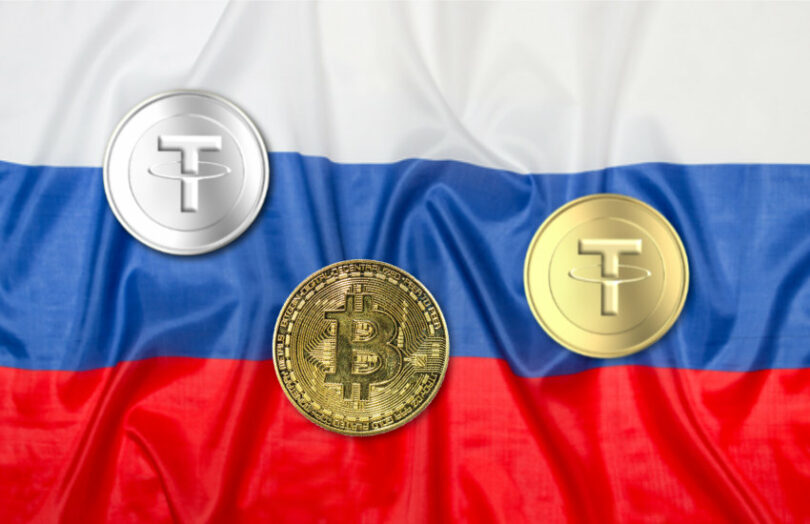
Digital currencies are officially recognized as taxable property in Russia, following legislative amendments approved by the State Duma. This landmark development introduces comprehensive tax rules for cryptocurrency transactions and mining, slated to take effect from January 1, 2025. The amendments represent a significant step in the country’s regulatory approach to digital assets, aiming to streamline income reporting and ensure compliance.

The legislative changes impose a tax of 13% for individual income from cryptocurrency operations, with a slightly higher rate of 15% applicable to non-resident individuals. Additionally, businesses involved in cryptocurrency-related activities will benefit from a value-added tax (VAT) exemption for mining-related transactions. This provision is designed to encourage greater participation in the crypto-mining sector while fostering a controlled environment for its growth. These measures reflect the government’s effort to balance innovation with the need for robust oversight in the digital economy.

A crucial aspect of the legislation involves the stricter regulation of mining infrastructure operators. Companies in this domain will be required to register and comply with stringent guidelines aimed at curbing illegal activities and ensuring transparency. By regulating these operators, authorities seek to establish a framework that promotes legitimate operations and protects market participants from fraud or exploitation.

The move aligns with Russia’s broader strategy to regulate cryptocurrencies amidst increasing global scrutiny of the sector. Cryptocurrencies, often viewed as tools for money laundering or tax evasion, have prompted governments worldwide to introduce regulations to monitor and manage their use effectively. By categorizing digital currencies as property, Russia not only brings clarity to their legal status but also signals its intention to integrate them into the formal economy.

Market analysts suggest that the taxation framework could encourage crypto-mining firms to operate within the law, as compliance becomes a prerequisite for business continuity. This development is especially significant for Russia, which is among the leading countries in crypto-mining due to its vast energy resources and favorable climate. The regulatory measures are expected to attract domestic and international players seeking stability and legal certainty in their operations.

The new rules also mandate the disclosure of cryptocurrency holdings and transactions in annual tax filings, creating an accountability system for individuals and entities involved in digital asset trading. Failure to comply with reporting requirements could result in severe penalties, reinforcing the government’s commitment to maintaining integrity within the sector.

Russia’s decision to implement these measures comes against a backdrop of evolving global attitudes toward cryptocurrency regulation. Countries such as the United States and members of the European Union have been advancing similar initiatives, highlighting a collective acknowledgment of the economic potential and risks associated with digital currencies. By joining this regulatory movement, Russia positions itself as a key player in shaping the future of the global crypto landscape.

Despite the optimism surrounding these changes, critics have raised concerns about the potential for overregulation to stifle innovation. Some industry stakeholders argue that the stringent requirements for mining infrastructure operators could create barriers for small-scale participants, thereby consolidating the industry in favor of larger entities. This, they warn, might undermine the decentralized ethos of cryptocurrency and limit opportunities for new entrants.

The effectiveness of these regulations will largely depend on their implementation and enforcement. Ensuring compliance in a rapidly evolving and highly technical sector presents significant challenges, requiring continuous adaptation and investment in oversight mechanisms. Observers emphasize the need for authorities to strike a balance between fostering growth and maintaining control to avoid unintended consequences.

Harbour City Shopping Mall in Hong Kong is set to captivate visitors this holiday season with a spectacular lineup of festive attractions, combining art, light displays, and interactive experiences. The renowned shopping center, known for its large-scale holiday celebrations, has revealed a series of events that are expected to become some of the city’s signature attractions this Christmas.

The centerpiece of the celebrations is the mall’s iconic outdoor lighting display. This annual installation has become a major draw for both locals and tourists, transforming the exterior of the shopping complex into a dazzling spectacle. This year’s theme features an innovative mix of cutting-edge LED technology and traditional Christmas motifs, designed to create an immersive holiday experience. The display spans several stories of the building and showcases intricate light patterns that change throughout the evening, inviting passersby to marvel at its grandeur. The festive lights will continue to shine through the holiday season, attracting both photography enthusiasts and families looking for a memorable Christmas outing.

Alongside the lighting display, Harbour City has partnered with internationally acclaimed Japanese artist Tatsuya Tanaka to present a unique miniature art exhibition. Known for his whimsical and imaginative dioramas, Tanaka’s art will offer a fresh perspective on Christmas traditions. His miniature sculptures will bring holiday scenes to life with an unexpected, playful twist, combining familiar Christmas imagery with his signature miniature world. The exhibit will allow visitors to engage with the art in a way that encourages creativity and exploration. Tanaka’s work has previously been showcased in major art venues around the world, and his latest exhibition at Harbour City promises to be another highlight for art lovers during the holiday season.

In addition to the art display, Harbour City is also introducing an interactive Peko’s Candy House, a festive, family-friendly attraction. This installation brings the beloved Japanese character, Peko-chan, to life in an immersive candy-themed environment. Visitors will have the chance to step inside the Candy House, where they can explore a world of sweets and treats, from oversized candy sculptures to Peko-themed merchandise. The Candy House will be designed with vibrant colors and playful elements, making it a perfect spot for families and children to enjoy together. As part of the experience, special events and themed activities will take place, ensuring that there is something for every age group to enjoy.

Harbour City’s festive season also includes various promotions and collaborations with top retail brands, giving shoppers a chance to take advantage of exclusive offers. The mall’s annual Christmas market will feature a selection of international and local vendors offering seasonal gifts, decorations, and artisanal goods. Visitors can browse a variety of high-quality items, making it a great opportunity to find unique presents for loved ones. Special Christmas-themed pop-up stores will also add to the shopping experience, with limited-edition products and festive merchandise from global brands.

The multi-faceted nature of this year’s Christmas celebrations at Harbour City highlights the mall’s commitment to providing a diverse and engaging experience for its visitors. Whether it’s the stunning lighting display, Tanaka’s intricate art, or the whimsical charm of Peko’s Candy House, the mall is set to become a central hub of holiday activities in Hong Kong.

Beyond entertainment, the event underscores the growing trend of experiential retail in Hong Kong, where shopping centers are becoming more than just places to buy goods. This shift towards creating memorable, immersive experiences for visitors has been a key strategy for many leading malls across the region. Harbour City, in particular, continues to be a pioneer in integrating art, culture, and entertainment into its retail offerings.

Video-sharing platform Rumble has announced its intent to diversify its financial strategy by allocating up to $20 million of its excess cash reserves into Bitcoin. The move underscores the company’s commitment to adopting innovative measures while showcasing confidence in the potential of cryptocurrency as a store of value.

The decision reflects an emerging trend among technology firms leveraging digital currencies to hedge against inflation and enhance liquidity options. Rumble’s leadership emphasized that this strategic pivot aligns with its broader goals of decentralization and financial autonomy, mirroring the platform’s ethos of providing an independent content space.

Rumble, headquartered in Longboat Key, Florida, has seen significant growth in its user base, fueled by increasing demand for platforms that prioritize free expression. The company’s trajectory, bolstered by its public listing in September 2022, has positioned it as a formidable competitor to mainstream platforms. Its diversification into Bitcoin suggests a dual focus on strengthening its financial health while aligning with digital innovation trends that resonate with its user demographic.

This move follows a pattern of corporations exploring Bitcoin as a treasury asset. Notable companies such as MicroStrategy and Tesla have similarly invested significant portions of their reserves into the cryptocurrency, citing its scarcity and long-term value prospects. MicroStrategy, a pioneer in this domain, holds the largest corporate Bitcoin reserve, totaling over 150,000 BTC. Rumble’s initiative, while smaller in scale, signals its belief in Bitcoin’s stability despite the volatile nature of the crypto market.

Cryptocurrency markets have seen heightened activity over the past year, with Bitcoin experiencing a resurgence following regulatory clarity and institutional interest. Rumble’s planned acquisition comes at a time when the digital currency hovers near its highest price levels for the year, fueled by speculation surrounding Bitcoin exchange-traded funds (ETFs) and increased blockchain adoption. The timing of the investment could enable Rumble to capitalize on potential upward trends, although it also entails risks inherent to market fluctuations.

Analysts have noted that this decision aligns with Rumble’s brand identity as a disruptor in the digital media space. By embracing Bitcoin, the company reaffirms its stance against conventional norms, appealing to its core audience that values independence and alternative approaches. Some market observers believe this move could further attract creators and viewers who support decentralized solutions across various domains, including finance.

Despite the optimism surrounding cryptocurrency investments, critics caution against potential challenges, particularly given Bitcoin’s history of price volatility. Skeptics argue that while Bitcoin has demonstrated resilience, its correlation with broader market dynamics and regulatory pressures could pose risks to companies holding it as a financial asset. Rumble’s decision to allocate a portion of its reserves rather than a full-scale commitment appears to reflect a balanced approach, mitigating exposure while allowing for potential gains.

The announcement also reflects broader conversations about the role of digital assets in corporate finance. As businesses explore innovative strategies to manage reserves, Bitcoin’s prominence as a viable alternative asset class continues to gain traction. Advocates of Bitcoin argue that its deflationary design and finite supply make it an ideal hedge against economic uncertainties, a sentiment echoed by Rumble’s leadership.

A Collaborative Platform Showcasing Scalable and Affordable Solutions for Climate Action, With a Focus on the Global South BAKU, AZERBAIJAN – Media OutReach Newswire – 25 November 2024 – The Biosphere 3 Solutions Pavilion stood out at the UN Climate Change Conference (COP29) as a beacon of innovation and collaboration. Hosted in the Blue Zone, the pavilion presented cutting-edge solutions that address energy equity, decarbonization, and sustainability […]

Brace yourselves—Donald Trump is back on the scene, and the markets are bracing for impact. If history is any guide, a second Trump presidency could ignite a perfect storm for bonds. Inflationary policies, debt-fuelled spending sprees, and geopolitical curveballs are all in the cards. If you’re clinging to a “safe” bond portfolio, it’s time to wake up and smell the burning yields. Trump doesn’t do things by […]

Microsoft confirmed that it is investigating disruptions to its Microsoft 365 suite, primarily impacting Teams and Exchange services. The issue has drawn global attention, with users reporting difficulties in accessing key functionalities, including the Teams calendar and Exchange Online. Downdetector, a platform that tracks service outages, logged a surge of complaints about these issues, suggesting widespread impact. The company acknowledged the situation early Monday, notifying users through […]

Mercedes-Benz has announced an ambitious plan to introduce solar paint technology in its electric vehicles (EVs), a development that could revolutionize the way electric cars harness energy. This cutting-edge technology would allow the vehicle’s paint to absorb solar energy, even when the car is stationary or turned off. The solar paint will feed the collected energy into the car’s battery, enhancing the vehicle’s efficiency and extending its range.

This move represents a significant leap in the automotive industry’s ongoing quest to make electric vehicles more sustainable and self-sufficient. Mercedes-Benz is one of the first manufacturers to actively explore solar paint, a technology that has the potential to change the way electric vehicles interact with their environment. According to company sources, the solar paint is designed to be permanently active, continuously converting sunlight into energy as long as the vehicle is exposed to light.

This development is part of the broader trend within the automotive sector to improve EV energy management. While many electric vehicles already use regenerative braking and solar panels to boost performance, the solar paint goes a step further by leveraging the vehicle’s entire surface for energy absorption. The paint could contribute a significant amount of power to the car’s battery, although experts note that it may not fully replace the need for traditional charging methods.

Mercedes-Benz is collaborating with a variety of tech companies and research institutions to refine the technology. The company has stated that the solar paint would be applied to key areas of the vehicle, such as the roof, hood, and even the doors. The solar cells embedded in the paint would be able to absorb sunlight and convert it into usable electricity. The energy harvested would be stored in the vehicle’s battery, where it could be used to power systems like air conditioning, entertainment, and lighting, without drawing power from the main battery pack.

While solar panels on cars are not new, the integration of solar paint introduces a new level of efficiency. Traditional solar panels are often bulky and expensive, and they require a significant amount of space on the vehicle. Solar paint, however, is lightweight and can be applied to nearly any surface of the car, making it far less intrusive and more versatile. This means that the entire car could potentially act as a solar energy collector, even in areas where traditional panels might not fit or be effective.

Experts predict that the solar paint technology could be particularly beneficial for electric vehicles used in regions with high levels of sunlight. Vehicles in such areas could potentially accumulate enough energy during the day to extend their driving range or power essential systems without needing to rely as much on external charging. For example, an EV parked outdoors for several hours could accumulate enough energy from the solar paint to keep the cabin cool or power electronics while the engine is off.

However, there are challenges that still need to be addressed before solar paint can become a mainstream feature in the automotive market. One of the primary concerns is the efficiency of the solar paint. While solar panels on rooftops typically have an efficiency rate of around 15-20%, solar paint has much lower energy conversion rates. This means that while solar paint can contribute to a car’s energy supply, it may not be enough to power the vehicle independently. Mercedes-Benz has emphasized that the paint is not intended to replace conventional charging methods, but rather to complement them by providing a supplementary energy source.

The financial and technological viability of solar paint also remains uncertain. Integrating solar technology into a vehicle’s paint job will require significant investment in research, development, and production processes. There are also questions about the longevity and durability of solar paint, as the paint would need to withstand wear and tear from exposure to the elements, road debris, and washing.

Despite these obstacles, the solar paint project aligns with Mercedes-Benz’s broader sustainability goals. The company has been at the forefront of eco-friendly initiatives, such as its ambitious plans to go carbon neutral by 2039. The solar paint fits into this strategy by offering a new way to reduce the carbon footprint of electric vehicles and make them more energy-efficient. As the automotive industry looks to reduce its dependence on fossil fuels, innovations like solar paint could play a critical role in the transition to a more sustainable future.

In addition to its practical applications, solar paint technology is also a potential game-changer for the automotive design industry. As automakers explore ways to incorporate renewable energy solutions into vehicle production, solar paint could offer a more aesthetically pleasing alternative to traditional solar panels. The paint can be seamlessly integrated into the vehicle’s design, without sacrificing the car’s appearance or aerodynamics.

Mercedes-Benz’s commitment to solar paint is part of its broader strategy to remain a leader in the growing electric vehicle market. The company has already made significant strides with its EQ electric lineup, which includes a variety of vehicles designed to meet the needs of eco-conscious consumers. The introduction of solar paint would further solidify Mercedes-Benz’s position as an innovator in the field, as the company continues to explore new ways to reduce the environmental impact of transportation.

SINGAPORE – Media OutReach Newswire – 25 November 2024 – FBS, a leading global broker, celebrates winning the Outstanding Trading Education Asia 2024 award from CFI.co, a prestigious international publication. This award highlights FBS’s commitment to providing cutting-edge, accessible, and impactful trading education to traders of all experience levels across Asia and beyond. FBS Wins Outstanding Trading Education Asia 2024 Award Trading financial markets can be complex, […]

A leading Thai official has underscored the inadequacy of current measures to combat the rising global temperature, emphasizing the need for urgent action at the ongoing UN climate change conference in Baku. Chalermchai Sri-on, Thailand’s Minister of Natural Resources and the Environment, voiced strong concerns about the global response to climate change at COP29, calling on world leaders to prioritize climate financing and effective solutions for the […]

“Engineered for Sustainability: Hong Kong’s Contribution to United Nations Sustainable Development Goals” Showcasing over 40 Sustainable Engineering Projects HONG KONG SAR – Media OutReach Newswire – 25 November 2024 – The Hong Kong Institution of Engineers (“HKIE”) launched an eBook, Engineered for Sustainability: Hong Kong’s Contribution to United Nations Sustainable Development Goals, which introduces Hong Kong engineering industry’s progress towards achieving the United Nations Sustainable Development Goals […]

A prominent shopping center in Bahrain has joined forces with Yellow Door Energy to launch a 4.7 MWp solar power plant, marking a significant step in the kingdom’s efforts to achieve net-zero carbon emissions by 2060. The new solar plant, which will supply clean energy to the mall, highlights Bahrain’s growing commitment to sustainable energy practices and its pursuit of a greener future. This collaboration is part […]

Binance has experienced a remarkable surge in stablecoin inflows, with a staggering $10.2 billion flowing into its platform over the past 30 days. This influx highlights the growing importance of stablecoins in cryptocurrency trading and the pivotal role Binance continues to play in this sector.

The surge is primarily driven by traders’ increasing reliance on stablecoins, particularly USDT (Tether) and USDC (USD Coin), to engage in various trading activities such as spot trading, futures, and decentralized finance (DeFi) opportunities within Binance’s extensive ecosystem. The trend signals a shift in trading behavior, with stablecoins now playing an even more prominent role in the daily operations of cryptocurrency markets.

Stablecoins are digital currencies pegged to stable assets like the US dollar, designed to reduce the volatility typically associated with cryptocurrencies like Bitcoin or Ethereum. Their use has grown significantly in recent years as traders and investors seek ways to navigate the fluctuating crypto market while maintaining liquidity and minimizing exposure to market swings. USDT, in particular, has remained the most widely used stablecoin, providing liquidity for a range of trading strategies.

The inflow of such a large volume of stablecoins into Binance further cements its status as a dominant force in the global cryptocurrency ecosystem. Binance’s platform, known for its wide range of services, including spot trading, futures contracts, and DeFi offerings, continues to attract traders looking to capitalize on the benefits of stablecoins. With a user-friendly interface and comprehensive suite of tools, Binance is able to support a variety of trading strategies, from the most basic to complex DeFi protocols.

A significant portion of the stablecoin influx is linked to the growing popularity of decentralized finance (DeFi) projects. DeFi has emerged as one of the most transformative aspects of the crypto space, offering users the ability to trade, borrow, lend, and invest in decentralized markets, often without the need for traditional financial intermediaries. Binance’s DeFi offerings, including decentralized exchanges (DEXs) and lending platforms, have attracted a significant amount of stablecoin liquidity, enabling users to leverage their holdings for greater financial returns.

The stablecoin influx has also been bolstered by Binance’s ability to cater to traders across various regions, providing a platform with global reach. Traders from regions with unstable fiat currencies have increasingly turned to stablecoins as a safe haven, further fueling the demand for USDT and USDC. This shift is reflected in the trading volumes across Binance’s multiple markets, which have seen a significant rise as stablecoins are increasingly used to hedge against currency fluctuations and store value in a more stable form.

Another factor contributing to this trend is the growing adoption of stablecoins by institutional investors. As more hedge funds, family offices, and institutional investors enter the cryptocurrency space, stablecoins have become a preferred medium for large-scale transactions. These investors are attracted to stablecoins’ ability to offer a low-risk, high-liquidity option for large transactions, and Binance is positioning itself as a key player in this market.

Binance’s ability to process such a large volume of stablecoin inflows also speaks to the efficiency of its platform. With advanced liquidity management systems and robust risk controls, Binance can handle vast amounts of capital without significant slippage or disruptions to the market. This is particularly important in the volatile world of cryptocurrency trading, where even small disruptions can have ripple effects across the entire ecosystem.

Despite the positive momentum, some concerns have emerged about the regulatory landscape surrounding stablecoins. As regulators around the world begin to pay closer attention to the growing use of stablecoins, questions about their long-term stability and regulatory treatment are gaining prominence. The U.S. Securities and Exchange Commission (SEC) and other global financial authorities have expressed interest in introducing stricter regulations for stablecoins, which could affect their use in platforms like Binance. However, for now, stablecoins continue to play a critical role in the global crypto trading ecosystem.

Binance’s dominance in the stablecoin space may not go uncontested. Other cryptocurrency exchanges, such as Coinbase, Kraken, and Gemini, are also seeing growth in stablecoin inflows, though none have matched Binance’s sheer volume. The competition among exchanges is likely to intensify as the market for stablecoins continues to expand, with firms racing to offer the best products and services to attract traders.

Binance has maintained its edge in this competitive environment through continuous innovation. Recent updates to its platform, such as the introduction of new trading pairs and features tailored to DeFi users, have enhanced its appeal. Additionally, Binance has introduced a series of initiatives aimed at increasing the accessibility of stablecoins, including support for a wider range of fiat currencies and the integration of various blockchain networks. This flexibility has allowed Binance to remain a leader in stablecoin trading, even as the landscape evolves.

Singapore Gulf Bank (SG Bank), established by the Whampoa Group family office and licensed in Bahrain in February, is moving forward with plans to raise a minimum of $50 million in an equity round slated to close in early 2025. This fundraising initiative is part of the bank’s broader expansion strategy, which includes acquiring a stablecoin payments company by the first quarter of next year.

As part of its efforts to secure funding, the bank is in advanced talks with a Middle Eastern sovereign wealth fund, along with other investors, to offer less than 10% of its equity in exchange for the significant capital needed for its growth. These discussions are aimed at attracting key institutional investors who can help strengthen the bank’s position in the rapidly growing digital finance market.

This move marks an important step for SG Bank, which, despite being a relatively new player in the region, has attracted attention due to its connection with the Whampoa Group, a well-established entity in the financial and technology sectors. By securing this funding, the bank plans to accelerate its investment into blockchain and stablecoin technology, which has become a focal point of financial innovation globally. Its acquisition strategy, particularly with a stablecoin payments company, indicates its intention to deepen its involvement in the evolving digital currency ecosystem.

The digital currency sector, especially in the Gulf region, has seen significant interest, with several financial institutions exploring ways to integrate cryptocurrencies and blockchain technology into their operations. Stablecoins, which are pegged to traditional currencies like the US dollar, are considered less volatile compared to other cryptocurrencies, making them an attractive option for companies and financial institutions that aim to capitalize on the growing digital payment ecosystem while maintaining price stability.

In addition to this, SG Bank’s planned acquisition will help facilitate cross-border payments and financial transactions, further positioning the bank as a key player in the Middle Eastern and global financial landscapes. The involvement of a sovereign wealth fund in the funding process adds credibility to the bank’s ambitions, as these funds are known for investing in high-growth, high-potential projects that align with long-term regional and global investment goals.

Bahrain, where SG Bank is licensed, has positioned itself as a hub for fintech innovation in the Middle East, particularly in the blockchain and cryptocurrency sectors. The country’s regulatory environment for financial services, particularly in digital currencies, is regarded as one of the most advanced in the region, providing a supportive backdrop for SG Bank’s expansion plans. Bahrain has become a magnet for fintech startups and investors, given its robust financial infrastructure and forward-thinking policies towards digital currencies.

As SG Bank pushes ahead with its plans, it faces a competitive market with other financial institutions in the Gulf region also venturing into the blockchain space. However, the bank’s ability to leverage its connections within the Whampoa Group and its deepening relationships with regional sovereign wealth funds gives it an edge in securing the capital necessary to achieve its goals.

VISHNU RAJA
RYO YAMADA
HITORI GOTOH
IKUYO KITA
Just in:
Emaar approves Development buyout ahead of planned delisting // CR Longdation Aethereal Cybersecurity × Global Cybersecurity Alliance (GCSA) Join Hands to Establish the “AI and Cybersecurity Research Centre” // APT29-linked campaign exploits outdated Apple and Android software // UK air traffic outage inflicted £33m financial losses // Millions Of Indians May Soon Be Deprived Of Government Assistance // Dubai boat show confirms international shipyard line-up for November // OpenAI introduces GPT-6 Cyber with restricted security access // Emirates Group records AED 4.1 billion half-year profit // Oil and chip shares retreat after Democratic victories // Oil advances towards $100 as tanker attacks persist // Asia Left Behind: Ten international companies have yet to report delivering on their cage-free egg pledges across the region // Meraas showcases five residential zones at Dubai Design Week // Kochi police detain two actors over bid to honey trap doctor // Ousted top Kochi cop gets IG post // Private varsities bill all set to face the axe // Beyond the exhibition floor: How robots, AI and networks are moving into the real world // e-Crime Bureau Signs Cybersecurity Partnership With Smart Africa, Reinforcing Its Global Expansion // Geely’s i-HEV Intelligent Hybrid Technology Offers a New Direction Vision for Gasoline-Powered Vehicles // OpenAI identifies 948 Linux privilege escalation flaws using AI // The “1st Greater Bay Area Health and Longevity Summit & Awards Ceremony” concludes successfully in Macao //