Just in:
Xi Jinping Preparing For A Trilateral Summit With Trump And Putin At APEC Summit On Nov 18-19 // Oil advances towards $100 as tanker attacks persist // Private varsities bill all set to face the axe // The “1st Greater Bay Area Health and Longevity Summit & Awards Ceremony” concludes successfully in Macao // TVM –Mangaluru Vande Bharat claims top spot // Beyond the exhibition floor: How robots, AI and networks are moving into the real world // Emaar approves Development buyout ahead of planned delisting // Geely’s i-HEV Intelligent Hybrid Technology Offers a New Direction Vision for Gasoline-Powered Vehicles // APT29-linked campaign exploits outdated Apple and Android software // Trump’s Iran War Has A Share Of Contribution To His Midterm Debacle // Emirates Group records AED 4.1 billion half-year profit // e-Crime Bureau Signs Cybersecurity Partnership With Smart Africa, Reinforcing Its Global Expansion // Millions Of Indians May Soon Be Deprived Of Government Assistance // Hong Kong mandates crypto transaction disclosures to tax authorities // Miss Universe Hong Kong Jen Zhou Departs for Puerto Rico to Compete in the 75th Miss Universe World Final // Kochi police detain two actors over bid to honey trap doctor // UK air traffic outage inflicted £33m financial losses // Asia Left Behind: Ten international companies have yet to report delivering on their cage-free egg pledges across the region // OpenAI introduces GPT-6 Cyber with restricted security access // Meraas showcases five residential zones at Dubai Design Week //

News related to
Edge

Abu Dhabi National Oil Company has formalised a 15-year sales and purchase agreement with Japan’s Osaka Gas, committing to supply up to 0.8 million tonnes per annum of liquefied natural gas from its Ruwais LNG project. This definitive contract transitions a prior heads-of-agreement into a binding commitment, marking the inaugural long-term LNG supply arrangement between the two corporations. The Ruwais LNG facility, currently under development in Al […]

A significant gathering of influential figures from the cryptocurrency and technology sectors will take place at the White House next week, marking a pivotal moment in the ongoing discussions around the future of digital currencies and artificial intelligence. U.S. President Donald Trump will join key stakeholders, including the nation’s Crypto and AI Czar, David Sacks, alongside prominent founders, CEOs, and investors.

The meeting comes as the U.S. government intensifies its efforts to define a clearer regulatory framework for cryptocurrency markets and artificial intelligence technologies. This roundtable aims to address critical issues surrounding the regulation of digital assets, the role of emerging technologies in the economy, and how the U.S. can maintain its competitive edge on the global stage.

David Sacks, appointed as the Crypto and AI Czar, will play a central role in leading the conversation. Known for his leadership in both the cryptocurrency and technology spaces, Sacks brings a wealth of experience from his work with major tech companies and his active involvement in crypto ventures. His insights into the intersection of digital assets and artificial intelligence are expected to shape the discourse during the session, where attendees will discuss the potential impact of AI on financial markets and the wider economy.

The roundtable also comes amid growing concerns over the security and integrity of cryptocurrency markets. Following the surge in digital currency trading, alongside the increasing adoption of blockchain technologies, the sector has faced a wave of scrutiny. Critics have raised questions about the potential for illicit activities, market manipulation, and investor protection. The White House meeting aims to establish a clear regulatory stance on these issues, with particular focus on ensuring the safe integration of crypto technologies within the broader financial ecosystem.

At the same time, artificial intelligence continues to raise both opportunities and concerns within the tech world. While AI presents significant benefits in fields ranging from healthcare to autonomous vehicles, its application within the cryptocurrency industry has sparked debates. Many believe that AI-driven systems could transform the way digital currencies are mined, traded, and secured, but they also fear that AI could be used to exploit market vulnerabilities. The White House gathering is set to delve into the risks and rewards of incorporating AI in crypto markets, seeking to strike a balance between innovation and regulatory oversight.

The presence of top industry leaders at the roundtable signals the growing recognition of the importance of dialogue between government and the private sector in addressing these complex challenges. With major players from Silicon Valley and the broader cryptocurrency industry involved, the meeting will offer a platform for high-level discussions aimed at aligning policy with the evolving landscape of digital finance.

President Trump’s participation underscores his administration’s commitment to engaging directly with the tech and crypto sectors to shape policies that will impact both domestic and international markets. The outcome of the discussions could have far-reaching consequences, setting the stage for future policy decisions that might influence everything from tax laws and securities regulations to international trade agreements.

As the U.S. seeks to position itself as a leader in both cryptocurrency and artificial intelligence, the White House is taking a proactive stance in shaping the regulatory environment. The administration’s focus on these emerging technologies reflects a broader global trend, as governments worldwide grapple with the implications of digital transformation. In Europe, regulators have already taken steps to impose stricter regulations on cryptocurrencies, while Asian markets continue to innovate in the blockchain and AI space. The outcome of the White House roundtable could help to inform similar policy frameworks across the globe.

In a landmark decision, over 140 nations have committed to mobilising $200 billion annually by 2030 to safeguard global biodiversity. This agreement, finalised at the United Nations COP16 summit in Rome, aims to halt and reverse environmental degradation worldwide. The pact outlines a financial roadmap to support conservation efforts, particularly in developing countries. Key provisions include raising $20 billion annually by 2025, escalating to $30 billion by […]

Investors are rapidly acquiring assets with Russian connections, betting on a potential relaxation of sanctions as diplomatic efforts to resolve the Ukraine conflict intensify. This surge in interest reflects a growing belief that the geopolitical landscape may soon shift, opening avenues for financial gains.

President Donald Trump’s recent diplomatic engagements have fueled this speculation. In a series of high-profile meetings, Trump has emphasized the urgency of achieving peace in Ukraine. During discussions with UK Prime Minister Keir Starmer, Trump underscored the necessity of finalizing a peace agreement promptly to end Europe’s most devastating conflict in decades. Starmer, in turn, pledged to deploy British peacekeeping troops alongside France, signaling a robust European commitment to stabilizing the region.

Further bolstering investor confidence, Ukrainian President Volodymyr Zelensky’s visit to the White House culminated in discussions about a significant economic agreement. This prospective deal aims to fund Ukraine’s post-war reconstruction, with the United States potentially securing a stake in Ukraine’s rare earth elements. Such an arrangement could not only expedite Ukraine’s recovery but also strengthen economic ties between the two nations.

The financial markets have been quick to respond to these developments. Investors are actively seeking opportunities in assets with even tenuous links to Russia, anticipating that a diplomatic resolution could lead to the lifting or easing of existing sanctions. This trend is evident in the increased trading volumes of Russian government and corporate bonds, as well as equities of companies with significant exposure to the Russian market.

However, this surge in investment activity is not without its complexities. The U.S. Treasury Department has previously imposed strict regulations prohibiting American investors from purchasing Russian debt or equities in secondary markets. These measures were designed to exert economic pressure on Russia in response to its actions in Ukraine. Despite the current optimism, these sanctions remain in effect, and any potential easing would require formal policy changes.

Market analysts caution that while the prospect of sanctions relief presents lucrative opportunities, it also carries significant risks. The geopolitical situation remains fluid, and diplomatic negotiations can be unpredictable. Investors are advised to conduct thorough due diligence and remain cognizant of the legal and ethical implications of engaging with Russian-linked assets under the current sanctions regime.

In addition to the economic discussions, security assurances are a critical component of the ongoing negotiations. President Trump has indicated that Russian President Vladimir Putin may be amenable to the presence of European peacekeeping forces in Ukraine as part of a comprehensive peace deal. This potential concession could pave the way for a cessation of hostilities and create a more stable environment for investment and reconstruction efforts.

European leaders have also been actively engaged in the peace process. French President Emmanuel Macron, during his visit to Washington, emphasized the importance of a balanced approach that addresses both security concerns and economic interests. Macron highlighted the European Union’s substantial support for Ukraine and cautioned against any agreements that might inadvertently reward aggression. His stance underscores the need for a unified and strategic approach to the peace negotiations.

HONG KONG SAR – Media OutReach Newswire – 28 February 2025 – International Genius Company (hereafter referred to as “IGC“; Stock Code: 0033.HK) announced its interim results for the period ending December 31, 2024.Thanks to the application of AI-driven trading technology solutions, IGC’s tech-driven investment management services segment has achieved significant growth, turning losses into profits. During the reporting period, IGC witnessed a substantial increase in both […]

HONG KONG SAR – Media OutReach Newswire – 28 February 2025 – Generali Hong Kong has once again achieved outstanding results at the “10Life 5-Star Insurance Awards 2025”, with a total of six products earning 5-star accolades in recognition of its excellence in product design and market performance. These awards cover multiple categories, including deferred annuities, savings, critical illness, and life insurance. Generali Hong Kong has won […]

The Gulf region’s strategic importance in global supply chains is increasing as the US seeks to secure critical minerals vital for technology and clean energy. With an eye on reducing dependence on China, the US is now pivoting towards the Gulf, an area rich in natural resources and energy infrastructure, to diversify its supply of rare earth elements and minerals. Recent geopolitical shifts have made it clear […]

Advertisements

A 2 Billion THB Investment in Pediatric Excellence and Smart Hospital Innovation BANGKOK, THAILAND – Media OutReach Newswire – 27 February 2025 – Samitivej Hospital, a leader in pediatric care, unveils its newly expanded standalone Samitivej International Children’s Hospital at Samitivej Srinakarin Hospital. Backed by a 2 billion THB investment, the expansion strengthens Samitivej’s commitment to becoming Asia-Pacific’s Leading Pediatric Referral Hub, providing specialized care, innovative treatments, […]

SHANGHAI, CHINA – Media OutReach Newswire – 27 February 2025 – Chinese animated blockbuster Ne Zha 2 has taken Hong Kong by storm, topping the city’s box office charts for four consecutive days since its release. As of now, its cumulative earnings in Hong Kong have surpassed $2.07 million, securing its position as 2025’s highest-grossing film in the region. The premiere of the Chinese animated blockbuster “Ne […]

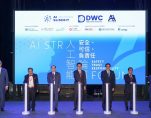
WDTA APAC Institute Inaugurated to Lead AI Governance and Standards Development HONG KONG SAR – Media OutReach Newswire – 27 February 2025 – Cyberport, the World Digital Technology Academy (WDTA) and the International Academicians Science & Technology Innovation Centre (IASTIC) co-organised the “AI Safety, Trust, and Responsibility (AI STR)” Forum. This event served as the Hong Kong session of the recently concluded AI Action Summit 2025 in […]

Singapore’s fintech investment recalibrated to US$1.3 billion in 2024, in line with global shifts toward sustainable growth. Crypto and blockchain investment increased 22 percent in H2’24 to US$267 million, driven by AI-integrated solutions. AI-powered fintech surged, with investment jumping from US$24 million in H1’24 to US$160 million in H2’24, reflecting demand for regtech and automation. H2’24 fintech deal value grew 41 percent, reflecting a shift toward high-value, […]

The financial fallout from FTX’s collapse has escalated, with bankruptcy-related expenses approaching $1 billion, positioning it among the most expensive corporate failures in U.S. history. Court records indicate that legal and advisory fees have reached approximately $948 million, with over $952 million in fees approved to date.

This figure significantly exceeds the combined bankruptcy costs of other notable cryptocurrency firms. For instance, Celsius Network’s proceedings have incurred $229 million in expenses, Genesis Global approximately $132 million, BlockFi around $81 million, and Voyager Digital about $60 million. Collectively, these four companies have amassed roughly $502 million in bankruptcy-related fees, just over half of FTX’s total.

In comparison to traditional financial sector bankruptcies, FTX’s costs are substantial but still fall short of the most expensive cases. The 2008 collapse of Lehman Brothers remains the costliest Chapter 11 case in U.S. history, with legal and professional fees totaling nearly $6 billion. Similarly, the restructuring of Puerto Rico’s public debt has surpassed $2 billion, marking it as the most expensive municipal bankruptcy in the nation.

The extensive fees associated with FTX’s bankruptcy are attributed to the complex nature of the case, involving multiple jurisdictions, a myriad of creditors, and intricate asset recovery efforts. The proceedings have engaged numerous law firms and financial consultants tasked with untangling the company’s finances and identifying assets to repay creditors.

Despite the high costs, there is an expectation that most creditors will receive full repayment, an uncommon outcome in corporate bankruptcy cases. This optimistic projection is based on the ongoing efforts to recover assets and the potential for future gains from the liquidation of FTX’s remaining holdings.

The FTX bankruptcy serves as a stark reminder of the potential risks and complexities inherent in the rapidly evolving cryptocurrency industry. As digital asset platforms continue to grow, the financial and legal ramifications of their failures are likely to have far-reaching implications for investors, regulators, and the broader financial system.

In the wake of FTX’s collapse, discussions have intensified regarding the need for more robust regulatory frameworks to oversee cryptocurrency exchanges and related entities. Policymakers and industry stakeholders are advocating for clearer guidelines to protect investors and ensure the stability of the financial system.

The unprecedented costs associated with FTX’s bankruptcy may prompt a reevaluation of risk management practices within the cryptocurrency sector. Companies operating in this space might face increased scrutiny and be required to implement more stringent compliance measures to prevent similar incidents in the future.

As the FTX case continues to unfold, it underscores the importance of due diligence and transparency in the cryptocurrency industry. Investors are urged to exercise caution and thoroughly assess the risks associated with digital asset investments.

The WOW Summit 2025 is set to take centre stage in Hong Kong as a key platform for exploring the intersection of cutting-edge technologies like artificial intelligence , fintech, robotics, digital art, gaming, and decentralized finance. Organised by Invest Hong Kong and the Hong Kong Tourism Board, the event promises to delve into the transformative effects these technologies have on everyday life, with a particular focus on the innovation and opportunities they bring to global industries.

Held in one of Asia’s foremost hubs for technological innovation, the summit will bring together industry leaders, entrepreneurs, and experts from around the world. Attendees can expect a comprehensive overview of how technologies such as AI and blockchain are reshaping sectors from healthcare to finance. The event will highlight emerging trends, from automated systems and machine learning to virtual reality gaming, underscoring the potential impact on both business and society.

At the core of the summit’s agenda is the exploration of AI’s evolving role in society. Hong Kong has emerged as a key player in AI development, with substantial investments pouring into AI-driven start-ups and established tech giants ramping up their AI capabilities. During the event, thought leaders and innovators will discuss AI’s application in various fields, including predictive analytics, personalisation in services, and the role of machine learning in business decision-making. The future of work and the integration of AI into professional environments will also be a focal point, as companies seek to leverage automation to enhance efficiency.

A significant feature of the summit will be the discussions around decentralized finance , a rapidly growing sector that challenges traditional financial systems by offering decentralised, blockchain-based alternatives to traditional banking and finance. Hong Kong, with its robust financial infrastructure and regulatory frameworks, is positioning itself as a leader in this space. Experts will examine how DeFi is likely to evolve, its impact on the financial ecosystem, and the potential risks and benefits it brings for investors, businesses, and consumers.

Robotics will also take centre stage, with a particular focus on advancements in autonomous systems and robotics in manufacturing, healthcare, and logistics. Hong Kong’s strategic location in Asia has made it a key player in the robotics sector, with the city’s companies and research institutions driving innovations in automation, from drones to humanoid robots. The summit will offer insights into the future of robotics, exploring how these technologies can enhance efficiency, reduce costs, and improve service delivery across industries.

Gaming and digital art are expected to be key discussion points, with Hong Kong increasingly becoming a hub for digital art and interactive media. The event will bring together game developers, artists, and content creators to explore the evolving landscape of digital entertainment. Panel discussions and demonstrations will explore how augmented and virtual reality technologies are reshaping gaming experiences, as well as the growing role of NFTs in the digital art world. As the line between digital and physical experiences continues to blur, the summit will examine the role these technologies play in shaping new forms of creative expression and entertainment.

Alongside the spotlight on technologies, WOW Summit 2025 will offer significant networking opportunities for businesses, governments, and startups to collaborate on innovative projects and share insights. Hong Kong, with its well-established reputation as a global business and financial centre, will be the ideal location to connect entrepreneurs with investors, paving the way for cross-border partnerships and investment opportunities.

The event will also focus on Hong Kong’s potential as a global technology hub. As one of Asia’s most technologically advanced cities, Hong Kong is positioning itself as a bridge between East and West, offering unique opportunities for international collaboration. The city’s sophisticated infrastructure, business-friendly policies, and strategic location make it an attractive destination for technology companies looking to expand their reach in Asia and beyond.

The rise of AI, blockchain, and robotics in everyday life is a topic of intense interest globally, and WOW Summit 2025 is poised to be a critical meeting point for thought leaders in these fields. As businesses and governments around the world navigate the complexities and opportunities of emerging technologies, the summit offers a unique chance to gain a deeper understanding of how these innovations are likely to shape the future. The conference will provide a platform for the latest research, case studies, and practical insights that could redefine industries and lead to new solutions to contemporary challenges.

A highlight of the summit will be a series of keynote speeches and panel discussions led by some of the most influential figures in technology. Industry giants and startup founders will share their insights on the role of emerging technologies in shaping tomorrow’s world. Attendees will have the opportunity to hear about groundbreaking developments in AI, blockchain, and robotics, as well as the future of decentralised finance, all of which are driving significant changes in various sectors.

As part of the WOW META FEST 2025, the summit will also feature interactive exhibitions and live demonstrations of emerging technologies, offering visitors the chance to experience firsthand the innovations that are set to redefine how we live, work, and interact. The event aims to bridge the gap between the digital and physical worlds, providing an immersive experience that allows visitors to explore the future of technology in a tangible way.


Abu Dhabi is intensifying its efforts to transition from a traditionally oil-dependent economy to a knowledge-based one, focusing on increasing its white-collar workforce and investing in advanced technologies such as vertical farming. This strategic move aims to diversify the emirate’s economic landscape and reduce reliance on blue-collar labor. Recent data indicates that the number of white-collar workers in Abu Dhabi has grown by 109% since 2011, outpacing […]

OSU President Jayathi Murthy and OSU Foundation CEO Shawn Scoville meet alumni and future students in Bangkok BANGKOK, THAILAND – Media OutReach Newswire – 27 February 2025 – Oregon State University (OSU) President Professor Jayathi Y. Murthy met with OSU alumni and newly admitted students in Bangkok today, reinforcing the university’s commitment to world-class education, research excellence, and student success. Jayathi Y. Murthy, President of Oregon State […]

PayPal Holdings Inc. is set to enhance the adoption of its stablecoin, PayPal USD , by integrating it into merchant payment systems and global payout services by 2025. This strategic move aims to provide over 20 million small and medium-sized merchants with the option to utilize PYUSD for vendor payments, thereby streamlining transactions and reducing reliance on traditional banking systems.

The forthcoming bill payment product will enable merchants to settle invoices using PYUSD, facilitating faster and more cost-effective cross-border transactions. By leveraging blockchain technology, PayPal intends to minimize currency conversion fees and expedite settlement times, offering a competitive edge in the global payments landscape.

In addition to merchant payments, PayPal plans to incorporate PYUSD into its global payout platform, Hyperwallet. Acquired by PayPal in 2018, Hyperwallet specializes in mass payments, assisting organizations in disbursing funds to contractors, freelancers, and sellers worldwide. The integration of PYUSD is expected to be operational in the first half of this year, enabling businesses to execute bulk payments with increased efficiency and reduced costs.

Alex Chriss, PayPal’s Chief Executive Officer, emphasized the company’s commitment to practical blockchain applications, stating, “We’ve been talking about blockchain for a decade—these concepts will never become real until you actually start consuming them. I think that’s what we’re achieving.” This initiative reflects PayPal’s broader strategy to incorporate digital currencies into its suite of financial services, positioning itself at the forefront of the evolving digital economy.

The introduction of PYUSD into PayPal’s ecosystem is poised to offer several benefits to merchants and service providers. By adopting the stablecoin, businesses can mitigate the volatility often associated with cryptocurrencies, ensuring stable value in transactions. This stability is particularly advantageous for small and medium-sized enterprises engaged in international trade, as it simplifies accounting processes and enhances financial predictability.

The use of PYUSD can lead to significant cost savings. Traditional cross-border payments often involve multiple intermediaries, each imposing fees that accumulate, increasing the overall cost of transactions. By utilizing PYUSD on a blockchain platform, PayPal aims to eliminate unnecessary intermediaries, thereby reducing transaction fees and making international commerce more accessible to a broader range of businesses.

The integration with Hyperwallet further extends PYUSD’s utility beyond merchant transactions. Freelancers, contractors, and other gig economy workers stand to benefit from faster and more reliable payments. Traditional payment methods can be slow, especially for international transfers, often taking several days to process. With PYUSD, payouts can be processed more swiftly, providing workers with quicker access to their earnings and improving overall financial liquidity.

PayPal’s strategic focus on PYUSD comes at a time when the global payments industry is increasingly embracing digital currencies. The company’s extensive user base and established trust in the financial technology sector position it well to drive mainstream adoption of stablecoins. By integrating PYUSD into everyday financial transactions, PayPal is not only enhancing its service offerings but also contributing to the broader acceptance and utilization of digital currencies in the global economy.

The stock market may grab all the headlines, but behind the scenes, savvy investors are making serious moves into corporate bonds. Once seen as the dull cousin to equities, corporate bonds are having a moment as a growing number of investors recognize their ability to deliver attractive returns, stability, and a tactical hedge against volatility. If you’re not paying attention, you’re missing out on what could be […]

Jupiter’s founder, Meow, has unveiled a comprehensive strategy to bolster the project’s future, including the voluntary lock-up of 280 million JUP tokens, valued at over $204 million, until 2030. This move aims to align team incentives with the project’s long-term vision and enhance transparency within the ecosystem.

In a detailed announcement, Meow introduced the “GOAT framework,” focusing on Governance, Transparency, Organic growth, and Collaboration. As part of this initiative, an independent auditing firm will conduct a thorough audit of the project’s founders, treasury, and token allocations. The results will be publicly disclosed on the newly launched official website, jup.com, to ensure accountability and build community trust.

Further strengthening the project’s financial foundation, Jupiter has established the “Litterbox Trust Fund.” This fund is set to receive 50% of the protocol’s revenue over the next two years, dedicated to the strategic accumulation of JUP tokens. The objective is to enhance the token’s long-term stability and value, providing a robust financial backbone for future developments.

The centerpiece of Meow’s plan is the “2030 Incentive Plan.” Under this scheme, he will allocate his personal holding of 280 million JUP tokens to incentivize new team members. Importantly, Meow has pledged not to claim any tokens before 2030. His eligibility for a 500 million JUP reward will be entirely contingent upon community voting, allowing stakeholders to assess his performance and contributions to the project.

Jupiter has also outlined three primary business pillars to drive its ecosystem forward:

– Jup.ag: An aggregation trading platform designed to streamline user experiences and offer efficient trading solutions.

– Jupiverse: A community ecosystem aimed at fostering collaboration, innovation, and user engagement within the Jupiter network.

– Jupnet: A cross-chain network facilitating seamless interoperability between different blockchain platforms, enhancing the utility and reach of JUP tokens.

These initiatives underscore Jupiter’s commitment to binding the long-term interests of its ecosystem participants, ensuring that growth and success are shared collectively.

Meow emphasized that these measures are designed to break the industry’s tendency toward short-term profit-seeking. By aligning the team’s incentives with the community’s long-term goals, Jupiter aims to build a sustainable and value-driven network. The proposals have been submitted for Decentralized Autonomous Organization discussion, with final implementation pending community voting approval.

The announcement has sparked discussions within the Jupiter community. Some members have raised questions regarding the allocation and future retrieval of the 280 million JUP tokens designated for new team incentives. Concerns focus on the source of these tokens and the mechanisms in place to ensure transparency and fairness in their distribution. Community members are keen to understand how these allocations will impact the overall tokenomics and the long-term value proposition of JUP.

In the broader cryptocurrency market, Jupiter’s initiatives reflect a growing trend among blockchain projects to enhance transparency and align incentives with long-term success. By committing substantial personal holdings to the project’s future and subjecting rewards to community approval, Meow sets a precedent for leadership accountability and community engagement in the crypto space.

As of today, JUP is trading at approximately $0.00062616, with an intraday high of $0.00072182 and a low of $0.00058079. The market will closely monitor how these strategic initiatives influence JUP’s performance and adoption in the coming years.

OKX, the world’s third-largest cryptocurrency exchange, has released its 28th consecutive Proof of Reserves report, revealing $28.1 billion in primary assets as of February 25, 2025. This figure marks a 59% increase compared to the same period last year. The report, audited by blockchain security firm Hacken, confirms that OKX maintains a reserve ratio of 1:1 or greater across 22 commonly traded assets on its platform.

The breakdown of OKX’s holdings includes $13.2 billion in Bitcoin , $4.9 billion in Ethereum , $8.7 billion in Tether , and $1.3 billion in USD Coin . The reserve ratios for these primary assets are 104% for BTC, 102% for ETH, 102% for USDT, and 100% for USDC. This consistent monthly verification process aims to transform trust from mere promises into mathematically verifiable proof, accessible to anyone at any time.

In a parallel development, OKX has reached a settlement with U.S. authorities regarding its operations. The company’s affiliate, Aux Cayes FinTech Co. Ltd., has agreed to pay over $500 million in penalties and forfeited fees. This resolution addresses the company’s previous lack of a license to operate as a money transmitter. The total penalty comprises an $84 million fine and approximately $421 million in forfeited fees earned from U.S. customers, primarily from a few institutional clients.

OKX has emphasized that the U.S. customers involved represented a small percentage of its global user base and have since been removed from the platform. The company acknowledged the compliance gaps that led to the enforcement action and has taken steps to rectify these issues.

SINGAPORE – Media OutReach Newswire – 26 February 2025 – On February 20, the “Exploring New Growth” OPPO Ads Connect 2025 Southeast Asia Salon was successfully held in Singapore alongside the launch of OPPO Ads’ new Device+ Marketing Solution. This is OPPO Ads’ first platform-level event abroad, showcasing its strategic capabilities, creative accomplishments, market insights, and marketing product solutions. Attended by marketers, service providers, developers, industry practitioners, […]

India has inaugurated its first hyperloop test track, a 422-meter facility developed by the Indian Institute of Technology Madras in collaboration with the Ministry of Railways. This significant milestone aims to revolutionize high-speed transportation in the country, potentially reducing travel times between major cities to mere minutes.

The hyperloop concept, first proposed by Elon Musk in 2013, envisions passenger pods traveling through low-pressure tubes at speeds exceeding 1,000 km/h. The completion of this test track at IIT Madras marks India’s commitment to exploring this cutting-edge technology. The facility, located on the IIT Madras campus in Chennai, serves as a critical platform for testing and refining hyperloop systems.

Union Minister for Railways, Electronics, and Information Technology, Ashwini Vaishnaw, announced an additional grant of $1 million to IIT Madras for the continued development of the hyperloop project. This funding follows two previous grants of the same amount, underscoring the government’s dedication to advancing this transformative mode of transport. Speaking at the closing ceremony of the Global Hyperloop Competition 2025, held at the Discovery Campus in Thaiyur, Vaishnaw emphasized the importance of this investment in propelling India’s transportation infrastructure into the future.

The hyperloop system promises to drastically cut travel times between major urban centers. For instance, the distance between Delhi and Jaipur, approximately 300 kilometers, could be traversed in less than 30 minutes using this technology. Similarly, routes like Mumbai to Delhi and Bengaluru to Chennai could see travel times reduced to a fraction of current durations. Such advancements not only enhance passenger convenience but also have the potential to boost economic activities by facilitating faster movement of goods and people.

The Ministry of Railways is also exploring the development of a 50-kilometer commercial hyperloop corridor, which would be the world’s longest test track of its kind. This initiative aims to assess the feasibility of integrating hyperloop technology into India’s existing transportation network. The proposed corridor is expected to serve as a prototype for future commercial hyperloop routes, setting the stage for a new era of high-speed travel in the country.

IIT Madras has been at the forefront of hyperloop research in India. The institute’s Avishkar Hyperloop team has been actively involved in developing scalable and efficient hyperloop technologies. Their efforts have garnered international recognition, positioning India as a significant player in the global pursuit of ultra-fast transportation solutions. The team’s work focuses on creating cost-effective and energy-efficient systems tailored to India’s unique geographic and demographic challenges.

The hyperloop project aligns with India’s broader strategy to modernize its transportation infrastructure. The government has been prioritizing investments in railway modernization, with plans to expand the 68,000-kilometer rail network and introduce 400 high-speed Vande Bharat trains by 2027. The integration of hyperloop technology is seen as a complementary effort to these initiatives, offering an alternative mode of transport that could alleviate congestion on traditional rail and road networks.

However, the implementation of hyperloop systems is not without challenges. High capital expenditure, land acquisition hurdles, and the need for rigorous safety standards pose significant obstacles. Moreover, the technology is still in its nascent stages globally, with no fully operational commercial hyperloop systems to date. Despite these challenges, India’s proactive approach, exemplified by the IIT Madras test track and continued governmental support, reflects a strong commitment to overcoming these barriers and pioneering the future of transportation.

On February 26, 2025, spot Bitcoin exchange-traded funds experienced significant outflows, with close to $940 million being withdrawn, as the cryptocurrency saw a sharp decline, dropping below $88,000. This marks its lowest value since November 2024, sparking a wave of investor concern.

The latest data reveals that Bitcoin’s sudden drop sent shockwaves through the ETF market, causing investors to pull back. The vast outflow from spot Bitcoin ETFs represents a major shift in sentiment, highlighting the growing uncertainty surrounding the cryptocurrency’s future performance. Investors seem to have become increasingly risk-averse, with fears about Bitcoin’s short-term volatility playing a role in their decisions.

The sudden downturn in Bitcoin’s value has been attributed to a variety of factors. Experts point to a series of negative developments in both the macroeconomic environment and the cryptocurrency sector. The tightening of global monetary policies has put pressure on high-risk assets, and Bitcoin, often considered a speculative investment, has not been immune. Additionally, regulatory concerns and heightened scrutiny from government bodies have increased investor anxiety, particularly in major markets like the United States and Europe.

The sharp drop in Bitcoin’s price also coincides with a decline in broader market sentiment. Global equity markets have been experiencing their own challenges, with growing concerns over inflation, interest rates, and geopolitical tensions, leading investors to seek safer assets. Bitcoin, traditionally seen as a hedge against inflation, has not lived up to this reputation in the face of broader economic pressures.

Despite these challenges, Bitcoin still retains a strong following among long-term investors and institutional players. However, the massive outflows from spot Bitcoin ETFs suggest that some investors are recalibrating their positions in response to the volatile market conditions. ETF providers, particularly those offering exposure to Bitcoin, have faced significant headwinds as a result of the turbulence in the cryptocurrency market.

In the wake of the outflows, some analysts suggest that Bitcoin’s current price could stabilise as a result of the selling pressure being alleviated. Others, however, warn that the cryptocurrency remains highly vulnerable to further downward price movements. With Bitcoin’s value being particularly sensitive to both macroeconomic and regulatory shifts, many investors are adopting a wait-and-see approach, unwilling to commit more capital until the market finds more clarity.

Bitcoin’s price fluctuation has had ripple effects across the broader cryptocurrency ecosystem. Other digital assets, particularly altcoins, have followed Bitcoin’s downward trajectory. Investors, particularly those involved in the broader crypto market, are keenly watching Bitcoin’s price action, as it has historically been a barometer for the health of the entire market.

The broader impact of Bitcoin’s slide on the cryptocurrency market has raised concerns about the viability of some smaller cryptocurrencies. While Bitcoin remains the dominant player, the fall in its price has reminded many of the inherent risks in the market, particularly for investors who had hoped for sustained growth. Analysts warn that the volatility seen in Bitcoin’s price could spill over into the altcoin sector, potentially exacerbating the losses across the board.

The massive outflows from spot Bitcoin ETFs have also raised questions about the long-term prospects of Bitcoin ETFs as a financial product. While they have offered investors a more accessible route to exposure in the past, the current downturn could lead to a reevaluation of their appeal. Some experts believe that the volatility in Bitcoin’s price could ultimately limit the growth potential of Bitcoin ETFs, especially if the cryptocurrency continues to experience sharp price swings. In contrast, others argue that the evolution of Bitcoin and cryptocurrency regulations will likely determine the future growth of these investment products, regardless of short-term market fluctuations.

Saudi Arabia and Abu Dhabi are intensifying their efforts to transform their energy sectors, aiming to significantly increase renewable energy capacities by 2030 and 2035, respectively. These initiatives are central to their broader strategies for economic diversification and environmental sustainability. Saudi Arabia’s Vision 2030 outlines a target for renewables to constitute 50% of the nation’s energy mix by 2030, equating to approximately 130 gigawatts of renewable capacity. […]

e&, formerly known as Etisalat Group, has reported a consolidated net profit of AED 10.8 billion for the fiscal year 2024, marking a 4.3% increase compared to the previous year. This financial milestone underscores the company’s strategic transformation over the past three years, solidifying its position as a global technology conglomerate. The group’s consolidated revenues reached AED 59.2 billion, reflecting a 10.1% year-over-year growth. When adjusted for […]

VISHNU RAJA
RYO YAMADA
HITORI GOTOH
IKUYO KITA