Just in:
Emirates Group records AED 4.1 billion half-year profit // UK air traffic outage inflicted £33m financial losses // Fast Just Got Fastest: STING Energy Boost™ Celebrates Kimi Antonelli’s Formula 1® World Championship and the Fan Energy Behind It // Geely’s i-HEV Intelligent Hybrid Technology Offers a New Direction Vision for Gasoline-Powered Vehicles // Hong Kong mandates crypto transaction disclosures to tax authorities // Millions Of Indians May Soon Be Deprived Of Government Assistance // Private varsities bill all set to face the axe // TVM –Mangaluru Vande Bharat claims top spot // Meraas showcases five residential zones at Dubai Design Week // After Reaching 7 Million Users in the Philippines, Skyro Launches Transparent Cash Loans in Malaysia // OpenAI identifies 948 Linux privilege escalation flaws using AI // CR Longdation Aethereal Cybersecurity × Global Cybersecurity Alliance (GCSA) Join Hands to Establish the “AI and Cybersecurity Research Centre” // Xi Jinping Preparing For A Trilateral Summit With Trump And Putin At APEC Summit On Nov 18-19 // Geely’s i-HEV Intelligent Hybrid Technology Offers a New Direction for Gasoline-Powered Vehicles // Cloudflare unveils Zero Wire vulnerability intelligence service // Oil advances towards $100 as tanker attacks persist // Emaar approves Development buyout ahead of planned delisting // OpenAI introduces GPT-6 Cyber with restricted security access // Trump’s Iran War Has A Share Of Contribution To His Midterm Debacle // The “1st Greater Bay Area Health and Longevity Summit & Awards Ceremony” concludes successfully in Macao //

News related to
Edge

HONG KONG SAR – Media OutReach Newswire – 2 January 2025 – With much fanfare, Hong Kong welcomed the inaugural scheduled commercial flight outside of Mainland China of the country’s first domestically developed and built C919 passenger jet aircraft on January 1, 2025. The C919 aircraft receives a water salute at Hong Kong International Airport and warm welcome by Secretary for Transport and Logistics Mable Chan (first […]

TORTOLA, BRITISH VIRGIN ISLANDS – Media OutReach Newswire – 2 January 2025 – In a significant milestone that underscores its dominance in the blockchain and cryptocurrency sectors, Venkate Exchange has proudly announced that its user base has exceeded 1 million. This achievement highlights Venkate’s status as the preferred platform in Southeast Asia, known for its innovative solutions and cutting-edge technology, serving a rapidly growing community with a […]

Oil prices maintained stability as trading resumed in 2025, with attention shifting towards US stockpiles amid market volatility. Despite fluctuations throughout the early part of the year, oil traders are closely monitoring the latest figures from the American Petroleum Institute (API) and the Energy Information Administration (EIA), which will provide critical insights into supply-demand dynamics. As concerns over global oil supply chain disruptions wane, the US oil inventory data will likely dictate near-term market direction.

Brent crude futures remained above $85 per barrel, while West Texas Intermediate (WTI) futures hovered around $80. The two benchmarks are managing to stay resilient as markets balance competing influences, such as slowing economic growth in major markets and tighter OPEC+ production cuts. The price levels indicate that traders are cautiously optimistic about the future despite challenges.

The main point of focus for market participants is the state of US crude stockpiles. The most recent data from the EIA and API have highlighted a noticeable reduction in stock levels, which is prompting questions about how sustainable the supply will be in the coming months. The drop in reserves has led some analysts to suggest that future price pressures could be on the rise if the supply situation worsens.

In addition, OPEC+’s actions remain a significant driver for global oil prices. Throughout 2024, the oil cartel, led by Saudi Arabia and Russia, has implemented coordinated production cuts, which have helped to keep prices relatively firm despite macroeconomic pressures. This decision to limit production, particularly in the context of a potential economic slowdown, has acted as a counterbalance to potential downturns in the global oil market.

Another major consideration for analysts is the ongoing developments in the US oil industry. Despite the challenges posed by fluctuating crude prices, US shale producers have demonstrated remarkable resilience. The continued ability of shale operators to cut costs and increase efficiency has allowed the US to maintain a competitive edge in global markets. However, concerns over the long-term sustainability of shale output, particularly in the face of regulatory changes and capital constraints, continue to weigh on investors’ minds.

For now, traders are wary of potential shocks to the oil market. Geopolitical tensions, particularly in the Middle East, have the potential to disrupt supply lines, and this possibility keeps the oil markets on edge. Despite the efforts by OPEC+ to stabilize prices, uncertainty surrounding global economic recovery and energy demand adds an element of volatility that traders are unwilling to ignore.

The US, as the world’s largest producer of oil, has become a critical factor in the stability of oil prices. The actions of the Federal Reserve and its stance on interest rates are expected to have a ripple effect on global energy markets. A stronger US dollar could potentially dampen demand for oil in international markets, while changes in US monetary policy could either stimulate or slow down global growth, influencing oil consumption patterns.

In this environment of caution, oil traders are also keeping an eye on upcoming policy shifts in major economies. While the US continues to prioritize energy independence, the global push towards cleaner energy alternatives remains a challenge to traditional oil demand. Countries such as China, which have been transitioning towards renewable energy, continue to create uncertainty in long-term projections for oil consumption.

Despite this, the global energy market has been adjusting to the new reality of higher oil prices, particularly in response to tighter production controls. The shift in pricing power towards OPEC+ and other oil-exporting nations underscores the changing dynamics of the global energy landscape, where once-dominant oil-consuming countries may find themselves on the back foot in the coming years.

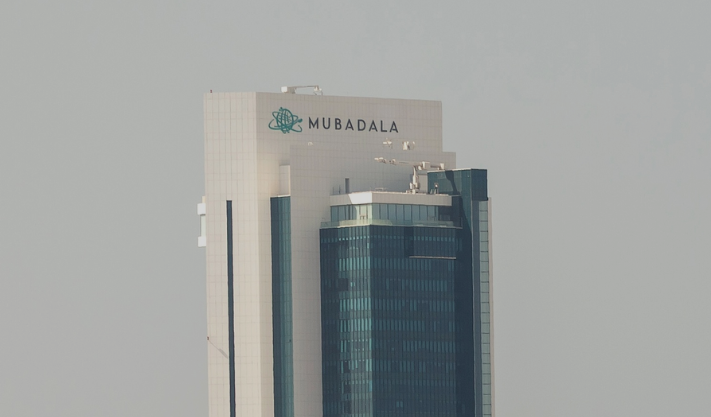
Abu Dhabi’s sovereign wealth fund Mubadala has taken the lead in global investment deals, outshining Saudi Arabia’s Public Investment Fund (PIF) with a remarkable $29 billion in recent transactions. The massive deals, which span various sectors from energy to technology, signal Mubadala’s growing influence in international markets and its strategic approach to diversifying assets. This shift also highlights the evolving power dynamics between the Gulf’s financial titans, with each country intensifying efforts to bolster its economic position amid fluctuating oil prices and geopolitical shifts.

Mubadala’s landmark investments come at a time when Saudi Arabia has aggressively expanded the reach of its PIF, particularly through high-profile acquisitions and a focus on sectors such as entertainment, tourism, and green energy. However, Mubadala’s swift maneuvers in the market have positioned it to not only compete with the PIF but potentially reshape the future of the investment landscape in the Middle East. The fund’s most notable deals include a series of investments in technology companies, as well as strategic moves in the renewable energy sector, aimed at securing long-term returns in an increasingly volatile global economy.

Experts suggest that Mubadala’s success is tied to its methodical approach to diversification. Unlike the PIF, which has been bold in pursuing large-scale, high-risk investments, Mubadala has focused on stabilizing its portfolio with balanced investments across a wide range of industries. This includes a heightened focus on cutting-edge industries such as artificial intelligence, clean energy, and biotechnology. As a result, Mubadala has emerged as a significant player in these high-growth areas, while also maintaining a strong foothold in more traditional sectors like real estate and infrastructure.

The timing of Mubadala’s recent success also speaks volumes about its ability to adapt to changing market conditions. Amid rising inflation and shifting investor sentiments, the fund has strategically pivoted towards companies with promising growth prospects, even as market conditions become more unpredictable. The diversification strategy has not only paid off but has also placed Mubadala in a position to capitalize on opportunities in the rapidly changing global economy.

Saudi Arabia, meanwhile, is determined to maintain the prominence of the PIF as the engine driving the kingdom’s economic transformation under its Vision 2030 plan. The PIF has ramped up its investments in global companies, most notably in the entertainment and sports sectors, including stakes in firms like Lucid Motors and endeavors such as the development of the $500 billion smart city, Neom. But despite the PIF’s ambitious projects and high-profile investments, critics argue that its heavy reliance on the oil sector makes it vulnerable to market fluctuations, a concern that Mubadala’s diversified approach may be better positioned to mitigate.

Saudi officials have defended the PIF’s strategy, stating that it plays a critical role in advancing the country’s non-oil economy. The PIF’s investments, particularly in the entertainment and sports sectors, are expected to bring long-term returns and aid in the creation of new jobs, especially for Saudi youth. Yet, this aggressive pursuit of diversification has raised questions about the risk of spreading its resources too thin. Mubadala, on the other hand, has positioned itself to weather global downturns by maintaining a more balanced portfolio, one that includes significant investments in both emerging technologies and established industries.

Matein Khalid It is an ironic twist of history that the world’s largest Muslim country, an archipelago of 18,000 islands, whose ancient Sumatran kings once funded countless monasteries/temples at Nalanda, the Harvard/Oxford of Vedic India two millennia ago. Sumatra was then known as the kingdom of Srivijaya when Mauryan India’s ruler was Ashoka, imperator of the Magadan superstate. Fast forward 22 centuries and the two best performing […]

Matein Khalid Jim Cramer renamed his dog Nvidia and I have renamed my periodic Mag-7/MAGA bull sessions with my fellow Nasdaq junkies as Nvidia Nights and why not? I shared my convictions that Nvidia was headed to 150 two years ago when NVDA traded at a pre-split price well below $20 a share in late 2022 when Powell’s monetary tough love had slammed Nasdaq and the AI […]

By Nitya Chakraborty The New Year 2025 has started in the backdrop of the restoration of the ruling party BJP’s confidence following its electoral successes in the state assembly elections in Maharashtra and Haryana and completely overshadowing the Samajwadi Party in the assembly by polls in Uttar Pradesh. The Party leadership of the BJP and […]
Advertisements

SYDNEY, AUSTRALIA – Media OutReach Newswire – 1 January 2025 – With the rapid development of the Web3 ecosystem, 2024 undoubtedly marks a pivotal moment in the blockchain industry. This year, Memecoins have transformed from speculative assets into a mainstream cultural phenomenon, becoming a key driver of widespread consensus and wealth transfer. As new issuance models and evolving asset types continue to emerge, the substantial investment opportunities […]

Abu Dhabi National Oil Company (ADNOC) has made significant strides in its efforts to bolster the UAE economy, with its In-Country Value (ICV) program channeling Dhs55 billion into the local economy in 2024 alone. This reinvestment has played a pivotal role in creating thousands of private-sector jobs, contributing to the growth of both the oil and gas sector and broader industries across the nation. The ICV program, […]

Cryptocurrencies continue to revolutionize the financial world, with stablecoins standing at the forefront of this evolution. The $205 billion market for stablecoins is now approaching a level of mainstream integration that could redefine how digital assets are utilized in daily transactions and financial services.

Stablecoins, digital currencies pegged to assets like the U.S. dollar or gold, have gained significant traction over the past few years, driven by their stability compared to volatile cryptocurrencies like Bitcoin or Ethereum. Unlike their counterparts, stablecoins aim to maintain a fixed value, making them more attractive to investors and consumers looking for reliability in the crypto space. The potential for mainstream adoption lies not just in their price stability but in their growing use cases across sectors ranging from decentralized finance (DeFi) to remittances and even digital identity verification.

Tether (USDT), USD Coin (USDC), and Binance USD (BUSD) dominate the stablecoin market, each playing a crucial role in driving the sector’s growth. As the overall cryptocurrency market reaches new milestones, these stablecoins continue to provide the foundation for many of the transactions and liquidity movements that are essential to the ecosystem’s functionality. In fact, stablecoins now account for over 10% of the entire cryptocurrency market capitalization, a trend that is only expected to grow as more institutional players enter the space.

The increasing use of stablecoins has caught the attention of both regulators and traditional financial institutions. Governments around the world are exploring ways to regulate stablecoins, driven by concerns over financial stability, anti-money laundering (AML), and countering the financing of terrorism (CFT). Despite this, the rise of stablecoins is seen as inevitable by many experts, as they offer an alternative to traditional fiat currencies, especially in regions with unstable economies or where access to banking services is limited.

One of the most compelling arguments for the mainstream integration of stablecoins is their utility in cross-border payments. Traditional remittance channels often carry hefty fees and take several days to process. Stablecoins offer a faster, cheaper, and more transparent alternative, allowing users to transfer funds across borders in real time at a fraction of the cost. This has made them particularly popular in emerging markets, where they have the potential to provide financial inclusion to the unbanked and underbanked populations.

Beyond payments, stablecoins have also become integral to decentralized finance (DeFi), a sector that has exploded in popularity over the past few years. DeFi platforms offer a wide range of financial services, such as lending, borrowing, and trading, without the need for intermediaries like banks or brokers. Stablecoins are often used as collateral for these services, providing a level of security for both borrowers and lenders. The appeal of DeFi is growing rapidly as more individuals look for alternatives to traditional financial systems, and stablecoins have proven to be a critical part of this shift.

Stablecoins are increasingly being explored as a solution to the volatility of cryptocurrencies in the world of digital assets. While the prices of Bitcoin, Ethereum, and other cryptocurrencies can fluctuate wildly, stablecoins provide a more predictable store of value. This makes them an attractive option for investors who are seeking to hedge against the market’s ups and downs, as well as for businesses looking for stability in their crypto transactions. The ability to maintain a stable value also positions stablecoins as a potential bridge between traditional finance and the cryptocurrency world.

Financial giants like JPMorgan and BlackRock are also positioning themselves to leverage stablecoins and blockchain technology to streamline their operations. JPMorgan’s recent experimentation with blockchain-based stablecoins in its payment systems is a testament to the growing mainstream interest in this sector. Similarly, BlackRock, the world’s largest asset manager, has expressed interest in stablecoin-backed investment products. These high-profile endorsements signal that stablecoins are not just a niche technology but could soon become a core component of global financial infrastructure.

The rise of central bank digital currencies (CBDCs) is expected to further accelerate the adoption of stablecoins. While CBDCs are government-backed digital currencies that function similarly to stablecoins, they could eventually coexist alongside private sector stablecoins, creating a hybrid ecosystem. Central banks are actively researching and piloting CBDCs, and the success of stablecoins in the private sector may provide a blueprint for the development of these digital currencies.

Despite the optimism surrounding stablecoins, several challenges remain. Regulatory uncertainty is one of the biggest hurdles facing the market. While stablecoins are seen as a way to democratize finance, they are also under scrutiny from regulators who worry about the potential for systemic risk. There is growing pressure for stablecoins to comply with traditional banking regulations, including Know Your Customer (KYC) and Anti-Money Laundering (AML) standards. This could result in more stringent requirements for stablecoin issuers, potentially stifling innovation in the space.

Concerns over the transparency and security of stablecoin reserves have been raised. In 2022, Tether, the largest stablecoin issuer, came under fire for allegedly misrepresenting the composition of its reserves, which raised questions about the stability of the entire market. Although Tether and other issuers have taken steps to improve transparency, the issue of trust remains a critical challenge for the long-term viability of stablecoins.

Another concern is the environmental impact of stablecoins, particularly those that rely on energy-intensive blockchain networks. While many stablecoins are built on the Ethereum network, which has faced criticism for its high energy consumption, newer stablecoin projects are increasingly turning to more energy-efficient blockchains like Solana and Avalanche.


Arabian Post Staff -Dubai The United Arab Emirates, once a federation of small desert states, has become a beacon of rapid development and transformation over the past five decades. Under the visionary leadership of the late Sheikh Zayed bin Sultan Al Nahyan, the UAE has emerged as a global economic hub, with its journey serving as an inspiration to countries around the world. From humble beginnings in […]

SHAH ALAM, MALAYSIA – Media OutReach Newswire – 30 December 2024 – BEST Inc. Malaysia, a trailblazer in the logistics and supply chain industry, celebrates its incredible journey from its inception in 2020 to stepping into 2025 as a powerhouse of innovation and growth. In just five years, BEST Inc Malaysia has expanded its operations into five thriving business verticals, establishing itself as a cornerstone of efficiency […]

HONG KONG SAR – Media OutReach Newswire – 30 December 2024 – In September 2024, the Federal Reserve initiated a rate-cutting cycle, lowering rates three times over the year by a total of 100 basis points to a range of 4.25%-4.5%. While this trajectory appears stable on the surface, the VT Markets research team highlights that factors like inflation rebounds, new government policies, and optimistic economic forecasts […]

design festival successfully concludes Continuing to condense creative forces in the coming year HONG KONG SAR – Media OutReach Newswire – 30 December 2024 – Since 2014, deTour, presented by PMQ and sponsored by the Cultural and Creative Industries Development Agency (CCIDA), formerly known as Create Hong Kong (CreateHK), has become Hong Kong’s annual design festival, gathering numerous local and international design talents to showcase their creativity […]

SINGAPORE – Media OutReach Newswire – 30 December 2024 – Gene Solutions, a pioneering biotech company in Asia, announced that Bui Que Tran Nguyen, a young scientist from its cancer vaccines R&D team, received the prestigious Best Poster Award in the Precision Medicine category at the European Society of Medical Oncology (ESMO) Asia Congress 2024. This recognition underscores the potential of Gene Solutions’ innovative research to significantly […]

Dubai Taxi Company PJSC (DTC), a leading mobility solutions provider in Dubai, has unveiled an ambitious corporate strategy for 2025–2029, aiming to maintain its leadership in the taxi market while expanding into new sectors such as limousine services and delivery. The company also plans to explore untapped markets across the UAE and the broader region. The strategy targets double-digit growth across DTC’s portfolio, coupled with a high […]

100% Volunteer Participation Demonstrates Corporate Commitment HONG KONG SAR – Media OutReach Newswire – 30 December 2024 – Generali Hong Kong continues to make meaningful impact in the community by supporting more than 500 underprivileged families and young children through The Human Safety Net, a global initiative powered by the Generali Group. Recently, Generali Hong Kong organized a Family Hiking Day for families living in Sham Shui […]

By K Raveendran The year 2024 marked a historic period for gold, perhaps fit to be called the ‘Year of Gold’ due to the yellow metal’s remarkable performance across various metrics. Total demand for God surpassed an unprecedented US $100 billion, underpinned by robust investment activity and a supportive macroeconomic backdrop. This astounding demand surge […]

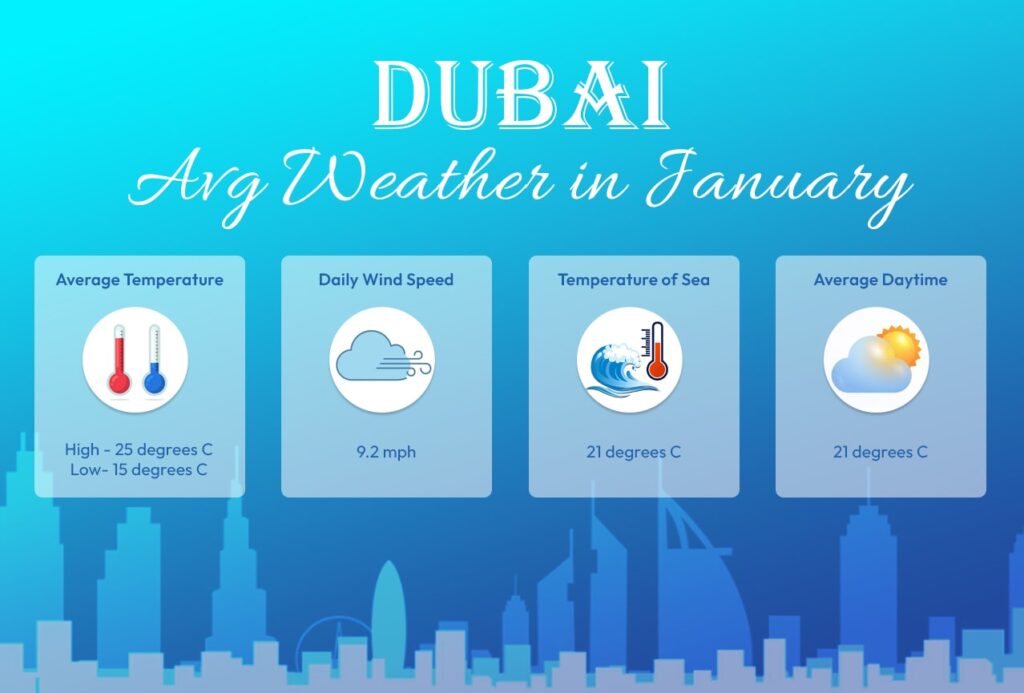
The Dubai Land Department (DLD) has announced the introduction of a ‘Smart Rental Index’ set to launch in January 2025, aiming to enhance transparency and trust within the emirate’s real estate sector. This initiative is designed to provide accurate, up-to-date rental data, benefiting landlords, tenants, and investors alike.

The Smart Rental Index will serve as a benchmark for assessing and calculating rents for new leases and renewals across Dubai. By utilizing advanced technologies, the index seeks to streamline rental valuations, ensuring they reflect current market conditions. This move is expected to foster confidence among all parties involved in rental transactions.

Dubai’s rental market has experienced significant growth over the past four years, driven by an influx of new residents and investors. The city’s population increased by over 100,000 this year, contributing to heightened demand for housing. In the third quarter of 2024, approximately 9,157 residential units were delivered, bringing the total for the year to 22,900 units, encompassing both apartments and villas.

According to real estate consultancy Cushman & Wakefield, city-wide rents rose by 18% year-on-year in the third quarter of 2024, marking the 15th consecutive quarter of significant growth. Apartment rents saw a sharper increase of 19% over the same period, while villa rents experienced a 13% rise, indicating a trend toward stabilization in the villa segment as prices approach affordability thresholds.

The DLD’s implementation of the Smart Rental Index aligns with its broader strategic plan to position Dubai as one of the world’s leading real estate markets through effective governance and innovation. By integrating cutting-edge technologies with accumulated real estate expertise, the DLD aims to meet the evolving needs of the market and its stakeholders.

In March 2024, the DLD updated the rental index to align rates with prevailing market conditions. The forthcoming Smart Rental Index represents a further evolution, offering a more dynamic and responsive tool for rental valuations. This initiative is anticipated to play a critical role in resolving disputes between tenants and landlords by providing a transparent reference point for fair rental assessments.

The introduction of the Smart Rental Index follows similar initiatives in the region. In August 2024, the Abu Dhabi Real Estate Centre launched the first residential Rental Index for the capital, aiming to increase transparency and support market stability. Dubai’s adoption of a smart index underscores the emirate’s commitment to leveraging technology to enhance market operations and stakeholder confidence.

By Anjan Roy Thirty-three years are half a lifetime. Thirty-three years ago, Dr Manmohan Singh stepped into a high-profile limelight, well after his formal retirement from a senior government job. When he died last Friday at the age of 92, he was considered India’s greatest finance minister and the architect of India’s modern economy. There […]

BANGKOK, THAILAND – Media OutReach Newswire – 27 December 2024 – The Ministry of Higher Education, Science, Research, and Innovation (MHESI), through the National Innovation Agency (Public Organization) or NIA, is forging ahead to support high-potential Thai startups and SMEs in the medical and health innovation sectors, granting them access to Germany, one of Europe’s largest and most significant MedTech markets. As part of the ‘Digital Innovation […]

Formulated with 90% naturally-derived ingredients and Dermal Precision Technology to maximise absorption and minimise irritation SINGAPORE – Media OutReach Newswire – 27 December 2024 – Pigeon, the go-to brand for mother-and-baby essentials, expands its support for mothers with the new Natural Botanical Maternity skincare range, designed to provide mothers with safe, effective, and eco-conscious, self-care solutions during pregnancy and postpartum. This unique range combines 90% naturally derived […]

Bitwise Asset Management has filed with the U.S. Securities and Exchange Commission (SEC) to introduce the “Bitcoin Standard Corporations ETF,” aiming to provide investors with exposure to publicly traded companies that hold substantial Bitcoin reserves.

According to the SEC filing, the ETF will focus on firms that maintain a minimum of 1,000 BTC in their corporate treasuries. Eligible companies must also meet specific financial criteria, including a market capitalization of at least $100 million, average daily trading liquidity of $1 million or more, and a public free float of less than 10%. The fund plans to invest at least 80% of its net assets in these corporations, utilizing a full replication approach to mirror the performance of the underlying index.

The index, managed by Bitwise Index Services, LLC, will be rebalanced and reconstituted quarterly, relying on quarterly and annual corporate reports to identify eligible companies. Each company’s weight in the index will be determined by the market value of its Bitcoin holdings, with a single constituent’s weight capped at 25% to ensure diversification.

This initiative reflects a growing trend among asset managers to offer investment products that provide indirect exposure to Bitcoin through equities of companies with significant cryptocurrency holdings. Notably, firms like MicroStrategy lead this space, holding substantial Bitcoin reserves.

The move comes amid increasing institutional interest in Bitcoin and related investment vehicles. Earlier this year, several hedge funds and asset managers, including Millennium Management and the Wisconsin Retirement System, acquired stakes in U.S. exchange-traded funds tied to Bitcoin, signaling a broader acceptance of cryptocurrency assets in traditional finance.

The South Korean won has plunged to its lowest level against the U.S. dollar in over 15 years, trading at approximately 1,471.8 won per dollar. This significant depreciation is attributed to escalating political instability following President Yoon Suk Yeol’s declaration of martial law and subsequent impeachment.

The currency’s decline has had a pronounced impact on the cryptocurrency market, particularly on Upbit, South Korea’s leading exchange. Korean investors are now paying a premium of 3% to 5% to exchange won for Bitcoin (BTC) and Tether (USDT) on the platform.

This premium, often referred to as the “Kimchi Premium,” indicates a higher trading price for cryptocurrencies in South Korea compared to global markets. Such disparities typically emerge during periods of heightened demand or market volatility. The current economic and political climate has intensified investor interest in digital assets as alternative investment vehicles.

The Bank of Korea has expressed concerns over the rapid depreciation of the won, highlighting potential risks to economic growth. In response, the central bank is considering measures to stabilize the financial markets, including flexible management of foreign exchange transactions and expanding foreign exchange swap lines.

The cryptocurrency market in South Korea has historically been influenced by domestic economic conditions and regulatory developments. The current premiums on Upbit suggest a surge in demand for digital assets, possibly as a hedge against the weakening won and the prevailing political uncertainties.

VISHNU RAJA
RYO YAMADA
HITORI GOTOH
IKUYO KITA
Just in:
OpenAI introduces GPT-6 Cyber with restricted security access // Geely’s i-HEV Intelligent Hybrid Technology Offers a New Direction for Gasoline-Powered Vehicles // TVM –Mangaluru Vande Bharat claims top spot // CR Longdation Aethereal Cybersecurity × Global Cybersecurity Alliance (GCSA) Join Hands to Establish the “AI and Cybersecurity Research Centre” // Kochi police detain two actors over bid to honey trap doctor // After Reaching 7 Million Users in the Philippines, Skyro Launches Transparent Cash Loans in Malaysia // UK air traffic outage inflicted £33m financial losses // OpenAI identifies 948 Linux privilege escalation flaws using AI // Xi Jinping Preparing For A Trilateral Summit With Trump And Putin At APEC Summit On Nov 18-19 // Emirates Group records AED 4.1 billion half-year profit // Dubai details five-year visa benefits for returning visitors // Private varsities bill all set to face the axe // Asia Left Behind: Ten international companies have yet to report delivering on their cage-free egg pledges across the region // Cloudflare unveils Zero Wire vulnerability intelligence service // Technology shares plunge as Nasdaq enters correction // Meraas showcases five residential zones at Dubai Design Week // Trump’s Iran War Has A Share Of Contribution To His Midterm Debacle // Oil advances towards $100 as tanker attacks persist // Geely’s i-HEV Intelligent Hybrid Technology Offers a New Direction Vision for Gasoline-Powered Vehicles // Dubai boat show confirms international shipyard line-up for November //