Just in:
CR Longdation Aethereal Cybersecurity × Global Cybersecurity Alliance (GCSA) Join Hands to Establish the “AI and Cybersecurity Research Centre” // Geely’s i-HEV Intelligent Hybrid Technology Offers a New Direction Vision for Gasoline-Powered Vehicles // Hong Kong mandates crypto transaction disclosures to tax authorities // Technology shares plunge as Nasdaq enters correction // Motorola introduces Signature 27 flagship priced at $1,599 // Asia Left Behind: Ten international companies have yet to report delivering on their cage-free egg pledges across the region // Emaar approves Development buyout ahead of planned delisting // TVM –Mangaluru Vande Bharat claims top spot // APT29-linked campaign exploits outdated Apple and Android software // Geely’s i-HEV Intelligent Hybrid Technology Offers a New Direction for Gasoline-Powered Vehicles // Miss Universe Hong Kong Jen Zhou Departs for Puerto Rico to Compete in the 75th Miss Universe World Final // Kochi police detain two actors over bid to honey trap doctor // Meraas showcases five residential zones at Dubai Design Week // Beyond the exhibition floor: How robots, AI and networks are moving into the real world // The “1st Greater Bay Area Health and Longevity Summit & Awards Ceremony” concludes successfully in Macao // UK air traffic outage inflicted £33m financial losses // Ousted top Kochi cop gets IG post // Oil and chip shares retreat after Democratic victories // Dubai boat show confirms international shipyard line-up for November // Millions Of Indians May Soon Be Deprived Of Government Assistance //

News related to
Edge

Bitcoin has surged to an all-time high as traders factor in the possibility of a Donald Trump victory in the upcoming U.S. presidential election. The cryptocurrency reached new heights, surpassing the $40,000 mark for the first time, driven by a combination of factors, including growing political uncertainty, the appeal of Trump’s economic policies, and an increasing demand for decentralized assets as hedges against inflation.

As the election race intensifies, market analysts are closely monitoring how Trump’s political resurgence could impact traditional markets and the broader economy. Traders seem to be betting that a second Trump presidency would lead to favorable conditions for Bitcoin, particularly given his past rhetoric on the benefits of digital currencies and his critical stance toward centralized financial systems.

Bitcoin’s rapid rise comes at a time when the broader global economy is grappling with uncertainty. The U.S. economy, though resilient in many ways, faces challenges such as inflation, supply chain disruptions, and a fluctuating stock market. With the Federal Reserve’s interest rate hikes and the push for tightening monetary policy, many investors are looking for assets that provide an alternative to traditional banking systems. Bitcoin, often viewed as a store of value similar to gold, fits the bill.

Trump’s influence on Bitcoin’s price movement is not entirely new. In 2017, during his first presidential campaign, Bitcoin saw significant price appreciation, as his anti-establishment rhetoric resonated with many investors seeking refuge from a perceived unstable traditional financial system. His leadership style, coupled with calls to deregulate the financial sector, has always aligned with the ideals of the crypto community, which champions decentralization and reduced government oversight.

The current market sentiment surrounding Bitcoin reflects growing confidence in the cryptocurrency’s long-term potential, especially among traders who perceive Trump’s economic policies as supportive of asset appreciation. Trump’s stance on cryptocurrencies has evolved over time. Initially dismissive, his recent statements have indicated a more favorable approach, particularly with the rise of Bitcoin’s mainstream appeal.

While Bitcoin’s value continues to climb, it has also drawn attention from traditional financial institutions, who are taking a closer look at the asset class. Major financial firms are increasingly open to the idea of incorporating Bitcoin into their portfolios, with some even offering products that allow clients to invest directly in the cryptocurrency. This shift represents a growing mainstream acceptance of Bitcoin, which was once viewed as a speculative and volatile asset.

The surge in Bitcoin’s price is not solely attributable to political factors. The rise of institutional investment, the increasing adoption of blockchain technology, and regulatory clarity are all contributing to the cryptocurrency’s appeal. In countries like El Salvador, where Bitcoin has been adopted as legal tender, the digital currency’s role as a financial tool has become more apparent. The growing use of blockchain technology in industries ranging from supply chain management to healthcare also bodes well for Bitcoin’s future, as it becomes increasingly intertwined with global economic systems.

In the U.S., Bitcoin’s role in the political sphere is also gaining attention. Some political figures, particularly those aligned with the Republican Party, have expressed support for digital currencies, viewing them as a way to counterbalance the influence of the Federal Reserve and the U.S. dollar. Trump, despite his criticisms of the current administration, has been vocal in supporting policies that could benefit the cryptocurrency market. His stance on cryptocurrency has been a mixture of endorsement and skepticism, but his broader economic agenda, which favors lower taxes, deregulation, and less government intervention, aligns with the pro-crypto sentiment prevalent in the market.

Despite Bitcoin’s bullish momentum, there are concerns about the potential risks associated with such rapid price increases. Critics warn that Bitcoin’s volatility could result in a market correction, particularly if traders begin to overextend their positions. Additionally, global regulatory pressures could affect the asset’s price trajectory. Some governments, including China and the European Union, have signaled that they may take a more stringent approach to cryptocurrency regulation, which could influence market sentiment and investor behavior.

Bitcoin’s market capitalization surged, positioning it as the 10th most valuable asset globally, overtaking Meta’s market cap in a significant milestone for digital currency. Valued at $1.469 trillion, Bitcoin now stands among a roster of prominent corporations and precious metals, reflecting a growing mainstream acceptance of cryptocurrency as a valuable financial asset. As it edges past Meta’s $1.415 trillion, this advancement underscores Bitcoin’s emerging stability and appeal, bridging the gap between traditional finance and digital assets.

The rise in Bitcoin’s market value comes amidst a period of renewed interest in cryptocurrency assets as broader economic concerns drive investors toward alternative assets. Bitcoin, often viewed as “digital gold,” has sustained a strong appeal among investors seeking a hedge against inflation and financial uncertainty. This achievement follows years of volatility within the cryptocurrency market, highlighting Bitcoin’s shift from a niche digital asset to one recognized within established financial circles as a potentially viable store of value.

Bitcoin’s rise to this financial echelon highlights its unique qualities, particularly as a decentralized asset unaffected by conventional monetary policies. With a limited supply capped at 21 million coins, Bitcoin’s scarcity plays a crucial role in its valuation, differentiating it from traditional currencies that can be influenced by central banks. Analysts point to Bitcoin’s fixed supply as one reason for its attractiveness in times of inflation, with many investors considering it a secure store of value akin to gold. Unlike fiat currencies, Bitcoin operates on a decentralized network, offering users autonomy and a form of financial independence that centralized assets cannot match.

Some financial experts interpret Bitcoin’s advancement in market valuation as indicative of a shifting perception among institutional investors, who increasingly view digital assets as part of a balanced investment portfolio. High-profile financial firms, including Fidelity, BlackRock, and others, have shown interest in cryptocurrency by developing infrastructure for institutional clients, fueling the belief that Bitcoin and similar assets are becoming indispensable in modern financial strategy. Bitcoin’s integration into mainstream finance continues, with exchange-traded funds (ETFs) and other investment products creating access points for investors previously hesitant to engage in digital currency markets directly.

Notwithstanding this impressive ascent, Bitcoin’s market performance has been marked by fluctuations. In 2021, Bitcoin’s value experienced a meteoric rise, crossing the $60,000 threshold before undergoing a sharp decline during 2022’s “crypto winter,” which saw significant losses in the broader digital asset space. This volatility has led to caution among traditional investors, yet the asset’s resilience in rebounding from lows strengthens the case for Bitcoin’s potential long-term viability. While its trajectory has not been linear, Bitcoin’s consistent recovery and growth reflect a degree of maturity in the market, contrasting with its early years characterized by extreme swings.

Bitcoin’s surpassing of Meta by market capitalization also draws attention to the contrasting models and trajectories of the two assets. While Meta represents a centralized technology behemoth navigating privacy concerns and regulatory scrutiny, Bitcoin offers a decentralized, transparent financial option free from central governance. Bitcoin’s public blockchain allows participants to verify transactions without a central authority, ensuring transparency and security. As technology giants like Meta face ongoing scrutiny over data privacy, Bitcoin’s appeal as an open and censorship-resistant currency is amplified, making it particularly attractive to a generation attuned to digital privacy issues.

Despite Bitcoin’s growth, regulatory challenges remain. The cryptocurrency sector faces varied regulatory approaches worldwide, with some countries such as the United States and China imposing restrictions or outright bans, while others, including El Salvador and Switzerland, embrace digital currencies through legislative frameworks. Regulatory ambiguity has prompted industry stakeholders to advocate for clearer policies that protect consumers while fostering innovation. Regulatory stability, proponents argue, is essential to ensure long-term confidence in digital assets among institutional and retail investors alike.

Bitcoin’s evolving role also underscores potential shifts in the global financial ecosystem, with digital assets increasingly positioned as integral to the future of finance. Central banks globally have observed Bitcoin’s growth with a mixture of apprehension and intrigue, with many exploring the idea of central bank digital currencies (CBDCs) to create government-backed digital equivalents. These digital currencies could enhance payment efficiencies and reduce transaction costs, although they differ fundamentally from decentralized cryptocurrencies like Bitcoin. In exploring CBDCs, governments aim to modernize financial infrastructure, yet many remain cautious of the unregulated nature of Bitcoin, which operates beyond central control and oversight.

The UAE has unveiled a bold new plan aimed at significantly increasing foreign direct investment (FDI) inflows to the country. By 2031, the government aims to attract Dh1.3 trillion in FDI, marking a major leap in the nation’s economic diversification efforts. This new strategy is part of a broader push to solidify the UAE’s position as a global business hub, leveraging its strategic location, business-friendly policies, and […]

Lime, a global leader in micromobility solutions, is poised to launch its innovative no-pedal electric bikes in Dubai, expanding its portfolio of sustainable transportation options in the city. This development aligns with Dubai’s broader strategy to enhance urban mobility and reduce congestion while promoting eco-friendly transportation alternatives. The no-pedal e-bikes, designed for ease of use and accessibility, require riders to simply accelerate with a throttle rather than […]

EDGE Group, a key player in the UAE’s defense and advanced technology sector, has entered into a strategic partnership with Italian shipbuilding giant Fincantieri to develop next-generation underwater solutions. This collaboration, announced in a series of formal statements, seeks to combine the strengths of both companies to advance the development of cutting-edge maritime technology. The joint venture is expected to significantly bolster both nations’ defense capabilities and […]

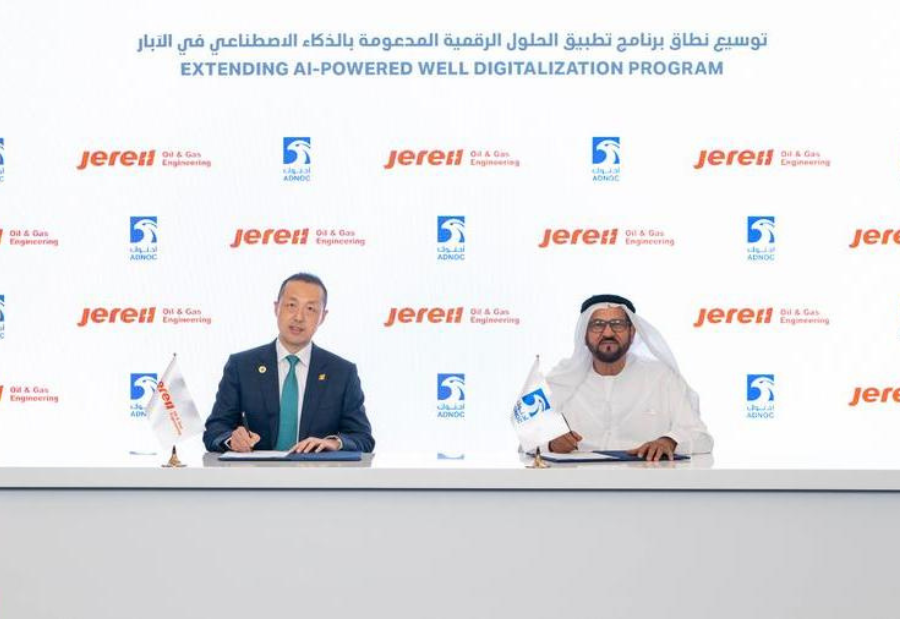
Abu Dhabi National Oil Company (Adnoc) has signed a landmark agreement worth $920 million to enhance its artificial intelligence (AI) initiatives across an extensive network of 2,000 oil wells. This strategic move is aimed at modernizing operations and optimizing production efficiencies as the oil and gas industry increasingly embraces technological advancements.

This significant investment is part of Adnoc’s broader strategy to integrate cutting-edge technologies into its operations, positioning the company as a leader in the region’s energy sector. By harnessing the power of AI, Adnoc plans to improve data analysis, predictive maintenance, and resource management, ultimately driving cost efficiencies and maximizing output.

AI technology has gained traction within the oil and gas industry, transforming how companies approach exploration, production, and maintenance. By implementing AI-driven analytics, operators can identify patterns in production data, predict equipment failures, and optimize drilling processes. Adnoc’s expansion of its AI program is expected to yield substantial improvements in well performance, potentially increasing production rates while reducing operational costs.

The expansion involves deploying advanced algorithms and machine learning models designed to process vast amounts of data generated by oil wells. This technology will enable real-time monitoring and decision-making, allowing Adnoc to respond swiftly to any anomalies or operational challenges. The integration of AI into the company’s workflows is set to enhance safety protocols and reduce the environmental impact of drilling activities.

This investment aligns with the United Arab Emirates’ vision to diversify its economy and reduce reliance on oil revenues. By adopting innovative technologies, Adnoc aims to improve its operational efficiency while contributing to the sustainability goals set forth by the UAE government. The move is expected to position Adnoc at the forefront of the global energy transition, demonstrating its commitment to sustainable practices.

Industry experts recognize the potential of AI in reshaping the oil and gas landscape. Analysts highlight that companies leveraging AI can achieve significant competitive advantages by optimizing production processes and enhancing decision-making capabilities. As a result, firms that embrace AI technologies are better equipped to navigate market fluctuations and operational challenges.

Adnoc’s focus on AI is part of a broader trend observed across the global energy sector, where firms are increasingly investing in digital transformation initiatives. Companies are deploying AI solutions to analyze seismic data, streamline supply chain operations, and improve asset management. This shift reflects a recognition that advanced technologies are essential for maintaining competitiveness in an evolving market.

The financial commitment to the AI program signals Adnoc’s confidence in the long-term viability of oil and gas operations, even amid pressures to transition towards renewable energy sources. The company has been actively exploring new business models and investment opportunities, including renewable energy projects and carbon capture technologies, which complement its traditional oil and gas portfolio.

As part of the agreement, Adnoc plans to collaborate with technology partners and academic institutions to advance its AI capabilities further. This collaborative approach will allow the company to tap into cutting-edge research and innovations, ensuring that its AI program remains at the forefront of industry developments. By fostering partnerships, Adnoc aims to create a robust ecosystem for technological advancement, driving efficiency and sustainability across its operations.

The agreement is also expected to generate significant economic benefits for the UAE, supporting job creation and skills development in the technology sector. By investing in AI and related technologies, Adnoc is likely to enhance its workforce capabilities, ensuring that employees are equipped with the necessary skills to operate advanced systems. This investment in human capital aligns with the UAE’s broader goals of fostering innovation and developing a skilled workforce.

In addition to operational improvements, the AI initiative has the potential to enhance Adnoc’s reputation as a forward-thinking company committed to innovation and sustainability. As the global energy landscape shifts towards greater environmental accountability, companies that prioritize technological advancements will likely be better positioned to meet regulatory expectations and societal demands.

ADNOC, Masdar, and Microsoft are joining forces to spearhead initiatives that fuse artificial intelligence with low-carbon technology, aiming to accelerate the energy sector’s transition to a more sustainable and efficient future. The collaboration among the three companies focuses on the application of advanced technologies to reduce carbon emissions and drive the development of cleaner, smarter energy solutions across the globe. At the core of the partnership lies […]

Advertisements

ADNOC Drilling, a subsidiary of Abu Dhabi National Oil Company, has finalized the acquisition of a 95% stake in the U.S.-based Deep Well Services (DWS) through its specialized investments arm, Enersol. This strategic move, valued at approximately $223 million, represents a significant step in ADNOC’s long-term strategy to expand its technological capabilities and strengthen its global footprint, particularly within the U.S. market. The acquisition aligns closely with ADNOC’s broader commitment to enhancing production efficiency and sustainability in drilling operations.

DWS, headquartered in the U.S., specializes in complex well interventions and completions, offering cutting-edge snubbing and well intervention technologies essential for operating in unconventional fields. Known for its advanced methodologies and patented technology portfolio, DWS has established itself as a leader in the U.S., working with major exploration and production (E&P) companies across shale and other high-demand oil and gas fields. By acquiring a significant share in DWS, ADNOC Drilling aims to leverage this technology within the Middle East and North Africa (MENA) region, strengthening its position in unconventional gas and oil extraction—a crucial step as ADNOC targets production increases while lowering carbon intensity across its operations.

Dubai Design Week has launched its 2024 edition at Dubai Design District (d3), gathering over 500 designers from 40 nations in a celebration of innovation and cross-cultural creativity. Running until November 10, this year’s event marks a milestone—its 10th anniversary—and introduces pioneering concepts like *Editions*, a new fair dedicated to limited-edition art and design. The inclusion of *Editions* is expected to redefine art and design collecting in the region, making high-caliber works more accessible to diverse audiences through exhibits in ceramics, contemporary prints, photography, and more.

This year’s program places a marked emphasis on sustainability, with installations and exhibitions that interrogate the intersections of design and environmental consciousness. Notably, the anchor event, *Downtown Design*, returns to its iconic d3 location, showcasing cutting-edge interior design solutions alongside exclusive installations and curated pop-up concepts. From November 6-9, attendees can explore the latest in furniture, lighting, and home accessories, while participating in talks and masterclasses that probe the role of design in addressing ecological challenges.

Central to this year’s theme, the *Urban Commissions* competition spotlighted designs inspired by community gathering spaces. Oman-based Altqadum Studio won with *TukTuKDum*, a communal table concept that encourages interaction and draws on Gulf cultural traditions of music and social gathering. This dynamic installation highlights how furniture can evolve into a shared experience, aligning with Dubai Design Week’s commitment to socially responsive design.

*Abwab*, a longstanding Dubai Design Week platform that supports creators from the South West Asian and North African region, returns with installations emphasizing vernacular architecture. This program continues to encourage sustainable practices by engaging with local materials and construction techniques, reinforcing Dubai’s identity as a UNESCO City of Design and its dedication to cultivating talent and environmentally aware initiatives.

Strategic alliance poised to create new growth avenues in Thailand, Japan, and beyond. BANGKOK, THAILAND – Media OutReach Newswire – 5 November 2024 – Dusit Foods, a subsidiary of Dusit International, one of Thailand’s leading hotel and property development companies, has signed a strategic partnership agreement with Green House Co., Ltd, a prominent player in Japan’s food industry, to accelerate the growth of Epicure Catering Co., Ltd., […]

KUALA LUMPUR, MALAYSIA – Media OutReach Newswire – 5 November 2024 – In Japan, known for its world-leading water technology, there is a rapidly growing service. This is the cloud-based mapping service, Tenchijin COMPASS KnoWaterleak provided by Tenchijin, Inc., a space venture certified by the Japanese national air and space agency JAXA, supporting efficient leak detection. Since its launch in 2023, the service has been adopted by […]

Hong Kong’s regulatory landscape for stablecoins is expected to undergo significant transformation with new frameworks anticipated by the end of the year. This marks a substantial step in the Hong Kong Monetary Authority’s (HKMA) broader plan to establish the city as a central player in the digital asset ecosystem. Through an upcoming licensing scheme, the HKMA intends to create a structured environment for fiat-backed stablecoins, ensuring stringent oversight that would apply not only to domestic issuers but also to overseas companies actively marketing stablecoins to the Hong Kong public. This regulatory approach aligns with Hong Kong’s ambition to become a global hub for virtual assets while maintaining a secure environment for investors.

The proposed framework follows Hong Kong’s recent initiatives to regulate virtual asset exchanges and has sparked interest from key industry figures, including Circle’s CEO, who identified Hong Kong as a strategic market for USD Coin (USDC). The stablecoin issuer has shown readiness to engage with Hong Kong’s new regulations, positioning itself for early compliance as the city shapes a potentially influential model for stablecoin governance worldwide.

The core of the HKMA’s strategy targets fiat-referenced stablecoins, distinguishing them from algorithmic or arbitrage-backed digital currencies, which are less likely to meet the agency’s stringent requirements. Under the proposed system, stablecoin issuers must uphold the stability of their currencies by maintaining equivalent reserve assets in segregated accounts, preferably held in Hong Kong–based financial institutions. This approach is intended to prevent destabilization risks seen with algorithmic stablecoins and offers an added layer of financial assurance by linking reserves to the value of the Hong Kong dollar or other fiat currencies.

In setting these standards, the HKMA is seeking to build consumer confidence in stablecoins as reliable digital alternatives to traditional currency. The proposed licensing requirements include a mandated HK$25 million in capital and the presence of a registered office in Hong Kong, requirements that aim to ensure operational transparency and accountability. Additionally, stablecoin issuers will need to meet rigorous internal controls, including risk management practices for handling and safeguarding reserve assets, similar to standards seen in traditional banking and finance.

The HKMA’s approach reflects the “same activity, same risk, same regulation” principle, which mandates that entities offering similar financial services be subject to comparable oversight regardless of their digital or traditional format. This regulatory alignment is intended to create an even playing field, further solidifying Hong Kong’s appeal as a stablecoin issuance and trading center. With the HKMA as the principal regulatory authority, the agency is positioned to enforce these new rules, impacting not only issuers but also entities involved in the stablecoin distribution network.

This framework brings with it an extraterritorial element, meaning that foreign stablecoin issuers could fall under Hong Kong’s regulatory scope if they issue stablecoins pegged to the Hong Kong dollar or target Hong Kong consumers. This provision seeks to limit risks associated with cross-border stablecoin transactions, which can complicate efforts to maintain monetary stability and secure reserves. Overseas issuers operating within Hong Kong’s jurisdiction will be required to obtain the necessary licenses, ensuring that foreign entities adhere to Hong Kong’s regulatory standards when they conduct business with local investors.

The HKMA’s efforts also highlight a broader trend in Asia toward more precise stablecoin regulations. With Japan recently setting its own regulations, Hong Kong is looking to offer a competitive regulatory framework that could draw international digital asset firms to establish operations within the city. This move reflects Hong Kong’s attempt to balance innovation with investor protection, a challenging dynamic as central banks worldwide navigate the complexities of digital finance.

As the regulatory framework unfolds, industry leaders like Circle’s Jeremy Allaire have recognized the advantages of a structured stablecoin ecosystem in Hong Kong, citing its role as a key market for USDC, one of the most widely used fiat-backed stablecoins globally. Circle’s interest in Hong Kong underscores the potential of the market and the appeal of the city’s stable regulatory environment, which could provide stability and growth opportunities for USDC and similar stablecoins within Asia.

Hong Kong’s proactive stance contrasts with the regulatory approaches seen in many Western jurisdictions, where stablecoin legislation remains in preliminary stages or subject to extensive legislative debate. The HKMA’s framework positions Hong Kong as a leader in digital currency regulation, providing a model that could inform stablecoin policies in other regions. By requiring stablecoin reserves to be held in highly liquid and low-risk assets, the proposed guidelines aim to create a safeguard against market volatility and instill confidence among users and investors alike.

Lumen Technologies has entered a significant partnership with Amazon Web Services (AWS) to transform its network capabilities and boost cloud infrastructure. This collaboration is set to bring advanced artificial intelligence (AI) and machine learning (ML) technologies into Lumen’s network services, aiming to optimize data transfer speeds, strengthen security measures, and enhance overall cloud connectivity across the United States. As part of this partnership, Lumen will leverage AWS’s […]

A new app called Easy Watermark has emerged as a practical solution for Android users looking to safeguard their images. This application allows users to effortlessly add custom watermarks to their photographs, providing an additional layer of protection against unauthorized use and copyright infringement. The rise in digital photography and content creation has intensified concerns regarding image theft. Photographers, artists, and social media users often find their […]

A disturbing new phishing scam is targeting individuals by leveraging personal information, including home addresses and images of their residences, to instill fear and demand money. The email typically comes from an unknown sender and features a menacing message claiming the recipient is under surveillance and that the sender possesses compromising footage. This alarming tactic aims to pressure victims into paying sums of money, often requested in […]

The Monetary Authority of Singapore (MAS) is set to launch a new wholesale Central Bank Digital Currency (CBDC) testnet, named the SGD Testnet, which aims to facilitate the commercialization of tokenization in the financial sector. This initiative is designed to enhance digital financial transactions, allowing various financial institutions to explore innovative applications of digital currencies in their operations. Notable participants include major banks such as Standard Chartered, DBS, Citi, and HSBC, indicating strong industry interest and potential collaboration.

Tokenization has garnered significant attention in Singapore’s financial landscape, particularly within the fixed income, foreign exchange (FX), and asset management sectors. MAS has actively promoted this technology as a means to improve efficiency and security in financial transactions, aiming to leverage blockchain technology for better transparency and trust. The regulator envisions that the SGD Testnet will enable financial institutions to experiment with digital assets and tokenized forms of traditional securities, thereby reducing settlement times and enhancing overall liquidity in the market.

The push for tokenization aligns with global trends as financial institutions and regulators explore ways to modernize the financial system. Tokenized assets, which represent ownership of real-world assets on the blockchain, can provide enhanced accessibility and liquidity, transforming how investors engage with financial products. By establishing the SGD Testnet, MAS seeks to position Singapore as a leader in the tokenization movement and attract more participants to its burgeoning fintech ecosystem.

Initial trials on the SGD Testnet will focus on specific use cases, including tokenizing fixed-income securities and facilitating cross-border transactions. This will provide participating banks with the opportunity to assess the operational capabilities of a wholesale CBDC and how it can integrate with existing systems. The testnet will also serve as a sandbox for innovation, allowing institutions to experiment with new business models and services that could emerge from widespread tokenization.

MAS has already indicated strong interest from various financial sectors, particularly in how tokenization can streamline processes. The regulator aims to gather feedback and insights from participating institutions during the testing phase to refine the framework and regulations surrounding CBDCs and tokenized assets. This iterative approach not only enhances the regulatory environment but also fosters collaboration among banks, technology providers, and other stakeholders in the financial ecosystem.

As the demand for tokenization grows, global financial markets are increasingly recognizing its potential benefits. The integration of tokenized assets into traditional financial systems could enable greater access for retail investors, democratizing investment opportunities and improving market efficiency. Moreover, tokenization can enhance the transparency of transactions, allowing for real-time tracking and reporting, which could be particularly beneficial for compliance and regulatory oversight.

In addition to improving transaction speed and reducing costs, the development of a wholesale CBDC could also enhance the resilience of Singapore’s financial system. By providing a secure and stable digital currency alternative, MAS aims to mitigate risks associated with traditional banking systems and increase the overall robustness of the financial infrastructure. The SGD Testnet represents a crucial step toward achieving these objectives and ensuring that Singapore remains at the forefront of global financial innovation.

As part of the initiative, MAS has highlighted the importance of collaboration with the private sector to ensure the successful deployment of the testnet. By engaging with major banks and fintech firms, MAS hopes to harness a diverse range of expertise and insights that will contribute to the ongoing development of tokenization technologies. This collaborative approach is expected to accelerate the adoption of digital currencies and tokenized assets, allowing Singapore to capitalize on emerging trends in the global financial landscape.

Baker Hughes has inaugurated its latest state-of-the-art facility dedicated to surface pressure control (SPC) solutions in Abu Dhabi. This new headquarters and manufacturing center is poised to serve as a pivotal hub for the company, enhancing its operational capabilities within the region and beyond.

Covering an expansive area of 46,000 square meters, the Abu Dhabi SPC facility will specialize in providing a comprehensive range of wellhead and subsea tree equipment and services. This strategic investment underscores Baker Hughes’ commitment to meeting the growing demand for energy solutions in the Middle East, a region increasingly recognized for its vital role in the global energy landscape.

The new center will not only cater to local markets but will also support international clients seeking advanced SPC technology. It is designed to facilitate enhanced production and operational efficiency, aligning with the industry’s shift towards digitalization and sustainable practices. With a focus on innovation, the facility will leverage cutting-edge technology to develop and deliver robust solutions tailored to the unique challenges of the energy sector.

In a statement during the inauguration, the company’s executives emphasized that this investment is a testament to Baker Hughes’ long-term strategy to strengthen its presence in key markets. The facility will incorporate advanced manufacturing techniques and is equipped with high-tech machinery to enhance productivity and streamline operations. This move aligns with broader industry trends where companies are increasingly prioritizing automation and efficiency to remain competitive.

Baker Hughes has established itself as a leader in energy technology, serving a diverse clientele that includes oil and gas operators, renewable energy firms, and industrial companies. The new Abu Dhabi center will be pivotal in extending its service offerings across various energy sectors, reflecting the company’s dedication to providing comprehensive support for its customers’ evolving needs.

The location of the facility in Abu Dhabi is strategically significant, given the emirate’s position as a major hub for energy production and innovation in the Middle East. Abu Dhabi continues to attract substantial foreign investment in the energy sector, making it an ideal site for Baker Hughes to amplify its operations. The company aims to enhance its collaboration with local stakeholders and contribute to the emirate’s vision of sustainable development in energy.

In addition to meeting regional demands, the Abu Dhabi SPC solutions unit is set to play a vital role in the company’s global supply chain. The facility is expected to streamline the production of critical components, reduce lead times, and improve service delivery. By localizing manufacturing capabilities, Baker Hughes can respond more swiftly to the needs of its clients, ensuring that they receive high-quality equipment and services without unnecessary delays.

Baker Hughes has also expressed a strong commitment to sustainability. The new facility is designed with environmental considerations in mind, incorporating energy-efficient technologies and processes to minimize its carbon footprint. As the global energy landscape shifts toward greener alternatives, the company’s efforts to integrate sustainability into its operations are expected to resonate well with stakeholders who prioritize environmentally responsible practices.

The inauguration ceremony highlighted Baker Hughes’ role in advancing the energy transition. Executives noted the importance of investing in new technologies and solutions that can help the industry meet its decarbonization goals. This aligns with the broader agenda of governments and organizations around the world to pursue cleaner energy sources and reduce greenhouse gas emissions.

The facility is anticipated to create numerous job opportunities for local talent, supporting the development of skills in advanced manufacturing and energy technologies. Baker Hughes is committed to fostering a diverse and inclusive workforce that reflects the communities it serves. By investing in local talent, the company not only enhances its operational capabilities but also contributes to the socioeconomic development of the region.

Industry analysts view this expansion as a strategic move that positions Baker Hughes favorably amid an evolving energy market characterized by increasing demand for innovative solutions. As the company continues to invest in technology and infrastructure, it reinforces its commitment to providing exceptional service and maintaining a competitive edge in the energy sector.

Energy policy has emerged as a crucial issue in the final stretch of the election, with candidates Donald Trump and Kamala Harris presenting starkly contrasting visions for the future of energy in the United States. As voters prepare to head to the polls, both candidates are intensifying their efforts to sway public opinion on how best to address the pressing challenges of climate change, energy independence, and […]

Dubai’s Crown Prince, Sheikh Hamdan bin Mohammed bin Rashid Al Maktoum, has assessed the Roads and Transport Authority’s (RTA) ambitious infrastructure plan, which encompasses an investment of approximately $4.35 billion for the years 2024 to 2027. This extensive project aims to enhance road networks across the emirate, reflecting the ongoing commitment to improving transportation infrastructure in alignment with Dubai’s strategic vision for growth and sustainability. During a […]

Roblox Corporation has announced a remarkable surge in its financial performance for the third quarter of 2024, reporting total bookings of $1.1 billion. This figure represents a substantial increase driven primarily by a notable uptick in activity within its console gaming segment. The company’s performance highlights the growing popularity of its platform and its ability to attract new users.

Roblox’s financial report reveals that bookings, which include both virtual currency sales and user-generated content, rose 20% year-over-year. This growth underscores the platform’s ongoing expansion and its appeal to a diverse demographic, particularly among younger audiences. The company’s Chief Financial Officer, Michael Guthrie, noted that the increase was partly attributed to “unusually high growth” in the console market, which has become a significant contributor to the company’s revenue.

The surge in console bookings can be linked to several factors, including the launch of new features that enhance user engagement and the introduction of exclusive content that draws players back to the platform. As gaming increasingly shifts to console platforms, Roblox has capitalized on this trend by optimizing its offerings to cater to console gamers. The company has been proactive in expanding its partnerships with major gaming console manufacturers, allowing it to leverage their marketing capabilities and reach a broader audience.

The user engagement metrics indicate a positive trajectory. Average daily active users (DAUs) for the quarter reached 66 million, reflecting a 15% increase from the same period in the previous year. This growth is crucial as it not only drives bookings but also fosters a vibrant community that attracts developers and advertisers alike. The platform’s ability to maintain a high level of user activity is vital for its long-term sustainability and growth.

Roblox’s ecosystem benefits from its user-generated content model, which allows developers to create and monetize games on the platform. During the third quarter, Roblox paid out approximately $250 million to developers, marking a 30% increase compared to the same quarter last year. This investment in its developer community not only incentivizes quality game creation but also enhances the overall gaming experience for users. By fostering a diverse array of experiences, Roblox ensures that its platform remains fresh and engaging.

The company has also been focusing on international markets, seeking to expand its footprint beyond its primary user base in North America. By investing in localized content and marketing strategies, Roblox aims to attract users in regions such as Europe and Asia, where gaming culture is rapidly evolving. The localization efforts have proven fruitful, with international bookings contributing a larger share to total revenues. As the global gaming market continues to grow, Roblox’s international strategy positions it well for future expansion.

Another significant development for Roblox is its ongoing commitment to safety and moderation. The company has enhanced its content moderation systems to ensure a safe environment for younger users. This focus on user safety has become increasingly important as regulatory scrutiny on online gaming platforms intensifies. By prioritizing safety, Roblox aims to build trust with parents and guardians, which is essential for the platform’s sustained growth.

Roblox’s strategic initiatives extend to technological advancements. The company has been actively investing in augmented reality (AR) and virtual reality (VR) technologies to enhance user experiences. As the gaming landscape evolves, the integration of AR and VR features could provide Roblox with a competitive edge, attracting a more diverse user base interested in immersive gaming experiences.

Despite the impressive financial results, Roblox faces challenges, including increased competition from other gaming platforms and social media networks. Companies like Fortnite and Minecraft continue to vie for the attention of gamers, prompting Roblox to innovate and differentiate its offerings. To remain competitive, Roblox must continually refine its platform, expand its content library, and enhance user experiences.

Price fluctuations for Bitcoin have surged, reaching levels not seen in three months as the U.S. presidential election approaches. This spike in volatility reflects the heightened uncertainty and speculation among investors in both cryptocurrency and traditional financial markets. As the electoral landscape becomes more complex, analysts suggest that market participants are increasingly turning their attention to the potential impacts of the upcoming election on economic policies and financial regulations.

Bitcoin’s price, a benchmark for the broader cryptocurrency market, recently showed significant swings, underscoring the tendency of digital assets to react strongly to political developments. Analysts note that this uptick in volatility is closely linked to investor sentiment regarding regulatory frameworks that could emerge post-election. With candidates from both major political parties holding contrasting views on cryptocurrency regulation, the stakes for Bitcoin and other digital currencies have escalated.

Investors are particularly attentive to signals from leading candidates, such as the incumbent President and potential challengers. Their positions on digital currency policies and broader economic strategies are being closely monitored, as they could influence the legislative environment surrounding cryptocurrencies. The outcome of the election could determine the trajectory of regulatory measures impacting the sector, which many see as critical for the long-term viability of digital assets.

Market observers emphasize that the correlation between political events and Bitcoin price movements is becoming increasingly pronounced. The volatility jump is viewed as a precursor to more significant price adjustments that could follow the election. Historically, political events have played a crucial role in shaping investor behavior in financial markets, and cryptocurrencies are no exception.

In addition to regulatory concerns, macroeconomic factors such as inflation rates and monetary policy are also contributing to Bitcoin’s volatility. The Federal Reserve’s stance on interest rates and inflationary pressures are vital considerations for investors. A potential change in the administration could result in shifts in fiscal policy that directly affect financial markets, leading to speculative trading behavior.

With analysts predicting increased trading volumes in the lead-up to the election, the interplay between market sentiment and political developments is likely to intensify. Investors in Bitcoin are now more focused on potential outcomes and their implications for the digital currency space, which could lead to rapid price changes. The market’s response to the election will also be influenced by key economic indicators released in the weeks leading up to voting day, such as job reports and inflation data.

The heightened volatility comes amid a broader trend of increasing institutional interest in Bitcoin. Major financial institutions are beginning to incorporate cryptocurrencies into their portfolios, signaling a shift in acceptance and potential mainstream integration of digital assets. This institutional involvement adds another layer of complexity to market dynamics, as larger players with substantial capital can amplify price movements in response to political news.

As traders navigate these turbulent waters, the focus remains on strategies to mitigate risks associated with price swings. Many are employing advanced trading techniques, including options and futures contracts, to hedge against potential losses. This trend reflects a growing sophistication in the cryptocurrency market, as participants become more adept at managing volatility.

The decentralized nature of Bitcoin and its underlying technology, blockchain, continues to attract attention as a revolutionary force in finance. As debates around digital currency regulations unfold, advocates for cryptocurrency assert that the technology can provide financial inclusion and transparency, regardless of the election outcome. However, concerns regarding security, fraud, and consumer protection remain central to discussions on regulation.

In the context of international markets, Bitcoin’s performance is also being viewed against the backdrop of global economic conditions. Investors are keenly aware of how changes in U.S. policy could ripple through global markets, influencing everything from trade relationships to investment flows. The interconnectedness of financial systems means that developments in the U.S. can have significant implications for the broader cryptocurrency ecosystem.

As election day approaches, investors and analysts alike are keeping a close eye on sentiment shifts and potential surprises in the political landscape. The ability of Bitcoin to weather these fluctuations will likely depend on the clarity and stability of regulatory frameworks established post-election. Market participants are poised for action, recognizing that the outcomes of political contests often reverberate far beyond the ballot box, impacting investment strategies and market valuations.

Huawei’s latest operating system, HarmonyOS NEXT, is driving a significant shift in China’s digital currency landscape. Integrating the country’s central bank digital currency (CBDC), known as the digital yuan, directly into the operating system, Huawei aims to facilitate instant, secure, and direct transactions across devices for over a billion users, enhancing digital financial interactions in China’s fast-evolving tech sector.

With HarmonyOS NEXT, Huawei introduces a native compatibility feature that embeds the digital yuan, enabling secure transactions without the need for third-party apps like Alipay or WeChat Pay, which currently dominate the digital payment scene. This integration also leverages HarmonyOS’s unique atomic transaction capabilities, which allow immediate, two-way exchanges suited for digital payments and IoT applications. Such a setup is anticipated to accelerate the adoption of the digital yuan for both consumer and business uses, providing an alternative to traditional payment services in China.

Huawei’s strategic move to incorporate the digital yuan into HarmonyOS also aligns with Beijing’s efforts to build a sovereign digital payment infrastructure, a step away from reliance on foreign platforms. This initiative comes as China seeks greater control over its tech ecosystem, particularly in the context of mounting tensions with the United States. Since Huawei was barred from using Google services, the company has pursued self-reliance aggressively, first by launching HarmonyOS in 2019 and now with HarmonyOS NEXT, which completely abandons Android compatibility.

HONG KONG SAR – Media OutReach Newswire – 4 November 2024 – HK01, the leading online media for Hong Kong, announced the 2024 Good Living Awards. The prestigious recognition honors top brands in the city that have proven track records delivering innovative services and outstanding results. Luxury beauty brand SWISS REJU is recognized as the Winner in the “Medical Aesthetics and Body Contouring” category, a new record […]

Exciting promotions across Arlo’s award-winning lineup of home security solutions SINGAPORE – Media OutReach Newswire – 31 October 2024 – This holiday season, share the gift of security with your loved ones with Arlo’s industry-leading home security solutions – from the best-in-class Arlo Ultra 2 4K Security Camera to the ever-popular Arlo Pro 5S 2K Spotlight Camera. With attractive holiday offers across their portfolio, starting with 11.11 […]

VISHNU RAJA
RYO YAMADA
HITORI GOTOH
IKUYO KITA
Just in:
TVM –Mangaluru Vande Bharat claims top spot // Oil and chip shares retreat after Democratic victories // Beyond the exhibition floor: How robots, AI and networks are moving into the real world // Emaar approves Development buyout ahead of planned delisting // CR Longdation Aethereal Cybersecurity × Global Cybersecurity Alliance (GCSA) Join Hands to Establish the “AI and Cybersecurity Research Centre” // Ningbo Consensus on Collaborative Development released at 2026 Global Mayors Dialogue · Ningbo // e-Crime Bureau Signs Cybersecurity Partnership With Smart Africa, Reinforcing Its Global Expansion // UK air traffic outage inflicted £33m financial losses // OpenAI introduces GPT-6 Cyber with restricted security access // Asia Left Behind: Ten international companies have yet to report delivering on their cage-free egg pledges across the region // Hong Kong mandates crypto transaction disclosures to tax authorities // Trump’s Iran War Has A Share Of Contribution To His Midterm Debacle // Geely’s i-HEV Intelligent Hybrid Technology Offers a New Direction for Gasoline-Powered Vehicles // OpenAI abandons secrecy agreements for future data centres // Geely’s i-HEV Intelligent Hybrid Technology Offers a New Direction Vision for Gasoline-Powered Vehicles // Oil advances towards $100 as tanker attacks persist // Miss Universe Hong Kong Jen Zhou Departs for Puerto Rico to Compete in the 75th Miss Universe World Final // Emirates Group records AED 4.1 billion half-year profit // Private varsities bill all set to face the axe // Kochi police detain two actors over bid to honey trap doctor //