Meta Platforms has agreed to spend as much as $27 billion over five years to secure access to high-performance artificial intelligence infrastructure from Nebius Group NV, a move that underscores the escalating race among technology companies to expand computing capacity for advanced AI systems. The agreement gives Meta long-term access to specialised cloud infrastructure built around high-performance graphics processing units designed for training and running large-scale artificial […]
Lucid Motors has begun rolling out Apple CarPlay and Android Auto compatibility to owners of the Lucid Gravity through a phased over-the-air software update, marking a notable step in the electric-vehicle maker’s effort to strengthen its in-car digital ecosystem. The update enables drivers to connect their smartphones directly to the Gravity’s infotainment system, allowing access to navigation, messaging, music and other mobile applications from the vehicle’s display. […]
Gulf Cooperation Council countries are reinforcing their role as a pivotal force in the global energy system, with new data showing that the region’s strategic mix of natural resources, advanced infrastructure and expanding energy investments continues to shape international markets. Figures compiled by the GCC Statistical Centre point to sustained energy output across the six-member bloc — Saudi Arabia, the United Arab Emirates, Kuwait, Qatar, Bahrain and […]
JD. com has launched a sweeping push into Europe, opening its online retail platform across several major markets including the United Kingdom, marking a strategic attempt by the Chinese e-commerce giant to compete with Amazon and diversify beyond its highly competitive domestic market. The company introduced its international marketplace under the Joybuy brand in the UK, Germany, France, the Netherlands, Belgium and Luxembourg, offering a wide range […]
China’s industrial sector expanded at a faster pace during the opening months of 2026, offering a lift to the world’s second-largest economy as policymakers balance external uncertainties and fragile domestic demand.
Official data released by the National Bureau of Statistics showed value-added industrial output rose 6.3 per cent year on year during January and February combined. The figure marked an acceleration from the 5.2 per cent growth recorded in December and exceeded forecasts by economists who had anticipated a more modest rise of around five per cent.
Authorities combine the first two months of the year when reporting major economic indicators to smooth distortions created by the Lunar New Year holiday, which shifts between January and February and can disrupt production schedules and consumer spending patterns.
The latest figures indicate that industrial activity remains one of the more resilient pillars of China’s economic performance. Manufacturing, mining and utilities production all contributed to the increase, with higher-value sectors linked to technology and advanced equipment manufacturing continuing to expand.
Stronger factory output came alongside moderate improvement in other key indicators. Retail sales, a broad measure of consumption, climbed 2.8 per cent during the same period, signalling some recovery in household spending after a subdued end to the previous year. Fixed-asset investment, which tracks spending on infrastructure, property and equipment, rose 1.8 per cent after contracting during 2025.
Analysts view the combination of rising industrial production and steady investment as evidence that state-backed infrastructure projects and export-oriented manufacturing are helping stabilise growth, even as other sectors continue to face pressure.
Manufacturing linked to high-technology and green industries has been a central driver of output gains. Production of computers, communications equipment and advanced machinery has expanded more rapidly than traditional heavy industries, reflecting Beijing’s push to upgrade the country’s industrial base and strengthen technological self-reliance. Data on industrial structure show that more than thirty of the country’s forty-one major manufacturing categories recorded growth during the past year, underlining the breadth of activity across sectors.
Exports have also provided support. Overseas shipments from China surged at the start of the year, led by electronics, semiconductors and equipment associated with artificial intelligence infrastructure. Robust global demand for solar panels, electric vehicles and lithium batteries has further reinforced factory activity, with these sectors often described as part of China’s emerging “new three” export engines.
Despite the stronger industrial figures, economists caution that the broader economic outlook remains uneven. Domestic consumption has not fully regained momentum, and households continue to show caution in discretionary spending. Retail sales growth, although improving, still lags behind pre-pandemic levels, highlighting lingering uncertainty among consumers.
A prolonged downturn in the property sector remains one of the most significant drags on economic confidence. Investment in real estate development has declined sharply over the past several years, and housing sales have contracted as developers grapple with high debt levels and weak buyer demand. The downturn has had ripple effects across construction, steel, cement and household goods industries, sectors traditionally linked to housing activity.
Labour market conditions also present a mixed picture. Urban unemployment rates have edged higher, with the jobless rate reaching slightly above five per cent early in the year. Rising employment pressure, particularly among younger workers and graduates, has become a focus of policy discussions as authorities seek to sustain economic stability.
Manufacturing sentiment indicators underscore these challenges. Official purchasing managers’ surveys have slipped below the expansion threshold of 50, suggesting some factories are experiencing slower order growth and cautious business expectations. Analysts note that while export-oriented companies continue to benefit from global demand, firms dependent on domestic consumption face more subdued conditions.
Beijing has set a national economic growth target of around 4.5 to 5 per cent for 2026, the lowest range in decades and a signal that policymakers are preparing for a more moderate expansion phase as structural adjustments reshape the economy. The leadership has repeatedly emphasised the need to strengthen domestic demand while maintaining technological advancement and industrial upgrading.
Infrastructure spending remains a key policy lever. Local governments have accelerated projects in transportation networks, energy systems and digital infrastructure, helping sustain industrial demand for materials and equipment. Investment in strategic industries, including renewable energy and advanced manufacturing, continues to receive policy support.
Global developments also weigh on the outlook. Geopolitical tensions and fluctuations in energy prices could affect trade flows and production costs, while shifting trade policies among major economies present another layer of uncertainty for exporters.
Bitcoin has pushed firmly above its 50-day moving average, signalling strengthening bullish momentum in the digital asset market as traders and institutional investors watch for confirmation of a sustained upward trend. The move above the widely followed technical benchmark is viewed by market participants as a sign that buying pressure is building after months of volatile trading. Analysts say the development could encourage additional inflows into the […]
63 percent of industrial leaders in Malaysia have already invested in energy efficiency and a further 33 percent plan to within 12 months – yet results remain fragmented and uneven
Energy consumes 25 percent of operating costs in Malaysia, and 61 percent say rising costs threaten profitability – but barriers have shifted since 2022, from cost to data, skills and organizational silos
Digital readiness in Malaysia reaches 84 percent, and 85 percent agree total cost of ownership should guide investment in energy efficiency – however, only 42 percent consistently apply this approach
KUALA LUMPUR, MALAYSIA – Media OutReach Newswire – 16 March 2026 – Energy efficiency has become a board‑level margin and risk issue, but many industrial organizations in Malaysia are struggling to turn intent into sustained results, according to a new report from ABB.
Based on a survey of 2,700 senior decision‑makers across 15 countries and 15 industries, the study, developed in partnership with Sapio Research, finds that 63 percent of respondents in Malaysia have already invested in energy efficiency and a further 33 percent plan to within the next 12 months. Yet, progress is increasingly constrained by execution gaps.
Energy accounts for 25 percent of operating costs on average in Malaysia, and 61 percent of companies say rising energy costs continue to threaten profitability. For executives, the challenge has shifted from reacting to price spikes to managing persistent price volatility and structural exposure.
Compared to the global average, Malaysia shows an average energy cost burden (25% vs 25% globally), above-average profitability threat perception (61% vs 59% globally), and the highest level globally of digital readiness (84% vs 67% globally).
“Energy efficiency has become a foundation for business continuity, compliance, and long-term value creation. It’s a condition for market access,” explains S Kanavati, Vice President, Motion Services, ABB Malaysia Sdn Bhd. “Today, leaders care about optimizing energy use. What they struggle with is deployment, at scale, and over time.”
Execution, not intent, is now the differentiator
The study shows that digital readiness in Malaysia has reached 84 percent, with respondents already using or ready to deploy digital energy‑management tools. However, readiness alone does not guarantee results. Only 42 percent of Malaysia companies consistently apply total cost of ownership (TCO) when making investment decisions – despite 85 percent agreeing it should guide purchasing.
At the same time, responsibility for energy efficiency remains fragmented across executive management, operations, sustainability, maintenance and finance, with no single function clearly accountable.
“The barriers to energy efficiency have fundamentally changed,” adds Pearl Ong, Regional Service Manager, Asia, Motion Services, ABB Malaysia Sdn Bhd. ” Cost is no longer the main blocker for many organizations globally – it has fallen from 50 percent to 43 percent since 2022. What’s holding companies back now are organizational silos, skills gaps and a lack of usable data. That’s a critical inflection point. It tells us the challenge is helping businesses turn intent into repeatable execution.”
In Malaysia, the most significant barriers to energy efficiency are the costs (54%), the potential for downtime and disruption (44%), and a lack of specialist resource (36%).
Renewables alone are not enough
The research also points to a growing risk of ‘post‑renewables complacency’. Among organizations in Malaysia that have switched to renewable energy sources (43% of respondents), 37 percent report a reduced focus on energy efficiency.
While renewables lower the carbon intensity of energy, they do not reduce the volume consumed – meaning significant efficiency gains remain untapped, even for companies that have already secured green power. As a result, opportunities to strengthen resilience, control long‑term costs and reduce exposure to volatility are being left on the table.
When asked about their primary reasons for investing in energy efficiency, respondents in Malaysia said reducing energy costs (63%), complying with regulations (53%), and improving their resilience and competitiveness (49%).
The next phase of the industrial energy transition will be defined by delivery capability. While activity levels are high across businesses in Malaysia and globally, efforts remain shallow, lacking coordination and long‑term structure.
“To close the execution gap, ABB combines diagnostics with targeted modernization of motor‑driven systems, software‑based optimization tools, outcome‑based financing and lifecycle services,” concludes Pearl Ong. “End-to-end energy intelligence is another way we help industries outrun, leaner and cleaner – turning isolated initiatives into sustained performance gains.”
The issuer is solely responsible for the content of this announcement.
About ABB
ABB is a global technology leader in electrification and automation, enabling a more sustainable and resource-efficient future. By connecting its engineering and digitalization expertise, ABB helps industries run at high performance, while becoming more efficient, productive and sustainable so they outperform. At ABB, we call this ‘Engineered to Outrun’. The company has over 140 years of history and around 110,000 employees worldwide. ABB’s shares are listed on the SIX Swiss Exchange (ABBN) and Nasdaq Stockholm (ABB). www.abb.com
ABB Motion, a global leader in motors and drives, is at the core of accelerating a more productive and sustainable future. We innovate and push the boundaries of technology to contribute to energy efficient, decarbonizing and circular solutions for customers, industries and societies. With our digitally enabled drives, motors and services we support our customers and partners to achieve better performance, safety and reliability. To help the world’s industries outrun – leaner and cleaner, we deliver motor-driven solutions for a wide range of applications in all industrial segments. Building on over 140 years of domain expertise in electric powertrains, our more than 23,000 employees across 100 countries learn and improve every day. go.abb/motion
Arabian Post Staff -Dubai Aluminium Bahrain BSC, operator of the world’s largest single-site aluminium smelter, has begun a phased shutdown of part of its production capacity in an effort to conserve dwindling raw-material supplies as shipping routes in the Gulf face severe disruption. The company, widely known as Alba, confirmed that it has taken three production lines offline, representing about 19 per cent of its annual output […]
Rising oil prices linked to the war involving Iran are creating fresh economic strain for Indonesia just as millions prepare for the annual Eid al-Fitr travel surge, placing President Prabowo Subianto’s administration under mounting pressure to shield consumers from higher fuel costs.
Energy markets have been rattled by escalating conflict across the Persian Gulf, where attacks on shipping routes and oil infrastructure have disrupted global crude supplies. A large share of the world’s petroleum exports passes through the Strait of Hormuz, a narrow maritime corridor connecting Gulf producers with international markets. Disruption to tanker traffic through this chokepoint has pushed benchmark crude prices sharply higher, triggering fuel price increases across Asia and raising fears of supply shortages in import-dependent economies.
Indonesia faces particular vulnerability because it relies heavily on imported energy. Around a quarter of its crude oil and roughly a third of liquefied petroleum gas supplies originate in the Middle East. Shipping disruptions in the Gulf have already complicated trade flows, with tanker movements slowed by security risks and insurance costs rising for vessels operating in the region. Market volatility has driven crude prices beyond the psychological threshold of $100 per barrel, fuelling concern that further escalation could drive them even higher.
The timing of the price shock has heightened the challenge for Jakarta. Eid al-Fitr, marking the end of Ramadan, triggers one of the largest annual travel movements in the country as families journey from major cities to hometowns across the archipelago. State energy company Pertamina anticipates gasoline demand during the holiday period to climb by more than 10 per cent, intensifying pressure on supply chains already strained by global market turbulence.
Authorities have attempted to reassure the public that domestic fuel supplies remain sufficient. Officials say government stockpiles and logistics networks can support the expected surge in consumption during the festive season. At the same time, policymakers have signalled that subsidised fuel prices will remain unchanged until the Eid holidays conclude, a move designed to prevent abrupt increases in transport costs during the peak travel period.
Holding prices steady carries significant fiscal implications. Indonesia already devotes substantial resources to energy subsidies, allocating more than 380 trillion rupiah in the state budget to keep fuel and electricity costs manageable for households and businesses. Sustaining those subsidies while global oil prices rise could widen the fiscal deficit or force adjustments elsewhere in the budget.
Economists warn that prolonged turbulence in global oil markets may reverberate across the broader economy. Higher crude prices increase the cost of imports and can erode Indonesia’s trade balance, particularly because the country has transitioned from being an oil exporter to a net importer over the past two decades. Analysts estimate that each $10 increase in the price of oil could shave hundreds of millions of dollars from the country’s trade surplus while raising domestic inflationary pressures.
Currency markets have already reacted to the geopolitical shock. The rupiah has faced downward pressure amid investor concerns about rising energy import costs and potential fiscal strain from expanded subsidies. A weaker currency makes fuel imports more expensive, compounding the burden on state finances and increasing the risk that domestic prices may eventually need to adjust.
Officials are exploring alternative strategies to mitigate the impact. One approach involves diversifying crude imports away from the Middle East by securing additional shipments from suppliers such as the United States and other regions less affected by the conflict. Authorities are also considering longer-term measures including accelerated blending of biofuels and the expansion of renewable energy capacity to reduce dependence on imported oil.
Energy security has become a central concern for policymakers across Southeast Asia as the Gulf crisis unfolds. Countries throughout the region rely heavily on imported petroleum and have limited capacity to absorb sustained price shocks. Governments have begun introducing conservation measures, adjusting subsidies, and seeking alternative suppliers as they attempt to stabilise domestic markets.
Indonesia’s logistical challenges are magnified by its geography. The archipelago spans more than 17,000 islands, making fuel distribution complex even during stable market conditions. Sudden shifts in global prices can ripple quickly through domestic supply chains, affecting transportation costs, food prices, and broader consumer inflation.
Political pressures add another layer of complexity for the administration. Public sensitivity to fuel prices has historically been high, and previous attempts to reduce subsidies have sparked protests and social unrest. Managing the current crisis therefore requires balancing fiscal prudence with the need to maintain social stability and support economic growth.
Market analysts say the duration of the Middle East conflict will determine how severe the economic impact becomes. If disruptions to shipping lanes and energy infrastructure persist, global crude supplies could tighten further, pushing prices to levels that strain government budgets and household finances alike. A prolonged crisis could also prompt broader shifts in energy policy, encouraging faster investment in domestic energy resources and renewable alternatives.
Dubai-based technology firm Solstice Data has signed a memorandum of understanding with the Kerala government to invest ₹52,600 crore in a large-scale data infrastructure project at the KINFRA Industrial Park in Mattannur, marking one of the biggest technology investments proposed for the state’s digital economy. The agreement envisions the development of advanced artificial intelligence-driven high-performance computing data centres on approximately 100 acres of land in Kannur district, a move officials say could reshape the region’s industrial profile.
The MoU was exchanged in Thiruvananthapuram between Raj Babu Thulaseedharan, Solstice Data’s country head for India, and Santhosh Koshy Thomas, managing director of Kerala Industrial Infrastructure Development Corporation, commonly known as KINFRA. The signing ceremony took place in the presence of Industries Minister P Rajeev and Director of Industries P Vishnuraj, signalling strong administrative backing for the project.
Solstice Data, headquartered in Dubai, specialises in designing and operating high-performance computing facilities that support artificial intelligence applications, cloud services and large-scale data processing. The company has overseen more than sixty data-centre projects internationally, including facilities in North America. The planned Kerala campus is expected to incorporate similar advanced infrastructure, supporting large computing workloads used by artificial intelligence developers, research institutions and global technology companies.
Officials involved in the negotiations describe the proposed facility as a strategic attempt to position Kerala within the expanding global data-centre ecosystem. The investment is scheduled to be implemented over a five-to-seven-year period, with phased development of computing infrastructure and supporting utilities. Such projects typically require heavy investments in power systems, cooling technology, fibre-optic connectivity and advanced cybersecurity frameworks, all of which are considered essential to attract international technology firms that rely on reliable data-processing capacity.
Mattannur’s KINFRA Industrial Park was selected as the project site after infrastructure upgrades created additional industrial land within the complex. The park covers about 175 acres, with roughly 123 acres designated for industrial use after internal roads, power supply and other facilities were developed. Officials said the Solstice Data project will occupy the remaining 100 acres currently available for new enterprises within the park, effectively completing the industrial allocation of the site.
Kerala’s industry department has framed the project as part of a broader push to attract technology-driven investments beyond the state’s established IT corridors. While cities such as Kochi and Thiruvananthapuram host major software parks and technology campuses, northern districts have been seeking large industrial anchors to stimulate employment and infrastructure development. Officials believe a data-centre cluster could generate both direct and indirect jobs, ranging from engineering and maintenance roles to specialised positions in artificial intelligence research and cloud-computing operations.
Industries Minister P Rajeev said the planned facility is expected to open significant digital opportunities for the state’s technology ecosystem. According to government officials, the project will be developed in collaboration with local partners, potentially creating links with educational institutions, startups and software companies working in artificial intelligence and data analytics. The state has promoted digital innovation as a key pillar of its industrial strategy, aiming to expand sectors such as fintech, health-tech and data science.
Data-centre investments have gathered momentum globally as demand for computing power rises with the growth of artificial intelligence models, streaming services and cloud-based applications. Major technology companies have been building hyperscale facilities capable of handling vast quantities of data, often requiring reliable electricity supply and extensive fibre-optic connectivity. Industry analysts say regions that provide stable power networks, regulatory clarity and strong connectivity stand to attract significant investments from technology infrastructure firms.
Kerala has gradually positioned itself as a destination for knowledge-based industries through investments in IT parks, research institutions and digital-skills programmes. Earlier technology initiatives in the state have involved collaborations with global companies and overseas investors. Observers see the Solstice Data project as another example of cross-border partnerships shaping technology infrastructure, particularly with firms based in the Gulf that maintain commercial ties with southern states.
Local authorities in Kannur district view the project as a potential catalyst for broader economic activity around Mattannur, an area already connected by road networks and the nearby Kannur International Airport. Industrial planners say large technology campuses often stimulate the creation of ancillary industries including power equipment suppliers, cooling system manufacturers and digital-services firms.
Solstice Data’s decision to establish an artificial-intelligence-focused data-centre campus also reflects the intensifying competition among regions seeking to host digital infrastructure. Governments across Asia have introduced policies aimed at attracting such projects through land allocation, tax incentives and investments in high-capacity electricity grids.
Long range, premium comfort, and five-star safety—the CHANGAN DEEPAL S05 delivers a high-tech electric driving experience.
Cutting-edge EV technology that brings together global design, engineering, and manufacturing.
BIRMINGHAM, UK – Media OutReach Newswire – 14 March 2026 – Changan UK has launched the all-electric CHANGAN DEEPAL S05, a compact C-SUV blending premium design, intelligent technology, and everyday practicality.
“The CHANGAN DEEPAL S05 is designed for people who want an electric SUV that fits effortlessly into everyday life,” Nic Thomas, Managing Director of Changan UK, said, “It delivers reassuring performance, thoughtful comfort, and technology that simply works—all without the premium price tag. ”
The CHANGAN DEEPAL S05: Range, Comfort, Safety
Powered by a 68.8kWh LFP battery, the CHANGAN DEEPAL S05 delivers WLTP ranges of up to 303 miles (RWD) and 278 miles (AWD). Inside, the aircraft-inspired cockpit features vegan leather heated and ventilated front seats, including a full-recline zero gravity passenger seat. A 15.4-inch rotating touchscreen, AR-HUD, 14-speaker audio system, and wireless smartphone connectivity complete the high-tech cabin.
Safety is central to the CHANGAN DEEPAL S05, earning it a five-star Euro NCAP rating. It comes standard with 17 intelligent driver assistance systems, enabling L2 autonomous driving through a network of cameras, radars, and ultrasonic sensors—including a 540-degree surround-view camera system.
More Than a Model: How the CHANGAN DEEPAL S05 Embodies a Global Vision
Changan is now present in 16 European markets, with launches in Italy, Spain, and Poland coming soon. The UK anchors this footprint as a strategic hub for local development. Leading this momentum is the CHANGAN DEEPAL S05, a model built on a truly global foundation. Designed at Changan Design Center Europe in Turin and calibrated at the Changan UK R&D Centre in Birmingham, it has been meticulously tuned for local roads.
For the UK market, the CHANGAN DEEPAL S05 is produced at Changan Rayong Factory in Thailand—established in 2023 as a dedicated hub for global right-hand drive markets. With approximately 60% local sourcing, the facility ensures consistent quality, testing, and supply, while its strategic location enables worldwide logistics. More than a new model, the S05 stands as a testament to Changan’s global ambitions—integrating design, engineering, and production across continents to deliver a truly international electric vehicle.
Hashtag: #Changan
The issuer is solely responsible for the content of this announcement.
By K Raveendran #Oil markets have entered a phase of acute uncertainty as military escalation involving strikes on Iran and the resulting closure of the Strait of Hormuz begin to reverberate through global energy supply chains. Within just over a week of the disruption, more than 12 million barrels of oil equivalent per day of […]
Cuba has confirmed that discussions are under way with officials from the United States as Washington intensifies economic and diplomatic pressure on the island, raising tensions between the neighbouring nations separated by just 90 miles of water across the Florida Straits. Havana said contacts with US representatives have taken place through diplomatic channels, signalling a cautious attempt to maintain dialogue even as relations remain strained under policies […]
Government plans to establish an $11 billion fund aimed at accelerating semiconductor development, a move designed to strengthen the country’s position in the global electronics supply chain and reduce dependence on imported chips. The proposed initiative, valued at more than ₹1 trillion, is under active discussion and could be unveiled within months as part of a broader push to expand domestic technology manufacturing.
Semiconductors form the backbone of modern technology, powering devices ranging from smartphones and laptops to vehicles, industrial equipment and artificial intelligence systems. Officials believe the new fund will provide subsidies for chip design, semiconductor manufacturing equipment and the development of supporting supply chains, while encouraging investment from both domestic conglomerates and international technology companies.
Policy planners view the programme as a key step in transforming the country into a major centre for semiconductor manufacturing and design. Industry specialists say the fund would complement earlier government initiatives aimed at building a full semiconductor ecosystem, including design, fabrication, assembly, testing and packaging capabilities.
The proposal builds on earlier efforts launched in 2021 under the semiconductor incentive scheme, which earmarked about $10 billion to attract chip manufacturers and component makers. That programme sought to cover a significant share of the capital costs associated with establishing fabrication and assembly plants, a strategy widely adopted by governments worldwide seeking to secure technology supply chains.
Authorities have framed semiconductor development as a strategic priority amid rising global demand for advanced electronics. The push is also tied to ambitions of expanding the domestic electronics manufacturing sector, which has grown rapidly over the past decade as multinational companies diversify production away from traditional manufacturing hubs.
Major industrial projects linked to this strategy are already underway. A semiconductor assembly and testing facility led by Tata Group in the northeast is expected to become one of the country’s first large-scale chip processing plants, while U. S. firm Micron is developing a packaging facility valued at about $2.7 billion. These projects represent early steps toward creating an integrated semiconductor ecosystem spanning design, fabrication and advanced packaging.
Other proposals include joint ventures between technology firms and global chipmakers. One such project involves a partnership between HCL Group and Taiwan’s Foxconn to establish a semiconductor unit near Jewar airport in Uttar Pradesh. The facility is designed to produce display driver chips used in consumer electronics and could reach an output of tens of millions of units annually once operational.
Government officials have also focused on strengthening the talent pipeline required for the semiconductor industry. A national programme known as “Chips to Startups” aims to train around 85,000 engineers in chip design across more than 300 academic institutions, reflecting recognition that workforce development is critical for sustaining a competitive semiconductor sector.
Industry leaders note that chip manufacturing remains one of the most capital-intensive segments of the technology economy. Fabrication plants require investments that can exceed $10 billion, along with long development timelines and highly specialised expertise. As a result, government subsidies and strategic partnerships are widely seen as essential for building a viable domestic semiconductor base.
Global competition in the semiconductor sector has intensified as governments race to secure supply chains for critical technologies. The United States has enacted multi-billion-dollar incentives through its CHIPS and Science Act, while China continues to channel state funding into chip design and manufacturing. Similar programmes have emerged in Europe, Japan and South Korea, underscoring the geopolitical significance of semiconductor production.
Economic planners argue that strengthening chip capabilities could support broader industrial growth, particularly in sectors such as electric vehicles, telecommunications, defence electronics and artificial intelligence infrastructure. Demand for semiconductors is expected to surge as digitalisation spreads across industries and emerging technologies such as machine learning, cloud computing and smart devices expand globally.
Technology companies have shown growing interest in establishing operations in the country as electronics manufacturing scales up. Smartphone assembly has expanded sharply, with global firms increasing production capacity and boosting exports, reflecting a shift in supply chains that had previously centred heavily on East Asia.
Private investment in semiconductor start-ups has also gained momentum. State-backed funds and regional initiatives have begun supporting chip design ventures working on networking processors and communications hardware, signalling a move toward building indigenous intellectual property alongside manufacturing capacity.
Challenges remain significant. Establishing advanced chip fabrication facilities requires complex infrastructure, steady power supply, large water resources and access to specialised equipment dominated by a small number of global suppliers. Analysts say progress will depend on sustained policy support, long-term financing and collaboration with established semiconductor companies.
Arabian Post Staff -Dubai Global aviation authorities have begun rolling out a new digital platform designed to eliminate paper documentation for hazardous air cargo shipments, a move aimed at improving safety and efficiency across the air freight industry. The International Air Transport Association has launched DG Digital, a technology integrated into its DG AutoCheck compliance platform that enables shippers, airlines and logistics companies to create and approve […]
Ferrari has introduced the Amalfi Spider, a V8-powered 2+ convertible designed to blend grand touring comfort with the marque’s hallmark performance engineering, marking another expansion of the company’s front-mid-engine sports car line-up. Revealed as part of Ferrari’s evolving range of high-performance open-top models, the Amalfi Spider features a front-mid-mounted V8 engine configuration and a 2+ seating layout intended to combine everyday usability with the brand’s racing-derived dynamics. […]
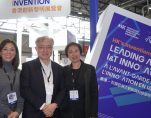
(From Left to right: Ms. Helena Chiu, Chairman of the Hong Kong Exporters Association; Ir. Andrew Young Honorary Advisor, The Hong Kong Exporters’ Association; and Ms. Alice Lai, Vice Chairman of the Hong Kong Exporters Association and Project Convenor, Hong Kong Innovation & Invention)
Hosted by HKEA and sponsored by the Innovation and Technology Commission (ITC) of the Government of the Hong Kong Special Administrative Region, HKII is committed to providing free international exchange opportunities for Hong Kong’s innovation and technology community. The initiative brings Hong Kong’s unique technological inventions onto world‑class exhibition platforms, connecting GBA innovators with global enterprises and users, and showcasing Hong Kong’s innovation story to the world.
Exhibited inventions have undergone rigorous evaluation by a distinguished panel of industry professionals. The shortlisting process will be conducted based on novelty, level of innovation and invention, technical utility, and symbolic significance. All exhibits are original inventions and launched in the market with patent protection or are under patent filing.
“‘Created in Hong Kong’ has long been recognised worldwide, yet the global visibility of our SMEs and start‑ups still has room to grow,” said Helena Chiu, Chairman of HKEA. “Through HKII, we enable Hong Kong’s innovation and technology brands to participate in top‑tier international exhibitions at no cost and connect directly with the global business community. This year, we are also bringing leading innovators from the Greater Bay Area to join Hong Kong enterprises as we venture overseas together and capture new opportunities around the world.”
MEET International, a multi-functional engineering inspection company, exhibits at IEIG for the first time. “With a supply chain anchored in the Greater Bay Area and more than 30 years of global market experience, we have been committed to strengthening ties with overseas clients and building a world‑recognised brand,” said K.S. Chou, Director of MEET International. “IEIG offers valuable access to engineers from European construction firms and research organisations, enabling us to present our product capabilities directly and substantially enhance our opportunities for international orders.”
“Intellectual property built on core technologies is essential for Hong Kong enterprises to upgrade their businesses,” said Marco Li, Managing Director of Propagate Intellectual Property, an invention commercialisation platform. “We are committed to nurturing academic innovations into patented technologies, developing products tailored for different scenarios for global customers. By exhibiting with other Greater Bay Area enterprises at Generva, our intellectual properties could become more attractive to European buyers. On top of greater revenue to companies and inventors, it also strengthens the branding of ‘Created in Hong Kong’ among the global, high‑end, industrial value chain.”
48 innovations and inventions are being showcased at the exhibition through HKII for free. The inventions span a wide spectrum of categories, including:
Smart City,
Smart Home & Lifestyle,
Health Technologies and Medicine, and
Smart Industry,
alongside a dedicated Youth Category for inventors aged 18 or below. The showcased innovation and technology products from the Greater Bay Area include:
Smart City: MEET International, a multi-functional engineering inspection company, developed a “7‑in‑1 Building Leakage Tracing Device,” breaking through the technical limitations of traditional single‑function inspection tools and redefining the standards for leakage detection. By continuously capturing and comparing highly precise data readings, the device pinpoints the source of leakage, ensuring that concealed problem areas are accurately exposed.
The device features synchronized “AC leakage” and “water leakage” dual detection, enabling early identification of hidden risks and precise localisation of the source to mitigate both seepage and electrical hazards. It also incorporates an innovative all‑scenario adaptability design, allowing it to operate effectively across different building materials and leakage environments. Applications include building maintenance, renovation inspection, and property management.
Smart Home & Lifestyle: Researchers at Sun Yat‑sen University developed a patented “Composite Heating Material” that integrates advanced graphene and nano-carbon tube composite heating films, replacing traditional heating tubes. The invention delivers precise, rapid and efficient heating with uniform heat distribution, while reducing energy loss.
Propagate Intellectual Property has commercialised the invention into more than 40 intellectual property assets, applying it to products such as electric teppanyaki, food‑warming mats and beauty eye masks, as well as in building and industrial settings, providing an efficient and flexible heating solution across diverse applications.
Health Technologies and Medicine: Health‑tech start‑up Kin Technology launched Kindo & App, a homecare solution redefining homecare and wellness. Integrating automation, IoT connectivity, and advanced AI, Kindo & App can automatically sort and dispense up to 10 types of medication with a single click. Equipped with smart reminders, a child‑safety lock, and built‑in humidity and temperature sensors, the solution ensures medication safety, accuracy, and convenience.
Paired with the Kin App and Web Platform, users can track their dosage history, set reminders, and receive low-medication alerts. The platform also supports remote dispensing, enabling caregivers to manage prescriptions and dispense medications from anywhere. Families and caregivers gain real-time access to adherence data and remote management tools, while healthcare providers can monitor patients, manage prescriptions, and access analytics to enhance outcomes.
Smart Industry: URS AI developed URS AI MATE, a holographic interactive AI agent. Integrating holographic projection technology, proprietary LLM, and multimodal interaction algorithms, URS AI MATE has successfully built a full closed‑loop of perception, cognition, decision‑making, and execution that enables continuous self‑evolution. This strengthens its ability to adapt in different scenarios and understand users, creating an AI agent uniquely tailored to each individual.
The issuer is solely responsible for the content of this announcement.
About “Hong Kong Innovation & Invention” (HKII)
Launched in 2023, “Hong Kong Innovation & Invention” (HKII), organized by the Hong Kong Exporters’ Association (HKEA) and sponsored by the Innovation and Technology Commission (ITC) of the Government of the Hong Kong Special Administrative Region, is an initiative dedicated to showcasing and promoting Hong Kong’s immense potential in innovation and technology (I&T) to a global audience. The Project aims to facilitate collaboration within the industry and cultivate a vibrant I&T culture among the general public.
Founded in May 1955, the Hong Kong Exporters’ Association (HKEA) is a non-profit-making trade association registered under the Hong Kong Companies Ordinance. The Association’s mission is to develop Hong Kong as a trading hub for exporters, dedicating its efforts to serve and add value for the exporter community.
This press release is distributed by Mitopia Limited on behalf of the Hong Kong Exporters’ Association.
*Disclaimer: Any opinions, findings, conclusions or recommendations expressed in this material/event (or by members of the project team) do not reflect the views of the Government of the Hong Kong Special Administrative Region, the Innovation and Technology Commission or the Vetting Committee of the General Support Programme of the Innovation and Technology Fund.
Hosting New Energy Summit to Connect Global Experts Insights on New Energy Landscape
HONG KONG SAR – Media OutReach Newswire – 13 March 2026 – Centre of Advanced Power and Autonomous Systems (APAS), under the Hong Kong Productivity Council (HKPC),made its debut at The Battery Show Asia held from 10 to 12 March. During the exhibition, APAS set up a dedicated showcase area to present eight innovative battery technology solutions featuring high safety standards and intelligent capabilities for the first time. In parallel, APAS hosted the second edition of the New Energy Summit during the exhibition. The summit brought together five industry experts and scholars from Hong Kong, Singapore, Thailand, India and Switzerland to deliver speeches on various topics related to new energy and energy storage. Speakers shared the latest industry developments and application trends, fostering international technology exchange and collaboration.
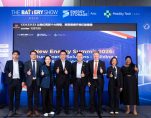
During the exhibition, APAS hosted the second New Energy Summit, inviting industry experts and scholars from Hong Kong, Singapore, Thailand, India and Switzerland to speak and share the latest technological developments and application trends in the fields of new energy and advanced materials.
Mr Yonghai DU, Chief Innovation Officer of HKPC and General Manager of APAS, said, “In line with the strategic priorities set out in the outline of the 15th Five-Year Plan for emerging and future industries such as new energy, advanced energy storage and hydrogen energy, energy technologies are entering an unprecedented period of growth. The outline also emphasise the pursuit of smart, green, and integrated development of industry, injecting long-term momentum for the new energy development. For many years, HKPC has been committed to market-led technology R&D. APAS focuses on areas including new energy technologies, green transportation, smart mobility, intelligent systems and emerging applications, actively translating research outcomes into market-ready solutions to help industries enhance technological capabilities and industrial value.”
He added, “Through this international platform, we hope to strengthen our collaboration with enterprises and research institutions from around the world. Hong Kong can play a more proactive role as a connector between Chinese Mainland and the global market in the development of innovation, international standards and the practical application of new energy technologies, thereby enhancing the city’s global competitiveness in the new energy industry. Looking ahead, APAS will continue to focus on research and practical applications in new energy and intelligent systems, while advancing technological innovation and cross-regional collaboration to support both the nation and Hong Kong in fostering emerging industries and future industries.”
First Participation in The Battery Show Asia, Highlighting Battery Technology Achievements
The Battery Show Asia brings together more than 20,000 industry representatives from Chinese Mainland, Japan, Korea, Southeast Asia, India, Europe and the United States, including policymakers, technology innovators, engineers, manufacturers and industry experts. Covering battery manufacturing, energy storage solutions and new energy transportation industries, the exhibition serves as an international platform integrating technology showcase, industry exchange and business collaboration.
In its first participation in the exhibition, APAS showcased its research strengths in new energy technologies and emerging applications by presenting a range of innovative battery technology solutions. The showcase aims to contribute to the development of the battery industry while providing an important platform for Hong Kong to connect with global technologies and markets, facilitating cross-regional exchange and collaboration.
APAS set up a dedicated exhibition area to present several research outcomes developed in collaboration with industry partners, including:
Battery Cell Technologies:
High-performance Sodium-ion Battery: Using stable poly-anionic phosphate cathode, the battery enables rapid storage and release of sodium-ions while offering high safety and cost efficiency. It is suitable for applications such as low-speed electric vehicles, power batteries and large-scale energy storage. Looking ahead, APAS will collaborate with industry partners to establish large-scale production capabilities for high-performance sodium-ion battery, further optimising its performance and cost-effectiveness while exploring deployment in low-speed electric vehicles and utility-scale energy storage systems.
Battery Systems and Solutions:
Explosion-Proof High-Energy Battery Systems:This solution features proprietary safety technology that prevents thermal runaway, delivering reliable power in the most challenging environments, engineered for demanding marine and portable power applications. APAS will assist partners in optimising battery module design and thermal management systems to enhance product performance and align R&D processes with industry standards. This will support partners in establishing manufacturing facilities in Hong Kong and expanding into overseas markets.
Yacht Battery System: The system integrates advanced solid-state battery technology with an intelligent Battery Management System (BMS) to eliminate risks associated with traditional liquid electrolytes, including leakage, corrosion and thermal runaway. It is specifically designed to withstand the high-humidity, high-vibration and salt-spray conditions inherent to open-water yacht operations. APAS is currently supporting partners in obtaining international battery standard certifications to facilitate entry into the global market.
These solutions feature high safety standards, intelligent capabilities, and flexible applications. They support a wide range of sectors, including electric transportation and smart mobility, marine and industrial applications, specialised equipment, aerospace and high-end manufacturing, medical devices, consumer electronics, home assistive equipment and portable energy storage for travel.
Hosting New Energy Summit to Jointly Build a Sustainable Future
During the exhibition, APAS also hosted the second New Energy Summit, which brought together industry leaders and academic experts from Hong Kong, Singapore, Thailand, India and Switzerland. The summit focused on key topics related to new energy development and applications, providing a platform for speakers to share insights and engage in discussions with industry professionals in attendance.
The summit focused on two key themes — new energy and advanced materials — bringing together global experts to explore technological development and industrial applications. In the new energy sector, a representative from The Hong Kong and China Gas Company Limited introduced innovative hydrogen energy technologies and their potential applications in promoting clean energy development in Hong Kong. Representatives from energy technology companies and alliances in Switzerland, India and Thailand shared the latest trends and practical applications in energy storage technologies, as well as the integration of renewable energy with smart infrastructure. In the field of advanced materials, a scholar from the Department of Materials Science and Engineering at the National University of Singapore highlighted the critical role of nanotechnology in energy and sustainable development, offering insights into the future landscape of sustainable new energy.
Through this cross-regional and cross-industry platform, APAS aims to promote international technology exchange and collaboration, accelerate the application of new energy technologies and drive industry transformation, contributing to a more resilient and sustainable future energy ecosystem.
Advancing Technologies onto the Global Stage, Reinforcing Hong Kong’s Connectivity Advantages
HKPC actively participates in various international exhibitions and industry exchange activities to showcase innovative solutions co-developed with industry partners. Leveraging Hong Kong as a platform, HKPC supports enterprises in expanding into international markets and advancing cutting-edge technologies and standards worldwide.
Through international exhibitions and collaboration initiatives, HKPC further strengthens Hong Kong’s role as an important connector between Chinese Mainland and the world. In line with the Government’s 2026-27 Budget to attract large-scale international exhibitions to Hong Kong and promote the city’s exhibition brand globally, HKPC will continue to participate in international exhibitions and foster industry exchanges to drive innovation showcase and collaboration.
Hashtag: #APAS
The issuer is solely responsible for the content of this announcement.
About Centre of Advanced Power and Autonomous Systems (APAS)
Centre of Advanced Power and Autonomous Systems (APAS) (formerly Automotive Platforms and Application Systems R&D Centre) was established in 2006 and is fully integrated as a business division under HKPC on 1 April 2025. APAS continues to undertake market-led R&D programmes spanning green transportation, smart mobility, intelligent systems and emerging applications, as well as commercialises R&D results in collaboration with industry, universities and technology institutes to enhance the competitiveness of Hong Kong’s automotive and other transportation sectors in new energy and smart driving.
About Hong Kong Productivity Council
The Hong Kong Productivity Council (HKPC) is a statutory body established in 1967, dedicated to enhancing the productivity and competitiveness of Hong Kong enterprises through world-class applied R&D, innovative technology services, and integrated manufacturing solutions. As a market-oriented, international R&D organisation, HKPC leverages its deep expertise and extensive industry experience in key areas such as AI, advanced manufacturing, life and health technology, green technology and new energy to drive new industrialisation and support the growth of emerging and future industries.
HKPC focuses on addressing businesses challenges and industrial technology needs, promoting the full integration between technological and industrial innovation. Through technology transfer, product innovation, intellectual property protection and commercialisation of R&D outcomes, the Council fosters collaboration with the local business community as well as top global R&D institutions, delivering added value to industries and advancing the development of new productive forces. HKPC’s world-class R&D achievements have been widely recognised over the years, winning an array of local and overseas accolades, reinforcing Hong Kong’s role as an international innovation and technology centre and a smart city.
To help enterprises capitalise on Hong Kong’s strengths in international connectivity to expand into global markets, HKPC offers comprehensive overseas expansion services tailored to critical areas including product development, technology, manufacturing, and management, enabling businesses to successfully go global from Hong Kong.
HKPC is also committed to providing timely and practical support to SMEs and startups with timely and practical, assisting them in accessing Government funding programmes. Through its FutureSkills training initiatives, HKPC helps both industry and academia stay ahead in latest digital and STEM technologies, nurturing a future-ready talent pool for Hong Kong.
For more information, please visit HKPC’s website: www.hkpc.org/en.
Japan’s stock market volatility has surged to levels not seen since the global pandemic turmoil of 2020 as a sharp jump in crude oil prices shakes confidence in the country’s economic outlook and disrupts what had been a strong equity rally.
Measures of market anxiety tied to Japanese equities climbed sharply as investors reacted to the sudden rise in global energy prices and mounting geopolitical tensions affecting oil supply routes. The spike in volatility coincided with a steep sell-off in Tokyo’s equity market, where the Nikkei 225 index plunged more than 7 per cent during trading while the broader Topix index fell over 6 per cent, marking one of the most severe declines in several years.
Traders and analysts attribute the surge in market fear to an abrupt reversal of expectations that had supported Japan’s equity rally earlier in the year. A powerful jump in crude prices above the $100-a-barrel threshold has heightened concerns about rising import costs, inflationary pressure and potential disruption to the country’s fragile economic recovery.
Japan remains one of the world’s largest importers of energy resources, relying heavily on overseas supplies for oil and liquefied natural gas. The sharp rise in crude prices therefore carries immediate implications for corporate profitability, household spending and the nation’s trade balance. Higher fuel costs can quickly feed into transport, manufacturing and electricity prices, creating ripple effects across the broader economy.
Equity strategists say that markets had been pricing in a favourable scenario for Japan’s corporate sector, including stable energy costs, a weaker yen that supports exporters, and gradual improvement in domestic consumption. The oil shock has complicated that outlook, prompting investors to reassess earnings forecasts and risk exposure.
The volatility gauge for Japanese equities, often referred to as the market’s “fear index,” spiked to levels not seen since the early months of the Covid crisis. Such indicators measure the expected turbulence in stock prices based on options trading, and a sharp rise typically signals increased hedging activity by investors preparing for further market swings.
The abrupt shift in sentiment comes amid wider turbulence across global financial markets. Equity benchmarks across Asia fell sharply as investors reacted to the energy price shock and rising geopolitical tensions in the Middle East, a region responsible for a large share of global oil production. The surge in crude prices has revived worries that inflation could accelerate again just as many central banks were expected to ease monetary policy.
Market participants say the latest volatility reflects more than a temporary correction. Analysts note that the rally in Japanese equities had drawn significant foreign investment during the past year, encouraged by corporate governance reforms, share buybacks and improved shareholder returns. Strong gains in technology stocks and export-oriented companies had helped drive the Nikkei to multi-decade highs.
Rising energy costs now threaten to undermine some of those positive dynamics. Japan’s manufacturing sector, including carmakers and electronics producers, depends heavily on imported raw materials and fuel. A sustained rise in oil prices could increase production costs and squeeze margins, particularly for companies unable to pass higher expenses on to consumers.
Currency movements add another layer of complexity. The yen often weakens when oil prices surge because the country must spend more on energy imports. While a weaker currency can benefit exporters by boosting overseas earnings, it also increases the cost of imported fuel and food, intensifying inflationary pressure on households.
Economic policymakers are watching the developments closely. Officials at the Bank of Japan have maintained an accommodative monetary stance even as other major central banks tightened policy to fight inflation. The current surge in energy prices raises questions about how the central bank might respond if inflationary pressure accelerates further while economic growth slows.
Financial analysts emphasise that volatility indicators should not be interpreted as a prediction of sustained market decline. Instead, they reflect heightened uncertainty and the demand for protection against abrupt price swings. Still, such spikes often coincide with periods of intense market stress and rapid portfolio adjustments.
Energy-related stocks and commodity producers have been among the few segments to benefit from the oil surge, as higher crude prices can boost revenues for companies involved in exploration, refining and trading. Conversely, sectors sensitive to fuel costs, including airlines, shipping and heavy manufacturing, have faced selling pressure.
Global investors are also weighing broader geopolitical risks tied to the energy market. Disruptions to shipping routes in key waterways used for oil transport could tighten supply and prolong elevated prices. Analysts warn that if crude remains above the $100-a-barrel mark for an extended period, the impact could spread beyond equity markets into inflation expectations, bond yields and currency movements.
LG Energy Solution is preparing to commercialise an upgraded iron-based battery designed for large-scale energy storage, marking a strategic push by the South Korean manufacturer to capture a larger share of the rapidly expanding global market for grid and renewable-energy storage systems. The company plans to introduce the higher-performance lithium-iron-phosphate battery model next year, seeking to strengthen its position in the energy storage sector at a time […]
European dealers and journalists experienced the CHANGAN DEEPAL S05 AWD at 2026 Changan Global Testing Season this February.
With intelligent AWD and advanced ADAS, the CHANGAN DEEPAL S05 AWD offered uncompromising safety and control on winter roads.
Saalfelden, Austria – Media OutReach Newswire – 12 March 2026 – Following extreme cold tests in Yakeshi, China, the 2026 Changan Global Testing Season made its European debut this February with the Changan Winter Experience in Courmayeur and the Winter Test Drives in Saalfelden. The all-electric CHANGAN DEEPAL S05 AWD was tested on snow and ice—familiar conditions for European drivers—offering dealers and journalists an immersive introduction to Changan’s electric mobility vision through dynamic drives.
Three-time Olympic gold medalist and Milano Cortina 2026 Ambassador Deborah Compagnoni joined the event in Courmayeur, testing the CHANGAN DEEPAL S05 AWD. Her career—defined by determination, control, and reliability—reflects Changan’s core values. “I felt that the principles of trajectory and speed in skiing apply to driving. With this model, you gain confidence on challenging terrain,” she said.
Snow-Validated Performance: The CHANGAN DEEPAL S05 AWD
Tested in Europe, the CHANGAN DEEPAL S05 AWD demonstrated controllable dynamics, reliable traction, and enhanced safety—highlighting its cutting-edge AWD and ADAS. The system adapts seamlessly: ECO/COMFORT modes prioritize RWD efficiency, while AWD will engage automatically when sensors detect slip, high torque demand, or extreme cold below -25°C. SPORT mode delivers permanent 50:50 torque for sharper response. SNOW mode maintains balanced torque with optimized slip control for confident driving on low-grip surfaces.
The intelligent AWD system delivers up to 320 kW power, 502 Nm torque, and 0–100 km/h acceleration in 5.5 seconds. It also improves hill climbing with a 40% gradient capability, ensures stability by actively balancing power to prevent skidding, and enables safer cornering at higher speeds through optimized grip and vehicle dynamics.
Changan Standard: Proven in the Alps, Bound for the World
Changan Standard is defined by a principle: forged in extremes, built for every day. From Yakeshi to the Alps, the test environments are selected to verify specific performance attributes—safety technologies, chassis response, all-wheel-drive calibration, and ADAS in low-grip scenarios. The objective of 2026 Global Testing Season is not to demonstrate extremes, but to confirm consistency: that the same level of safety, control, and stability demonstrated will be replicated in Mexico, Thailand, and Saudi Arabia.
Hashtag: #Changan
The issuer is solely responsible for the content of this announcement.
Engineering group ABB has committed about $75 million to expand manufacturing and research operations across five locations in India, a move aimed at strengthening production for sectors such as renewable energy, metro rail systems and data centres. The investment reflects rising demand for advanced electrification and automation technologies as infrastructure projects accelerate and digital capacity expands across the country.
ABB said the spending will upgrade and enlarge facilities that produce critical components including switchgear, power distribution equipment and industrial automation systems. The programme is also designed to expand research and development capabilities to support innovation in energy efficiency, smart grid technologies and digitalised industrial processes. Executives say the initiative forms part of a broader strategy to align manufacturing capacity with growing infrastructure investment and the rapid expansion of power-intensive industries.
The company’s expansion covers five manufacturing and engineering sites located in Karnataka, Maharashtra and Gujarat. Upgrades will introduce new automated production lines, enhanced testing laboratories and expanded engineering facilities aimed at designing solutions for electrification, transport networks and digital infrastructure. ABB expects the additional capacity to support large-scale projects ranging from metro rail electrification to the growing network of data centres serving cloud computing and artificial intelligence services.
Demand for equipment linked to renewable energy projects has surged as the country accelerates plans to increase solar and wind generation capacity. Grid-integration technologies, power converters and control systems have become essential as utilities manage fluctuating renewable output while maintaining grid stability. ABB’s investment is intended to strengthen its ability to deliver these solutions domestically while also supporting export markets in Asia, the Middle East and Africa.
Metro rail expansion has emerged as another driver for advanced electrification equipment. Urban transport networks in cities such as Bengaluru, Mumbai, Delhi and Hyderabad are undergoing continuous expansion to address congestion and improve mobility. These projects require reliable power distribution systems, signalling integration and energy-efficient traction equipment. ABB’s manufacturing expansion is expected to help supply such components more efficiently while shortening delivery timelines for large infrastructure contracts.
Data centres represent one of the fastest-growing infrastructure segments globally, and the country has become a major destination for cloud and digital-service investments. Technology companies and telecommunications providers are building large facilities to manage the surge in online services, financial technology platforms and artificial intelligence workloads. These facilities require high-capacity electrical systems, uninterrupted power supplies and advanced cooling solutions, areas where ABB has been expanding product development.
Company officials say the investment will also strengthen collaboration between manufacturing units and engineering teams to accelerate product innovation. Expanded research facilities are expected to focus on digital monitoring systems, predictive maintenance tools and power-management technologies designed to improve energy efficiency across industrial operations. Such innovations are increasingly sought by infrastructure operators attempting to reduce energy consumption and operating costs.
Global industrial groups have been increasing investment in advanced manufacturing and engineering capabilities across the country as infrastructure development gathers pace. Government programmes encouraging domestic manufacturing, combined with demand for electrification technologies, have attracted multinational companies seeking to expand local production while integrating global supply chains. ABB has maintained a presence in the market for more than a century and operates multiple technology centres focused on electrification, robotics and automation.
Industry analysts say electrification and digital automation are becoming central to infrastructure planning as cities grow and industries transition towards cleaner energy systems. Equipment that supports smart grids, energy-efficient manufacturing and automated transport networks is expected to see strong demand over the coming decade. Companies able to integrate digital monitoring with hardware solutions are viewed as particularly well positioned in this evolving landscape.
ABB’s strategy places emphasis on combining electrical equipment with digital analytics to monitor power usage and equipment performance in real time. Sensors, connected control systems and artificial intelligence-based monitoring platforms are increasingly embedded within infrastructure networks. Such technologies allow operators to detect equipment failures early, optimise energy consumption and reduce downtime in critical facilities such as metro systems and data centres.
HANOI, VIETNAM – Media OutReach Newswire – 10 March 2026 – Amid volatility in global fuel prices, Vingroup has announced the launch of a special “Trade Gas for Electric” program in Vietnam, India, Indonesia, and the Philippines. The program offers an additional 3% discount on VinFast cars and 5% discount on VinFast electric scooters for customers switching from old gasoline vehicles. At the same time, fares for Xanh SM services will be reduced by 10% from March 11 to March 31, 2026, depending on each market.
Specifically, in addition to the existing incentives currently available, customers who switch from old gasoline vehicles to new VinFast electric vehicles during the program period will receive an additional 3% discount for cars and 5% discount for scooters. The program will be applied across all four markets: Vietnam, India, Indonesia, and the Philippines.
In line with VinFast’s pioneering spirit, GSM Green and Smart Mobility Joint Stock Company has also announced an immediate 10% reduction in fares for electric mobility services on the Xanh SM platform in Vietnam and Green SM in Indonesia from March 11 to March 31, 2026. This initiative offers customers a more environmentally-friendly and cost-effective transportation option.
The program may be extended depending on international developments and future fuel price movements.
Ms. Duong Thi Thu Trang, Deputy CEO of Global Sales, VinFast, stated: “The special ‘Trade Gas for Electric’ program launched in March across four key markets is VinFast’s timely response to geopolitical volatility that is affecting socio-economic conditions in many countries around the world. As one of the pioneering manufacturers leading the global electric vehicle revolution, VinFast together with companies in Vingroup’s green ecosystem aims to help reduce the impact of fuel prices on people’s daily lives while also lowering environmental pollution through smarter, more sustainable, and more cost-efficient mobility solutions.”
The special “Trade Gas for Electric” program will be implemented in parallel with and combined with other available incentive programs in each market. Through layered incentives, Vingroup and companies within its ecosystem aim to create favorable conditions for customers to transition quickly to electric vehicles, reduce dependence on gasoline, stabilize daily life, and contribute to building a cleaner and more civilized living environment.
Hashtag: #Vingroup
The issuer is solely responsible for the content of this announcement.
Dubai has retained its position as the world’s cleanest city for a sixth consecutive year, strengthening the emirate’s global reputation for urban management and environmental standards as international rankings continue to highlight its sustained focus on municipal services, waste management and public hygiene. Recognition comes through the Global Power City Index, an annual assessment issued by the Institute for Urban Strategies at Japan’s Mori Memorial Foundation. The […]



 www.abb.com