News related to
Electric

HONG KONG SAR – Media OutReach Newswire – 18 October 2024 – Promoting high-quality development and expanding Hong Kong’s capacity for economic growth are core elements of the 2024 Policy Address, announced (October 16) by John Lee, Chief Executive of the Hong Kong Special Administrative Region. “Hong Kong is striving to become an international innovation and technology (I&T) centre by promoting the upgrading and transformation of traditional […]

Masdar and Iberdrola have successfully completed the installation of the final turbine for the Baltic Eagle wind farm, a significant offshore renewable energy project located in the Baltic Sea. This marks a major milestone in the 476 MW venture, which is set to enhance Europe’s green energy portfolio. The project, a collaboration between the Abu Dhabi-based clean energy firm Masdar and Spain’s Iberdrola, is part of the […]

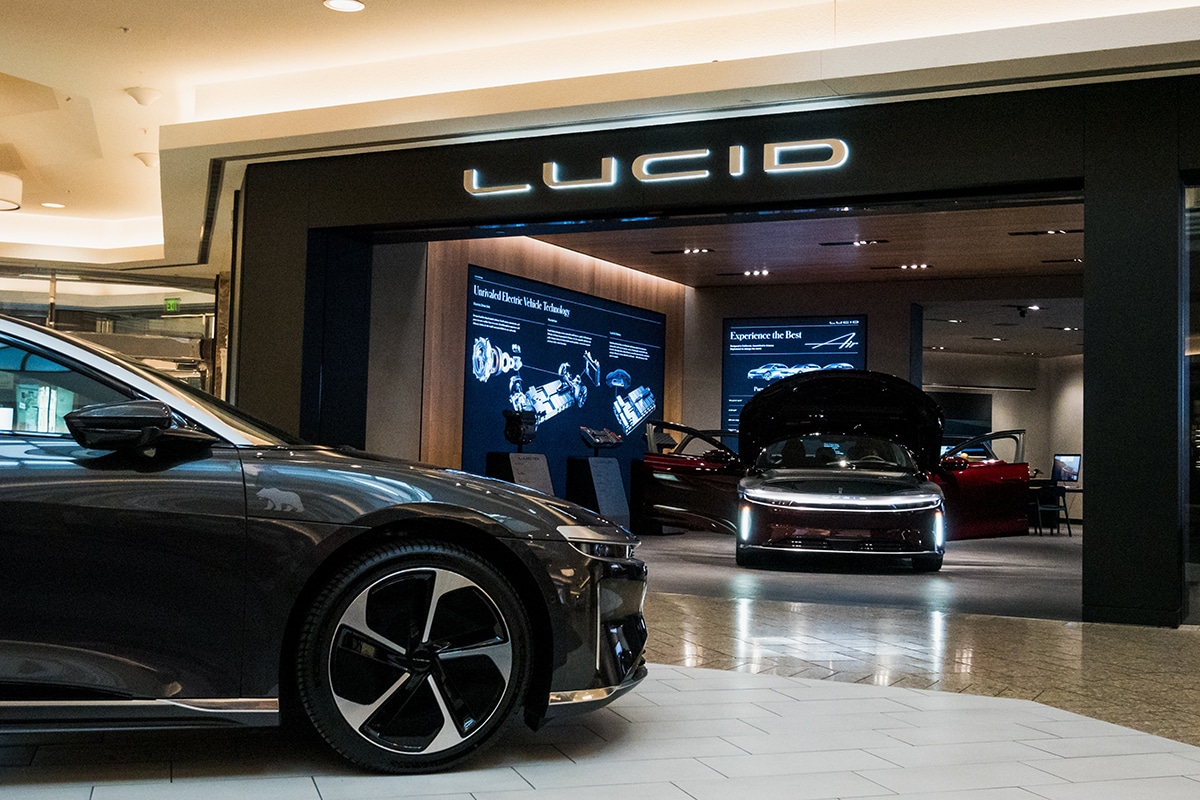
Lucid Motors, the electric vehicle manufacturer backed by Saudi Arabia’s Public Investment Fund (PIF), is set to launch a stock sale aiming to raise approximately $1.67 billion. This move comes as the company seeks to bolster its financial position amid ongoing challenges in the EV market, including increased competition and supply chain constraints. With ambitions to expand production capabilities and improve cash flow, Lucid’s strategic decision highlights the importance of capital infusion in achieving its long-term growth objectives.

Founded in 2007, Lucid Motors initially gained attention for its luxury electric sedans, particularly the Lucid Air, which offers high performance and premium features. The vehicle has garnered numerous accolades for its impressive range and innovative technology, solidifying Lucid’s position as a key player in the luxury EV segment. The company went public in 2021 through a merger with a special purpose acquisition company (SPAC), further fueling expectations of significant growth and innovation.

The stock offering is expected to be conducted through an underwritten public offering, with the PIF participating as a significant investor. This partnership with the Saudi fund underscores the commitment of both entities to not only enhance Lucid’s market position but also align with Saudi Arabia’s broader economic diversification plan, Vision 2030. This initiative aims to reduce the kingdom’s dependence on oil revenues by investing heavily in renewable energy and technology sectors.

Financial analysts view this stock sale as a necessary step for Lucid to secure funds to navigate the challenges of scaling production while maintaining quality and safety standards. The company has faced scrutiny over its production timelines, with initial targets for delivering vehicles falling short of expectations. As Lucid ramps up its manufacturing capabilities, having sufficient capital will be crucial for maintaining operational efficiency and meeting consumer demand.

Recent data indicates that Lucid delivered a total of 2,000 vehicles in the first half of the year, a significant increase from previous figures, but still below market expectations. Analysts suggest that this stock sale could provide Lucid with the financial flexibility to address bottlenecks in its supply chain and enhance its manufacturing processes.

Competition in the luxury EV space is intensifying, with established automakers such as Tesla, Rivian, and traditional automotive giants investing heavily in electric vehicle development. This competitive landscape necessitates that Lucid not only increases production but also invests in marketing and customer acquisition strategies to capture a larger share of the growing EV market.

Lucid’s management has indicated plans to introduce new models in the coming years, including an SUV variant that could broaden its appeal beyond the luxury sedan segment. Such diversification is expected to attract a wider customer base and generate additional revenue streams. However, executing these plans requires substantial investment in research and development, which the anticipated stock offering aims to support.

Investor sentiment surrounding Lucid remains cautiously optimistic, especially given the strategic backing from the PIF. This partnership not only provides financial resources but also enhances Lucid’s credibility in the global market. As part of Saudi Arabia’s strategy to invest in innovative technologies, the PIF’s involvement serves to align Lucid with the kingdom’s goals of fostering sustainable energy solutions and advancing technological advancements.

Despite the promising outlook, challenges remain for Lucid. The automotive industry has been significantly impacted by ongoing supply chain disruptions, including semiconductor shortages that have hindered production across the sector. As a new player in the industry, Lucid must navigate these hurdles effectively to establish itself as a viable competitor against more established manufacturers.

Lucid’s market performance has been volatile since its public debut, reflecting broader trends in the EV sector. Investors are closely monitoring Lucid’s ability to execute its growth strategies and achieve profitability in the coming quarters. The outcome of the stock sale will play a crucial role in shaping the company’s future trajectory and investor confidence.

As the electric vehicle market continues to evolve, Lucid’s strategic decisions will be closely scrutinized by industry observers and investors alike. The forthcoming stock offering is a pivotal moment for the company, as it seeks to secure the necessary funds to enhance its production capabilities and innovate its product line.

By Nitya Chakraborty Bangladesh is the diplomatic battleground of two super powers USA and China since the interim Government took over power on August 9 this year following the ouster of the Sheikh Hasina led Awami League regime on August 5 last. In the last five weeks of the new government led by Chief Adviser […]

Emirates Transport is set to embark on a pioneering initiative to pilot test hydrogen and electric vehicles as part of its strategy to transition toward sustainable transportation. This ambitious project aligns with the UAE’s broader commitment to reducing carbon emissions and advancing environmental sustainability within the transportation sector. The initiative represents a significant step toward achieving the goals outlined in the UAE’s Vision 2021 and the National […]

BYD, the Chinese electric vehicle (EV) manufacturer, is making significant strides in the global automotive market, solidifying its position as a leader in producing affordable electric cars. Recent reports indicate that the company’s strategy is not just about increasing production capacity but also focuses on innovative technologies and cost-cutting measures that make electric vehicles more accessible to a broader audience.

The global electric vehicle market has been experiencing remarkable growth, driven by rising consumer demand and regulatory pressures to reduce carbon emissions. In this evolving landscape, BYD’s production capabilities and technological advancements are enabling it to offer vehicles that cater to various segments of the market. The company’s recent launch of the BYD Dolphin, a compact electric hatchback priced competitively, showcases its commitment to making EVs attainable for everyday consumers. This model is particularly noteworthy for its range of features at an entry-level price point, setting a precedent in the budget EV segment.

One of the critical factors contributing to BYD’s success is its vertically integrated supply chain. By manufacturing essential components, such as batteries and electric motors in-house, BYD has managed to reduce costs significantly. This approach allows the company to maintain control over quality and supply, which is increasingly crucial as global supply chain disruptions have affected many automakers. Furthermore, BYD’s expertise in battery technology, particularly lithium iron phosphate (LFP) batteries, has enabled the company to produce more efficient and cost-effective energy storage solutions. These batteries are not only cheaper to produce but also provide enhanced safety and longevity, making them an attractive option for consumers.

Competition in the EV market is intensifying, with established automakers and new entrants alike vying for market share. Tesla, once the undisputed leader in the electric vehicle sector, faces increasing pressure from competitors such as BYD, which are rapidly closing the gap in technology and production capabilities. Tesla’s high-end models have carved out a niche market, but BYD’s focus on affordability targets a different demographic, particularly in emerging markets where price sensitivity is paramount.

BYD’s international expansion strategy is also noteworthy. The company has been increasing its footprint in Europe, Asia, and South America, adapting its offerings to meet the local demand for electric vehicles. For example, in Europe, BYD has introduced models designed specifically for urban environments, emphasizing compact sizes and efficient performance. This tailored approach has allowed BYD to capture the attention of consumers and local governments looking to transition to greener transportation options.

The company’s efforts to enter the U.S. market have garnered significant attention. While navigating the complexities of U.S. regulations and consumer preferences presents challenges, BYD has made strides in establishing partnerships and exploring opportunities for local production. Recently, the company announced plans to invest in manufacturing facilities in North America, a move aimed at mitigating tariffs and streamlining distribution. Such initiatives signal BYD’s commitment to becoming a major player in one of the world’s most lucrative automotive markets.

The push for sustainable manufacturing practices is increasingly shaping consumer preferences and regulatory frameworks. BYD has been proactive in addressing environmental concerns, aiming to position itself as a leader in sustainable mobility. The company has committed to utilizing renewable energy sources in its manufacturing processes, further enhancing its appeal to eco-conscious consumers. This commitment aligns with global trends emphasizing sustainability and corporate responsibility, influencing purchasing decisions across demographics.

The competitive landscape is also seeing new players entering the market, notably from traditional automotive manufacturers pivoting towards electrification. Companies like Volkswagen and Ford are investing heavily in EV development, attempting to leverage their established brand recognition and distribution networks to compete with companies like BYD. The influx of capital into EV development from established players adds another layer of complexity to the industry dynamics. However, BYD’s early investments in technology and production capabilities provide it with a competitive edge.

In addition to affordability, BYD’s focus on technological innovation is crucial in attracting consumers. Features such as advanced driver-assistance systems (ADAS) and smart connectivity options are becoming increasingly expected among consumers. BYD is actively investing in research and development to enhance these features in its vehicles, aiming to meet and exceed consumer expectations. The integration of technology not only improves user experience but also serves as a differentiator in a crowded marketplace.

Industry analysts predict that the competition among EV manufacturers will intensify in the coming years, with price wars becoming more common as companies strive to capture market share. BYD’s strategy to offer high-quality, affordable vehicles positions it well to navigate these challenges. As battery technology continues to advance and production costs decrease, the feasibility of producing lower-priced electric vehicles will only increase, benefiting companies like BYD that have already established a foothold in this arena.

BYD’s commitment to enhancing its vehicle lineup is evident in its strategic partnerships and collaborations. The company has been actively engaging with various technology firms to enhance its offerings further, particularly in software development and connectivity features. By integrating cutting-edge technologies, BYD is poised to not only meet the current demands of the market but also to shape future consumer preferences in the electric vehicle sector.

Aegis Sortation becomes exclusive technology distributor for Johnson Electric in the North American market VANDALIA, US – Media OutReach Newswire – 16 October 2024 – Johnson Electric, a global leader in electric motors, actuators, motion subsystems and related electro-mechanical components, today announced an exclusive distribution agreement in partnership with Aegis Sortation. Under the agreement, Aegis will become the technology distributor for Johnson Electric TrueDrive™ and VersaSort™ products […]

Advertisements

Tesla has shifted its substantial Bitcoin holdings, totaling 11,500 BTC, valued at roughly $760 million, to new, unmarked digital addresses. This significant movement has sparked speculation regarding the company’s intentions concerning its cryptocurrency assets. As the electric vehicle manufacturer is known for its dynamic approach to digital currencies, the implications of this transfer could have noteworthy impacts on market trends and investor sentiment.

The transfer was made public through blockchain analytics platforms, which indicated that the entire Bitcoin stash was moved on October 15. The sudden shift to new addresses raises questions about Tesla’s strategy regarding Bitcoin, especially after CEO Elon Musk’s past enthusiasm for cryptocurrencies. This action comes amid a backdrop of fluctuating Bitcoin prices and a market that has shown volatility due to regulatory scrutiny and macroeconomic conditions.

Musk’s relationship with Bitcoin has been well-documented, with Tesla initially investing heavily in the cryptocurrency last year. In February 2021, Tesla disclosed that it had purchased $1.5 billion worth of Bitcoin, which contributed to a surge in its value. However, following concerns about Bitcoin’s environmental impact, Musk announced in May 2021 that Tesla would stop accepting Bitcoin as payment, a decision that sent shockwaves through the cryptocurrency market.

The latest transfer has led to widespread speculation among analysts and investors. Some believe that Tesla might be repositioning itself within the cryptocurrency market, potentially indicating a future strategy that could involve selling or reinvesting its Bitcoin holdings. The company’s previous actions, including liquidating a portion of its Bitcoin assets in 2022, have created a precedent for such speculation.

Blockchain experts have highlighted the importance of understanding the new addresses to which the Bitcoin has been transferred. Without clear indications of ownership, it remains uncertain whether these addresses are still associated with Tesla or if they represent a shift in ownership. The lack of transparency surrounding these transfers is common in the cryptocurrency space, where pseudonymity is a fundamental feature. However, this characteristic can lead to uncertainty and speculation regarding the motivations behind such significant movements.

Market analysts have observed that Tesla’s transfer of Bitcoin could also be a tactical move to shield its assets from market volatility. By moving Bitcoin to new addresses, the company might be aiming to mitigate risk and enhance security. Such actions are not uncommon among large holders of cryptocurrency, especially during periods of heightened regulatory scrutiny or market fluctuations.

The timing of the transfer coincides with a broader trend of institutional interest in Bitcoin and other cryptocurrencies. Many companies are reassessing their positions in digital assets, and Tesla’s move could be indicative of a larger shift within corporate strategies concerning cryptocurrencies. The ongoing dialogue surrounding cryptocurrency regulation, especially in the United States and Europe, continues to influence corporate decisions.

Elon Musk’s comments on Twitter have historically impacted Bitcoin prices. His influence in the cryptocurrency realm is both significant and contentious. Therefore, any indications of Tesla’s plans for its Bitcoin holdings could sway market perceptions and trading patterns. Industry observers will be closely monitoring Tesla’s next steps and any public statements from Musk regarding the company’s cryptocurrency strategy.

As the cryptocurrency landscape evolves, the actions of high-profile companies like Tesla are crucial in shaping investor sentiment and market dynamics. The movement of such a large Bitcoin holding adds an additional layer of complexity to an already intricate market. Investors are left to ponder whether this transfer is a prelude to selling, a strategy to fortify assets against volatility, or a reallocation of holdings in light of regulatory developments.

The cryptocurrency market has seen an uptick in both institutional and retail investor activity as Bitcoin and other digital assets continue to garner mainstream attention. Amid this growing interest, companies are reevaluating their positions in cryptocurrencies, and Tesla’s actions will likely serve as a case study in corporate cryptocurrency strategy. The decisions made by Tesla regarding its Bitcoin holdings could influence other corporations in the sector, shaping their future engagements with digital currencies.

Bolt, a European ride-hailing platform, has made its entry into the UAE with a strategic partnership with Dubai Taxi Corporation (DTC). The move, which has already attracted attention, aims to provide ride-hailing services across Dubai, leveraging the extensive fleet and operational expertise of DTC. The partnership is expected to strengthen Dubai’s transportation infrastructure, offering commuters more ride options, and is in line with the city’s vision for […]

Google has announced a pivotal partnership with Kairos Power to utilize small modular reactors (SMRs) to support its artificial intelligence (AI) operations. This marks a strategic move as the tech giant navigates the energy-intensive demands of AI. The decision to invest in nuclear energy comes as the company looks for more sustainable and reliable sources to power its vast data center operations. The announcement underscores the company’s […]

Dubai’s flagship carrier, Emirates, has voiced strong dissatisfaction with Boeing regarding another significant delay in the delivery of the much-anticipated 777X aircraft. The airline, which had originally anticipated the arrival of the aircraft several years ago, has faced continuous postponements, leading to operational disruptions and strategic adjustments. Emirates has long been the largest customer of the 777X model, with an order for 126 units, and the repeated […]

China’s electric vehicle (EV) market is rapidly reshaping the automotive landscape, leaving established players like Volkswagen, BMW, and Mercedes-Benz struggling to keep pace. With substantial investments and government support, Chinese manufacturers are not only producing high-quality electric vehicles but are also innovating in technology and sales strategies, challenging the dominance of their European counterparts. Leading the charge are Chinese brands such as BYD, NIO, and Xpeng, which […]

Dubai is set to revolutionize its public transport system with the introduction of electric pods that will provide seamless door-to-door connectivity from the Metro stations to residences and businesses. This innovative initiative, a collaborative effort between Dubai’s Roads and Transport Authority (RTA) and various technology partners, aims to enhance urban mobility and create a more sustainable transport ecosystem. By combining the efficiency of the Metro with the convenience of electric pods, the city seeks to address the growing demand for integrated public transport solutions.

The electric pods are designed to transport passengers from Metro stations to their destinations without the need for additional transfers. Utilizing an advanced technology framework, these autonomous vehicles will operate on dedicated lanes, minimizing congestion and improving overall travel times. RTA officials have indicated that the electric pods will not only serve as an extension of the existing Metro network but will also promote a more environmentally friendly mode of transport, aligning with Dubai’s broader sustainability goals.

The introduction of electric pods is a part of Dubai’s ambitious 2040 Urban Master Plan, which envisions a city that is smarter, more connected, and environmentally conscious. The plan includes enhancing the public transport network to ensure that at least 20% of all journeys in Dubai are made via public transport. This initiative aims to reduce reliance on private vehicles, contributing to lower traffic congestion and improved air quality.

Dubai’s RTA has emphasized the importance of technological integration in this project. The electric pods will leverage advanced systems for navigation and traffic management, ensuring safe and efficient operation. These vehicles are expected to be equipped with state-of-the-art sensors and artificial intelligence capabilities, allowing for real-time data processing and responsive decision-making. This will not only enhance the user experience but will also ensure that safety remains a top priority.

As part of the pilot program, a select number of electric pods will be deployed in strategic locations around Dubai to gather data and refine the service model. Feedback from initial users will be crucial in optimizing the service, addressing any operational challenges, and enhancing passenger comfort. This phased approach is essential to ensure that the technology meets the needs of Dubai’s diverse population.

The project is anticipated to benefit a wide demographic, including residents, tourists, and those commuting for work. For residents, the convenience of an electric pod that connects directly from the Metro to their doorstep can significantly enhance daily commuting experiences. Tourists will also find this service appealing, as it offers an efficient means to navigate the city without the need for extensive travel planning.

The environmental impact of this initiative cannot be understated. By utilizing electric pods, Dubai aims to reduce the carbon footprint associated with traditional transport methods. The reliance on electric power rather than fossil fuels is a crucial step in the city’s quest to promote sustainability. With global focus shifting towards green technology and eco-friendly practices, Dubai’s initiative reflects a broader trend of urban areas seeking to embrace cleaner transport solutions.

The electric pod initiative is expected to stimulate economic growth and create new job opportunities. The demand for skilled professionals in technology, engineering, and transportation logistics will rise, fostering a more dynamic job market in these sectors. Additionally, partnerships with local businesses to facilitate charging stations and maintenance services will further support economic development.

Looking ahead, Dubai’s commitment to integrating electric pods into its transport infrastructure signifies a bold step towards smart urban living. This initiative not only aligns with the city’s strategic vision but also sets a precedent for other global cities striving to enhance public transport systems. As cities worldwide face challenges related to congestion and pollution, Dubai’s innovative approach may serve as a model for sustainable urban transport.

Power outages persist across North Carolina in the wake of Hurricane Helene, which left a trail of devastation that has upended communities. In Buncombe County, more than 25,000 households have been left without electricity for three weeks, as severe flooding damaged critical infrastructure, slowing efforts to restore power. The statewide impact has been significant, with nearly 100,000 households still struggling with outages, as local utilities and government agencies work to rebuild in the aftermath of one of the worst hurricanes the state has experienced in recent history.

The storm made landfall with Category 4 intensity, bringing winds exceeding 130 mph and unleashing torrential rains that led to flash flooding in several regions. Rural and urban areas alike suffered widespread damage, with roads washed away, bridges collapsing, and homes submerged under several feet of water. Emergency services have been stretched thin, with thousands of rescue operations underway, especially in hard-hit areas like Asheville, where rivers swelled to dangerous levels, overwhelming the city’s flood defenses.

In Buncombe County, the power grid took a particularly hard hit due to the storm’s ferocity. Many of the county’s substations were submerged under floodwaters, making it difficult for utility crews to assess the extent of the damage. Roads leading to key infrastructure have been washed away or remain inaccessible due to debris, further delaying repair efforts. The combination of flood damage and fallen trees from the hurricane’s high winds has left electrical lines in disarray, forcing residents to endure an extended blackout.

Local officials have been working round-the-clock to mitigate the impact of the prolonged outages. However, challenges remain as access to remote areas continues to be obstructed. Governor Roy Cooper emphasized that while progress is being made, the scale of destruction is unprecedented, and recovery will take time. He urged residents to remain patient and assured that federal disaster relief funds would be allocated to expedite repairs. Meanwhile, the National Guard has been deployed to assist with clearing roadways and delivering essential supplies to isolated communities.

As temperatures dropped, concerns about the well-being of those without power have increased. Residents in Buncombe County, in particular, have voiced frustration as they continue to grapple with the lack of electricity, while others are facing challenges related to food preservation and heating. The disruption of public services has compounded the difficulties, with schools in the area remaining closed and businesses struggling to reopen without reliable access to power. Many families have been forced to relocate temporarily, seeking refuge in shelters set up by the Red Cross and local churches.

The hurricane also triggered a cascading effect on other vital services. Hospitals, nursing homes, and other critical care facilities have faced mounting pressure to maintain operations using backup generators, while others have been forced to transfer patients to unaffected regions. Water treatment plants were similarly overwhelmed, leading to boil-water advisories in several towns, as the risk of contamination rose due to floodwaters breaching sanitation systems.

The agricultural sector in North Carolina has also borne the brunt of the hurricane’s devastation. Farmers in the eastern part of the state reported catastrophic losses as fields were submerged and livestock perished in the floods. Early estimates suggest that the damage to crops, particularly soybeans, tobacco, and corn, could reach into the hundreds of millions of dollars. Livestock farmers have also struggled, with large numbers of cattle and poultry succumbing to the rising waters. Agricultural experts warn that the full scope of the damage may not be realized for several weeks, as fields remain waterlogged and the logistical challenges of restoring farming operations persist.

Environmental experts have raised concerns about the long-term impact of Hurricane Helene on North Carolina’s ecosystems. Flooding has resulted in large-scale soil erosion, while contaminants from industrial sites and agricultural runoffs have mixed with floodwaters, potentially causing lasting harm to water sources and habitats. The state’s fisheries, a key economic driver, could see prolonged disruptions as rivers and estuaries remain clouded with debris and pollutants, threatening aquatic life and commercial fishing operations.

Insurance companies are bracing for what is expected to be an unprecedented number of claims. Early projections indicate that Hurricane Helene may be one of the costliest storms in the state’s history, with damages potentially exceeding $10 billion. Insurers have been mobilizing teams of adjusters to assess the damage, but the sheer scale of destruction, combined with ongoing access issues, has slowed the process. Many homeowners, however, are discovering that their policies do not fully cover the extent of the damage caused by flooding, leaving them facing substantial out-of-pocket expenses for repairs.

Rebuilding efforts are now the primary focus for state and local authorities, as they work to restore power and infrastructure in the affected areas. Federal assistance has been crucial in these efforts, with the Federal Emergency Management Agency (FEMA) coordinating aid and providing financial support to expedite recovery. President Joe Biden, during a briefing, promised continued federal assistance to North Carolina, acknowledging the hurricane’s devastation and the long road to recovery.


By Nantoo Banerjee It is heartening to note that global lenders are increasingly coming forward to strongly support India’s ongoing clean and green energy expansion programmes. India, the world’s third largest energy consumer after China and the United States, has set a target to reduce the carbon intensity of the nation’s economy by less than […]
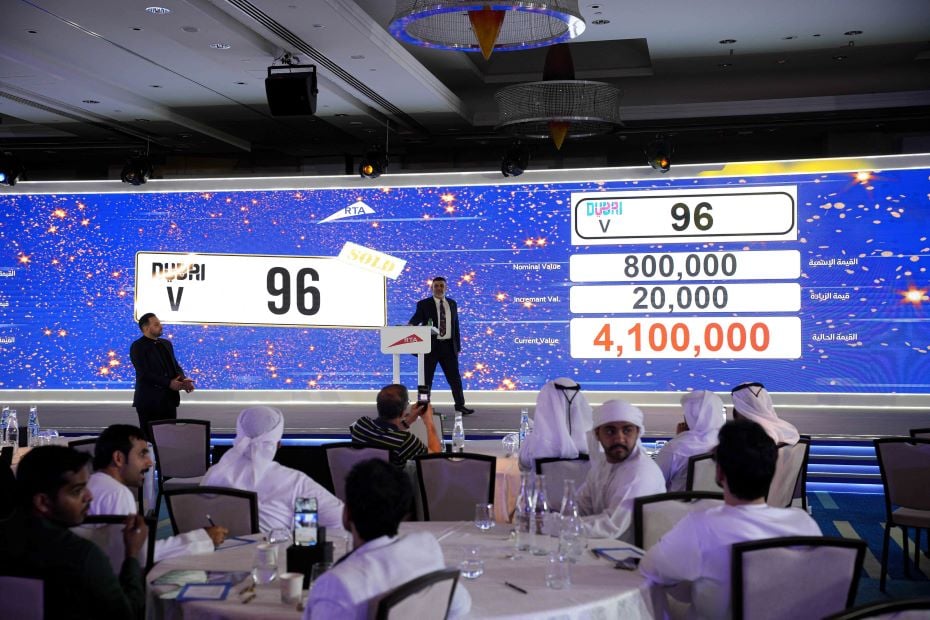
A recent auction for premium vehicle number plates in Dubai has attracted significant attention, culminating in a remarkable total of Dhs69.1 million in bids. The event, which marks the 116th edition of this popular auction, featured a collection of 90 exclusive plates, appealing to collectors and automobile enthusiasts alike. The plates ranged from two to five-digit combinations, showcasing a variety of unique and desirable options for bidders.

The Dubai Roads and Transport Authority (RTA) organized the auction, emphasizing its ongoing commitment to providing a platform for individuals to acquire distinctive vehicle registration numbers. The auction attracted a diverse group of participants, from seasoned collectors to first-time bidders, all vying for the chance to own these sought-after plates.

Notably, plate number “55” emerged as the highest-selling item, fetching Dhs10.1 million, underscoring the continued popularity and value of unique registration numbers in the emirate. Other notable sales included the plate “21,” which sold for Dhs8.5 million, and the plate “3,” purchased for Dhs8 million. These figures highlight the competitive nature of the bidding process, where individuals are willing to invest substantial sums for a coveted piece of identity on their vehicles.

The auction not only reflects the financial investment involved but also symbolizes the status associated with owning a unique plate number in Dubai’s luxury market. Plates with fewer digits are often perceived as more prestigious, leading to higher bids as participants seek to showcase their wealth and exclusivity.

The success of this auction is part of a broader trend within the region, where personalized vehicle registration numbers have become increasingly popular. Collectors often see these plates as both status symbols and investment opportunities, with many expecting their values to appreciate over time. This trend aligns with the luxurious lifestyle that many residents of Dubai embody, where unique possessions are a reflection of personal branding and social standing.

As Dubai continues to develop as a global hub for luxury goods and experiences, the demand for premium registration plates is expected to grow. The RTA has responded to this trend by regularly organizing auctions, providing a consistent opportunity for buyers to engage in this unique market. The authority’s efforts also include enhancing the overall experience for bidders, ensuring that each auction event is well-organized and transparent.

The vibrant atmosphere of the auction attracted media coverage, drawing in spectators who were eager to witness the bidding frenzy. Live updates and commentary provided a dynamic backdrop to the proceedings, heightening the excitement as bids escalated in real time. The combination of a lively audience and enthusiastic bidders created an electric environment that showcased the allure of premium plates.

The auction also serves as a reminder of Dubai’s position as a leading destination for luxury and extravagance. With an ever-expanding population of affluent residents and a growing number of international visitors, the demand for premium vehicle registration plates is likely to continue its upward trajectory. This market segment reflects the city’s broader economic landscape, characterized by opulence and a penchant for unique personal expression.

As the bidding wars unfolded, the auction featured a mix of familiar faces and newcomers eager to make their mark in the world of premium plates. Some participants shared their motivations for bidding, expressing a passion for collecting unique registration numbers while others highlighted the importance of these plates as investment assets.

The influence of social media cannot be overlooked in shaping perceptions around premium plates. Many bidders leverage platforms to showcase their new acquisitions, turning these plates into symbols of success that are often shared within their networks. This trend not only fuels competition but also raises awareness about the auction events, attracting a wider audience and increasing participation.

Looking ahead, the RTA plans to continue hosting such auctions, with the potential for expanding the offerings to include even more exclusive items. Participants are eager to see what unique combinations will be available in future events, and the authority is committed to maintaining high standards in both the quality of the plates offered and the overall auction experience.

Dubai Airports is set to embark on an ambitious project to establish the largest rooftop solar panel installation at an airport worldwide. This initiative aligns with the UAE’s commitment to sustainability and aims to significantly enhance the energy efficiency of Dubai International Airport (DXB). The project is expected to generate approximately 25 megawatts of renewable energy, marking a significant stride toward the country’s ambitious clean energy targets. […]

HANOI, VIETNAM – Media OutReach Newswire – 12 October 2024 – Vingroup is leading Vietnam’s green transition with VinFast, its electric vehicle company, and a range of eco-friendly initiatives across its diverse businesses. This commitment to sustainability positions Vingroup as a key driver in the race towards a greener future for the nation. The green transformation has become one of the defining challenges of our time. Countries […]

Global attention is fixed on the Paris Motor Show as the automotive industry gears up for a showcase of innovation and design. This year, a pronounced emphasis on electric vehicles and sustainable technologies underscores the evolving landscape of the automobile sector. French manufacturers, along with their Chinese counterparts, are set to dominate the event, reflecting broader trends in the automotive market. The Paris Motor Show, a significant […]

Tesla’s unveiling of its Optimus humanoid robot during its latest event showcased significant advancements, positioning it as a leading contender in the robotics space. While the much-anticipated robotaxi, now branded as the “Cybercab,” generated considerable buzz, Optimus captured the spotlight with its potential to perform a wide range of tasks, emphasizing Tesla’s ambition to merge artificial intelligence with practical applications in everyday life. Elon Musk, the CEO […]

A strategic partnership between Abu Dhabi Terminals (ADT) and the French tech company Urbanloop has been established to explore sustainable and innovative urban mobility solutions in the UAE. This collaboration marks a significant step toward addressing the growing need for environmentally friendly transport options in one of the world’s most rapidly urbanizing regions. ADT, known for its leadership in port operations and logistics within Abu Dhabi, is […]

Successfully Showcases in eCommerce Expo Asia ‧ Singapore SINGAPORE – Media OutReach Newswire – 10 October 2024 – eft Payments (Asia) Limited (“eftPay“), one of the leading e-Payment services providers in Hong Kong, joins forces with MobiShop, the Software-as-a-Service (SaaS) e-commerce solutions provider, to offer consummate service for merchants to establish their online shops from ground zero. Mr. Andrew Lo Chun-kit, Chairman and CEO of eftPay (Asia) […]

Industry’s first AI powered end-to-end decarbonization software solution receives recognition from the United Nations Global Compact Network Singapore SINGAPORE – Media OutReach Newswire – 10 October 2024 – Univers, the global decarbonization software leader headquartered in Singapore, is pleased to showcase the capabilities of EnOS™ Ark (‘Ark’), an all-in-one enterprise decarbonization Software as a Service (SaaS) solution that provides comprehensive, validated data and insights to empower enterprises […]

Dow Jones futures dipped early Friday, mirroring a slight pullback in the S&P 500 and Nasdaq futures following a mixed market response to key economic indicators. While the latest inflation data from the Consumer Price Index (CPI) hinted at potential adjustments in Federal Reserve interest rate policies, major tech players like Nvidia continued to demonstrate resilience in the face of market fluctuations. Notably, Tesla’s ambitious unveiling at its robotaxi event, led by CEO Elon Musk, did not meet the heightened anticipations of investors.

During the Thursday evening event, Musk presented two new models: the two-seat Cybercab and a larger Robovan. Both vehicles are designed to capitalize on Tesla’s foray into autonomous ride-hailing services, but the absence of detailed production timelines left many analysts and enthusiasts underwhelmed. Musk reiterated his vision for fully autonomous driving capabilities by next year in select states, including California and Texas. However, his previous predictions regarding self-driving timelines have often fallen short, leading to skepticism among stakeholders.

Tesla’s stock fell approximately 6% in premarket trading following the event, indicating investor disappointment. The company’s plans for an affordable electric vehicle (EV), expected to enter production by mid-2025, were notably absent from the showcase, further contributing to concerns about Tesla’s capacity to maintain market momentum. In contrast, ride-hailing rivals like Uber Technologies experienced a surge in their stock prices, capitalizing on Tesla’s perceived setbacks.

In the banking sector, JPMorgan Chase kickstarted the earnings season with a strong performance, buoyed by increased net interest income. The financial giant’s earnings report surpassed expectations, reflecting a robust investment banking landscape. JPMorgan added $1 billion to its net reserves for credit losses, suggesting a proactive approach to potential economic headwinds. The stock’s positive trajectory came even as concerns about broader market conditions lingered.

Amidst these developments, the stock market as a whole exhibited modest fluctuations, with the Dow Jones Industrial Average dipping 0.1%, and the S&P 500 and Nasdaq slightly lower. Investors are closely monitoring inflation indicators and Federal Reserve signals, particularly after Atlanta Fed President Raphael Bostic suggested a possible “pause” on interest rate cuts, which could impact market dynamics moving forward.

Crude oil prices also played a significant role in the market landscape, experiencing a decline of 1% amid mixed trading sentiments. This adjustment in oil futures reflects the ongoing volatility in energy markets, influenced by geopolitical developments and shifts in consumer demand.

The CPI report indicated hotter inflation than expected, igniting discussions about the potential for the Fed to maintain current interest rates in the near term. Market analysts are evaluating the implications of these economic signals, particularly as they relate to investment strategies and asset allocation.

On the technology front, Nvidia has reaffirmed its status as a market leader, with stocks rising 1.6% amid strong demand for its AI chips. Analysts noted that Nvidia’s production of next-generation Blackwell AI processors is in full swing, with sales reportedly sold out for the next year. This surge underscores the growing reliance on AI technologies across various sectors, positioning Nvidia favorably against competitors.

Advanced Micro Devices (AMD), on the other hand, unveiled its upcoming Blackwell rival at a recent event, but the stock faced a setback, dropping 4% amidst competitive pressures from Nvidia. AMD’s CEO expressed optimism regarding the future of AI accelerators, projecting a market worth $500 billion by 2028. However, immediate investor sentiment appears to favor Nvidia, which has firmly established itself in the AI landscape.

The mixed performance of small-cap stocks also drew attention, with the Russell 2000 index declining 0.55% as investors weigh growth prospects against economic uncertainties. Stocks in the AI and cybersecurity sectors, such as Palo Alto Networks and Fortinet, demonstrated positive movements, reflecting ongoing interest in technology-driven solutions.

Market analysts are advising caution amid the current environment, encouraging investors to stay engaged with their portfolios and to capitalize on incremental buying opportunities. Ongoing evaluations of leading stocks and sectors will be crucial for navigating the complexities of this financial landscape, particularly as inflationary pressures persist.

VISHNU RAJA
RYO YAMADA
HITORI GOTOH
IKUYO KITA