Just in:
Dar Global unveils $700m Trump development in Qatar // Rise In Disguised Unemployment Is A Major Feature Of Indian Economy // Airbus leadership visits Dubai South before 2027 facility launch // Anthropic shares finish above offer price after Nasdaq debut // Malappuram hartal over Western Ghats // LANDMARK’s ‘Destination CENTRAL’ Opens an Inspiring New Chapter for the Festive Season in Hong Kong // Antony’s wife called to police station with husband over complaint // Russia permits retail cryptocurrency purchases under regulated framework // LittleLives, Little Lab and SEGi College Sign MOU to Explore Early Childhood Education Collaboration Across ASEAN // Women held for plot to rob pilgrims // Travel Insurance Was Built for the Few Who Claim. Ancileo’s Felt Coverage™ is for Everyone Else // International Business Leaders Say Xi’s Speech Boosts Confidence in Asia-Pacific Cooperation // Thailand’s Most Iconic New Year’s Celebration Returns: ICONSIAM Unveils “Amazing Thailand Countdown 2027” // Anthropic’s debut is lifting markets, but someone is still paying for it // Dubai Introduces SHARH, an AI-Powered Platform Helping Entrepreneurs Buy, Sell and Manage Businesses in the UAE // PicCollage extends photo editing platform to web browsers // Sharjah clears Kalba free zone plan for 400MW complex // Workday targets Honeydew purchase to unify AI metrics // HC nullifies assets FIR against minister // Phancy Announces Business Performance for the Nine Months Ended September 30, 2026 //

News related to
Electric

Legrand, a global leader in electrical and digital infrastructure solutions, has strengthened its position in the data center market through the acquisition of Power Bus Way, a Toronto-based provider of custom-engineered cable bus systems. This strategic move enhances Legrand’s portfolio, enabling the company to offer more comprehensive solutions to meet the growing demands of data centers, industrial facilities, and commercial properties. The acquisition reflects a growing trend […]

France is shifting its focus toward harnessing the significant financial might of Saudi Arabia’s Public Investment Fund (PIF) as part of a strategic initiative to boost its economic recovery and global influence. With the PIF’s rapid expansion into diverse sectors—ranging from technology and renewable energy to infrastructure and entertainment—France sees a unique opportunity to attract capital that could be pivotal for both immediate economic growth and long-term […]

Saudi Aramco, the world’s largest energy company, has secured a significant foothold in the evolving mobility sector through its acquisition of a 10% stake in Horse Powertrain, a global leader in automotive engineering and electrification technologies. This strategic move, announced last week, underscores Aramco’s ambition to diversify its portfolio and strengthen its commitment to sustainable mobility solutions. Horse Powertrain, renowned for its cutting-edge advancements in electric powertrains, […]

SHANGHAI, CHINA – Media OutReach Newswire – 2 December 2024 – On November 26, 2024, SDLG became the spotlight of the bauma CHINA 2024 as an outstanding brand pursuing international development. On the next day, the 2025 SDLG Global Dealer Summit was held in Shanghai. It became a gathering of more than 200 partners from more than 70 countries. At bauma CHINA, SDLG exhibited 21 high-end products, […]

Elon Musk’s net worth has reached a staggering $348 billion, driven by a surge in Tesla stock and the continued growth of his artificial intelligence venture, xAI. Musk’s wealth has seen a remarkable spike, placing him at the forefront of global billionaires, surpassing key figures in both tech and finance. This surge highlights the continued influence of Musk’s ventures, particularly Tesla, as the company’s performance remains strong […]

New ‘Porsche Unseen Design Studies’ event theme launches this holiday season at Curvistan Bangkok BANGKOK, THAILAND – Media OutReach Newswire – 29 November 2024 – Since opening in August 2024, Curvistan Bangkok has redefined leisure and entertainment for the Porsche community and beyond as a bar, a café, an art gallery and a hangout that celebrates car culture, art and design. Stefan Bogner (second from left), Founder […]

Vinhomes Ocean City is a visionary urban ecosystem that redefines modern living. This sprawling Vietnamese development seamlessly blends wellness, community, and world-class amenities, offering a glimpse into the future of urban life. HANOI, VIETNAM – Media OutReach Newswire – 29 November 2024 – Vietnam, a rising star on the global stage, has steadily cemented its reputation as a dynamic economic hub in Southeast Asia. Situated at the […]

Advertisements

The UAE is accelerating its efforts to expand solar power capacity, targeting several ambitious large-scale projects to meet the growing electricity demand and ensure energy sustainability. With a strong push towards renewable energy, the UAE aims to significantly increase its solar capacity by 2030, in line with its broader sustainability goals. Central to this growth is the country’s thriving solar market, supported by both government policy and […]

Abu Dhabi National Oil Company (ADNOC) is reportedly considering the sale of an additional 3% to 5% stake in its gas subsidiary, ADNOC Gas. This move, aimed at enhancing liquidity and broadening investor access, could raise as much as $3.5 billion, based on ADNOC Gas’s current valuation on the Abu Dhabi Securities Exchange (ADX). The exact details of the sale, including its size and timing, remain under […]

Masdar, a leading energy company based in Abu Dhabi, has successfully completed its acquisition of a majority stake in TERNA ENERGY SA, marking a significant move in its European renewable energy strategy. The deal, valued at 3.2 billion euros, saw Masdar purchase 70% of the company’s shares from GEK TERNA SA and other stakeholders. This transaction has been heralded as the largest energy deal in the history of the Athens Stock Exchange.

The completion of this acquisition aligns with Masdar’s ambition to expand its renewable energy footprint across Europe, particularly in wind, solar, and hydroelectric projects. TERNA ENERGY operates a diversified portfolio of renewable projects, contributing significantly to the development of clean energy infrastructure in Greece and other European markets. The company holds a 1.2 gigawatt capacity in its renewable energy operations.

Following the deal’s closure, Masdar will seek approval from the Hellenic Capital Markets Commission (HCNC) to launch a mandatory tender offer (MTO) to purchase the remaining shares of TERNA ENERGY, solidifying its control over the company. The all-cash MTO is a standard regulatory step for publicly traded companies in Greece and ensures that all shareholders have an opportunity to sell their shares at a fair market price.

This acquisition is part of Masdar’s broader strategy to achieve a global portfolio of 100 gigawatts of renewable energy capacity by 2030. By acquiring a key player in the European renewable energy sector, Masdar is not only expanding its capacity but also reinforcing its commitment to supporting the EU’s long-term renewable energy goals. This aligns with Europe’s green energy transition, as the region looks to decarbonize its power sector and reduce dependence on fossil fuels.

As part of its global strategy, Masdar has been actively investing in clean energy across various markets, focusing on the growing demand for sustainable energy solutions. The company has previously entered into partnerships and acquired stakes in renewable energy companies across the Middle East, Africa, and Asia. With this move into the European market, Masdar is positioning itself as a key player in the global renewable energy landscape.

The Emirates Nuclear Energy Corporation (ENEC) and the Abu Dhabi National Oil Company (ADNOC) have announced a strategic partnership to explore the application of nuclear energy in the oil and gas sector. This collaboration marks a significant step toward expanding the use of nuclear technology as a cleaner and more sustainable energy source in the UAE’s key industries. Both organizations, which already play vital roles in the […]

The European Union is ramping up efforts to enhance its collaboration with Saudi Arabia in the field of green energy, seeking to bolster clean energy initiatives and investments. This push comes as part of broader EU objectives to reduce its reliance on fossil fuels, accelerate the transition to renewable energy, and meet its ambitious climate goals set under the Paris Agreement. Recent dialogues between EU officials and […]

Japanese car manufacturers are facing a challenging market in China, with a substantial decline in sales during the first half of 2024. Once leaders in the world’s largest automotive market, brands like Toyota, Honda, and Nissan are now grappling with a rapidly changing landscape driven by the surge in electric vehicle (EV) adoption. The combined sales of the three major Japanese automakers fell by 12.9% in China […]

Nissan Motor Co. is scaling back production operations in the United States amidst declining sales and intensifying financial challenges. This decision coincides with mounting pressure from tariff threats that could impact the automaker’s cross-border supply chain, particularly between Mexico, Canada, and the United States. The automaker’s production adjustments come as part of broader restructuring efforts aimed at countering its continued struggle to recover market share and stabilize […]

HAI PHONG, VIETNAM – Media OutReach Newswire – 26 November 2024 – November 26, 2024, the President of the Republic of Bulgaria, H.E. Rumen Radev, along with a high-ranking Bulgarian delegation, visited the VinFast Hai Phong Manufacturing Complex. He expressed high regard for the quality and potential of VinFast’s electric vehicles in the European market and urged VinFast to explore collaboration and investment opportunities in Bulgaria. Vice […]

Dubai is a global icon of rapid urban transformation, evolving from a quiet desert town into a bustling international metropolis in just a few decades. Behind this remarkable growth lies a network of services enabling the city’s expansion and mobility. Among these, moving companies in Dubai are key players, ensuring seamless transitions for residents, businesses, and global professionals. The Unprecedented Growth of Dubai Population Growth and Urban […]

HANOI, VIETNAM – Media OutReach Newswire – 26 November 2024 – Hoa Sen Home has established itself as a leader in Vietnam’s rapidly growing building materials market. As the official distributor of renowned building materials and furniture brands locally and internationally, it offers a wide range of high-quality products, all backed by exceptional customer service. Hoa Sen Home is the official distributor of many renowned building materials […]

Electric vehicle manufacturer Lucid Motors is generating significant interest as it prepares to launch its first models in the UAE. Backed by Saudi Arabia’s Public Investment Fund (PIF), which holds a 60% stake in the company, Lucid has been intensifying its operations in the Middle East. This expansion includes the opening of a service center in Dubai Investment Park and a studio in Abu Dhabi, aiming to […]

Mercedes-Benz has announced an ambitious plan to introduce solar paint technology in its electric vehicles (EVs), a development that could revolutionize the way electric cars harness energy. This cutting-edge technology would allow the vehicle’s paint to absorb solar energy, even when the car is stationary or turned off. The solar paint will feed the collected energy into the car’s battery, enhancing the vehicle’s efficiency and extending its range.

This move represents a significant leap in the automotive industry’s ongoing quest to make electric vehicles more sustainable and self-sufficient. Mercedes-Benz is one of the first manufacturers to actively explore solar paint, a technology that has the potential to change the way electric vehicles interact with their environment. According to company sources, the solar paint is designed to be permanently active, continuously converting sunlight into energy as long as the vehicle is exposed to light.

This development is part of the broader trend within the automotive sector to improve EV energy management. While many electric vehicles already use regenerative braking and solar panels to boost performance, the solar paint goes a step further by leveraging the vehicle’s entire surface for energy absorption. The paint could contribute a significant amount of power to the car’s battery, although experts note that it may not fully replace the need for traditional charging methods.

Mercedes-Benz is collaborating with a variety of tech companies and research institutions to refine the technology. The company has stated that the solar paint would be applied to key areas of the vehicle, such as the roof, hood, and even the doors. The solar cells embedded in the paint would be able to absorb sunlight and convert it into usable electricity. The energy harvested would be stored in the vehicle’s battery, where it could be used to power systems like air conditioning, entertainment, and lighting, without drawing power from the main battery pack.

While solar panels on cars are not new, the integration of solar paint introduces a new level of efficiency. Traditional solar panels are often bulky and expensive, and they require a significant amount of space on the vehicle. Solar paint, however, is lightweight and can be applied to nearly any surface of the car, making it far less intrusive and more versatile. This means that the entire car could potentially act as a solar energy collector, even in areas where traditional panels might not fit or be effective.

Experts predict that the solar paint technology could be particularly beneficial for electric vehicles used in regions with high levels of sunlight. Vehicles in such areas could potentially accumulate enough energy during the day to extend their driving range or power essential systems without needing to rely as much on external charging. For example, an EV parked outdoors for several hours could accumulate enough energy from the solar paint to keep the cabin cool or power electronics while the engine is off.

However, there are challenges that still need to be addressed before solar paint can become a mainstream feature in the automotive market. One of the primary concerns is the efficiency of the solar paint. While solar panels on rooftops typically have an efficiency rate of around 15-20%, solar paint has much lower energy conversion rates. This means that while solar paint can contribute to a car’s energy supply, it may not be enough to power the vehicle independently. Mercedes-Benz has emphasized that the paint is not intended to replace conventional charging methods, but rather to complement them by providing a supplementary energy source.

The financial and technological viability of solar paint also remains uncertain. Integrating solar technology into a vehicle’s paint job will require significant investment in research, development, and production processes. There are also questions about the longevity and durability of solar paint, as the paint would need to withstand wear and tear from exposure to the elements, road debris, and washing.

Despite these obstacles, the solar paint project aligns with Mercedes-Benz’s broader sustainability goals. The company has been at the forefront of eco-friendly initiatives, such as its ambitious plans to go carbon neutral by 2039. The solar paint fits into this strategy by offering a new way to reduce the carbon footprint of electric vehicles and make them more energy-efficient. As the automotive industry looks to reduce its dependence on fossil fuels, innovations like solar paint could play a critical role in the transition to a more sustainable future.

In addition to its practical applications, solar paint technology is also a potential game-changer for the automotive design industry. As automakers explore ways to incorporate renewable energy solutions into vehicle production, solar paint could offer a more aesthetically pleasing alternative to traditional solar panels. The paint can be seamlessly integrated into the vehicle’s design, without sacrificing the car’s appearance or aerodynamics.

Mercedes-Benz’s commitment to solar paint is part of its broader strategy to remain a leader in the growing electric vehicle market. The company has already made significant strides with its EQ electric lineup, which includes a variety of vehicles designed to meet the needs of eco-conscious consumers. The introduction of solar paint would further solidify Mercedes-Benz’s position as an innovator in the field, as the company continues to explore new ways to reduce the environmental impact of transportation.

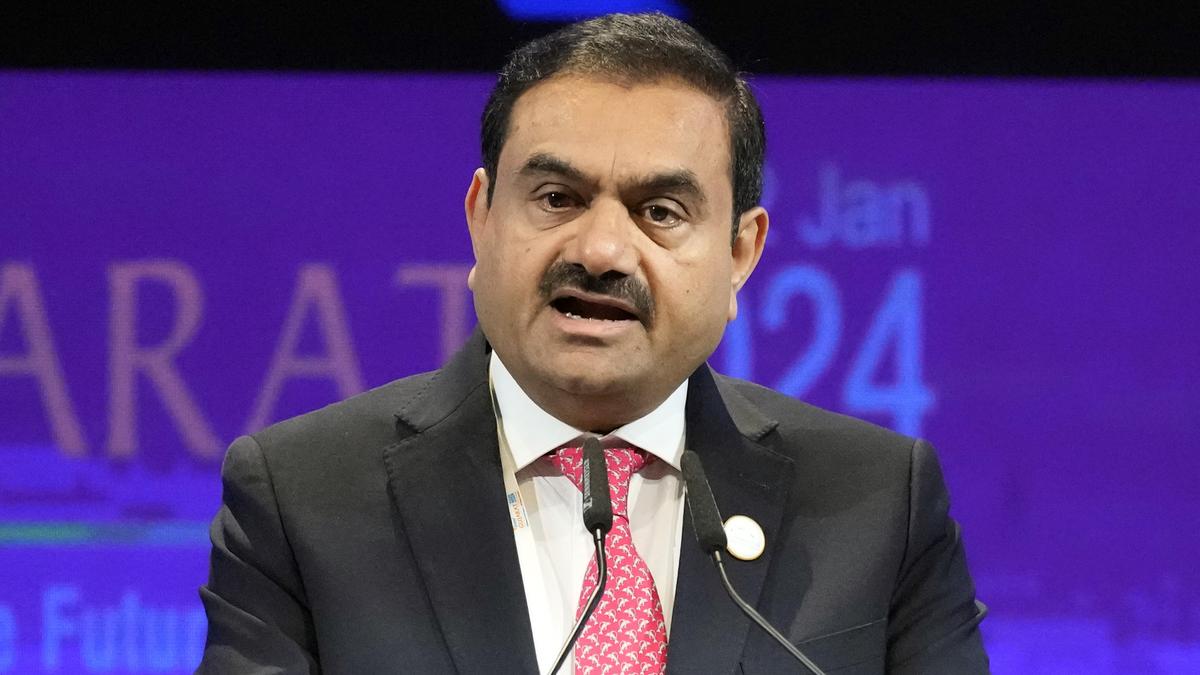
By Nantoo Banerjee If bribery is a common practice in business, and often viewed as the normal way of doing business in many countries, including India, there is little too sensational about the US Department of Justice indictment, last week, against India’s US$37-billion infrastructure conglomerate Adani group head Gautam Adani, his nephew Sagar Adani, Adani […]

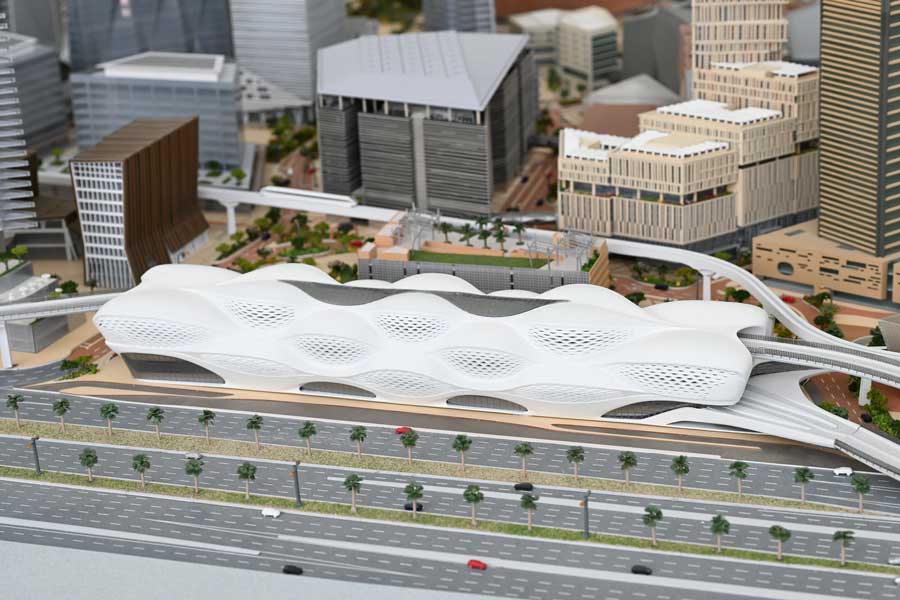
Riyadh is set to mark a significant milestone in its urban development with the much-anticipated launch of the Riyadh Metro’s first phase on November 27. This phase will feature three key lines, marking the beginning of a transformative project aimed at reshaping the city’s public transport landscape.

The Riyadh Metro is one of the largest and most ambitious transportation projects in the world, spearheading the Saudi capital’s efforts to modernize infrastructure and reduce congestion. The first phase includes three lines: the Red Line, Green Line, and Blue Line. Together, these lines will cover a network spanning more than 40 kilometers and will offer commuters a fast, efficient, and environmentally friendly alternative to the city’s heavily congested roads.

The metro network is designed to cater to the growing population of Riyadh, which has seen rapid urbanization over the past few decades. With a population now surpassing 7.5 million, the city has been grappling with traffic congestion, air pollution, and a lack of efficient public transport options. The Riyadh Metro aims to address these challenges by providing a reliable, sustainable mode of transportation for both residents and visitors.

The project has been a long time in the making, with construction having begun in 2014. The Riyadh Metro is being developed by the Saudi Arabian government in collaboration with a number of international firms, including the Spanish company Obrascon Huarte Lain (OHL), the French multinational Alstom, and the American company Bechtel, among others. The project is a cornerstone of the Kingdom’s Vision 2030, which seeks to modernize and diversify the economy and improve the quality of life for Saudi citizens.

The Red Line, which will be the longest of the three, spans 22 kilometers and runs along a north-south axis, connecting key areas such as the King Abdulaziz Historical Center, King Saud University, and the King Khalid International Airport. This line is expected to significantly reduce travel times for residents and visitors moving between the city center and the airport, as well as improving access to cultural and commercial hubs.

The Green Line, at 13 kilometers in length, runs east-west and links some of Riyadh’s most densely populated neighborhoods. This line will provide an important service for commuters traveling between residential areas, business districts, and major shopping centers. The Green Line also intersects with the Red Line at several key points, allowing passengers to easily transfer between the two.

The Blue Line, though shorter at just 5 kilometers, will provide crucial access to critical sites within Riyadh’s urban core, including government buildings, commercial centers, and transportation hubs. This line is expected to help alleviate congestion in the city’s busiest areas, particularly during rush hours.

The Riyadh Metro’s infrastructure is designed with sustainability in mind, incorporating advanced technology to ensure minimal environmental impact. The system will be powered by electricity, which aligns with Saudi Arabia’s broader push toward cleaner, renewable energy sources. The trains are designed to be energy-efficient, with an automated system to reduce energy consumption during non-peak hours. In addition to being environmentally friendly, the metro is designed to handle high passenger volumes, with the system expected to carry around 1.16 million passengers per day once fully operational.

As the first phase of the Riyadh Metro prepares for its official launch, the city has been undergoing a significant transformation to accommodate the new system. New stations, depots, and maintenance facilities have been built, while roadways and pedestrian infrastructure have been upgraded to facilitate easy access to metro stations. Several test runs have been conducted to ensure the system operates smoothly and efficiently, and the Saudi government has promised to offer free rides during the initial months to encourage adoption among the city’s residents.

The Riyadh Metro will play a central role in addressing the Kingdom’s broader goals for urban mobility. Public transportation in Saudi Arabia has historically been limited, with car ownership and road travel being the primary modes of transport for most residents. The Riyadh Metro is expected to significantly reduce the city’s reliance on private cars, thus easing congestion and cutting down on air pollution. The metro is also expected to boost Riyadh’s economic development by providing better access to key business areas, enabling greater productivity and increasing the overall efficiency of the urban environment.

In addition to its environmental and economic benefits, the Riyadh Metro project is set to improve the quality of life for residents by reducing travel times and providing a safe, reliable, and convenient alternative to private cars. The metro stations have been designed with accessibility in mind, catering to the needs of people with disabilities, and offering modern amenities such as air-conditioned waiting areas, Wi-Fi, and ample space for commuters.

The completion of the first phase is just the beginning of a larger metro network planned for Riyadh. Future phases of the project will include additional lines, connecting more neighborhoods, business districts, and cultural centers. This expansion will help integrate the metro system into the city’s broader transportation ecosystem, which includes bus services, taxis, and ride-sharing options. The overall aim is to create a comprehensive, multimodal transportation system that enhances mobility and improves quality of life for all of Riyadh’s residents.


Elon Musk and Jeff Bezos have become embroiled in a public spat over claims involving stock predictions tied to the 2024 U.S. presidential election. The conflict centers on Musk’s assertion that Bezos had advised people to sell stock in Tesla and SpaceX, speculating that Donald Trump would lose the upcoming election. Bezos has firmly rejected the accusations, labeling them as “100% not true.”

Musk, known for his outspoken commentary and influence across industries, made these claims during an appearance on a podcast, alleging that Bezos had encouraged investors to offload Tesla and SpaceX shares, based on his belief that Trump’s re-election bid would falter. The remarks have raised eyebrows, especially given the ongoing political climate and the volatility surrounding tech stocks and the stock market in general.

The controversy gained traction quickly, with Musk’s comments drawing attention from tech industry insiders, political analysts, and investors alike. Musk’s public persona often intertwines with his ventures in both technology and space exploration, creating a unique intersection where his statements on politics and business are heavily scrutinized. While some critics see his accusations as part of a broader tension with Bezos, others have raised questions about the implications such claims might have for investor sentiment.

Bezos, for his part, has vehemently denied the allegations. The Amazon founder, whose wealth and influence are often discussed in parallel with Musk’s, responded to the accusation through a spokesperson, who conveyed his strong disagreement with Musk’s narrative. “This is 100% not true,” the statement read, emphasizing Bezos’s position and distancing him from any involvement in discussions about selling stock based on political outcomes.

The timing of Musk’s claims is crucial, as both Tesla and SpaceX are closely linked to political developments in the United States. Tesla, a global leader in electric vehicles, has been a major topic of debate in the context of environmental policy and government incentives. SpaceX, a private space exploration company, often finds itself at the crossroads of technology and political agendas, with government contracts and space policy significantly impacting its operations.

Musk’s connection to Trump has long been a subject of interest. Musk has publicly supported Trump at various points during the former president’s tenure, even receiving praise from Trump himself. However, Musk’s ties to Bezos, who has had a more neutral stance in the political realm, have often been less clear-cut. Bezos, through his ownership of The Washington Post, has been seen as more directly involved in political discourse, and his views on policy have sometimes diverged from Musk’s, especially when it comes to environmental regulations and government subsidies for private companies.

Investors in both Tesla and SpaceX, two companies that Musk and Bezos are closely linked with, were quick to react to the public dispute. Stock prices of Tesla saw some fluctuations following Musk’s comments, although they remained relatively stable in the face of the accusations. SpaceX, being a privately held company, was not directly impacted in terms of stock price. However, analysts have noted that any potential friction between the two billionaires could lead to long-term repercussions, not just for their companies but for the wider tech and space industries.

The rift between Musk and Bezos could have broader implications beyond their personal feud. The public nature of their disagreement highlights the intersection of politics, business, and media in an era of increased polarization. Both men have significant influence over public perception, and their comments often carry weight far beyond the immediate context. Musk, who frequently uses Twitter to communicate with millions of followers, has been known to influence markets and public opinion with his words, while Bezos has a more traditional media influence through his ownership of The Washington Post and his broader media endeavors.

The stakes of the 2024 U.S. presidential election also contribute to the intensity of the dispute. As the election draws nearer, the rhetoric surrounding Trump’s potential victory or defeat will become increasingly important for business leaders, investors, and policymakers. Both Musk and Bezos have positioned themselves as influential figures in the U.S. economy, and their views on political outcomes may influence broader business strategies and investment patterns.

While both billionaires have become prominent figures in the public sphere, their relationship has never been without tension. Their rivalry has been marked by competition across multiple sectors, from space exploration to electric vehicles. Musk’s SpaceX competes directly with Bezos’s Blue Origin, a private space exploration venture, for government contracts and commercial partnerships. Tesla and Amazon also operate in parallel sectors, with Tesla’s electric vehicles posing a challenge to Amazon’s ambitions in sustainable energy and transportation.

Heavy rainfall in Bolivia has unleashed devastating landslides and flooding in parts of La Paz, the nation’s administrative capital. Torrents of water caused a river to breach its banks in the southwestern region of the city, destabilizing hillside neighborhoods and displacing hundreds of residents. This natural calamity has drawn attention to the vulnerabilities of poorly constructed dwellings in steep areas, as authorities scramble to manage the crisis. […]

Germany’s economy is grappling with a series of compounding challenges that threaten its status as Europe’s economic powerhouse. The country’s industrial base, particularly its automotive sector, is seeing significant job cuts, while rising energy costs and technological stagnation continue to erode its competitive edge. Once a symbol of robust economic strength, Germany is now on the verge of a potential crisis, with experts warning of the looming risk of deindustrialization and a surge in corporate defaults by 2025.

Central to this economic downturn is the energy crisis, which has been exacerbated by skyrocketing gas prices. Germany, heavily reliant on energy-intensive industries such as manufacturing, faces a growing concern as high energy costs have started to undermine industrial productivity. The country’s industrial sector, contributing nearly 20% to its GDP, is particularly vulnerable. Rising gas prices, coupled with the shift away from Russian energy supplies, have created an economic strain that is felt across factories and production lines. As energy costs spiral, businesses are forced to scale back operations, further accelerating the decline of what was once a thriving industrial landscape.

The automotive sector, a cornerstone of the German economy, has been one of the hardest hit. For over six years, Germany’s automotive industry, which employs millions, has been undergoing deep restructuring. Global supply chain disruptions, shifting consumer preferences toward electric vehicles, and fierce competition from both established and emerging markets have led to mass layoffs and the closure of plants. These challenges are compounded by Germany’s slow adoption of new technologies and innovation, which has left it trailing behind rivals in the electric vehicle race. As the country struggles to modernize its industries, the fear of deindustrialization looms large.

Compounding these difficulties, Germany’s economic infrastructure is burdened by what many see as a technological gap. While countries like the United States and China race ahead with innovations in artificial intelligence, automation, and green energy solutions, Germany has been slow to modernize its industrial base. The country’s failure to adapt quickly to technological advancements has hindered its ability to stay competitive on the global stage. This technological lag, combined with a shrinking labor force due to demographic shifts, is intensifying concerns about Germany’s long-term economic health.

Adding to the uncertainty, the Bundesbank has issued a stark warning about the growing risk of corporate defaults by 2025. The central bank’s report highlights the increasing financial strain on German companies, particularly those in the industrial sector. Many businesses are struggling to cope with rising costs, shrinking profit margins, and a challenging global economic environment. While the government has taken steps to address the energy crisis and provide financial relief to struggling sectors, it is unclear whether these measures will be enough to stave off further economic deterioration.

The political landscape in Germany has also been shaken by the economic downturn. Chancellor Olaf Scholz’s government is under mounting pressure to deliver solutions that can halt the economic slide. However, efforts to provide targeted subsidies to businesses, incentivize green energy projects, and streamline bureaucratic processes have not yet resulted in significant economic recovery. Meanwhile, public dissatisfaction is rising, with growing concerns about the future of jobs in industries that are shrinking or facing automation. As Germany’s economy continues to falter, political leaders are scrambling to find viable solutions to avert a deeper crisis.

Economists are divided on the best path forward for Germany. Some argue that the country must prioritize technological innovation and investment in green industries to regain its competitive advantage. Others emphasize the importance of rethinking the country’s energy policy to ensure a more secure and sustainable energy future. Still, others believe that structural reforms in the labor market and regulatory environment are critical to addressing Germany’s economic malaise.

Despite the severity of the situation, Germany is not without its assets. The country’s strong financial sector, high-quality workforce, and reputation for producing world-class engineering and technology still offer a foundation for recovery. However, experts warn that Germany must act swiftly and decisively to avoid a full-blown economic collapse. The risk of deindustrialization, which threatens to hollow out the country’s manufacturing base, remains a critical concern. As companies continue to grapple with high energy costs and rising competition from low-cost markets, Germany’s once-dominant position in global manufacturing is increasingly under threat.

VISHNU RAJA
RYO YAMADA
HITORI GOTOH
IKUYO KITA