News related to
Electric

By Saifur Rahman The Emirates Group reported an 18 percent growth in profit before tax exceeding US$6.2 billion (Dh22.7 billion) – a new record – in the financial year 2024-25. This is the first financial year that the UAE corporate tax, enacted in 2023, is applied to the Emirates Group. After accounting for the 9 percent tax charge, the Group’s profit after tax reached US$5.6 billion (Dh20.5 […]

Bjarke Ingels Group , the renowned architectural firm, has unveiled a groundbreaking plan to redevelop the Jebel Ali Racecourse into a vibrant, sustainable urban district. The ambitious project, in collaboration with ARM Holding, a prominent Dubai-based development company, aims to revitalise a sprawling 5-square-kilometre area, turning the historical site into a hub for both residential and commercial spaces.

The proposal includes creating an environmentally friendly, mixed-use community that integrates cutting-edge design with green technologies. This redevelopment is expected to redefine urban living in Dubai, focusing on sustainability, innovation, and improved connectivity within the city.

BIG’s design concept emphasises green spaces, pedestrian-friendly walkways, and eco-conscious architecture, making it a model for future urban developments. The plan includes residential units, office spaces, recreational areas, and cultural hubs, all within a green environment designed to reduce the carbon footprint. The development aims to cater to the growing demand for urban spaces that not only meet residential needs but also foster community engagement and sustainability.

The project is being seen as a significant step in Dubai’s broader urban planning strategy, which aligns with the city’s Vision 2040. This vision focuses on creating a sustainable and diversified economy, with an emphasis on innovative, eco-friendly developments. By transforming the Jebel Ali Racecourse, the project supports the city’s ongoing efforts to establish a greener, more resilient urban landscape.

The existing racecourse, a significant landmark for horse racing enthusiasts in Dubai, will be integrated into the new district, preserving its cultural and historical value. The developers plan to retain the iconic racetrack as a key feature, while surrounding it with modern amenities and green infrastructure.

One of the key aspects of the plan is the extensive use of renewable energy sources and energy-efficient designs. Solar panels, energy-efficient buildings, and water conservation systems will be incorporated throughout the district. This will not only minimise the environmental impact of the development but also contribute to Dubai’s goals of reducing carbon emissions and enhancing the sustainability of its infrastructure.

The residential aspect of the development will offer a range of living options, including apartments, townhouses, and villas, catering to a diverse demographic. A variety of amenities, such as schools, healthcare facilities, and retail outlets, will be integrated into the design to ensure that the community is self-sufficient and well-connected.

The district will feature a state-of-the-art transportation network, including electric vehicle charging stations, bike paths, and enhanced public transport links. This will ensure that the development is easily accessible and fully integrated into the wider urban fabric of Dubai. The emphasis on sustainability extends to mobility solutions, with plans for a smart transport system aimed at reducing congestion and promoting greener travel alternatives.

The partnership between BIG and ARM Holding is a significant development for the city’s real estate market, with both parties bringing their expertise to the project. BIG, known for its innovative and sustainable designs, will be responsible for the architectural vision, while ARM Holding will manage the development and construction phases. Their collaboration is expected to set new benchmarks for urban development in the region.

As part of Dubai’s push to become a global leader in sustainable urban planning, the Jebel Ali Racecourse redevelopment is expected to attract considerable interest from international investors. The project aligns with Dubai’s efforts to position itself as a hub for innovation and sustainability in the Middle East.

The transformation of the Jebel Ali Racecourse site is part of a larger trend of reimagining historical spaces in Dubai to meet the demands of a growing population and economy. Similar projects are already underway in other parts of the city, focusing on transforming underutilised or outdated areas into modern, sustainable communities that offer high quality of life for residents.

The economic impact of this project is expected to be substantial, with job creation during the construction phase and long-term benefits from increased tourism, commerce, and real estate investments. The development will also contribute to the diversification of Dubai’s economy, with a focus on attracting high-tech industries and green businesses.

While the project is still in the early stages, it has already generated significant excitement in the city’s real estate and architectural sectors. Dubai’s reputation for ambitious and futuristic developments has been bolstered by similar large-scale projects, such as the Dubai Creek Tower and the Museum of the Future. The Jebel Ali Racecourse redevelopment is expected to continue this trend, setting a new standard for sustainable urban design in the region.

SINGAPORE – Media OutReach Newswire – 7 May 2025 – Bee Choo Origin, Singapore’s leading herbal hair care brand that specialises in hair fall treatment and oily scalp treatment, has reaffirmed its commitment to corporate social responsibility (CSR) with the donation of an electric passenger van to The National Kidney Foundation (NKF). This marks a significant step in enhancing patient mobility while promoting sustainable transport solutions. Bee […]

KUALA LUMPUR, MALAYSIA – Media OutReach Newswire – 6 May 2025 – This Thursday, Bank Negara Malaysia (BNM) will announce its policy rate decision. While most analysts expect no change, Octa Broker suggests that a rate cut is on the table and is highly likely to take place later this year due to subdued inflation, stronger ringgit, and a higher likelihood for Fed rate cuts. On Thursday, […]

Greenlogue/AP Iraq’s Ministry of Electricity is intensifying efforts to bolster its renewable energy capacity, engaging in virtual discussions with officials from the UAE’s Masdar to expedite the development of solar power projects totaling 1,000 megawatts across the provinces of Maysan, Dhi Qar, and Anbar. The meeting, led by Electricity Minister Ziyad Ali Fadel, focused on finalising power purchase agreements and addressing implementation challenges, according to a statement […]

Formula E has showcased a significant advancement in electric vehicle technology by completing a full lap of the Monaco circuit using energy solely regenerated through braking. This achievement was accomplished by the GENBETA prototype, a modified version of the GEN3 race car, during a controlled descent of over 1,000 vertical metres on the Col de Braus in the French Alps. The GENBETA prototype represents a leap in […]

Oil prices fell sharply following OPEC+’s decision to boost output, sparking fears of a global supply glut as demand struggles under the weight of ongoing trade tensions. The agreement reached at the group’s meeting on Saturday saw leaders of the alliance, which includes key producers like Saudi Arabia, Russia, and others, pushing for a significant increase in production. This shift aims to penalise nations that have exceeded their production quotas, notably Kazakhstan. The move, however, has drawn concern from analysts, who warn that further supply increases could exacerbate an already fragile market.

Brent crude, the global benchmark, plummeted by as much as 4.6% at the start of the week, dipping to around $58 a barrel. Meanwhile, West Texas Intermediate saw similar losses, nearing $56 per barrel. This decline marks a significant departure from the earlier momentum in the oil markets, where prices had seen steady gains amid hopes for recovery from global economic slowdowns.

The decision to raise output comes amid an already oversupplied market, with oil producers grappling with the dual challenges of muted demand and an ongoing trade war between major economies. Experts point to the trade dispute between the United States and China as a key factor driving global uncertainty. The tension has disrupted trade flows, suppressed consumer confidence, and led to a slowdown in economic growth, all of which have negatively impacted demand for oil.

The OPEC+ agreement was driven by a desire to exert control over the oil market and curb overproduction by certain members. Kazakhstan, in particular, had been producing more than its share of the agreed output, prompting OPEC+ to take action. While the group has long sought to enforce production limits to stabilise prices, the recent decision to increase supply—at a time when demand remains weak—has raised questions about the balance between supply and demand.

Experts are now analysing the long-term consequences of this policy shift, with many cautioning that the extra supply could further depress prices if demand fails to pick up in the coming months. Economists note that the global trade environment remains volatile, with growth projections for key oil-consuming nations being revised downward. The trade war between the US and China, the world’s two largest economies, continues to overshadow the global outlook, weighing heavily on both manufacturing and consumer demand.

Another factor adding to the complexity of the oil market is the shifting energy landscape. As countries transition toward renewable energy sources and electric vehicles, the traditional demand for fossil fuels is being redefined. Oil companies are already facing mounting pressure from governments and environmental groups to reduce their carbon footprints, which could further dampen future demand for oil.

In response to these challenges, OPEC+ has stated that it will continue to monitor the market and adjust its policies accordingly. However, the recent price drop has raised doubts about whether the group’s strategy is sustainable in the long term. While the alliance has managed to keep oil prices relatively stable over the past few years, there are concerns that the increasing production targets could lead to a supply glut that could destabilise the market further.

At the same time, the decision to increase output is likely to put additional strain on oil-producing countries that rely heavily on revenue from fossil fuels. Nations such as Saudi Arabia, which has been the leading force behind OPEC+, are particularly sensitive to fluctuations in oil prices, as the commodity is a major driver of their economies. The possibility of continued price volatility could prompt these nations to reassess their production strategies, especially if revenue from oil exports falls short of expectations.

Advertisements

A coordinated operation by Terengganu police and Tenaga Nasional Berhad has dismantled an illicit bitcoin mining syndicate accused of stealing electricity to power its operations in Hulu Terengganu and Marang districts. The joint raid, codenamed Op Letrik, led to the seizure of 45 mining machines valued at RM225,000. The syndicate allegedly bypassed electricity meters to siphon off power directly from the grid, enabling them to run energy-intensive […]

Bitcoin Solaris, a next-generation blockchain platform, is gaining attention for its claim of being 99% more energy-efficient than Bitcoin, addressing long-standing environmental concerns associated with cryptocurrency mining.

Traditional Bitcoin mining relies on a Proof-of-Work consensus mechanism, which requires miners to solve complex mathematical problems, consuming vast amounts of electricity. Estimates suggest that the Bitcoin network’s annual energy consumption rivals that of some small countries, contributing significantly to global carbon emissions.

In contrast, Bitcoin Solaris utilizes a Proof-of-Stake system, where validators are chosen based on the number of coins they hold and are willing to “stake” as collateral. This method drastically reduces the computational power required, leading to substantial energy savings.

The environmental benefits of PoS systems like Bitcoin Solaris are further enhanced when combined with renewable energy sources. For instance, integrating solar power into mining operations not only reduces carbon footprints but also offers economic advantages. Studies have shown that solar-powered mining farms can save significant amounts of CO₂ emissions annually, equivalent to removing thousands of cars from the road.

The adoption of energy-efficient mining practices is not limited to Bitcoin Solaris. Other blockchain platforms, such as Solana, have also embraced PoS mechanisms, resulting in markedly lower energy consumption per transaction compared to Bitcoin. Solana’s innovative Proof-of-History mechanism further enhances its efficiency, making it an attractive option for environmentally conscious investors and developers.

The shift towards greener blockchain technologies is also influencing the broader energy sector. Cryptocurrency mining operations are increasingly being integrated with renewable energy projects, providing a consistent demand for clean energy and supporting the financial viability of such initiatives. In some cases, excess energy from renewable sources, which would otherwise go unused, is being redirected to power mining activities, optimizing resource utilization.

Innovative approaches are being explored to further reduce the environmental impact of cryptocurrency mining. Researchers are investigating the use of integrated photonics and other advanced technologies to develop more energy-efficient mining hardware. These advancements aim to shift the focus from energy-intensive computations to more sustainable solutions.

Abu Dhabi Future Energy Company PJSC – Masdar has completed its acquisition of 100% of TERNA ENERGY, Greece’s leading renewable energy firm, marking a significant milestone in its European growth strategy. The transaction, valued at €3.2 billion in enterprise terms, stands as the largest energy deal in the history of the Athens Stock Exchange and among the most substantial in the European renewables sector.

The process began with Masdar securing a 70% stake in TERNA ENERGY in November 2024, following regulatory approvals. Subsequently, the company initiated a mandatory tender offer and completed a squeeze-out process to acquire the remaining shares, finalising the full ownership. This acquisition aligns with Masdar’s ambition to achieve a global renewable energy capacity of 100 gigawatts by 2030.

TERNA ENERGY, established in 1997, has been a pivotal player in Greece’s renewable energy landscape, operating a diversified portfolio that includes wind, solar, hydroelectric, and biomass projects. The company currently manages 1.2 gigawatts of operational capacity and is developing the 680-megawatt Amfilochia pumped hydro project, one of Europe’s largest energy storage initiatives. TERNA ENERGY aims to expand its operational capacity to 6 gigawatts by 2029.

The acquisition is expected to bolster Masdar’s presence in Southeastern and Central Europe, regions identified as key markets for renewable energy growth. Masdar’s leadership, including Chairman Dr. Sultan bin Ahmed Al Jaber and CEO Mohamed Jameel Al Ramahi, visited TERNA ENERGY’s headquarters in Athens to discuss strategic plans with Executive Chairman Georgios Peristeris. The discussions focused on accelerating renewable energy projects and exploring new opportunities in the region.

Masdar’s expansion in Europe is part of a broader strategy to invest in renewable energy assets globally. The company has also acquired a 49.99% stake in 48 solar plants in Spain, amounting to 2 gigawatts of capacity, and is exploring further investments in Portugal and other European countries. These moves are indicative of Masdar’s commitment to supporting the global energy transition and contributing to the European Union’s net-zero emissions targets by 2050.

Micropolis Holding Co., a UAE-based robotics and AI firm, has entered into a strategic Memorandum of Understanding with SEE Holding Ltd to integrate advanced artificial intelligence and robotics infrastructure into The Sustainable City 2.0, SEE Holding’s forthcoming urban development model. This collaboration aims to embed intelligent systems into the core operations of the city, enhancing efficiency, sustainability, and resident engagement.

The MoU outlines plans for deploying autonomous fleets, smart mobility applications, and integrated command systems to oversee city functions. Additionally, digital platforms will be developed to connect residents with intelligent services, leveraging Internet of Things infrastructure, edge computing, and computer vision technologies. A joint research and development programme is also set to advance sustainable urban technologies, focusing on operational efficiency, resident experience, and environmental performance across SEE Holding’s global projects.

This partnership builds upon a decade-long relationship between the two companies. Faris Saeed, Chairman and CEO of SEE Holding, was among the initial investors in Micropolis at its inception in 2014. Over the years, SEE Holding has provided strategic capital and a real-world testing environment within The Sustainable City for Micropolis’ robotics, computer vision, and autonomous systems.

The Sustainable City 2.0, unveiled at the Annual Investment Meeting Congress 2025 in Abu Dhabi, represents SEE Holding’s next-generation model of urban development. Designed to be AI-driven, net-zero, and human-centric, the city aims to transform waste into resources through repurposing, recycling, or energy conversion, thereby avoiding landfill accumulation and fostering a resilient circular economy. Mobility within the city is planned to be fully electric and autonomous, featuring shared e-cars, e-bikes, self-driving shuttles, and homes equipped to support contactless delivery via last-mile delivery robots and drone pads.

Faris Saeed stated, “With The Sustainable City 2.0, we are revolutionising sustainable urban living through the strategic integration of AI-driven solutions and net-zero principles. Our partnership with Micropolis accelerates this vision, customising and rapidly deploying intelligent robotics solutions that significantly enhance safety, efficiency, and quality of life, ultimately shaping smarter, more resilient, and human-centric communities for the future.”

Donald Trump, upon commencing his second term as the 47th President of the United States, proclaimed the onset of a “golden age” for the nation. His inauguration speech outlined an ambitious agenda aimed at reshaping domestic and foreign policies, with immediate and far-reaching implications.

Central to Trump’s address was a commitment to restoring national sovereignty and security. He announced the declaration of a national emergency at the southern border, emphasizing the cessation of illegal immigration. This move aligns with his broader immigration strategy, which includes the suspension of refugee admissions and the initiation of efforts to end birthright citizenship.

In a significant restructuring of the federal government, Trump introduced the Department of Government Efficiency , led by Elon Musk. This new department is tasked with streamlining government operations and reducing bureaucratic inefficiencies. Early reports indicate that D.O.G.E. has already identified potential savings amounting to $150 billion.

Trump’s economic policies focus on revitalizing American industry and addressing trade imbalances. He announced the implementation of steep tariffs, particularly targeting imports from China, Mexico, and Canada. Additionally, he introduced the concept of an “External Revenue Service” to collect tariffs and taxes from foreign entities, aiming to bolster domestic revenue streams.

Environmental regulations underwent immediate revisions, with Trump revoking the electric vehicle mandate and withdrawing from the Paris Climate Agreement. He emphasized a return to fossil fuel production, including the reinstatement of coal mining operations, positioning these actions as measures to protect American jobs and energy independence.

On social policy, Trump declared that the U.S. government would officially recognize only two genders: male and female. He also announced the dismantling of the Department of Education and the repeal of diversity and inclusion measures, advocating for a merit-based, colorblind society.

Internationally, Trump signaled a shift in foreign policy by expressing intentions to reclaim the Panama Canal and by withdrawing from the World Health Organization. He also imposed sanctions on the International Criminal Court, reflecting a broader strategy of redefining U.S. engagement with global institutions.

Notably absent from Trump’s speech was any mention of cryptocurrency or Bitcoin. This omission had immediate repercussions in the financial markets. Bitcoin’s value dropped by 3.2%, and the $TRUMP memecoin experienced a 15% decline. The broader cryptocurrency market saw liquidations exceeding $1.2 billion, marking one of the most significant downturns in the sector’s history.

Enabling customers to make better informed sustainability and business decisions 14 environmental data attributes now covering 70% of product turnover HONG KONG SAR – Media OutReach Newswire – 30 April 2025 – Schneider Electric, the leader in the digital transformation of energy management and automation, has launched its Environmental Data Program. This initiative, which builds on the legacy Green Premium label, provides customers with unique access to […]

A widespread power outage disrupted large sections of Spain and Portugal, causing significant interruptions across both countries and prompting an urgent response from national electricity operators. E-Redes, which oversees grid monitoring in Spain, announced it was actively working to restore connections in stages as authorities grappled with the scale of the disruption. The blackout affected major cities including Madrid, Barcelona, Lisbon, and Porto, with local reports indicating […]

HANOI, VIETNAM – Media OutReach Newswire – 28 April 2025 – VinFast Auto Ltd. (“VinFast” or the “Company”) today announced its preliminary vehicle deliveries for the first quarter of 2025. The Company delivered 36,330 electric vehicles (“EVs”) globally in 1Q25, representing a 296% increase year-over-year. In the first quarter of 2025, deliveries of the VF 6 model increased by 453% compared to the same period in 2024. […]

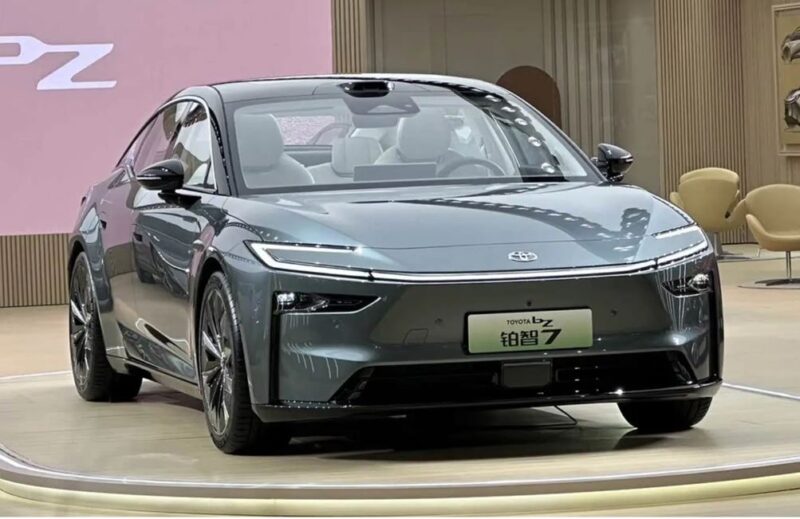
Toyota has partnered with Huawei to integrate the Chinese tech giant’s HarmonyOS in its upcoming electric sedan model. This move marks a significant shift in the automotive industry as the Japanese automaker aligns itself with a technology platform developed by a key competitor to Google’s Android in the connected car space. The decision comes amid growing tensions between the US and China, as well as a rapidly evolving global market where automakers are increasingly dependent on innovative software for everything from vehicle performance to customer experience.

HarmonyOS, launched by Huawei as a competitor to Android, is designed to offer greater security and seamless integration across various devices. While initially developed for smartphones, the system has expanded into a variety of smart devices, including automobiles. Toyota’s adoption of HarmonyOS in its new electric sedan reflects the growing importance of software in vehicles, especially as automakers shift focus to electric and autonomous technologies.

The electric sedan, set to hit the Chinese market first, will benefit from the advanced connectivity and smart features of HarmonyOS, such as AI-based in-car assistants and enhanced user interfaces. This is expected to provide a competitive edge for Toyota as it navigates the increasingly crowded Chinese electric vehicle market, where local companies such as BYD and NIO have already established a strong foothold.

Huawei’s HarmonyOS has faced challenges in gaining international traction, particularly due to its ties to the Chinese government and its exclusion from key US-based app ecosystems. However, the system has found significant success within China, where Huawei has a commanding presence in both telecommunications and consumer electronics. Toyota’s decision to integrate the platform may not only strengthen its position in the Chinese market but also mark a turning point in the global race for automotive software dominance.

While Toyota continues to rely on established partners like Google for its global connected car initiatives, this collaboration with Huawei represents a key step in diversifying its software strategy, particularly in regions like China where local technology is often favoured. As automakers seek to ensure the security and functionality of increasingly digital vehicles, HarmonyOS’s promise of enhanced privacy features could play a crucial role in attracting tech-savvy consumers.

The automotive industry has long been navigating a delicate balance between software development and traditional vehicle manufacturing. Toyota’s embrace of Huawei’s operating system is indicative of the growing reliance on third-party tech companies to provide the kind of high-tech, integrated solutions that are rapidly becoming a standard in modern cars. The partnership also underscores the importance of China as a strategic market for global automakers, with its massive population and burgeoning EV market offering significant growth potential.

This development comes at a time when other major tech players are making inroads into the automotive sector. SK Telecom’s announcement to replace SIM cards in its vehicles after a data breach underscores the growing importance of cybersecurity in connected car systems. Moreover, India’s advancements in satellite docking automation signal a broader trend toward increased integration of autonomous systems in the automotive sector. In China, companies are working toward greener solutions, with efforts to reduce the carbon footprint of data centres becoming a focal point for many technology giants.

With the global automotive industry rapidly evolving, Toyota’s partnership with Huawei places the automaker at the crossroads of software innovation and traditional vehicle manufacturing. The collaboration may not only affect the Chinese electric sedan market but could also set a precedent for future ventures between automakers and tech companies, particularly as the digital landscape of the automotive sector continues to evolve.

Arabian Post Staff Deliveroo has confirmed the appointment of a new general manager to oversee its operations across the Middle East, marking a significant leadership transition for the online food delivery platform. Anis Harb, who has been with the company for nearly a decade, is stepping down from his role and will be succeeded by Susana Voces, a senior executive with extensive experience in international e-commerce and […]

Denmark is launching a new nuclear power fund aiming to raise €350 million to support the development of small modular reactors and advanced nuclear technologies. This initiative comes as the country seeks to diversify its energy mix and meet growing electricity demands driven by the expansion of data centres and the electrification of heavy industries. The fund is backed by a coalition of Danish pension funds, private […]

Saudi Arabia’s Public Investment Fund has sharply raised its assets under management target for 2030 to $2.67 trillion, marking a significant 43 per cent jump from its earlier ambition of $1.87 trillion. The strategic move follows the sovereign wealth fund surpassing its asset milestone for 2023, underlining its growing influence as a key pillar of the Kingdom’s economic transformation efforts. According to the latest figures released as […]

A strong surge in Dubai’s vehicle rental sector has been recorded in 2024, with the Roads and Transport Authority reporting a 43 per cent increase in newly registered commercial vehicles compared to 2023. The authority also noted a substantial 33 per cent rise in the number of newly licensed rental companies, highlighting the emirate’s strengthening position as a regional transport and logistics hub.

The RTA’s Licensing Agency confirmed that 867 new rental companies were registered, bringing the total to 3,494 companies operating across the city, up from 2,627 the previous year. The commercial rental fleet grew markedly, reaching 71,040 vehicles compared to 49,725 in 2023, underscoring a clear trend of expansion in Dubai’s transport and mobility sectors.

Ahmed Mahboob, CEO of the Licensing Agency at RTA, attributed the growth to Dubai’s continued focus on facilitating business-friendly conditions and enhancing transport infrastructure. “The increase in the number of newly registered vehicles and companies operating in the commercial transport sector demonstrates Dubai’s competitiveness and appeal in attracting businesses to this sector. It also underscores the emirate’s commitment to accelerating economic growth and fulfilling its overarching development vision,” Mahboob stated.

Industry observers point out that Dubai’s strategic location, ambitious economic diversification initiatives, and robust regulatory framework are critical factors behind the expanding rental market. The city’s focus on preparing for major upcoming global events, such as COP28 and other international conferences, has also fuelled demand for flexible mobility solutions. Analysts further emphasise that the transport sector’s upswing aligns with Dubai’s broader ambitions under its D33 Economic Agenda, aimed at doubling the size of its economy over the next decade.

Market players in the rental industry are experiencing heightened demand from sectors such as tourism, logistics, real estate, and technology. The influx of expatriates, professionals, and digital nomads has significantly contributed to the appetite for short- and medium-term vehicle rentals. According to the Dubai Department of Economy and Tourism, the emirate welcomed 17.15 million international overnight visitors in 2023, a number expected to rise in 2024, thereby strengthening mobility requirements across the board.

The preference for rental vehicles over private ownership is also being driven by lifestyle shifts, with a growing emphasis on convenience, flexibility, and cost-effectiveness. According to a recent mobility survey conducted by consultancy firm Arthur D. Little, nearly 35 per cent of respondents in the UAE indicated a preference for rental or subscription-based vehicle services, suggesting a broader behavioural transformation underway in the transportation domain.

Commercial fleet operators have seized the opportunity by expanding their offerings beyond conventional vehicles to include electric vehicles , luxury cars, and specialised logistics transporters. Several leading rental companies have announced plans to increase their EV fleet components, aligning with the Dubai Green Mobility Strategy 2030, which targets a 30 per cent electrification rate across public and private fleets.

The supportive regulatory environment has played a pivotal role in boosting confidence among rental businesses. Dubai’s Licensing Agency has streamlined procedures for company registration and vehicle licensing, introduced digital platforms for permit applications, and incentivised fleet modernisation programmes. The introduction of smart traffic management systems and expansion of dedicated transport zones have further enhanced operational efficiency for rental operators.

Challenges remain, however, particularly concerning market saturation and competitive pricing pressures. As more companies enter the sector, maintaining profitability while ensuring high service standards has become a balancing act for operators. Experts warn that without continuous innovation, quality assurance, and diversification into niche services, some smaller players may struggle to sustain operations over the long term.

On the technological front, rental companies are investing heavily in digital transformation initiatives. Mobile booking apps, AI-powered fleet management systems, and customer service chatbots are becoming standard across the sector. Industry executives acknowledge that tech-driven operational efficiencies are crucial to managing costs, enhancing customer satisfaction, and scaling up rapidly to meet growing demand.

The integration of mobility-as-a-service platforms is emerging as a key trend, with rental companies partnering with public transport providers and ride-sharing apps to offer seamless transport solutions. This model aims to cater to a diverse customer base seeking unified, flexible options that combine private rentals with metro, tram, and bus networks. Such integration aligns with Dubai’s broader Smart City ambitions and Vision 2021 goals for sustainable urban mobility.

Economic analysts at Emirates NBD note that the transport and storage sector in Dubai grew by 11.5 per cent in 2023, reflecting the importance of mobility services to the emirate’s GDP. With new infrastructure projects, including expansion of Al Maktoum International Airport and investments in Dubai South, the momentum is expected to continue, providing further impetus to ancillary industries like vehicle rentals.

The city’s drive towards autonomous vehicle deployment and smart transport ecosystems is encouraging rental companies to prepare for future demand shifts. Partnerships between Dubai’s government agencies and global automotive technology firms signal a readiness to embrace disruptive mobility solutions. Rental companies that can adapt to these technological shifts are likely to be better positioned for long-term success.

The demographic dynamics of Dubai also contribute significantly to the expanding rental landscape. A youthful, tech-savvy population with a preference for service-oriented consumption models tends to favour rental and subscription services over traditional ownership. Additionally, Dubai’s tax-free environment, high disposable incomes, and strong entrepreneurial culture attract business travellers and start-up communities that rely heavily on flexible transport solutions.


Syria’s fragile post-war recovery effort gained significant momentum after Saudi Arabia and Qatar pledged to clear the country’s outstanding World Bank debt, a critical step towards unlocking new international funding. The commitment, disclosed following the World Bank and International Monetary Fund spring meetings held last week in Washington, addresses approximately $15 million owed by Damascus, removing a key financial impediment for the new government led by President Ahmed Al-Sharaa.

High-level negotiations between Gulf officials and World Bank representatives culminated in the decision to settle Syria’s arrears, a move regarded by diplomats as essential for enabling the war-torn nation to access multilateral financial assistance. The overdue debt, though relatively modest in scale, had barred Syria from eligibility for fresh disbursements under the World Bank’s policies requiring client countries to be in good standing.

Officials familiar with the discussions indicated that Saudi Arabia and Qatar’s intervention was not merely financial but symbolised broader regional efforts to stabilise Syria’s economy and reintegrate it into international institutions. According to sources briefed on the meetings, both governments framed the payment as part of a larger initiative to support Syria’s economic reconstruction and political transition under Al-Sharaa, who assumed office earlier this year following a contested but internationally recognised electoral process.

President Al-Sharaa, whose government has pledged sweeping economic reforms, welcomed the support, calling it “a step towards restoring Syria’s rightful place in the global community.” Speaking through an official statement issued by the presidential office in Damascus, he emphasised that rebuilding national infrastructure, restoring basic services, and attracting private sector investment were now top priorities. His administration faces the immense challenge of reconstructing a country where more than a decade of conflict left nearly half the population displaced and critical industries in ruins.

Syria’s re-engagement with global financial institutions represents a delicate balancing act for regional and international actors. While Saudi Arabia and Qatar’s financial support signals renewed diplomatic engagement, it also reflects strategic calculations. Officials in Riyadh and Doha are believed to view a stabilised Syria as vital to broader Middle Eastern security and to limiting the influence of rival powers that gained ground during the conflict.

A Gulf-based diplomat with knowledge of the negotiations said that clearing Syria’s World Bank debt was seen as a “foundational gesture” aimed at laying the groundwork for deeper economic cooperation. “There is recognition that Syria’s stability benefits the entire region,” the diplomat explained. “But this assistance is not a blank cheque — it’s tied to expectations around governance, transparency, and economic reform.”

The World Bank, for its part, has been cautiously preparing for Syria’s potential re-entry into development programs. Bank officials underscored that while the clearing of arrears was a necessary procedural step, any future engagement would be closely conditioned on the government’s adherence to principles of accountability and inclusion. A spokesperson for the institution stated that assessment missions would be conducted to evaluate Syria’s institutional capacity and identify priority sectors for assistance, pending board approval.

Economic experts observing the development noted that while $15 million is a small figure compared to the scale of Syria’s reconstruction needs — estimated by some analysts to exceed $400 billion — the symbolic value of the Gulf states’ intervention is considerable. By assuming Syria’s financial obligations, Saudi Arabia and Qatar have effectively opened the door to broader international financial support, including potential aid from bilateral donors and regional development banks.

Syria’s financial rehabilitation comes amid evolving geopolitical dynamics in the Middle East, where Gulf nations have shown a willingness to recalibrate relationships and pursue pragmatic approaches to regional conflicts. Qatar, which once supported opposition groups during the Syrian civil war, has shifted its stance to focus on post-conflict recovery, while Saudi Arabia has sought to spearhead diplomatic normalisation efforts, including Syria’s readmission into the Arab League.

The economic picture within Syria remains dire. Inflation has soared, the Syrian pound continues to depreciate, and essential services such as electricity, healthcare, and education are struggling to function. The United Nations has warned of a worsening humanitarian situation unless economic conditions improve, estimating that over 14 million Syrians require some form of assistance.

President Al-Sharaa’s administration, meanwhile, has signalled a commitment to overhaul outdated regulatory frameworks, encourage foreign investment, and revive critical sectors such as agriculture, manufacturing, and tourism. In a televised address earlier this month, he pledged that Syria would embark on “an era of renewal,” focusing on job creation, infrastructure development, and restoring public trust in state institutions.

International observers caution that much will depend on the government’s ability to implement reforms credibly and transparently. Skepticism persists among some Western governments and humanitarian organisations over the prospects for genuine political and economic liberalisation. Nonetheless, the Gulf states’ financial backing and the World Bank’s procedural readiness mark a notable shift, offering Syria its first tangible pathway to re-entering the global financial system after years of isolation.

Temperatures soared close to 50°C across the United Arab Emirates today as fierce dusty winds swept through several areas, amplifying already sweltering conditions and causing widespread disruption. Authorities issued multiple weather alerts, urging residents to take precautions against heat-related illnesses and reduced visibility caused by the dust-laden atmosphere.

The National Centre of Meteorology confirmed that desert regions and inland cities recorded some of the highest temperatures, with Al Dhafra region touching 49.2°C by mid-afternoon. Urban centres such as Abu Dhabi, Dubai, and Sharjah experienced highs ranging between 45°C and 47°C, with humidity levels compounding the oppressive weather. The agency also noted that wind speeds varied between 15 to 25 kilometres per hour, occasionally surging to 45 kilometres per hour, stirring up dense dust clouds that blanketed highways and neighbourhoods.

In a parallel statement, emergency services intensified public advisories, warning of potential heat strokes and respiratory difficulties due to the airborne dust particles. Hospitals reported an uptick in patients exhibiting symptoms linked to dehydration and breathing complications, prompting health officials to reinforce messages about hydration and limited exposure during peak hours.

Traffic authorities reported several minor accidents and traffic snarls across the country, attributing them to diminished visibility caused by the dust storms. Motorists were urged to maintain safe distances and use fog lights even during daytime driving. Residents living in low-lying desert suburbs faced particularly challenging conditions, with winds strong enough to whip up sand dunes onto major roads, affecting mobility and safety.

While the UAE is no stranger to harsh summer conditions, the severity of today’s heatwave stands out, underscoring the growing frequency of extreme weather patterns in the region. Meteorologists pointed to a combination of regional atmospheric pressure systems and seasonal climatic shifts driving the sudden spike in temperatures. These changes mirror a broader trend observed across the Gulf, where weather extremes have become more pronounced over the past few years.

Labour authorities called for strict enforcement of the mandatory midday break for outdoor workers, which bars any construction or manual labour under direct sunlight between 12:30 pm and 3:00 pm. Inspectors were dispatched across industrial zones and construction sites to ensure compliance. Non-adherence carries substantial penalties under UAE labour regulations aimed at safeguarding workers’ health during summer months.

Energy consumption surged as residents and businesses ramped up air conditioning use to combat the intense heat. Officials from the Federal Electricity and Water Authority advised the public to conserve energy wherever possible to prevent grid overloads. Measures included setting thermostats to a minimum of 24°C and limiting the use of heavy appliances during peak demand hours.

Educational institutions that remained operational through the summer period either shifted classes online or modified school timings to avoid exposing students to extreme outdoor temperatures. Parents were advised to ensure children stayed indoors, wore light cotton clothing, and remained hydrated at all times.

Air quality across major emirates deteriorated markedly as a result of the dust storms. Environmental agencies recorded significant rises in particulate matter concentrations, warning that prolonged exposure could aggravate pre-existing respiratory conditions such as asthma and bronchitis. Health experts advised wearing masks outdoors and using air purifiers indoors to mitigate the health risks associated with poor air quality.

Tourist activities also took a hit, with desert safaris, outdoor markets, and public beach outings largely suspended. Many tour operators either cancelled excursions or adjusted schedules to early morning and late evening slots to avoid the worst of the heat. Shopping malls, indoor parks, and entertainment complexes saw a sharp rise in footfall as residents and visitors sought respite in air-conditioned venues.

Agricultural communities in rural parts of the Emirates voiced concern over crop damage due to the combination of excessive heat and abrasive winds. Farmers noted that young plants, particularly those without adequate shade or irrigation, showed signs of wilting and dehydration. Agriculture departments mobilised support initiatives to help farmers protect their yields, including advisories on irrigation management and shade-net installations.

Looking ahead, forecasters predict that elevated temperatures and dusty conditions are likely to persist over the coming days, though a marginal drop may occur towards the end of the week. Authorities continue to monitor the situation closely and are prepared to escalate measures if conditions worsen.

Healthcare providers across the Emirates remained on high alert. Medical professionals reiterated the importance of staying hydrated, avoiding caffeinated drinks, and recognising early signs of heat exhaustion, such as dizziness, headache, and muscle cramps. People with chronic illnesses, the elderly, and young children were especially advised to remain indoors and maintain cool environments.

The civil aviation sector reported no major flight disruptions despite the challenging weather. However, operational teams were instructed to remain vigilant, and minor adjustments were made to ground handling procedures at airports to ensure worker safety amid high temperatures and dusty winds. Pilots and crew members were also advised to factor in weather conditions during flight operations, especially during take-offs and landings.

Retailers noted a spike in sales of cooling appliances, water bottles, sunscreens, and protective wear such as hats and UV-resistant sunglasses. Pharmacies experienced heightened demand for electrolyte solutions and hydration tablets. Businesses adapted by launching promotional campaigns aimed at helping residents equip themselves against the heatwave.

Vingroup is shaping a green ecosystem that seamlessly integrates sustainability into transportation, urban living, and environmental conservation, under Chairman Phạm Nhật Vượng’s visionary leadership. HANOI, VIETNAM – Media OutReach Newswire – 24 April 2025 – As climate change intensifies and sustainable practices become a global priority, businesses are increasingly called upon to address environmental challenges. Vingroup, a diversified conglomerate led by its Chairman – Vietnamese billionaire Phạm […]

WUHAN, CHINA – Media OutReach Newswire – 22 April 2025 – During April’s Pear Blossom Festival, Tudianzi village, nestled deep in the mountains of central China’s Hubei Province, has welcomed over 50,000 visitors in just two days. In Tudianzi Village, tourists marveled at innovations like solar-storage integrated streetlights illuminating country paths, high-power EV charging stations eliminating range anxiety, and traditional Tujia cuisine cooked in all-electric kitchens — […]

VISHNU RAJA
RYO YAMADA
HITORI GOTOH
IKUYO KITA