China’s state security minister Chen Yixin has warned that artificial intelligence poses six major risks to national security, ranging from political manipulation and cyberattacks to data leakage, social disruption and military transformation. Chen, who heads the Ministry of State Security, set out the risks in an article published on Sunday by China Cyberspace magazine, arguing that Beijing must build a stronger system for monitoring, regulating and responding […]
Nepal has put the reconstruction requirement from the devastating August 26 floods at about $4.78 billion, sharply exceeding the government’s initial estimate of direct physical damage and economic losses. The Ministry of Foreign Affairs said the figure came from a Rapid Damage and Needs Assessment prepared after floods tore through northern river valleys, destroying homes, transport links, hydropower facilities and other critical infrastructure. The assessment estimated direct […]
METRO MANILA, PHILIPPINES – Media OutReach Newswire – 13 September 2026 – Green GSM Philippines will host the Green GSM Platform Driver Partner Festival from September 12-14, 2026, expected to bring together up to 5,000 current and prospective Driver Partners, with the handover of 1,000 electric vehicles to Green Driver Partners as the centerpiece of the event at The Tent in Las Piñas City and Green GSM’s depots. The event aims to meet the growing demand for the green transition among Driver Partners and the public transport community, while marking a new step in the expansion of Green GSM’s service ecosystem in the Philippines.
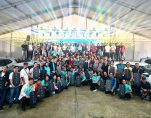
Green GSM Philippines and Driver Partner community at the Green GSM Platform Driver Partner Day.
One of the highlights of the event is the handover of the first 1,000 electric vehicles to Green GSM Platform Driver Partners, expanding their business options and giving the driver community access to more suitable and efficient operating models. The addition of more vehicles will also help Green GSM strengthen its service capacity and better meet customers’ growing mobility needs, while contributing to the transition to green transportation in the Philippines.
Building on the cooperation between VinFast and Green GSM, the event will further introduce the vehicle rental model designed for Driver Partners, with an initial investment starting from just PHP 5,000, opening up additional business options and reducing barriers for drivers to participate in electric vehicle operations. The program reflects Green GSM’s “5 Green Promises” commitment, with a focus on providing better vehicles, suitable operating models, and sustainable livelihood opportunities for the Driver Partner community.
Under this partnership model, eligible Driver Partners can choose from VinFast electric vehicles such as the 4-seater Herio Green/VF 5 and the 7-seater Limo Green. These all-electric models are designed to meet the needs of service operations, offering smooth performance, ease of use, and optimized energy, maintenance, and servicing costs compared with gasoline vehicles in the same segment. Through support programs for pioneering partners, including free charging and VinFast warranty coverage of up to 7 years/160,000 km for the Limo Green and the VF 5/Herio Green, drivers can significantly reduce operating costs, improve business efficiency, and increase their long-term earnings.
As part of the event series, Green GSM continues to reaffirm its long-term commitment to the Green Driver Partner community in the Philippines, with a focus on enhancing service quality, professionalism, and community engagement through the launch of the Global Green GSM Driver Partner Community in the Philippines. The Community serves as a platform to connect and support Driver Partners, while strengthening engagement across the broader Green GSM ecosystem.
Through the Community, members will be able to share and learn from one another’s experiences in operating electric vehicles and providing mobility services, stay updated on the latest information and policies, and work together to build an increasingly professional, connected, and sustainable Driver Partner community.
Through the “Green GSM Platform Driver Partner Festival,” Green GSM is committed to supporting the sustainable development of the driver community in the Philippines, raising awareness and encouraging the green transition, while expanding livelihood opportunities for drivers to increase their income. At the event, Driver Partners will have the opportunity to test-drive VinFast electric vehicles, receive answers from Green GSM regarding electric vehicles, learn about relevant policies and benefits, and receive prompt assistance in completing the registration procedures required to transition to providing services with electric vehicles.
The event forms part of Green GSM’s development plan to strengthen its ability to meet market demand, with the goal of providing more vehicles, faster service, and progressively higher service quality in line with five-star standards, delivering a more satisfying experience for customers on every green journey.
Ms. Le Thi Thu Trang, CEO of Green GSM Philippines, said: “Through the Green GSM Platform Driver Partner Festival and Car Handover Week, Green GSM aims to accompany the driver community in its development and expansion while enhancing both quality and professionalism. We seek to create more livelihood opportunities for drivers to access optimized and efficient operating models that can significantly increase their earnings. At the same time, we expect the event to inspire and help lay the foundation for the next phase of green mobility development in the Philippines.”
Green GSM currently operates electric taxi services in key urban areas across the Philippines, including Metro Manila in Luzon, Central Visayas, and Mindanao. Its two service offerings – Green GSM Car and Green GSM Limo, a 7-seater Premium Taxi – cater to customers’ diverse mobility needs.
In addition to its direct operations, Green GSM is expanding partnerships with local taxi operators to accelerate the green transition through diverse, flexible, and cost-efficient partnership programs.
Going forward, Green GSM will continue improving service quality and expanding its network, consistent with its “5 Green Promises” commitment, with the aim of raising service standards and contributing to greener urban mobility in the Philippines./.
Hashtag: #GreenSM
The issuer is solely responsible for the content of this announcement.
PALEMBANG, INDONESIA – Media OutReach Newswire – 12 September 2026 –Green SM has officially launched its electric taxi service in Palembang, making it the second city in Sumatra, after Bandar Lampung, to welcome the service. The expansion further affirms Green SM’s mission of bringing green mobility closer to the people of Indonesia while offering local residents a modern, comfortable, and zero-emission transportation experience.
Green SM officially launches all-electric taxi service in Palembang, expanding its presence across Sumatra, Indonesia.
To mark its official launch in Palembang, Green SM has also introduced the “Green Your Move, Refresh Your City” campaign, in support of initiatives led by the Ministry of Environment/Environmental Control Agency (KLH/BPLH) under the theme “Ecosystem & Air Protection” (Perlindungan Ekosistem & Udara).
The campaign encourages citizens to embrace more environmentally friendly modes of transportation, highlighting how every green journey in daily life can contribute to better air quality and a healthier urban environment.
Powered by a 100% electric vehicle fleet, Green SM is committed to delivering a 5-star mobility experience through its professional drivers, transparent pricing, and consistent service quality. By combining technology, service excellence, and sustainable mobility solutions, Green SM aims to set new standards for modern urban transportation.
Green SM’s presence in Palembang continues its journey of advancing green mobility in Indonesia, following its expansion into Jakarta, Makassar, Surabaya, Bali, and Bandar Lampung. This milestone also reaffirms the company’s long-term commitment to delivering reliable and sustainable mobility solutions to an increasing number of Indonesians.
As one of Sumatra’s largest hubs for trade and services, with a population of more than 1.8 million people, Palembang continues to see dynamic economic growth and rising demand for mobility. The city’s commitment to sustainable development and smart city initiatives also provides a strong foundation for advancing green, modern, and environmentally friendly transportation solutions that contribute to improving residents’ quality of life.
Mr. Pham Nhat Minh Hoang, Global CEO of Green SM, said: “I am delighted that Green SM has another opportunity to bring the positive values of green mobility to even more people across Indonesia. We believe that through our consistent service quality, professional drivers, and the outstanding benefits that green mobility offers, Green SM will become a trusted companion for the people of Palembang in their daily journeys, while contributing to ecosystem protection and cleaner air in Indonesia.”
To mark its launch in Palembang, Green SM is rolling out a series of special promotions. Riders can enjoy a 100% discount of up to Rp50,000 from September 12 to 16, 2026, followed by a 50% discount of up to Rp50,000 from September 17 to 25, and a 35% discount of up to Rp50,000 from September 26 to October 2, 2026. Green SM will continue introducing programs and offers designed to make travel more comfortable and affordable, while encouraging more residents of Palembang to make the switch to greener mobility.
Alongside providing all-electric transportation services, Green SM is committed to building a sustainable green mobility ecosystem through job creation, local talent development, and collaboration with stakeholders. As the company continues expanding across Indonesia, Green SM aims to improve access to modern mobility solutions while creating positive value for communities, the environment, and local economies.
Over the course of its global expansion, Green SM has completed approximately 850 million trips covering nearly 6 billion kilometers, helping reduce more than 800,000 tons of CO₂ emissions, equivalent to the carbon absorption capacity of approximately 36 million trees.
Hashtag: #GreenSM
The issuer is solely responsible for the content of this announcement.
Thailand has placed 17 strategic industrial projects worth 121 billion baht on an accelerated approval track while introducing added tax incentives intended to encourage technology-focused companies to list on domestic capital markets.
The Board of Investment approved the measures at a meeting chaired by Deputy Prime Minister and Finance Minister Ekniti Nitithanprapas, expanding the Thailand FastPass mechanism and launching a BOI-to-IPO programme with the Securities and Exchange Commission and the Stock Exchange of Thailand.
The 17 projects, submitted by 15 companies, are expected to create more than 14,000 jobs. Electronics and electrical manufacturers account for 10 projects worth 83.92 billion baht, close to 70 per cent of the latest batch, according to the BOI.
Two processed-food projects represent investment of 24.34 billion baht, two pet nutrition projects total 8.80 billion baht, and three precision machinery and automotive component projects amount to 4.36 billion baht.
The additions take the FastPass portfolio to 42 strategic projects across three rounds, with planned investment exceeding 344 billion baht and projected employment of more than 27,000 people. The scheme uses service-level agreements across state agencies to shorten licensing timelines, address approval bottlenecks and move projects more quickly from investment applications to construction and operation.
The first two FastPass rounds covered 25 projects from 23 companies worth more than 223 billion baht and were expected to generate over 13,000 jobs. All 25 have received investment-promotion approval, 19 have been issued investment certificates and 11 have completed all required permits within the prescribed service-level deadlines. Actual investment by projects in the programme has exceeded 21 billion baht.
Alongside the approval drive, the BOI said it was shifting the way it evaluates investment promotion, placing greater weight on realised investment, domestic value added, links with small and medium-sized suppliers, high-skilled employment, research and development, technology transfer and capital-market participation.
The policy overhaul also narrows support for activities that contribute limited local value, with the BOI saying incentives will increasingly favour advanced manufacturing, technology transfer and deeper integration of domestic vendors. New operational indicators will measure how many approved projects become investments and how quickly agencies process approvals.
Narit said the policy seeks to lift investment to 30 per cent of gross domestic product, support annual economic growth above 3 per cent and improve Thailand’s competitiveness ranking. Those objectives are government targets rather than assured outcomes and will depend on investment execution, productivity gains and economic conditions.
BOI secretary-general Narit Therdsteerasukdi said the agency was moving towards measuring the quality and domestic value generated by investment rather than focusing mainly on application volumes. He said the government wanted targeted measures in strategic sectors to support higher investment and productivity.
The BOI-to-IPO programme is designed to help promoted companies, particularly businesses in sectors classified as part of the New Economy, raise capital through Thailand’s exchanges and expand their operations. The SEC has shortened its IPO approval process, while the stock exchange is easing certain market-capitalisation and operating-track-record requirements for qualifying New Economy companies.
A special listing pathway is also being provided for companies promoted by the BOI or the Eastern Economic Corridor, linking investment incentives with access to equity financing.
Promoted companies that list on the Stock Exchange of Thailand, the Market for Alternative Investment or the LiVEx board can qualify for additional tax relief. SET-certified New Economy companies may receive up to three additional years of corporate income-tax exemption, or a 50 per cent reduction for five years.
Other promoted companies that list can receive up to two additional tax-free years, or a 50 per cent reduction in corporate income tax for three years, subject to the programme’s conditions.
Narit said the policy was intended to allow companies that had established successful operations in Thailand to finance new plants and production lines, invest in research and technology, and expand overseas while retaining Thailand as a business base.
HANOI, VIETNAM – Media OutReach Newswire – 12 September 2026 – VinFast and GSM today officially announced new leadership appointments, succeeding Mr. Pham Nhat Vuong and Ms. Pham Thu Huong in senior global leadership roles. Accordingly, Mr. Pham Nhat Quan Anh, currently Chairman of VinFast Global, will concurrently assume the position of CEO of VinFast Global, succeeding Mr. Pham Nhat Vuong, while also taking on the roles of Chairman and CEO of VinFast Vietnam. Mr. Nguyen Quoc Tuan will assume the position of Chairman of GSM Global, succeeding Ms. Pham Thu Huong, while Mr. Pham Nhat Minh Hoang will become CEO of GSM Global and concurrently CEO of GSM Vietnam.
Mr. Pham Nhat Quan Anh, Chairman and CEO of VinFast Global, and Chairman and CEO of VinFast Vietnam.
The strengthening of the senior leadership teams at VinFast and GSM comes as Vingroup and companies across its ecosystem accelerate the training and development of in-house talent and transition leadership responsibilities to a younger generation of leaders, in line with the needs and growth trajectory of the system. In particular, both VinFast and GSM are entering a period of strong and decisive growth on a global scale.
Prior to assuming the position of Chief Executive Officer of VinFast Global from Mr. Pham Nhat Vuong, Mr. Pham Nhat Quan Anh was appointed Chairman of VinFast Global in May 2026. With his official assumption of the positions of Chairman and Chief Executive Officer of VinFast Global, as well as Chairman and Chief Executive Officer of VinFast Vietnam, Mr. Pham Nhat Quan Anh will hold ultimate and comprehensive responsibility for all of VinFast’s operations as the company enters a new phase of growth.
Following his official appointment, Mr. Pham Nhat Quan Anh commented: “I am deeply honored by the Board of Directors’ trust and confidence in entrusting me with the additional responsibility. Built on a strong foundation established over the years and supported by the growing confidence of customers across our markets, VinFast is well positioned to seize the significant opportunities ahead and further strengthen its role in advancing the global transition to sustainable mobility. I am committed to working closely with our talented team to uphold VinFast’s core values and continue delivering world-class products and the highest standards of service to customers around the world.”
Born in 1993, Mr. Pham Nhat Quan Anh holds a Bachelor’s degree from Singapore Management University and has held several key leadership positions at VinFast and other companies within the Vingroup ecosystem before being appointed Chairman of the Board of Directors of VinFast Auto Ltd. in May 2026. With extensive cross-sector management experience and a strategic operational mindset, he has made significant contributions to VinFast’s development, from building its foundation in the domestic market to expanding its presence internationally.
In addition to his senior leadership responsibilities at VinFast, Mr. Pham Nhat Quan Anh will continue to serve as Chief Executive Officer of VinMetal Trading and Production JSC, a high-quality steel manufacturer within the Vingroup ecosystem.
At GSM, Mr. Nguyen Quoc Tuan, currently Chief Executive Officer of GSM Global, has been appointed Chairman of GSM Global, succeeding Ms. Pham Thu Huong. Mr. Pham Nhat Minh Hoang will succeed Mr. Tuan as Chief Executive Officer of GSM Global and concurrently assume the position of Chief Executive Officer of GSM Vietnam.
Mr. Pham Nhat Minh Hoang, CEO of GSM Global and CEO of GSM Vietnam.
Born in 2000, Mr. Pham Nhat Minh Hoang has held senior leadership positions at VinFast, Green Future, VinSmart Future, GSM and other companies. In addition to his management responsibilities, he has directly invested in and serves as a major shareholder of several industrial, technology, energy and infrastructure companies within the Vingroup ecosystem, including VinSpeed, VinEnergo, VinMetal, VinVentures and robotics companies.
VinFast currently has a presence in 16 countries worldwide, including key markets such as Vietnam, India, Indonesia, the Philippines, Europe, the Middle East and North America. VinFast electric cars and electric motorcycles are currently manufactured at four facilities across three countries: Vietnam, Indonesia and India.
Alongside VinFast, GSM operates its green mobility brand, Green SM. The company currently operates in seven countries, including Vietnam, Laos, Indonesia, the Philippines, India, Kazakhstan and Denmark, and plans to expand into at least three additional markets within this year. GSM is also targeting a transition into a globally scaled public company with its shares listed on an international stock exchange.
The appointment of senior leadership is of particular importance, not only in addressing the more demanding requirements of the companies’ next phase of development, but also reflecting positive expectations for the future of VinFast and GSM as they continue their expansion into international markets.
Hashtag: #VinFast #GSM
The issuer is solely responsible for the content of this announcement.
VinFast has signed memoranda of understanding with 13 dealer groups to develop 27 new showrooms across the Philippines, advancing a plan to build a 60-dealership network in the country during 2026.
The Vietnamese electric-vehicle maker said the proposed outlets would span Luzon, Visayas and Mindanao, extending its reach beyond major centres such as Metro Manila and Cebu into markets including Cagayan de Oro, Tacloban and Subic Bay. The sites are expected to combine vehicle display, customer consultations, sales and after-sales services under VinFast’s global showroom standards.
The agreements, announced on September 11, bring together Elite North Auto Cars Inc., MG Gateway Mantrade Corp., Grand Canyon Multi Holdings Inc., Britannica United Motors Incorporated, VF Auto Sto Tomas Inc., GR8 Marketing Motors Inc., ARCMA Motors Corporation, Autonomics Motor Corp., Gershom Car Trading Corp., Areza Motor Sales Inc., Central Auto Resources Inc., Autolink Global Motors Inc. and Greenport Mobility Inc.
VinFast said the partners’ distribution experience and regional networks would help accelerate expansion and improve access to its electric cars and support services. The company did not disclose investment values, opening dates for individual locations or how many of the 27 sites would provide full workshop facilities.
Antonio Zara, chief executive of VinFast Southeast Asia, said the Philippines remained a key market in the company’s longer-term regional and global plans. He said VinFast was seeking to develop not only its retail footprint but also products, services, infrastructure and the wider electric-vehicle ecosystem, working with local partners to make battery-powered mobility more accessible.
The latest dealer push builds on a network expansion already under way. VinFast said in April 2025 that it had reached agreements with six Philippine dealers to establish more than 60 new showrooms, including planned locations in Metro Manila, Quezon City and other urban centres. Its third-quarter 2025 financial disclosure later said the company had nine showrooms operating nationwide, underscoring the gap between announced development plans and sites actually opened.
That distinction remains important for the new programme: the 27 outlets are covered by memoranda of understanding and are expected to be developed, rather than being newly opened locations. VinFast’s stated target is to develop a total network of 60 dealerships in the Philippines in 2026.
The company has also been adding after-sales and charging capacity as it seeks to reduce practical barriers to electric-vehicle ownership. VinFast previously signed an agreement with Motech aimed at bringing up to 63 service workshops into its authorised repair, warranty and maintenance network. It has also worked with other service partners and has promoted charging infrastructure through V-Green, the charging-network business associated with the wider Vingroup ecosystem.
VinFast entered the Philippine passenger-vehicle market with a battery-electric range that has included the VF 3, VF 5, VF 6, VF 7 and VF 9. At the Philippine International Motor Show in June 2026, the company displayed its broader mobility offering and highlighted programmes combining vehicle access, charging and transport services.
Its expansion comes as carmakers compete for position in a Philippine electric-vehicle market supported by government measures intended to encourage cleaner transport. The Electric Vehicle Industry Development Act established a national policy framework for EV adoption, charging infrastructure and industry development, while tariff measures have lowered import costs for qualifying electric vehicles and components.
Dealer coverage is a central challenge for newer entrants because buyers expect servicing, spare parts and warranty support alongside vehicle sales. VinFast has increasingly used local dealer partnerships across Southeast Asia and other markets rather than relying solely on company-owned retail outlets, allowing it to add sales points faster while drawing on established operators’ local knowledge.
The 13 new partners are expected to help VinFast reach customers across several island groups, where distribution and after-sales logistics can be more complicated than in a single contiguous market. VinFast has separately worked with logistics providers in the Philippines to support vehicle inspection, distribution and servicing as its product range expands.
HANOI, VIETNAM – Media OutReach Newswire – 11 September 2026 – VinFast has announced the signing of strategic Memoranda of Understanding (MOUs) with 13 dealer partners in the Philippines to develop 27 new showrooms nationwide. The agreements mark an important step in VinFast’s plan to expand its electric automotive distribution network in the Philippines, while laying a strong foundation for the brand to reach its goal of developing a total of 60 dealerships in the country in 2026.
Representatives of VinFast Philippines and 13 dealer groups at the Memorandum of Understanding (MOU) signing ceremony, aimed at expanding VinFast’s nationwide dealer network.
Under the agreements, the 27 VinFast showrooms are expected to be developed across all three major geographical regions of the Philippines: Luzon in the north, Visayas in the central region, and Mindanao in the south. The network will strengthen VinFast’s presence in major urban centers such as Metro Manila and Cebu, while extending its reach to new, high-potential areas including Cagayan de Oro, Tacloban, and Subic Bay. This will bring VinFast’s electric vehicles and services closer to customers nationwide.
Developed in line with VinFast’s global standards, the showrooms will offer modern and convenient spaces where customers can learn about and experience the brand’s products, as well as access sales and after-sales services. The expanded network will also improve access to electric vehicles and related services, helping meet the growing demand for EVs in the Philippine market.
Supporting VinFast in the development of its new showroom network are 13 established local partners: Elite North Auto Cars Inc., MG Gateway Mantrade Corp., Grand Canyon Multi Holdings Inc., Britannica United Motors Incorporated, VF Auto Sto Tomas Inc., GR8 Marketing Motors Inc., ARCMA Motors Corporation, Autonomics Motor Corp., Gershom Car Trading Corp., Areza Motor Sales Inc., Central Auto Resources Inc., Autolink Global Motors Inc., and Greenport Mobility Inc.
These 13 companies bring extensive experience in automotive distribution in the Philippines and share VinFast’s commitment to advancing the green transition. Their market knowledge, operational capabilities, and extensive networks will provide additional momentum for VinFast to accelerate the development of its distribution system, expand customer access, and enhance service quality across the country.
Mr. Antonio Zara, CEO of VinFast Southest Asia, said: “The Philippines is one of the key markets in VinFast’s long-term growth strategy in the region and globally. Here, we are not only focused on expanding our sales network, but also on building a sustainable foundation for growth spanning products, services, infrastructure, and the broader EV ecosystem. With the support of our local partners, VinFast will continue to expand our operations in the years ahead, gradually making green mobility a more accessible and convenient choice for Filipino consumers.”
VinFast is steadily building a comprehensive “For a Green Future” electric vehicle ecosystem across key markets in Southeast Asia. In the Philippines, VinFast continues to invest in products, services, and infrastructure to make EV ownership as convenient as possible for customers. Alongside a diverse EV lineup and attractive customer support policies, VinFast is placing a strong focus on expanding its after-sales service network and charging infrastructure with the support of V-Green and local partners. Through these efforts, the brand reaffirms its long-term commitment to investing in the Philippines and supporting the country’s transition to green mobility.
Hashtag: #VinFast
The issuer is solely responsible for the content of this announcement.
China exported more passenger cars in the first eight months of 2026 than during all of 2025, underscoring a sharp acceleration in overseas shipments as electric and plug-in hybrid models gain ground abroad.
Passenger-car exports reached more than 6.2 million units between January and August, according to the China Association of Automobile Manufacturers, already topping the roughly 6.04 million passenger vehicles exported during 2025. August shipments alone climbed 67.1% from a year earlier to about 890,000 units.
The milestone highlights how overseas demand has become an increasingly important outlet for China’s automotive manufacturing capacity while its home market weakens. Domestic passenger-car sales fell sharply in August, even as manufacturers pushed record volumes into foreign markets.
Exports of passenger vehicles measured by the China Passenger Car Association rose 77.5% year on year in August to 894,000 units. The association’s figures, compiled on a different basis from those of the broader industry group, also showed particularly rapid growth in exports of battery-electric and plug-in hybrid vehicles, which rose 154.7% from a year earlier.
China’s wider vehicle export sector has expanded at a pace well above expectations set at the start of the year. Total vehicle exports exceeded one million units in a single month for the first time in June and remained above that level in July. The first half alone produced 5.096 million vehicle exports, up 65.3% from a year earlier.
New-energy vehicles have supplied much of the increase. Exports of such vehicles reached 553,000 units in July, up about 150% year on year, after crossing 500,000 for the first time in June. During the first seven months, China exported 2.909 million new-energy vehicles, more than double the level a year earlier.
Conventional fuel vehicles also continued to contribute. July exports of petrol and diesel vehicles totalled about 490,000 units, up 40% from a year earlier, showing that the overseas expansion is not confined to electric models.
The surge has pushed full-year expectations higher. S&P Global Ratings expects China’s passenger-vehicle exports to grow by roughly 50% to 70% this year. The China Passenger Car Association has projected overall vehicle exports could reach about 12 million units in 2026 if the current pace is sustained.
That trajectory would place exports far above the industry’s own initial forecast. CAAM said in January that it expected total vehicle exports of about 7.4 million units this year, an increase of just 4.3% from 2025, when all vehicle exports exceeded seven million.
Manufacturers are increasingly relying on international markets as sales at home come under pressure from softer consumer demand and intense price competition. BYD and Geely have been among the companies reporting record overseas deliveries, while other producers are accelerating plans to sell or manufacture vehicles outside China.
Europe, Latin America, Southeast Asia, the Middle East and Africa have become major destinations as companies diversify away from markets where tariffs are high. Chinese-built electric vehicles face additional duties in the European Union, while access to the United States remains constrained by steep tariffs and regulatory barriers.
Automakers have responded by building assembly plants and manufacturing bases abroad, a strategy that can reduce shipping costs, shorten delivery times and, depending on local rules, limit exposure to import duties. Several groups are also expanding dealer networks and adapting models to local safety, software and charging requirements.
Beijing has sought to curb practices it says could damage the industry’s overseas reputation. Authorities and industry bodies have urged manufacturers to avoid destructive price competition and disorderly exports as the scale of shipments rises, while companies have pledged to comply with guidance aimed at maintaining fair competition.
The automotive boom is also visible in China’s broader trade figures. Customs data showed the value and volume of car exports both increased by more than 50% during the first eight months, helping lift total goods exports by 14.6% in yuan terms from a year earlier.
New report, authored by GSMA Intelligence in partnership with Huawei, released at UNESCO’s Digital Learning Week
Digital literacy – not coverage – is the main barrier keeping 3.1 billion people offline.
AI could potentially widen the digital literacy gap.
Bridging the usage gap could boost global GDP by $3.5 trillion from 2023 to 2030.
Citing Huawei’s Skills on Wheels initiative, the report urges policymakers, telcos, and tech vendors to treat AI literacy as critical infrastructure.
PARIS, FRANCE – Media OutReach Newswire – 10 September 2026 – More than one in three (38%) people remains offline despite being covered by mobile broadband – and a lack of digital literacy skills is often to blame, according to new research published today.
The new report, “Bridging the Divide: Enhancing Digital Literacy in the AI Era,” authored by GSMA Intelligence and produced in collaboration with Huawei, identifies a digital divide impacting 3.1 billion people caused by a shortage of digital skills, user trust and AI literacy.
AI raises both access and risk
Existing industry projections suggest closing the capability gap could add around $3.5 trillion to global GDP by 2030, with more than 90% of those gains flowing to low- and middle-income countries (LMICs). Physical mobile broadband coverage currently reaches 96% of people worldwide.
The report, unveiled at UNESCO’s Digital Learning Week, suggests artificial intelligence could act as both a bridge and a barrier for underserved communities. AI-powered voice assistants and applications that work with images, audio and video can all help low-literacy users bypass the need to input text. At the same time, they raise the security and critical-thinking standards required to participate safely. However, the study warns that users must now be able to understand data privacy and identify risks such as fraud and deepfakes.
The research cites World Bank statistics that GenAI literacy represents the highest-value skill category, with wage premiums up to 36%, far exceeding returns for both digital and traditional AI skills.
Without targeted interventions in basic digital training, the authors warn, rapid AI adoption risks entrenching existing inequalities even in areas with full network coverage.
Mobile classrooms build skills in remote areas
Digital inclusion initiatives typically target those most at risk of digital exclusion, including rural and remote communities, children and teachers in rural schools, older people, and women and girls.
The report emphasizes the need for community-based delivery models, citing Huawei’s Skills on Wheels initiative as a field-tested example — particularly its solar-powered DigiTruck mobile classrooms, which bring hardware, rural connectivity and hands-on training, including AI literacy, to off-grid regions.
Since 2019, training courses delivered by Skills on Wheels projects have reached more than 130,000 people across 21 countries, with more people benefiting indirectly. DigiTruck trainers encourage trainees to share their new skills, which is shown to occur in practice. A report on DigiTruck by Kenya’s Ministry of Information, Communications and Digital Economy shows that 79% of DigiTruck trainees surveyed had passed on their newly acquired digital skills to family members and peers.
Policymakers urged to treat AI literacy as core infrastructure
To bridge the usage gap, the report urges policymakers, telecom operators and technology vendors to work together and focus on four priorities:
Treating practical AI awareness, online safety and information verification as a baseline national qualification.
Adopting multilingual voice and conversational interfaces across public services to minimise user-side technical hurdles.
Scaling up mobile learning units through cross-sector partnerships that combine operator connectivity, vendor technology and local NGO networks.
Measuring performance by independent task completion and fraud resilience rather than trainee numbers.
“Digital literacy can no longer be defined by static thresholds,” said Tim Hatt, head of research and consultancy at GSMA Intelligence. “Connectivity alone is insufficient — capabilities, system design and trust must evolve together. To capture this multi-trillion-dollar opportunity, stakeholders must integrate layered AI literacy directly into daily livelihoods through trusted community channels.”
“Mobile classrooms have demonstrated immense value in helping underserved populations break through physical and psychological barriers to technology,” said Gavin Allen, Executive Editor-in-Chief at Huawei. “We will continue working alongside local governments and industry partners to drive digital literacy, ensuring that no one is left behind as we transition into the AI economy.”
A new DigiTruck program will launch in France this autumn, covering several cities in the Île-de-France region and targeting low-income and underserved communities with digital skills training.
Q1: What is the main purpose of this report? A: The report analyzes the critical importance of enhancing digital skills in the AI era, highlighting digital literacy as a layered and evolving capability. It calls on all stakeholders to collaborate in accelerating global digital inclusion and skill development.
Q2: What does it mean for policymakers to treat “AI literacy as core infrastructure”? A: It means shifting policy focus from just building physical base stations to funding human capabilities. The report urges governments to integrate baseline AI awareness, online security, and media verification into national qualification frameworks, treating digital skills as an essential public utility alongside electricity and broadband.
Hashtag: #Huawei
The issuer is solely responsible for the content of this announcement.
At least five people were killed and 86 remained unaccounted for on Thursday after a passenger-and-cargo ferry caught fire off Palawan in the western Philippines, triggering a large search operation involving coast guard, military and civilian vessels. The Philippine Coast Guard said 43 people had been rescued from the MV June Aster, which was carrying 117 passengers and 17 crew members on a voyage from Manila to […]
Arabian Post Staff -Dubai The Boring Company has secured $3 billion in a Series D funding round led by the United Arab Emirates and affiliated investment entities, lifting the Elon Musk-founded tunnelling startup’s valuation to $23 billion. The financing will support an expanded partnership to develop more than 150 kilometres of underground infrastructure across the UAE, building on the company’s Dubai Loop project, as well as hiring […]
Uber and Wayve have begun offering supervised autonomous rides to London passengers, deploying 15 electric vehicles in the first public robotaxi service of its kind in the UK. The service, launched on September 3, allows customers booking UberX, Uber Electric or Uber Comfort to be matched with a Ford Mustang Mach-E fitted with Wayve’s autonomous-driving system. A trained, Transport for London-licensed private hire driver remains behind the […]
The Philippines has finalised a $34.4 billion artificial intelligence infrastructure masterplan targeting a thirtyfold increase in AI-ready data centre capacity to 1.5 gigawatts by 2033, while two US-headquartered hyperscalers assess potential sites in Luzon.
The Philippines AI+ Infrastructure Masterplan 2026-2033, launched by the Department of Information and Communications Technology on September 8, sets an initial goal of deploying about 400 megawatts by 2030 from a baseline of roughly 50 MW. The programme is designed to combine public infrastructure spending with substantially larger private investment in computing capacity, power, connectivity, water systems and workforce development.
Information and Communications Technology Secretary Henry Aguda said two unnamed US hyperscale cloud companies are conducting due diligence on locations within the Bataan-Clark and Batangas-Aurora corridors. Each is considering about 200 MW of capacity over five years, but officials have stressed that the figures represent projects under evaluation rather than committed investments.
Aguda said the corridor approach is intended to shorten a site-selection process that can take hyperscalers six to nine months by mapping available land, electricity, connectivity and other requirements before investors make final choices. He said the companies have so far focused on Luzon, and no timetable has been disclosed for investment decisions.
The masterplan estimates that $13.5 billion, or 39 per cent of total funding, would come from public sources and about $21 billion, or 61 per cent, from private capital. Government officials said roughly $18.2 billion is already linked to existing national programmes, mainly in connectivity and energy, leaving an additional requirement of about $16.3 billion. AI compute and data centres account for the largest component, estimated at about $14.6 billion. No project auction has started, and Aguda said the masterplan itself is not funded under the 2027 national budget, though enabling power and water infrastructure may already be covered by broader government programmes serving the grid.
Gemma Baysic, officer-in-charge director of the National ICT Planning, Policy and Standards Bureau, said the strategy is intended to enable the country to build, host, power and support a larger AI ecosystem rather than remain principally a consumer of the technology.
Energy supply is a central constraint. Department of Energy Undersecretary Maria Francesca Del Rosario said planners estimate the infrastructure could support about 152,000 graphics processing units. The department expects natural gas to meet immediate additional electricity needs while aiming for renewable sources, including solar and geothermal power, to provide 40 per cent of the energy used by AI infrastructure by 2033.
Officials said additional generation must be developed without diverting electricity from households. The government is also examining nuclear energy as a longer-term option under the Philippine National Nuclear Energy Safety Act, although no nuclear capacity has been committed specifically to the data centre programme.
The roadmap identifies Clark-Bataan as the primary anchor for large-scale AI infrastructure, with Batangas-Aurora serving as a strategic international gateway. Subic and Calabarzon are designated supporting hubs, while Cebu, Iloilo, Davao and Cagayan de Oro are listed as future regional nodes as capacity expands beyond Luzon.
The plan also links infrastructure investment to labour-market objectives. It calls for reskilling 1.3 million workers in the information technology and business process management sector for AI-enabled services. Government projections envisage more than 500,000 AI-related jobs and a further 175,000 positions associated with AI infrastructure projects by 2033.
Those employment and economic estimates remain targets rather than assured outcomes. The masterplan projects that AI-linked productivity gains and new digital services could increase gross domestic product by 10 to 12 per cent by 2033, dependent on investment, infrastructure delivery, workforce adaptation and wider adoption.
The Asian Development Bank supported preparation of the masterplan. Winfried Wicklein, an ADB director general, described AI infrastructure as a national competitiveness and productivity priority, while emphasising that the launch marks the start of implementation rather than completion of the programme.
DP World and GulfCap Africa have formalised their joint venture to develop the 222-hectare Mombasa Industrial Park, advancing a major special economic zone project intended to expand manufacturing and logistics capacity on Kenya’s coast. The companies signed a Shareholders Agreement at State House in Nairobi in the presence of President William Ruto, building on a partnership announced in August. The agreement establishes the ownership framework behind the […]
China’s oil demand is expected to fall by 600,000 barrels a day, or 8.9%, in 2026, marking a third consecutive annual decline as high crude prices and faster electric-vehicle adoption curb fuel consumption, according to Sinopec Group’s research arm.
The Sinopec Economics & Development Research Institute said petrol and diesel would account for most of the reduction, with petrol demand projected to drop 8.7% from a year earlier to 149 million tonnes and diesel consumption to fall 11.4% to 164 million tonnes. Jet fuel demand, by contrast, is forecast to rise 1.3% to 41.55 million tonnes.
The forecast underscores a sharper structural shift in the world’s biggest crude importer, where transport electrification is steadily reducing dependence on petroleum fuels while the US-Iran war has pushed up energy prices and disrupted supplies through the Strait of Hormuz. The institute said the combination of high prices and changing transport patterns was weakening consumption across key refined products.
China’s oil demand has now declined for three straight years, according to the institute, strengthening evidence that growth in transport fuel use has peaked. The International Energy Agency has separately estimated that electric vehicles displaced about one million barrels a day of oil demand in China during 2025, roughly 15% of the road-transport demand that would otherwise have been required if the fleet had remained dominated by internal-combustion vehicles.
The IEA expects the displacement effect to deepen as the electric fleet expands, with electric vehicles in China projected to displace about 2.7 million barrels a day by 2030 under current policy settings. China already has the world’s largest stock of electric vehicles, and electrification is spreading beyond passenger cars into buses and heavy trucks, where diesel use has historically been substantial.
The IEA has said China’s transport oil consumption has flattened despite economic growth, as electric vehicles, gas-powered trucks and high-speed rail increasingly replace petroleum-based travel and freight.
The Sinopec research unit also lowered its outlook for crude processing, putting China’s 2026 refinery throughput at 697 million tonnes. Sinopec itself, the world’s largest refiner by capacity, has set a second-half oil throughput target of 113 million tonnes, broadly unchanged from the first half, according to its interim results.
Refining capacity is nevertheless expected to reach 952 million tonnes a year, equivalent to about 19.04 million barrels a day, in 2026. The research institute said tighter policy requirements and falling domestic demand would speed the closure of inefficient plants, particularly smaller and medium-sized refineries with limited product ranges.
It estimated that facilities representing 80 million to 100 million tonnes of annual refining capacity could leave the market. That would reduce national refining capacity to between 900 million and 910 million tonnes a year by the end of 2030, a contraction of as much as 5.5% from the 2026 level.
Weakness is also evident in petrochemicals. Although profits in China’s chemical industry rose by more than 50% year on year during the first seven months of 2026, the institute said apparent demand remained subdued. It forecast full-year ethylene-equivalent consumption to decline 8% because of high costs and inventory pressures.
The demand outlook has wider implications for global oil markets because China’s purchases have long been a major source of incremental consumption. Lower demand has helped restrain crude imports and limit price gains even as the conflict involving the United States and Iran has disrupted Gulf supply routes and tightened physical markets.
Brent crude climbed above $100 a barrel on Wednesday as renewed attacks raised fears of further supply losses. Yet weaker consumption in China remains an important counterweight to the supply shock, with traders weighing the effects of reduced imports against disruption across the Middle East.
Arabian Post Staff -Dubai Oman and Yemen have signed two agreements to connect the electricity grids of Dhofar and Al Mahra, opening a cross-border supply route designed to improve power reliability in eastern Yemen. The agreements, concluded in Salalah on Sunday, cover an interconnection between Oman’s Dhofar Governorate network and the grid serving Yemen’s Al Mahra Governorate. The project will initially supply Hawf and Shahn before extending […]
Deputy Prime Minister Ekniti Nitithanprapas outlined an investment-led blueprint anchored by an upgraded Joint Public Private Committee (JPCC), private-sector syndication, and World Bank alignment ahead of the 2026 Annual Meetings and 2028 ASEAN Chairmanship.
BANGKOK, THAILAND – Media OutReach Newswire – 7 September 2026 – Thailand is ready to cross into “new horizons” — achieving high-income status and driving a more resilient ASEAN, declared Deputy Prime Minister and Minister of Finance Dr. Ekniti Nitithanprapas as he delivered the closing address at the Bangkok Business Summit 2026 today,
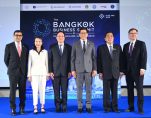
Public and private sector leaders at the closing of the Bangkok Business Summit 2026, Queen Sirikit National Convention Center.
Detailing the strategic “why, how, and design” of the national transition, Dr. Ekniti stated that entering new horizons is an unavoidable global imperative. While ASEAN is uniquely positioned to capture emerging opportunities, the region must guard against severe geopolitical, technological, and climate risks with proactive, unified action.
Dr. Ekniti Nitithanprapas, Deputy Prime Minister and Minister of Finance, at the closing panel of the Bangkok Business Summit 2026.
“The goals must be clear, and we are completely on the same page: Thailand must achieve high-income status,” said Dr. Ekniti.
“The recipe provided by the World Bank aligns directly with what our business leaders have outlined. An investment-led growth policy, private-sector-centred endeavours, and persistent implementation are what the government and business community are now executing together. Think of the seven new growth engines as our forwards on the pitch. The government acts as both coach and midfielder — spearheading investment, driving trade, empowering SMEs, unlocking regulatory friction, and cultivating human capital. Meanwhile, fiscal and financial stability serves as our steadfast defensive backline.”
Dr. Ekniti affirmed that the Joint Public and Private Committee (JPPC) will no longer function as a purely advisory body, but will operate as an executive economic steering council mandated to enact structural reforms and track execution against the World Bank’s recommendations.
“We will not be the same old Thailand. We will be driving the global agenda. Thailand will enter new horizons, empower people, and build resilience,” Dr. Ekniti emphasised. “In the next two years, Thailand will assume the Chairmanship of ASEAN. We will establish a long-term, multi-year agenda for a stronger, more resilient ASEAN. If this new model of public-private partnership carries on, we will decisively reinvent Thailand.”
Key leaders representing the Joint Standing Committee on Commerce, Industry, and Banking (JSCCIB) delivered strategic sector priorities to anchor the transition.
Representatives of the Joint Standing Committee on Commerce, Industry and Banking (JSCCIB) share Thailand’s strategic economic direction.
Payong Srivanich, Chairman of the JSCCIB and the Thai Bankers’ Association, underscored that reinventing the economy requires modernising legacy industries while creating space for future engines.
“From three core challenges – structural, competitiveness, and public-sector efficiency – came the White Paper outlining the seven industries of the future,” stated Mr. Payong. “This time, the government has presented a credible policy framework based on collaborative public-private partnership. Thailand must address fundamental security—whether in food, energy, or low-carbon growth. We are declaring to the world that we are done with planning and on the same page. Now we are geared up for execution.”
Dr. Poj Aramwattananont, Chairman of the Thai Chamber of Commerce and Board of Trade of Thailand, stressed that amid geopolitical friction, geoeconomics, and regional conflict, growth must be anchored in ASEAN’s 600-plus million people which serve as both supply and demand networks.
Adapting to international trading rules is inseparable from Thailand’s targeted accession to the OECD by 2028. The accession process acts as the structural catalyst to modernise domestic legislation, corporate governance, transparency, and fair market competition to premier global standards—lowering compliance costs and solidifying investor confidence.
Pimjai Leeissaranukul, Chairwoman of the Federation of Thai Industries, insisted that Thailand must build its own brand; it can no longer afford to be just the world’s OEM. She called for a decisive departure from labor-cost competition toward high productivity, automation, AI, and green sustainability. She advocated expanding target sectors—such as next-generation electric vehicles, smart electronics, automation, and wellness—while enforcing enhanced public procurement.
Carlos Felipe Jaramillo, Vice President for East Asia and Pacific at the World Bank, observed that the eyes of the financial world will be on Bangkok next month as it hosts the 2026 IMF–World Bank Group Annual Meetings, providing Thailand with a premier global stage to show that it is advancing on a credible pathway to attain high-income status by 2037.
“The World Bank has presented a series of structural reforms that Thailand can pursue to reach high-income status, creating more and better-paying jobs for young Thais in the future,” Mr. Jaramillo stated. “The plan deliberately puts the private sector at the center, because experience has taught us that the private sector is the primary engine of employment. This reform agenda is multifaceted, requiring coordinated national effort, and, more importantly, relentless persistence in implementation.”
The Bangkok Business Summit 2026 concluded with a clear consensus: today’s closing discussions mark the formal launch of sustained, institutionalised execution across the public sector, private enterprise, and multilateral institutions to ensure Thailand stands as a resilient economic anchor for the wider ASEAN region.
Hashtag: #JSCCIB
The issuer is solely responsible for the content of this announcement.
HONG KONG SAR – Media OutReach Newswire – 6 September 2026 – Shenzhen HQVT Technology Co., Ltd. (01392.HK), a prominent leader in China’s multispectral artificial intelligence sector, has published its interim financial results for the six months ended June 30, 2026. Marking the company’s inaugural operational scorecard following its listing on the Main Board of the Stock Exchange of Hong Kong on June 22, 2026, the interim report confirms accelerating commercial momentum across its core product lines. According to Frost & Sullivan data, HQVT ranks first in China’s overall multispectral AI industry and first in the multispectral AI large model services segment by revenue, reinforcing its established competitive moat across critical physical space safety scenarios. Further underscoring its market leadership, HQVT was recently recognized by LeadLeo Research as a top 10 benchmark vendor in China’s physical AI industry application practice.
Hong Kong Stock Connect Inclusion Set to Unlock Mainland Capital and Enhance Trading Liquidity
Hang Seng Indexes announced on August 21, 2026, that HQVT has been officially included in the Hang Seng Composite Index. The index change will be implemented after the market close on September 4, 2026, and will take effect on September 7, 2026. Upon this effective date, both the Shanghai and Shenzhen Stock Exchanges are expected to simultaneously add HQVT to the list of eligible stocks under the Stock Connect programs (Shanghai-Hong Kong Stock Connect and Shenzhen-Hong Kong Stock Connect). This will formally enable mainland Chinese investors to trade the stock through their Stock Connect accounts from September 7 onward.
The Stock Connect channel is expected to significantly broaden HQVT’s investor base by providing access to mainland China’s substantial retail and institutional capital pools. The influx of mainland investors via Stock Connect is poised to materially enhance trading liquidity.
Recent Financial Developments Of The Company
The financial results reflect a structural shift toward high-value software intelligence, with consolidated interim operating revenue reaching RMB 410.5 million, representing a strong year-over-year increase of 84.5%. The primary growth engine was multispectral AI foundation model services, which surged 382.5% year-over-year to RMB 320.0 million, elevating the segment’s revenue contribution. Excluding non-recurring listing expenses, adjusted net profit reached RMB 27.6 million, up 21.9% compared to the prior-year period, while net cash used in operating activities narrowed by 50.2% year-over-year to RMB 34.2 million, and cash and cash equivalents amounted to RMB 595.6 million as at 30 June 2026, keeping the financial position sound. To support long-term product differentiation, HQVT expanded its R&D expenditure by 125.3% year-over-year, maintaining an R&D headcount ratio of 43.1% and amassing a portfolio of 158 registered patents (including 101 invention patents) and 46 software copyrights.
Proprietary Multispectral Sensing Across Mission-Critical Infrastructure
HQVT’s technological foundation centers on its proprietary “Super Eye” perceptual platform, an integrated vision architecture that extends detection capabilities beyond visible light 380 nm – 780 nm into the ultraviolet 10 nm – 380 nm and thermal infrared 780 nm – 1 mm bands. Processing sensory inputs via the proprietary “Zhiyuan Origin Large Model”—which has completed dual filings with the Cyberspace Administration of China (CAC) and recently secured Shenzhen’s official model service provider qualification—the system detects micro-arcing, dielectric degradation, and localized thermal spikes long before physical combustion occurs. This capability is deployed through a three-tier collaborative defense matrix combining Tier-1 rack-level internal monitoring, Tier-2 room-level spatial sensing, and Tier-3 autonomous robotic patrol scanning.
This technological framework achieved significant commercial milestones across key industrial verticals during the first half of 2026. In the Internet Data Center (IDC) space, where high-velocity forced-air cooling systems often dilute smoke and hinder traditional detectors, HQVT secured large-scale AI foundation model deployment contracts from a prominent Shanghai state-owned enterprise and a Shenzhen-listed enterprise. Concurrently, in electrical power systems and new energy infrastructure, the company entered into a strategic collaboration agreement with Deep Robotics to integrate multispectral AI modules into quadruped robotic inspection platforms, enabling contact-free, online fault diagnostics across high-voltage substations, cable interlayers, and distributed battery energy storage installations.
Edge AI Breakthrough and Scalable Global SaaS Expansion
A major technical milestone during the interim period was the successful migration of HQVT’s foundation model architecture from centralized server clusters to compact Edge AI terminals powered by the NVIDIA Jetson AGX Orin platform. By removing the necessity for expensive on-premise compute servers and eliminating cloud-network latency, this on-device implementation drastically lowers initial capital expenditures while ensuring instantaneous safety responses. This edge breakthrough transforms HQVT’s commercial delivery model, facilitating product standardization and expanding the company’s addressable client base beyond large state-owned enterprises into the broader commercial market and small and medium-sized enterprises.
Soochow Securities, in its inaugural coverage report on HQVT dated July 31, 2026, assigns a “Buy” rating with a target price of HK$58.57 per share—implying approximately 113% upside from the Sept 04 closing price of HK$27.42. The broker’s valuation is anchored on 2027E revenue of RMB 1.31 billion at a 32x P/S multiple, citing the stock’s scarcity value as the only Hong Kong Main Board-listed multispectral physical AI pure-play, the industry’s 40%+ CAGR, and anticipated margin recovery as hardware costs are amortized across repeat projects. The report notes that the Edge AI breakthrough serves as the single largest near-term catalyst, with commercialization orders representing the critical verification point for investors.
Looking ahead, HQVT is directing its IPO capital toward expanding production capacity, advancing edge-model iterations, and executing an international go-to-market strategy. To penetrate overseas markets, the company has partnered with Singapore-based LINKWISE to accelerate deployments across Southeast Asian data centers and is actively preparing channel rollouts in the Middle East and Europe. By pairing standardized edge perception hardware with cloud-based Software-as-a-Service (SaaS) subscription tiers for analytics and diagnostic reporting, HQVT is positioning itself to build recurring, high-margin international revenue streams within the global physical AI safety sector. The interim results approval by the board on August 28, 2026, and the September 7 Stock Connect effective date represent the two immediate catalysts for investor attention.
Hashtag: #ShenzhenHQVTTechnology
The issuer is solely responsible for the content of this announcement.
Arabian Post Staff -Dubai Emirates has introduced an electrically powered Premium Economy seat with a full-height adjustable privacy divider, a feature the Dubai carrier says is a world first for the cabin category. The seat is debuting on newly delivered Airbus A350 aircraft and marks Emirates’ first fully electric Premium Economy product. Passengers can raise or lower the divider using seat controls and lock it at the […]
Arabian Post Staff -Dubai Al Mazunah Free Zone has lifted cumulative investment above OMR141 million after localising four new projects in the first half of 2026, according to figures released by its operator, the Public Establishment for Industrial Estates, or Madayn. The four projects carry investment of more than OMR620,000 and cover industrial and logistics activities as well as export offices. Together they will occupy more than […]
The World Meteorological Organization has warned that the developing El Niño could become the strongest observed in decades, sharply increasing risks of extreme heat, droughts and floods into 2027. The UN weather agency said El Niño is now firmly established across the tropical Pacific and is expected to strengthen into a very strong event before peaking towards the end of 2026. Forecasts from WMO global prediction centres […]
As part of his official visit to Vietnam, on the afternoon of September 4, 2026, His Excellency Min Aung Hlaing, President of the Republic of the Union of Myanmar, and the high-level Myanmar delegation visited the VinFast Hai Phong Manufacturing Complex, where they learned firsthand about the remarkable and rapid development journey of the Vietnamese automotive brand.
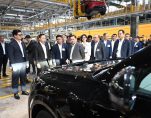
HAI PHONG, VIETNAM – Media OutReach Newswire – 5 September 2026 – Mr. Pham Nhat Quan Anh, Chairman of VinFast, personally welcomed His Excellency President Min Aung Hlaing and led the delegation throughout their visit to the VinFast Hai Phong Manufacturing Complex. Mr. Quan Anh accompanied the President and the delegation through the Body Shop and General Assembly Shop, introducing VinFast’s integrated manufacturing processes, advanced production lines featuring a high level of automation, and its internationally competitive portfolio of electric vehicles.
Myanmar President Min Aung Hlaing was impressed by the scale of the factory and VinFast’s diverse lineup of electric cars and electric motorcycles.
At the General Assembly Shop, where VinFast vehicles are completed, President Min Aung Hlaing expressed his strong impression of the quality and high standards of VinFast’s Vietnamese-made electric vehicles. The President also praised the modern infrastructure and advanced facilities of the manufacturing complex, as well as VinFast’s remarkable journey in establishing itself as the No. 1 automotive brand in Vietnam and rapidly expanding its presence internationally.
As of September 2026, VinFast has maintained the No. 1 position in Vietnam’s automotive market for 24 consecutive months, while expanding its presence to more than 10 countries worldwide, including key markets such as Indonesia, India, the Philippines and North America.
The visit by President Min Aung Hlaing takes place against the backdrop of Vietnam and Myanmar strengthening cooperation across multiple areas, contributing to greater connectivity and exchanges, while opening up new opportunities for cooperation between the business communities of the two countries.
The visit also provided an opportunity for VinFast to showcase to Myanmar’s leadership the latest achievements of Vietnam’s automotive industry, as well as the manufacturing capabilities and technological expertise of a Vietnamese enterprise. It further contributed to strengthening connectivity between Vietnam and Myanmar in the areas of industry, trade and green mobility.
As one of Vietnam’s modern automotive manufacturing complexes, the VinFast Hai Phong Manufacturing Complex represents an important milestone in the journey of a Vietnamese automotive brand onto the global stage. Built on its manufacturing foundation in Vietnam, VinFast is expanding its operations across international markets, with a strategic focus on developing a green mobility ecosystem and accelerating the transition toward electric transportation.
The VinFast Hai Phong Manufacturing Complex has previously welcomed numerous senior leaders and heads of state during their official visits to Vietnam. Former Indonesian President Joko Widodo, former President of Bulgaria Rumen Radev and former Prime Minister of Luxembourg Xavier Bettel are among the international leaders who, while in office, visited the facility, toured VinFast’s electric vehicle production lines and learned firsthand about VinFast’s electric vehicle offerings.
The visits by heads of state and senior leaders to the VinFast Manufacturing Complex not only reflect international interest in the manufacturing capabilities and technological potential of a Vietnamese enterprise but also create opportunities to strengthen economic connectivity and advance cooperation in industry and green mobility between Vietnam and countries across the region.
With its vision of “For a Green Future,” VinFast continues to accelerate investment in manufacturing capabilities, technology and its electric vehicle ecosystem, with the ambition of bringing Vietnamese green mobility products and solutions to an increasing number of customers around the world.
Hashtag: #VinFast
The issuer is solely responsible for the content of this announcement.
OpenAI has committed $1 billion to subsidise access to its Daybreak cybersecurity programme, targeting essential-service operators and other under-resourced defenders as artificial intelligence rapidly reshapes both cyber attacks and cyber defence. The company said the funding will support subsidised access to Daybreak models and products, training, technical assistance and partnerships, with the initial focus on the United States. OpenAI said it expects the commitment to be consumed […]