Just in:
Jaiedco and Golden Bridge Announce Strategic Collaboration for a New Dubai Islands Development // International Business Leaders Say Xi’s Speech Boosts Confidence in Asia-Pacific Cooperation // Hackers exploit public notes to distribute NodeLinkRAT malware // Phancy Announces Business Performance for the Nine Months Ended September 30, 2026 // Dubai Introduces SHARH, an AI-Powered Platform Helping Entrepreneurs Buy, Sell and Manage Businesses in the UAE // Russia permits retail cryptocurrency purchases under regulated framework // Dar Global unveils $700m Trump development in Qatar // Anthropic shares finish above offer price after Nasdaq debut // Oil futures rebound after Riyadh strikes and tanker alerts // LittleLives, Little Lab and SEGi College Sign MOU to Explore Early Childhood Education Collaboration Across ASEAN // Workday targets Honeydew purchase to unify AI metrics // Anthropic’s debut is lifting markets, but someone is still paying for it // Yeebo Announces Interim Results for FY26/27 Revenue Increases by 45.5% to HK$806.7 Million Profit Attributable to Owners Surges 87.6% to HK$2,284.7 Million // Sui activates Hashi Bitcoin lending across partner network // Women held for plot to rob pilgrims // Alibaba shares slip despite 53% cloud revenue growth // Dalilk Academy reaches 27 million, targets 100 million by 2030 // Malappuram hartal over Western Ghats // Antony’s wife called to police station with husband over complaint // Coinbase targets 2027 launch amid state gambling lawsuits //

News related to
Electric

Oil prices have declined, with Brent crude futures dropping 41 cents to $72.47 per barrel, and U.S. West Texas Intermediate crude futures falling 39 cents to $68.99 per barrel. China’s oil demand is projected to peak by 2027, with fuel consumption slowing. The U.S. dollar has reached its highest value since November 22, making commodities more expensive for holders of other currencies. OPEC+ has reduced its 2024 […]

Elite Group Holding, a diversified UAE-based conglomerate, has announced plans to develop a one million square foot integrated facility in Dubai Industrial City, with an investment of Dhs100 million. This strategic move aims to bolster the company’s presence in the automotive and e-commerce sectors.

The new facility is expected to support Elite Group Holding’s expansion and strengthen its foothold in these industries. The company, known for its luxury automotive dealership, The Elite Cars, holds exclusive partnerships with brands such as Zenvo Automotive, Jetour, and Soueast. Additionally, it operates ART Elite Car Rental and other subsidiaries.

Saud Abu Alshawareb, Executive Vice President of Industrial at TECOM Group, emphasized the significance of the automotive industry’s pursuit of innovation in driving economic activity, attracting investment, and creating new skill-based jobs. He noted that Elite Group Holding’s investment underscores the growing confidence in the UAE’s robust business ecosystem and its attractiveness for companies seeking to expand their regional footprint.

The project aligns with several UAE national strategies, including Operation 300bn, Make it in the Emirates, and the Dubai Economic Agenda ‘D33’. By enhancing efficiencies across vital sectors such as automotive and e-commerce, the new hub is expected to catalyze industry excellence and positively impact society and the economy.

Tamer Abu Khalaf, partner of Elite Group Holding, expressed enthusiasm about the company’s future growth and the project’s role in expanding its presence in key sectors. He stated that this investment marks a pivotal step in broadening their footprint across key sectors and solidifying their presence in the dynamic region. Khalaf highlighted that Dubai Industrial City aligns perfectly with their vision to innovate and lead in industries shaping tomorrow’s economy, offering a center of excellence to drive efficiency, sustainability, and innovation across their operations.

The group’s growth strategy includes launching new branches, expanding dealership networks, and building strategic partnerships to bring leading luxury and premium automotive brands to the UAE. Their focus on eco-friendly solutions, such as electric and hybrid vehicles, and advancing digital integration across e-commerce and automotive operations aligns with the UAE’s sustainability goals.

The facility’s strategic location within Dubai Industrial City offers several advantages, including proximity to Al Maktoum International Airport, Jebel Ali Port, and key national roadways. This positioning will allow Elite Group Holding to streamline operations and expand its reach in both local and international markets. The site will also benefit from an Etihad Rail freight terminal, further enhancing its logistics capabilities.

Charabanc Transportation has unveiled a new fleet of Ankai buses in the UAE, marking a significant expansion of its operations. The move is set to revolutionize the region’s public transport infrastructure and enhance the travel experience for commuters across the country.

The fleet of Ankai buses, produced by the Chinese manufacturer Ankai, has been designed with advanced features aimed at improving comfort, efficiency, and sustainability. Charabanc’s decision to invest in these buses comes as part of its long-term strategy to modernize its offerings, catering to the growing demand for eco-friendly and technologically advanced public transport solutions.

The introduction of Ankai buses signals a significant step in the UAE’s ongoing efforts to develop a more sustainable and modern transportation network. The country has been focusing on reducing its carbon footprint, with various initiatives aimed at promoting electric and hybrid vehicles across different sectors. By adding Ankai’s energy-efficient buses to its fleet, Charabanc is not only contributing to these sustainability goals but also providing a more reliable and comfortable option for passengers.

Ankai buses are known for their high standards of quality, durability, and safety. With a wide range of models tailored for different needs—ranging from city buses to long-distance coaches—the company offers a versatile solution for urban and intercity travel. The new fleet in the UAE will include both electric and hybrid models, further aligning with the region’s commitment to environmental sustainability. These buses come equipped with state-of-the-art technology, offering features such as enhanced air filtration systems, Wi-Fi connectivity, and real-time passenger tracking, ensuring a modern and seamless travel experience.

The addition of these buses is also expected to boost Charabanc’s competitive edge in the UAE’s growing transportation sector. As one of the key players in the region’s bus transportation industry, the company is positioning itself to meet the demands of an increasingly urbanized population. The UAE’s population is rapidly expanding, with a growing number of residents and tourists in major cities like Dubai, Abu Dhabi, and Sharjah. This surge in population, coupled with increasing urbanization, has placed a heavy burden on the existing transportation infrastructure, highlighting the need for more efficient, reliable, and sustainable public transport options.

By introducing Ankai buses, Charabanc is addressing these challenges while enhancing the overall quality of public transportation. The company’s decision also comes as the UAE government has been investing heavily in infrastructure, with a focus on green transportation initiatives. The UAE Vision 2021 plan, which aims to make the country a hub for sustainable development, has spurred investment in green technology, especially in the transportation sector.

As part of its rollout, Charabanc Transportation has focused on not only expanding its fleet but also ensuring that the buses meet the stringent safety and environmental standards set by the UAE authorities. The buses are equipped with cutting-edge safety systems, including collision detection, automated emergency braking, and advanced driver-assistance systems. These features are designed to improve road safety and reduce the likelihood of accidents, contributing to the overall safety of commuters.

The introduction of Ankai buses also signals the company’s commitment to improving the overall experience for passengers. As cities become more congested, the demand for efficient, comfortable, and environmentally friendly transport options continues to rise. Charabanc aims to meet this demand by offering a modernized fleet that not only meets the practical needs of commuters but also enhances their travel experience. The addition of onboard amenities like Wi-Fi, air conditioning, and ergonomic seating ensures that passengers have a comfortable journey, whether they are traveling for business or leisure.

The UAE government’s support for sustainable public transport solutions has played a critical role in shaping the industry landscape. With the nation’s leadership prioritizing green initiatives, Charabanc’s introduction of Ankai buses aligns well with the government’s goals. Public transport is seen as a crucial component of the country’s broader environmental strategy, and the integration of eco-friendly buses into the system is expected to be a major step forward in reducing the carbon footprint of transportation in the UAE.

Ankai buses are already widely used in several countries, including China, where the manufacturer is headquartered. The company has built a reputation for producing high-quality buses that are both cost-effective and eco-friendly, making them an attractive choice for public transport operators worldwide. By choosing Ankai, Charabanc is tapping into a trusted brand that has proven its reliability in various international markets.

Charabanc’s investment in this new fleet comes at a time when many transportation companies are looking to modernize their services to meet the needs of the 21st century. The shift towards more sustainable, efficient, and technologically advanced transport solutions is becoming increasingly important in the UAE and beyond. As the region’s public transport infrastructure continues to evolve, the introduction of Ankai buses represents a forward-thinking approach that blends innovation with sustainability.

BANGKOK, THAILAND – Media OutReach Newswire – 20 December 2024 – DBP has once again been recognized as a trailblazer in sustainability with the conferment of two prestigious accolades at the ACES Awards 2024: the Outstanding Leaders in Asia Award and the Green Initiative Award. These honors recognize DBP’s enduring commitment to environmental stewardship, responsible economic growth, and social inclusion—principles that have guided the institution since its […]

ENOC Group has announced a strategic partnership with Drive Terra to deploy an extensive battery swapping network across the United Arab Emirates. This initiative aims to revolutionize the e-bike infrastructure in the region, promoting sustainable transportation solutions and supporting the UAE’s Net Zero by 2050 strategic initiative. The collaboration between ENOC, a leading energy group, and Drive Terra, a pioneer in battery swapping technology for last-mile delivery […]

A parliamentary session in Abkhazia’s capital, Sokhumi, turned deadly as lawmakers debated a bill to ban cryptocurrency mining. Deputy Vakhthang Golandzia was fatally shot, and Deputy Kan Kvartchia sustained injuries during the altercation. The primary suspect, Deputy Adgur Khazaria, fled the scene and remains at large.

The incident unfolded during discussions on prohibiting cryptocurrency mining, a practice that has exacerbated Abkhazia’s ongoing electricity crisis. Despite previous bans, illegal mining operations have persisted, straining the region’s power infrastructure. Authorities have intensified efforts to enforce the ban, seizing over 600 mining devices this year.

Abkhazia’s energy challenges are compounded by its reliance on the Inguri hydroelectric power station, which has faced operational issues. The region has experienced severe electricity shortages, leading to rolling blackouts and limited daily power supply. Efforts to secure additional energy resources from Russia have been complicated by financial constraints and geopolitical tensions.

The fatal shooting has intensified scrutiny of Abkhazia’s internal political dynamics and the influence of illicit economic activities. The parliament’s debate over the cryptocurrency mining ban reflects broader concerns about the region’s economic stability and governance challenges. As authorities search for the suspect, the incident underscores the volatility surrounding contentious policy discussions in the region.

As the new year approaches and the book on an eventful year in the energy world closes, 2025 looks set to bring more volatility, geopolitical tension and policy evolutions. Elections in almost all major global economies in 2024 have set the stage for a shifting policy landscape next year, most notably in the US, as President-elect Donald Trump outlines his priorities and plans for the incoming administration. […]

Advertisements

By Saifur Rahman The International Monetary Fund (IMF) on Wednesday said, it will grant US$645 million to support Bangladeshi economy, about US$105 million less than the US$750 million sought by Bangladesh Government to overcome current economic challenges. Of this, around US$426 million will be provided under IMF’s Extended Credit Facility (ECF) and Extended Fund Facility (EFF), while US$219 million will be made available under the Resilience and […]

Bitcoin has reached a historic milestone, surpassing 14% of the total market capitalization of gold. This new all-time high highlights the growing prominence of the cryptocurrency as an alternative asset class, even as gold continues to be viewed as a safe haven for investors. As digital assets gain more traction, Bitcoin’s increasing share of gold’s market cap reflects the shift in investor sentiment and the broader financial landscape.

The surge in Bitcoin’s market cap, which now stands at over $500 billion, represents a remarkable evolution for the cryptocurrency. When Bitcoin was first introduced in 2009, it was dismissed by many as a speculative asset with little to no tangible value. Today, however, it is a mainstream financial instrument, widely recognized and traded by institutional investors, hedge funds, and retail traders alike. The ongoing growth of Bitcoin’s value has contributed to a steady increase in its share of gold’s market capitalization, marking a significant milestone for digital currencies.

Gold, with a market cap of around $11 trillion, has long been considered a stable store of value. For centuries, investors have flocked to the precious metal as a hedge against inflation and market instability. Bitcoin, on the other hand, is still relatively young and volatile. Despite this, the cryptocurrency has earned its place in the broader financial ecosystem, with its market share increasingly viewed as a legitimate complement to traditional assets like gold.

The correlation between Bitcoin and gold has been the subject of much debate among financial experts. Some argue that Bitcoin’s rise signals a fundamental shift away from traditional assets, as digital currencies offer more flexibility, transparency, and security. Bitcoin’s decentralized nature allows it to function outside the influence of central banks and governments, which gives it a unique appeal in times of economic uncertainty. Proponents see it as a “digital gold,” offering similar benefits in terms of wealth preservation but with additional benefits such as greater divisibility and ease of transfer.

Conversely, others point out that Bitcoin’s volatility makes it a riskier asset compared to gold. While gold has a long history of stable pricing, Bitcoin has experienced significant fluctuations in value, with its price rising and falling dramatically over short periods. This volatility has raised concerns among some investors, particularly those who are risk-averse. Despite these concerns, the appeal of Bitcoin as an investment continues to grow, as evidenced by its increasingly large share of the global market.

A major factor contributing to Bitcoin’s rising market cap is the increasing adoption of the cryptocurrency by institutional investors. Hedge funds, family offices, and even publicly traded companies are now incorporating Bitcoin into their portfolios as a hedge against inflation and market volatility. The involvement of these institutional players has legitimized Bitcoin as an asset class, pushing its value higher. Large financial institutions like Fidelity, JPMorgan, and Goldman Sachs have begun offering Bitcoin-related services, providing additional legitimacy to the cryptocurrency market.

The growing interest in Bitcoin has been bolstered by regulatory developments that have provided greater clarity on its legal status in many countries. Governments and financial regulators around the world have taken steps to integrate digital currencies into the formal financial system, which has helped to build trust in Bitcoin. The approval of Bitcoin exchange-traded funds (ETFs) in various markets, along with clearer regulations regarding its taxation, have added to the cryptocurrency’s appeal.

However, Bitcoin still faces challenges in fully replacing gold as a store of value. For one, it is far less widely accepted as a medium of exchange than gold, which has been used as currency for thousands of years. While Bitcoin is increasingly accepted as a payment method by online merchants, it is not as universally accepted as gold, which is still widely recognized and used in various industries, from jewelry to electronics.

Bitcoin’s energy consumption has been a point of contention for many environmentalists and critics. The process of mining Bitcoin requires vast amounts of computational power, which in turn consumes significant amounts of electricity. This has led to concerns about the environmental impact of Bitcoin mining, with some countries and regions moving to restrict or ban mining operations. While efforts are being made to address these concerns through the use of renewable energy sources in Bitcoin mining, the issue remains a challenge for the cryptocurrency’s broader adoption.

Despite these challenges, the growing market capitalization of Bitcoin relative to gold underscores the shifting dynamics in the financial world. The cryptocurrency’s increasing prominence has led some to speculate that it could eventually rival gold as a dominant store of value. If Bitcoin continues to gain market share at its current pace, it could challenge gold’s supremacy in the long run, particularly if the global financial system moves further toward digitization.

One of the key factors driving this shift is the global macroeconomic environment. In the wake of the COVID-19 pandemic, central banks around the world have implemented unprecedented monetary policies, including low interest rates and massive fiscal stimulus measures. These policies have led to concerns about inflation and the erosion of traditional currencies. As a result, many investors have turned to Bitcoin as a hedge against the potential devaluation of fiat currencies. With its finite supply and decentralized nature, Bitcoin is seen by some as a more secure store of value in a world of increasingly unpredictable monetary policy.


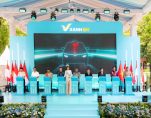
JAKARTA, INDONESIA – Media OutReach Newswire – 18 December 2024 – PT Xanh SM Green And Smart Mobility has officially launched its electric taxi service, Xanh SM, in Indonesia. Indonesia is the third Southeast Asian country to welcome Xanh SM, following Vietnam and Laos. This milestone solidifies the company’s role as a trailblazer in bringing innovative green mobility solutions to the world under its “Go Green Global” […]

China has implemented an export ban on essential high-tech goods, marking a significant shift in the global semiconductor industry. The move, which targets critical technologies such as advanced chips, comes as a direct response to the United States’ increasing restrictions on Chinese access to semiconductor technology. This escalating tension between the two countries is threatening to disrupt an already fragile global supply chain, where China plays a […]

AtNorth, a Nordic leader in high-performance computing (HPC), colocation, and AI services, has secured a significant plot of land in Långsele, located within Sweden’s Sollefte Municipality at Hamre Industripark. This acquisition, which spans 30 hectares, marks a key milestone in the company’s strategy to enhance its data center capabilities and reinforce its position within the global tech infrastructure market. The land, chosen for its prime location and […]

Infinity Power, a prominent renewable energy developer partly owned by Masdar, is evaluating the possibility of launching an initial public offering (IPO) on the Abu Dhabi Securities Exchange (ADX) within the next two to three years. The company’s chairman, Mohamed Jameel Al Ramahi, revealed this potential move in an interview, signaling Infinity Power’s ambition to expand its influence in the global clean energy sector. Infinity Power is […]

KUALA LUMPUR, MALAYSIA – Media OutReach Newswire – 18 December 2024 – 2024 has been a year of contradictory events, significant economic changes, and major political shifts. On a positive note, it was the year when global central banks finally managed to tackle inflation, partly induced by the negative and far-reaching effects of the COVID pandemic and partly by the more recent geopolitical events. After holding borrowing […]

Landmark Motorsport Conference to Debut in Macau, Uniting Delegates from 147 Countries MACAO SAR – Media OutReach Newswire – 17 December 2024 – The Fédération Internationale de l’Automobile (FIA) have announced, after a global bidding exercise, the 2025 Extraordinary General Assemblies and Conference will take place in Macau from June 10 – 13, 2025, at the state-of-the-art Galaxy International Convention Center (GICC). Hosted in partnership with the […]

Parkin and BATIC, two prominent players in the realm of urban mobility solutions, have announced a strategic collaboration aimed at transforming parking systems in Saudi Arabia. The partnership focuses on leveraging cutting-edge technologies to enhance the efficiency and accessibility of parking infrastructure across key urban areas. Parkin, a company known for its innovative smart parking systems, and BATIC, a leader in digital transformation solutions for the transport […]

Vantage Data Centers, a leading global provider of hyperscale data center campuses, has secured a €1.4 billion ($1.5 billion) investment to bolster its operations across Europe, the Middle East, and Africa (EMEA). This substantial capital infusion comes from GIC, a prominent global investor, and MEAG, the asset manager for Munich Re Group. The transaction marks GIC’s inaugural investment in Vantage’s EMEA platform and signifies an expansion of […]

US investors are closely watching the performance of the Gulf Cooperation Council (GCC) countries, with expectations that they will soon surpass Latin America in key global equity indices such as MSCI and FTSE. As geopolitical stability, economic diversification, and investment-friendly policies continue to reshape the GCC region, investor sentiment is shifting in favor of markets like Saudi Arabia, the UAE, and Qatar. These shifts are positioning the GCC as a competitive alternative to Latin American markets, which have traditionally dominated emerging market portfolios.

The transformation of the GCC has been driven by the Vision 2030 initiatives in Saudi Arabia and similar long-term strategies in the UAE, Oman, and other member states, which aim to reduce dependence on oil exports and stimulate private-sector growth. The shift towards sustainable, knowledge-based economies has attracted foreign investment, with an increasing number of global funds seeking exposure to these markets. As a result, GCC markets are becoming more integrated into international investment indices, which influences investor behavior and portfolio allocations.

Over the last few years, the region has experienced remarkable economic resilience. Saudi Arabia, for instance, has embarked on large-scale infrastructure projects, including the $500 billion NEOM city, aiming to transform the country into a global tech hub. The UAE’s successful diversification into technology, tourism, and finance, alongside Qatar’s investments in real estate and sports, have been pivotal in shaping the region’s economic future. These developments have helped insulate the GCC from global economic shocks that have impacted other emerging markets, particularly in Latin America.

On the other hand, Latin America faces several challenges, including political instability, high inflation rates, and the ongoing effects of the COVID-19 pandemic. While countries like Brazil and Mexico continue to attract significant foreign investment, they struggle with internal issues that undermine their competitiveness in global markets. Currency devaluations, fiscal deficits, and socio-political unrest have made it difficult for Latin American nations to maintain the economic momentum necessary to attract sustained foreign capital flows.

One key factor driving the GCC’s rise in global indices is the region’s regulatory reforms and commitment to improving market transparency. The recent opening up of Saudi Arabia’s stock market to foreign investors has significantly boosted its profile in the MSCI Emerging Markets Index, making it one of the most important global equity markets. Likewise, the UAE and Qatar have undergone similar reforms to make their markets more attractive to international investors. These changes have helped secure the region’s position as a top destination for investment.

By contrast, Latin American markets face continued hurdles in enhancing their market accessibility to foreign investors. While efforts to reform capital markets have been made, the pace of regulatory change has often been slow, and institutional instability in countries like Argentina and Venezuela poses ongoing risks to foreign capital. The lack of uniform regulatory standards across the region makes it harder for investors to manage risk efficiently compared to the more standardized frameworks seen in the GCC.

Investor preferences are also shifting toward sectors where the GCC has a clear competitive advantage. The rise of the global green economy, for instance, has created new opportunities for the region, particularly in the fields of renewable energy and sustainable infrastructure. Countries like Saudi Arabia and the UAE have announced major green energy projects that are not only environmentally beneficial but also expected to generate long-term economic returns. These initiatives align well with the investment priorities of ESG (Environmental, Social, and Governance) focused funds, further boosting the region’s appeal.

Latin America, by contrast, has yet to fully tap into the green economy. While there are emerging opportunities, the lack of coherent national strategies and adequate infrastructure to support renewable energy projects has hindered the region’s growth in this space. The region’s natural resources, such as lithium and copper, are essential for the global transition to electric vehicles, but the lack of stable governance and investment in infrastructure has delayed progress.

The relative stability of GCC countries—especially in terms of governance and fiscal policy—has made them more attractive to foreign investors. With some Latin American countries struggling with political volatility, the GCC offers a more secure investment environment. Saudi Arabia’s Crown Prince Mohammed bin Salman has implemented various reforms to strengthen the business environment, which have been widely praised by foreign investors. Similarly, the UAE’s policies of attracting global talent and fostering innovation have made it one of the most dynamic economies in the region.

As the global economic landscape shifts, the GCC’s strong economic fundamentals, combined with its strategic initiatives to diversify and attract foreign capital, are making it a prominent contender for investors. The region’s stock markets are likely to continue their upward trajectory, surpassing Latin America in indices like MSCI and FTSE, further consolidating their position in the global investment community.

Continuous investments have bolstered DHL’s aviation network and ground facilities in the past year, enabling it to support new trade demands and the traditional peak season spike The company saw 6% more international shipments move between Asia Pacific and other continents through its network, comparing the first nine months of 2023 and 2024 SINGAPORE – Media OutReach Newswire – 17 December 2024 – DHL Express, has bolstered […]

A powerful cyclone struck Mayotte, a French overseas territory located in the Indian Ocean, causing extensive damage to infrastructure and homes across the region. The storm, which intensified to hurricane strength, battered the island with relentless winds and heavy rain, leading to destruction that officials are likening to the aftermath of a catastrophic event. The cyclone made landfall over the weekend, with winds reaching speeds of up […]

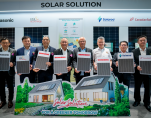
Enjoy 10% S-Coin Cashback at all Senheng and senQ outlets SETIA ALAM MALAYSIA – Media OutReach Newswire – 16 December 2024 – Senheng is excited to announce the launch of its nationwide solar solutions, now available across all Senheng and senQ outlets. With more than 100 outlets across Malaysia, Senheng is making it easier for Malaysians to switch to solar energy and enjoy significant savings on energy […]

The Sharjah Roads and Transport Authority (SRTA) has launched an interactive initiative at Zahia City Center to strengthen public understanding of its road and transport services. This three-day event is designed to foster greater community engagement while showcasing the Authority’s focus on sustainable infrastructure and improved public transportation systems.

Visitors to the platform are being introduced to SRTA’s latest technological solutions and future projects aimed at enhancing urban mobility across the emirate. Through engaging displays and interactive tools, attendees can explore how SRTA’s initiatives contribute to better connectivity, reduced environmental impact, and overall quality of life.

Highlighting the Authority’s dedication to innovation, the platform showcases a variety of ongoing projects and services. This includes plans for road network expansion, public transit enhancements, and the introduction of environmentally friendly transport options. Officials have emphasized that the event provides a direct avenue for the public to voice concerns, suggest improvements, and gain insights into how SRTA is shaping the region’s transport infrastructure.

The event also features demonstrations of smart transportation tools, such as mobile applications that provide real-time updates on bus schedules, parking availability, and route planning. These technologies reflect SRTA’s commitment to integrating digital advancements to address urban transport challenges efficiently.

A key feature of the initiative is its focus on sustainability. SRTA has underlined its efforts to align with global environmental goals, introducing measures such as energy-efficient street lighting and plans to transition to electric buses. The platform also educates visitors on how these projects contribute to reducing carbon emissions and promoting eco-conscious travel options within Sharjah.

Transport experts attending the event praised the initiative as a step forward in addressing the growing demands of an expanding population. They noted that effective public engagement plays a critical role in the successful implementation of large-scale transport projects. By providing an opportunity for the community to interact with officials, SRTA ensures its services align with the needs and expectations of its residents.

The event comes as Sharjah continues to expand its infrastructure to accommodate economic growth and urbanization. Strategic plans to enhance connectivity between key industrial, commercial, and residential hubs are underway, supported by a combination of government funding and private sector collaboration. These efforts are expected to boost the emirate’s competitiveness as a leading destination for investment and tourism.

Among the highlights at Zahia City Center are detailed presentations on SRTA’s upcoming projects, including new road networks and transit corridors. These developments are expected to ease congestion, improve safety, and shorten travel times for commuters. Officials at the event reiterated the Authority’s mission to create a transport system that is accessible, inclusive, and sustainable for all segments of society.

The Authority’s efforts have also drawn attention for their emphasis on technology-driven solutions. SRTA’s adoption of artificial intelligence in traffic management, such as adaptive signal control systems and predictive maintenance for infrastructure, showcases its forward-thinking approach to addressing urban transport challenges.

BANGKOK, THAILAND – Media OutReach Newswire – 13 December 2024 – The ACES Awards, organised by MORS, spotlight a dynamic spectrum of leaders and enterprises across Asia that exemplify the power of strategic innovation, sustainability, and community engagement. With a diverse array of honourees—from satellite communications in Brunei and financial services in Hong Kong, to renewable energy in the Maldives and coffee craftsmanship in Vietnam—this year’s recognitions […]

State-owned Saudi Electricity Co. has secured a significant $3.6 billion internationally syndicated credit facility. This financing is designed for general corporate purposes, marking a major financial milestone for the utility company. The credit facility spans five years with the added flexibility of two one-year extension options, ensuring that the company has a robust financial buffer for its future operations and growth.

The financing deal is being provided by a group of 13 banks, including several leading international financial institutions. The consortium includes the Industrial and Commercial Bank of China (ICBC), Bank of China, Agricultural Bank of China, Bank of Communications, and China Construction Bank, alongside prominent regional banks such as KfW IPEX Bank, State Bank of India, and First Abu Dhabi Bank. The deal also involves Abu Dhabi Commercial Bank, Abu Dhabi Islamic Bank, Boubyan Bank, Dubai Islamic Bank, and Saudi Investment Bank.

This syndicate brings together a diverse mix of global and regional financial powerhouses, reinforcing Saudi Electricity Co.’s credibility and appeal in the global market. It highlights the strong international trust in the company’s ability to meet its financial obligations. The financing agreement is seen as an essential move to strengthen the company’s operational capacity and support its expansion initiatives across Saudi Arabia’s rapidly developing energy sector.

Saudi Electricity Co. is the primary electricity provider in the Kingdom of Saudi Arabia, playing a critical role in supporting the nation’s growing demand for power. The company is involved in the generation, transmission, and distribution of electricity, with a wide-reaching infrastructure that covers both urban and rural areas. As part of the Saudi government’s Vision 2030, the company is expected to continue investing in its infrastructure to support the kingdom’s growing energy needs, driven by both population growth and industrial development.

The newly secured syndicated credit facility is part of Saudi Electricity Co.’s strategy to diversify its funding sources and enhance its financial stability in the face of ongoing energy sector reforms. With Saudi Arabia pushing forward with ambitious diversification plans under Vision 2030, the demand for electricity continues to rise, creating further pressure on the country’s energy utilities to expand and modernize their infrastructure.

The five-year tenor of the loan, with the potential for two one-year extensions, provides Saudi Electricity Co. with a long-term financial cushion to undertake projects that will modernize and expand its power generation and distribution systems. It also aligns with the company’s ongoing efforts to increase the efficiency of its operations and integrate renewable energy sources into its grid. The company is exploring a range of technologies to boost its renewable energy capacity, aligning with the country’s broader sustainability goals.

The consortium of banks involved in this deal underscores the strong ties between Saudi Arabia and key global financial institutions, particularly those from China and the Gulf region. China has emerged as one of the major international partners for Saudi Arabia, with a growing interest in the country’s infrastructure and energy sectors. This trend is likely to continue as the two countries strengthen their economic and political relationships, driven by mutual interests in energy security and economic diversification.

The involvement of regional banks such as First Abu Dhabi Bank and Dubai Islamic Bank also highlights the ongoing collaboration between Saudi Arabia and the UAE. The UAE has been an active participant in the broader Gulf region’s energy sector, with many of its financial institutions looking to expand their presence in Saudi Arabia’s burgeoning energy market.

The loan facility also comes at a time when Saudi Electricity Co. is looking to improve its financial profile. While the company has historically relied on state-backed financing, this syndicated loan deal represents a step towards accessing global capital markets. The participation of a diverse array of international and regional banks suggests that Saudi Electricity Co. is becoming more integrated into the global financial ecosystem, reflecting its evolving role in the Kingdom’s energy transition.

This syndicated loan is expected to help Saudi Electricity Co. fulfill its mission of modernizing and expanding its infrastructure to meet growing electricity demands. It will also bolster its ability to integrate clean and renewable energy sources into the grid, supporting the broader goal of reducing the country’s carbon footprint and advancing sustainability efforts.

The move is also part of Saudi Electricity Co.’s long-term strategy to maintain financial flexibility and reduce its reliance on government support. By securing funding from a range of international and local financial institutions, the company is positioning itself for future growth, both in the domestic and regional energy markets. The successful closure of this facility also serves as an endorsement of the company’s financial health and strategic direction, providing it with the resources needed to maintain its pivotal role in the energy sector.

VISHNU RAJA
RYO YAMADA
HITORI GOTOH
IKUYO KITA
Just in:
Dar Global unveils $700m Trump development in Qatar // Coinbase targets 2027 launch amid state gambling lawsuits // Alibaba shares slip despite 53% cloud revenue growth // Anthropic’s debut is lifting markets, but someone is still paying for it // Yeebo Announces Interim Results for FY26/27 Revenue Increases by 45.5% to HK$806.7 Million Profit Attributable to Owners Surges 87.6% to HK$2,284.7 Million // Dalilk Academy reaches 27 million, targets 100 million by 2030 // AXS and PayerMax Advance Omnichannel Payment Acceptance for Merchants // International Business Leaders Say Xi’s Speech Boosts Confidence in Asia-Pacific Cooperation // Russia permits retail cryptocurrency purchases under regulated framework // Hackers exploit public notes to distribute NodeLinkRAT malware // Sui activates Hashi Bitcoin lending across partner network // Promoting Common Human Development Through Exchanges and Mutual Learning Among Civilizations // Workday targets Honeydew purchase to unify AI metrics // Antony’s wife called to police station with husband over complaint // Women held for plot to rob pilgrims // Anthropic shares finish above offer price after Nasdaq debut // Toward a Shared Future for Humanity: Rethinking Civilizational Exchange // Jaiedco and Golden Bridge Announce Strategic Collaboration for a New Dubai Islands Development // Phancy Announces Business Performance for the Nine Months Ended September 30, 2026 // LittleLives, Little Lab and SEGi College Sign MOU to Explore Early Childhood Education Collaboration Across ASEAN //