Just in:
Sun World Ba Den Mountain marks Vietnam Culture Day, welcoming Cambodian visitors over Bon Om Touk // Electoral register gains 2.17 lakh voters // Messi affair SIT finds all-round violations // Nvidia appoints Colette Kress interim chief after Huang departure // Crescent Enterprises venture arm funds Oyster Therapeutics development // 11 Boutique Xinjiang Wineries to Debut in Singapore // EBANX and Eneba strengthen partnership in Latin America with 138% YoY growth in payment volume // Woman found dead as bank moves to repossess home // The Honey Trap Is The Headline, The Chip Pipeline Is The Story // US resumes flights after nationwide air traffic shutdown // IEA forecasts fourth-quarter oil surplus as Gulf shipments rebound // Inpex reaffirms Gulf oil strategy despite shipping constraints // Microsoft apologises as Outlook services recover after outage // China Reconciled To U.S. Curbs On Chips Exports, Woos South Korea For Supply // Yicura BioMed Advances Dual Capital and Industrial Strategy: Completes First Closing of Series B Financing Led by Gobi Partners // From Dubai to the EU: how UAE-based crypto firms can expand under MiCA // Fujairah highway pile-up leaves 14 dead and 30 injured // UAE crews sustain coastal oil removal as beaches reopen // TORRAS Launches Two New iPhone Duo Cases from Its Popular Ostand Series, Addressing Foldable Phone Users’ Concerns About Difficult Stand Positioning and Scratches // Microsoft restores services gradually but gives no recovery deadline //

News related to
Electric

A coalition of South Korea’s top 100 firms generated an economic contribution of 1,615.2 trillion won in 2024, marking a 3.9 percent rise from the previous year, according to CEO Score data released on 18 June. Samsung Electronics led the charge with a 7 percent increase to 157.5 trillion won, accounting for 9.8 percent of the total haul.

This growth reflects an integrated model of wealth distribution across stakeholders—suppliers, workers, government, shareholders and communities. Total sales of these firms reached 2,122.4 trillion won, growing 6.6 percent year-on-year, underlining the deep economic interlinkages driving expansion.

Hyundai Motor secured the second position with a contribution of 115.2 trillion won, followed by Kia at 86.6 trillion won, which spectacularly posted the steepest increase thanks to surging supplier payments. Among the top ten contributors were LG Electronics, Hyundai Mobis, GS Caltex, SK Energy, Posco, Samsung C&T and LG Chem. In contrast, LG Energy Solution saw a pronounced drop of 28.3 percent to 19.2 trillion won, weighed down by lower stakeholder payouts.

Industry breakdown highlights that electronics and IT firms contributed about 370 trillion won, followed by petrochemicals at 312 trillion won and the auto sector at 303.5 trillion won. Construction, shipbuilding, steel and distribution made further sizeable additions, reflecting a diverse industrial base.

The dominance of chaebol giants—especially Samsung—continues unabated. Samsung and its affiliates, constituting nearly a quarter of national GDP, help drive national innovation and exports. Beyond scale, these conglomerates are embracing strategic shifts. Government figures show a record R&D investment of 83.6 trillion won by South Korean firms, with Samsung alone ploughing 30.2 trillion won into innovation, followed by SK hynix at 4.5 trillion won, Hyundai at 4.3 trillion won, and LG Electronics at 3.4 trillion won.

Despite stepping up R&D budgets by 15.3 percent, only 40 domestic firms made the global top 2,000 by R&D outlays, compared to 681 in the US and 524 in China—underscoring scope for further thrust in innovation. Within semiconductors, South Korea continues to hold a dominant global footprint, commanding approximately 60 percent of the DRAM market and 52.6 percent of NAND, led by Samsung and SK hynix. Notably, SK hynix claimed 36 percent of DRAM market share in Q1 2025, overtaking Samsung’s 34 percent.

This data reveals a dual narrative: chaebol behemoths remain the backbone of the economy, but a growing reliance on innovation and global competitiveness is reshaping the corporate landscape. Hyundai’s pivot to electric vehicles, Kia’s ramped-up supplier integration and LG’s diversification into chemicals and energy solutions are emblematic of this shift.

However, concentration risk persists. Samsung and its affiliates form a significant share of GDP and exports, but reliance on a limited set of heavyweights may expose the economy to global headwinds. The comparative lag in R&D-intensive mid-sized firms risks stifling long-term resilience.

Nevertheless, public policy is responding. Regulatory tweaks aimed at supporting corporate research and streamlining licensing protocols, alongside financial incentives and infrastructure development, suggest a proactive stance to broaden innovation beyond the chaebol core.

As South Korea navigates economic turbulence—from fluctuating global demand to supply chain uncertainties and U.S.–China tech tensions—the measured expansion of stakeholder-driven value and intensification of R&D efforts signal a strategic repositioning.

Conscious Aerospace, KLM Royal Dutch Airlines and Transavia have entered a strategic Memorandum of Understanding at the Paris Air Show to co-develop a liquid‑hydrogen fuel‑cell retrofit for the De Havilland Canada Dash 8‑300 regional turboprop. The agreement, inked in front of Dutch aviation authorities, aims to outfit the aircraft with hydrogen‑electric propulsion, optimise cabin and cargo configurations, assess route viability, and model operational costs ahead of demonstration flights […]

Emirates returned to the Paris Airshow at Le Bourget to introduce its new Airbus A350‑900, showcasing its most advanced cabin design and reinforcing ties with French aerospace. The jet, featuring three cabin classes and upgraded passenger amenities, reflects the carrier’s strategy to modernise its long-haul fleet.

The A350‑900 on display is configured in a three‑class layout with 32 next‑generation lie‑flat seats in Business Class, 21 Premium Economy seats, and 259 Economy seats. Cabin highlights include increased headroom, wider aisles, electric window blinds across all classes, cinematic 4K inflight entertainment, wireless charging, and high‑speed Wi‑Fi.

Emirates has taken delivery of seven A350s so far, with 58 remaining on order—bringing its total to around 65 aircraft. The first commercial flight occurred on 3 January 2025, from Dubai to Edinburgh. Further services began in January and February to Ahmedabad, Bahrain, Bologna, Colombo, Kuwait City, Lyon and Mumbai.

Emirates President Sir Tim Clark and French industry partners celebrated the aircraft’s introduction, which highlights the airline’s investment in France’s aerospace sector. Since 1985, Emirates has purchased more than €114 billion worth of Airbus aircraft and components, supporting firms such as Safran, Thales and Michelin. At the show, Emirates announced a €896 million deal with Safran for next‑generation seats and a €322 million investment in Thales’s AVANT Up entertainment system for the A350.

This debut coincides with a renewed emphasis on sustainable aviation. The A350 is powered by fuel‑efficient Rolls‑Royce engines, enabling a range of 7,700 miles and emitting lower CO₂ per seat compared to previous generations. Emirates is retrofitting older 777 and A380 aircraft with premium economy seats and renewing its fleet as delivery delays with Boeing’s 777X persist.

Highlighting its global network impact, Emirates became the first airline to deploy the long‑range A350‑900ULR on the Adelaide–Dubai route, enabling flights over 14,000 km and more than 15 hours nonstop from December 1, 2025. Adelaide Airport anticipates a boost of A$62 million in annual tourism revenue from the service.

Emirates operates 21 weekly flights to Paris—three via A380—plus a daily A350 to Lyon and a daily A380 service to Nice Côte d’Azur. By end‑2025, the A350 is expected to serve at least 17 destinations. Its versatility allows deployment on both long‑haul and shorter routes, offering lie‑flat seats and premium amenities even on regional legs.

A landmark agreement between UAE’s Autocraft and Indonesian aerospace maintenance giant GMF AeroAsia positions the Autocraft E20+ electric vertical take‑off and landing aircraft for regional deployment, signalling a major advance in Southeast Asian air mobility. Signed on 11 June at the Indo Defence Expo in Jakarta, the memorandum of understanding enlists GMF as the official Maintenance, Repair and Overhaul partner for the E20+ platform, while establishing frameworks […]

Israeli Finance Minister Bezalel Smotrich has ordered the cancellation of a decades‑long indemnity that shields Israeli banks when processing shekel transactions for Palestinian counterparts, a move poised to disrupt salaries, imports and basic services across the West Bank and Gaza.

The directive, issued on 10 June 2025, halts a waiver that permitted Israeli financial institutions to facilitate payments to the Palestinian Authority and local customers without fear of legal consequences. Analysts warn this could sever Palestinian banks’ vital access to the larger Israeli banking system.

Palestinian Monetary Authority officials cautioned that this severance would seriously impede operations such as payments for food, fuel, electricity and water. In 2023 alone, around 53 billion shekels—equivalent to $15.2 billion—passed through Palestinian banking corridors. The revocation of the indemnity risks plunging the territories into a fragile cash‑only system, heightening exposure to theft, fraud and illicit activity.

Smotrich’s decision follows sanctions by the UK, Canada, Australia, New Zealand and Norway imposing asset freezes and travel bans on him and National Security Minister Itamar Ben‑Gvir, citing their roles in incitement and human rights abuses in the West Bank and Gaza. Smotrich maintains the waiver withdrawal is a justified response to what he terms the Palestinian Authority’s “delegitimisation campaign” against Israel.

For decades, Palestinian banking operated without central‑bank autonomy or national currency. Reliance on Israeli shekels and correspondent banking agreements has been critical. International voices—including US Treasury Secretary Janet Yellen, G7 officials and the UN—have repeatedly warned that ending this arrangement could trigger a humanitarian crisis and violate international law.

Local analysts predict the measures will exacerbate an already deteriorating economic landscape. Kristin Ronzi of intelligence firm Rane Network said abolishing this financial collaboration will “impede the Palestinian Authority’s ability to import basic, essential goods such as food and fuel,” likely deepening economic hardship and undermining public sentiment.

The Palestinian banking system, which exceeds 100 % of GDP, is particularly vulnerable to spill‑over effects from Gaza into the West Bank, according to IMF data. The termination of the waiver is feared to amplify credit constraints on private and public sectors alike, risking reduced lending, increased borrowing costs, and even defaults.

International stakeholders, including the US and G7, had pressed for short‑term extensions of the indemnity. Those appeals often hinged on warnings that a collapse of Palestinian financial networks would destabilise trade, delay crucial services, and potentially fuel militant groups reliant on cash economies.

Smotrich is known for his hardline positions: he has previously withheld Israeli-tax clearance revenues and blocked aid in retaliation for moves supportive of Palestinian statehood. In May 2025, he warned publicly that Gaza “will be totally destroyed,” vowing to push Palestinians toward resettlement in other countries.

Within Israel, there is evident friction. Prime Minister Benjamin Netanyahu and some coalition members support Smotrich, but others fear political and economic backlash—particularly amid international outrage and concern over deepening the Gaza violence. The policy must still pass through Israel’s security cabinet before implementation begins.

Across Palestinian chambers in Ramallah and Gaza City, there is growing anxiety. Authorities are scrambling to negotiate with donors, international NGOs and Middle Eastern allies, in hopes of constructing contingency plans. Proposed measures include alternative cash corridors, increased use of digital currencies, and humanitarian exemptions—but none currently matches the scale of the existing system.

Economists warn the broader consequences of this rupture—the Palestinian economy has already lost billions amid conflict. Since October 2023, Gaza’s economy shrank by 61 %, the West Bank by 24 %, and joblessness soared to around 57 % across both territories. Analysts fear the banking clamp‑down could invert years of fragile recovery efforts, worsening poverty and political instability.

Greenlogue/AP Dubai will host the 11th World Green Economy Summit on 1 and 2 October 2025 at the Dubai World Trade Centre, underlining its ambition to accelerate global climate action and sustainable innovation. This flagship event, convened by the Dubai Supreme Council of Energy, Dubai Electricity and Water Authority and the World Green Economy Organisation, will gather industry leaders, policymakers and technical experts around the theme ‘Innovating […]

Amazon Web Services has secured a landmark 20‑year power purchase agreement with Talen Energy, guaranteeing 1,920 MW of carbon‑free electricity from the Susquehanna nuclear plant in Pennsylvania. The contract, lasting until 2042 with extension options, positions nuclear energy as a pillar of Amazon’s strategy to meet surging demand from its AI and cloud operations. Talen will gradually ramp up delivery, starting with 840–1,200 MW by 2029 and reaching full […]

Advertisements

A blaze in the upper levels of the 67‑storey Marina Pinnacle tower in Dubai Marina was extinguished after nearly six hours of intense firefighting effort on Friday night, authorities confirmed, with no reported injuries.

Flames erupted at approximately 9:30 pm from one of the upper floors, prompting urgent deployment of Dubai Civil Defence teams. Thick smoke was seen billowing around the 60th floor, and emergency crews worked swiftly to evacuate 3,820 residents from 764 apartments. Multiple agencies—including ambulances and mental health support units—remained on standby as containment operations got underway.

By 1:44 am, the Dubai Media Office reported that evacuation was complete and efforts to contain the fire were ongoing. By 2:21 am, the full evacuation was confirmed safe and injury-free. Civil Defence officials continued extinguishing hotspots until around 3:30 am, declaring the blaze under control roughly six hours after it began.

The 67‑storey Marina Pinnacle tower, also known as Tiger Tower, sits adjacent to The Torch, another residential high‑rise with its own history of fire incidents in 2015 and 2017. In this case, the presence of fire-resistant cladding and a coordinated emergency response were credited for preventing injuries and halting the spread of flames to neighbouring structures.

Residents who fled described chaotic scenes as they left their flats in pyjamas, some carrying pets, and congregated outside the tower in the late‑night heat. One resident recalled smelling pungent smoke on the 49th floor and racing down emergency staircases alongside neighbours.

Considering the recurring fire incidents in high-rise buildings across the emirate, safety standards have been under scrutiny. In 2018, amended Fire and Life Safety Code regulations mandated the use of NFPA‑285 fire safety tests on cladding systems. Despite regulatory tightening, buildings like Marina Pinnacle and The Torch, which had earlier vulnerabilities, retained updated materials and protocols.

Dubai Civil Defence said its upgraded equipment, including specialised aerial vehicles and rapid deployment teams, enabled quicker access to upper‑floor blazes. Officials pointed out that the absence of injuries reflected improvements since prior incidents.

Emergency units also cordoned off the surrounding area as a precaution, urging nearby residents and motorists to avoid the marina precinct until the scene was safe.

With the fire now suppressed, engineers and inspectors are beginning a thorough investigation into its cause, though authorities have yet to release detailed findings. Civil Defence will examine potential factors including electrical faults, balcony grill cooking, or cladding degradation.

Evacuees have been offered temporary accommodation and healthcare evaluations. Petra Morgan, one of the residents, described waiting in the street with other tenants and pets, noting the presence of mental‑health professionals among responders providing calming reassurance.

This incident again highlights the persistent risks of high‑rise living in dense urban environments such as Dubai Marina. While past fires have prompted stricter building regulations, ongoing vigilance is deemed vital. Experts have pointed out that fire-alarm systems, stairwell access, staff training, and rapid evacuation protocols remain crucial elements in minimising harm.

Galaxy Macau and FIA Establish a Three-Year Strategic Partnership Following the Successful Debut of the Landmark Conference in Macau as Historic Home of the FIA Formula Regional World Cup MACAU SAR – Media OutReach Newswire – 13 June 2025 – The 2025 Extraordinary General Assemblies meeting and the Conference of the Fédération Internationale de l’Automobile (FIA), hosted by the Automobile General Association Macao-China (AAMC) supported by Galaxy […]

HONG KONG SAR – Media OutReach Newswire – 13 June 2025 – The International Automotive & Supply Chain Expo (Hong Kong) 2025 opened on June 12, bringing together global industry leaders. Seizing this strategic opportunity in Hong Kong, Dongfeng Motor is showcasing its technological edge and promoting nine flagship models covering both passenger and commercial vehicle segments. Dongfeng Motor aims to rank among the top three Chinese […]

The newly announced trade agreement between the United States and China offers temporary relief from economic tensions, but it does not resolve the deep strategic rift between the world’s two largest economies. For investors, I believe, this is a short-term fix within a long-term rivalry, and portfolios must be positioned accordingly. President Donald Trump’s statement that a deal is “done” follows two days of talks in London. […]

Donald Trump has declared on social media that the United States and China have finalised a trade agreement, pending formal sign-off from both himself and Chinese President Xi Jinping. The accord ensures China will supply rare earth minerals and magnets “up front” to the U.S., while the U.S. will honour its commitments, including allowing Chinese students to study at American universities. Trump also highlighted a tariff arrangement favouring the U.S., imposing a total of 55 per cent, against China’s 10 per cent.

Negotiators in London laid the groundwork for this framework during two days of discussions aimed at restoring the Geneva truce first reached in May, which had faltered amid export restrictions on critical minerals. U.S. Commerce Secretary Howard Lutnick described the outcome as putting “meat on the bones” of the Geneva agreement by addressing China’s curbs on rare earths and magnets. Both governments intend to present the framework for approval by Trump and Xi.

China controls a significant share of the world’s rare earth minerals, essential for manufacturing electronics, electric vehicles and defence technologies. Export licences recently granted to Chinese firms meeting U.S. demand reinforce China’s commitment to the agreement. The shortage of these minerals had previously disrupted global supply chains and limited U.S. access to critical components.

Alongside rare earth supplies, the agreement addresses educational exchanges by reaffirming that Chinese students will continue to access American universities. Trump emphasised this pledge in his social media announcement. Although the U.S. has criticised visas for students in sensitive fields, the deal appears to restore earlier norms.

Trump presented the tariff structure as a win for American interests: 55 per cent U.S. tariffs versus 10 per cent Chinese tariffs. These adjustments mark a shift from the extreme tariff stances of earlier this year, which had peaked at triple-digit levels.

Stock markets responded cautiously to the news: global indices displayed measured optimism as investors awaited details and official approvals. Analysts warned that markets remain fragile, with movement dependent on implementation and trust between the two nations.

Beijing’s participation was led by Vice Premier He Lifeng and Commerce Minister Wang Wentao, who conveyed the deal as a balanced step toward reviving the Geneva pact. The U.S. delegation included Commerce Secretary Lutnick, Treasury Secretary Scott Bessent, and Trade Representative Jamieson Greer. President Trump and President Xi had previously spoken by telephone on 5 June, building momentum for these discussions.

Despite this progress, experts caution that deep-seated mistrust and unresolved disputes remain. Non‑tariff barriers, such as technology export restrictions and visa policies, continue to loom. Chinese officials emphasised the deal’s provisional nature, awaiting “balanced” steps by both sides.

Analyst Ian Bremmer of Eurasia Group observed that while restarting the Geneva truce is a step up from breakdown, achieving a durable U.S.-China trade relationship will require sustained engagement and policy alignment. The role of rare earths as leverage underscores China’s global strategic advantage.

President Trump signalled confidence that approval could occur swiftly: Lutnick suggested sign-off might happen within days, as early as Wednesday or Thursday, after which implementation could begin. However, both governments have set a firm deadline of 10 August to negotiate a broader accord, before tariffs revert to higher levels.

With economic growth at risk from disrupted supply chains and tense trade anomalies, both the White House and Beijing face pressure to deliver tangible results. The World Bank recently warned that heightened tariff uncertainty could drag down global growth to an estimated 2.3 per cent in 2025.

While the deal hasn’t resolved core security‑driven trade issues—such as semiconductor and aviation export controls—it marks a notable thaw in tensions. Trump labelled his relationship with Xi as “excellent”, while both leaders exchanged invitations for state visits, signalling a diplomatic openness that has been absent from U.S.-China relations.

The Logistics Real Estate Market on the Chinese Mainland Shows Signs of Stabilization Amid Ongoing Consumer and Industrial Demand HONG KONG SAR – Media OutReach Newswire – 10 June 2025 – Cushman & Wakefield (NYSE: CWK) has published its inaugural global logistics and industrial outlook, ‘Waypoint 2025‘, which highlights a significant shift in the sector as global supply chains are reconfigured and cost pressures evolve. Drawing on […]

A decisive £14.2 billion funding package has been confirmed to propel the construction of the Sizewell C nuclear power station and to seed the development of the country’s first small modular reactor fleet. The government asserts this marks a pivotal moment in reshaping the national energy landscape, targeting energy security, net‑zero goals, and economic growth through job creation and industrial benefits. Energy secretary Ed Miliband described the commitment as heralding […]

Top-level officials from Washington and Beijing convened at London’s historic Lancaster House to try to uphold a fragile trade truce. The US team—led by Treasury Secretary Scott Bessent, Commerce Secretary Howard Lutnick and Trade Representative Jamieson Greer—pressed China to lift export restrictions on rare earth minerals, a linchpin in sectors from electric vehicles to semiconductors. China’s delegation, headed by Vice‑Premier He Lifeng and joined by Commerce Minister Wang Wentao and […]

HONG KONG SAR – Media OutReach Newswire – 9 June 2025 – From June 12 to 15, the INTERNATIONAL AUTOMOTIVE&SUPPLY CHAIN EXPO in Hong Kong will host a major international auto show under the theme “New Car, New Journey.” The event will bring automakers, experts and media together showcasing future mobility innovation and trends. At the upcoming exhibition, BAIC Group will present both passenger and commercial lineup, […]

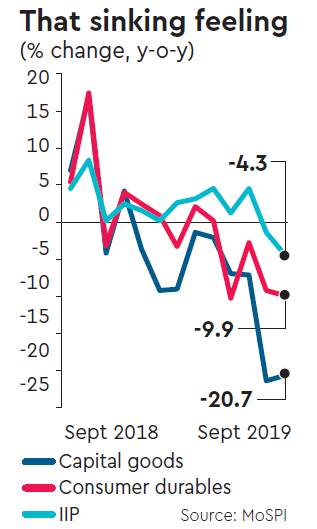
By Nantoo Banerjee India’s economic growth figures seem to be getting increasingly delinked with domestic manufacturing, industrial output, and job generation. The manufacturing sector had a very little contribution to the country’s 6.5 percent GDP growth during the last financial year, the slowest in four years. Despite a good monsoon last year, the country’s agriculture […]

The 2025 Infiniti QX80 marks a significant departure from its predecessor, delivering a blend of commanding presence and refined agility rarely seen in full-size luxury SUVs. Infiniti’s latest iteration sheds the bulkiness that once defined the model, replacing it with a sleeker, more aerodynamic silhouette while enhancing interior sophistication and technological integration. This transformation reflects the brand’s push to compete more aggressively within the crowded luxury SUV […]

Greenlogue/AP The European Commission has initiated a research and innovation project to develop megawatt charging systems tailored for heavy‑duty transport across the EU. Aimed at aligning with the Green Deal’s objective of 90 % CO₂ reductions for HGVs by 2040, the project supports pilot hubs combining ultra-high-power charging with operational road‑haul scenarios on major corridors. The initiative includes constructing two demonstration sites—one in the Nordic region and another […]

UAE’s car market is undergoing a fundamental shift as lifestyle-driven mobility rises to prominence, reshaping consumer choices from metal to experience. A surge in preference for digitally enabled, subscription-based, and autonomous transportation is aligning with the emirates’ drive for sustainable, high-tech urban living. Automakers and transport authorities are adapting, marking a new era for mobility in the region.

At the forefront is the uptake of connected and autonomous vehicles. A 2024 Astute Analytica report found that the UAE invested US $500 million in autonomous and connected vehicle infrastructure, and government surveys show that nearly 60 per cent of residents are open to self-driving cars once available . Dubai aims for 25 per cent of its transport network to operate autonomously by 2030, while Abu Dhabi is piloting robotaxis under a combined Dubai Roads and Transport Authority and DP World initiative . Chinese mobility pioneer WeRide has commenced fully driverless robotaxi trials in Abu Dhabi and holds significant UAE licences, further cementing the country’s status as a regional testbed .

Parallel to autonomy, digital car buying and subscription services are gaining ground. A global study by Arthur D. Little reports that UAE has the highest percentage worldwide of buyers willing to complete vehicle purchases entirely online, with 53 per cent preferring full digital transactions . It also notes more than half of car buyers intend to purchase hybrid or electric models for their next car . Major brands such as Jaguar‑Land Rover, Audi and Volvo have launched subscription models allowing flexible short‑term access to vehicles, reflecting a deeper shift from ownership to access .

Luxury meets lifestyle in a market defined by adventure and affluence. The UAE’s love for off‑road capable SUVs—icons like Land Rover, Toyota Land Cruiser and Mercedes G‑Class—remains strong, supported by driving culture and desert heritage . At the same time, social media has amplified the aspirational value of high‑performance and bespoke vehicles, prompting services offering vehicle customisation and luxury rentals to expand .

Despite their prestige, sustainable mobility options are advancing steadily. Government plans aim for EVs to account for 10 per cent of all vehicles by 2030; Dubai Electricity and Water Authority intends to install 1,000 public charging points by 2025 . Financial incentives including free parking and toll exemptions support uptake. While less than 15 per cent of buyers currently prefer full battery‑electric vehicles , more than 50 per cent plan to choose hybrid or electric options next .

Shared mobility and micro‑mobility solutions are gaining traction among urban dwellers. The UAE’s ride‑hailing market grew to US $1.3 billion in 2023, and car‑sharing usage surged by 30 per cent to over 200,000 subscribers . Platforms like Careem, ekar and others expand convenient access while supporting sustainability goals .

Pre‑owned and rental markets also reflect shifting lifestyle demands. The luxury car rental segment caters to business travellers and experience‑seeking residents, accounting for over half of regional luxury rentals . Certified pre‑owned programmes and digital platforms make premium vehicles accessible and promote circular economy models .

Industry participants are racing to adapt. Six major dealers—including Al Futtaim Motors and Al Habtoor—control more than 62 per cent of the auto market by offering hybrid and electric models, digital sales funnels, and after‑sales personalisation services . Additionally, more than 80 per cent of UAE and KSA consumers now value in‑car digital services and are willing to share data for personalised experiences .

Strategic foreign investment continues to flow. In 2024, DP World handled a record 1.3 million vehicles, up 53 per cent year‑on‑year. China led automotive investments region‑wide, with 27 projects worth US $8 billion, generating 20,000 jobs . The UAE attracted 145 automotive projects valued at US $22 billion, solidifying its regional industry leadership .

Air mobility is emerging as a bold frontier. Authorities, including the General Civil Aviation Authority and Technology Innovation Institute, are mapping aerial corridors for air taxis and drones with a view to commercial roll‑out by 2026. Vertiports are under construction as Dubai aims to launch urban air taxi operations in early 2026 . Collaborations with global developers such as Volocopter and Joby Aviation underscore UAE’s intent to lead advanced mobility innovation.

Demographic and behavioural trends are shifting expectations. UAE’s younger, tech‑savvy population demands multimodal transport, sustainable choices, and flexible ownership. European research shows Gen Z and millennials prefer compact, shared, and electric vehicles, and lease options tied to services—mirroring emerging patterns in the Emirates . The convergence of digital retail, in‑car connectivity, autonomous capabilities and lifestyle choices is now the defining feature of the market.

That convergence gives rise to dynamic policy alignment and infrastructure development. Dubai’s Autonomous Transportation Strategy ambitions to ease congestion and strengthen economic diversification, while public‑private partnerships are building the ecosystem for AI‑enabled transport .

The transformation is clear: the UAE auto sector is evolving from a conventional showroom‑focused industry to an experiential mobility ecosystem. Consumers expect seamless digital transactions, autonomous options, flexible subscriptions, and elevated experiences. Governments and businesses are aligning investment and strategy to meet these expectations, fusing luxury with sustainability, and individual desire with urban resilience.

As the 2030 horizon approaches, next‑generation mobility is no longer an aspiration but a reality rolling on UAE roads, in the air, and on digital platforms—heralding a new age for the Gulf’s automotive narrative.

Debswana Diamond Company, Botswana’s premier diamond producer, has initiated a significant reduction in its mining operations, citing sustained global demand weakness and mounting economic pressures. The company, a 50-50 joint venture between the Botswana government and De Beers, announced a temporary halt in production at key sites, including the Jwaneng Cut-9 and Orapa mines, aligning output with the subdued market conditions. This strategic move follows a challenging […]

A 6.4 magnitude earthquake struck northern Chile on Friday afternoon, causing minor infrastructure damage and leaving nearly 23,000 residents without electricity. No casualties have been reported, and authorities have ruled out the possibility of a tsunami. The quake occurred at 1:15 p.m. local time, with its epicentre located approximately 54 kilometres south of Diego de Almagro in the Atacama region, about 950 kilometres north of Santiago. The […]

Vietnam’s Vingroup and Gulf states are both rewriting their growth playbooks through state-led sustainability drives, forging a parallel transformation from legacy empires into green innovation hubs. HANOI, VIETNAM – Media OutReach Newswire – 6 June 2025 – Vietnam’s Vingroup and Gulf nations share parallel journeys of strategic reinvention, as the old playbooks that delivered decades of growth are showing their limits. While Gulf countries built wealth on […]

The debt burden across the Middle East and North Africa has escalated markedly over the last decade, with many governments relying heavily on borrowing to sustain public spending amid economic challenges. This growing fiscal strain, combined with an increasing dependence on external donor funding, has amplified the influence of foreign actors on both domestic policies and regional geopolitics, raising concerns about the long-term economic sovereignty of these […]

VISHNU RAJA
RYO YAMADA
HITORI GOTOH
IKUYO KITA
Just in:
Saudi fund assets forecast to cross $400 billion // Microsoft outage leaves Outlook and Teams users disconnected // 11 Boutique Xinjiang Wineries to Debut in Singapore // From Dubai to the EU: how UAE-based crypto firms can expand under MiCA // Microsoft restores services gradually but gives no recovery deadline // October Food Price Shock Has Far Reaching Consequences // Nvidia appoints Colette Kress interim chief after Huang departure // US resumes flights after nationwide air traffic shutdown // Inpex reaffirms Gulf oil strategy despite shipping constraints // Microsoft apologises as Outlook services recover after outage // US authorities dismantle North Korean cryptocurrency deception infrastructure // IEA forecasts fourth-quarter oil surplus as Gulf shipments rebound // Yicura BioMed Advances Dual Capital and Industrial Strategy: Completes First Closing of Series B Financing Led by Gobi Partners // L’OCCITANE Celebrates 50 Years Of Provençal Craftsmanship With Holiday 2026 Collection // Lego restores BrickLink marketplace after security investigation // Sun World Ba Den Mountain marks Vietnam Culture Day, welcoming Cambodian visitors over Bon Om Touk // Crescent Enterprises venture arm funds Oyster Therapeutics development // The Honey Trap Is The Headline, The Chip Pipeline Is The Story // Rooftop solar planning gaps behind power shortages // TORRAS Launches Two New iPhone Duo Cases from Its Popular Ostand Series, Addressing Foldable Phone Users’ Concerns About Difficult Stand Positioning and Scratches //