Just in:
L’OCCITANE Celebrates 50 Years Of Provençal Craftsmanship With Holiday 2026 Collection // Fujairah highway pile-up leaves 14 dead and 30 injured // Sun World Ba Den Mountain marks Vietnam Culture Day, welcoming Cambodian visitors over Bon Om Touk // Crescent Enterprises venture arm funds Oyster Therapeutics development // Salik posts Dhs1.045bn profit despite lower toll traffic // Microsoft restores services gradually but gives no recovery deadline // Saudi fund assets forecast to cross $400 billion // UAE crews sustain coastal oil removal as beaches reopen // October Food Price Shock Has Far Reaching Consequences // From Dubai to the EU: how UAE-based crypto firms can expand under MiCA // US resumes flights after nationwide air traffic shutdown // Inpex reaffirms Gulf oil strategy despite shipping constraints // Microsoft apologises as Outlook services recover after outage // 11 Boutique Xinjiang Wineries to Debut in Singapore // Yicura BioMed Advances Dual Capital and Industrial Strategy: Completes First Closing of Series B Financing Led by Gobi Partners // TORRAS Launches Two New iPhone Duo Cases from Its Popular Ostand Series, Addressing Foldable Phone Users’ Concerns About Difficult Stand Positioning and Scratches // IEA forecasts fourth-quarter oil surplus as Gulf shipments rebound // Nvidia appoints Colette Kress interim chief after Huang departure // US authorities dismantle North Korean cryptocurrency deception infrastructure // China Reconciled To U.S. Curbs On Chips Exports, Woos South Korea For Supply //

News related to
First

PARIS, FRANCE – Media OutReach Newswire – 8 November 2024 – This year, OPPO once again shone at Paris Photo 2024. As the event’s global partner, the company celebrated global talents in mobile photography through the award ceremony of its imagine IF Photography Awards 2024. By exhibiting a retrospective of the best artworks from the competition, OPPO also showcased its humanistic vision with an elaborately designed exhibition […]

BEIJING, CHINA – Media OutReach Newswire – 8 November 2024 – Since its inception more than three decades ago, the Asia-Pacific Economic Cooperation (APEC) has become a dynamic engine of economic growth and one of Asia Pacific’s most important regional forums. Its 21 member economies represent approximately 62 percent of the world GDP and nearly half of world trade. As the 2024 APEC gathering will commence soon […]

Dubai has secured the top position among Middle Eastern and North African cities in the 2024 Global City Index, outperforming other regional hubs in several key metrics including economic activity, global connectivity, and infrastructure. The ranking highlights Dubai’s increasing prominence as a center for commerce, tourism, and innovation, a status bolstered by its advanced digital infrastructure and its appeal to global investors. The Global City Index, an […]

Dubai has launched the Middle East’s first net-positive mosque, a pioneering structure at the crossroads of spirituality and sustainability. With its energy-efficient design, the eco-friendly mosque generates more energy than it consumes, marking a significant step in Dubai’s ambition to lead sustainable development in the region. Located in Al Hudaiba and named after the UAE’s founding father, Sheikh Mohammed bin Zayed Al Nahyan, the mosque represents an […]

Dubai’s financial landscape has showcased substantial activity in recent trades, with the Dubai Financial Market (DFM) witnessing trades valued at $10.51 million across major players, particularly Al Ansari Financial Services and Ajman Bank. Al Ansari’s consistent performance, marked by a 5% rise in operating income to AED 578 million for the first half of 2023, is partly fueled by high corporate demand and an increased volume of […]

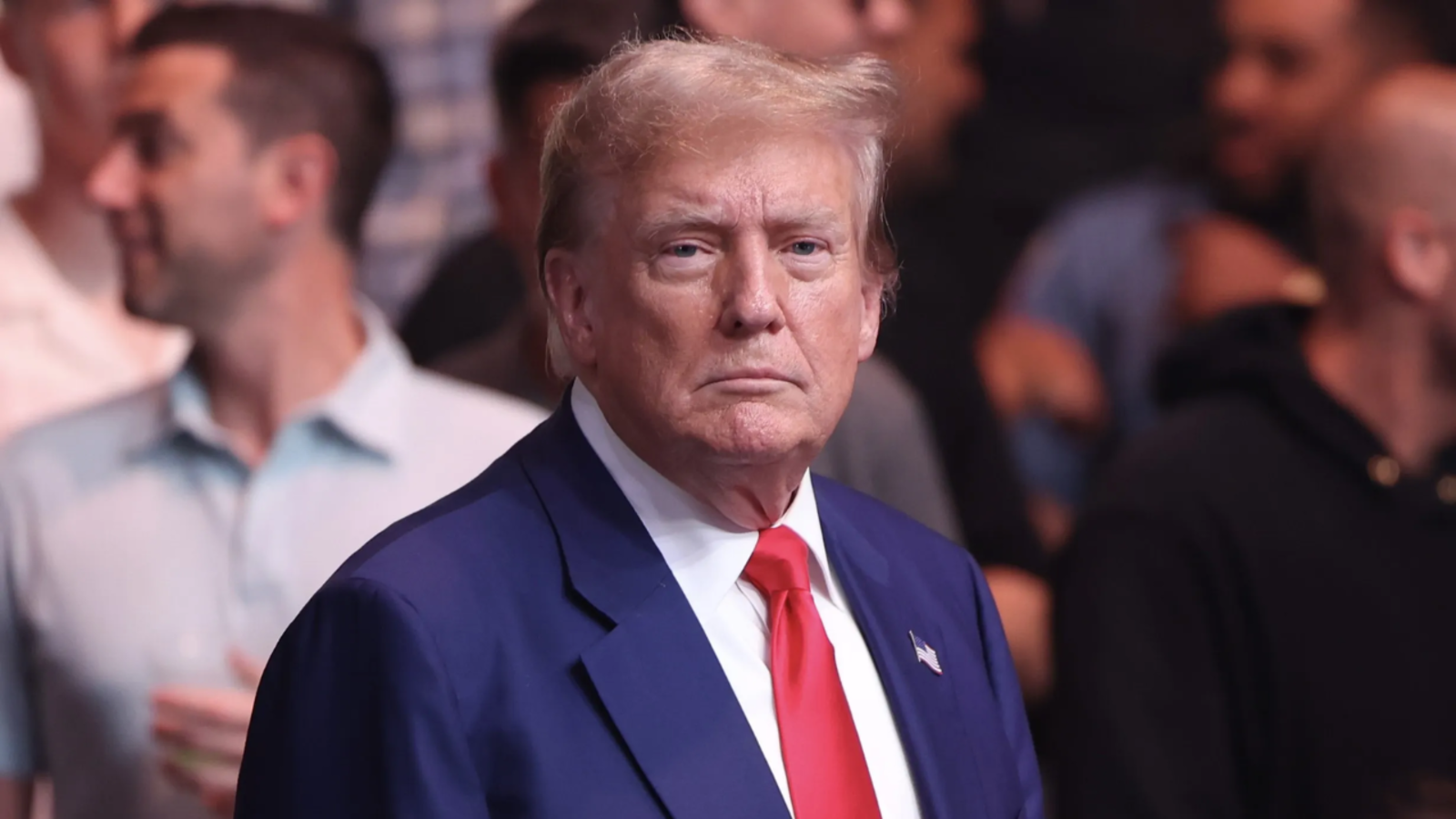
Europe is preparing for the potential implications of a second Trump presidency, concerned about renewed trade tensions and significant shifts in the transatlantic security framework. European leaders recall the policies of Trump’s first term, marked by tariffs on European imports, withdrawal from the Paris Climate Accord, and a confrontational approach to NATO contributions. With 2024 U.S. elections looming, European officials are not only bracing for a resurgence of similar tactics but also assessing ways to assert greater autonomy in defense and trade.

European officials and diplomats have begun emphasizing readiness to avoid a repeat of the challenges that caught many off-guard in 2016. Some leaders, including former French President François Hollande, advocate for a proactive stance, urging the European Union to prepare for a United States that may distance itself from Europe. This contingency plan comes amid heightened anxieties that Trump, unbound by re-election concerns, might intensify his stance on Europe’s defense spending and reduce American military presence in the region.

A renewed Trump administration could increase pressure on Europe to adjust its strategic and defense priorities. With his past criticisms of NATO members’ defense spending, particularly Germany’s, Trump’s possible return to the White House has led to a revival of European conversations on strategic autonomy. During Trump’s initial tenure, he consistently advocated for NATO countries to boost their contributions, often singling out Germany, which at the time did not meet NATO’s 2% GDP defense expenditure target. While Germany has since increased its defense spending, concerns persist that Trump may push for even more significant European financial commitments or explore alternative alliances outside NATO.

In Germany, which has experienced some of the most direct effects of Trump’s policies, the federal government is intensifying its preparations. German Foreign Minister Annalena Baerbock’s outreach to U.S. Republican counterparts exemplifies a strategic approach to establish dialogue channels with influential American conservatives. However, many German policymakers, including influential parliamentarian Norbert Röttgen, question the depth of current preparation efforts, noting that Europe’s primary response to Trump’s 2016 election was inadequate and highlighting the importance of independent defense planning as a hedge against potential U.S. policy shifts.

Across the EU, there is a growing trend to diversify defense and trade partnerships beyond the U.S. European Commission officials have coordinated increased production of military supplies, such as ammunition, to bolster Ukraine’s defense—a move that reflects a broader commitment to strengthening the EU’s defense capabilities independently of the U.S. Former Estonian President Toomas Hendrik Ilves observed that Europe has substantially ramped up its weapons support for Ukraine, surpassing even U.S. assistance in some aspects, which has reinforced confidence in Europe’s evolving defense autonomy.

Another key area of concern is the potential impact on U.S.-EU trade relations. Trump’s previous term saw the imposition of tariffs on European steel and aluminum, sparking a transatlantic trade dispute. A new administration could see these tariffs reintroduced or new tariffs placed on high-value European exports, such as automobiles, which could disrupt key European industries. European economies, particularly Germany’s automotive sector, could experience significant repercussions from any new tariffs, given the close integration of global supply chains. In light of these risks, the EU has been ramping up its trade outreach to diversify markets and secure alternative trade agreements.

The strategic and political implications of a second Trump term also extend to the sensitive issue of European alliances. Poland, for instance, has maintained strong relations with the U.S. regardless of leadership, with initiatives like “Fort Trump”—a symbolic reference to enhanced U.S. troop presence in Poland. While Poland has benefited from U.S. support, including defense cooperation, Trump’s campaign rhetoric about achieving a “peace deal” with Russia within a day has stirred unease. Given Poland’s critical position in NATO’s eastern flank and its robust support for Ukraine, Polish officials are wary of any potential pivot by Washington that could undermine NATO’s collective stance against Russia.

In response to these uncertainties, several European countries have taken steps to build relationships with influential American Republicans, including House and Senate members. Efforts to enhance diplomatic engagement have been evident in the diplomatic visits of figures like former British Prime Minister Boris Johnson, who held talks with Texas Governor Greg Abbott to anticipate changes in U.S.-UK ties in a Trump-led America.

A second term for Donald Trump could usher in significant changes for investors in the Middle East, with the potential for both increased economic opportunities and geopolitical instability. Trump’s return to the presidency would likely revive his administration’s assertive economic policies, reshaping U.S. foreign relations, particularly toward China, Europe, and Middle Eastern nations, while possibly impacting global market dynamics in ways that will directly affect Gulf economies.

Trump’s “America First” approach, previously marked by attempts to realign American foreign policy priorities, could lead to heightened trade tensions with major global economies, including the European Union and China. During his previous term, the Trump administration imposed steep tariffs on Chinese goods and withdrew from the Trans-Pacific Partnership, signaling a shift from multilateral agreements to bilateral deals with clear U.S. advantages. These policies could place Middle Eastern investors in a challenging position, especially those with extensive ties to both Western and Asian markets. His re-election could rekindle these policies, affecting key industries and the economic strategies of regional stakeholders, who may need to reassess their portfolios to navigate potential trade disruptions.

One area of likely change would be Trump’s approach to the U.S.-China trade war, which saw tariffs as high as 25% imposed on hundreds of billions in imports. The escalating tariffs strained trade flows globally, and with Trump’s potential return, the continuation or expansion of such tariffs could push China to deepen its ties with Gulf nations as it seeks alternative partners. The Middle East, particularly Saudi Arabia and the UAE, has already seen increased investment from China under the Belt and Road Initiative, and a further intensification of U.S.-China rivalry could strengthen these relations. Additionally, Gulf economies that depend heavily on oil exports may find opportunities as China looks for secure energy suppliers outside of the American sphere.

Simultaneously, Trump’s proposed policies are expected to drive further U.S. disengagement from traditional allies in Europe, compelling these countries to secure alternative economic partnerships. This shift could create an environment where European countries turn to the Middle East to establish closer trade relations, viewing Gulf states as critical energy providers and investment hubs. Regional investors could benefit from an increased inflow of European capital seeking to mitigate the effects of U.S. tariffs.

In terms of defense, Trump has consistently voiced support for reducing U.S. military commitments abroad, urging allies in Europe and the Middle East to shoulder more responsibility for their own defense. This could result in reduced U.S. military presence in Gulf nations, which may encourage these states to expand defense partnerships within the region and seek additional security alliances beyond the U.S. This shift could spur an increase in local defense spending and the development of domestic defense industries, presenting investment opportunities in these sectors. However, it may also bring heightened insecurity, which could lead to market instability, especially in oil-dependent economies that rely on stable energy production and export environments.

The Middle East’s energy sector might experience new pressures and opportunities under a Trump administration focused on American energy independence. Trump has previously supported policies that increase domestic oil and gas production in the U.S., which could lead to a drop in oil prices globally, impacting the revenue of oil-exporting countries in the Gulf. To counter this, Gulf economies may be motivated to diversify and boost non-oil sectors such as technology, real estate, and tourism, creating new avenues for regional and international investors.

Trump’s stance on Iran could also lead to renewed tensions in the region. During his first term, the administration’s “maximum pressure” campaign aimed at curbing Iran’s nuclear ambitions led to economic sanctions and heightened regional conflicts. If reinstated, such policies could escalate instability in areas around the Strait of Hormuz, a key chokepoint for global oil exports. Middle Eastern markets might face disruptions if these tensions spill over, particularly for industries dependent on steady energy flows and safe trading routes. Yet, defense and energy infrastructure investments may see a boost in response to these renewed geopolitical challenges.

Trump’s previous involvement in brokering the Abraham Accords set a precedent for Arab-Israeli normalization. A return to power could see a renewed push for expanded economic ties between Israel and more Arab states, following the precedent of UAE, Bahrain, Morocco, and Sudan establishing official relations with Israel. Investors across the Gulf could benefit from these expanded commercial ties through greater market access, technology transfers, and joint ventures, particularly in high-growth sectors like technology, renewable energy, and tourism. The prospect of regional integration holds promise for attracting further foreign direct investment (FDI) and bolstering Middle Eastern economies.

Middle Eastern investors, therefore, may need to prepare for a mixed impact, balancing potential market volatility with strategic opportunities. Gulf Cooperation Council (GCC) countries, particularly the UAE and Saudi Arabia, may find themselves in a pivotal position, with increased leverage in securing favorable trade agreements as both Western and Eastern economies seek partnerships in response to Trump’s policies. Yet, they may also have to contend with the risks of being on the frontline of fluctuating U.S. policies toward the region, especially regarding defense and energy.


Advertisements

Arabian Post Staff Dubai state-owned Emirates Group that operates the world’s largest international carrier, Emirates Airline, reported a record profit before tax of Dh10.4 billion (US$2.8 billion) for the first six months of 2024-25, its best-ever half-year financial performance, surpassing its record profit before tax for the same period last year. This is the first financial year that the UAE corporate income tax, enacted in 2023, is […]

By Anjan Roy Never before, an American presidential election evoked such widespread interest and concern across the world. This is because the presumptive president has given rise to fears and concerns about America’s policies which do not promise to follow the scripted lines. There is a sense of uncertainty all the way in the power […]

Redefining the Golden Years with “Care Food” HONG KONG SAR – Media OutReach Newswire – 7 November 2024 – Yung Kee Restaurant (“Yung Kee“), renowned for its authentic Cantonese cuisine and charcoal-grilled delicacies, has grown alongside Hong Kong for over eight decades. On 10 November 2024, it will mark a significant milestone of its 82nd anniversary. This year, Yung Kee has organized multiple initiatives dedicated to social […]

TAIPEI, TAIWAN – Media OutReach Newswire – 7 November 2024 – TVBS is a leading media brand in Taiwan and the TVBS Originals drama “Living” set a record at the 59th Golden Bell Awards, winning six awards and becoming the most-awarded single drama in the network’s history. The series achieved significant success in Taiwan and received its first nomination at the Asia Contents Awards & Global OTT […]

HOHHOT, CHINA – Media OutReach Newswire – 7 November 2024 – In Q4 2024, the World Economic Forum (WEF) announced its latest group of “Lighthouse Network,” with Mengniu Group’s cutting-edge facility – Mengniu Ningxia Factory, being honored as a “Lighthouse Network.” This achievement marks a significant milestone as the first in China’s dairy industry and the world’s inaugural liquid milk factory to receive this prestigious designation. Fully […]

By Nitya Chakraborty On November 5 late night, even before the presidential election results gave Donald Trump a majority of 270, former President of Brazil Jair Bolsonaro wrote an ecstatic message in X the former Twitter congratulating his mentor on his magnificent win saying this will have a big impact on Latin American politics. Bolsonaro […]

The facility caters to high-tech end-user industries, such as Aerospace, Healthcare, 5G, Artificial Intelligence (AI) and Electric Vehicles (EV) SINGAPORE – Media OutReach Newswire – 7 November 2024 – SABIC, a global diversified chemicals company, today announced the official launch of its new US$170 (S$220) million ULTEM™ resin manufacturing facility in Singapore, marking the company’s first advanced specialty chemical manufacturing facility in the region producing the high-performance […]

Motorcycling offers an exhilarating blend of adventure, freedom, and community. This blog post provides essential guidance for beginners, covering the benefits of motorcycling, necessary gear, tips for choosing your first bike, and safety measures. It also includes advice on basic maintenance and accident preparedness, helping you start your motorcycling journey with confidence and excitement. Why Motorcycling is the Perfect Hobby Motorcycling is more than just a mode […]

KUALA LUMPUR, MALAYSIA – Media OutReach Newswire – 6 November 2024 – Asian financial markets are experiencing increased interest from novice traders. In Southeast Asia, online trading has expanded rapidly, driven by growing internet access and an increasingly digital-savvy population. In Indonesia, active online traders grew by 18%, supported by a thriving e-commerce sector and rising financial literacy. Across Southeast Asia, the digital economy is projected to […]

Strengthening Ties in Innovation and Investment with the Middle East HONG KONG SAR – Media OutReach Newswire – 6 November 2024 – At the Future Investment Initiative Institute 8th Edition (FII8), held from 29th October to 31st October in Riyadh, Saudi Arabia, the Hong Kong Science and Technology Parks Corporation (HKSTP) made significant strides in bridging Hong Kong and the Middle East’s innovation and technology (I&T) ecosystems […]

HONG KONG SAR – Media OutReach Newswire – 6 November 2024 – The first baijiu company listed on the Hong Kong Stock Exchange, ZJLD Group Inc. (“ZJLD” or the “Company”, SEHK stock code: 06979. HK), is pleased to announce that the Group has been awarded the Excellence Award for First-Year Listed Companies and the Best New Entry in “General” Category at the 2024 Best Annual Reports Awards […]

By Nitya Chakraborty Finally, the U.S. election results are out. The Republican candidate Donald Trump has swept the polls by winning convincingly in the presidential contest as also leading the Republican Party to majority in both the Senate and the House of Representatives. There is no grey area. It is apparent that the majority of […]


Masdar, Sarawak Energy, and Gentari have joined forces to explore the feasibility of a large-scale floating solar energy project in Malaysia. The initiative, part of broader efforts to advance renewable energy in the region, seeks to harness Malaysia’s vast water bodies for solar energy generation. The companies aim to assess the potential environmental, technical, and economic factors influencing the deployment of such a project, which could mark […]

Saudi Aramco has seen significant financial performance in recent quarters, but its aggressive expansion and capital expenditure strategy are drawing attention amid broader concerns about the oil market. Despite strong earnings and robust cash flow, the company’s large-scale investments in both traditional energy and new technologies have raised questions about its ability to sustain these levels of expenditure while delivering consistent returns. In its latest financial results, […]

Tajul Islam Donald Trump’s recent critique of Bangladesh on social media, branding it as a nation rife with “barbaric violence” against religious minorities and claiming it exists in a “total state of chaos,” has drawn significant attention. This statement, made just days before the US presidential election, appears to be an effort to appeal to Hindu-American voters, a demographic that has increasingly urged Trump to address issues related […]

Abu Dhabi’s National Marine Dredging Company (NMDC) is pursuing its first significant acquisition in the Gulf region, with plans to finalize a deal by the end of the year. The state-backed firm, which has expanded its portfolio through several infrastructure and engineering projects, has been actively exploring new ventures in the region to diversify its operations and strengthen its position in the global construction and marine services […]

Bitcoin has surged to an all-time high as traders factor in the possibility of a Donald Trump victory in the upcoming U.S. presidential election. The cryptocurrency reached new heights, surpassing the $40,000 mark for the first time, driven by a combination of factors, including growing political uncertainty, the appeal of Trump’s economic policies, and an increasing demand for decentralized assets as hedges against inflation.

As the election race intensifies, market analysts are closely monitoring how Trump’s political resurgence could impact traditional markets and the broader economy. Traders seem to be betting that a second Trump presidency would lead to favorable conditions for Bitcoin, particularly given his past rhetoric on the benefits of digital currencies and his critical stance toward centralized financial systems.

Bitcoin’s rapid rise comes at a time when the broader global economy is grappling with uncertainty. The U.S. economy, though resilient in many ways, faces challenges such as inflation, supply chain disruptions, and a fluctuating stock market. With the Federal Reserve’s interest rate hikes and the push for tightening monetary policy, many investors are looking for assets that provide an alternative to traditional banking systems. Bitcoin, often viewed as a store of value similar to gold, fits the bill.

Trump’s influence on Bitcoin’s price movement is not entirely new. In 2017, during his first presidential campaign, Bitcoin saw significant price appreciation, as his anti-establishment rhetoric resonated with many investors seeking refuge from a perceived unstable traditional financial system. His leadership style, coupled with calls to deregulate the financial sector, has always aligned with the ideals of the crypto community, which champions decentralization and reduced government oversight.

The current market sentiment surrounding Bitcoin reflects growing confidence in the cryptocurrency’s long-term potential, especially among traders who perceive Trump’s economic policies as supportive of asset appreciation. Trump’s stance on cryptocurrencies has evolved over time. Initially dismissive, his recent statements have indicated a more favorable approach, particularly with the rise of Bitcoin’s mainstream appeal.

While Bitcoin’s value continues to climb, it has also drawn attention from traditional financial institutions, who are taking a closer look at the asset class. Major financial firms are increasingly open to the idea of incorporating Bitcoin into their portfolios, with some even offering products that allow clients to invest directly in the cryptocurrency. This shift represents a growing mainstream acceptance of Bitcoin, which was once viewed as a speculative and volatile asset.

The surge in Bitcoin’s price is not solely attributable to political factors. The rise of institutional investment, the increasing adoption of blockchain technology, and regulatory clarity are all contributing to the cryptocurrency’s appeal. In countries like El Salvador, where Bitcoin has been adopted as legal tender, the digital currency’s role as a financial tool has become more apparent. The growing use of blockchain technology in industries ranging from supply chain management to healthcare also bodes well for Bitcoin’s future, as it becomes increasingly intertwined with global economic systems.

In the U.S., Bitcoin’s role in the political sphere is also gaining attention. Some political figures, particularly those aligned with the Republican Party, have expressed support for digital currencies, viewing them as a way to counterbalance the influence of the Federal Reserve and the U.S. dollar. Trump, despite his criticisms of the current administration, has been vocal in supporting policies that could benefit the cryptocurrency market. His stance on cryptocurrency has been a mixture of endorsement and skepticism, but his broader economic agenda, which favors lower taxes, deregulation, and less government intervention, aligns with the pro-crypto sentiment prevalent in the market.

Despite Bitcoin’s bullish momentum, there are concerns about the potential risks associated with such rapid price increases. Critics warn that Bitcoin’s volatility could result in a market correction, particularly if traders begin to overextend their positions. Additionally, global regulatory pressures could affect the asset’s price trajectory. Some governments, including China and the European Union, have signaled that they may take a more stringent approach to cryptocurrency regulation, which could influence market sentiment and investor behavior.

VISHNU RAJA
RYO YAMADA
HITORI GOTOH
IKUYO KITA