Just in:
The Honey Trap Is The Headline, The Chip Pipeline Is The Story // Sun World Ba Den Mountain marks Vietnam Culture Day, welcoming Cambodian visitors over Bon Om Touk // US resumes flights after nationwide air traffic shutdown // Saudi fund assets forecast to cross $400 billion // Electoral register gains 2.17 lakh voters // Yicura BioMed Advances Dual Capital and Industrial Strategy: Completes First Closing of Series B Financing Led by Gobi Partners // US authorities dismantle North Korean cryptocurrency deception infrastructure // Inpex reaffirms Gulf oil strategy despite shipping constraints // IEA forecasts fourth-quarter oil surplus as Gulf shipments rebound // Hackers falsify NVIDIA GPU readings to mask cryptomining // Fujairah highway pile-up leaves 14 dead and 30 injured // October Food Price Shock Has Far Reaching Consequences // OpenAI unveils ChatGPT Wallet for agent-led purchases // Microsoft outage leaves Outlook and Teams users disconnected // TORRAS Launches Two New iPhone Duo Cases from Its Popular Ostand Series, Addressing Foldable Phone Users’ Concerns About Difficult Stand Positioning and Scratches // From Dubai to the EU: how UAE-based crypto firms can expand under MiCA // Lego restores BrickLink marketplace after security investigation // UAE crews sustain coastal oil removal as beaches reopen // EBANX and Eneba strengthen partnership in Latin America with 138% YoY growth in payment volume // Crescent Enterprises venture arm funds Oyster Therapeutics development //

News related to
First

HONG KONG SAR – Media OutReach Newswire – 1 April 2025 – Henderson Land Development Company Limited (“Henderson Land” or “the Group”) (Stock code: 12) actively supports and promotes the development of the arts in Hong Kong. By curating diverse artistic experiences, the Group strives to delight and inspire art lovers and the public at large. The Group has transformed the Lambeth Walk Rest Garden into the […]

By Nantoo Banerjee If in the United States, the world’s second largest federal democracy, the number of seats in the House of Representatives could remain capped at 435 since 1913, there is no reason to justify the latest delimitation exercise to freshly fix the number of seats and boundaries of territorial constituencies in each state […]

Pfizer has unveiled its new research and development centre in Beijing, marking a significant step in the company’s strategic expansion in China. The facility, located within the BioPark in the Beijing Economic-Technological Development Area , represents the pharmaceutical giant’s ongoing commitment to increasing its presence in the Chinese market. This development comes at a time when global healthcare companies are intensifying their focus on innovation in key Asian markets.

The opening of the R&D centre is expected to bolster Pfizer’s research capabilities, particularly in the development of cutting-edge treatments in areas such as oncology, vaccines, and rare diseases. The new centre will serve as a hub for collaborative efforts between Pfizer and local Chinese researchers, healthcare providers, and academic institutions. This collaboration is viewed as a strategic move to accelerate the discovery and delivery of new therapies tailored to both global and regional healthcare needs.

Pfizer’s decision to open a new R&D centre in Beijing underscores the company’s long-term investment in China’s growing pharmaceutical industry. It is also a response to the Chinese government’s push to modernise its healthcare infrastructure and increase the availability of advanced medical treatments to its population. China’s robust investment in healthcare innovation and its vast population present a significant opportunity for Pfizer to lead in areas of unmet medical need.

The Beijing facility will focus on the integration of new technologies, such as artificial intelligence and data analytics, into drug discovery and clinical development processes. These technologies are expected to streamline Pfizer’s ability to identify promising drug candidates more efficiently, reducing development timelines and improving outcomes for patients worldwide. The centre will also support the company’s efforts to create vaccines and treatments specifically designed for the Chinese market.

Local Chinese health experts have welcomed the initiative, highlighting the positive impact it is likely to have on the region’s pharmaceutical ecosystem. Collaborations between international pharmaceutical companies like Pfizer and domestic research institutions are seen as vital to addressing health challenges in China, including the increasing prevalence of chronic diseases and an ageing population. The government’s support of such ventures is also expected to foster a more innovative and competitive environment in the Chinese pharmaceutical sector.

Pfizer’s expansion into Beijing is not the company’s first move in the region. Over the past decade, the pharmaceutical leader has steadily increased its investments in China, with a particular focus on expanding its clinical trials and vaccine development operations. This new R&D centre further cements the company’s position as a key player in the Chinese healthcare landscape.

One of the critical drivers behind Pfizer’s decision to build the facility in Beijing is the strategic importance of the region’s role in global drug development. The Chinese market, one of the largest in the world, has seen rapid growth in demand for healthcare products, particularly in biotechnology, oncology treatments, and vaccines. With an increasingly affluent population, China’s demand for high-quality medical products has surged, presenting a strong business case for Pfizer to deepen its engagement with the market.

The opening of this facility aligns with Pfizer’s broader global strategy to strengthen its innovation pipeline and maintain its competitive edge in the pharmaceutical industry. The company has consistently emphasised the importance of R&D as a cornerstone of its business model, and this move further emphasises its commitment to discovering new therapies for complex diseases. The Beijing centre is expected to collaborate with Pfizer’s other global R&D hubs, contributing to a more interconnected and agile research network.

Pfizer’s global operations have also faced some challenges in recent years, particularly with the economic uncertainties brought on by the pandemic. However, the company’s strategy of investing in emerging markets like China reflects its resilience and focus on future growth. By establishing a physical presence in one of the world’s most dynamic pharmaceutical markets, Pfizer is positioning itself to tap into both immediate and long-term opportunities in China and beyond.

The Chinese government has been supportive of multinational companies that invest in high-tech industries such as pharmaceuticals and biotechnology. This policy environment has made it increasingly attractive for foreign companies to set up R&D centres and collaborate with Chinese firms. In return, China benefits from the influx of advanced medical technologies and expertise, further propelling its ambitions to become a leader in global healthcare innovation.

Pfizer’s Beijing R&D centre is part of a broader trend of Western pharmaceutical companies making significant investments in China. These companies are increasingly collaborating with local research institutions to foster innovation, improve patient care, and support the country’s healthcare development goals. Such investments are also aligned with China’s ongoing reforms aimed at modernising its healthcare system, ensuring broader access to innovative treatments, and addressing the nation’s rising health challenges.

The opening of the R&D centre also highlights Pfizer’s commitment to ensuring that new therapies developed in Beijing will be available not only to the Chinese market but also to the global community. With the centre poised to focus on therapies for diseases with high unmet needs, including cancer and infectious diseases, the potential for cross-border medical collaboration is immense. Pfizer’s ability to leverage the centre’s local expertise and technological advancements will play a crucial role in meeting both Chinese and global healthcare demands.

RIYADH, SAUDI ARABIA – Media OutReach Newswire – 1 April 2025 – Recently, at JINGDONG Logistics’ warehouse in Riyadh, goods were being efficiently processed, destined not only for Middle East countries but also for parts of North Africa. Currently, JINGDONG Logistics operates five warehouses in the Middle East, including Saudi Arabia Warehouse No. 1. Last year, JINGDONG Group also established a strategic partnership with Saudi Electricity Company […]

Emails falsely claiming to be from the cryptocurrency exchange Gemini are circulating, sparking concerns of a growing scam targeting its users. The fraudulent messages allege that the company has filed for bankruptcy and urge recipients to click on a link to confirm account details or withdraw their funds before an impending shutdown. Experts warn that this is part of an ongoing wave of phishing schemes aimed at […]

Greenlogue/AP Abu Dhabi National Oil Company has initiated a tender process for the engineering, procurement, and construction of Project Rabdan, a low-carbon ammonia production facility slated for construction in the Taziz industrial complex. The plant is designed to produce one million tonnes per year of blue ammonia, leveraging natural gas feedstocks while capturing and storing carbon dioxide emissions to reduce its carbon footprint. The EPC tender follows […]

One Year After Acquiring Banyan Security, SonicWall’s Cloud Secure Edge/ZTNA Remote Access Solutions See Remarkable Growth SINGAPORE – Media OutReach Newswire – 1 April 2025 – SonicWall today marks a significant milestone in its journey redefining advanced cyber security protection with its Zero Trust Network Access (ZTNA) solution known as Cloud Secure Edge (CSE). One year after acquiring Banyan Security, a leading provider of zero-trust security for […]

Advertisements

President Donald Trump has indicated that his first international trip in his second term will likely include visits to key countries in the Middle East, namely Saudi Arabia, the United Arab Emirates , and Qatar. While speaking to the press in the Oval Office, Trump suggested the visit could occur next month, though he noted it might be slightly delayed depending on diplomatic and scheduling considerations.

This trip is expected to be a crucial moment in Trump’s foreign policy, as it will focus on reinforcing the United States’ strategic relationships in the region, particularly in the wake of his administration’s efforts to reshape the dynamics of the Middle East through initiatives such as the Abraham Accords and military partnerships. The planned visit underscores the ongoing importance of these Gulf nations as key players in both regional and global geopolitical matters, including security, energy, and economic cooperation.

The president’s statement reflects the evolving nature of U.S. foreign policy in the Middle East, where traditional alliances have been reinforced while new partnerships, especially with the UAE and Bahrain, have emerged over the past few years. The Abraham Accords, signed in 2020, have opened new avenues for diplomatic engagement in the region, with several Arab countries normalising ties with Israel, a move that has significantly altered the political landscape.

Saudi Arabia, as a longstanding ally of the United States, remains at the heart of the Middle East’s geopolitics, particularly in relation to energy markets and security concerns regarding Iran’s growing influence. Trump’s administration was marked by its staunch support for the kingdom, including a controversial stance on the murder of journalist Jamal Khashoggi and its military cooperation in the region. A visit to Riyadh would likely reaffirm these strategic ties, especially as the U.S. continues to grapple with Iran’s nuclear ambitions and its role in regional instability.

The UAE has also become an increasingly influential partner, not only in terms of energy and security but also in fostering technological innovation and investment. In addition to hosting Israeli diplomatic missions following the Abraham Accords, the UAE has positioned itself as a hub for economic development, hosting major events like Expo 2020 Dubai and advancing its space exploration programme. Trump’s engagement with the UAE signals an ongoing commitment to strengthen ties with nations that have emerged as leaders in the Middle East’s economic diversification efforts.

Qatar, a key player in regional diplomacy and a host to the massive U.S. military base at Al Udeid, will also play a central role in Trump’s plans. As a small but influential country, Qatar has positioned itself as a mediator in various regional conflicts, often serving as an intermediary between conflicting parties in the region. Trump’s relationship with Qatar has been critical, particularly in relation to military cooperation and counter-terrorism efforts, and his visit would likely reaffirm the importance of these ongoing collaborations.

While the specifics of the trip remain unclear, the White House has made it known that the president’s travels will reflect the continued prioritisation of U.S. interests in the Middle East. Following years of tension over issues such as the U.S. withdrawal from Afghanistan and its approach to Iran, the Middle East remains a focal point of U.S. foreign policy. This visit could signal a shift towards a more engaged and active approach, particularly as the region faces new challenges ranging from economic instability to security threats from non-state actors.

Experts suggest that Trump’s trip will also serve as a signal to other global powers, particularly China and Russia, of the U.S.’s commitment to maintaining its influence in the Middle East. The region’s role in global energy production, combined with its strategic location at the crossroads of Europe, Africa, and Asia, makes it a critical area for U.S. interests. Trump’s visit is expected to focus on advancing energy partnerships, countering the growing influence of China in the region, and ensuring that U.S. military presence continues to be a stabilising factor in the face of Iranian provocations and broader geopolitical shifts.

Trump’s visit comes at a time when the Middle East is witnessing significant shifts in its diplomatic and economic alignments. Saudi Arabia, for example, has begun to recalibrate its foreign policy, striking deals with China and Russia, and there are signs that the kingdom is exploring new relationships outside its traditional Western alliances. Trump’s visit could also serve to counter these new trends, reinforcing U.S. leadership in the region.

The trip could be particularly significant for the future of U.S. relations with Israel. Although Israel’s peace agreements with several Arab states have altered the region’s political landscape, U.S. support for Israel remains a cornerstone of its Middle East policy. Trump’s visit will likely address how the U.S. plans to build on these agreements while navigating the evolving dynamics between Israel and its Arab neighbours.

As Trump prepares for his visit, discussions will also revolve around the broader implications of his foreign policy agenda. The Middle East is not only a region of military importance but also a key player in the global fight against terrorism, as well as in shaping energy markets and technological innovations. Trump’s emphasis on strengthening partnerships with countries like Saudi Arabia, the UAE, and Qatar will be crucial in setting the tone for the next phase of U.S. involvement in the region.


MemryX Inc., a semiconductor company specializing in edge artificial intelligence solutions, has announced the completion of a $44 million Series B funding round. The investment aims to scale the production of its MX3 AI accelerator and further the development of its next-generation MX4 chip. Founded in 2019 and based in Ann Arbor, Michigan, MemryX has focused on creating energy-efficient AI accelerators designed for edge computing applications. The […]

I’m often asked where I invest my own money—by clients, advisers, even industry peers. And in a year like this one, when the world is being reshaped by the policies of President Trump, market volatility, and fast-moving tech cycles, the question feels more urgent than ever. We’ve seen a 10% drop in markets this year. Historically, that’s not unusual—since 1950, there have been over 30 such corrections. […]

Thousands of demonstrators filled the streets of downtown Dallas on Sunday, voicing opposition to President Donald Trump’s immigration policies and calling for the release of detained students. The protest, known as the “Mega March 2025,” began at the Cathedral of Our Lady of Guadalupe and proceeded through key city thoroughfares, culminating at Dallas City Hall. Participants carried American flags, symbolizing unity and patriotism. The march was organized […]

HONG KONG SAR – Media OutReach Newswire – 31 March 2025 – Huatai Securities Co., Ltd. (the “Company”; stock codes: 601688.SH, 6886.HK, HTSC.L), a leading technology-driven comprehensive securities company in China, released its consolidated financial results for the year ended December 31, 2024, reporting record revenue and profit, alongside substantial progress in its internationalization strategy. Annual Highlights: In 2024, the Company continued to execute on strategic priorities, […]

India is significantly enhancing the operational capabilities of its special forces by integrating advanced technologies such as nano drones, loitering munitions, and sophisticated communication systems. This strategic initiative aims to bolster covert operations and counter-terrorism efforts, enabling deep penetration into hostile territories with heightened efficiency and precision.

The Indian Army’s Para , the Navy’s Marine Commandos , and the Air Force’s Garud Commando Force are at the forefront of this modernization drive. These elite units are being equipped with state-of-the-art surveillance tools and specialized weaponry designed to meet the demands of contemporary warfare. The incorporation of nano drones facilitates real-time intelligence gathering, allowing operatives to assess situations and execute missions with unprecedented accuracy.

Loitering munitions, often referred to as “kamikaze drones,” have emerged as a pivotal asset in this technological upgrade. These unmanned aerial vehicles can hover over target areas, identify high-value threats, and execute precision strikes, effectively neutralizing adversaries while minimizing collateral damage. The Indian Army has been actively integrating these systems into its arsenal, recognizing their potential to revolutionize battlefield tactics. Indigenous development efforts have led to the creation of loitering munitions tailored to the specific needs of India’s defense forces, reflecting a commitment to self-reliance in military technology.

In addition to aerial advancements, the deployment of midget submarines is being considered to enhance maritime special operations. These compact vessels offer stealth capabilities, enabling covert insertion and extraction of forces in littoral zones. Such assets are particularly valuable for the Navy’s MARCOS unit, which specializes in amphibious warfare and maritime counter-terrorism operations.

The Armed Forces Special Operations Division , established to foster jointness among the three services, plays a crucial role in this modernization effort. Headquartered in Bengaluru, AFSOD serves as a hub for coordinating special operations training and missions, ensuring seamless integration of new technologies across all branches. The division’s formation marks a significant step toward creating a unified command structure akin to those found in other major military powers.

Despite these advancements, the absence of a full-fledged Special Operations Command presents challenges in achieving optimal synergy among the various special forces units. The current structure relies on collaborative efforts facilitated by AFSOD, but experts argue that a dedicated command could further streamline operations and command-and-control mechanisms. Addressing this structural gap remains a subject of ongoing discussion within defense circles.

The push for technological enhancement extends beyond hardware acquisition. Comprehensive training programs are being implemented to ensure that personnel can effectively operate and integrate these advanced systems into their missions. Exercises such as “Poorvi Prahar” have been conducted along the eastern borders, where troops honed their skills with swarm drones, first-person view drones, and loitering munitions. These drills not only test the efficacy of new equipment but also refine tactics and strategies for future engagements.

India’s focus on indigenous development of defense technologies aligns with the broader “Atmanirbhar Bharat” initiative. By investing in domestic research and production capabilities, the country aims to reduce dependency on foreign suppliers and cultivate a robust defense industrial base. Companies like Kadet Defence Systems have been instrumental in this endeavor, delivering loitering aerial munitions designed and manufactured within India.

The integration of artificial intelligence and satellite communications further augments the operational effectiveness of special forces. These technologies enhance situational awareness, enable secure and rapid information exchange, and support decision-making processes in dynamic combat environments. As warfare becomes increasingly network-centric, such capabilities are indispensable for maintaining a strategic edge.

The United Arab Emirates has ascended to the forefront of global cryptocurrency adoption, marked by a 41% year-on-year increase in crypto app downloads, totaling 15 million in 2024. In January 2025 alone, the nation recorded 3.55 million installations of crypto applications, underscoring a robust and growing interest in digital assets. Projections indicate that user penetration will reach 39.1% by the end of 2025, signifying the transition of cryptocurrency from a niche interest to a mainstream financial instrument within the country.

This surge is underpinned by a proactive regulatory environment. The Dubai Financial Services Authority has expanded its list of recognized crypto tokens, while the Abu Dhabi Global Market introduced the world’s first Distributed Ledger Technology Foundations Framework, providing legal structures for blockchain-based organizations. Furthermore, the Central Bank of the UAE approved AE Coin, the nation’s inaugural dirham-pegged stablecoin, facilitating faster and more cost-effective digital transactions.

A study by Atmos, a proprietary trading platform by Taurex, highlights the UAE’s leadership in the crypto space. The research indicates a cryptocurrency ownership rate of 25.3% among the UAE population, coupled with an adoption growth rate of 210%. Despite the presence of only one Bitcoin ATM, the UAE secured the top position in the study’s rankings, reflecting the country’s deep integration of digital assets into its financial ecosystem.

The UAE’s commitment to fostering a crypto-friendly environment is further evidenced by substantial institutional investments. Abu Dhabi’s MGX, a $330 billion investment vehicle backed by Mubadala, recently acquired a $2 billion minority stake in Binance, one of the world’s leading cryptocurrency exchanges. This move aligns with the UAE’s ambition to become a global crypto hub and demonstrates confidence in the transformative potential of blockchain technology.

On a regional scale, the Middle East and North Africa have experienced significant growth in the crypto sector. Between July 2023 and June 2024, the UAE received over $30 billion in cryptocurrency, ranking among the top 40 globally and establishing itself as MENA’s third-largest crypto economy. This influx underscores the UAE’s pivotal role in the regional digital asset landscape.

By Nitya Chakraborty The inevitable has happened. Narendra Modi government’s myopic policy on handling the interim government of Bangladesh headed by Dr. Muhammad Yunus has led this important neighbour of India into Chinese lap. The Xi Jinping-Yunus meeting held in Beijing on March 28 gave its final seal of approval to the economic strategy of […]

Autogo, a UAE-based autonomous mobility solutions provider under Kintsugi Holding, has commenced trials for its RoboTaxi service in Abu Dhabi, aiming for full-scale operations by 2026. The initial phase involves deploying several autonomous vehicles in select areas of the city, with plans to expand the fleet and coverage area in the coming years. These trials are conducted in close coordination with Abu Dhabi’s Integrated Transport Centre to […]

Dr Imran Khalid The winds of uncertainty are sweeping through Europe as the continent grapples with the stark reality of a diminished U.S. commitment to its security. The handling of the Ukraine crisis by the Trump administration has rightly sent shockwaves through European capitals, unearthing a reality that policymakers have long feared but often failed to address head-on: the United States, under its current leadership, is no […]

Laying a Solid Foundation for the Development of ESG Investment and Green Innovation Calling for Global Collaboration Among Governments, Businesses, and Philanthropic Organizations to Effectively Address Climate Change Over 300 Influential Leaders and Change-makers Gather in Hong Kong to Plan the Path Forward for a Sustainable Future HONG KONG SAR – Media OutReach Newswire – 28 March 2025 – The “One Earth Summit,” hosted by the Institute […]

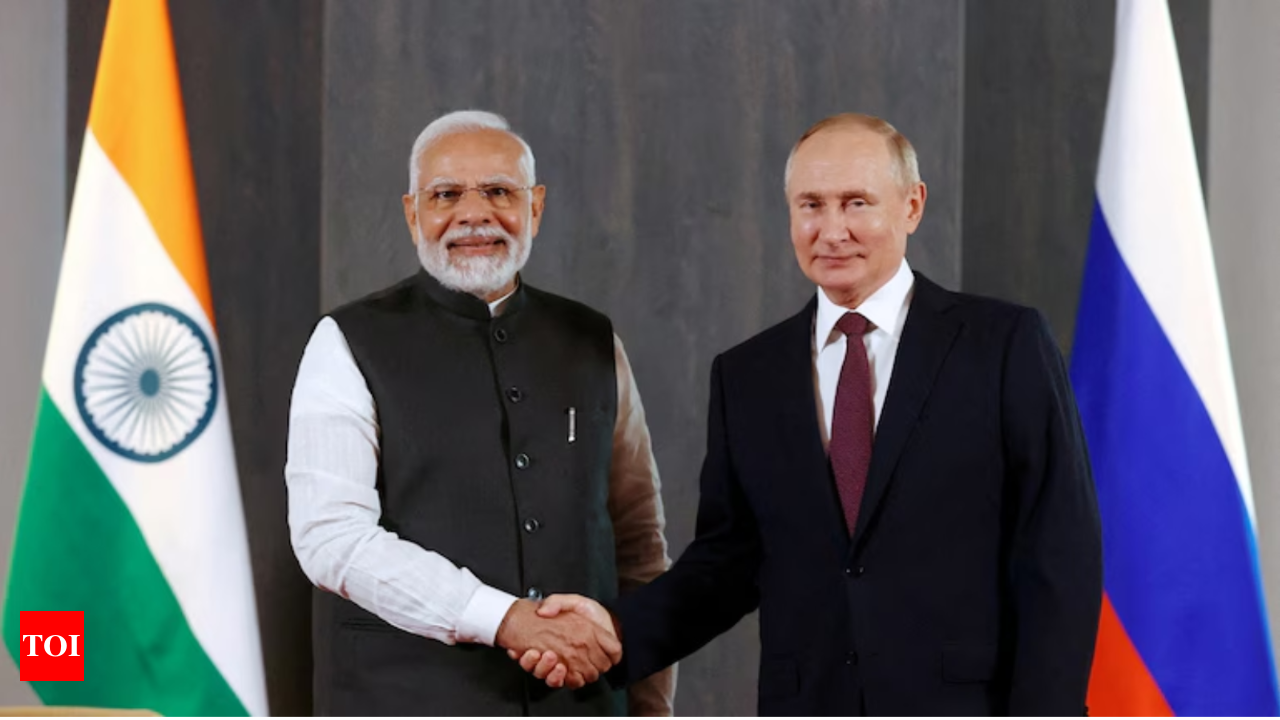
By Nitya Chakraborty Russian President’s pending visit to India has turned into a big diplomatic mystery as in the last five months since the Kazan summit on October 22 last year when Putin officially confirmed his visit to India in the presence of the Indian Prime Minister Narendra Modi amidst full media and TV glare, […]

China’s cloud computing sector is on track for substantial expansion in 2025, driven by increased investments from major technology firms and a surge in demand for artificial intelligence capabilities. Industry projections indicate that the public cloud market in China is expected to reach $74.13 billion in 2025, with Infrastructure as a Service leading the segment.

In the third quarter of 2024, spending on cloud infrastructure services in mainland China grew by 11% year-over-year, totaling $10.2 billion. This growth marks a return to double-digit increases, highlighting the sector’s resilience and upward trajectory.

Leading Chinese tech companies are making significant investments to bolster their cloud and AI infrastructure. Alibaba Cloud, for instance, announced a $52.6 billion investment over three years to enhance its cloud computing and AI capabilities. Similarly, Meituan has committed billions toward acquiring chips for AI model training, underscoring the competitive drive among Chinese firms to advance in the AI arena.

Despite these aggressive investments, concerns about potential overcapacity in AI data centers have emerged. Alibaba Chairman Joe Tsai cautioned about a possible bubble in AI data center construction, noting that substantial investments are being made without guaranteed future demand. He highlighted that major tech companies are investing heavily in AI infrastructure, which may not be justified by future needs.

In the global context, Chinese cloud providers are expanding their presence overseas. Alibaba Cloud, for example, launched its first data center in Mexico, marking its entry into the Latin American market and reflecting a broader strategy to extend its global footprint.

While China’s cloud market is experiencing robust growth, it still trails behind global leaders. In the fourth quarter of 2024, worldwide cloud infrastructure services spending reached $86 billion, with Amazon Web Services maintaining a 33% market share. In comparison, Alibaba Cloud held approximately 4% of the global market during the same period.

BLOCK71 Tokyo, its second office in Japan, opens at TAKANAWA GATEWAY CITY, the country’s latest global innovation hub. NUS collaborates with Japanese partners, who will invest about ¥1 billion to spur global venture creation. SINGAPORE – Media OutReach Newswire – 28 March 2025 – NUS Enterprise, the entrepreneurial arm of the National University of Singapore (NUS), is expanding its presence in Japan with the launch of its […]

Greenlogue/AP Saudi Arabia’s Acwa Power is intensifying its collaboration with Chinese enterprises, undeterred by escalating global trade disputes. The energy giant has formalized agreements exceeding $1.78 billion, focusing on renewable energy, battery storage, and research and development initiatives across regions including the Gulf, China, Central Asia, and North Africa. These deals, announced at the Future Investment Initiative conference in Riyadh, encompass a $54 million investment dedicated to […]

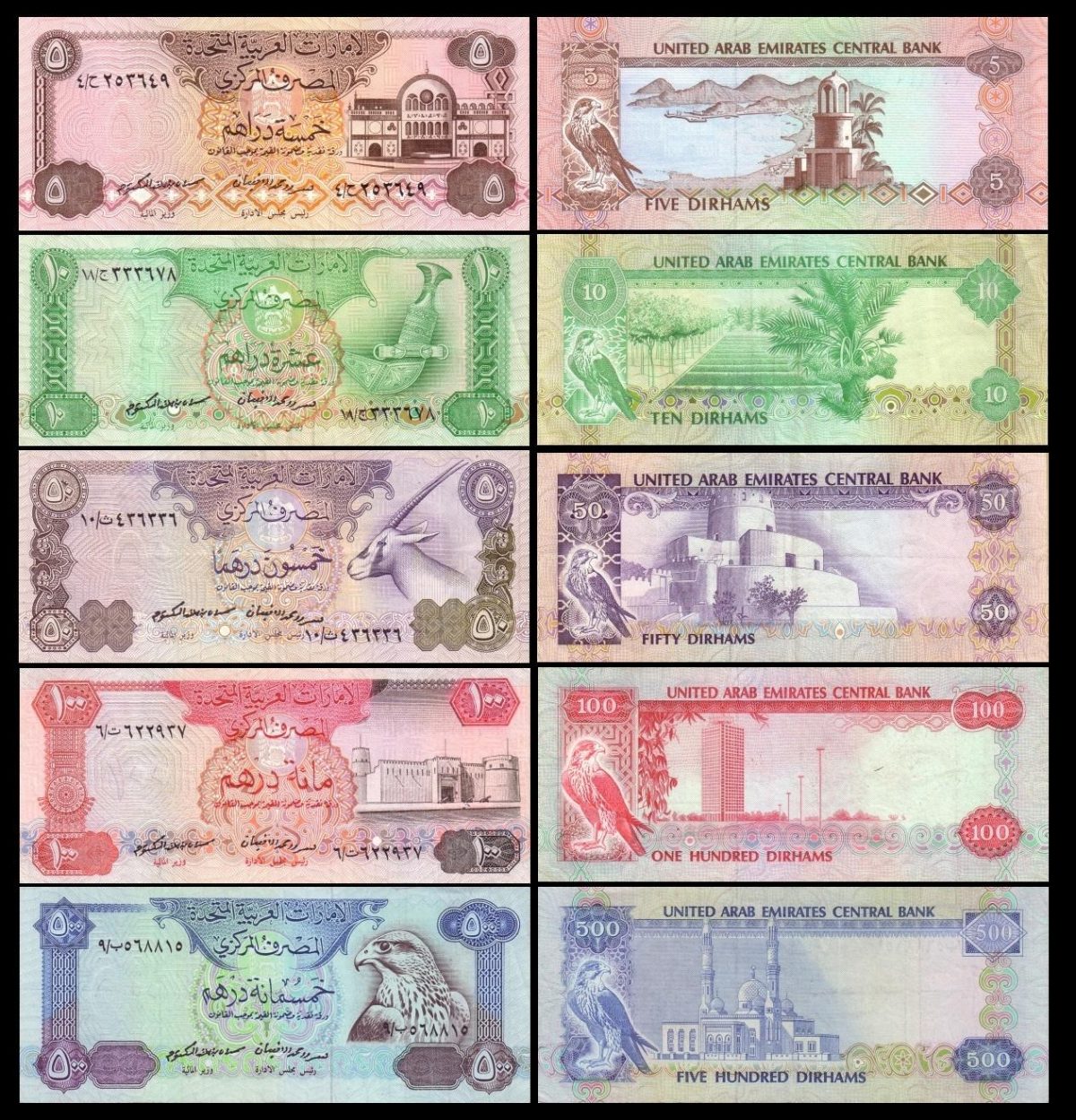
The Central Bank of the UAE has unveiled a new symbol for the nation’s currency, the Dirham, marking a significant step in the country’s financial evolution. This initiative aims to bolster the UAE’s position as a leading global financial hub and reflects its commitment to embracing digital advancements in the financial sector.

The newly introduced symbol is derived from the English letter “D” and features two horizontal lines that signify the currency’s stability. This design draws inspiration from the UAE flag, embodying national identity and pride. In its digital form, the symbol is encased within a circle, incorporating the flag’s colors—green, white, red, and black—to emphasize security and continuity, while also echoing the shape of a digital token. The design’s curves are influenced by traditional Arabic calligraphy, lending it an elegant and robust presence.

The adoption of this symbol aligns with the CBUAE’s recent accession to the FX Global Code, a set of global principles promoting integrity and transparency in the foreign exchange market. By joining this voluntary code, the UAE becomes the first central bank in the Arab region to commit to these standards, underscoring its dedication to fair and transparent practices in the financial sector.

Khaled Mohamed Balama, Governor of the CBUAE, emphasized that the introduction of the new Dirham symbol reflects the nation’s vision for a modern and innovative financial ecosystem. He highlighted that this move is part of broader efforts to enhance the international profile of the UAE’s currency, especially as digital finance continues to gain momentum globally.

The CBUAE has also developed an integrated and secure platform for the issuance, circulation, and use of the Digital Dirham, including a Digital Dirham wallet. This platform is designed to ensure the seamless adoption of the digital currency, providing users with a secure and efficient means of conducting transactions. The issuance of the Digital Dirham is expected to take place in the last quarter of 2025 for the retail sector, marking a pivotal moment in the UAE’s financial landscape.

The introduction of the new Dirham symbol and the forthcoming Digital Dirham are anticipated to have a profound impact on the UAE’s economy. By embracing digital currency, the nation aims to enhance financial inclusion, streamline payment systems, and reduce transaction costs. Moreover, these initiatives are expected to attract international investors and businesses, further solidifying the UAE’s status as a global financial center.

Financial analysts have noted that the UAE’s proactive approach to digital finance positions it ahead of many other nations in the region. The adoption of a distinct currency symbol and the development of a digital currency demonstrate the country’s commitment to innovation and its readiness to adapt to the evolving financial landscape.

However, the transition to digital currency also presents challenges. Ensuring robust cybersecurity measures, maintaining public trust, and navigating regulatory considerations are critical factors that the CBUAE will need to address as it moves forward with these initiatives. The central bank has assured that it is implementing comprehensive strategies to tackle these challenges, prioritizing the security and stability of the UAE’s financial system.

The unveiling of the new Dirham symbol has been met with positive reactions from various sectors within the UAE. Businesses and consumers alike have expressed optimism about the potential benefits of the Digital Dirham, including increased convenience and efficiency in transactions. The integration of traditional design elements with modern digital features in the new symbol has also been praised for effectively encapsulating the UAE’s cultural heritage and forward-thinking vision.

Matein Khalid It took Trump 2.0 to finally dethrone King Dollar. The US Dollar Index has fallen from 110 to 104 as Planet Forex has finally concluded that aggressive tariffs on Canada, Mexico, China and the EU, coupled with stagflation risk in the US and Powell’s dovish take on a potential dual mandate pivot to easy money at a time when Germany ramps up defense spending by […]

VISHNU RAJA
RYO YAMADA
HITORI GOTOH
IKUYO KITA