Just in:
IEA forecasts fourth-quarter oil surplus as Gulf shipments rebound // Saudi fund assets forecast to cross $400 billion // Microsoft restores services gradually but gives no recovery deadline // Rooftop solar planning gaps behind power shortages // Nvidia appoints Colette Kress interim chief after Huang departure // From Dubai to the EU: how UAE-based crypto firms can expand under MiCA // Sun World Ba Den Mountain marks Vietnam Culture Day, welcoming Cambodian visitors over Bon Om Touk // The Honey Trap Is The Headline, The Chip Pipeline Is The Story // Crescent Enterprises venture arm funds Oyster Therapeutics development // UAE crews sustain coastal oil removal as beaches reopen // OpenAI unveils ChatGPT Wallet for agent-led purchases // 11 Boutique Xinjiang Wineries to Debut in Singapore // US resumes flights after nationwide air traffic shutdown // Yicura BioMed Advances Dual Capital and Industrial Strategy: Completes First Closing of Series B Financing Led by Gobi Partners // US authorities dismantle North Korean cryptocurrency deception infrastructure // TORRAS Launches Two New iPhone Duo Cases from Its Popular Ostand Series, Addressing Foldable Phone Users’ Concerns About Difficult Stand Positioning and Scratches // Electoral register gains 2.17 lakh voters // Microsoft outage leaves Outlook and Teams users disconnected // China Reconciled To U.S. Curbs On Chips Exports, Woos South Korea For Supply // Microsoft apologises as Outlook services recover after outage //

News related to
First

Hong Kong Tourism Poised for Growth; Cruise Business Fuels Economic Recovery HONG KONG SAR – Media OutReach Newswire – 7 December 2024 – Royal Caribbean International, the world’s leading and Hong Kong’s longest-standing homeporting cruise line, is set to double its Hong Kong homeport sailings next year with an extended season of 10 roundtrip sailings. The Quantum Ultra Class Spectrum of the Seas and sister ship Ovation […]

The new Long Bar at Raffles at Galaxy Macau, 8½ Otto e Mezzo BOMBANA, Feng Wei Ju, and The Macallan Whisky Bar & Lounge have been recognized as best in class by a raft of industry-leading awards MACAU SAR – Media OutReach Newswire – 6 December 2024 – Galaxy Macau™, the world-class luxury integrated resorts (referred to as “Galaxy Macau”), is proud to announce that its dining […]

HANOI, VIETNAM – Media OutReach Newswire – 7 December 2024 – The VinFuture Foundation has honored four scientific breakthroughs in 2024. The US$3 million Grand Prize is awarded to “transformational contributions to the advancement of deep learning.” Three VinFuture Special Prizes are awarded to “innovative improvement of oral cholera vaccination in developing countries,” “advancement in design of polymeric biomaterials and methods for biomedical applications,” and “development of […]

The Dubai International Financial Centre (DIFC) has unveiled its ambitious decarbonisation strategy, aiming to achieve Net Zero emissions by 2045. The strategy aligns with the UAE’s national goals to reduce carbon emissions and foster sustainability within the financial sector, emphasizing the critical role of financial institutions in shaping a low-carbon future. As part of its roadmap, DIFC is prioritizing sustainability through various initiatives, including increasing energy efficiency, […]

Uber Technologies has officially rolled out autonomous ride-hailing services in Abu Dhabi in collaboration with WeRide, a leading autonomous vehicle technology firm. This strategic partnership marks a significant step forward in integrating autonomous mobility solutions within the region, leveraging WeRide’s advanced autonomous vehicle systems on Uber’s platform. WeRide, recognized for operating the largest autonomous fleet in the UAE through its TXAI app, secured national authorization in 2023 […]

Arabian Post Staff -Dubai The UAE has cemented itself as a hub for high-net-worth individuals (HNWIs), with an influx of the world’s ultra-wealthy seeking refuge in its stable economic and political climate. Analysts highlight a surge in wealthy expatriates relocating to the region, driven by factors such as geopolitical instability, tax incentives, and a thriving real estate market. A UBS executive predicts that investments in the Middle […]

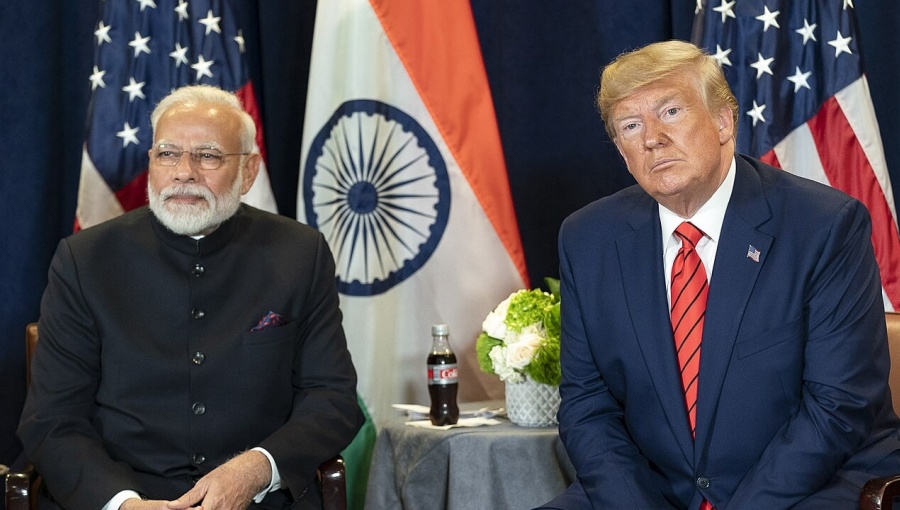
By Nitya Chakraborty Prime Minister Narendra Modi invited Russian President Vladimir Putin to visit India at the time of his visit to the BRICS summit at Kazan in Russia in October this year. This was immediately accepted by President Putin and in the last six weeks since the Kazan conclave on October 22-23 this year, […]
Advertisements

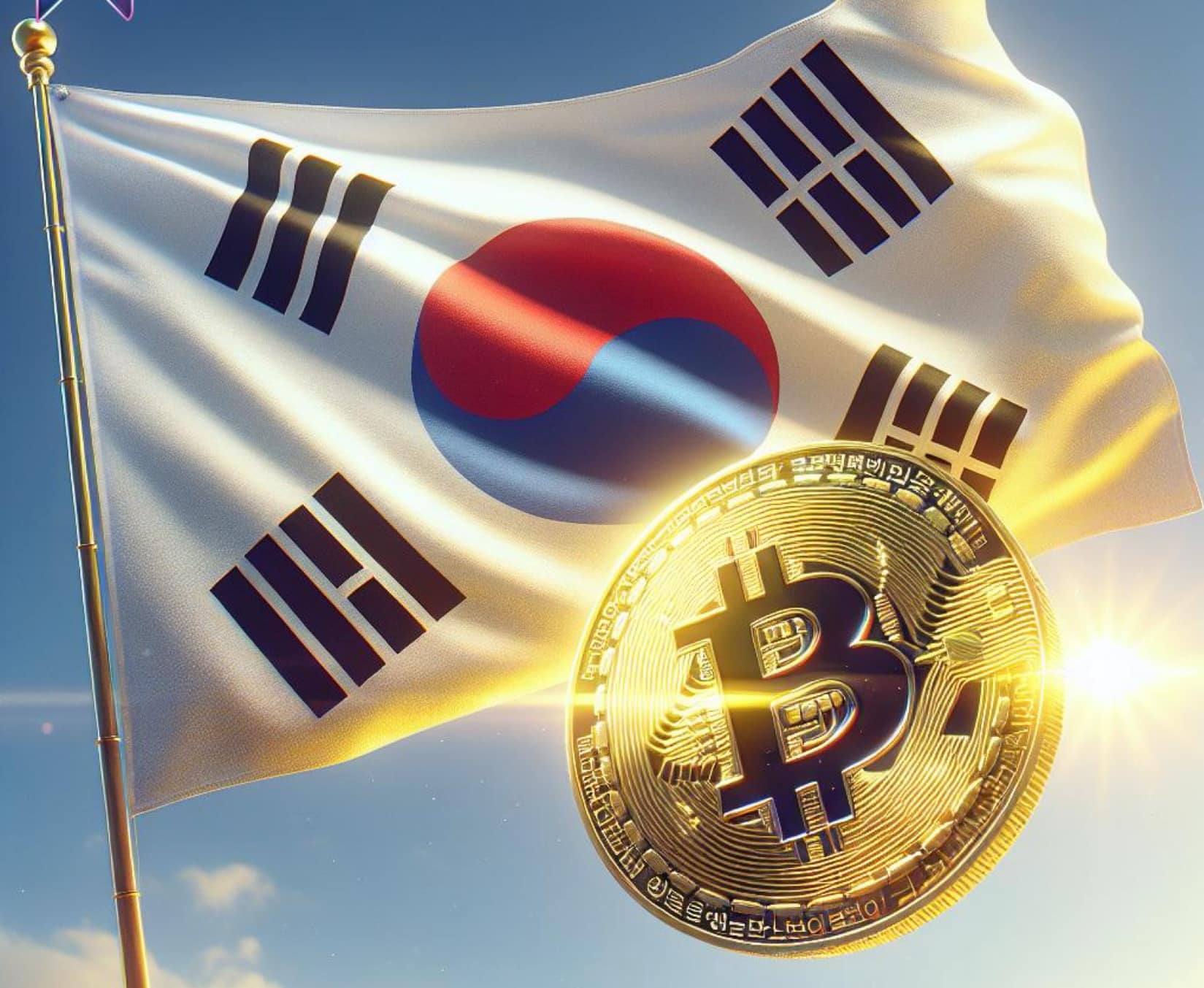
Cryptocurrency trading in South Korea shows a clear preference for altcoins, with 93% of transactions in the country involving digital assets other than Bitcoin. This trend starkly contrasts with the U.S., where Bitcoin continues to hold a larger share of the market, accounting for 29.5% of cryptocurrency transactions.

The growing dominance of altcoins in South Korea is reflective of broader trends within the cryptocurrency ecosystem. While Bitcoin remains the first and most recognized cryptocurrency worldwide, the South Korean market has become a hotspot for alternative cryptocurrencies. These digital assets, often referred to as altcoins, have gained significant traction, with a variety of tokens fueling both investment and speculative trading.

The data highlighting this shift reveals a marked preference for altcoins among South Korean investors, who appear to favor the variety and potential for high returns that altcoins offer. This preference may be driven by a combination of factors, including technological innovation, market volatility, and the potential for faster gains that altcoins can provide compared to Bitcoin, which has a more established presence and slower growth trajectory.

Several of these altcoins have gained popularity due to their specific utility in different sectors, from decentralized finance (DeFi) to gaming and non-fungible tokens (NFTs). The South Korean market, known for its high engagement with emerging technologies and trends, has also seen a growing interest in blockchain projects that offer more than just a store of value, making altcoins an attractive option for a broad base of retail investors.

In contrast, Bitcoin still holds significant sway in the U.S. market, accounting for almost a third of all cryptocurrency transactions. The U.S. has historically been a leader in the cryptocurrency space, with early adoption of Bitcoin paving the way for widespread acceptance. Institutional investment in Bitcoin, along with its status as the first cryptocurrency, has helped maintain its dominance in the American market.

Bitcoin’s larger share of the market in the U.S. is often attributed to its role as a store of value and the most recognized cryptocurrency. Despite the rise of altcoins globally, Bitcoin continues to be viewed as a safer, more stable investment option by many, particularly in more developed markets like the U.S. where institutional investors are a key component of the cryptocurrency ecosystem.

South Korea’s crypto trading landscape is also influenced by the country’s government policies and regulatory environment, which have been both restrictive and supportive of the crypto industry. South Korean regulators have implemented measures to curb speculative trading, including restrictions on anonymous crypto trading and a tax on crypto earnings. However, the country has also embraced blockchain technology and is a significant player in the global cryptocurrency market, making it a key area of focus for cryptocurrency exchanges and investors.

The dominance of altcoins in South Korea also reflects broader regional trends in Asia. Countries like Japan and China have had varying levels of cryptocurrency regulation, but South Korea has emerged as a prominent hub for crypto trading in Asia. The country’s crypto exchanges, such as Upbit, Bithumb, and Coinone, are among the largest in the world by trading volume, underscoring the importance of South Korea in the global digital asset market.

The high volume of altcoin transactions in South Korea is also indicative of a more risk-tolerant investor base. Many South Korean traders are known for their willingness to engage in speculative trading, often seeking to capitalize on the volatility of smaller cryptocurrencies. This risk appetite has created a market where altcoins, despite their relative instability compared to Bitcoin, are seen as more appealing due to the potential for higher rewards.

Despite these trends, Bitcoin’s position in South Korea is not negligible. Although it represents a smaller portion of the overall market compared to altcoins, it remains a key asset in the portfolios of many crypto traders. Bitcoin’s continued relevance is supported by its use as a benchmark for the broader cryptocurrency market, as well as its position as the largest and most well-established cryptocurrency.

Global trends in the cryptocurrency market suggest that the preference for altcoins in South Korea could have implications for other markets, particularly in Asia. As cryptocurrencies evolve and new technologies emerge, the demand for more specialized tokens could increase, leading to further shifts in market dynamics. While Bitcoin remains dominant in many regions, the rise of altcoins is a testament to the diversity and innovation that continues to characterize the cryptocurrency space.

The ongoing global competition between Bitcoin and altcoins reflects the broader evolution of the cryptocurrency ecosystem. As new use cases for digital assets continue to emerge, investors in markets like South Korea are looking beyond Bitcoin to find the next big opportunity. This trend highlights the complex and fast-changing nature of the crypto world, where innovation is constant and market preferences can shift rapidly.


DHL’s GoHelp program equips local employees with critical disaster response skills to enhance resilience 20 years after the 2004 Indian Ocean tsunami devastated Sri Lanka COLOMBO, SRI LANKA – Media OutReach Newswire – 6 December 2024 – DHL Group has expanded its GoHelp Disaster Response Team (DRT) training to Sri Lanka, strengthening resilience and preparedness against disasters in the Asia Pacific region. DHL Group’s first GoHelp Disaster […]

KUALA LUMPUR, MALAYSIA – Media OutReach Newswire – 6 December 2024 – The “Korea Gyeong Buk Premium Food Promotion 2024” hosted by the Gyeongbuk Maeil Newspaper and sponsored by 14 local governments of GyeongSangbuk-do has successfully concluded 2 meaningful events highlighting its specialities and global potential of Gyeong Buk products. The events which feature 20 Korean F&B Companies was held from November 25th to 28th , which […]

BANGKOK, THAILAND – Media OutReach Newswire – 6 December 2024 – The Philippines’ Energy Development Corporation (EDC), a global renewable energy leader, has been awarded the Green Company of the Year at the 2024 Asia Corporate Excellence & Sustainability (ACES) Awards. This prestigious accolade recognises EDC’s unwavering commitment to advancing the country’s renewable energy sector while championing biodiversity, forest restoration, and climate change mitigation. Energy Development Corporation […]

Global cryptocurrency trading volumes surged to record highs in November, with spot markets witnessing a transaction volume of $2.7 trillion, marking the most significant activity since mid-2021. This dramatic increase coincided with substantial developments in the political and economic landscape, catalyzing heightened market enthusiasm. Futures trading also experienced a remarkable boost, with Bitcoin and Ethereum futures dominating the derivatives segment.

The momentum in the cryptocurrency market followed the reelection of Donald Trump as U.S. President, a development that fueled optimism around potential regulatory reforms. The departure of SEC Chair Gary Gensler added to this positive sentiment, as his tenure was marked by stringent scrutiny of digital assets. Market participants anticipate a more supportive stance toward cryptocurrencies under the new administration, especially after campaign promises to position the U.S. as a global hub for digital finance.

Bitcoin approached the $100,000 mark for the first time, underscoring a bull run driven by multiple factors. The approval of Bitcoin ETFs in several jurisdictions further encouraged institutional investment, with a combined inflow of $6.87 billion during November. This development was instrumental in providing institutional investors with a more streamlined pathway to crypto exposure, signaling a shift toward mainstream adoption.

The global market cap for cryptocurrencies rose to $3.47 trillion, reflecting robust investor confidence. Exchanges such as Binance and Kraken reported unprecedented activity in perpetual contracts, with altcoins like Solana and Dogecoin showing significant trading volume increases. Dogecoin, often viewed as a speculative asset, briefly surpassed Ethereum in daily trading volumes, highlighting its growing appeal among traders.

Regulatory shifts outside the U.S. also contributed to the rally. Nations in Asia and Europe introduced or committed to frameworks for digital assets, providing much-needed clarity for investors. These developments have encouraged both institutional and retail investors to explore opportunities in the cryptocurrency ecosystem, further driving up trading volumes.

The macroeconomic environment also played a pivotal role. The U.S. Federal Reserve’s decision to ease monetary policy injected additional liquidity into financial markets. Investors flocked to cryptocurrencies as a hedge against inflation, drawn by their scarcity and potential for high returns. This influx of capital was particularly evident in Bitcoin, which saw substantial growth in both spot and futures markets.

HOHHOT, CHINA – Media OutReach Newswire – 5 December 2024 – Recently, the 2024 Green Methanol Energy Industry Development Forum and the Farizon New Energy Commercial Vehicle Methanol-Hydrogen Product Showcase were held in Hohhot, Inner Mongolia. These events have not only highlighted Inner Mongolia’s innovation and breakthroughs in the new energy sector but also outlined a clear path towards a greener future. Methanol, recognized for its efficient […]

Consumer banking presents “Christmas Festival” to thank customers’ support HONG KONG SAR – Media OutReach Newswire – 5 December 2024 – OCBC Bank (Hong Kong) Limited (“OCBC Hong Kong”) is celebrating the festive season with customers and the community with the popular homegrown heritage pandan cake from Singapore as a special gift to thank customers and the community for their continued trust and support. In this “Christmas […]

Professional-Quality Camera System and Advanced Features Redefine the Mobile Photography Experience, arriving in Singapore on 6 December 2024 SINGAPORE – Media OutReach Newswire – 5 December 2024 – SHARP, the renowned leader in consumer technology, will officially launch its latest flagship smartphone, AQUOS R9 pro, tomorrow (6 December 2024). With professional-grade camera capabilities, immersive visuals, and robust performance, this new release is a dream come true for […]

By Satyaki Chakraborty France landed on Wednesday night once again into a deeper political crisis after a no-confidence vote brought down the government, ending the beleaguered minority coalition of the conservative Prime Minister Michel Barnier propped up by the far right National Rally (RN) after only three months. The no-confidence motion brought by an alliance […]

Tesla’s long-anticipated Cybertruck production has been put on hold, marking a significant setback for Elon Musk and the electric vehicle giant. The delay follows a series of hurdles that have shaken investor confidence and raised concerns about the company’s ability to meet its ambitious targets. These setbacks compound the challenges Musk has faced this week, including a major drop in his stock valuation and continued issues related […]

Ubisoft has announced that it will be shutting down the servers for its free-to-play first-person shooter, *XDefiant*, after just seven months of operation. The decision comes as a result of the game’s inability to maintain a substantial player base and continued issues with player engagement. Ubisoft has confirmed that servers will officially close on June 3, 2024, but players can continue to enjoy the game until then. […]

Saudi Arabia’s presidency of COP16 has spotlighted the pressing need for enhanced funding for land restoration, urging the private sector to take a leading role in addressing the critical financial shortfall. As the world confronts escalating environmental challenges, the call aims to overcome what experts have described as a “blackhole” of financial resources necessary to restore degraded lands globally. The issue of land restoration has gained momentum […]

Hedge fund Dymon Asia has marked its first entry into the Middle East with the opening of an office in Dubai. The move signals a broader strategic push as the firm seeks to tap into the region’s burgeoning investment opportunities. Known for its strong presence in Asia, the fund’s expansion into Dubai highlights the city’s growing significance as a financial hub and a base for global investors. […]

SPIMACO, one of Saudi Arabia’s prominent pharmaceutical companies, has decided to cancel its agreement to acquire a majority stake in the pharmaceutical manufacturer Osmopharm. The move comes after a series of strategic shifts in both companies’ corporate plans, signaling a pause in the anticipated merger that was initially expected to expand SPIMACO’s footprint in the healthcare sector.

The agreement, which was first announced earlier this year, outlined SPIMACO’s purchase of a 68% stake in Osmopharm, an acquisition that was set to position SPIMACO as a more dominant player in the region’s pharmaceutical market. The deal had been under negotiation for several months and represented a significant step for SPIMACO to strengthen its portfolio in a market that is becoming increasingly competitive.

Sources familiar with the decision revealed that the cancelation stems from a combination of factors, including shifting market conditions and adjustments to corporate strategies. These reasons were not immediately disclosed, but industry experts note that SPIMACO may have reconsidered its investment in Osmopharm amidst changing regulatory landscapes and economic uncertainty in the region.

The Saudi pharmaceutical industry has been undergoing significant transformations, with both local and international companies seeking to capitalize on the region’s expanding healthcare needs. Saudi Arabia’s Vision 2030, which includes an emphasis on privatization and healthcare sector reform, has made the pharmaceutical industry a focal point of investment. However, the cancellation of the SPIMACO-Osmopharm deal highlights the volatility and risks that even established firms face in navigating these shifts.

Osmopharm, which has a growing presence in the manufacturing of a variety of medical products, was expected to benefit from the infusion of capital and resources that SPIMACO would have provided. The company’s expansion plans are now uncertain as it seeks alternative avenues for growth. Both companies had previously expressed their enthusiasm for the merger, with Osmopharm eager to take advantage of SPIMACO’s strong distribution network across the Middle East.

The deal had garnered attention due to its potential to create one of the largest pharmaceutical entities in the region. SPIMACO’s acquisition of a majority stake in Osmopharm would have placed it in a position to compete more aggressively with global players operating in the Saudi market. However, with the cancellation, both companies must now recalibrate their future strategies in order to sustain growth in a market that continues to evolve at a rapid pace.

The decision has raised questions among investors and analysts who were closely monitoring the deal, particularly those who saw the merger as a key factor in SPIMACO’s long-term growth trajectory. In response to the change, SPIMACO’s board has reassured stakeholders that the company remains committed to expanding its footprint in the regional pharmaceutical industry through other avenues, including organic growth and potential future acquisitions that align with its revised strategic goals.

The uncertainty surrounding the deal has also had a ripple effect in the market, with stock analysts revisiting their forecasts for both companies. While SPIMACO’s decision to pull back from the acquisition has led to a temporary dip in investor confidence, market observers suggest that the company’s solid financial base and ongoing projects will allow it to weather the short-term impact.

Meanwhile, Osmopharm’s future remains uncertain as it navigates this setback. The company has yet to comment publicly on the scrapped deal, but sources close to the firm suggest it will explore new opportunities for collaboration or acquisition. The pharmaceutical sector, which is expected to continue growing in the coming years, will likely see other players attempting similar mergers and acquisitions as they strive to expand their reach and capitalize on the region’s burgeoning healthcare needs.

HONG KONG SAR – Media OutReach Newswire – 5 December 2024 – Register for FREE Buyer Badge: https://tinyurl.com/3wpf8hr2 Organised by the Hong Kong Trade Development Council (HKTDC), the 51st Hong Kong Toys & Games Fair, the 16th Hong Kong Baby Products Fair and the 23rd Hong Kong International Stationery & School Supplies Fair (jointly organised with Messe Frankfurt (HK) Ltd) will be held from 6–9 January 2025 […]

Circle, the issuer of the USD Coin (USDC), has officially confirmed that its stablecoin has met the criteria to qualify as a Value-Referenced Crypto Asset (VRCA) under Canada’s regulatory framework. This approval ensures USDC will remain in compliance with Canadian law and continue its operations in the country beyond the December 31, 2024, deadline.

The Canadian Securities Administrators (CSA) introduced stringent regulations in 2023 aimed at creating a safe and secure environment for digital assets. These rules require all stablecoins operating in the country to meet the VRCA requirements, a set of standards designed to guarantee that crypto assets are fully backed by reserves that are easily redeemable at par value. This regulatory framework is part of Canada’s broader strategy to bring digital currencies in line with existing financial systems, increasing transparency and protecting investors.

Circle’s achievement marks a significant milestone in the integration of stablecoins into national financial systems. USDC is the first stablecoin to meet the VRCA’s strict criteria, a move that positions it as a critical player in Canada’s evolving crypto landscape. As the only stablecoin to have secured this compliance, USDC now has a distinct advantage in the Canadian market, ensuring its ongoing use for payments, remittances, and other financial applications within the country.

The approval also signals a growing acceptance of digital currencies in Canada. The country has long been considered one of the more progressive jurisdictions in terms of cryptocurrency adoption, with regulators working to balance innovation with investor protection. The VRCA classification reflects a recognition of stablecoins’ utility in the broader financial ecosystem, especially for international transactions where volatility is a concern.

Circle’s commitment to regulatory compliance has been a cornerstone of its strategy. The company has worked closely with regulators around the world to ensure that USDC adheres to local laws while maintaining its stability and utility. This proactive approach has helped build trust with both users and governments, a critical factor in the growing acceptance of stablecoins.

Stablecoins like USDC are pegged to fiat currencies such as the U.S. dollar, offering a relatively stable value compared to the broader cryptocurrency market, which can experience significant price fluctuations. The ability to convert USDC easily into Canadian dollars under the new regulatory framework provides Canadian users with a reliable and efficient means of conducting digital transactions.

This regulatory approval by Canada also has broader implications for the global cryptocurrency market. As other nations consider how to regulate stablecoins, the Canadian example could serve as a model for establishing clear, comprehensive guidelines that protect users while fostering innovation. By creating a clear framework for stablecoins, Canada sets a precedent for how other jurisdictions might approach similar regulatory challenges in the coming years.

Circle’s compliance with Canada’s VRCA requirements may open the door for more stablecoin issuers to seek similar approvals in other jurisdictions, ultimately pushing the global regulatory landscape toward greater consistency. For now, USDC’s approval in Canada helps to reinforce its role as a leading stablecoin in the global market, used by a wide range of entities, from financial institutions to decentralized finance (DeFi) applications.

Despite these positive developments, the global regulatory landscape for stablecoins remains fragmented. Different countries have taken varying approaches to stablecoin regulation, with some adopting a more cautious stance and others moving forward with more aggressive regulatory frameworks. As regulators continue to refine their approaches, Circle’s success in meeting Canada’s VRCA standards may be a pivotal moment in shaping the future of stablecoins.

Cuba’s national power grid has collapsed, leaving millions of citizens without electricity and causing widespread disruption across the country. Late Wednesday, officials reported that the country was only generating enough electricity to meet one-sixth of its peak demand. This power failure comes as Cuba continues to grapple with energy infrastructure issues, highlighting the vulnerabilities in its aging electrical system.

The power outage, which began hours before the statement from the state-owned Electric Union of Cuba, resulted in a total blackout in several regions, including the capital Havana and major provincial cities. The grid collapse came as temperatures soared, exacerbating the already difficult living conditions for many Cubans. The government has faced mounting criticism over its inability to provide a consistent and reliable electricity supply, with the national grid experiencing periodic failures throughout the year.

Cuban officials blamed the national grid’s collapse on a combination of factors, including weather-related issues and aging infrastructure. While the authorities have taken steps to mitigate the crisis, such as shifting to emergency power generation and rationing electricity in some areas, the situation remains dire. Reports from residents describe long-lasting blackouts, with some parts of the country still waiting for power to be restored more than a day after the incident.

The impact of the blackout is severe, affecting daily life and businesses alike. Hospitals, schools, and other essential services have had to operate on backup generators, placing further strain on resources that were already stretched thin due to Cuba’s ongoing economic struggles. With the government focusing efforts on restoring power, many are also questioning the broader implications for the country’s energy policy and infrastructure development.

Power shortages have long been a concern in Cuba, with frequent blackouts and unreliable energy supplies being a part of daily life in many regions. The situation has worsened in recent months, as the country faces an economic crisis compounded by the ongoing effects of the COVID-19 pandemic and international sanctions. These challenges have placed significant pressure on the energy sector, which has been struggling to meet the needs of a population already facing considerable hardship.

Energy experts have pointed out that Cuba’s power grid is outdated and in need of significant investment and modernization. The country relies heavily on oil for electricity generation, but fuel shortages have been a common issue in recent years. The collapse of the power grid is seen by many as the latest sign of systemic failure within the country’s energy sector, which has failed to keep pace with the demands of a growing population and the complexities of modern energy production.

The government has said it is working to restore the grid and minimize further disruptions. However, some experts have warned that the root causes of the crisis will require long-term planning and investment to address. As part of its efforts, Cuba has turned to its allies in the region, seeking assistance with both emergency energy supplies and technical expertise to overhaul its electricity infrastructure.

In the meantime, the Cuban government has been forced to impose rolling blackouts, a move that has drawn widespread criticism from citizens who have endured long periods without power. Many have taken to social media to voice their frustration, accusing the government of failing to provide basic services despite the country’s vast natural resources. The government, for its part, has insisted that it is working diligently to restore full power, but has also acknowledged the difficulties in overcoming the challenges posed by the aging infrastructure.

The situation has prompted a broader debate over Cuba’s energy policy and its reliance on outdated systems and foreign aid. While the country is rich in renewable energy resources, such as solar and wind, it has been slow to transition to more sustainable energy solutions. Experts have long recommended that the government invest in renewable energy infrastructure, but progress has been slow. Critics argue that more aggressive steps should have been taken years ago to modernize the energy sector, reducing Cuba’s dependence on imported oil and providing more sustainable energy options for its citizens.

Cuban President Miguel Díaz-Canel, in a public address, acknowledged the severity of the power failure and promised to take immediate action to address the crisis. He reassured the public that the government would prioritize restoring power to the most affected areas and was working with international partners to bring in additional resources. However, the situation remains fluid, with many still uncertain about the long-term solutions to the country’s energy challenges.

This power outage is not the first of its kind in Cuba, and it is unlikely to be the last unless substantial investments are made to address the underlying issues. As the country continues to struggle with an outdated and overburdened grid, the question of how to modernize Cuba’s energy infrastructure and move towards more sustainable solutions is becoming increasingly urgent. The current crisis serves as a stark reminder of the challenges facing the Cuban government and its citizens in securing reliable access to electricity.

VISHNU RAJA
RYO YAMADA
HITORI GOTOH
IKUYO KITA