Just in:
L’OCCITANE Celebrates 50 Years Of Provençal Craftsmanship With Holiday 2026 Collection // Microsoft apologises as Outlook services recover after outage // Hackers falsify NVIDIA GPU readings to mask cryptomining // OpenAI unveils ChatGPT Wallet for agent-led purchases // EBANX and Eneba strengthen partnership in Latin America with 138% YoY growth in payment volume // The Honey Trap Is The Headline, The Chip Pipeline Is The Story // Sun World Ba Den Mountain marks Vietnam Culture Day, welcoming Cambodian visitors over Bon Om Touk // Fujairah highway pile-up leaves 14 dead and 30 injured // Crescent Enterprises venture arm funds Oyster Therapeutics development // Saudi fund assets forecast to cross $400 billion // TORRAS Launches Two New iPhone Duo Cases from Its Popular Ostand Series, Addressing Foldable Phone Users’ Concerns About Difficult Stand Positioning and Scratches // Electoral register gains 2.17 lakh voters // China Reconciled To U.S. Curbs On Chips Exports, Woos South Korea For Supply // 11 Boutique Xinjiang Wineries to Debut in Singapore // Rooftop solar planning gaps behind power shortages // Inpex reaffirms Gulf oil strategy despite shipping constraints // From Dubai to the EU: how UAE-based crypto firms can expand under MiCA // Yicura BioMed Advances Dual Capital and Industrial Strategy: Completes First Closing of Series B Financing Led by Gobi Partners // IEA forecasts fourth-quarter oil surplus as Gulf shipments rebound // Nvidia appoints Colette Kress interim chief after Huang departure //

News related to
First

Latvian filmmaker Gints Zilbalodis’s animated feature “Flow” has clinched the Academy Award for Best Animated Feature, marking a historic first Oscar win for Latvia. The film, notable for its dialogue-free narrative and minimalist animation style, was created entirely using Blender, a free and open-source 3D computer graphics software. This achievement underscores the potential of open-source tools in high-caliber film production. “Flow” presents a post-apocalyptic tale where a […]

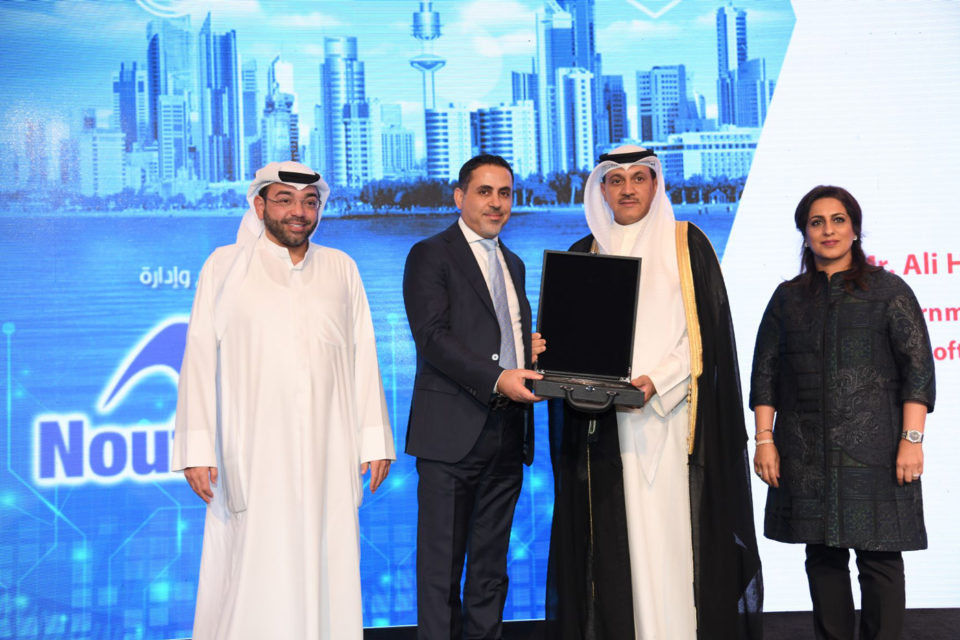
Microsoft has entered into a strategic collaboration with the Government of Kuwait to establish an Azure cloud region within the country, aiming to accelerate Kuwait’s digital transformation and bolster its position as a regional technology hub. This initiative is set to provide advanced cloud services, enhance data residency, and stimulate the development of smart infrastructure across various sectors.

The partnership aligns with Kuwait’s Vision 2035, a national development plan that seeks to diversify the economy and reduce dependence on oil revenues by fostering a knowledge-based economy. By integrating Microsoft’s AI capabilities into the Azure cloud platform, the collaboration aims to drive innovation in key industries, including finance, healthcare, and education.

Kuwait has been proactive in adopting cutting-edge technologies to modernize its infrastructure and services. Notably, the country was the first in the region to implement 5G technology and currently boasts one of the highest 5G penetration rates globally. This existing technological foundation positions Kuwait favorably for the integration of advanced cloud services and AI solutions.

The establishment of a local Azure cloud region is expected to address critical concerns regarding data residency and security. By ensuring that data remains within national borders, the initiative aims to comply with local regulatory requirements and build trust among businesses and consumers. This move is anticipated to encourage more organizations to migrate to cloud platforms, thereby enhancing operational efficiency and scalability.

In the financial sector, the collaboration is poised to introduce AI-driven analytics and automation, enabling institutions to offer personalized services and improve risk management. The healthcare industry stands to benefit from enhanced data management systems, telemedicine capabilities, and predictive analytics for patient care. Educational institutions are expected to leverage cloud-based tools to facilitate remote learning and collaboration, aligning with global trends in digital education.

Microsoft’s investment in Kuwait extends beyond infrastructure development; the company plans to launch initiatives aimed at enhancing digital literacy and skills among the Kuwaiti workforce. These programs are designed to equip professionals with the competencies required to thrive in an AI-driven economy, thereby supporting the nation’s broader employment and economic diversification goals.

The Kuwaiti government has demonstrated a commitment to fostering innovation through various initiatives. For instance, the Insurance Regulatory Unit established IruSoft, an insurance regulatory platform designed for licensing, supervision, and inspection of the insurance sector. This platform introduced unique supervision-technology , insurance-technology , and regulatory-technology automated modules, reducing the resources required to ensure fairness, transparency, and competition in the sector. The implementation of such platforms reflects Kuwait’s dedication to integrating technology into governance and regulatory frameworks.

The collaboration with Microsoft also underscores Kuwait’s active participation in international digital initiatives. As a member of the Digital Cooperation Organization , Kuwait engages with other nations to promote digital prosperity and inclusive growth of the digital economy. The DCO focuses on fostering cooperation in areas such as digital innovation and governance, aligning with Kuwait’s objectives of leveraging technology for sustainable development.

The anticipated launch of the Azure cloud region is expected to attract global technology companies and startups to Kuwait, creating a vibrant ecosystem for innovation. This influx of technology enterprises is likely to generate employment opportunities, stimulate local entrepreneurship, and position Kuwait as a competitive player in the global digital economy.

The collaboration is set to enhance public sector services by enabling the development of smart city initiatives, improving urban planning, and delivering citizen-centric services. The integration of AI and cloud technologies can lead to more efficient public transportation systems, energy management, and public safety measures, thereby improving the quality of life for residents.

The educational sector is poised to undergo significant transformation through this partnership. By integrating cloud services into curricula and administrative operations, educational institutions can offer personalized learning experiences, streamline management processes, and facilitate research collaborations. This technological integration is expected to produce a generation of digitally adept graduates, ready to contribute to various sectors of the economy.

In the realm of healthcare, the Azure cloud region is anticipated to support the development of telemedicine services, electronic health records, and AI-driven diagnostic tools. These advancements can lead to improved patient outcomes, increased access to healthcare services, and optimized operational efficiencies within medical institutions.

The financial industry is also set to benefit from enhanced security measures, compliance solutions, and data analytics capabilities provided by the Azure platform. Financial institutions can leverage these tools to detect and prevent fraud, assess credit risks more accurately, and offer tailored financial products to customers.

Microsoft’s collaboration with Kuwait signifies a pivotal step in the nation’s journey towards digital transformation. By harnessing the power of AI and cloud computing, Kuwait aims to diversify its economy, enhance public services, and improve the overall standard of living for its citizens. This initiative reflects a broader trend in the region, where countries are increasingly investing in technology to drive sustainable development and global competitiveness.


Saudi Arabia, the world’s leading oil exporter, has announced a reduction in its official selling price for crude oil destined for Asian markets in April. This marks the first price cut in three months and aligns with the recent decision by OPEC+ to incrementally boost oil production starting next month. State-owned oil giant Saudi Aramco has decreased the OSP for its flagship Arab Light crude by 40 […]

Saudi National Bank has successfully issued a $750 million five-year Formosa bond, attracting an order book totaling $1.1 billion, including $121 million from joint lead managers. The bond, priced at the Secured Overnight Financing Rate plus 120 basis points, is scheduled to be listed on the Taipei Exchange on 17th March. Crédit Agricole CIB and KGI Securities Co Ltd served as joint managers, with HSBC acting as the lead manager.

Formosa bonds are debt instruments issued in Taiwan but denominated in foreign currencies, typically targeting international investors seeking exposure to foreign issuers. This issuance marks SNB’s second foray into the Formosa market, following its inaugural $500 million five-year senior unsecured floating-rate note bond in July 2024. That initial issuance was part of SNB’s $5 billion Euro Medium Term Note Programme and was notable for being the first by a Saudi bank in the Taiwanese market.

The latest bond issuance underscores SNB’s strategic efforts to diversify its funding sources and strengthen its presence in international capital markets. The oversubscription by $350 million indicates robust investor confidence in SNB’s creditworthiness and the economic stability of Saudi Arabia. This confidence is further bolstered by the bank’s proactive engagement with a broad set of top-tier international investors, reflecting the strong appeal of SNB’s credit profile to the global investor community.

In the broader context, Gulf Cooperation Council banks have been increasingly tapping into the Formosa bond market to diversify their funding bases and access competitive pricing. For instance, Qatar National Bank Group, the region’s largest bank, completed a $1 billion five-year Formosa bond issuance under its Euro Medium Term Note Programme in the first half of 2024. This trend highlights the growing significance of the Formosa market as an attractive platform for Middle Eastern banks seeking to broaden their investor base and secure favorable funding terms.

SNB’s successful bond issuance aligns with Saudi Arabia’s Vision 2030 initiatives, which aim to diversify the Kingdom’s economy and reduce its dependence on oil revenues. By accessing international capital markets and engaging with a diverse range of investors, SNB is contributing to the development of a more resilient and diversified financial sector in Saudi Arabia.

The choice of SOFR as the benchmark rate for the bond pricing reflects a broader shift in global financial markets toward alternative reference rates, following the phase-out of the London Interbank Offered Rate . SOFR, based on overnight transactions in the U.S. Treasury repurchase market, is considered a more robust and reliable benchmark, aligning with international best practices.

President Donald Trump announced plans to visit Saudi Arabia within the next six weeks to finalize an agreement for the kingdom to invest $1 trillion in the U.S. economy over the next four years, including substantial purchases of military equipment. This development underscores the strengthening economic ties between Washington and Riyadh.

Speaking to reporters in the Oval Office, Trump highlighted that his first overseas trip during his initial term in 2017 was to Riyadh, where Saudi investments were then estimated at $350 billion. He noted that the kingdom’s financial capacity has grown since, stating, “They’ve gotten richer, we’ve all gotten older.” At Trump’s behest, the Saudis have agreed to significantly increase their investments in American companies, encompassing various sectors, notably defense. The President expressed his intention to visit Saudi Arabia to formalize this agreement, emphasizing his positive relationship with the kingdom’s leadership.

Saudi Arabia’s Crown Prince Mohammed bin Salman has been instrumental in advancing the kingdom’s Vision 2030 initiative, aiming to diversify the economy beyond oil dependence. The substantial investment in the U.S. aligns with this strategy, seeking to bolster the kingdom’s global economic footprint and strengthen bilateral relations with key allies.

The planned investment includes significant procurement of U.S. military equipment, reflecting Saudi Arabia’s ongoing efforts to modernize its armed forces amid regional security challenges. This move is expected to benefit American defense contractors and contribute to job creation within the United States.

In addition to defense, the investment is anticipated to span various sectors, potentially including technology, infrastructure, and energy. Such diversification aligns with both nations’ interests in fostering innovation and sustainable economic growth.

The announcement comes at a time when the global economy faces uncertainties, and substantial foreign investments are viewed as a positive indicator of confidence in the U.S. market. Analysts suggest that this agreement could stimulate economic activity and enhance the strategic partnership between the two countries.

However, this development is not without its critics. Some policymakers express concerns regarding the implications of deepening ties with Saudi Arabia, citing human rights issues and regional geopolitical tensions. They advocate for a balanced approach that considers both economic benefits and ethical considerations.

The forthcoming visit also holds geopolitical significance. Saudi Arabia has been taking a more prominent role in U.S. foreign policy, with plans to host a U.S.-Ukraine meeting to discuss a ceasefire in the ongoing conflict. This initiative positions Riyadh as a mediator in international affairs, potentially enhancing its diplomatic standing.

Trump’s engagement with Saudi Arabia extends to other domains. In February, he met with officials from the PGA Tour and the Saudi-owned LIV Golf to address a rift between the two organizations, indicating the breadth of U.S.-Saudi interactions beyond traditional sectors.

KUALA LUMPUR, MALAYSIA – Media OutReach Newswire – 8 March 2025 – OctaTrader, Octa broker’s proprietary trading platform, was recently awarded for the ‘Best Use of AI in Fintech 2025’ by Global Business Magazine. This award gives due credit to OctaTrader’s diverse suite of AI-powered features, including one of its most powerful tools, the recently released AI Pattern Recognition. The Global Business Magazine award Octa, a global […]

By Rabindra Nath Sinha There has been a hardening of postures of the two warring sides in Manipur since Union home minister Amit Shah issued certain strongly-worded directives after a security situation review meeting on March 1.This meeting was attended, among others, by Governor Ajay Bhalla, who is in command since the state was brought […]

Advertisements

Matein Khalid There is no doubt in my mind that the epic US equities bull market is now over since the S&P 500 index broke its 200 day moving average while I was at the wonderful StanChart suhoor with so many old pals from the 1990’s Al Mankhool salad days when the Mexican food at Zodiac/Bordertown in the Imperial Suites provided the hottest salsa (mirchi) in Rolla […]

SINGAPORE – Media OutReach Newswire – 7 March 2025 – Every year hundreds of entrepreneurs are launching their brands on Amazon to reach millions of customers in North America and beyond. Ahead of International Women’s Day, read the inspiring stories of Singapore female entrepreneurs and innovators who are making their mark globally on Amazon through products such as dog toys, health foods, baby essentials, and lifestyle homeware. […]

BANGKOK, THAILAND – Media OutReach Newswire – 6 March 2025 – Ananda Development has announced MIRA VALLEY, a landmark luxury residential project spanning 8,000 acres of Phuket’s largest untouched forest. Located between Kamala Mountain and Bang Niao Dum Reservoir, this groundbreaking development features over 100 kilometers of pristine nature trails and exclusive equestrian facilities. A $1.4 billion adventure in luxury, where leisure meets legacy. “MIRA VALLEY redefines […]

Tether, the issuer of the USDT stablecoin, has frozen approximately $27 million linked to the Russian cryptocurrency exchange Garantex. This decisive move has led Garantex to suspend its trading and withdrawal services, marking a significant escalation in the enforcement of international sanctions against Russia.

Garantex announced the suspension on its official Telegram channel, stating, “Tether has entered the war against the Russian crypto market and blocked our wallets worth more than 2.5 billion rubles.” The exchange, previously sanctioned by both the United States and the European Union, has been accused of facilitating transactions that circumvent international financial restrictions.

The European Union included Garantex in its 16th sanctions package against Russia on 24 February 2025, accusing the crypto exchange of being closely associated with EU-sanctioned Russian banks and responsible for circumventing EU sanctions. This marked the first time the EU directly sanctioned a cryptocurrency exchange, highlighting the bloc’s commitment to closing loopholes in the enforcement of financial restrictions.

Tether’s action to freeze the USDT assets underscores the increasing scrutiny on cryptocurrency platforms that are perceived to be aiding sanctioned entities. Stablecoins like USDT are often used to facilitate transactions in the digital asset space due to their peg to traditional currencies, making them a focal point in the enforcement of financial sanctions.

The implications of Tether’s freeze are profound for Garantex’s users, who now face uncertainties regarding their assets on the platform. This development also sends a clear message to other cryptocurrency exchanges operating in jurisdictions with lax regulatory oversight: compliance with international sanctions is imperative, and failure to do so can result in significant operational disruptions.

The broader cryptocurrency market is likely to feel the ripple effects of this incident. Regulatory bodies worldwide may intensify their oversight of digital asset platforms to ensure adherence to international financial norms. Exchanges may need to bolster their compliance mechanisms to avoid similar punitive actions, potentially leading to a more regulated and transparent cryptocurrency ecosystem.

By Nitya Chakraborty How is China, the second largest economic and military power of the world after the United States is planning to confront the second term U.S. President Donald Trump’s resurgence disrupting the so long established global order to impose his total domination on international politics? Every political analyst is looking at the current […]

COLORADO, USA – Media OutReach Newswire – 6 March 2025 – Arrow Electronics has developed and launched a set of resources to help members of the electronics community better understand the advancements in the rapidly evolving robotics landscape. Building upon its existing wealth of resources, Arrow has created a robotics playbook, containing insights and component recommendations to help companies get products to market faster, as well as […]

The Government of Ras Al Khaimah has successfully launched a $1 billion 10-year Regulation S benchmark sukuk, marking a significant development in the emirate’s financial landscape. This Islamic bond issuance is set to be listed on Nasdaq Dubai, underscoring Ras Al Khaimah’s commitment to leveraging Islamic finance instruments for its fiscal strategies. The sukuk was priced at 80 basis points over U.S. Treasuries, reflecting strong investor confidence. […]

Sustainable bond issuance in the Middle East is anticipated to reach between $18 billion and $23 billion in 2025, according to S&P Global Ratings. This projection underscores the region’s commitment to environmental, social, and governance initiatives, with the United Arab Emirates and Saudi Arabia expected to contribute approximately 60% of the total issuance. In 2024, sustainable bonds constituted over 25% of regional corporate and financial institution issuances, […]

iShopChangi blossoms this spring with an irresistible Spring Sale! Throughout the month of March, explore an array of new finds, from chic wardrobe must-haves to essential travel gear, all at GST-absorbed and tax-free prices. But that’s not all! Revel in the spirit of International Women’s Day by treating yourself to a selection of luxury fashion, beauty, and wellness items from women-led brands accelerating action in Singapore. Plus, […]

SINGAPORE – Media OutReach Newswire – 6 March 2025 – Wells Singapore is proud to introduce the Wells Home Café, the world’s first Tea X Coffee capsule machine designed to elevate the home beverage experience in Singapore. This innovative appliance seamlessly integrates with the Wells The One water dispenser, providing users with a convenient and premium solution for brewing both tea and coffee using purified water. Wells […]

CGTN published an article outlining key takeaways of the Chinese government work report, which was submitted to the country’s national legislature for deliberation on March 5. The story expressed China’s full confidence in its economic development prospects for 2025 and highlighted China’s contribution to global development. BEIJING, CHINA – Media OutReach Newswre – 5 March 2025 – The world has once again turned its eyes to Beijing […]

By Dr. Sobhanlal Datta Gupta A controversy has erupted centring around CPI(M)’s position expressed in the Draft Political Resolution for the ensuing 24th Party Congress that the present Narendra Modi Government is not fascist, but marked by fascist tendencies. This stand has been subjected to criticisms by other Left parties on the ground that this […]

Dubai’s exclusive toll gate operator, Salik, reported a net profit of AED 1.16 billion for the fiscal year ending December 31, 2024, reflecting a 5.6% increase from the previous year’s AED 1.1 billion. The company’s total revenue grew by 8.7% year-on-year, reaching AED 2.3 billion, up from AED 2.1 billion in 2023. Earnings before interest, taxes, depreciation, and amortisation for the full year amounted to AED 1.6 […]

Oil prices in the Middle East have experienced a significant decline, with the cost of Oman crude on the Gulf Mercantile Exchange falling below Brent crude for the first time since late 2024. This shift marks the end of the Middle Eastern grade’s longest run of premiums over the global benchmark since 2023. The downturn is largely attributed to the anticipated increase in oil supplies from OPEC+ nations, prompting a selloff in the region’s crudes.

The Organization of the Petroleum Exporting Countries and its allies, collectively known as OPEC+, have confirmed plans to proceed with a gradual increase in oil production starting April 2025. This decision involves unwinding the 2.2 million barrels per day of voluntary production cuts that were implemented to stabilize the market. The phased approach will see an average monthly rise of 137,000 bpd, extending until September 2026. Notably, the United Arab Emirates will receive a 300,000 bpd increase in its production target over this period.

This strategic move by OPEC+ reflects a response to healthier market fundamentals and a positive outlook for global oil demand. However, the group has emphasized flexibility, stating that the planned production increases may be paused or reversed if market conditions warrant such adjustments. This adaptability aims to maintain oil market stability amid evolving economic landscapes.

The announcement has exerted downward pressure on global oil prices. Brent crude futures fell by 1.6%, settling at $71.62 per barrel, while West Texas Intermediate crude dropped by 2.0%, closing at $68.37 per barrel. These figures represent the lowest closing prices for Brent and WTI since early December 2024.

Market analysts attribute the price decline to multiple factors beyond the anticipated OPEC+ supply boost. President Donald Trump’s recent announcement of imposing tariffs on imports from Canada and Mexico, as well as increasing duties on Chinese goods, has raised concerns about potential dampening effects on energy demand. Additionally, the U.S. decision to pause military aid to Ukraine and speculation about easing sanctions on Russia have contributed to market volatility and uncertainty.

The increase in oil production is expected to come from several OPEC members and their allies, adding approximately 2.2 million barrels over the next 18 months. Analysts suggest that this decision could lead to oversupply issues, further pressuring prices if demand does not keep pace. This situation has negatively impacted major oil company stocks, with significant declines observed in Exxon Mobil, Chevron, BP, Shell, and Total Energies.

The shifting dynamics in the oil market underscore a potential transition of influence from traditional producers like OPEC to other global players. The rise of electric vehicles, advancements in fuel efficiency, and reduced reliance on oil for power and heating have contributed to weaker demand, challenging the market power of oil-producing nations.

Abu Dhabi’s Etihad Airways has delayed its anticipated $1 billion initial public offering until at least next month, following the Eid al-Fitr holiday, according to individuals familiar with the matter.

While the airline had not officially announced a specific date for the IPO, sources previously indicated that an announcement was expected last week, coinciding with Etihad’s report of a significant profit increase. This IPO would mark the first major Gulf airline listing in nearly two decades.

The reasons for the postponement remain undisclosed, with insiders speaking on condition of anonymity due to the sensitivity of the information. Both Etihad and its owner, Abu Dhabi’s $225 billion wealth fund ADQ, declined to comment on the matter.

Etihad, established in 2003, had planned to offer approximately 20% of its business through the IPO to fund its growth ambitions. The airline recently reported a net profit of $476 million, more than tripling its earnings from the previous year. This financial upturn follows a multi-year restructuring and management overhaul, with expansion efforts underway under the leadership of CEO Antonoaldo Neves.

The Gulf region’s airline sector has faced challenges such as delivery delays, labor disruptions, rising costs, and engine issues. In this context, Etihad’s planned IPO could present a promising opportunity for investors, highlighting the resilience and potential of the Middle Eastern aviation market.

Etihad’s strategic initiatives include enhancing Abu Dhabi’s position as a global travel hub connecting Asia and Europe. The airline aims to expand its network to over 125 destinations and increase its fleet to more than 160 aircraft by 2030. These efforts are part of the “Journey 2030” strategy, focusing on sustainable growth and operational excellence.

Japan has officially approved Circle’s USD Coin as the first dollar-pegged stablecoin to be legally distributed in the country, marking a significant milestone in the nation’s cryptocurrency landscape. This development comes as SBI VC Trade, a subsidiary of financial conglomerate SBI Holdings, secured regulatory approval under the Financial Services Agency’s revised regulations to list and distribute USDC.

SBI VC Trade’s registration as an Electronic Payment Instruments Business Operator under Japan’s updated regulatory framework allows the exchange to handle stablecoin transactions. This approval positions USDC as the only global dollar stablecoin authorized for use in Japan. Circle CEO Jeremy Allaire highlighted this achievement, stating that USDC is now “the first and only global dollar stablecoin to become approved for use in Japan.”

The exchange plans to initiate USDC transactions with selected users on March 12, following scheduled system maintenance. This phased rollout aims to ensure compliance with local regulations while enhancing Japan’s digital asset landscape. SBI VC Trade’s CEO, Tomohiko Kondo, emphasized the company’s commitment to expanding USDC adoption and offering secure, compliant digital payment solutions.

Japan’s stance on stablecoins has undergone a significant transformation since 2023, when regulators lifted a long-standing ban on foreign stablecoins. The FSA recently approved a policy report recommending the relaxation of stablecoin-related regulations, paving the way for licensed intermediaries to handle foreign stablecoins under strict oversight.

SBI Holdings has been an active player in the crypto sector, forging partnerships with major U.S. companies like Ripple. The company’s exchange arm, SBI VC Trade, currently supports various cryptocurrencies, including Bitcoin. The integration of USDC into its offerings signifies a pivotal moment for Japan’s crypto market, potentially enhancing cross-border transactions and digital asset innovation.

Circle’s USDC has been gaining global regulatory recognition and is currently the only major stablecoin compliant with the European Union’s Markets in Crypto-Assets regulations. This compliance gives it a competitive advantage over other stablecoins in the region. The approval in Japan further solidifies USDC’s position in the global market, reflecting a growing trend toward regulatory acceptance of stablecoins.

The rivalry between Circle’s USDC and Tether’s USDT has been a focal point in the cryptocurrency industry. Tether, the industry leader, has faced criticism for its opaque practices and alleged associations with criminal activities, while Circle promotes regulatory compliance and transparency. Allaire’s efforts to push for regulations aim to undermine Tether, which some believe threatens the anti-establishment ethos of crypto. As Circle gains ground, Tether relies on allies in the pro-crypto Trump administration, with Commerce Secretary Howard Lutnick as a key figure. The rivalry is heating up as new regulations and legislations emerge, potentially reshaping the future landscape of the $3 trillion crypto industry.

SBI VC Trade’s move to list USDC aligns with Japan’s broader efforts to embrace digital innovation while ensuring financial stability. The country’s regulatory framework aims to balance the benefits of digital assets with the need to protect consumers and maintain market integrity. This approach reflects a cautious yet progressive stance toward integrating stablecoins into the traditional financial system.

The introduction of USDC into Japan’s market is expected to have a ripple effect on the adoption of digital currencies in the region. Businesses and consumers may find new opportunities for efficient transactions, remittances, and financial services. The stablecoin’s approval could also encourage other countries to reevaluate their regulatory approaches to digital assets, potentially leading to broader acceptance and integration worldwide.

SBI VC Trade’s strategic move to integrate USDC into its platform demonstrates the company’s commitment to staying at the forefront of digital finance. By offering stablecoin transactions, the exchange aims to provide seamless and efficient digital payment solutions to its customers. This initiative aligns with the global trend of financial institutions exploring blockchain technology and digital currencies to enhance their services.

The collaboration between Circle and SBI VC Trade underscores the importance of partnerships in the evolving digital asset ecosystem. By working together, these companies are setting a precedent for how traditional financial institutions and fintech firms can collaborate to bring innovative solutions to market. This partnership also highlights the potential for stablecoins to bridge the gap between traditional finance and the emerging digital economy.

As SBI VC Trade prepares for the official rollout of USDC, the company is poised to play a significant role in shaping the future of digital payments in Japan. The exchange’s efforts to integrate stablecoin transactions into its financial offerings reflect a broader commitment to embracing technological advancements while adhering to regulatory standards. This approach ensures that innovation is balanced with responsibility, fostering trust and confidence among consumers and investors alike.

Dubai is set to enhance its electric vehicle infrastructure with the installation of new charging stations in the first quarter of 2025. This initiative results from a collaboration between the Dubai Electricity and Water Authority and Parkin Company PJSC , the emirate’s largest provider of paid public parking facilities and services. The new charging stations will operate on alternating current with a capacity of 22 kilowatts each, […]

VISHNU RAJA
RYO YAMADA
HITORI GOTOH
IKUYO KITA