Just in:
Electoral register gains 2.17 lakh voters // Yicura BioMed Advances Dual Capital and Industrial Strategy: Completes First Closing of Series B Financing Led by Gobi Partners // Crescent Enterprises venture arm funds Oyster Therapeutics development // L’OCCITANE Celebrates 50 Years Of Provençal Craftsmanship With Holiday 2026 Collection // Saudi fund assets forecast to cross $400 billion // OpenAI unveils ChatGPT Wallet for agent-led purchases // Microsoft apologises as Outlook services recover after outage // IEA forecasts fourth-quarter oil surplus as Gulf shipments rebound // 11 Boutique Xinjiang Wineries to Debut in Singapore // Sun World Ba Den Mountain marks Vietnam Culture Day, welcoming Cambodian visitors over Bon Om Touk // UAE crews sustain coastal oil removal as beaches reopen // Nvidia appoints Colette Kress interim chief after Huang departure // Microsoft outage leaves Outlook and Teams users disconnected // Fujairah highway pile-up leaves 14 dead and 30 injured // Microsoft restores services gradually but gives no recovery deadline // TORRAS Launches Two New iPhone Duo Cases from Its Popular Ostand Series, Addressing Foldable Phone Users’ Concerns About Difficult Stand Positioning and Scratches // Rooftop solar planning gaps behind power shortages // The Honey Trap Is The Headline, The Chip Pipeline Is The Story // China Reconciled To U.S. Curbs On Chips Exports, Woos South Korea For Supply // US authorities dismantle North Korean cryptocurrency deception infrastructure //

News related to
First

Pi Coin has experienced significant volatility following its Open Mainnet launch on 20 February 2025. The cryptocurrency’s price surged to $1.97 before plummeting over 60% to $0.737. Subsequently, it rebounded by approximately 80%, trading at $1.55 as of 24 February 2025. This fluctuation has drawn considerable attention from investors and analysts, prompting discussions about its future trajectory.

The initial price drop was attributed to heavy sell-offs from early adopters capitalizing on gains. However, renewed interest and speculative trading have contributed to the recent recovery. Analysts remain divided on Pi Coin’s potential, with some forecasting substantial growth and others urging caution due to market volatility.

Projections for Pi Coin’s value in 2025 vary widely. Some forecasts suggest the cryptocurrency could trade between $93.41 and $220.46, with an average price around $141.64. Another analysis anticipates a range from $75 to $110 in the first quarter of 2025, driven by speculation surrounding the Open Network launch. Conversely, more conservative estimates predict a trading range of $10.74 to $143.51, with an average price of approximately $24.63 in 2025.

Abu Dhabi’s Tadweer Group has partnered with FAMS Technologies to introduce the region’s first AI-driven Integrated Waste Management Platform, marking a significant advancement in the emirate’s approach to waste management. This innovative platform leverages Artificial Intelligence and the Internet of Things to enhance efficiency and sustainability across all stages of waste handling.

The newly launched platform is designed to revolutionise waste management by integrating AI and IoT technologies into every phase, from collection to disposal. By utilising real-time data and predictive analytics, the system aims to optimise waste collection routes, monitor processing facilities, and improve overall operational efficiency. This approach not only reduces operational costs but also minimises environmental impact by decreasing carbon emissions associated with waste transportation and processing.

Eng. Ali Al Dhaheri, CEO and Managing Director of Tadweer Group, emphasised the transformative potential of this initiative, stating that the collaboration with FAMS Technologies aligns with Tadweer’s mission to build an integrated waste management system and drive the conversion of waste into an economic asset. He highlighted that the AI-driven platform is a testament to their commitment to redefining waste management in the emirate and keeping pace with the global transition towards a circular economy.

The partnership with FAMS Technologies brings together Tadweer’s extensive experience in waste management and FAMS’s expertise in AI and IoT solutions. This collaboration is poised to set new benchmarks in the industry, positioning Abu Dhabi as a leader in adopting cutting-edge technologies for environmental sustainability. The AI-Integrated Waste Management Platform is expected to serve as a model for other regions aiming to modernise their waste management practices.

In addition to technological advancements, the platform is designed with scalability in mind, allowing for future expansions and integrations. This flexibility ensures that the system can adapt to the growing needs of Abu Dhabi’s urban landscape and its increasing waste management demands. The platform’s modular architecture facilitates the incorporation of new technologies and processes as they emerge, ensuring that Abu Dhabi remains at the forefront of sustainable waste management practices.

The implementation of this AI-driven platform is anticipated to have far-reaching economic benefits. By streamlining operations and reducing waste-related expenditures, the system is expected to generate cost savings for the municipality. These savings can be redirected towards other sustainability initiatives, further enhancing the city’s environmental stewardship. Moreover, the platform’s data-driven approach provides valuable insights that can inform policy decisions and strategic planning in waste management.

Environmental experts have lauded this initiative as a significant step towards achieving a circular economy in the region. By transforming waste into a resource through efficient management and processing, Abu Dhabi is making strides in reducing its ecological footprint. The AI-Integrated Waste Management Platform exemplifies how technology can be harnessed to address environmental challenges, setting a precedent for other cities worldwide.

This development comes as part of Tadweer Group’s broader strategy to enhance sustainability and environmental responsibility in Abu Dhabi. The group has been actively involved in various initiatives aimed at promoting recycling, waste reduction, and resource optimisation. The introduction of the AI-driven platform complements these efforts, providing a comprehensive solution that addresses multiple facets of waste management.

KUALA LUMPUR, MALAYSIA – Media OutReach Newswire – 25 February 2025 – Over the past few years, the strategic endorsements, enigmatic tweets, and business manoeuvres of Elon Musk have caused shock waves in the cryptocurrency market with wild price fluctuations. Today, he is creating a native cryptocurrency on the X platform under the temporary name, X Money. Source: Shutterstock When and if it happens, the project can […]

RIYADH, SAUDI ARABIA – Media OutReach Newswire – 24 February 2025 – Sahm Capital, a leading financial services provider, empowered investors at the CMF Riyadh 2025 Investor Bootcamp. Hadeel Bedeeri, General Manager of Sahm Capital, led a session on navigating the IPO process, equipping attendees with essential knowledge to thrive in Saudi Arabia’s evolving capital market. The Investor Bootcamp, held on February 19th, 2025, is part of […]

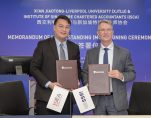
SINGAPORE – Media OutReach Newswire – 24 February 2025 – The Institute of Singapore Chartered Accountants (ISCA) has signed a Memorandum of Understanding (MOU) with Xi’an Jiaotong-Liverpool University (XJTLU) in Suzhou, China, to establish pathways for students in China to pursue the Singapore Chartered Accountant Qualification (SCAQ). The newly-formed partnership marks the first collaboration with a university in China for ISCA, since the launch of its first […]

By Nantoo Banerjee India, the world’s second most preferred destination of illegal migrants, has a lot to learn from the United States about how the latter has been handling the situation in recent years. Although US President Donald Trump is lately hogging the limelight for forcing illegal immigrants out of the country, such deportations are […]

Dubai Islamic Bank , the largest Islamic bank in the United Arab Emirates, has introduced its inaugural Sustainability-Linked Finance Facilities Financing Framework. This initiative positions DIB as the first Islamic bank globally to establish such a framework, aligning with the International Capital Market Association’s Sustainability-Linked Loan Principles.

The newly launched framework delineates clear criteria for eligible Sustainability-Linked Finance Facilities, enabling DIB to issue instruments dedicated to financing projects that contribute to climate change mitigation. It incorporates predefined Key Performance Indicators and Sustainability Performance Targets, ensuring that financed projects adhere to stringent environmental standards.

Dr. Adnan Chilwan, Group Chief Executive Officer at DIB, emphasized the significance of this development, stating that the framework underpins a key pillar in the bank’s sustainability strategy—’Finance a Sustainable Future’—and reflects DIB’s commitment to achieving 15% of its portfolio in sustainable finance by 2030. He further noted that this framework would support clients aiming to transition towards more sustainable business models with clear environmental commitments.

To maintain transparency and accountability, DIB plans to publish an allocation and impact report annually throughout the lifespan of the sustainability-linked finance instruments. These reports will undergo evaluation by an independent party to ensure the integrity and effectiveness of the financed projects.

Advertisements
National Central Cooling Company PJSC , a prominent district cooling provider in the United Arab Emirates, has mandated several banks to arrange a five-year, Regulation S, dollar-denominated benchmark green sukuk. This strategic move aims to bolster Tabreed’s financial position and support its ongoing sustainability initiatives.

The consortium of banks includes Citigroup and Standard Chartered Bank as Joint Global Coordinators. Additionally, Citigroup, Emirates NBD Capital, First Abu Dhabi Bank, HSBC, and Standard Chartered Bank have been appointed as Joint Lead Managers and Joint Bookrunners. Abu Dhabi Commercial Bank will serve as Co-Manager for the issuance. Notably, Citigroup, First Abu Dhabi Bank, and Standard Chartered are also acting as Joint Green Structurers, underscoring the green credentials of the sukuk.

This forthcoming green sukuk is part of Tabreed’s broader strategy to refinance existing debt and invest in environmentally sustainable projects. The company has previously issued two $500 million fixed-income instruments: a sukuk in October 2018 and a bond in October 2020. These issuances were supported by Tabreed’s strong credit quality and consistent revenue streams. In line with its commitment to maintaining an optimal debt structure, Tabreed has implemented a conservative debt policy to preserve its investment-grade status, currently rated Baa3 by Moody’s and BBB by Fitch.

In 2022, Tabreed established a Green Finance Framework to align its financing activities with its sustainability objectives. This framework adheres to the Green Bond Principles 2021 and the Green Loan Principles 2021, ensuring that funds raised are allocated to projects with clear environmental benefits. Eligible projects under this framework include investments in energy-efficient district cooling systems, sustainable water and wastewater management, green buildings, and renewable energy initiatives. The framework has received a Second Party Opinion from Sustainalytics, confirming its alignment with the aforementioned principles.

The proceeds from the upcoming green sukuk will be utilized to refinance Tabreed’s existing debt, including the $500 million sukuk issued in 2018, which is due to mature in October 2025. This refinancing effort is part of Tabreed’s proactive approach to debt management, aiming to reduce financing costs and extend debt maturities. Earlier, the company announced plans to issue green bonds or sukuk to refinance $1.2 billion in debt, reflecting its commitment to sustainable financing practices.

Tabreed’s financial performance has remained robust, with the company reporting increased revenue and profits for the year 2024. The company’s revenue reached AED 2.434 billion, with a net profit before tax of AED 624 million, representing a 4% increase over the previous year. Earnings before interest, taxes, depreciation, and amortization also saw a 5% year-on-year increase, amounting to AED 1.252 billion, with an improved margin of 51%. These financial metrics underscore Tabreed’s strong operational performance and prudent financial management.

The decision to issue a green sukuk aligns with the UAE’s broader sustainability goals and the global trend towards green financing. Green sukuk, Islamic bonds specifically earmarked for environmentally friendly projects, have gained traction in recent years as investors increasingly prioritize sustainable investments. By tapping into this growing market, Tabreed not only reinforces its commitment to environmental stewardship but also appeals to a broader base of socially responsible investors.

Tabreed’s leadership in the district cooling sector is complemented by its dedication to innovation and sustainability. The company’s investments in energy-efficient cooling solutions contribute significantly to reducing greenhouse gas emissions and promoting energy conservation in the region. As urbanization and demand for cooling services continue to rise, Tabreed’s sustainable practices position it well to meet these challenges while supporting the UAE’s vision for a greener future.

The successful issuance of the green sukuk will further enhance Tabreed’s financial flexibility, enabling the company to pursue strategic growth opportunities and invest in cutting-edge technologies. Moreover, it sets a benchmark for other companies in the region to adopt sustainable financing mechanisms, fostering a culture of environmental responsibility within the corporate sector.

Germany’s conservative bloc, led by Friedrich Merz, has secured a narrow victory in the federal election, positioning Merz to potentially become the nation’s next chancellor. The Christian Democratic Union and its Bavarian sister party, the Christian Social Union , garnered approximately 28.5% of the vote, according to official results. This outcome, while a win, reflects the CDU/CSU’s second-worst performance in post-war history, underscoring the fragmented nature of […]

Japan’s digital trade deficit reached an unprecedented ¥6.65 trillion in 2024, highlighting the increasing reliance on foreign digital services, particularly from dominant U.S. technology firms. This figure has more than tripled since 2014, when comparable data first became available, according to a recent government report.

The surge in the digital trade deficit is primarily attributed to Japanese companies’ growing dependence on services provided by American tech giants such as Amazon, Microsoft, and Google. These services encompass cloud computing, online advertising, and licensing fees, which have become integral to enhancing operational efficiency across various sectors in Japan. The lack of competitive domestic alternatives has further entrenched the position of these foreign providers in the Japanese market.

In 2024, Japan’s imports of digital-related services outpaced exports, leading to the record deficit. This trend reflects the broader global dominance of U.S. information technology companies, whose advanced services have become indispensable to businesses worldwide. The Finance Ministry’s preliminary balance of payments report indicates that while Japan enjoyed a record current account surplus of ¥29.26 trillion in 2024, bolstered by higher dividend and interest receipts from abroad, the goods and services trade deficit stood at ¥6.51 trillion, heavily influenced by the digital trade imbalance.

Experts suggest that bridging this digital divide requires significant investment in domestic technological development. Kengo Wataya, a researcher at the Mitsubishi Research Institute, points out that despite efforts to develop homegrown cloud services, there remains a substantial gap in capabilities between Japanese and American companies. Wataya emphasizes the necessity for Japan to leverage digital technologies to generate revenue in other sectors, thereby mitigating the burgeoning deficit.

The government’s data also reveals that Japan’s digital trade deficit has been on a consistent upward trajectory over the past decade. In 2014, the deficit was recorded at ¥2.02 trillion, underscoring a more than threefold increase by 2024. This escalation is indicative of the rapid digital transformation globally and Japan’s escalating consumption of foreign digital services.

The digital trade balance encompasses various services, including payments for cloud infrastructure, online advertising, and licensing fees for digital content such as music and video. As both individuals and enterprises in Japan continue to digitize their operations and lifestyles, the demand for sophisticated digital services has surged. However, the domestic market’s inability to supply comparable services has resulted in increased reliance on imports, thereby widening the trade deficit.

While the overall current account surplus suggests a positive economic outlook, the underlying figures present a complex narrative. The substantial income from overseas investments has been a significant contributor to the surplus. However, the persistent and growing trade deficit, particularly in the digital sector, raises concerns about the sustainability of this economic model. Analysts warn that an overreliance on foreign digital services could expose Japan to external economic fluctuations and undermine the competitiveness of its domestic tech industry.

In response to these challenges, there have been calls for strategic policy interventions aimed at fostering innovation within Japan’s tech sector. Proposals include increased funding for research and development, incentives for startups, and collaborations between academia and industry to cultivate a robust digital ecosystem. By enhancing domestic capabilities, Japan could reduce its dependence on foreign services and improve its trade balance in the digital domain.

Addressing the digital trade deficit is not solely an economic imperative but also a matter of national security. Reliance on foreign digital infrastructure and services may pose risks related to data sovereignty and cybersecurity. Therefore, developing indigenous technologies and services is crucial for safeguarding sensitive information and maintaining technological autonomy.

Dubai is solidifying its status as a premier destination for ultra-high-net-worth individuals and family offices, driven by a confluence of strategic initiatives, favourable economic policies, and an influx of global financial entities. This trend is reshaping the emirate’s financial landscape, positioning it as a global hub for wealth management and investment. The Dubai International Financial Centre has experienced remarkable growth, with the number of hedge funds increasing […]

By K Raveendran The term disruption has undergone a significant transformation in meaning over the years. Traditionally, it carried a negative connotation, indicating disorder or interruption. However, in the contemporary technological setting, disruption is celebrated as a driver of innovation, progress, and problem-solving. Companies like Uber, Airbnb, and Tesla have all disrupted their respective industries, […]

HONG KONG SAR – Media OutReach Newswire – 24 February 2025 – Generali Hong Kong continues to lead efforts in Diversity, Equity, and Inclusion (DE&I) through its continued commitment to fostering an inclusive workplace and promoting understanding and respect across the broader community. Reflecting its mission to be a “Lifetime Partner”, these efforts highlight the company’s dedication to driving positive impact. Generali Hong Kong champions inclusion with […]

Watani Investment Company, a subsidiary of the National Bank of Kuwait Group, has introduced a comprehensive investment platform named NBK Invest and rebranded its brokerage services from Watani Brokerage to NBK Brokerage. This strategic move aims to unify the company’s investment products and services under the NBK brand, enhancing client accessibility and experience.

NBK Invest is designed to offer clients a seamless and integrated investment experience, providing a range of services tailored to meet diverse financial goals. The platform encompasses various investment solutions, including guided investments, money market funds, equity funds, and bond funds. By consolidating these services under the NBK brand, the company seeks to streamline its offerings and present a cohesive identity to its clientele.

Operating independently from NBK Invest, NBK Brokerage caters to clients seeking an active trading experience. The brokerage service provides access to multiple markets, including Boursa Kuwait, other Gulf Cooperation Council markets, and Egypt. Clients can engage in online trading, subscribe to capital increases, and efficiently manage dividend distributions. The rebranding to NBK Brokerage reflects the company’s commitment to delivering comprehensive brokerage services with expert trading support, all under the trusted NBK name.

The decision to unify investment services under the NBK brand aligns with the company’s broader strategy to enhance brand recognition and trust. By offering a cohesive suite of investment and brokerage services, NBK aims to provide clients with a more streamlined and user-friendly experience. This initiative is expected to bridge the gap between clients and the company’s diverse financial products, fostering a more integrated approach to wealth management.

In addition to the rebranding efforts, NBK has emphasized its commitment to technological innovation within its investment services. The NBK Invest platform incorporates advanced digital tools, enabling clients to monitor their portfolios, execute trades, and access market insights in real-time. This digital-first approach is designed to meet the evolving needs of modern investors, offering convenience and efficiency in managing their investments.

The rebranding of Watani Brokerage to NBK Brokerage also signifies a strategic effort to align the company’s services with the overarching NBK brand identity. This alignment is anticipated to enhance client trust and loyalty, as the NBK brand is synonymous with financial stability and excellence in the region. By integrating its brokerage services under this well-established brand, the company aims to attract a broader client base and reinforce its position in the competitive financial services market.

NBK Brokerage offers specialized services tailored to meet the unique needs of different client segments. For instance, the brokerage provides Sharia-compliant trading options, allowing clients to invest in accordance with Islamic principles. This inclusivity ensures that a diverse range of clients can find investment solutions that align with their financial objectives and ethical considerations.

The Gulf Cooperation Council economies are poised to outpace global economic growth in 2025, driven by strategic diversification efforts and robust non-oil sector expansion. According to First Abu Dhabi Bank’s latest Global Investment Outlook report, the GCC’s gross domestic product is projected to nearly double, reaching 3.6% in 2025, surpassing the International Monetary Fund’s global growth forecast of 2.8%.

Saudi Arabia stands at the forefront of this regional surge, with its non-oil GDP anticipated to grow by 4.4% in 2025, up from 3.5% the previous year. This projection aligns with PwC’s analysis, which also foresees a 4.4% expansion in the kingdom’s non-oil economy for the same period. The IMF further estimates that Saudi Arabia’s overall economy will expand by 3.3% in 2025, with growth accelerating to 4.1% in 2026. This optimistic outlook is bolstered by Moody’s recent upgrade of Saudi Arabia’s sovereign credit rating to Aa3, reflecting the success of its economic diversification initiatives and reduced reliance on oil revenues.

The United Arab Emirates is also projected to experience significant economic growth. The IMF forecasts a 5.1% increase in the UAE’s GDP for 2025, while the World Bank anticipates growth rates of 4% in 2025 and 4.1% in 2026. These projections are underpinned by the UAE’s strategic investments in non-oil sectors, business-friendly regulations, and a low corporate tax regime. S&P Global Ratings highlights that the UAE’s GDP growth is expected to remain strong between 2025 and 2027, supported by buoyant non-hydrocarbon activities.

Oxford Economics echoes this positive sentiment, predicting that the GCC’s regional GDP growth will nearly double to 3.6% in 2025, outpacing the global forecast of 2.8%. This growth is attributed to gradual increases in oil production and sustained robust trajectories in non-energy sectors. The World Bank concurs, projecting that the GCC region will grow by 3.4% in 2025 and 4.1% in 2026, compared to an expected 3.3% growth rate for the broader Middle East and North Africa region.

FAB’s Group Head of Global Private Banking, Michel Longhini, emphasized the region’s resilience, stating, “The 2025 global economic environment presents unique challenges, but the GCC region continues to stand out as a beacon of resilience and opportunity.” This resilience is further demonstrated by the UAE’s non-oil GDP growth, which is expected to remain strong at 4.9% in 2024 and 5% in 2025, supported by government initiatives to attract foreign investments and promote economic diversification.

In Saudi Arabia, economic growth is expected to accelerate in 2025 due to an increase in oil production, following two years of modest performance. A Reuters poll of economists indicates that the kingdom’s economy is forecasted to grow by 4.4% in 2025, up from an anticipated 1.3% this year. This growth is driven by plans to reverse previous production cuts and bolster non-oil revenues.

SINGAPORE – Media OutReach Newswire – 24 February 2025 – British Council Singapore celebrated the achievements of exceptional UK alumni at the Study UK Alumni Awards 2025, held at The Fullerton Hotel Singapore, on 20 February. This flagship event honours individuals who have leveraged their UK education to make significant contributions to their professions, communities and societies. British Council Singapore Honours Outstanding UK Alumni at the Study […]

Türkiye has launched its inaugural New-Type Landing Craft Tank at the Anadolu Shipyard in Istanbul, marking a significant advancement in the nation’s naval capabilities. The vessel, designated YLCT C-159, is the first of eight planned ships under a project initiated in early 2024 by the Presidency of Defense Industries.

The contract for these advanced amphibious vessels was signed in April 2024, and just ten months later, the first ship has been successfully launched. The remaining seven ships are slated for completion within the next 27 months, with the second YLCT expected to launch within a week. This accelerated timeline underscores Türkiye’s commitment to enhancing its naval fleet with domestically produced assets.

Haluk Gorgun, head of Turkish Defence Industries, expressed pride in this milestone, stating that it brings Türkiye closer to its goal of a stronger and more deterrent navy in the “Blue Homeland.” The YLCTs are designed to transport various vehicles and personnel, playing a crucial role in combat missions, disaster response, humanitarian aid, and evacuation operations.

Over the past 23 years, Türkiye has significantly increased the domestic production rate of its naval platforms from 20% to 80%. This achievement positions the country among a select group capable of designing, building, and maintaining a comprehensive range of military ships, including amphibious assault ships, support vessels, combat ships, and submarines.

The Anadolu Shipyard, located in Tuzla, Istanbul, has been instrumental in this progress. Founded in the early 1950s, the shipyard has evolved from building sailing yachts to advanced military vessels. It boasts facilities capable of constructing ships up to 17,000 DWT, with two shipways measuring 200 meters and 140 meters, respectively. The shipyard can simultaneously build up to six vessels, reflecting its substantial capacity and expertise.

In addition to bolstering its own naval forces, Türkiye has made strides in exporting domestically produced warships. The country has delivered vessels to nations such as Indonesia, Malaysia, Pakistan, Nigeria, and Qatar. Notably, in December 2024, Turkish defense company STM announced a contract to build two naval logistics ships for Portugal, marking Türkiye’s first military shipbuilding export to a NATO and EU member state.

The YLCT class ships are poised to enhance Türkiye’s operational capabilities significantly. These vessels are designed for high-speed operations, capable of transporting tanks, troops, and supplies during various missions. Their versatility makes them invaluable assets for both military logistics and humanitarian efforts, including natural disaster response and evacuation operations.

The launch of YLCT C-159 signifies a broader national effort to develop a self-sufficient defense industry. Türkiye’s focus on domestic production aims to reduce reliance on foreign suppliers and strengthen its strategic autonomy. This initiative aligns with the country’s long-term vision of becoming a formidable maritime power, capable of projecting influence and ensuring security within its regional waters and beyond.

As the remaining YLCT vessels are completed and integrated into the fleet, Türkiye’s naval forces will experience a substantial boost in their operational readiness and versatility. The successful execution of this project reflects the nation’s growing industrial capabilities and its determination to assert itself as a key player in the global defense sector.

The Anadolu Shipyard’s role in this endeavor cannot be overstated. With a history dating back to the 1950s, the shipyard has transformed into a hub of advanced naval construction. Its facilities, including two expansive shipways and multiple quays, enable the construction and maintenance of a wide array of vessels. The shipyard’s capacity to build up to six ships simultaneously highlights its strategic importance to Türkiye’s defense infrastructure.

Looking ahead, Türkiye’s investment in domestic naval production is expected to yield significant economic and strategic benefits. The development of indigenous shipbuilding capabilities not only enhances national security but also opens avenues for international collaboration and export opportunities. As Türkiye continues to modernize its fleet, it sets a precedent for self-reliance and innovation in defense manufacturing.

The launch of the first YLCT ship represents a pivotal moment in Türkiye’s maritime history. It exemplifies the nation’s commitment to strengthening its naval forces through domestic ingenuity and production. As subsequent vessels join the fleet, Türkiye is poised to enhance its maritime security and project power more effectively on the global stage.


The probability of a Litecoin Exchange-Traded Fund gaining approval in 2025 has surged to 85%, as indicated by the prediction platform Polymarket. This significant development reflects growing optimism within the cryptocurrency community and among investors regarding the potential mainstream acceptance of Litecoin-based financial products.

Polymarket, a decentralized information markets platform, enables users to speculate on the outcomes of future events by trading shares that correspond to specific predictions. The current 85% figure represents the collective sentiment of market participants who believe that regulatory bodies are likely to approve a Litecoin ETF within the current year.

The push for cryptocurrency ETFs has been a focal point for financial institutions and investors aiming to integrate digital assets into traditional financial markets. Bitcoin and Ethereum, the leading cryptocurrencies, have been at the forefront of this movement, with several ETF proposals submitted to regulatory authorities worldwide. The increasing attention towards Litecoin suggests a broadening interest in diversifying crypto-based financial instruments.

Litecoin, often referred to as the “silver to Bitcoin’s gold,” was created in 2011 by Charlie Lee, a former Google engineer. It offers faster transaction confirmation times and a different hashing algorithm compared to Bitcoin, positioning itself as a more efficient alternative for everyday transactions. Over the years, Litecoin has maintained a strong presence in the cryptocurrency market, consistently ranking among the top digital assets by market capitalization.

The potential approval of a Litecoin ETF could have several implications for the financial markets. Firstly, it would provide institutional and retail investors with a regulated and familiar vehicle to gain exposure to Litecoin without the need to directly purchase and store the cryptocurrency. This could lead to increased liquidity and potentially reduce volatility in Litecoin’s market price.

The introduction of a Litecoin ETF could signal a maturation of the cryptocurrency market, indicating that regulatory bodies are becoming more comfortable with digital assets beyond Bitcoin and Ethereum. This could pave the way for a wider array of crypto-based financial products, offering investors more options to diversify their portfolios.

However, the path to ETF approval is not without challenges. Regulatory agencies, such as the U.S. Securities and Exchange Commission , have historically been cautious in approving cryptocurrency ETFs, citing concerns over market manipulation, custody solutions, and the overall volatility of digital assets. While there have been instances of ETF approvals in other jurisdictions, the U.S. market remains a significant hurdle for widespread adoption.

In response to these challenges, proponents of a Litecoin ETF have been actively engaging with regulators to address their concerns. This includes implementing robust custody solutions, ensuring transparent pricing mechanisms, and demonstrating compliance with existing financial regulations. The collaborative efforts between the cryptocurrency industry and regulatory bodies aim to create a framework that balances innovation with investor protection.

The broader cryptocurrency market has been experiencing a period of growth and increased adoption. Major financial institutions have begun offering crypto-related services, and several countries are exploring the development of central bank digital currencies . This evolving landscape suggests a shift towards the normalization of digital assets within the global financial system.

Investors and market analysts are closely monitoring the developments surrounding the potential approval of a Litecoin ETF. While the 85% probability indicated by Polymarket reflects a strong belief in a favorable outcome, it is essential to approach such predictions with caution. The regulatory environment is complex and subject to change, and past performance is not indicative of future results.

As the year progresses, the cryptocurrency community will be attentively observing regulatory announcements and market responses. The approval of a Litecoin ETF could serve as a catalyst for further innovation and acceptance of digital assets within traditional finance. Conversely, delays or rejections could prompt a reevaluation of strategies among crypto advocates and investors.

The Xposure International Film Awards 2025, held during the 9th International Photography Festival in Sharjah, United Arab Emirates, have recognised outstanding achievements in global filmmaking. This year’s event saw a significant increase in participation, with 834 submissions from filmmakers worldwide, surpassing the previous year’s entries.

Organised by the Sharjah Government Media Bureau , the awards ceremony honoured winners across four categories: Short Film, Animation, Cinematic Arts, and Documentary Feature. The event underscored the festival’s commitment to celebrating diverse and innovative storytelling in the visual arts.

In the Short Film category, Iranian filmmaker Payam Mahmoudi Kurdistani received the top accolade for “Nietzschean Suicide,” a film that captivated audiences with its profound narrative. Italian director Andrea Devicenzi was recognised as the runner-up for “Crossing The North,” an impactful portrayal of personal journey and resilience.

The Animation category highlighted dynamic visual storytelling, awarding first place to Spain’s Andres Aguilar for “The Strange Case Of The Human Cannonball.” Turkish animator Mustafa Keskin secured the runner-up position with “Ari-6427,” showcasing creativity and technical prowess.

Iranian filmmaker Mehrshad Karkhani triumphed in the Cinematic Arts category with “Bruise-Lips Tulip,” a film noted for its artistic depth and compelling visuals. Finnish filmmakers Markku Hakala and Mari Kaki earned the runner-up spot for “Giants Kettle,” a work that impressed with its unique perspective and storytelling.

The Documentary Feature category honoured Belgian directors Jurgen Buedts and Sahim Omar Kalifa for “Iraq’s Invisible Beauty,” a documentary that offers a poignant exploration of unseen narratives. Portuguese filmmaker Diogo Andrade was named runner-up for “Sikat Subar – A Hidden Colourful Feather,” a documentary that sheds light on overlooked cultural stories.

Beyond the competitive categories, the festival paid tribute to ten luminaries whose contributions have significantly impacted the filmmaking industry. Honourees included Academy Award winners and changemakers such as Brent Homann, Franklin Leonard, Glenn Gainor, Jerome Pink, Maitha Alawadi, Martin Desmond Roe, Pippa Erlich, Roger Horrocks, Siraj Jhaveri, and Travon Free. Each was presented with tokens of appreciation for their invaluable efforts in advancing the art of cinema.

Saudi Arabia has announced a significant investment of SR13.4 billion to expand the Qurayyah Independent Power Plant in the Eastern Province. This expansion aims to add 3.01 gigawatts of power generation capacity, addressing the Kingdom’s growing energy demands and supporting its economic development. The Saudi Power Procurement Company , the nation’s sole licensed electricity buyer, has signed a power purchase agreement with the Saudi Electricity Company and […]

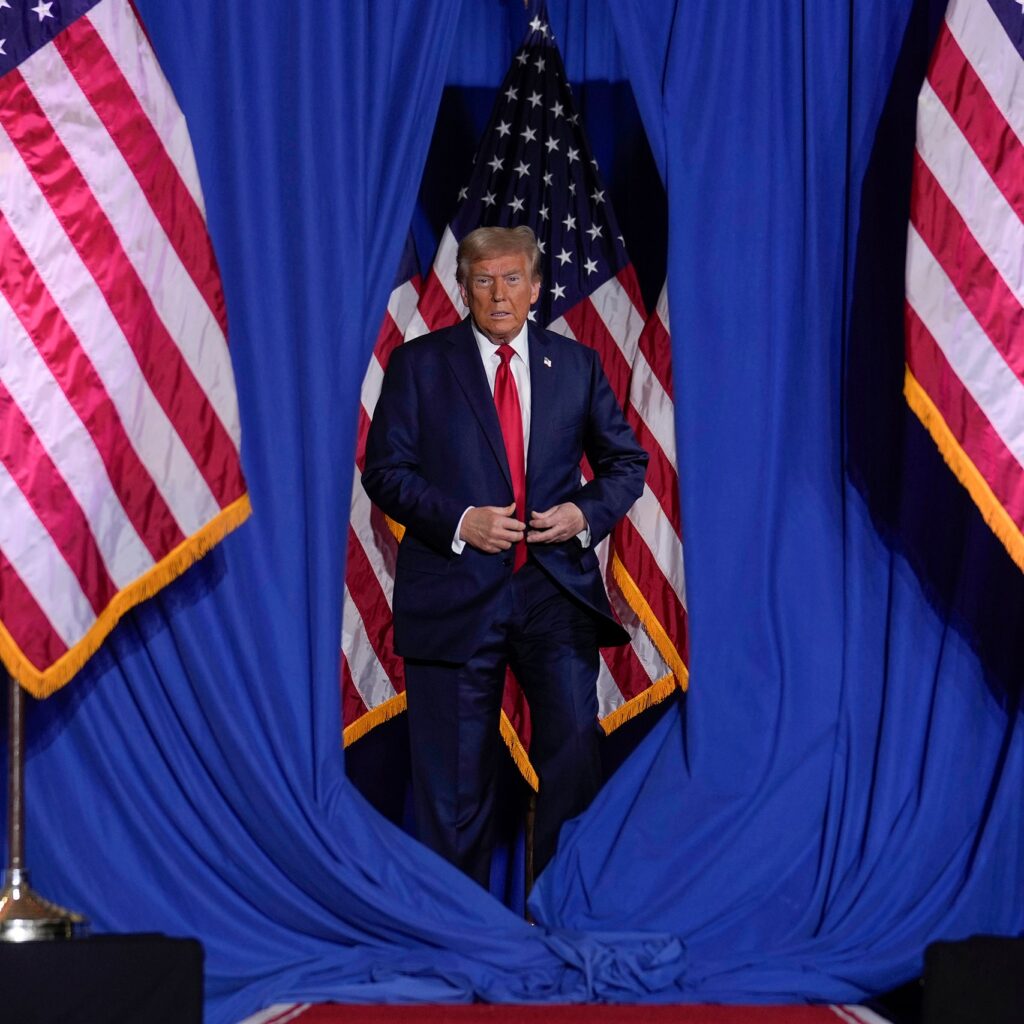
By Girish Linganna US President Donald Trump has raked up a hornets’ nest in New Delhi by claiming that $21 million in US aid to India—from the United States Agency for International Development (USAID), an independent US government agency responsible for administering civilian foreign aid and development assistance, approved earlier by Joe Biden, was used […]

Bengaluru-based digital payments firm Cashfree Payments has raised $53 million in a Series C funding round led by South Korean gaming giant Krafton, with participation from existing investor Apis Partners. This investment aims to accelerate Cashfree’s product development, market expansion, and global growth initiatives. Established in 2015, Cashfree Payments has become a significant player in India’s digital payments landscape, processing $80 billion annually for over 800,000 businesses. […]

Arabian Post Staff -Dubai The United Arab Emirates has rapidly transformed into a pivotal hub for international cricket, hosting major tournaments and nurturing a competitive national team. This evolution from informal matches to a central role in the cricketing world underscores the nation’s commitment to the sport. Cricket’s roots in the UAE trace back to 1892 when British military personnel introduced the game to the Trucial States. […]

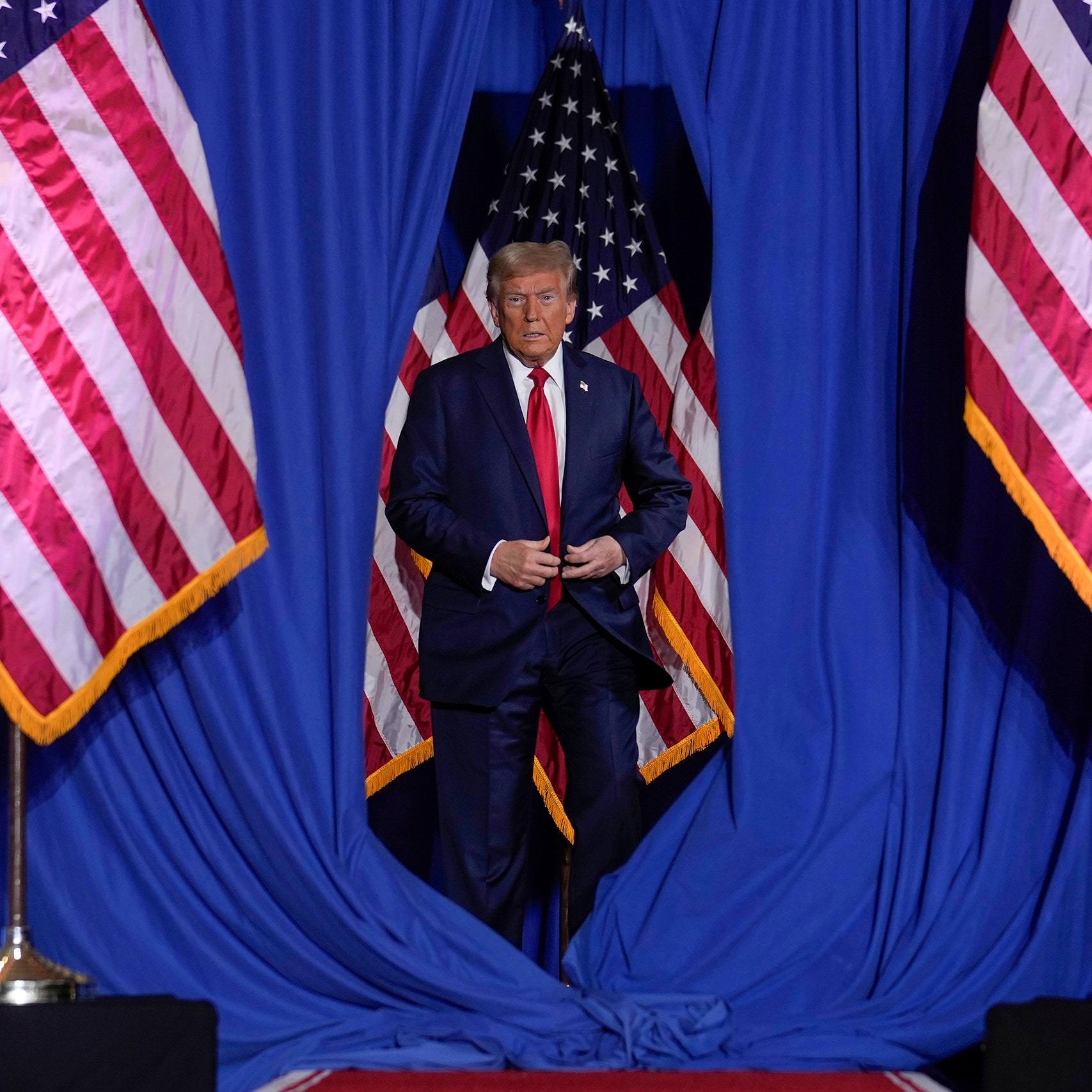
President Donald Trump has executed a significant overhaul of the U.S. military’s top leadership, dismissing Air Force General Charles Q. Brown Jr., the Chairman of the Joint Chiefs of Staff, along with five other senior military officials. This move, announced late Friday, marks an unparalleled shift within the Pentagon’s hierarchy. General Brown, who made history as the first African American to serve as the nation’s highest-ranking military […]

VISHNU RAJA
RYO YAMADA
HITORI GOTOH
IKUYO KITA