News related to
First

SINGAPORE – Media OutReach Newswire – 27 February 2025 – Prepare for an interstellar cinematic journey as “HEAVENS: The Boy and His Robot,” a groundbreaking sci-fi adventure from Singapore, 12 years in the making, achieves two unprecedented milestones. On February 28, 2025, this visionary film will be the first Singaporean movie to enjoy a wide special re-release in Japan, screening simultaneously in 50 Aeon Cinemas across the […]

By K Raveendran Tension is mounting over the Centre’s plan for offshore sand mining, with the issue rapidly evolving into yet another flashpoint between the Modi government and opposition-led coastal states. At the heart of the controversy lies not just the environmental and economic concerns raised by the affected communities but also the underlying political […]

PayPal Holdings Inc. is set to enhance the adoption of its stablecoin, PayPal USD , by integrating it into merchant payment systems and global payout services by 2025. This strategic move aims to provide over 20 million small and medium-sized merchants with the option to utilize PYUSD for vendor payments, thereby streamlining transactions and reducing reliance on traditional banking systems.

The forthcoming bill payment product will enable merchants to settle invoices using PYUSD, facilitating faster and more cost-effective cross-border transactions. By leveraging blockchain technology, PayPal intends to minimize currency conversion fees and expedite settlement times, offering a competitive edge in the global payments landscape.

In addition to merchant payments, PayPal plans to incorporate PYUSD into its global payout platform, Hyperwallet. Acquired by PayPal in 2018, Hyperwallet specializes in mass payments, assisting organizations in disbursing funds to contractors, freelancers, and sellers worldwide. The integration of PYUSD is expected to be operational in the first half of this year, enabling businesses to execute bulk payments with increased efficiency and reduced costs.

Alex Chriss, PayPal’s Chief Executive Officer, emphasized the company’s commitment to practical blockchain applications, stating, “We’ve been talking about blockchain for a decade—these concepts will never become real until you actually start consuming them. I think that’s what we’re achieving.” This initiative reflects PayPal’s broader strategy to incorporate digital currencies into its suite of financial services, positioning itself at the forefront of the evolving digital economy.

The introduction of PYUSD into PayPal’s ecosystem is poised to offer several benefits to merchants and service providers. By adopting the stablecoin, businesses can mitigate the volatility often associated with cryptocurrencies, ensuring stable value in transactions. This stability is particularly advantageous for small and medium-sized enterprises engaged in international trade, as it simplifies accounting processes and enhances financial predictability.

The use of PYUSD can lead to significant cost savings. Traditional cross-border payments often involve multiple intermediaries, each imposing fees that accumulate, increasing the overall cost of transactions. By utilizing PYUSD on a blockchain platform, PayPal aims to eliminate unnecessary intermediaries, thereby reducing transaction fees and making international commerce more accessible to a broader range of businesses.

The integration with Hyperwallet further extends PYUSD’s utility beyond merchant transactions. Freelancers, contractors, and other gig economy workers stand to benefit from faster and more reliable payments. Traditional payment methods can be slow, especially for international transfers, often taking several days to process. With PYUSD, payouts can be processed more swiftly, providing workers with quicker access to their earnings and improving overall financial liquidity.

PayPal’s strategic focus on PYUSD comes at a time when the global payments industry is increasingly embracing digital currencies. The company’s extensive user base and established trust in the financial technology sector position it well to drive mainstream adoption of stablecoins. By integrating PYUSD into everyday financial transactions, PayPal is not only enhancing its service offerings but also contributing to the broader acceptance and utilization of digital currencies in the global economy.

SINGAPORE – Media OutReach Newswire – 26 February 2025 – On February 20, the “Exploring New Growth” OPPO Ads Connect 2025 Southeast Asia Salon was successfully held in Singapore alongside the launch of OPPO Ads’ new Device+ Marketing Solution. This is OPPO Ads’ first platform-level event abroad, showcasing its strategic capabilities, creative accomplishments, market insights, and marketing product solutions. Attended by marketers, service providers, developers, industry practitioners, […]

India has inaugurated its first hyperloop test track, a 422-meter facility developed by the Indian Institute of Technology Madras in collaboration with the Ministry of Railways. This significant milestone aims to revolutionize high-speed transportation in the country, potentially reducing travel times between major cities to mere minutes.

The hyperloop concept, first proposed by Elon Musk in 2013, envisions passenger pods traveling through low-pressure tubes at speeds exceeding 1,000 km/h. The completion of this test track at IIT Madras marks India’s commitment to exploring this cutting-edge technology. The facility, located on the IIT Madras campus in Chennai, serves as a critical platform for testing and refining hyperloop systems.

Union Minister for Railways, Electronics, and Information Technology, Ashwini Vaishnaw, announced an additional grant of $1 million to IIT Madras for the continued development of the hyperloop project. This funding follows two previous grants of the same amount, underscoring the government’s dedication to advancing this transformative mode of transport. Speaking at the closing ceremony of the Global Hyperloop Competition 2025, held at the Discovery Campus in Thaiyur, Vaishnaw emphasized the importance of this investment in propelling India’s transportation infrastructure into the future.

The hyperloop system promises to drastically cut travel times between major urban centers. For instance, the distance between Delhi and Jaipur, approximately 300 kilometers, could be traversed in less than 30 minutes using this technology. Similarly, routes like Mumbai to Delhi and Bengaluru to Chennai could see travel times reduced to a fraction of current durations. Such advancements not only enhance passenger convenience but also have the potential to boost economic activities by facilitating faster movement of goods and people.

The Ministry of Railways is also exploring the development of a 50-kilometer commercial hyperloop corridor, which would be the world’s longest test track of its kind. This initiative aims to assess the feasibility of integrating hyperloop technology into India’s existing transportation network. The proposed corridor is expected to serve as a prototype for future commercial hyperloop routes, setting the stage for a new era of high-speed travel in the country.

IIT Madras has been at the forefront of hyperloop research in India. The institute’s Avishkar Hyperloop team has been actively involved in developing scalable and efficient hyperloop technologies. Their efforts have garnered international recognition, positioning India as a significant player in the global pursuit of ultra-fast transportation solutions. The team’s work focuses on creating cost-effective and energy-efficient systems tailored to India’s unique geographic and demographic challenges.

The hyperloop project aligns with India’s broader strategy to modernize its transportation infrastructure. The government has been prioritizing investments in railway modernization, with plans to expand the 68,000-kilometer rail network and introduce 400 high-speed Vande Bharat trains by 2027. The integration of hyperloop technology is seen as a complementary effort to these initiatives, offering an alternative mode of transport that could alleviate congestion on traditional rail and road networks.

However, the implementation of hyperloop systems is not without challenges. High capital expenditure, land acquisition hurdles, and the need for rigorous safety standards pose significant obstacles. Moreover, the technology is still in its nascent stages globally, with no fully operational commercial hyperloop systems to date. Despite these challenges, India’s proactive approach, exemplified by the IIT Madras test track and continued governmental support, reflects a strong commitment to overcoming these barriers and pioneering the future of transportation.

By Aditi Jha The tragic death of Prakriti Lamsal, a Nepali B.Tech student at Kalinga Institute of Industrial Technology (KIIT), a private engineering college in Bhubaneswar, Odisha, in February 2025, exposed serious problems of institutional incompetence and poor management. Prakriti’s death was followed by protests by Nepali students who claimed that the university administration had […]
By Sushil Kutty External Affairs Minister S Jaishankar never seems to finish his thoughts. People might mistake him to be a hesitant hacker. But that isn’t the case. EAM Jaishankar is the second longest serving foreign minister after Jawaharlal Nehru, who kept the external affairs portfolio with him, for the entirety of his tenure as […]
Advertisements

The United Arab Emirates is making significant strides in transforming its entertainment and tourism sectors by accelerating the licensing of international gaming operators. Notably, Wynn Resorts has been granted the nation’s first commercial gaming license, marking a pivotal shift in the region’s approach to gaming. In October 2024, the UAE’s General Commercial Gaming Regulatory Authority awarded Wynn Resorts a commercial gaming operator’s license. This approval paves the […]

By Dr. Gyan Pathak 8th Delhi Assembly session had tumultuous session on Tuesday, February 25.. The issue of replacement of Dr B R Ambedkar’s portrait with Prime Minister Narendra Modi’s in Delhi Chief Minister’s office not only led to ruckus but also expulsion of 12 AAP MLAs. The issue is politically very sensitive and may […]

Saudi Arabia and Abu Dhabi are intensifying their efforts to transform their energy sectors, aiming to significantly increase renewable energy capacities by 2030 and 2035, respectively. These initiatives are central to their broader strategies for economic diversification and environmental sustainability. Saudi Arabia’s Vision 2030 outlines a target for renewables to constitute 50% of the nation’s energy mix by 2030, equating to approximately 130 gigawatts of renewable capacity. […]

Saudi Arabia’s residential real estate market is experiencing significant affordability challenges as property prices continue to escalate, particularly in major urban centers like Riyadh. According to Knight Frank’s Summer 2024 Saudi Arabia Residential Market Review, the first half of 2024 saw a 38% surge in total real estate transactions across all asset classes, totaling over 106,700 deals. The total value of these transactions grew by 50% to SAR 127.3 billion during the same period. Residential transactions accounted for 61% of all real estate deals by value, with a 41% increase in the number of deals, reaching just under 91,860 sales. The value of residential transactions rose by 48% to SAR 77.6 billion. citeturn0search2

Despite the robust activity, the market is grappling with deepening affordability issues. Knight Frank’s Winter 2023-24 report highlighted a 36% decline in the total value of mortgages issued, amounting to SAR 74.2 billion, as higher interest rates and escalating property prices deter potential buyers. Mortgage rates have risen from 3% to 5% over the past year, further eroding purchasing power, especially in the villa segment. This trend indicates that while transaction volumes are increasing, the financial burden on buyers is intensifying. citeturn0search3

The government’s ambitious Vision 2030 plan aims to achieve a 70% homeownership rate by the end of the decade. However, the Financial Times reported that property prices in Riyadh have surged dramatically since the pandemic, with house prices rising by 81% and apartment prices by 56% since 2020. This rapid appreciation has made homeownership increasingly unattainable for many Saudis, particularly in Riyadh, where the current homeownership rate stands at 53.2%. To combat this, the National Housing Company has initiated projects to construct over 30,000 housing units, and state-subsidized bank loans are being offered to assist buyers. Despite these efforts, the influx of young Saudis to Riyadh for new job opportunities has intensified demand, further driving up prices. citeturn0news9

Knight Frank’s research indicates that 77% of expatriates residing in Saudi Arabia are interested in purchasing homes within the Kingdom. However, 75% are willing to allocate under SAR 1.5 million for a property, with almost 40% unwilling to spend over SAR 750,000. This presents a significant challenge, as average prices in cities like Riyadh are approximately SAR 800,000 for a two-bedroom apartment and SAR 2.7 million for a three-bedroom villa. The disparity between expatriates’ budgets and prevailing market prices underscores the pressing need for more affordable housing options. citeturn0search8

The affordability crisis is further exacerbated by the Kingdom’s substantial investments in mega-projects under the Vision 2030 initiative. Business Insider reported that Saudi Arabia has invested $1.3 trillion in real estate and infrastructure over the past eight years, with the Neom megacity project alone receiving $28.7 billion in funding. While these projects aim to modernize the economy and reduce dependence on oil revenue, they have also contributed to rising property values, making it more challenging for average citizens to enter the housing market. citeturn0news10

Bitcoin’s value has experienced a significant decline, falling below the $90,000 threshold for the first time since November 2024. The cryptocurrency reached a low of $86,000, marking a substantial drop from its peak of $109,225 observed on January 20, 2025. This downturn has led to widespread market repercussions, including over $1.6 billion in liquidations within the past 24 hours.

The recent sell-off has been attributed to a confluence of factors, notably escalating geopolitical tensions and internal challenges within the cryptocurrency ecosystem. President Donald Trump’s administration has introduced new tariffs on Mexico and Canada, measures perceived as inflationary and potentially detrimental to economic growth. These policies have contributed to a broader risk-averse sentiment among investors, leading to a retreat from volatile assets such as cryptocurrencies.

In addition to geopolitical concerns, the security of cryptocurrency platforms has come under scrutiny. A significant breach occurred on February 21, 2025, when Bybit, a prominent Dubai-based crypto exchange, suffered a hack resulting in the loss of approximately $1.5 billion. This incident has exacerbated apprehensions regarding the safety of digital assets, prompting further sell-offs in the market.

The cascading effect of these events has led to substantial liquidations across the cryptocurrency market. Data indicates that over 362,000 traders have been affected, with total liquidations surpassing $1.3 billion in the past day. Bitcoin alone accounted for $523 million of these liquidations, underscoring the volatility and heightened risk associated with leveraged trading positions.

Market analysts are closely monitoring key support levels for Bitcoin. The breach of the $90,000 support has raised concerns about potential further declines. Technical analysis suggests that if Bitcoin fails to maintain support at $86,000, it could test lower thresholds, with significant support anticipated around the $80,400 and $74,000 levels. Conversely, resistance levels are identified at $98,500 and $106,000, which Bitcoin would need to surpass to signal a potential reversal of the current downward trend.

The broader cryptocurrency market has mirrored Bitcoin’s downturn. Major altcoins such as Ether and XRP have experienced notable declines, with Ether dropping 8.5% to $2,416 and XRP falling by 5% to $2.24. The overall market capitalization has contracted significantly, reflecting the pervasive uncertainty and risk aversion among investors.

Investor sentiment has been further dampened by unmet expectations regarding regulatory support for cryptocurrencies. The initial optimism surrounding a crypto-friendly stance from the current U.S. administration has not materialized into concrete policy changes. This lack of regulatory clarity, coupled with economic challenges, has contributed to the recent sell-off and the erosion of confidence in the market.

In response to the heightened volatility, traders are advised to exercise caution, particularly those engaged in leveraged positions. The current market environment underscores the importance of risk management and the need for a thorough understanding of the factors influencing cryptocurrency valuations.

https://www.census.gov/foreign-trade/balance/c5700.htmlhttps://www.census.gov/foreign-trade/balance/c5700.htmlBy Dr. Nilanjan Banik The US-China trade war has been a focal point of economic discussions for a significant period, as the world’s two largest economies have imposed tariffs on each other’s goods. The Trump administration imposed 10% tariffs on Chinese imports, while China, in turn, levied 15% tariffs on US liquid natural gas (LNG) […]

Dubai authorities have imposed fines of Dh50,000 on 159 companies for violating telemarketing regulations, intensifying efforts to protect consumer privacy and enhance business practices. The Dubai Corporation for Consumer Protection and Fair Trade , operating under the Dubai Department of Economy and Tourism , announced these penalties following the enforcement of Cabinet Decision No. 56 of 2024, which came into effect in August 2024.

The DCCPFT initially issued warnings to 174 companies, urging compliance with the new telemarketing rules. Despite these warnings, 159 companies failed to adhere to the guidelines, resulting in substantial fines. These regulations are part of a broader initiative to reduce intrusive telemarketing calls, ensuring consumer comfort and privacy.

Key provisions of the telemarketing regulations include prohibiting calls to consumers listed on the ‘Do Not Call Registry’ managed by the Telecommunications and Digital Government Regulatory Authority , restricting marketing calls to between 9 am and 6 pm, and requiring telemarketers to inform consumers at the outset if the call is being recorded. Additionally, the regulations forbid the disclosure of personal data without explicit consent and the trading of such data for marketing purposes.

These rules apply to all licensed companies in the UAE, including those operating within free zones. The DCCPFT emphasised that the implementation of these regulations aims to foster a business-friendly environment, bolster consumer trust, and create a fair competitive landscape that enhances economic stability.

The introduction of these stringent measures aligns with Dubai’s D33 economic agenda, launched in 2023, which aspires to position the city among the top three global destinations over the next decade and double the size of its economy by 2033. In the first nine months of 2024, Dubai’s economy experienced a growth of 3.1%, reaching Dh339.4 billion, driven by expansions in sectors such as transport and financial services.

The DCCPFT’s decisive actions reflect a commitment to upholding consumer rights and ensuring that businesses engage in ethical marketing practices. By enforcing these regulations, Dubai aims to minimise market-disruptive practices and promote a positive business climate conducive to sustainable economic growth.

In addition to financial penalties, the TDRA has taken measures against individuals using personal numbers for marketing purposes, detecting over 2,000 violations since the regulations were implemented. Penalties for first-time offenders include a Dh5,000 fine and suspension of all phone numbers registered under the individual’s name until payment is made. Repeat offenders face escalating fines and extended suspensions, with third-time violators being prohibited from obtaining any telecommunications services in the UAE for 12 months.

These comprehensive efforts underscore Dubai’s dedication to protecting consumers from unwanted solicitations and ensuring that telemarketing activities are conducted within the bounds of respect and legality. As the city continues to evolve as a global business hub, maintaining stringent consumer protection standards remains a pivotal aspect of its economic strategy.

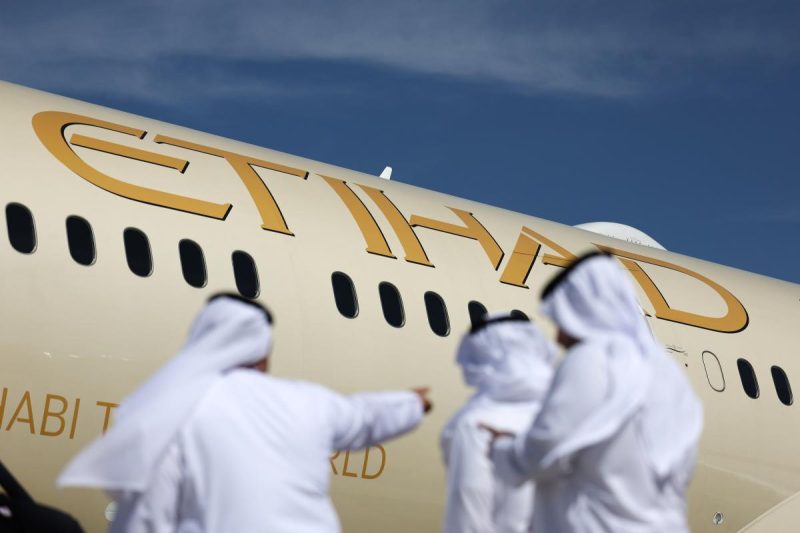
Etihad Airways is set to announce the launch of an initial public offering worth $1 billion, sources have revealed. This marks a significant milestone in the aviation industry, as it would be the first public listing by a major Gulf airline in nearly two decades.

The airline, which is fully owned by Abu Dhabi’s sovereign wealth fund ADQ, intends to offer 20% of its business to the public, with the funds raised being allocated towards accelerating its expansion plans. The decision to go public highlights Etihad’s ambitions to position itself as a stronger player in the global airline industry.

The move also underscores the growing trend among Gulf-based companies to raise capital through IPOs, following a wave of high-profile listings in the region. The Middle East has witnessed a surge in IPO activity in recent years, driven by a desire for diversification and economic growth, in line with the region’s broader efforts to reduce reliance on oil revenues.

Etihad’s decision to open up its equity to public investors is part of a larger strategy aimed at enhancing its operational capabilities and competing more effectively with regional and international rivals. The airline’s plans include expanding its fleet, increasing flight frequencies, and potentially adding new routes to cater to growing demand in key global markets.

The IPO also reflects the broader changes taking place in the aviation sector, particularly in the Gulf region. Airlines in the region, such as Emirates and Qatar Airways, have been aggressively investing in their fleets and expanding their networks in a bid to capture more market share. Etihad’s move to become a publicly traded entity comes as the airline looks to consolidate its position as a leading regional carrier, competing with its peers.

Sources close to the matter suggest that Etihad’s management team is optimistic about the potential success of the IPO, given the ongoing recovery in the global travel industry following the challenges posed by the COVID-19 pandemic. The airline is reportedly confident that investors will be attracted to its growth prospects, as air travel demand rebounds and the aviation sector experiences a strong recovery.

The IPO will be managed by a consortium of financial institutions, which are expected to handle the share sale process. The precise timing of the launch is yet to be confirmed, but it is anticipated to take place in the coming days. As part of the offering, Etihad is likely to sell a portion of its shares to institutional investors, with a smaller portion allocated to retail investors.

Etihad Airways has faced a challenging few years as it navigated the impacts of the global pandemic, which resulted in a significant decline in air travel demand. However, the airline has implemented a series of cost-cutting measures and streamlined its operations in an effort to adapt to the changing market environment. These efforts, coupled with its focus on expanding its network and enhancing its product offering, have positioned Etihad for long-term growth.

Despite the challenges faced by the airline, Etihad has remained committed to its vision of becoming a global aviation leader. The airline’s investment in new technologies, customer service initiatives, and sustainability measures has helped bolster its reputation and attract a loyal customer base. By tapping into the capital markets, Etihad hopes to strengthen its financial position and continue to invest in its future growth.

The IPO is expected to be closely watched by market analysts, investors, and industry experts alike, as it could signal the beginning of a new era for Gulf airlines. If successful, Etihad’s IPO could set a precedent for other regional carriers considering similar moves. Airlines in the region are under increasing pressure to modernize their fleets, improve operational efficiencies, and adapt to changing consumer preferences.

Etihad’s decision to go public is part of the wider trend in the Gulf region, where state-owned companies are increasingly seeking to diversify their operations and raise funds to support growth initiatives. The UAE government has been actively encouraging the privatization of certain state-owned entities to promote economic development and attract foreign investment.


In today’s competitive business environment, efficiency and data-driven decision-making are essential for success. One of the most powerful tools to enhance productivity and data analysis is Microsoft Excel. At Priority Management Brisbane, we understand the importance of equipping businesses with the right skills to maximize their potential. If you’ve been wondering what Microsoft Excel training can do for your Brisbane business, this guide will highlight the key […]

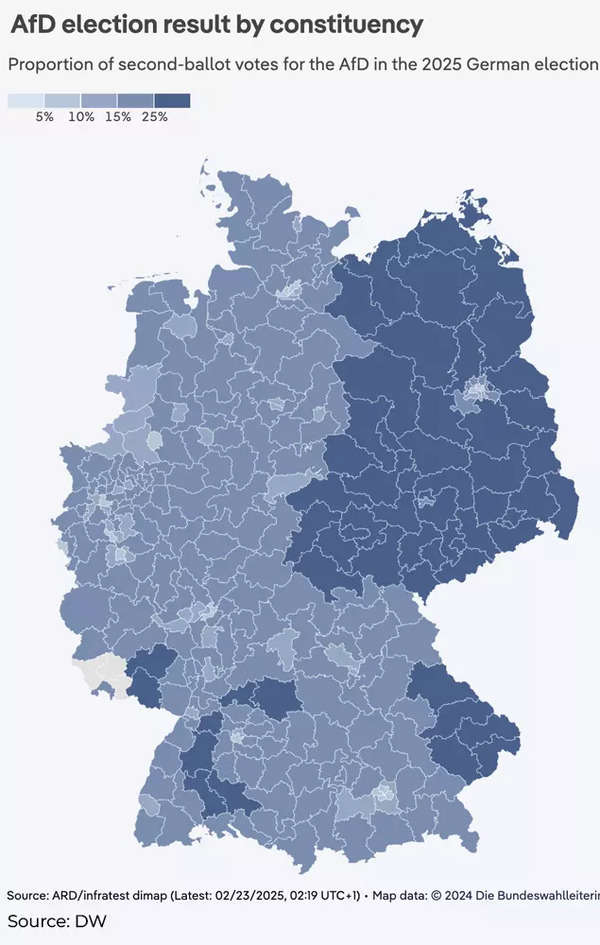
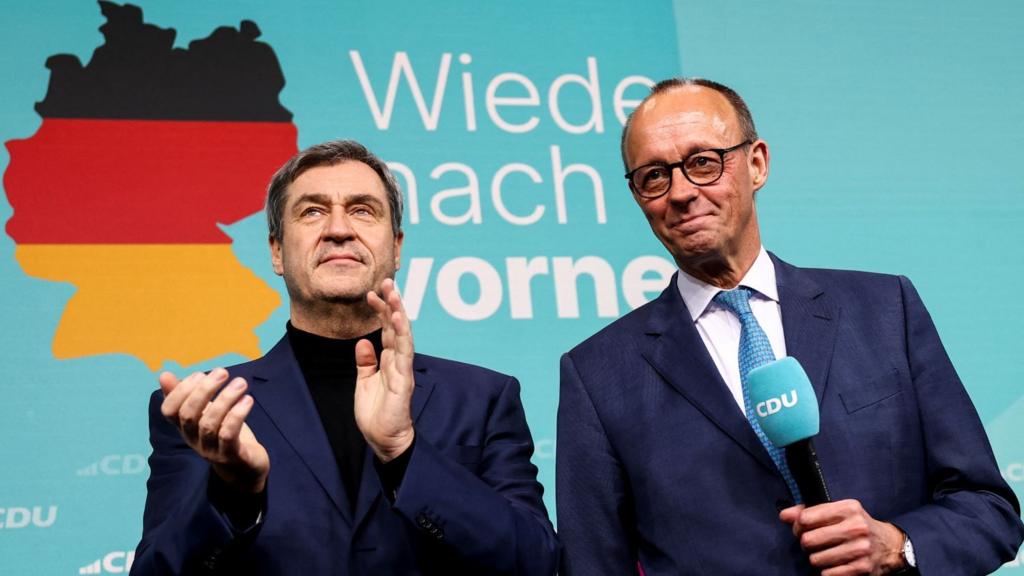
By Nitya Chakraborty The final results of Germany’s national elections held on February 23 are being debated intensively in the global media, especially in the European media about the upsurge of the far right party AFD which virtually doubled its voting percentage in the 2025 elections compared to the 2021 national elections. The ruling Social […]

The Healthy with KidSTART initiative has expanded significantly, growing from supporting 120 families in 2020 to more than 3,100 families in 2024 SINGAPORE – Media OutReach Newswire – 25 February 2025 – On 22 February 2025, over 600 KidSTART parents and children gathered for a day of fun at the What’s for Lunch? A Farm Adventure food expo organised by Prudential Singapore (“Prudential’) and KidSTART Singapore (“KidSTART”). […]

India’s technology sector is poised to exceed the $300 billion revenue mark in the 2025-26 financial year, reflecting a 6% growth over the previous fiscal year, according to the National Association of Software and Service Companies . In the 2024-25 fiscal year, the industry experienced a 5.1% increase, adding $13.8 billion to reach a total of $282.6 billion. This upward trajectory underscores the sector’s resilience and its pivotal role in the nation’s economic landscape.

The tech industry’s contribution to India’s Gross Domestic Product stands at 7.3%, highlighting its significant impact on the economy. Export revenues have been a major driver of this growth, with projections indicating a 4.6% rise to $224.4 billion in 2024-25, up from $214.4 billion in the prior year. Notably, for the first time, export revenues are evenly split between multinational corporations and Indian IT firms, each contributing $112 billion. This balance reflects a harmonious coexistence and collaboration between global entities and domestic service providers.

On the domestic front, the sector witnessed a 7% growth, reaching $58 billion in revenue during the same period. This expansion is attributed to increased digital adoption across various industries within the country, driven by a surge in demand for emerging technologies and digital solutions.

Employment within the tech sector has also seen a positive trend. In the 2024-25 fiscal year, the industry added approximately 126,000 new jobs, bringing the total workforce to 5.8 million. This growth in employment is a testament to the sector’s expanding operations and its commitment to nurturing talent. Looking ahead, the industry is expected to continue its hiring momentum, with projections suggesting a 15-20% increase in job opportunities across various industries in 2025. Roles specializing in artificial intelligence and machine learning are anticipated to see a 30-35% surge in demand, reflecting the global shift towards these advanced technologies.

The adoption of AI is particularly noteworthy. India’s AI market is projected to reach $17 billion by 2027, driven by proactive integration of AI across sectors. The government’s investment of $1.25 billion in the “IndiaAI Mission” aims to bolster AI infrastructure and public sector applications, positioning the country as a significant player in the global AI arena. Major corporations, such as Reliance Industries with its “JioBrain” AI suite, are leading the charge in leveraging AI to revolutionize various industries.

California’s Attorney General, Rob Bonta, has issued legal advisories emphasizing that existing state laws apply to the development and use of artificial intelligence . These advisories highlight the necessity for businesses to ensure their AI systems comply with consumer protection, civil rights, competition, and data privacy regulations. The advisories also underscore the importance of transparency, urging entities to disclose AI usage to consumers and ensure the reliability […]

El Salvador has resumed its Bitcoin acquisition strategy, purchasing an additional 7 BTC on February 25, 2025, after a week-long hiatus. This brings the nation’s total holdings to approximately 6,088 BTC, currently valued at around $572 million. The recent pause in daily purchases coincided with the country’s negotiation of a $1.4 billion loan agreement with the International Monetary Fund , which required El Salvador to scale back its Bitcoin initiatives, including making acceptance of the cryptocurrency voluntary for businesses.

The government’s decision to continue accumulating Bitcoin, despite the IMF’s stipulations, underscores President Nayib Bukele’s commitment to integrating the cryptocurrency into the nation’s financial framework. Since adopting Bitcoin as legal tender in September 2021, El Salvador has consistently increased its holdings, with purchases varying in size. Notably, on February 4, 2025, the government acquired 11 BTC in a single transaction, deviating from its usual daily acquisition strategy.

In March 2024, President Bukele transferred approximately 5,600 BTC to a cold wallet, referred to as “El Salvador’s first Bitcoin piggy bank,” marking the first public disclosure of the nation’s Bitcoin wallet address. This move aimed to enhance transparency and security in managing the country’s digital assets.

The IMF loan agreement, structured over 40 months under the Extended Fund Facility, follows four years of negotiations. As part of the deal, El Salvador committed to modifying its Bitcoin policies, including making its acceptance voluntary for private sector businesses. Despite these conditions, the government has continued its Bitcoin purchases, reflecting a nuanced approach to balancing international financial obligations with its cryptocurrency ambitions.

By Satyaki Chakraborty The polarization in German politics widened after national elections on Sunday, February 23 in which the conservative CDU/CSU with 28.5 per cent votes topped among the political parties followed by the far right AFD at 20.7 per cent and the centre-left SPD at 16.5 per cent. The remarkable feature was the resurgence […]

Policymakers, industry leaders, and researchers convened in New Delhi on Monday for the Prakriti 2025 conference, focusing on leveraging carbon markets to combat climate change and promote sustainable development. Union Minister for Power and Housing & Urban Affairs, Manohar Lal, inaugurated the event, emphasizing the government’s commitment to integrating carbon markets into national climate policy. Organized by the Bureau of Energy Efficiency under the Ministry of Power, […]

The U.S. Securities and Exchange Commission is set to overhaul its regional offices, eliminating top leadership positions in a bid to streamline operations and reduce costs. As part of a broader initiative to focus on efficiency, the SEC will remove leaders from its 10 regional offices. This restructuring comes as part of a cost-cutting strategy influenced by the rising use of cryptocurrencies, specifically Dogecoin, in the broader market.

The decision marks a significant shift in the SEC’s internal operations, with some industry experts speculating that the move reflects a broader shift towards modernizing the regulatory body. The restructuring process, which is expected to take effect within the next few months, will see regional directors and other senior officials in these offices losing their jobs. The SEC has been facing mounting pressure to address the growing costs associated with regulatory functions and to adapt its approach to a rapidly evolving financial environment, particularly within the cryptocurrency space.

The decision follows a series of budget constraints and operational reviews that have highlighted inefficiencies within the SEC’s regional structure. One of the key drivers for this restructuring is the increasing role of digital currencies in financial markets, with some reports indicating that the SEC’s existing framework has struggled to keep pace with new technologies and digital asset regulations. The increasing focus on cryptocurrencies like Dogecoin, and the expansion of digital finance, has led to a demand for more targeted and technologically advanced regulatory mechanisms.

The removal of these leadership roles is not the first sign of restructuring at the SEC. Previous attempts have included efforts to modernize its approach to oversight in the digital age. While the elimination of top regional positions may cause some disruption in the short term, experts argue that this is part of a long-term strategy to enhance the commission’s responsiveness to emerging sectors like cryptocurrency and blockchain technology.

Several critics have questioned the effectiveness of this cost-cutting measure, arguing that reducing leadership roles in regional offices may lead to a loss of expertise and reduce the SEC’s capacity to oversee complex financial activities effectively. Some industry veterans, however, believe that this move is necessary for the SEC to remain relevant in a fast-changing landscape. They point out that the traditional approach to regulating financial markets is being increasingly challenged by technological advancements, and the SEC must adapt to these changes in order to maintain its position as a leading regulatory authority.

The impact of the changes on the day-to-day operations of the SEC is still unclear, with some predicting that the agency will need to rely more on centralised teams and automated systems to perform tasks that were previously handled by regional offices. It remains to be seen how the commission will manage the transition and whether it will be able to maintain its level of oversight across the U.S. financial markets without the extensive network of regional offices.

The SEC’s decision comes amid increasing scrutiny of its role in overseeing the cryptocurrency sector, which has seen explosive growth in recent years. While some digital asset markets like Bitcoin and Ethereum have reached high levels of institutional adoption, Dogecoin has become particularly popular among retail investors, driven by social media trends and celebrity endorsements. The SEC has faced challenges in formulating clear and consistent regulatory frameworks for digital assets, with questions about whether cryptocurrencies should be classified as commodities or securities.

Critics argue that the SEC’s delay in defining its stance on cryptocurrencies has created uncertainty in the market, which has hindered innovation. Proponents of a more aggressive regulatory approach, however, believe that stronger oversight is necessary to prevent fraud and market manipulation, particularly in volatile assets like Dogecoin.

The cost-cutting plan also reflects broader trends in U.S. government agencies seeking to optimise spending and streamline operations. As federal agencies grapple with limited budgets and an expanding range of regulatory responsibilities, efficiency has become a key focus. The SEC’s restructuring may also be seen as part of a larger push towards consolidating regulatory functions in an era of tightening fiscal policies.

While the full extent of the SEC’s plans remains unclear, the announcement has raised questions about the future of the agency’s regional offices and their ability to respond to emerging market trends. As the cryptocurrency sector continues to grow, the SEC will need to strike a delicate balance between reducing costs and ensuring that it can effectively regulate new and evolving markets.

VISHNU RAJA
RYO YAMADA
HITORI GOTOH
IKUYO KITA