News related to
First

The defence sector is no longer a niche or cyclical play—it is becoming a structural necessity in investor portfolios. With rising geopolitical tensions and global security realignments, the financial case for defence stocks has never been stronger. The surge in defence equities over the past year suggests a fundamental shift, not just a reaction to short-term events. At the Munich Security Conference last weekend, European leaders signalled […]

r/developersIndia is hosting its inaugural online hackathon, offering participants the opportunity to earn ₹1,50,000 in prizes while contributing to the open-source community. The event, which is a collaboration with DeepSource, aims to strengthen code security and enhance developers’ contributions to improving software ecosystems.

The hackathon, dubbed “Globstar,” invites developers of all levels to participate and demonstrate their coding prowess. Participants will be tasked with solving challenges that specifically focus on code security, an increasingly important aspect of software development in today’s digital world. The competition is open to individuals or teams, allowing flexibility in collaboration.

According to the event organisers, the Globstar hackathon is an excellent platform for developers to make a meaningful impact on open-source projects. Open-source software has become essential in today’s technological landscape, with numerous businesses and organisations relying on these community-driven projects for the development of critical applications. This event seeks to build on the growing interest in open-source contributions by engaging developers in meaningful challenges that contribute to the improvement of code quality and security.

DeepSource, a key partner in the event, is known for its tools that help developers write secure, reliable, and efficient code. By providing support to the hackathon, DeepSource aims to foster a stronger community of developers committed to ensuring that security remains at the forefront of development practices. The company’s collaboration with r/developersIndia underscores a shared goal of improving the state of code security, something that has become even more urgent as the world increasingly relies on software in every aspect of life.

Participants will have the chance to win prizes in various categories, with the total prize pool amounting to ₹1,50,000. The competition is designed to be accessible to developers with different skill sets, from beginners to advanced coders. Each challenge is structured in a way that promotes learning and growth, allowing even newcomers to the field to gain valuable insights into security practices and coding techniques. This approach aligns with the organisers’ mission to support the development of a more skilled and security-conscious software development community.

In addition to the prizes, participants will also receive recognition for their contributions to open-source software. The importance of open-source projects cannot be overstated, as they often serve as the backbone for innovations in technology. Contributions from hackathon participants may lead to the implementation of security improvements in widely used tools, further enhancing the ecosystem’s security.

The event also provides a valuable networking opportunity for developers, as participants can collaborate with others and connect with industry experts. With a focus on collaboration and learning, the hackathon fosters an environment where developers can exchange ideas, gain mentorship, and refine their skills in a competitive yet supportive setting.

As for the registration details, developers must sign up for the hackathon by February 20, 8:00 PM IST. Those interested can visit the official event page on r/developersIndia’s platform for more information about the challenges, guidelines, and instructions on how to participate. The registration process is straightforward, with all the necessary details available to ensure participants are fully prepared to take part in the competition.

This hackathon is part of a broader trend of online coding challenges that have become increasingly popular over the past few years. With the rise of remote work and digital collaboration, virtual events like the Globstar hackathon have become an essential tool for fostering global communities of developers. They not only provide a platform for competition but also encourage a collaborative approach to solving complex problems, especially those related to security and open-source development.

The rise of cyber threats has made it imperative for developers to prioritise security in their coding practices. Hackathons like Globstar serve as a reminder of the critical role developers play in safeguarding software systems from vulnerabilities. The Globstar hackathon also highlights the growing recognition of the importance of secure coding in the developer community, which is now more than ever aware of the need to address potential risks in their work.

MACAU SAR – Media OutReach Newswire – 18 February 2025 – Galaxy Macau™ presents the world-renowned Italian crossover king of classic and pop music, Andrea Bocelli, who will perform his first concert in Macau at Galaxy Arena on March 29, 2025. This marks the first time the legendary tenor has appeared at Macau’s largest indoor arena. This concert will feature a unique setlist, offering fans in Macau, […]

OKX has made a significant stride in its European expansion by securing a Markets in Crypto-Assets license, positioning itself as one of the first global exchanges to comply with the European Union’s new regulatory framework for digital assets. The MiCA license, a milestone in crypto regulation, enables the exchange to legally operate across 28 countries within the European Economic Area , further solidifying OKX’s position as a key player in the global cryptocurrency landscape.

This development comes at a time when the crypto industry is facing increasing regulatory scrutiny, particularly in Europe. The MiCA framework aims to establish a comprehensive regulatory environment for digital assets, addressing concerns such as investor protection, market integrity, and financial stability. By obtaining this license, OKX demonstrates its commitment to operating within the regulatory boundaries set by the EU, enhancing trust and reliability for both individual and institutional users.

With the MiCA license now in place, OKX has expanded its services to include euro-denominated trading pairs, providing a seamless integration for European users. This move allows customers in the EEA region to trade digital assets directly with euros, facilitating smoother transactions and reducing the need for conversions. Furthermore, OKX has introduced free bank transfers and fiat payment options, making it easier for European customers to deposit and withdraw funds.

The decision to offer free bank transfers and fiat payment options is particularly notable, as it addresses one of the common pain points for cryptocurrency users: high transaction fees. By eliminating these charges, OKX is able to enhance its competitiveness in an already crowded market, attracting users who may have been deterred by traditional exchange fees. These efforts also align with the company’s broader strategy to provide a user-friendly and cost-effective platform for its European clientele.

OKX’s expansion into the European market marks a new chapter in the company’s international growth. The exchange, which was founded in 2017, has quickly established itself as one of the largest and most reputable platforms in the crypto space. Its growth has been driven by a focus on innovation, security, and customer service, which has earned it a loyal user base in regions around the world. The company’s expansion into Europe reflects its commitment to diversifying its reach and tapping into the growing demand for crypto services across the continent.

As one of the first global exchanges to secure a MiCA license, OKX is now well-positioned to capitalise on the evolving regulatory environment in Europe. The MiCA framework, which is set to come into full effect in 2024, aims to provide legal certainty for crypto businesses operating in the EU. For exchanges like OKX, compliance with MiCA is essential for maintaining a strong presence in the European market, as regulators seek to ensure that crypto activities are conducted safely and transparently.

The move is also significant because it comes at a time of heightened regulatory uncertainty in other parts of the world. In the United States, for example, the crypto industry is facing increasing pressure from lawmakers and regulators, who are working to create a more structured approach to digital asset regulation. In this context, Europe’s MiCA framework offers a more defined path forward for crypto businesses looking to operate within a regulated environment.

Beyond the regulatory benefits, OKX’s decision to offer localized services tailored to the needs of European users is a key aspect of its strategy. The company has long emphasised the importance of localisation, recognising that each market has its unique requirements and challenges. By offering euro pairs and a range of fiat payment options, OKX is making it easier for European users to engage with the platform and participate in the growing digital asset economy.

OKX’s success in securing the MiCA license also highlights the company’s ongoing efforts to prioritise compliance and security. Over the years, OKX has made significant investments in strengthening its security infrastructure, which is a critical factor in maintaining the trust of its users. The exchange has implemented a variety of measures to safeguard customer assets, including robust encryption protocols, multi-signature wallets, and insurance funds for potential losses due to breaches.

The MiCA license also places OKX in a favourable position to expand its range of services across Europe. As the regulatory environment in Europe becomes clearer, OKX will have the opportunity to offer additional products and services, such as staking, lending, and asset management, to a wider audience. The company’s ability to operate in 28 EEA countries provides it with a significant competitive edge over other exchanges that may be restricted by more stringent regulations.

However, the regulatory landscape for crypto assets remains dynamic, and OKX’s ability to maintain its position in the European market will depend on its continued compliance with MiCA and other evolving regulations. As the EU finalises the implementation of MiCA in the coming years, exchanges like OKX will need to adapt to new rules and requirements that could affect everything from anti-money laundering measures to customer due diligence.


By L S Herdenia BHOPAL: Bhopal is decorating itself to accord warn welcome to over 100 big industrial magnets who will be in the capital city to attend Madhya Pradesh government sponsored Industrial Summit. The Summit will be inaugurated by the Prime Minister Narendra Modi on February 24. Nearly a hundred distinguished industrialists and chiefs […]


Tesla Inc. has made a significant move towards entering the Indian market, as evidenced by a surge in job openings across key locations like Mumbai and Delhi. The company is currently seeking to fill 13 roles, spanning customer-facing and back-end positions, marking a clear commitment to establishing a foothold in India’s growing electric vehicle sector.

The announcement comes after Elon Musk’s high-profile meeting with Prime Minister Narendra Modi, a discussion that appears to have catalysed Tesla’s decision to pursue expansion in the region. The timing of this strategic move is especially relevant given the recent developments in India’s trade policies, with the government reducing import duties on luxury cars, a measure that could provide Tesla with a more favourable environment for operations.

India’s electric vehicle market, while still in its infancy compared to China’s, is poised for considerable growth. The country’s rapid urbanisation, increased government focus on sustainability, and rising interest in eco-friendly transportation solutions position it as a key player in the global EV landscape. Tesla, with its reputation for high-performance, premium EVs, stands to benefit from these trends.

Tesla’s recruitment efforts are seen as an indication of the company’s intention to tap into the vast potential of India’s automotive sector. The roles available span various areas, including technical support and operations, aimed at building the company’s infrastructure in the region. This is not the first time Tesla has shown interest in India; however, the recent policy changes have provided a more favourable environment for international companies looking to expand their operations.

Prime Minister Modi’s engagement with Elon Musk is likely to have been a pivotal factor in advancing Tesla’s plans for India. During the meeting, both parties discussed ways to enhance cooperation, particularly in sectors such as renewable energy and electric vehicles. Tesla’s entry into India aligns with the government’s push to reduce carbon emissions and transition towards sustainable energy solutions.

The reduction in import duties on luxury vehicles is a significant policy shift that could greatly benefit Tesla’s plans. Previously, India imposed high import duties on foreign-made vehicles, making it challenging for companies like Tesla to price their products competitively in the local market. The recent reduction, part of a broader effort to stimulate the EV sector, is seen as a move to attract global automakers. Tesla, which manufactures its vehicles primarily in the United States, is expected to benefit from these lower tariffs, potentially making its vehicles more affordable for Indian consumers.

India’s EV market, while smaller than China’s, is growing at a rapid pace. The country’s government has set ambitious targets for electric vehicle adoption, with a focus on reducing air pollution and decreasing dependence on imported oil. The Indian government has also introduced several incentives to promote the sale and manufacturing of electric vehicles, including subsidies for EV buyers and manufacturers, as well as tax exemptions for charging infrastructure.

Despite these encouraging trends, Tesla will face stiff competition in the Indian market. Homegrown automakers, such as Tata Motors and Mahindra & Mahindra, have already established themselves as key players in the EV sector, offering affordable electric cars that cater to Indian consumers’ needs. Additionally, the infrastructure for electric vehicles in India remains underdeveloped in many regions, with limited charging stations and a lack of widespread awareness among consumers about EV technology.

Nevertheless, Tesla’s brand recognition and technological expertise are expected to give it an edge in the Indian market. The company’s high-performance vehicles, coupled with its focus on sustainable energy solutions, could appeal to India’s growing middle and upper classes, who are increasingly concerned with environmental issues. Additionally, Tesla’s potential to create local manufacturing jobs and contribute to India’s green energy goals may help the company secure government support.

Tesla’s entry into India also signals the increasing importance of emerging markets in the global automotive industry. As more companies look to expand beyond their traditional markets in North America and Europe, countries like India and China are becoming central to the automotive industry’s future growth. India, with its large population, growing middle class, and rising environmental awareness, presents a significant opportunity for Tesla to expand its global footprint.

By Shanil Yakoob Almost a month to this day, on January 16, 2025, Andhra Pradesh Chief Minister N. Chandrababu Naidu made a startling proposal. Individuals with fewer than two children, he suggested, should be disqualified from contesting local body elections. This announcement came just two months after his government passed the Andhra Pradesh Panchayat Raj […]

Advertisements
By Kunal Bose The world, much to its disappointment, is seeing the United States of America, which is the world largest economy and mightiest military power, rapidly embracing raw, unrestrained capitalism under the newly inaugurated second-term Presidency of Donald John Trump abandoning all traces of egalitarianism. Induction of Tesla chairman Elon Musk to head the […]


AM Green, a prominent producer of green hydrogen and ammonia, has entered into a strategic partnership with DP World, a global logistics leader, to establish a sustainable supply chain for green fuels and chemicals. This collaboration aims to position India as a central hub for the export of green ammonia and methanol, significantly contributing to global decarbonization efforts. Under the Memorandum of Understanding (MoU) signed in December, the […]

Meteora’s co-founder, Ben Chow, has stepped down from his position following mounting pressure over his involvement in the $LIBRA rug pull controversy. The announcement comes as a third-party law firm has been hired to investigate the complex situation surrounding the digital currency project.

Chow’s resignation marks a significant development in the rapidly unfolding drama surrounding the $LIBRA token, which has drawn sharp scrutiny from investors, regulators, and the cryptocurrency community. The token, launched by Meteora last year, had promised to offer an innovative solution in the decentralised finance space but has since become embroiled in accusations of fraudulent activity and mismanagement.

The controversy first gained traction when a substantial amount of $LIBRA tokens was mysteriously withdrawn from the project’s liquidity pools, leading to widespread allegations of a rug pull. In a rug pull scenario, the project’s developers or key figures deliberately drain the liquidity pool, leaving investors with worthless assets. The sudden and dramatic loss of funds has sparked an outcry from investors who claim they were misled about the token’s stability and future potential.

Chow’s resignation comes after calls from both investors and key stakeholders within the cryptocurrency industry for a more transparent approach to the crisis. Despite his departure, the fallout continues to affect the reputation of Meteora, a company that was once considered a rising star in the DeFi space. The scandal has also led to increased scrutiny of similar projects, with regulators now closely examining the regulatory frameworks surrounding DeFi ventures and the accountability of their creators.

According to sources close to the matter, Meteora has engaged a third-party law firm to investigate the allegations surrounding $LIBRA. The firm is expected to conduct a thorough review of the company’s operations and the actions leading up to the alleged rug pull. While the investigation is ongoing, industry experts have raised concerns about the lack of accountability and oversight in the rapidly expanding DeFi space, which has long been criticised for its lack of regulation.

Meteora, which initially gained recognition for its innovative approach to blockchain technology, is now facing a crisis of confidence. The company’s leadership is under pressure to restore trust with its investors and the broader cryptocurrency community. Despite Chow’s resignation, many within the industry believe that the full extent of the scandal is yet to be revealed, with some speculating that more individuals within the company may be implicated in the ongoing investigation.

The fall of $LIBRA is not an isolated incident within the DeFi ecosystem. As more projects in the space struggle with transparency and governance issues, the call for greater regulatory oversight has intensified. However, regulators face a delicate balancing act between fostering innovation and ensuring consumer protection in an industry that remains largely unregulated.

Ben Chow, who was previously seen as a visionary leader in the cryptocurrency space, now finds himself at the centre of one of the most significant scandals to hit the DeFi sector. His resignation has only added fuel to the fire, as both the public and investors demand answers about what went wrong and who is ultimately responsible for the collapse of $LIBRA. While the investigation continues, the fallout is expected to have far-reaching implications for the future of DeFi projects and the regulatory landscape that governs them.

As the investigation into $LIBRA progresses, all eyes remain on Meteora and its handling of the crisis. Investors are anxious for transparency and accountability, while the broader crypto community watches closely to see how the company will respond to the allegations. The outcome of the third-party law firm’s investigation could have a lasting impact on the future of the DeFi sector and may set a precedent for how similar cases are handled in the future.

UAE President Sheikh Mohamed bin Zayed Al Nahyan met with Ukrainian President Volodymyr Zelensky in Abu Dhabi on Monday, marking a significant step towards enhancing diplomatic and economic cooperation between the two nations. The meeting, which took place at Qasr Al Shati, underscored the UAE’s commitment to bolstering global partnerships and supporting peaceful conflict resolution in the region. Both leaders discussed a range of issues aimed at […]

Arabian Post Staff -Dubai The eyewear industry is witnessing a technological revolution with the introduction of smart sunglasses featuring adjustable brightness controls. These innovative accessories are now accessible to consumers in Dubai through various online platforms, offering a blend of style, comfort, and advanced functionality. Lombell, a prominent name in eyewear innovation, has launched a new line of sunglasses equipped with adjustable neutral density filters. These filters […]

KUALA LUMPUR, MALAYSIA – Media OutReach Newswire – 18 February 2025 – Malaysia’s aging population is growing at a faster-than-expected rate, with more than 17% of the population expected to be above the age of 60 by 2040 according to The Department of Statistics Malaysia (DOSM). This demographic shift indicates that more seniors will face mobility limitations, impacting their independence and overall well-being. One of the most […]

By Satyaki Chakraborty The anti-discrimination students body which pioneered the massive upsurge in Bangladesh last year leading to the fall of the Awami League government on August 5 and abdication of the then Prime Minister Sheikh Hasina to India, is set to float their new political party with specific programme and constitution by the end […]


HONG KONG SAR – Media OutReach Newswire – 17 February 2025 – To celebrate the 20th anniversary of Apple Storage, Apple Storage Group (the group) is not only preparing for large-scale celebration activities this year, but also vigorously expanding its branch network at the beginning of 2025. In the first quarter, five new branches will be opened, and for the first time that the group has entered […]

In a strategic move to enhance sustainable energy access, Masdar, TotalEnergies, and EPointZero have entered into a framework agreement aimed at delivering clean energy solutions across Africa and Asia. This collaboration seeks to address energy deficits in underserved communities by leveraging the combined expertise of the three companies in renewable energy development. The partnership focuses on deploying secure and sustainable electricity to local neighborhoods in Africa, with […]

Aspire collaborates with Visa to streamline business finance for 360,000 small businesses in Hong Kong. HONG KONG SAR – Media OutReach Newswire – 17 February 2025 – Aspire, a leading fintech headquartered in Singapore, has announced the launch of its Visa corporate card tailored specifically for small and medium-sized businesses in Hong Kong. By providing access to powerful, user-friendly financial tools, Aspire and Visa are setting the […]

Coldware has rapidly emerged as a formidable contender in the blockchain arena, introducing a mobile-first decentralized Layer-1 network that is redefining industry standards. This innovative approach has intensified competition with established platforms like Solana , which is concurrently enhancing its Web3 infrastructure to maintain its leading position.

In early 2025, Coldware unveiled its mobile-first blockchain network, aiming to seamlessly integrate decentralized finance and decentralized applications directly into users’ mobile devices. This strategic move addresses the growing demand for accessible and user-friendly blockchain solutions, positioning Coldware as a pioneer in mobile blockchain technology. The network’s Proof-of-Stake consensus mechanism is designed to operate efficiently on Web3-enabled smartphones, reducing energy consumption and enhancing security. By eliminating reliance on centralized infrastructure, Coldware aspires to revolutionize mobile crypto payments, DeFi interactions, and non-fungible token transactions.

In parallel, Solana has been reinforcing its position as a leading Layer-1 blockchain by focusing on scalability and speed. The network is capable of processing over 65,000 transactions per second with minimal latency and transaction fees averaging less than $0.01. This performance has attracted a vibrant community of developers and users, fostering a diverse ecosystem of applications spanning DeFi, NFTs, gaming, and Web3 services. To further solidify its infrastructure, Solana has been organizing a series of global events throughout 2025, including the Solana DeFi Summit in Miami, the Solana Gaming & NFT Expo in Singapore, and the Solana Asia Web3 Conference in Hong Kong. These conferences aim to engage developers, investors, and enthusiasts, promoting innovation and adoption within the Solana ecosystem.

The rivalry between Coldware and Solana has intensified, particularly as Coldware’s mobile-centric approach gains traction among users seeking on-the-go blockchain solutions. This competition has prompted Solana to accelerate its efforts in enhancing mobile compatibility and expanding its Web3 offerings. Industry analysts observe that this dynamic is fostering a healthy competition that could lead to significant technological advancements and a broader adoption of decentralized applications.

Luxury hotel earns another prestigious accolade for its exceptional service and world-class facilities BANGKOK, THAILAND – Media OutReach Newswire – 17 February 2025 – Dusit Thani Kyoto, a luxury urban oasis operated by Dusit International, one of Thailand’s leading hotel and property development companies, has built on its recent One Michelin Key recognition by earning a 2025 Forbes Travel Guide Four-Star Award—further cementing its reputation as one […]

The global silicon wafer industry is witnessing a resurgence, propelled by the escalating demand for advanced semiconductor components essential for artificial intelligence applications. In the latter half of 2024, worldwide silicon wafer shipments began to recover from the downturn experienced in 2023, as reported by the SEMI Silicon Manufacturers Group . Despite a 2.7% decline over the year, totaling 12,266 million square inches, and a 6.5% revenue contraction to $11.5 billion, the upward trend in the latter part of the year indicates a positive trajectory for the industry.

This revival is largely attributed to the rapid adoption and advancement of generative AI technologies, which have significantly transformed the semiconductor landscape. Hyperscale data center operators and original equipment manufacturers are expanding their server capacities to meet the computational demands of AI model training and inference processes. This expansion necessitates a substantial increase in AI accelerators, leading to a surge in demand for processor units and high-bandwidth memory associated with these accelerators.

The heightened demand for HBM products is evident in the financial performance of key industry players. SK Hynix, for instance, surpassed Samsung in quarterly profits for the first time, driven by a surge in demand for advanced memory chips necessary for AI data centers. In the fourth quarter of 2024, SK Hynix’s operating profit soared to Won8.1 trillion , with sales increasing by 75% to Won19.8 trillion. HBM products, crucial for AI servers, significantly contributed to this profit, comprising 40% of SK Hynix’s DRAM chip revenue. The demand for these chips is expected to double due to investments in AI infrastructure projects, such as the massive $500 billion Stargate initiative by OpenAI and SoftBank.

Similarly, Micron Technology has experienced a positive financial outlook, with shares surging approximately 14% following an upbeat first-quarter forecast. This optimism is fueled by the demand for memory chips utilized in AI computing. As one of the three primary suppliers of HBM chips, alongside SK Hynix and Samsung, Micron is capitalizing on the growing need for semiconductors in generative AI technologies. These DRAM chips are essential for AI-oriented graphics processing units, facilitating the processing of vast amounts of data. Micron anticipates a record revenue of approximately $8.7 billion and an increase in its gross margin to around 39.5% for the first quarter.

The surge in AI applications has also impacted semiconductor manufacturing giants like Taiwan Semiconductor Manufacturing Co. . TSMC reported a significant profit increase, with fourth-quarter earnings rising 57% to NT$374.7 billion . This growth is largely driven by high-performance computing revenue, which surged 58%, offsetting declines in other sectors. CEO CC Wei highlighted the tight AI capacity but reassured that TSMC is working diligently to meet customer demand.

However, the rapid expansion in AI-driven demand has introduced challenges, particularly concerning supply chain constraints. High-bandwidth memory is in even shorter supply than GPUs, potentially hindering the data center industry’s expansion plans. The HBM design provides greater speed and reduced latency, key to the performance of AI processing. During the COVID-19 supply chain shortages, carmakers could not obtain chips for their vehicles, so they simply built cars without the chips and mothballed them until they could shore up inventory. GPU vendors like Nvidia and AMD don’t have that option. No high-bandwidth memory means GPUs can’t be assembled because the HBM has to be added to the GPU package at the manufacturing stage.

In response to these challenges, companies are exploring innovative solutions. NEO Semiconductor, for instance, announced the development of its 3D X-AI chip, designed to replace existing HBM chips and address data bus bottlenecks. This advancement aims to alleviate some of the supply constraints by providing alternative high-performance memory solutions.

The global silicon wafer market’s recovery is further bolstered by strategic investments and collaborations. For example, Foxconn is building a Nvidia superchip facility in Mexico, aiming to meet the growing demand for AI hardware. Such initiatives not only enhance production capacities but also diversify the supply chain, reducing dependency on a single region and mitigating potential geopolitical risks.

Changpeng Zhao, the CEO of Binance, announced that he would contribute 150 BNB to support victims of the LIBRA token scam. This move comes as a response to the rising concerns surrounding fraudulent crypto schemes and the growing need for greater accountability within the industry. Zhao’s donation underscores a broader effort to address the challenges posed by scams in the cryptocurrency world.

LIBRA, a token that was initially marketed as a promising new digital asset, has gained notoriety for its involvement in a significant scam that left many investors financially devastated. The scam primarily targeted individuals looking to capitalise on the growing interest in digital currencies, drawing them into fraudulent schemes that promised high returns. However, once the funds were invested, the organisers of the scam disappeared, leaving victims with no recourse for recovery.

Zhao’s decision to donate to the cause has been met with mixed reactions. While many have praised his generosity, others have raised questions about the broader systemic issues within the cryptocurrency market. Critics argue that while individual acts of charity are commendable, they do little to address the underlying problems that allow such scams to proliferate in the first place.

The Binance CEO, however, has positioned his donation as a direct response to the specific victims of the LIBRA scam, offering hope to those who lost substantial amounts of money. His actions also bring attention to the growing role of cryptocurrency exchanges in combating fraud and protecting users. Binance, being one of the largest cryptocurrency exchanges in the world, has taken a number of steps in the past to improve the security and integrity of the digital asset market, though critics argue that the exchange, along with other platforms, could do more to prevent such incidents from occurring in the future.

While the donation itself is an act of goodwill, it raises important questions about the responsibility of major industry players in preventing scams. Cryptocurrency exchanges like Binance hold vast amounts of market influence and are often the first point of contact for new users entering the digital asset space. As the industry continues to evolve, there is an increasing call for regulatory oversight to help mitigate the risks associated with trading in digital currencies.

The LIBRA scam, which was reportedly designed to exploit the hype surrounding decentralized finance tokens, highlights the vulnerability of inexperienced investors in an unregulated market. Many of the victims were lured by promises of high returns and quick profits, characteristics common to fraudulent schemes. The incident has sparked discussions around the need for more robust safeguards for investors, including clearer regulations and increased transparency from cryptocurrency projects and exchanges.

Despite these concerns, the cryptocurrency market remains largely self-regulated, with only a few countries enacting specific laws to govern digital asset trading. This lack of a unified regulatory framework leaves many investors unprotected and exposes them to the risk of scams. The absence of comprehensive regulations also complicates efforts to hold fraudsters accountable, as they can often operate across jurisdictions where enforcement mechanisms are weak or nonexistent.

As part of his ongoing efforts to address the challenges of fraud in the cryptocurrency industry, Zhao has called for greater cooperation between industry leaders and regulators. He has emphasised the need for a more collaborative approach to establishing guidelines that can protect investors while fostering innovation within the sector. However, Zhao’s calls for cooperation have not been without controversy, with some critics suggesting that cryptocurrency exchanges are more focused on their bottom lines than on implementing meaningful changes that could benefit the broader ecosystem.

The controversy surrounding LIBRA and similar scams has brought attention to the potential risks associated with the rise of DeFi projects, which are largely built on the promise of decentralization and financial inclusion. While these projects have the potential to revolutionise the financial sector, they also present significant challenges when it comes to ensuring security and trustworthiness. The lack of a central authority to oversee DeFi projects makes them particularly susceptible to fraud and manipulation.

The responsibility of companies like Binance to ensure the security of their platforms and to protect users from scams has never been more pressing. Binance has already implemented a number of security measures, including enhanced identity verification procedures and anti-money laundering protocols, in an effort to protect users. Despite these efforts, scams like the LIBRA incident continue to highlight the limitations of self-regulation within the cryptocurrency space.

Experts agree that stronger regulatory frameworks are necessary to protect investors and promote sustainable growth in the cryptocurrency market. Some have argued that a more rigorous approach to regulation could help prevent scams from taking root by requiring greater transparency from cryptocurrency projects and exchanges. Others caution that over-regulation could stifle innovation and drive new projects to jurisdictions with more lenient rules.

Zhao’s donation of 150 BNB reflects the growing concern within the cryptocurrency community about the impact of scams on public perception and investor confidence. By taking direct action, Zhao aims to show that major industry players are committed to addressing the harms caused by fraud. However, the donation also raises questions about the extent to which cryptocurrency exchanges can be held responsible for the actions of their users and the projects listed on their platforms.

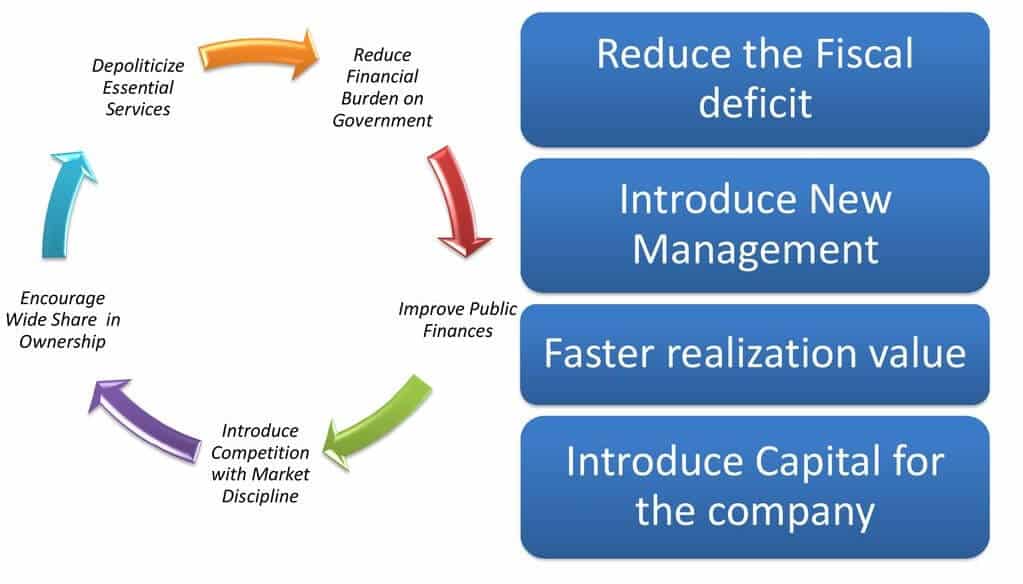
By Nantoo Banerjee The government disinvestment in India’s state-controlled enterprises is always welcome if it is aimed to make them professionally managed entities for faster growth. Unfortunately, the haphazard disinvestments in public sector enterprises (PSE) by the government seem to have only a single purpose — financing part of the annual union budget deficit. The […]

Standard Chartered Bank Limited , Animoca Brands, and HKT have announced a joint venture to issue a stablecoin pegged to the Hong Kong dollar . The consortium plans to apply for a license from the Hong Kong Monetary Authority under the region’s new regulatory framework for stablecoins.

This strategic partnership aims to leverage the unique strengths of each participant. SCBHK will provide its robust banking infrastructure and governance, having previously engaged in all of HKMA’s tokenised money projects. Animoca Brands, a leader in Web3 and blockchain technologies, will explore use cases within the digital asset ecosystem. HKT, a prominent telecommunications service provider, intends to integrate the stablecoin into its mobile wallet offerings, enhancing both domestic and cross-border payment solutions.

Mary Huen, Chief Executive Officer of SCBHK and Greater China & North Asia, expressed enthusiasm about the initiative, stating that the bank looks forward to becoming one of the first issuers of an HKD-backed stablecoin in collaboration with its strategic partners.

The move comes as Hong Kong intensifies its efforts to establish a comprehensive regulatory environment for digital assets. The government published the Stablecoins Bill in December 2024, outlining a statutory framework for stablecoin issuance and operations. The bill is currently under review by the Legislative Council’s Bills Committee. Key features of the proposed regime include stringent licensing requirements, operational standards, and reserve management protocols for stablecoin issuers.

Bill Winters, Group Chief Executive of Standard Chartered, highlighted the significance of this development, noting that digital assets are here to stay and that the development of different forms of tokenised money is integral to the advancement of this industry. He emphasized that stablecoins play a critical role in the overall digital asset ecosystem.

Yat Siu, Co-founder and Executive Chairman of Animoca Brands, commented on the collaboration, stating that this partnership aims to foster the growth of the Web3 ecosystem in Hong Kong by providing a trusted and regulated stablecoin that can be used across various applications and services.

HKT’s Group Managing Director, Susanna Hui, added that integrating the HKD-backed stablecoin into HKT’s mobile wallet services will offer customers a seamless and secure payment experience, further enhancing Hong Kong’s position as a leading digital economy.

The introduction of an HKD-backed stablecoin is expected to provide a stable and secure medium of exchange within the digital asset market, potentially reducing volatility and fostering greater trust among users and investors. This initiative aligns with global trends, as jurisdictions worldwide are increasingly focusing on regulating stablecoins to ensure financial stability, security, and compliance with existing financial systems.

Industry analysts suggest that the success of this venture could position Hong Kong as a pioneer in regulated stablecoin issuance, potentially setting a precedent for other financial hubs. The collaboration between a traditional banking institution, a blockchain innovator, and a telecommunications giant exemplifies a multifaceted approach to digital finance, combining traditional financial expertise with cutting-edge technology and widespread consumer reach.

El Salvador is set to make a significant stride in the global cryptocurrency space with the introduction of a dedicated Bitcoin section at its National Library. The initiative aims to promote the understanding of Bitcoin’s role in the modern financial landscape, with the library becoming the first in the world to feature a permanent collection dedicated to the digital currency.

The new section will not only house a variety of books and resources on Bitcoin, but will also include an interactive display that demonstrates the operation of a full Bitcoin node in real-time. This demonstration will showcase the network’s fundamental role in facilitating peer-to-peer transactions, decentralised consensus, and the security of the global Bitcoin system. The library’s innovative move underscores the growing importance of cryptocurrency and blockchain technologies in shaping the future of finance.

El Salvador’s push to integrate Bitcoin into its national framework has been met with both enthusiasm and skepticism. In 2021, the country made headlines as the first in the world to adopt Bitcoin as legal tender, a bold move aimed at fostering financial inclusion and reducing dependency on traditional banking systems. The decision, spearheaded by President Nayib Bukele, generated widespread debate among economists, policy makers, and the global financial community, with concerns ranging from volatility risks to the broader implications for global monetary policy.

The National Library’s Bitcoin section is part of a larger effort by the government to support Bitcoin literacy and educate the public on how the cryptocurrency functions. El Salvador’s decision to incorporate Bitcoin into its official monetary system was a pivotal moment in the global conversation about digital currencies, and the library initiative represents a continuation of that effort. By making Bitcoin more accessible and understandable to the public, the library aims to demystify the technology and encourage individuals to engage with it in a meaningful way.

The section will feature a range of resources, including literature on the history of Bitcoin, its technological underpinnings, and its potential to disrupt traditional financial systems. Additionally, the live Bitcoin node demonstration will allow visitors to see firsthand how transactions are validated and how the network operates, offering a tangible understanding of the underlying infrastructure that powers the cryptocurrency.

Experts in the field of blockchain technology and cryptocurrency have praised El Salvador’s commitment to education and its progressive stance on integrating digital assets into the mainstream. By promoting Bitcoin literacy, the library is helping to build a foundation of knowledge that could enable the next generation of financial professionals to better navigate the evolving digital economy. The initiative also complements the country’s broader strategy of positioning itself as a leader in cryptocurrency adoption, which includes the creation of “Bitcoin Beach” – a community-focused initiative aimed at fostering the use of Bitcoin for everyday transactions.

However, the decision to embrace Bitcoin has not been without controversy. Critics argue that the volatility of Bitcoin poses significant risks to the stability of El Salvador’s economy, particularly given the country’s reliance on remittances, which make up a large portion of its GDP. The price fluctuations of Bitcoin could create instability in the value of these remittances, which are often sent by Salvadorans working abroad. Additionally, concerns have been raised about the environmental impact of Bitcoin mining, which requires significant energy consumption.

Despite these concerns, President Bukele has remained steadfast in his belief that Bitcoin represents a transformative force for economic growth, particularly in emerging markets. By introducing a Bitcoin-focused educational initiative, the National Library is helping to build the groundwork for future developments in blockchain and cryptocurrency technology. The initiative is also part of a broader effort to align El Salvador with the global trend of digitisation, as governments and businesses worldwide increasingly explore the potential of digital currencies and decentralised technologies.

As more countries and institutions around the world begin to explore the possibilities of cryptocurrencies, El Salvador’s National Library stands as a symbol of the country’s forward-thinking approach to technological innovation. The Bitcoin section, along with the live node demonstration, provides a unique opportunity for individuals to engage with the technology in a hands-on way, gaining a deeper understanding of its potential impact on the financial system.

The Bitcoin section at the National Library is expected to attract both local visitors and international tourists, many of whom are keen to learn more about El Salvador’s pioneering role in the cryptocurrency space. It will also serve as a hub for academic research, with scholars and students having access to a wealth of information on Bitcoin and its applications. This initiative could potentially inspire similar efforts in other countries looking to embrace the digital future.

VISHNU RAJA
RYO YAMADA
HITORI GOTOH
IKUYO KITA