News related to
First

RAMMELBURG, GERMANY – Newsaktuell – 3 February 2025 – Peter Karl Jugl refers to the Bild article from January 30, titled “This Could Be Elon Musk’s New European Headquarters”. Jugl, Managing Director of Deutsche Baukultur Dienstleistungs GmbH, which owns Rammelburg Castle, is offering the visionary entrepreneur Elon Musk the historic property as a weekend retreat, holiday residence, or company headquarters. As a great admirer of Musk’s innovative […]

The content delivery network market is on track for remarkable growth, with estimates showing a surge in revenue from $26.8 billion in 2024 to $121.9 billion by 2033. This trajectory represents a compound annual growth rate of 18%, driven by a confluence of technological advancements, including artificial intelligence and the widespread adoption of 5G networks. As businesses worldwide increasingly rely on digital content delivery, the demand for […]

By Nantoo Banerjee It would be wrong to underplay the impact of rising foreign disinvestments from the country’s secondary market on the economy and the very stability of Indian Rupee (INR). Both the domestic economy and INR have been constantly under pressure from large deficit trade balances year after year, external borrowings, loan servicing, very […]

• Yunlin OWF fully operational and running at design capacity of 640 MW • Enough clean energy to power over 600,000 Taiwanese homes annually • Major step for Taiwan’s offshore wind farm and renewable energy sectors HAMBURG, GERMANY – EQS Newswire – 3 February 2025 – Skyborn Renewables (Skyborn) and its partners in Yunneng Wind Power Co., Ltd. (Yunneng) are pleased to announce a major milestone: The […]

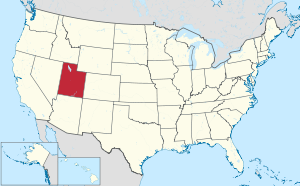
Utah is on the verge of becoming the first state in the United States to officially establish a Bitcoin Reserve, marking a significant shift in the role digital currencies could play in state-backed financial strategies. The state’s legislative body has introduced a bill that would enable the state government to purchase and hold Bitcoin as part of its official reserve assets. If approved, this move could influence other states and global financial systems, potentially setting a precedent for the future of cryptocurrency integration in government reserves.

The proposed legislation reflects Utah’s growing interest in embracing cryptocurrencies as a legitimate asset class. Over the past few years, the state has fostered an environment conducive to blockchain innovation and digital currency adoption. With Utah’s reputation for being business-friendly and its tech-savvy population, this initiative has been met with considerable attention from both cryptocurrency enthusiasts and financial regulators.

The bill’s proponents argue that Bitcoin, with its decentralized nature and limited supply, could provide a hedge against inflation and currency devaluation. As the US dollar’s value fluctuates in response to domestic and global economic pressures, Bitcoin’s deflationary mechanics make it an attractive store of value. Supporters of the Bitcoin Reserve initiative believe that holding a portion of state reserves in Bitcoin could diversify Utah’s financial portfolio, safeguarding it against potential economic downturns.

Utah’s proposed Bitcoin Reserve is not a standalone development. Several other US states, including Wyoming and Texas, have also introduced bills in recent months that explore the integration of Bitcoin into state financial management. While these bills vary in scope, they share a common thread: the desire to position Bitcoin as an accepted, even integral, part of state-backed financial systems.

The move is also viewed as a response to the growing global interest in cryptocurrency as an asset class. Central banks around the world have begun exploring digital currencies, and private institutions have increasingly added Bitcoin to their balance sheets. Bitcoin’s price volatility has presented challenges, but its overall market capitalization has continued to rise, leading some analysts to predict that digital currencies could eventually play a major role in global financial systems.

For Utah, the decision to pursue a Bitcoin Reserve could also have political and economic implications. While the bill has strong support from libertarian-leaning lawmakers and blockchain advocates, it faces opposition from those who are cautious about the risks associated with Bitcoin’s volatility. Critics warn that integrating Bitcoin into the state’s reserve system could expose taxpayers to unnecessary financial risk, especially given the unpredictable nature of cryptocurrency markets.

Despite these concerns, Utah’s government is moving forward with the proposal, citing the potential benefits of Bitcoin as a long-term financial strategy. Utah’s Governor, Spencer Cox, has expressed his belief in the importance of innovation and staying ahead of technological trends, noting that the state should be open to exploring new financial systems that could provide stability and growth in an increasingly digital world.

Another important factor driving Utah’s push for a Bitcoin Reserve is its desire to remain competitive in the tech industry. Utah is home to a thriving technology sector, often referred to as the “Silicon Slopes” due to its proximity to Silicon Valley and its robust network of tech startups. By embracing cryptocurrency and blockchain technology, Utah aims to attract businesses and talent from the burgeoning digital currency industry, which could further strengthen its economy.

The Utah proposal also builds upon the state’s track record of blockchain adoption. In 2019, Utah became one of the first states to recognize blockchain-based signatures as legally valid, and it has since introduced measures to streamline the use of blockchain in state operations. This forward-thinking approach has positioned Utah as a leader in the cryptocurrency space, with the Bitcoin Reserve bill being seen as the natural next step in its ongoing efforts to innovate and modernize its financial system.

The bill’s passage would also be a milestone in the broader national debate over the regulation and integration of cryptocurrencies in government finance. While several states have taken steps toward cryptocurrency regulation, Utah’s Bitcoin Reserve initiative could set the stage for other states to follow suit. Lawmakers across the nation are closely watching the outcome of Utah’s proposal, as it could provide a blueprint for future state-level cryptocurrency legislation.

Opponents of the Bitcoin Reserve initiative argue that Bitcoin’s volatility presents a significant risk to state finances. While Bitcoin’s long-term growth prospects have been lauded by some, its short-term price fluctuations make it a risky asset for any state to hold in its reserves. Critics also point to the environmental concerns surrounding Bitcoin mining, which requires significant energy consumption and has been the subject of ongoing debate within the broader cryptocurrency community.

In response to these concerns, the Utah government has emphasized that the Bitcoin Reserve would represent only a small portion of the state’s overall financial assets. According to proponents, Bitcoin would be used primarily as a hedge against inflation, with traditional assets like gold and bonds continuing to comprise the majority of the state’s reserve holdings. This would allow Utah to take advantage of Bitcoin’s potential upside while mitigating the risks associated with its volatility.

Utah’s Bitcoin Reserve bill includes provisions for regular oversight and risk management protocols, ensuring that the state’s financial security would not be jeopardized by any potential market downturns. The bill also outlines a framework for purchasing and storing Bitcoin, with the state’s treasurer tasked with managing the asset. This added layer of oversight is designed to reassure critics and ensure that Utah’s involvement in cryptocurrency remains in line with traditional financial best practices.


Japan has taken a major step toward bolstering its space capabilities with the successful launch of a navigation satellite aboard its new H3 rocket on February 3, 2025. The launch marks a significant milestone in Japan’s pursuit of an independent, more precise satellite-based positioning system, designed to reduce reliance on foreign alternatives such as the United States’ GPS system.

The satellite, launched from the Tanegashima Space Center, is part of the country’s efforts to enhance its infrastructure and technological prowess. Japan’s space agency, JAXA, led the mission, which aims to place the country on a trajectory to develop a more autonomous and reliable global navigation system. This ambitious project, known as the Quasi-Zenith Satellite System , has been under development for several years and is seen as vital for both national security and economic growth.

The QZSS is expected to complement, and eventually replace, some aspects of global positioning systems , providing more reliable and accurate data in urban areas, mountainous regions, and other places where satellite signals from foreign systems can be weak or blocked. This development is seen as part of Japan’s broader efforts to ensure its technological sovereignty in the face of global geopolitical shifts, as well as a response to growing concerns about cybersecurity and the risks of dependency on external sources for critical navigation information.

One of the key features of the QZSS is its ability to offer highly precise positioning in regions where the GPS system struggles. Unlike GPS, which relies on a constellation of satellites orbiting the Earth, the QZSS will use a combination of geostationary and inclined geosynchronous satellites. This arrangement allows for better coverage over Japan and surrounding areas, ensuring more consistent and accurate positioning, even in dense urban areas or mountainous terrain.

The launch of this satellite represents the latest development in Japan’s space exploration efforts, which have accelerated in recent years. The country has made significant investments in space technologies, with a focus on both civilian and military applications. This new positioning system will not only improve navigation for the general public but also support the country’s burgeoning space industries, autonomous vehicle technologies, and the Internet of Things .

Japan’s focus on self-reliance in space technology is also a reflection of the evolving global space race. With countries like China and the United States making rapid advancements in space exploration and satellite systems, Japan aims to position itself as a leader in space technology. The success of the H3 rocket launch further strengthens Japan’s ambitions, as the H3 is designed to be a more cost-effective and reliable means of deploying satellites into orbit.

The H3 rocket, which carried the new navigation satellite, is an upgraded version of Japan’s H-IIA rocket, which has been used for a variety of missions over the past two decades. The new design is intended to lower the cost of launching satellites while maintaining the high reliability that Japan’s space programs are known for. This successful mission signals that Japan’s space agency has overcome some of the technical challenges associated with the H3’s development, and it sets the stage for future satellite launches.

The H3 rocket’s successful deployment of the QZSS satellite is expected to open new opportunities for Japanese companies involved in satellite manufacturing and launch services. It also positions Japan as a potential player in the global satellite services market, where demand for accurate and secure positioning data is growing rapidly. As global navigation and communication systems become more integral to economies and military operations, the ability to control and operate one’s own satellite network is viewed as an increasingly important asset.

In addition to its economic and security benefits, Japan’s new navigation satellite system will also have applications in disaster management. Japan, which is prone to earthquakes, tsunamis, and typhoons, could benefit greatly from having a more reliable navigation system in place during natural disasters. The QZSS can provide real-time data that can help coordinate rescue operations, monitor disaster zones, and even support evacuation efforts, ensuring that critical services can be delivered in times of crisis.

The QZSS satellite is the first in a series of planned launches as Japan builds out its own navigation system. The country aims to have a full constellation of satellites in orbit by the early 2030s, providing global coverage and ensuring that it has a fully operational navigation system that can compete with international systems. As Japan moves forward with this initiative, it is also exploring potential collaborations with other nations and private companies to enhance its capabilities and expand its reach in the global space community.

TA’ZIZ, the joint venture between Abu Dhabi National Oil Company and ADQ, has awarded a $1.7 billion engineering, procurement, and construction contract for a major methanol plant in Abu Dhabi. This development underscores the continued strategic expansion of the UAE’s industrial sector, as it further solidifies the nation’s position as a key player in the global chemical and energy markets. The contract has been awarded to a […]

Advertisements

Dubai’s residential real estate market is experiencing significant growth, driven by a substantial influx of new residents. In the first half of 2024, over 220,000 individuals relocated to the city, reinforcing the escalating demand for housing. This trend has been further emphasized by Amira Sajwani, Managing Director of DAMAC Properties, who noted the ongoing increase in the need for residential units.

The surge in population is attributed to Dubai’s status as a global business hub, offering numerous employment opportunities and a high standard of living. The city’s strategic location, favorable tax policies, and dynamic economic environment continue to attract expatriates and investors worldwide. As a result, the real estate sector is experiencing heightened activity, with both sales and rental markets witnessing upward trends.

In response to the growing demand, developers are accelerating the construction of residential projects. DAMAC Properties, under the leadership of Amira Sajwani, is actively expanding its portfolio to cater to the diverse needs of the new residents. The company’s commitment to delivering quality housing solutions aligns with Dubai’s vision of becoming a leading global city.

By Anjan Roy The only big idea about the eighth budget of finance minister, Nirmala Sitharaman, is an announcement of an income tax exemption of upto Rs 12 lakhs. It is a big jump no doubt, from the exemption level of Rs 7 lakh earlier. There is a political catch in that though. But in […]

By Dr. Gyan Pathak Union Minister of Finance Nirmala Sitharaman has emphasized on 100 per cent skilled labour with meaningful employment; 100 per cent quality, good school education; and access to quality, affordable and comprehensive healthcare as part of Vikasit Bharat initiative in her speech while presenting Union Budget 2025-26 on February 1. However, the […]

By Nitya Chakraborty What is happening to the proposed official visit of the Russian President Vladimir Putin to India early this year? Is the Prime Minister Narendra Modi’s invitation to the Russian President to visit India given at the BRICS summit at Kazan on October 22 still valid? Doubts are being raised about the visit […]


DP World, a prominent global leader in end-to-end supply chain solutions, has made history with the launch of the Middle East and North Africa’s first-ever corporate Blue Bond listing on Nasdaq Dubai. The $100 million bond, which is part of the company’s $10 billion Global Medium-Term Note Programme, signals a significant milestone in the region’s growing commitment to sustainable finance. The issuance, with a coupon rate of […]

KUALA LUMPUR, MALAYSIA – Media OutReach Newswire – 31 January 2025 – Memecoins were on the rise in 2024. Their overall market capitalisation increased from $20 billion last January up to $120 billion in December 2024. Such coins as DOGE, PEPE, or SHIB have thrived, primarily driven by community support and innovative strategies. Some experts have even acknowledged meme coins as a viable crypto trend. TRUMP, a […]

By Dr. Nilanjan Banik The Budget deals with allocating money towards areas where the government thinks it is essential to spend, and finding out ways such as taxes, to finance it. The government primarily requires money to spend on social infrastructure (such as schools, hospitals, water, sanitation, etc.), physical infrastructure (such as railways, roads, airports, […]


American creators like Taylor Breanna, Alexis Elise Scott received major awards at the BIGO Awards Gala in Singapore. With over 1000 guests in attendance, this year’s gala highlights Bigo Live’s top priority of ensuring user safety while fostering freedom and innovation in content creation, offering content creators and viewers a diverse and harmonious experience. LOS ANGELES, US – Media OutReach Newswire – 30 January 2025 – American […]

Shattering Dual Records for Box Office and Attendance SHANGHAI, CHINA – Media OutReach Newswire – 30 January 2025 – IMAX China set a record Chinese New Year opening day with a whopping $12 million in box office revenue, eclipsing the previous record set in 2021. Additionally, with 1.2 million admissions nationwide, IMAX achieved its highest day-one attendance in history, paving the way for a robust new year. […]

Blockchain technology is increasingly intersecting with renewable energy initiatives, offering transformative solutions that enhance transparency, efficiency, and accessibility in the energy market. This convergence is fostering a new era of decentralized energy systems, where consumers and producers engage in more direct and efficient transactions. UrbanChain, established in 2017 and based in Manchester Science Park, has developed a green energy marketplace that utilizes artificial intelligence and distributed ledger […]

NEW DELHI: Skilling and job creation will be a major theme in the Budget as government seeks to fill a critical gap and in the process boost income and demand in the economy.   Indian companies are looking for skilled workers, including at construction sites within the country, and the skilling initiative will help meet […]

As the cryptocurrency landscape evolves, investors are closely monitoring projects with the potential to outperform established coins in the first quarter of 2025. Among these, Lightchain AI has garnered significant attention for its innovative approach to integrating artificial intelligence with blockchain technology.

Lightchain AI distinguishes itself through its Proof of Intelligence consensus mechanism and the Artificial Intelligence Virtual Machine . The PoI system rewards nodes for executing AI-specific tasks, such as model training and inference, thereby enhancing both network security and advancing AI capabilities. The AIVM provides a dedicated environment for running AI workloads, positioning Lightchain AI as a versatile platform for industries including healthcare, finance, and supply chain management. During its presale phase, Lightchain AI raised over $8 million, with tokens priced at $0.004875 each. Analysts predict that by the end of Q1 2025, the token could reach values between $0.15 and $0.20, contingent on adoption rates and ecosystem development.

In addition to Lightchain AI, other cryptocurrencies are anticipated to perform well in early 2025. Ethereum , the leading platform for decentralized applications and decentralized finance , is expected to benefit from the increasing adoption of Layer 2 scaling solutions like Arbitrum and Optimism. These solutions aim to enhance transaction throughput and reduce fees, thereby improving user experience. Price forecasts for Ethereum suggest it could reach between $5,000 and $6,000 in the first quarter, driven by the growing popularity of DeFi platforms and non-fungible tokens .

Cardano , recognized for its research-driven approach and commitment to scalability, is also on investors’ radars. The platform’s focus on sustainability and decentralized governance has attracted a dedicated community. With the anticipated launch of enhanced DeFi capabilities in early 2025, Cardano’s utility is expected to increase. Analysts project that ADA could trade between $1.50 and $2.50 during this period, with potential for higher gains if its ecosystem achieves significant adoption.

The broader cryptocurrency market is experiencing a surge in interest, partly due to favorable regulatory developments. The current U.S. administration has signaled a more crypto-friendly stance, with proposals to appoint pro-crypto figures to key regulatory positions. This shift is expected to provide greater clarity and support for the industry, potentially leading to increased institutional investment and mainstream adoption.

Samsung has launched an innovative experiential space at Dubai Festival City, offering customers an exclusive opportunity to explore the capabilities of its latest Galaxy S25 Series. The pop-up space is designed to highlight the enhanced artificial intelligence features integrated into the new devices, which promise to revolutionize user experience with a focus on personalization and smarter interactions. The Galaxy S25 Series, unveiled as part of Samsung’s commitment […]

By Dr. Gyan Pathak Is it not a joke to expect a Member of Parliament to read, understand, give a considered view with qualitative comment on 655-pages-long final draft report on an important legislative amendment bill, such as the Waqf (Amendment) Bill, 2024, within a few hours, which was circulated to members less than 24 […]


Transak, a Web3 payment infrastructure provider, has partnered with Uranium.io, a blockchain-based uranium trading marketplace, to allow retail investors to purchase tokenized uranium using cryptocurrency. This innovative move significantly lowers the barriers to entry for uranium investments, allowing crypto users to access the market for as little as $10, a stark contrast to the previous minimum investment of $4.2 million required for over-the-counter uranium trades.

The partnership is poised to transform the way investors approach the commodity sector, specifically the uranium market, by leveraging blockchain technology. Tokenization, a process that converts physical assets into digital tokens, has been gaining traction across various industries, including real estate, fine art, and now, commodities like uranium. This collaboration between Transak and Uranium.io provides a simplified and accessible way for retail investors to buy tokenized uranium and trade it on a decentralized marketplace.

The decision to lower the minimum investment requirement is a strategic move aimed at democratizing access to a market that was once largely restricted to institutional investors and high-net-worth individuals. The ability to invest in uranium using cryptocurrencies like Bitcoin or Ethereum opens up a new avenue for crypto enthusiasts to diversify their portfolios. Uranium.io’s blockchain-based platform facilitates this process, offering a secure and transparent trading environment for both new and experienced investors.

Uranium.io, the world’s first blockchain-based uranium trading marketplace, has been at the forefront of bringing traditional commodities onto the blockchain. By tokenizing uranium, the platform aims to increase liquidity and accessibility within an otherwise opaque and illiquid market. Historically, uranium trading has been dominated by large-scale transactions, with over-the-counter trades involving millions of dollars in capital. The lack of transparency and the high financial threshold meant that retail investors were largely excluded from the market. However, tokenization allows for fractional ownership of uranium, enabling smaller-scale investments.

Through the integration with Transak, a company known for simplifying cryptocurrency payments, users can now purchase tokenized uranium in smaller amounts, enabling more people to participate. Transak’s seamless integration with various cryptocurrencies, coupled with the ability to purchase tokenized uranium, simplifies the process for users who are already familiar with crypto-based transactions. The platform supports a variety of cryptocurrencies, making it easy for users to buy tokenized uranium using their preferred digital assets.

The move towards tokenized uranium comes at a time when the commodity has gained attention due to its critical role in the global energy transition. Uranium is a key component in nuclear energy production, which has seen a resurgence as nations seek to reduce their carbon footprints and meet energy demands. As the world turns towards cleaner energy solutions, uranium’s role in powering nuclear reactors becomes increasingly important. By enabling wider access to uranium trading, the Transak-Uranium.io partnership could help facilitate investments in the sector at a time of growing demand.

The flexibility and accessibility of blockchain technology have made tokenization a powerful tool for unlocking value in traditionally illiquid markets. With the tokenization of uranium, the asset can be traded more efficiently, enabling investors to take advantage of price fluctuations and market trends in real-time. This also brings increased transparency to the uranium market, as blockchain provides an immutable ledger of transactions that can be publicly verified.

This partnership could also pave the way for other commodity markets to explore tokenization as a method of broadening access to retail investors. As the crypto ecosystem continues to expand, industries like energy, mining, and agriculture may follow suit by adopting blockchain technology to enable fractional ownership and trading of physical assets. For now, the tokenized uranium market offers a promising glimpse into the future of commodity trading.

For many investors, the tokenization of uranium is an opportunity to capitalize on the commodity’s potential growth. With the energy crisis and the global push for sustainability, uranium’s value is likely to increase as more countries invest in nuclear power. Tokenized uranium offers investors a way to gain exposure to the uranium market without having to deal with the complexities of traditional trading methods, such as securing physical uranium or navigating over-the-counter markets.

The growth of decentralized finance and the rise of blockchain-based platforms for commodity trading are part of a larger trend in which the traditional financial system is being redefined. Investors are increasingly looking for alternative investment opportunities that offer greater flexibility, transparency, and lower entry barriers. The Transak-Uranium.io partnership aligns with this trend, offering a new way to access an asset class that was previously difficult to reach.

Despite the advantages that tokenized uranium offers, there are still challenges to overcome. The regulatory landscape for tokenized commodities is evolving, and there is a need for greater clarity on how tokenized assets are classified and taxed. Additionally, the volatility of cryptocurrency markets presents risks for investors who may not be accustomed to the price swings of digital assets. However, for those willing to embrace these risks, the potential rewards could be substantial.

Dubai’s skyline is on the cusp of welcoming a groundbreaking addition that could signal a new era in urban development. On January 15, 2025, the Dubai Multi Commodities Centre and Reit Development unveiled plans for a 17-story building designed to showcase the practical applications of blockchain technology. Dubbed the “Crypto Tower,” this high-rise aims to be a centerpiece for the burgeoning decentralized finance and Web3 sectors within […]

By K Raveendran The Chinese AI startup DeepSeek has brought down the market crashing, but it has done even more damaging things to the United States. Apart from challenging Silicon Valley’s technology dominance, the Chinese have exposed the limits of Trump’s tariffs, challenging Washington’s ability to restrain China’s technological advance. The Chinese breakthrough undermines one […]

VISHNU RAJA
RYO YAMADA
HITORI GOTOH
IKUYO KITA