News related to
Investment

Wipro has officially transferred its Middle East regional headquarters from Al Khobar to a new, upgraded facility in Riyadh, signalling an intensified drive to anchor itself in the Kingdom’s digital economy. Mohamed Mousa has been appointed Managing Director and Regional Head for the Middle East, steering Wipro’s regional operations from the new Riyadh base.

Vinay Firake, CEO for Asia Pacific, India, Middle East and Africa, described the move as a “reaffirmation of commitment to supporting the dynamic business landscape in the Kingdom of Saudi Arabia.” He added that Mousa’s leadership will “further advance our decades-long presence in the Middle East.”

The office, inaugurated during a high-profile ceremony attended by senior Wipro executives, staff, and clients, is part of an expanding regional footprint that already includes offices in Jeddah, Jubail, and Al Khobar.

Mohammed AlRobayan, Deputy Minister for Technology at the Ministry of Communications and Information Technology, highlighted the Riyadh move as a pivotal moment for the Kingdom’s digital ambitions, saying it “accelerates the growth of the Kingdom’s digital economy” and underlines Saudi Arabia’s appeal as a tech destination.

Furthering its strategic investment in Saudi human capital, Wipro signed a Memorandum of Understanding with Prince Mohammad Bin Fahd University to create a Centre of Excellence in Riyadh. This initiative targets hands‑on training in advanced technologies for Saudi nationals, promoting workforce readiness and helping bridge the gap between academic learning and industry demand.

Financial analysts note that the relocation aligns with Saudi Vision 2030’s objective to diversify the Kingdom’s GDP beyond oil revenues, with global tech firms increasingly anchoring themselves in Riyadh. The new headquarters offers both symbolic and practical leverage: proximity to major government stakeholders, enhanced networking opportunities, and the ability to attract public–private partnerships focused on digital transformation.

Experts acknowledge, however, that this strategy is not without challenges. Wipro must navigate intense competition from both global rivals and agile regional players, maintain cost competitiveness, and ensure the newly hired Saudi talent is integrated effectively into its global delivery model. A report by an independent business intelligence provider recently flagged uncertainties such as fluctuating revenue streams and the rigours of managing a complex international footprint.

Mousa succeeds Dalveer Kaur, who transitioned to Wipro’s global capability centre practice. Mousa’s track record includes leadership roles in regional IT consulting and digital services, with a specific focus on scaling operations and aligning with government-led digital ecosystems. His appointment is a strategic fit for Wipro’s goal of deepening ties with local institutions and sovereign-backed tech initiatives.

The Riyadh office, equipped with advanced infrastructure, is expected to house regional delivery centres and client‑management teams specialising in cloud, AI, digital engineering, cybersecurity and consulting services. These capabilities align with Wipro’s broader portfolio, which spans consulting, design, engineering and operations in both the public and private sectors.

Looking ahead, Wipro is expected to pursue further partnerships with Saudi universities and training institutions, potentially expanding the Centre of Excellence model to other al‑Majlis campuses. The company will also likely collaborate with government-backed innovation hubs and sovereign wealth funds eager to foster digital lanes within finance, healthcare, logistics, and energy sectors.

While Wipro optimises its capacity to support client transformation in the region, industry observers will monitor its ability to sustain growth amid macroeconomic volatility, emergent technologies and evolving client expectations. With Mousa at the frontline, the company aims to leverage its regional assets, integrated innovation initiatives and talent development programmes to embed deeper into the Kingdom’s digital ecosystem.

Amid global tensions and shifting supply‑chain dynamics, Wipro is banking on its regional pivot and local leadership to consolidate both government and enterprise relationships. Riyadh is increasingly viewed not only as a political capital but also as a digital-tech hub. Wipro’s investments in infrastructure, talent and strategic partnerships reflect that shift, aiming to position the firm at the centre of the Kingdom’s transformation agenda.

Harrison Street, a US-headquartered real assets investment firm with over $56 billion in assets under management, has formally expanded into the Middle East by establishing an office within the Abu Dhabi Global Market, after receiving regulatory approval from the Financial Services Regulatory Authority. The move is being viewed as a strategic step to tap into the region’s institutional capital base and aligns with Abu Dhabi’s ambitions to attract global investment managers.

The firm’s new office, located at ADGM’s Al Sila Tower, is expected to anchor its regional operations and serve as a platform for growth across the Gulf and wider MENA region. Harrison Street becomes the latest in a line of global asset managers to choose Abu Dhabi as a regional headquarters, following similar moves by BlackRock, Brevan Howard, and Apollo Global Management. The announcement underscores the appeal of ADGM as a regulated environment that offers tax benefits, legal certainty, and direct access to sovereign wealth and pension funds.

Christopher Merrill, co-founder and CEO of Harrison Street, described the expansion as a natural extension of the firm’s long-term growth strategy. He emphasised that the company is aiming to offer institutional investors across the Middle East access to thematic investment opportunities in alternative real assets, including student housing, senior living, healthcare infrastructure, and digital assets. Merrill said the firm sees “substantial appetite among Gulf-based investors for exposure to long-duration, inflation-protected assets with stable yield profiles.”

While Harrison Street has traditionally focused on North America and Europe, its new ADGM base signals an intention to deepen partnerships with investors in the Gulf region. The decision is also part of a broader effort to diversify funding sources and tailor strategies that align with regional priorities such as healthcare expansion, demographic shifts, and digital infrastructure.

The ADGM licence will enable Harrison Street to carry out regulated investment activities and offer tailored asset management services to qualified investors in the UAE and beyond. According to the firm’s regional head, who is set to be announced in the coming weeks, the Abu Dhabi office will focus on both capital raising and direct investment origination, particularly in sectors aligned with government-backed development goals across the Gulf.

Industry observers say Abu Dhabi’s financial centre has matured into a viable launchpad for international firms targeting sovereign and institutional capital. With assets under management in ADGM growing to over $1 trillion this year, the financial centre is increasingly positioning itself as a global hub for private equity, venture capital, and asset management. Harrison Street’s entry follows a regulatory trend where ADGM has been accelerating approvals for asset managers, family offices, and hedge funds in a bid to rival more established global centres.

Global interest in Middle East capital pools has surged, with firms across Europe and the US actively seeking to establish an on-the-ground presence. Harrison Street’s thematic investment strategy, focused on secular trends such as ageing populations and technological adoption, is seen to resonate well with Gulf investors pursuing diversification beyond traditional energy-linked assets.

Merrill indicated that the firm will look to build co-investment partnerships and joint ventures with local institutions, leveraging its experience in structuring real estate and infrastructure funds across developed markets. He also hinted at the possibility of localised strategies that may include greenfield development and operating partnerships in sectors like education and senior care, particularly in markets undergoing demographic transition such as Saudi Arabia and the UAE.

ADGM authorities welcomed the firm’s entry as further validation of Abu Dhabi’s rising influence in the global investment ecosystem. The financial centre has actively courted global asset managers through a mixture of regulatory reforms, dual licensing frameworks, and strategic partnerships with Abu Dhabi Investment Office and Mubadala.

Daily active users in the global cryptocurrency market have surged to 30.8 million, marking a 30-fold increase since early 2020 when the figure hovered around just one million. This extraordinary growth underscores a pivotal shift in digital finance adoption, driven by both mainstream institutional participation and decentralised finance innovations.

The five-year acceleration in user activity reflects a maturing market that has gradually moved from speculative volatility toward widespread utility and integrated applications. Analysts link this exponential climb not only to rising asset prices but also to expanding real-world use cases and adoption in emerging markets where crypto offers alternatives to unstable fiat currencies or limited banking access.

Between 2020 and 2021, crypto markets experienced a spike in retail investor interest as Bitcoin and Ethereum reached new price highs. But the subsequent years saw a more diversified set of contributors to active user growth. These included Layer-2 solutions that reduced transaction costs, central bank scrutiny that validated digital assets as long-term economic factors, and increased capital flows into decentralised applications that are now used for lending, trading, and payments.

The upswing has also been aided by a shift in demographics. Users between the ages of 18 and 35 continue to dominate, but there is a discernible rise in users over 50 participating in digital asset portfolios through robo-advisors and automated wealth apps. Fintech platforms have played a central role in onboarding new users, offering wallet services directly within traditional mobile banking interfaces, especially in Southeast Asia, Latin America, and Sub-Saharan Africa.

Regulatory tailwinds have also contributed to this surge. After years of ambiguity, several governments began laying out clearer frameworks for crypto usage and taxation. The European Union’s Markets in Crypto-Assets regulation, now in force, has created greater legal clarity for wallet providers and stablecoin issuers. Meanwhile, jurisdictions such as Singapore, the UAE, and Hong Kong have developed regulatory sandboxes that attract developers without compromising on compliance. The clarity around Know-Your-Customer norms and licensing requirements has encouraged institutional custodians and payment processors to enter the space, further legitimising its growth.

Daily active wallet addresses, which measure unique addresses interacting with blockchain networks, are now being driven by utility rather than speculation. Decentralised social media platforms, blockchain-based gaming, and metaverse transactions contribute heavily to user engagement. On-chain metrics show that average wallet-to-wallet transactions have grown in both frequency and diversity, indicating a broader shift from holding digital assets to actively using them.

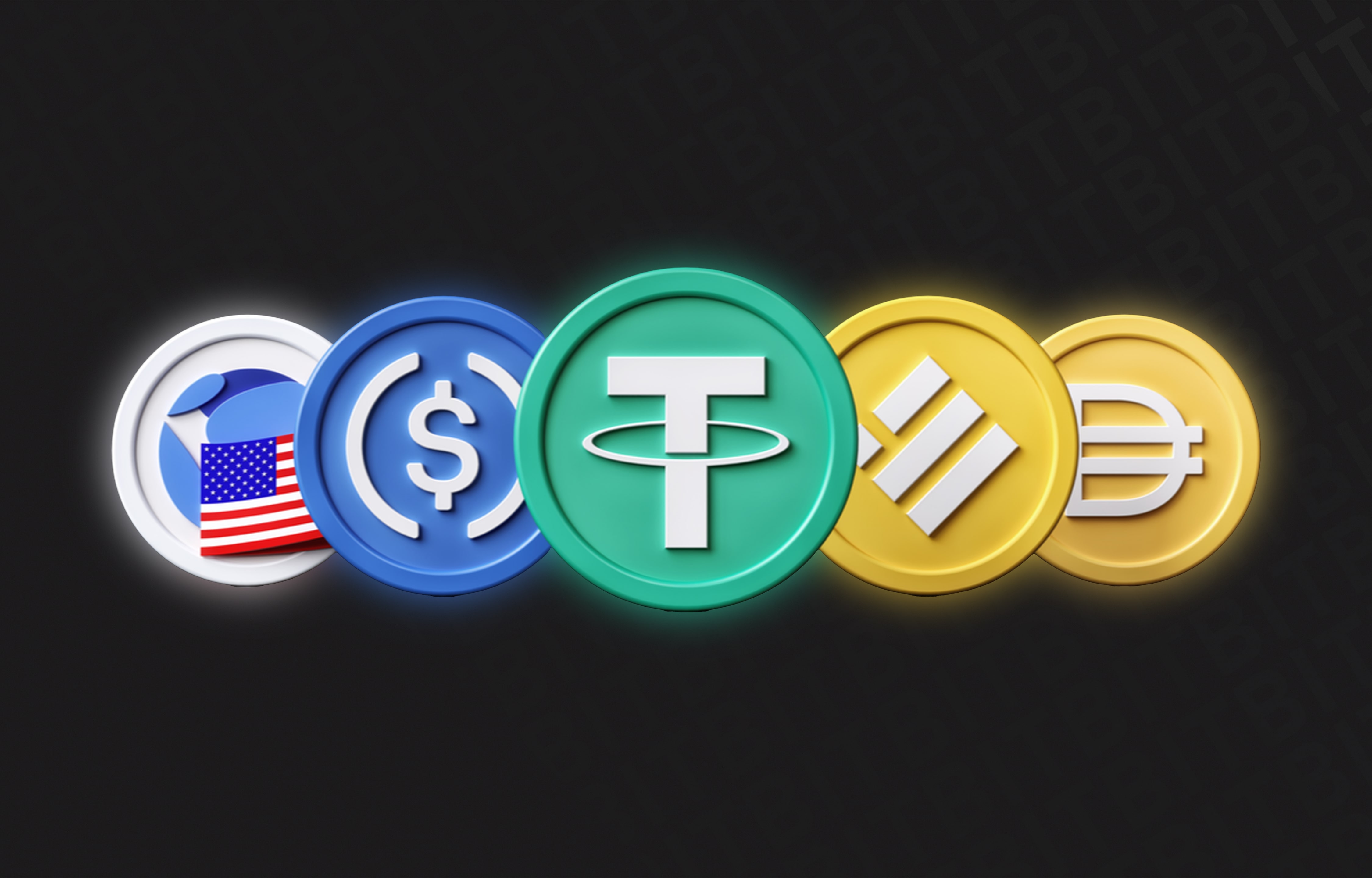
Stablecoins remain a major catalyst. With daily transaction volumes frequently surpassing those of major card networks, these tokens are increasingly used for remittances, salaries, and cross-border commerce. Businesses in Argentina, Nigeria, and the Philippines now routinely accept stablecoins to hedge against inflation and currency volatility. Dollar-pegged tokens such as USDT and USDC remain dominant, but a new wave of regionally anchored stablecoins linked to the euro, yen, and dirham are gaining traction.

This growth has coincided with new product launches by global crypto service providers. Coinbase, Binance, and OKX have all introduced wallet products tailored for mobile-first users, while decentralised apps like MetaMask and Trust Wallet have streamlined onboarding by integrating fiat-to-crypto gateways and social recovery features. Wallet-as-a-service solutions have also proliferated, allowing e-commerce platforms and loyalty programmes to integrate tokenised rewards and payments.

However, the expansion hasn’t been without setbacks. Security breaches and phishing attacks continue to pose significant threats, especially on mobile wallets lacking robust encryption or biometric safeguards. In 2024 alone, more than $600 million was reportedly lost to wallet-targeted hacks. This has forced wallet providers to enhance security protocols and increase user education around seed phrase storage and recovery mechanisms.

The surge in user activity also raises questions about scalability and environmental impact. Ethereum’s successful shift to a proof-of-stake consensus has alleviated some concerns, reducing energy consumption by over 99 percent, but congestion on other chains like Solana and BNB Smart Chain persists during peak usage periods. Developers are now turning to zero-knowledge rollups and modular chain architectures to manage the growing demand without compromising on decentralisation or throughput.

Investment in wallet infrastructure has sharply increased, with venture funding in crypto wallet startups exceeding $2.5 billion over the past year. Several firms are focusing on embedded crypto solutions that operate invisibly behind e-commerce and payment interfaces, enabling crypto usage without requiring users to understand blockchain mechanics. This backend integration has become crucial to onboarding the next 100 million users, according to fintech consultants.

On the macroeconomic front, crypto wallets are increasingly being viewed as components of digital identity. National digital currency trials in countries like Brazil and India are exploring hybrid models that link sovereign wallets to decentralised ones, potentially enabling programmable money systems that maintain user agency while complying with monetary policy.

As blockchain integration deepens across sectors, from healthcare to real estate, wallet functionality is expanding beyond currency storage. New generations of wallets offer token-gated access, voting rights in decentralised autonomous organisations, and certification for digital credentials. These features are pushing crypto adoption beyond financial speculation into everyday life.

Emirates NBD, the UAE’s second-largest bank by total assets, has initiated a mandate for a possible 10-year fixed-rate “Kangaroo” bond denominated in Australian dollars under its A$4 billion Kangaroo Debt Issuance Programme. The bank is seeking indications of interest at initial price thoughts of about 195 basis points above the relevant asset swap rate, aiming to meet growing appetite among institutional investors for high-quality yield. The bond is […]

Arqaam Capital is stepping up its equity capital markets, debt capital markets, and loan syndication operations in response to an upswing in transaction volume across Saudi Arabia and the UAE, positioning itself as a more prominent regional player. The Dubai‑based financial services firm, with licenced offices in the UAE, Saudi Arabia, Egypt and Lebanon, has secured permissions in the Kingdom of Saudi Arabia to advise on ECM […]

Societe Generale‑Forge has introduced USD CoinVertible, a fully backed US dollar stablecoin launching on Ethereum and Solana, with BNY Mellon named as reserve custodian.

USDCV is the second stablecoin by Societe Generale‑Forge following its euro-pegged EURCV. This institutional-grade token, compliant with MiCA and issued under Societe Generale‑Forge’s EMI licence from France’s ACPR, will offer 24/7 fiat-to-crypto conversion and multi-currency utility for institutional, corporate, and retail clients—excluding US Persons. Trading is set to commence in early July.

Jean‑Marc Stenger, CEO of Societe Generale‑Forge, framed USDCV as the logical progression from EURCV: “market adoption of stablecoins is growing exponentially,” and the dollar-based token meets clients’ demands for institutional-grade stablecoin services. The token is designed to underpin a wide range of on-chain activities, including crypto trading, FX transactions, cross-border payments, and collateral or cash management—supporting seamless settlement across USD and EUR.

BNY Mellon will hold the reserves backing USDCV, reinforcing the stablecoin’s institutional foundation. Carolyn Weinberg, Chief Product & Innovation Officer at BNY Mellon, emphasised that 24/7 stablecoin capabilities could enhance operational resilience, generate efficiencies, and unlock novel opportunities across cash, collateral, investment management, and payments.

Both USDCV and its predecessor, EURCV, are categorised as Electronic‑Money Tokens, fully regulated under Europe’s Markets in Crypto‑assets regulation. Societe Generale‑Forge maintains public transparency on collateral composition, which adheres to high credit and liquidity standards and is updated daily on its website.

The MiCA-compliant tokens are poised for distribution through institutional trading venues and exchanges. Demand for fiat-backed digital assets backed by traditional financial institutions is gaining momentum across crypto, with market makers ensuring liquidity, brokers bringing user access, and payment service providers facilitating integration.

The move signifies broader momentum in the stablecoin market. Dollar-pegged stablecoins account for the bulk of the industry, with global market capitalisation in the hundreds of billions, dwarfing euro-pegged variants. Societe Generale‑Forge’s expansion into USD addresses this scale, positioning the bank as a bridge between traditional finance and decentralised finance.

Institutional stablecoins face a competitive landscape. Non-bank issuers such as Circle and Tether dominate the public blockchain scene, while banks like JPMorgan have previously issued tokens like JPM Coin on private networks. USDCV, on a public chain, allows Societe Generale to directly compete as a regulated, EU-licensed stablecoin provider.

Expanding beyond Ethereum to Solana adds a strategic dimension: offering cost-effective, diverse blockchain infrastructure to institutional clients and capitalising on Solana’s growing ecosystem.

Societe Generale‑Forge’s regulatory positioning is central. The subsidiary holds licences as an Electronic Money Institution and Digital Asset Service Provider under France’s financial regulators, aligned with MiCA’s requirements. Both tokens are not registered under the U.S. Securities Act and will only be offered to non-US persons under Regulation S.

The broader context sees European institutions cautiously entering the competitive stablecoin space. Euro-denominated tokens like EURCV remain niche, often hindered by stringent reserve rules and slower Euro adoption. Regulatory oversight via MiCA, while enhancing legal clarity, restricts operational flexibility, as highlighted by the delisting of Tether from EU platforms.

Societe Generale‑Forge’s strategic approach reflects this landscape: build on on-chain euro demand, then expand into the US dollar space where scale and liquidity are strongest. The move supports Europe’s ambitions to reduce dependency on US-dollar stablecoins and foster a regulated fiat token ecosystem.

Market reaction will hinge on liquidity, brokerage integration, and clearing mechanisms. Partnerships with market makers and payment service providers will shape adoption, alongside listings on crypto exchanges. The involvement of BNY Mellon bolsters institutional trust, signalling that banking-grade reserve practices can coexist with blockchain settlement.

Meanwhile, global payment players are integrating stablecoins into mainstream rails. Stripe’s stablecoin accounts, Visa and Mastercard’s pilot programs, and renewed interest among banks show momentum. These initiatives reflect a broader shift to tokenised fiat as infrastructure rather than niche innovation.

As USDCV enters trading next month, key questions remain: will its regulated status prompt flight from unregistered stablecoins? Can it deliver on liquidity and operational efficiency? And does it set a template for future bank-issued tokens within stringent frameworks like MiCA?

Dubai Police has achieved the highest possible worldwide ranking in policing reputation, securing a prestigious AAA+ rating and a score of 9.2 out of 10 in the Brand Finance Institutional Brand Value Index. This accolade eclipsed law enforcement agencies across ten countries, drawing on insights from over 8,000 stakeholders and institutions. The evaluation focused on core measures such as professionalism, integrity, effectiveness, fairness and transparency, marking a clear leadership position for the force.

Public perception placed Dubai Police well above global averages in eleven reputation metrics. In categories like safety and security assurance, fair treatment of individuals, commitment and integrity, and ethical conduct, the force significantly outperformed its peers. Excellence was also noted in professional engagement, field performance, innovation in crime prevention, and its presence on social media.

This endorsement builds on the findings of Brand Finance’s National Brand Report, placing Dubai Police at a brand valuation of AED 57.9 billion. The contribution made by the force represents a sizeable portion of the UAE’s total national brand value, estimated at AED 4.48 trillion. Brand Finance highlighted how the institution’s reputation enhances the country’s soft power, improving perceptions of Dubai and the UAE as preferred destinations for tourism, investment and residency.

Lieutenant General Abdulla Khalifa Al Marri, Commander‑in‑Chief of Dubai Police, credited the recognition to visionary guidance from President His Highness Sheikh Mohamed bin Zayed Al Nahyan and Vice‑President and Prime Minister Sheikh Mohammed bin Rashid Al Maktoum. He said, “This recognition reflects the trust placed in police institutions across the UAE and highlights Dubai Police’s commitment to public safety, wellbeing, and quality of life.” He described the achievement as the result of “visionary leadership and an unwavering pursuit of excellence”, pointing to the force’s transition into a forward‑thinking, intelligent and sustainable policing model.

A variety of strategic initiatives have driven this transformation. Smart Police Stations, the SWAT Challenge, e‑sports tournaments and the Esaad programme are among the flagship projects cited. The adoption of artificial intelligence for crime prediction and the roll‑out of Smart Police Stations reflect a commitment to modernising public service delivery. Community engagement and outreach efforts have also improved trust between citizens and law enforcement.

David Haigh, CEO and Chairman of Brand Finance, highlighted the link between perception and influence: “Perceptions drive behaviour. The Brand Finance Global Soft Power Index is the world’s largest study of soft power perceptions.” The institute used existing city and nation brand metrics as a foundation, supplemented with a bespoke public survey to assess the force across ten global markets.

Dubai Police outperformed global benchmarks in key areas:

* Safety and security assurance: 67%
* Effective duty performance: 64%
* Strong operational field presence: 63%
* Transparent communication: 51%
* Modern, progressive development: 54%

These figures confirm the force’s positioning as both a law enforcement body and an instrument of national branding and soft power.

The emphasis on innovative service delivery through digital channels and media engagement also featured prominently in the assessment. Dubai Police maintains an active digital footprint, using platforms such as Twitter and Instagram to foster transparency and proactive public communication.

Stakeholders from government and community sectors described the force’s branding as inclusive and human‑centric, praising its alignment with universal values—justice, innovation and transparency—and its ability to humanise policing.

Brand Finance’s report also quantified the economic impact of reputation. Dubai Police’s brand contributes an estimated AED 57.9 billion to the UAE’s soft power value, reinforcing the UAE’s attractiveness on the global stage.

Advertisements

BlackRock’s iShares Bitcoin Trust surpassed $70 billion in assets under management on 6 June, achieving the fastest accumulation ever seen for a spot ETF—reaching the milestone in just 341 trading days. That pace outstrips the previous record held by SPDR Gold Shares, which took 1,691 days, marking a fivefold acceleration.

IBIT now holds approximately 662,707 BTC, nearly 20 per cent of the total 3.4 million bitcoins held by public and private entities, government bodies, exchanges, and decentralised finance protocols. Such concentration under BlackRock’s control is reshaping the distribution of Bitcoin supply across institutional players.

Secondary spot Bitcoin ETFs—led by Fidelity’s Wise Origin with roughly $21.3 billion AUM, and Grayscale’s GBTC at $19.3 billion—lag far behind IBIT in scale. Ark 21Shares and Bitwise report assets under $5 billion. Analysts note that IBIT’s dominance reflects not only investor appetite for regulated exposure to Bitcoin but also confidence in BlackRock’s operational strength and trust in its custody and compliance framework.

The ETF’s structural advantages lie in its cost-effective fee, integration with Coinbase Prime custody, and BlackRock’s institutional-grade infrastructure. It provides market participants with direct Bitcoin exposure without requiring them to navigate private key management or self-custody complexities.

Bitcoin’s value hierarchy has been boosted by IBIT’s growth. With total holdings just shy of 663,000 BTC, the trust exceeds erstwhile leader MicroStrategy, which held 582,000 BTC. A rising number of publicly traded companies are preparing to expand their Bitcoin treasuries. Corporate treasurers are watching IBIT’s capital inflows closely, signalling a shift in institutional allocation strategies from traditional assets into digital scarcity.

The influence of corporate buyers extends beyond small-scale investments. Michael Saylor’s MicroStrategy remains a strong presence, but other blue‑chip corporates are signalling potential acquisitions. Arkham Intelligence data indicates that incremental corporate accumulation may further redistribute Bitcoin supply, previously more diversified across governments, miners and individual holders.

IBIT’s momentum accelerated in May, posting its largest monthly inflow yet. Bloomberg reports this surge synchronised with Bitcoin trading above $108,000, hinting at institutional investors strategically buying ahead of broader market highs.

Secondary market activity reinforces the appetite for IBIT shares. In April, the ETF recorded a single‑day trading volume of $4.2 billion—with Bitcoin hovering around $91,000—underscoring its liquidity and the appetite among both retail and institutional investors.

Industry experts suggest this liquidity is a key attractor. IBIT’s trading activity consistently outpaces competitors, offering tighter spreads and reduced transaction costs, which in turn fuels further inflows.

Regulatory clarity remains pivotal. The official IBIT prospectus confirms the trust is governed by Delaware law, uses Coinbase as custodian and prime broker, and implements safeguards to align on‑chain Bitcoin with the ETF shares. This structure mitigates risks of mispricing or premium/discount discrepancies, giving institutional investors assurance. It also reveals that IBIT is not registered under the Investment Company Act of 1940, though it complies with major U.S. securities and exchange rules.

Meanwhile, BlackRock hints at international ambitions. A European equivalent to IBIT is under regulatory consideration, targeting Swiss registration under evolving EU cryptocurrency taxonomy. The success of the U.S. product strengthens its case for cross‑jurisdiction expansion.

Market analysts emphasise that the dilution of available Bitcoin supply via institutional custody may tighten free float and reduce volatility. With one entity holding a fifth of the publicly held Bitcoin, even modest inflows from public companies or IBIT could exert noticeable price effects.

A shift in supply concentration also raises systemic questions. As BlackRock and corporate treasuries secure larger holdings, the dynamics of price discovery may move away from retail and miner-driven liquidity pools. On‑chain analytics firms suggest emerging demand imbalance between supply locked in long‑term institutional wallets and tradable supply available to speculative or transactional buyers.

Critics argue that increasing centralisation challenges the decentralised ethos of Bitcoin. The risk is that a few large custodians could accrue disproportionate influence over market flows and network sentiment. Proponents counter that regulated trust models and robust custody reduce systemic risk and enhance asset legitimacy among institutional participants.

IBIT’s fee structure is also under scrutiny in comparison to competing ETFs. At 0.25 per cent, it positions itself competitively against alternatives, though slightly higher than passive gold or broad‑market ETFs. Nevertheless, institutional investors appear willing to pay a premium for regulatory certainty and deep liquidity.

Speculation is mounting around BlackRock’s next moves. The firm is reportedly exploring tokenised treasury products across other asset classes, including corporate bonds and money‑market instruments. Observers suggest that if IBIT’s performance continues, similar frameworks could be deployed for Ethereum or thematic digital‑asset baskets.

As rivals respond, competition intensifies. Fidelity’s FBTC and Grayscale’s GBTC have begun marketing enhancements and lower fees. Field analysts expect them to intensify efforts, particularly as Bitcoin continues to test and potentially surpass all‑time high prices near $112,000.

Etihad Airways and Ethiopian Airlines have launched a strategic codeshare partnership designed to broaden travel options and enhance connectivity across their global networks. This collaboration enables passengers to access a wider array of destinations with seamless transfer options, utilising the complementary routes of the two carriers. The agreement allows Etihad, based in Abu Dhabi, and Ethiopian Airlines, headquartered in Addis Ababa, to offer joint flight services where […]

Red Bull is staging a groundbreaking multiplayer gaming finale in Dubai this December, where elite competitors will face off in Tetris on a dramatic canvas: the 150‑metre Dubai Frame, illuminated by more than 2,000 drones. The spectacle promises to be the largest live playable Tetris game ever, combining digital skill with live drone artistry. Red Bull’s global tournament roll‑out kicked off on World Tetris Day, drawing an […]

Strategy has bolstered its position as the largest corporate holder of Bitcoin by adding 1,045 BTC to its treasury on 9 June 2025, spending approximately $110.2 million at an average price of $105,426 per coin. That brings its total above 582,000 BTC, acquired at an average cost of roughly $70,086 — boosting its 2025 yield on Bitcoin to 17.1%, according to an announcement by chairman Michael Saylor.

The firm’s treasury now carries an estimated investment value of $40.79 billion. The latest acquisition is part of a relentless buying campaign that has seen the company accumulate tens of thousands of Bitcoins throughout the year. In late May, the group purchased an additional 4,020 BTC for $427 million, reaching 580,250 BTC by 26 May. Earlier that month, after a series of equity and debt raises, it added more than 300,000 BTC during Q1.

The corporate Bitcoin treasury strategy is underpinned by a multi‑layered capital stack designed to finance under market conditions without diluting shareholders or relinquishing control. This includes convertible debt, preferred stock instruments offering fixed yields with optional conversion to equity, and common shares. Analysts describe it as a breakthrough financial “operating system” that converts fiat capital into Bitcoin exposure at scale.

According to Bloomberg‑sourced commentary in May, the firm’s approach involves at‑the‑market offerings in both equity and preferred instruments, supplemented by cash flow and convertible debt—without ever selling Bitcoin. Q1 financial results reported a Bitcoin yield of 13.7% by the end of March and BTC gains of $5.8 billion on holdings of 553,555 BTC, prompting an increase of its annual yield target from 15% to 25%.

As bitcoin markets rally and institutional demand grows, Strategy has signalled that this buying spree will continue. Saylor told CNBC that with just approximately 450 BTC of daily supply entering the market—and that institutional treasuries consuming the majority—long-term projections see Bitcoin appreciating by about 30% annually over the next two decades. He projected a price of $13 million per coin by 2045 under this trajectory.

The firm’s outstanding holdings have prompted renewed attention on its financial structure. Bitcoin magazine highlighted how Strategy’s preferred stock offerings—BRF, BRK, and STRF—are tailored to different investor profiles, from conservative to yield-seeking, all channelled into financing additional Bitcoin accumulation without asset sales.

Meanwhile, market watchers anticipate that Strategy’s aggressive acquisition strategy may amplify the broader institutional bull thesis. One newsletter noted that as stock markets gain momentum during quarter-end, portfolio rebalancing often favours risk assets—potentially reinforcing demand for Bitcoin if equities outperform bonds.

Looking deeper into the timeline reveals that Strategy’s Q1 momentum included over $7.7 billion in net proceeds from equity issuances, along with a further $2.3 billion by late April, fueling Bitcoin purchases. The company also embraced a change in accounting methodology from cost to fair value at the beginning of 2025, which triggered a $12.7 billion adjustment to retained earnings; however, the quarter closed with a $5.9 billion unrealised loss on digital assets.

Despite the volatility, management remains confident. The effective yield on BTC holdings is now over 17% year‑to‑date—an outcome of continued accumulation and price appreciation.

Regulatory and competitive landscapes are evolving. Analysts at Bitcoin magazine have pointed to Strategy’s model as a blueprint for corporations seeking Bitcoin exposure without compromising control or shareholder value. Other public entities are entering the fray: one asset management firm completed a €300 million preferred issuance in Europe to build its own Bitcoin reserves.

Still, critics caution that the firm’s heavy reliance on debt and preferred stock raises questions about leverage and long-term liquidity. Strategy’s instruments are designed with structured priorities—from senior convertible notes deep down to common equity—potentially insulating Bitcoin holdings—but this structure also introduces obligations such as dividends and conversion terms.

Bitcoin’s price is hovering above $105,000, near all-time highs, sustaining Strategy’s value gains since the start of the year. If market momentum continues, on‑chain metrics suggest the company may keep adding to its stash throughout the summer, though any pullbacks or shifts in risk appetite by institutional investors could affect equity valuations and rebalancing flows.

Strategy’s model has sparked imitation. A recent financing round raised $710 million in a corporate Bitcoin treasury fund in the US, marking the next wave of treasury diversification. As public companies vie to distinguish themselves, Strategy remains at the forefront, backed by a unique capital structure designed to sustain Bitcoin acquisitions through market cycles.

As of 9 June 2025, Strategy maintains its stance that it will continue to leverage multiple instruments—including equity, preferred stock, convertible debt and operational cash—to support Bitcoin accumulation. With its current holdings approaching $41 billion at cost and a yield of over 17%, it sits poised to exploit any volatility, while its financial apparatus attracts investor scrutiny and racetrack comparisons to traditional bond markets.

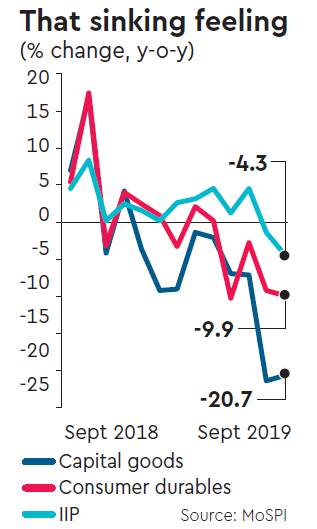
By Nantoo Banerjee India’s economic growth figures seem to be getting increasingly delinked with domestic manufacturing, industrial output, and job generation. The manufacturing sector had a very little contribution to the country’s 6.5 percent GDP growth during the last financial year, the slowest in four years. Despite a good monsoon last year, the country’s agriculture […]

Ethiopia has surged ahead to become Africa’s largest wheat producer, with output surpassing that of Egypt by a factor of three, according to Prime Minister Abiy Ahmed. This achievement marks a significant milestone in Ethiopia’s agricultural sector, underscoring its rising role in continental food security and economic development. Prime Minister Abiy announced this development during a national address, highlighting the government’s concerted efforts to boost domestic wheat […]

Hong Kong’s Hang Seng index climbed past the 24,000 mark, reaching heights unseen since March, fuelled by renewed optimism surrounding US-China trade discussions. Investor sentiment improved as market participants weighed the possibility of easing tensions between the two largest economies, sparking a notable rally in Hong Kong’s benchmark index. However, this upbeat mood contrasted sharply with the performance of Bitcoin, which struggled amid uncertainties over inflation dynamics and broader market volatility.

The Hang Seng’s advance reflected a growing belief that US and Chinese officials are making progress toward resolving key trade disputes. Early talks aimed at addressing tariffs, technology restrictions, and investment barriers have led investors to anticipate a thawing in one of the most consequential economic standoffs globally. The improving trade dialogue appears to be encouraging capital inflows into Hong Kong-listed shares, particularly in sectors sensitive to cross-border trade such as technology, manufacturing, and finance.

Market experts highlight that investor focus remains fixed on the trajectory of these negotiations, with any breakthroughs potentially unlocking significant value in the region’s equities. The rally also aligns with a more cautious but hopeful stance among traders that a prolonged trade conflict could ease, bolstering global economic growth prospects. Notably, blue-chip stocks led the gains, signalling confidence among institutional investors betting on recovery and expansion in the Asia-Pacific markets.

Conversely, Bitcoin’s performance diverged, as the leading cryptocurrency grappled with pressure from both macroeconomic and regulatory fronts. The digital asset has faced downward momentum partly due to investor apprehensions over persistent inflationary pressures in the United States. Inflation data remains a key focal point, as higher consumer prices could prompt the Federal Reserve to sustain or accelerate interest rate hikes, tightening liquidity conditions and dampening risk appetite in speculative assets.

Bitcoin’s volatility has also been compounded by shifting regulatory attitudes worldwide. Authorities in various jurisdictions are intensifying scrutiny of digital currencies, citing concerns over money laundering, market manipulation, and financial stability risks. Such regulatory tightening has contributed to a cautious investor approach, limiting Bitcoin’s ability to capitalize on broader risk-on sentiment seen in equities.

Analysts note that while Bitcoin has often been viewed as a potential inflation hedge, its correlation with traditional risk assets has increased, causing it to react sensitively to shifts in monetary policy and global economic uncertainty. This evolving dynamic challenges the narrative of cryptocurrencies as safe havens, complicating portfolio strategies for institutional and retail investors alike.

The Hang Seng’s rally has benefited from strong performances in technology companies listed in Hong Kong. Giants in the semiconductor and telecommunications sectors saw their share prices rise amid speculation that easing trade tensions could reduce supply chain disruptions and promote cross-border business activities. Additionally, financial stocks gained momentum as optimism grew about improving economic fundamentals and potential credit growth in the region.

Meanwhile, traders are closely monitoring upcoming US inflation reports, which could significantly influence market direction. Persistent inflation could lead the Federal Reserve to maintain a hawkish stance, thereby exerting downward pressure on risk assets including equities and cryptocurrencies. Conversely, signs of easing inflation could provide further impetus for market rallies and reduce volatility.

Hong Kong’s role as a financial gateway between China and the global economy continues to underpin investor confidence. The city’s markets are seen as a barometer for broader regional economic health, and the Hang Seng’s rise signals expectations that cross-border trade and investment flows will stabilise or improve amid diplomatic progress. This optimism is tempered by awareness of ongoing geopolitical risks, including Taiwan tensions and global supply chain uncertainties.

Bitcoin’s challenges underscore the growing complexity of the global investment landscape, where traditional and emerging asset classes are influenced by an intertwined set of economic, regulatory, and geopolitical factors. While the cryptocurrency market remains dynamic, its path forward appears increasingly contingent on external economic conditions rather than solely on technological or adoption milestones.

Stablecoins are processing roughly $33 trillion in yearly volume—around 20 times that of PayPal and three times Visa—while amassing $128 billion in U.S. Treasuries, placing these issuers among the top 20 holders of American debt and ahead of major nations such as Germany and Saudi Arabia.

Data from Andreessen Horowitz’s crypto arm shows that over 1 percent of the total U.S. dollar supply is now tokenised on blockchains. Major institutions, including Citi, project that by 2030 stablecoins could accumulate up to $3.7 trillion in Treasury holdings. While Ethereum and Tron currently underpin most of this infrastructure, emerging platforms such as Solana, Arbitrum and Base are gaining traction. Notably, on-chain data reveals that transactional activity in stablecoins appears largely decoupled from broader cryptocurrency trading volumes, indicative of growing real-world adoption. Today, these assets enable sub-second, sub-cent payments—positioning them as serious contenders to onboard the next billion users into the crypto economy.

Market analysts warn that growing stablecoin-backed Treasury holdings may shift demand dynamics for U.S. government debt. One study from academia found that by the end of the first quarter of 2025, Tether held roughly $98.5 billion in Treasury bills—equating to 1.6 percent of total outstanding bills. The research estimates that this level of demand has directly driven down one-month Treasury yields by approximately 24 basis points, indicating that stablecoin issuance is already influencing funding costs and potentially easing liquidity pressures.

Coinciding with this shift is a legislative push in Washington. A bill nearing Congressional approval would require issuers to fully back stablecoins with liquid assets, such as U.S. dollars and short-term Treasuries, and mandate monthly disclosures. Proponents suggest such regulation would reinforce investor trust, legitimize the sector and bolster U.S. debt demand. According to Reuters, Tether and Circle already hold a combined $166 billion in Treasuries—amounts that may increase further under binding legal frameworks.

Financial authorities have offered mixed views. Moody’s warns that large-scale liquidation driven by plunging confidence in stablecoin issuers could destabilise Treasury prices and spill over into broader fixed-income markets. Conversely, policymakers hope that expanded stablecoin activity could facilitate smoother funding for the Treasury, especially if issuers pivot toward demand for short-term debt like bills.

Macro strategies are duly noted. Vanguard’s rates chief suggests that sustained demand from digital currency custodians might spur the Treasury to favour issuing bills over long-term bonds, which could rebalance maturity profiles. Meanwhile, Bitwise’s investment head argues that this growing digital demand could reinforce the dollar’s position as the global reserve currency.

Infrastructure diversification within stablecoins is evolving. Ethereum and Tron continue to dominate, but high-throughput chains like Solana, Arbitrum and Google-backed Base are attracting developers and users aiming to benefit from faster, cheaper payments. The presence of real-world transactions—such as merchant and remittance use cases—underscores that stablecoins are transcending crypto-speculative flows, with sub-cent fees and near-instant settlement now commonplace features.

Emerging risks centre on financial-system vulnerability. The Treasury Borrowing Advisory Committee cautioned that a significant diversion of deposits into stablecoins could dampen demand for Treasuries and potentially curb lending by commercial banks. Money-market managers remain vigilant, with some estimating that stablecoins must scale further before triggering systemic instability.

Proponents counter that regulated stablecoins may alleviate pressures in the Treasury issuance process, with digital platforms absorbing demand in lieu of traditional buyers. Early legislative frameworks could incentivise these issuers to prefer bills over longer-duration instruments, helping to smooth fiscal financing.

Stablecoins are redefining the interface between digital currency networks and the time‑tested Treasury market, leaving policymakers to navigate a complex balance between innovation, stability and monetary control.

Dubai has recorded a robust 20 per cent increase in overall student enrolment at private higher education institutions during the 2024–25 academic year, pushing total numbers to an unprecedented 42,026 students across 41 KHDA‑licensed campuses. International student presence surged by 29 per cent, now constituting 35 per cent of the total enrolment, while Emirati participation surged by 22 per cent, signalling growing confidence among nationals in private university offerings. This expansion […]

Greenlogue/AP The European Commission has initiated a research and innovation project to develop megawatt charging systems tailored for heavy‑duty transport across the EU. Aimed at aligning with the Green Deal’s objective of 90 % CO₂ reductions for HGVs by 2040, the project supports pilot hubs combining ultra-high-power charging with operational road‑haul scenarios on major corridors. The initiative includes constructing two demonstration sites—one in the Nordic region and another […]

OPEC+ has escalated production quotas by roughly one million barrels per day from March to June, aiming to reactivate idled capacity, yet actual output across the group remains flat, according to data from Morgan Stanley analysts led by Martijn Rats. Saudi Arabia in particular shows no detectable uptick, underscoring a lag between policy shifts and market reality.

The decision to accelerate quota rollbacks follows sustained cuts totalling around 2.2 million b/d, initiated in early 2023 to support prices. With non‑OPEC supply growing and global demand weakening, the efficacy of supply restraint has waned, prompting OPEC+ to pivot back to restoring output gradually. Despite headline quota increases of approximately 137,000 b/d per month since April, actual deliveries appear limited.

Underlying structural factors are at play. Several members—most notably Kazakhstan and Iraq—have reportedly exceeded their quotas, diluting the announced gains. Saudi Arabia, with substantial spare capacity, stands out as the most capable contributor to any genuine rise in output. However, its contribution remains muted so far. Analysts suggest this reflects a strategic choice to reclaim market share rather than an immediate scale-up.

Analysts at Morgan Stanley project modest growth: between June and September, OPEC+ core members may add around 420,000 b/d—approximately half of which could originate from Saudi Arabia. Even then, actual production may fall well short of quotas, with implementation challenges persisting.

This gap between policy and output carries market implications. With more supply forecast, Morgan Stanley predicts a surplus of roughly 800,000 b/d in Q4 and 1.5–2.0 million b/d in early 2026, pressuring Brent crude prices down toward the mid‑$50s. Currently, Brent trades near $66 per barrel—11% below its level at the start of the year.

In parallel, geopolitical friction between Saudi Arabia and Russia surfaced during policy talks. Riyadh favoured a more aggressive quota rollback, while Moscow, alongside Oman and Algeria, urged caution amid worries about demand resilience. The compromise settled on another 411,000 b/d increase for July, a repetition of earlier monthly hikes.

Markets initially responded positively: oil prices climbed 3–4% following the July quota announcement, with Brent touching the mid‑$60s. That rebound, however, reflected relief over continuity rather than enthusiasm over fresh supply. Wildfires in Canada and refinery maintenance cycles were also cited as supporting factors.

Across OPEC+, reliability of quotas remains a concern. While some members exceed limits, others—constrained by infrastructure or investment—may struggle to ramp up. Saudi Arabia’s spare capacity remains central, but constraints on countries like Russia complicate the outlook even as OPEC+ restores cut volumes faster than planned.

Meanwhile, non‑OPEC supply continues to grow, particularly in the U.S., Canada, Guyana and Brazil—with forecast increases of about 1.1 million b/d in 2025. That expansion alone could outpace expected global demand growth of 800,000 b/d, risking oversupply irrespective of OPEC+ decisions.

With a full quota restoration now likely by September 2025—months ahead of the original schedule—and non‑OPEC volumes outweighing demand growth, the market faces a mounting supply glut heading into late 2025 and 2026. Analysts caution that idled capacity may remain untouched for months beyond official quotas, delaying meaningful production gains.

As OPEC+ enters this intensified phase of quota reopening, its central challenge remains execution rather than announcement. High-profile policy shifts are yet to translate into barrels at market, and the divergence between targets and reality could widen over the coming quarters. Market players are now watching whether Saudi Arabia leads by example or the rhetoric fades before the pumps do.

LiquidStack has introduced the GigaModular Coolant Distribution Unit, its most advanced liquid‑cooling solution yet, engineered to deliver up to 10 megawatts of scalable, direct‑to‑chip cooling. The debut of this system at the Datacloud Global Congress in Cannes, France, signals a pivotal advance in thermal infrastructure necessary for high‑density AI and cloud‑computing workloads. As data centre rack densities climb past 120 kW and approach projections of 600 kW by 2027, conventional […]

UAE’s car market is undergoing a fundamental shift as lifestyle-driven mobility rises to prominence, reshaping consumer choices from metal to experience. A surge in preference for digitally enabled, subscription-based, and autonomous transportation is aligning with the emirates’ drive for sustainable, high-tech urban living. Automakers and transport authorities are adapting, marking a new era for mobility in the region.

At the forefront is the uptake of connected and autonomous vehicles. A 2024 Astute Analytica report found that the UAE invested US $500 million in autonomous and connected vehicle infrastructure, and government surveys show that nearly 60 per cent of residents are open to self-driving cars once available . Dubai aims for 25 per cent of its transport network to operate autonomously by 2030, while Abu Dhabi is piloting robotaxis under a combined Dubai Roads and Transport Authority and DP World initiative . Chinese mobility pioneer WeRide has commenced fully driverless robotaxi trials in Abu Dhabi and holds significant UAE licences, further cementing the country’s status as a regional testbed .

Parallel to autonomy, digital car buying and subscription services are gaining ground. A global study by Arthur D. Little reports that UAE has the highest percentage worldwide of buyers willing to complete vehicle purchases entirely online, with 53 per cent preferring full digital transactions . It also notes more than half of car buyers intend to purchase hybrid or electric models for their next car . Major brands such as Jaguar‑Land Rover, Audi and Volvo have launched subscription models allowing flexible short‑term access to vehicles, reflecting a deeper shift from ownership to access .

Luxury meets lifestyle in a market defined by adventure and affluence. The UAE’s love for off‑road capable SUVs—icons like Land Rover, Toyota Land Cruiser and Mercedes G‑Class—remains strong, supported by driving culture and desert heritage . At the same time, social media has amplified the aspirational value of high‑performance and bespoke vehicles, prompting services offering vehicle customisation and luxury rentals to expand .

Despite their prestige, sustainable mobility options are advancing steadily. Government plans aim for EVs to account for 10 per cent of all vehicles by 2030; Dubai Electricity and Water Authority intends to install 1,000 public charging points by 2025 . Financial incentives including free parking and toll exemptions support uptake. While less than 15 per cent of buyers currently prefer full battery‑electric vehicles , more than 50 per cent plan to choose hybrid or electric options next .

Shared mobility and micro‑mobility solutions are gaining traction among urban dwellers. The UAE’s ride‑hailing market grew to US $1.3 billion in 2023, and car‑sharing usage surged by 30 per cent to over 200,000 subscribers . Platforms like Careem, ekar and others expand convenient access while supporting sustainability goals .

Pre‑owned and rental markets also reflect shifting lifestyle demands. The luxury car rental segment caters to business travellers and experience‑seeking residents, accounting for over half of regional luxury rentals . Certified pre‑owned programmes and digital platforms make premium vehicles accessible and promote circular economy models .

Industry participants are racing to adapt. Six major dealers—including Al Futtaim Motors and Al Habtoor—control more than 62 per cent of the auto market by offering hybrid and electric models, digital sales funnels, and after‑sales personalisation services . Additionally, more than 80 per cent of UAE and KSA consumers now value in‑car digital services and are willing to share data for personalised experiences .

Strategic foreign investment continues to flow. In 2024, DP World handled a record 1.3 million vehicles, up 53 per cent year‑on‑year. China led automotive investments region‑wide, with 27 projects worth US $8 billion, generating 20,000 jobs . The UAE attracted 145 automotive projects valued at US $22 billion, solidifying its regional industry leadership .

Air mobility is emerging as a bold frontier. Authorities, including the General Civil Aviation Authority and Technology Innovation Institute, are mapping aerial corridors for air taxis and drones with a view to commercial roll‑out by 2026. Vertiports are under construction as Dubai aims to launch urban air taxi operations in early 2026 . Collaborations with global developers such as Volocopter and Joby Aviation underscore UAE’s intent to lead advanced mobility innovation.

Demographic and behavioural trends are shifting expectations. UAE’s younger, tech‑savvy population demands multimodal transport, sustainable choices, and flexible ownership. European research shows Gen Z and millennials prefer compact, shared, and electric vehicles, and lease options tied to services—mirroring emerging patterns in the Emirates . The convergence of digital retail, in‑car connectivity, autonomous capabilities and lifestyle choices is now the defining feature of the market.

That convergence gives rise to dynamic policy alignment and infrastructure development. Dubai’s Autonomous Transportation Strategy ambitions to ease congestion and strengthen economic diversification, while public‑private partnerships are building the ecosystem for AI‑enabled transport .

The transformation is clear: the UAE auto sector is evolving from a conventional showroom‑focused industry to an experiential mobility ecosystem. Consumers expect seamless digital transactions, autonomous options, flexible subscriptions, and elevated experiences. Governments and businesses are aligning investment and strategy to meet these expectations, fusing luxury with sustainability, and individual desire with urban resilience.

As the 2030 horizon approaches, next‑generation mobility is no longer an aspiration but a reality rolling on UAE roads, in the air, and on digital platforms—heralding a new age for the Gulf’s automotive narrative.

Dubai Mall is set to undergo a significant expansion, with Emaar Properties announcing a substantial investment of AED 1.5 billion to enhance the mall’s offerings. The development will introduce 240 new luxury retail stores and food and beverage outlets, further solidifying the mall’s position as a premier global shopping destination. In 2023, Dubai Mall achieved a remarkable milestone by welcoming 105 million visitors, marking a 19% increase […]

The Open Infrastructure Foundation has officially integrated into the Linux Foundation, marking a significant consolidation in the open source infrastructure domain. This strategic move aims to enhance collaboration, streamline resources, and address the evolving demands of modern data centers and cloud-native technologies. The merger, unanimously approved by both organizations’ boards, positions OpenInfra as a directed fund within the Linux Foundation, akin to the operational models of the […]

Maein Khalid Since the pandemic, IPO activity across GCC capital markets has surged – offering a sharp contrast to the stop-start pace on New York’s Nasdaq and the near standstill on London’s LSE. Nearly 300 IPOs have raised around $50 billion across the Gulf since 2021. Below I outline six key macro themes shaping this post-Covid IPO boom in the GCC. First, contrary to expectations, the number, […]

MEXC, a prominent digital asset exchange, has accelerated its stablecoin expansion strategy after acquiring $20 million worth of USDe tokens, marking a notable milestone as its stablecoin ecosystem surpasses a $100 million total value locked . This move signals a determined push by MEXC to strengthen its position in the increasingly competitive stablecoin market and further diversify its crypto offerings.

The $20 million USDe acquisition represents a calculated effort to bolster liquidity and adoption of stablecoins pegged to the US dollar, which have become vital in reducing volatility within the cryptocurrency sector. Stablecoins like USDe offer users a more reliable medium of exchange and store of value compared to traditional cryptocurrencies, which can experience dramatic price swings. MEXC’s increasing focus on stablecoins aligns with global trends where institutional and retail investors seek safer avenues for digital asset investment amid regulatory uncertainties and market fluctuations.

Beyond the recent purchase of USDe, MEXC’s stablecoin portfolio has seen sustained growth, pushing the platform’s total stablecoin value locked to exceed $100 million. This figure reflects the combined assets users have committed within MEXC’s stablecoin ecosystem, encompassing liquidity pools, staking, and yield farming products. The growing TVL not only underscores user confidence but also enhances the exchange’s capacity to support high-volume trading and DeFi activities anchored by stablecoins.

MEXC’s engagement in the stablecoin space builds upon its earlier strategic $16 million investment in Ethena, a notable innovator specialising in stablecoin technology and ecosystem development. Ethena’s platform focuses on creating programmable, algorithmic stablecoins that aim to maintain price stability through decentralised governance and dynamic supply adjustments. By backing Ethena, MEXC has positioned itself at the forefront of stablecoin innovation, tapping into emerging technologies that could redefine how digital currencies achieve and sustain their peg.

The decision to invest heavily in USDe and Ethena also comes amid rising competition among exchanges and financial platforms seeking to capture market share in stablecoin issuance and trading. Major players like Tether , USD Coin , and Binance USD dominate market capitalization, but newer tokens like USDe have gained traction through enhanced transparency, regulatory compliance, and blockchain interoperability. MEXC’s adoption of USDe highlights its intent to diversify beyond the dominant incumbents, offering users alternatives that may align better with evolving regulatory frameworks.

Industry experts note that the integration of stablecoins into broader financial systems remains a critical driver for crypto adoption. Stablecoins facilitate cross-border payments, remittances, and decentralised finance applications with reduced friction and costs compared to fiat-based mechanisms. MEXC’s strategy of expanding its stablecoin offerings enhances its utility as a hub for such financial activities, making it attractive to a wider range of traders and developers.

Regulatory clarity surrounding stablecoins has varied globally, with some jurisdictions imposing stringent requirements while others promote innovation-friendly policies. MEXC, headquartered in Seychelles with a growing international presence, has adapted to this shifting landscape by aligning its stablecoin partnerships with platforms like Ethena that emphasise compliance and governance transparency. This approach aims to pre-empt potential regulatory hurdles and establish MEXC as a responsible player in the digital currency ecosystem.

The growth in MEXC’s TVL also corresponds with increased user engagement in decentralised finance products facilitated by stablecoins. Yield farming and staking opportunities offered on the platform encourage users to lock their assets in exchange for rewards, helping to boost liquidity and network activity. These products often depend on stablecoins to mitigate risk, offering participants a balance between yield generation and capital preservation.

Market analysts observe that the stablecoin sector is poised for further expansion as demand for digital dollar substitutes rises. Factors such as increasing institutional interest, the rise of central bank digital currencies , and the ongoing integration of blockchain technology into mainstream finance all contribute to stablecoins becoming indispensable in the crypto landscape. MEXC’s proactive steps to expand its stablecoin infrastructure may provide a competitive advantage as these trends accelerate.

The $100 million TVL milestone not only demonstrates MEXC’s capability to attract substantial user funds but also reflects confidence in the exchange’s technical infrastructure and security protocols. Ensuring safe custody and seamless transactions is crucial for stablecoin platforms, given the heightened regulatory scrutiny and user concerns over fraud and hacking incidents in the sector.

MEXC’s roadmap indicates continued efforts to broaden its stablecoin offerings, with potential plans to incorporate additional tokens and enhance cross-chain compatibility. This would enable users to transact stablecoins across multiple blockchain networks, facilitating greater interoperability and expanding MEXC’s reach within the decentralised finance space.

The exchange also plans to deepen its collaboration with DeFi projects and developers, positioning stablecoins as a foundational component for innovative financial products. This aligns with broader industry movements where stablecoins serve as the backbone for lending protocols, decentralised exchanges, and payment solutions.

VISHNU RAJA
RYO YAMADA
HITORI GOTOH
IKUYO KITA