News related to
Investment

Etihad Rail and the Abu Dhabi Projects and Infrastructure Centre have entered a Memorandum of Understanding to synchronise infrastructure planning and execution across the Emirate. The agreement, signed on 18 June at the Abu Dhabi Infrastructure Summit 2025, is designed to bolster the alignment of Etihad Rail’s projects with Abu Dhabi’s strategic five‑year capital projects plan, ensuring coherent development and efficient deployment of resources. Shadi Malak, Chief Executive Officer of Etihad Rail, […]

By Saifur Rahman The International Monetary Fund (IMF) has approved the allocation of US$1.33 billion to Bangladesh to support the country’s economy that witnessed slowdown since the change of government in August 2024. The allocation is part of the US$4.7 billion combined support package authorised by the IMF in January 2023 under the US$3.3 billion Extended Credit Facility (ECF) and Extended Fund Facility (EFF) and US$1.4 billion […]

A wave of sophisticated scams on Instagram is impersonating legitimate banks to mislead users into surrendering their credentials and cash. Using AI-generated deepfake videos and phoney ads, cybercriminals have successfully mimicked institutions such as the Bank of Montreal and EQ Bank, prompting victims to divulge sensitive data or make immediate payments into fraudulent accounts. The scam typically begins with users encountering ads that closely mirror authentic bank […]

A team from the Directorate General of Civil Aviation will conduct a comprehensive annual audit of Air India from 24 to 26 June, intensifying focus on the carrier’s operations and compliance following the June 12 crash of Flight AI171 in Ahmedabad, which claimed nearly 280 lives. Though scheduled independently of the crash, the audit arrives as inspectors scrutinise the airline’s operational documents, cabin safety protocols, and historical audit responses.

Leading the review will be Deputy Chief Flight Operations Inspector Adhiraj Yadav and a team of ten officials, including two cabin safety experts. The inspection will span documents on airworthiness, crew training and flight duty records, and previous non-compliance action plans. The DGCA has emphasised mandatory presence of key Air India executives during the audit.

The audit takes place against a backdrop of mounting regulatory intervention. In late May, a DGCA inspection found that three Airbus jets in Air India’s fleet flew without timely safety checks on their emergency slides—one A320 had a check more than one month overdue, and one A319 was delayed by over three months. The regulator issued formal warnings and described the delayed compliance as evidence of “weak procedural control and oversight”.

Further compounding matters, the DGCA last Saturday issued a stern warning for repeated and serious pilot duty scheduling violations, instructing the removal of three crew-scheduling executives. Air India has indicated it has acted on the directive.

These developments follow intensified inspections of all 33 Boeing 787s in Air India’s fleet. While initial findings revealed no major safety defects, 24 aircraft had already undergone enhanced inspections by mid-June, with the remainder scheduled to complete the checks shortly. The comprehensive checks contributed to delays and cancellations across wide-body operations, with a downturn in route availability pegged at around 15 percent through mid‑July.

Experts suggest that this layer of oversight reflects a strategic shift by the DGCA toward “360-degree” evaluations, broadening beyond routine audits to include airlines, airports, maintenance organisations, training institutes and ground services. Officials describe this as a coordinated effort to fortify the aviation ecosystem after safety deficiencies surfaced in recent months.

In response, Air India has emphasised that it is accelerating its internal compliance efforts, including extensive verification of maintenance records and ensuring escape-slide checks are up to date. The airline maintains that its aircraft—particularly the ill-fated Boeing 787-8—were “well maintained” and crews were suitably experienced.

The crash of Flight AI171 involved a Boeing 787-8 Dreamliner registered VT‑ANB, which lost thrust after take-off and impacted a hostel block at B.J. Medical College shortly after clearing the runway. Only one passenger survived, while at least 39 people were killed on the ground. Both UK and US authorities are supporting the investigation, which is examining technical and procedural factors such as engine performance, hydraulic systems, flap configuration and crew training.

Tata Group, which assumed ownership of Air India in 2022, has urged staff to treat the disaster as a “turning point” in rebuilding a safety-first culture. Its strategic investments have included more than US $70 billion in new aircraft orders, infrastructure upgrades and a full-scale rebranding effort. Analysts caution, however, that restoring public trust hinges on tangible improvements in operational discipline and compliance.

The DGCA audit will therefore not only evaluate existing compliance but also test if Air India’s corrective processes are thorough and permanent. Given recent warnings and the complexity of the current probe, expectations are high that the audit’s findings could shape a longer-term regulatory approach to aviation safety in India.

Iran has launched a new wave of missile and drone strikes against Israel, following U.S. airstrikes that obliterated key Iranian nuclear facilities under Operation Midnight Hammer. The ripple effects are already being felt in global oil markets, while diplomatic channels strain under mounting pressure. The bombardment hit Israeli cities including Tel Aviv and Ashdod, with satellite monitoring confirming sirens and intercepted projectiles. Iran disclosed the deployment of […]

HANOI, VIETNAM – Media OutReach Newswire – 23 June 2025 – With the invention of solar cells using Passivated Emitter and Rear Contact (PERC) technology, Prof. Martin Andrew Green from the University of New South Wales (Australia) and his team made a groundbreaking contribution to green energy production. Two years after receiving the 2023 VinFuture Grand Prize, he continues to push the boundaries of solar innovation, working […]

A magnitude 5.7 earthquake struck the New Britain region of Papua New Guinea on Monday, registering at a depth of just 10 km, according to the European Mediterranean Seismological Centre. The tremor occurred at approximately 01:17 pm local time, near New Britain Island, and while shallow, it did not prompt any tsunami alerts. Seismologists note that shallow quakes—those less than 70 km deep—tend to produce more intense shaking at the surface. However, […]

Advertisements

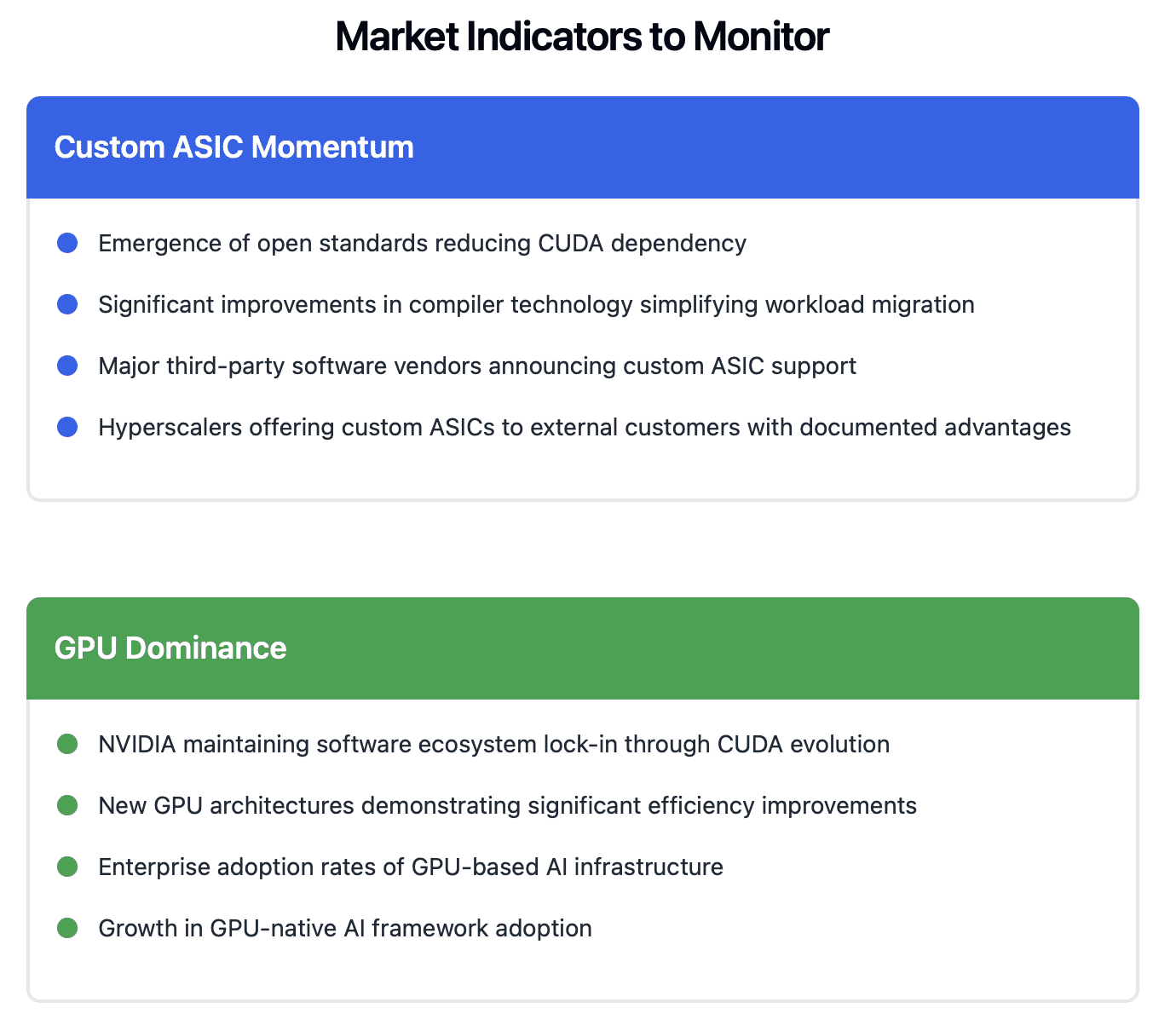
Cloud computing giants AWS, Google, Microsoft, Meta and OpenAI are accelerating in-house development of custom application‑specific integrated circuits, aiming to erode NVIDIA’s dominance in high‑performance AI datacentres. Industry reports highlight a projected annual growth rate of around 50% for ASIC purchases by hyperscalers, marking a strategic pivot in the AI hardware landscape.

NVIDIA’s premium-priced solutions—including Blackwell GPUs—have placed pressure on hyperscalers to secure more cost‑efficient, scalable systems. With single GPUs ranging from $70,000 to $80,000 and fully configured servers tallying up to $3 million, these companies are betting on internal design to manage costs and supply risks.

Amazon Web Services has notably moved ahead with its in‑house chips—Trainium for training and Inferentia for inference—reporting 30 – 40% greater cost efficiency compared with NVIDIA hardware. AWS is also collaborating with Marvell and Taiwan’s Alchip on next‑generation Trainium versions. Internal indications suggest AWS may deploy as many as half‑a‑million ASIC units in its data centres, an expansive scale‑up that could rival NVIDIA’s installed base.

Google, meanwhile, has scaled its TPU v6 Trillium chips, transitioning from single‑supplier to dual‑supplier design by partnering with MediaTek. With deployments reportedly hitting 100,000‑unit clusters to support Gemini 2.0 workloads, Google claims competitive cost-performance metrics relative to NVIDIA GPUs. Microsoft’s forthcoming Maia 200 chip, co‑designed with GUC using TSMC’s 3 nm process, is scheduled for commercial release in 2026.

Meta’s Meta Training and Inference Accelerator, developed alongside Broadcom, Socionext and GUC, is expected in early 2026 on TSMC’s 3 nm node, featuring HBM3e memory—another step towards self‑sufficiency in AI compute. OpenAI has also announced a proprietary training processor, with mass production anticipated at TSMC by 2026.

Market projections reflect this tectonic shift. ASICs are poised to claim between $100 billion and $130 billion of custom AI accelerator spend by 2030, with Broadcom estimating a market of $60 billion to $90 billion by 2027. Traditional ASIC powerhouses—Broadcom, Marvell, MediaTek, Alchip and GUC—are experiencing surging demand as they support hyperscaler transitions.

Despite these developments, hyperscalers continue to reserve capacity for NVIDIA chips, recognising the GPU giant’s entrenched ecosystem—especially its CUDA software stack—and the steep technical barriers to immediate elimination of GPU dependencies.

The trend resembles historical transitions in specialised compute. Just as cryptocurrency mining moved from GPUs to ASICs for lower costs and greater efficiency, hyperscalers now aim to fragment the AI compute supply chain and diversify their hardware portfolios.

TSMC stands to benefit significantly, serving as the foundry for both NVIDIA’s mass‑market GPUs and hyperscaler ASICs. Its chairman emphasises that the competition between NVIDIA and cloud‑designed chips is ultimately beneficial to TSMC, ensuring a broad customer base.

Broadcom has emerged as a frontrunner, with its ASIC and networking chipset revenues soaring 220% to $12.2 billion in 2024. Hyperscalers are investing in clusters featuring up to one million custom XPUs over open‑Ethernet networks—an architecture that places Broadcom and Marvell in strategic positions. Networking ASICs are expected to account for 15–20% of AI data‑centre silicon budgets, rising from the 5–10% range.

Revenue trends reflect these structural shifts. Marvell has secured a multi‑year AI chip deal with AWS and anticipates its AI silicon revenue jumping from $550 million in 2024 to over $2.5 billion in 2026. Broadcom, similarly, is redirecting significant investment toward hyperscaler ASIC demand.

Nevertheless, NVIDIA retains a commanding lead in AI training and general‑purpose GPU compute. Its end‑to‑end platform—from hardware to software—remains deeply embedded in the AI ecosystem. Custom ASICs, by contrast, offer task‑specific gains but lack the breadth of software compatibility that NVIDIA enables.

Analysts caution that the AI compute landscape is evolving toward a more fragmented, mixed‑architecture model combining GPUs and ASICs. Hyperscalers’ shift signals strategic recognition of rising costs, supply constraints, and performance demands. Yet, they also underscore persistent obstacles: software ecosystem maturity, long development cycles, and the complexity of large‑scale deployment.

Questions remain regarding the timeframe in which hyperscalers can meaningfully shift workloads away from NVIDIA GPUs. Industry roadmaps project new ASIC deployments through 2026–27. Analysts expect GPU market share erosion may begin toward the end of the decade, provided in-house ASICs deliver consistent performance and efficiency.

The stage is set for a multi‑year contest in datacentre compute. NVIDIA faces increasing pressure from hyperscalers building bespoke chips to optimise workloads and control supply. The next evolution of AI infrastructure may look less like a GPU‑centric world and more like a diverse ecosystem of specialised, interlocking processors.


An Estonian-based blockchain project is upending traditional cryptocurrency mining by enabling everyday mobile users to mine Bitcoin Solaris via a smartphone app. The Solaris Nova App, currently in its private beta, allows earning tokens through adaptive, low‑energy background processes—sidestepping the need for ASIC rigs and high electricity costs.

The platform combines conventional Proof‑of‑Work with Delegated Proof‑of‑Stake, boasting energy efficiency nearly 99.95% lower than Bitcoin yet capable of processing over 10,000 transactions per second with two‑second finality. It includes built‑in wallet features, real‑time analytics, gamified leaderboards and a marketplace for leasing computational power, aiming for a secure but user‑friendly experience.

Engagement has surged. Over 11,500 users have joined the presale, contributing more than $5 million, at an average price of $8 a token, with scheduled price increases to $9 ahead of a $20 launch value. Phase 7 is underway, confirming momentum as the project enters its final presale phase.

Independent audits from Cyberscope and Freshcoins, plus KYC verification, reinforce security credibility. Market analysts such as Ainvest note the platform’s one‑tap mining and liquid staking features as transformational for retail traders.

Bitcoin Solaris’s dual‑layer architecture merges SHA‑256 Proof‑of‑Work with a high-speed Delegated Proof‑of‑Stake layer. This enables smartphone‑based mining via the Nova App, steering the network’s validation duties to unused storage and CPU cycles—a model described as authentic on-chain participation rather than gamified simulation.

Device‑level mining accommodates Android, iOS, desktop and browser setups. It adjusts load according to hardware: simpler algorithmic backend for phones, scalable tasks for laptops. Energy consumption remains negligible compared to traditional setups. These advancements allow earning BTC‑S tokens immediately, even enabling leasing of computing capacity via smart contracts, and fostering deeper DeFi involvement through liquid staking.

Tokenomics emulate Bitcoin’s scarcity: 21 million total tokens, with 66.7% allocated to mining over 90 years, 20% set aside for presale, and 5% for liquidity. Early presale investors also access bonus slots—up to 10% in earlier phases—highlighting the company’s emphasis on accessible wealth-building.

Crypto commentators highlight its egalitarian potential. Coin World describes it as aimed at making mining accessible to average traders. Analytics Insight suggests mobile mining is generating a wave of new crypto millionaires. Observers such as Crypto Nitro, Crypto Infinity and Crypto Show emphasise its blend of energy efficiency with scalability and inclusivity.

Technical infrastructure rests on security measures, including zero‑knowledge proofs, rotating smart validator sets and continuous audits. Developers argue this permits afforded decentralisation without sacrificing speed or integrity.

Operationally, the project is on a tight timeline: the private beta is active, presale entering its final stage, and full exchange listing expected by July–August. Marketing strategies include referral bonuses, token rewards and daily spins, designed to sustain engagement as broader exposure looms.

Critics note that presale hype may inflate expectations and urge diligence. But Bitcoin Solaris counters with transparent audits, robust KYC, and smart contract evidence of functioning architecture. The simplicity of an app‑based mining system breaks from older models that few retail users can access profitably.

Industry significance could be profound. By transforming everyday devices into contributors to blockchain consensus, Bitcoin Solaris substantially lowers barriers. This may redefine early‑phase crypto wealth dynamics, where first movers historically held advantage via specialist mining investments.

As global attention turns to scalable, eco‑conscious blockchain models, Bitcoin Solaris positions itself at the intersection of accessibility and utility. With the Nova App reaching beta testers and node count rising, the platform is providing tangible participation alternatives for small investors.

Reddit is exploring integration of Worldcoin’s iris‑scanning Orb technology to verify that account holders are genuine, unique individuals while preserving user anonymity. The move aims to curb bot activity and AI‑generated content, and to comply with emerging age‑verification regulations. In discussions with Tools for Humanity, the Orb would capture an encrypted representation of a user’s iris—known as an IrisCode—to assign a secure, anonymous World ID. That identifier confirms […]

ArabyAds has secured the prestigious Snapchat Advanced Partner badge, marking a significant milestone that positions the UAE-based ad-tech firm at the forefront of digital innovation across the Middle East and North Africa. The designation grants the company exclusive access to Snapchat’s latest tools, data analytics, and strategic support, enabling clients and creators in the region to harness full‑funnel campaign opportunities on the platform.

This recognition underlines ArabyAds’ deliberate investment in human capital and know‑how, rather than simply technical capability. As part of the Snapchat Advanced Partner programme, the company gains access to private training sessions, expert enablement, account‑management backing and early‑stage features like Snap’s Creator Discovery API and Snap Creator Marketplace Beta. The badge also comes with visibility and credibility as Snapchat builds its ecosystem through trusted agency partnerships.

ArabyAds Vice‑President of Digital, Ayah Reyad, emphasised that working with Snapchat has been instrumental in expanding market share and inspiring creativity, and that the advanced partner status will deepen relationships with clients and unlock new possibilities in digital storytelling. The move adds another layer to ArabyAds’ portfolio of regional achievements, which include being named Marketing Platform of the Year 2023 by MMA Smarties MENA and the prior launch of their AI‑powered Household Graph for cross‑platform audience reach.

Snapchat states that over 67% of users follow creators to see real, everyday moments, underlining the emphasis on authentic connection. The platform reports that 97% of users are open to brand‑sponsored creator content, and 59% have made purchases following exposure to such campaigns. This context sets the stage for ArabyAds to broker more effective creator partnerships on behalf of brands, using bespoke targeting informed by data and platform insight.

The Advanced Partner badge places ArabyAds among an elite selection of regional agencies, including Publicis Groupe‑Content Practice, Creo, InHype and The Goat Agency MENA. Snap’s pilot cohort benefits from direct collaboration opportunities with Snapchat teams, hands‑on enablement events and tailored access to analytics and certification from Snap Focus. A Partner Enablement Day in Dubai offered immediate immersion into platform tools and strategic best practice, reinforcing the parent company’s goal to build a vibrant creator economy across the MENA region.

Senior figures from other agencies in the cohort echoed Snap’s confidence in ArabyAds. Timothée Desormeaux, Managing Partner and Co‑founder of Acquisit, noted that Snap values their data‑driven and measurement‑focused approach, which has helped solve complex client challenges in the region.

Snap’s head of agency relations in the region, Rasha El‑Ghoussaini, described the partner initiative as part of a broader strategy to support agencies amid rapid transformation across digital markets.

For ArabyAds’ clients, the benefits are multifaceted. The Creator Discovery API enables mapping and analysis of over 100,000 MENA creators, enabling data‑led influencer alignment. End‑to‑end ROI tracking, combined with advancement in AR and creative strategy, allows brands to build measurable campaigns that drive deeper engagement and conversions.

ArabyAds is now well placed to offer clients a full‑stack solution on Snapchat: from creator identification and certification through Snap Focus, to influencer campaign activation using the Creator Marketplace, and ongoing optimisation via account management and platform insights. The firm’s trajectory signals intention not only to maintain growth, but to shape what high‑impact creator collaboration looks like in the region.

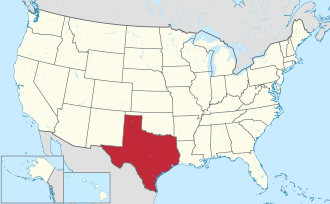
Texas Governor Greg Abbott has enacted Senate Bill 21, empowering the creation of the Texas Strategic Bitcoin Reserve, making it the third US state to legislate a formal Bitcoin reserve following Arizona and New Hampshire. For the first time among its peers, Texas will finance this dedicated fund with public money, distinguishing it from Arizona’s and New Hampshire’s models.

Under the terms of SB 21, the reserve will operate independently of Texas’s treasury and be managed by the Texas Comptroller of Public Accounts, guided by an advisory committee of crypto investment professionals. Only assets with an average market capitalisation exceeding US $500 billion over two years qualify for inclusion—Bitcoin currently stands alone in meeting that benchmark. The fund’s flexibility extends to growth through forks, airdrops, investment returns and public donations, with biennial public disclosures required.

Companion legislation, House Bill 4488, shields the reserve from routine transfer into the general revenue fund and ensures its legal continuity regardless of whether it holds Bitcoin by summer 2025. The Senate passed SB 21 by 25 votes to 5, and the House by 9 to 4; the law will take effect on 1 September 2025.

Proponents frame the reserve as a strategic hedge against inflation and economic volatility, aligning with Texas’s broader approach to diversify its assets. Senator Charles Schwertner, the bill’s author, observed that if the state can invest in gold or land, it should also have the option to invest in Bitcoin—“the best-performing asset of the last 10 years”.

Governor Abbott has been a vocal supporter of cryptocurrency integration, remarking last year that Texas was already home to crypto mining and “should become the crypto capital”. The inclusion of a state fund aligns with his pro-crypto stance and the passage of HB 4488, which he signed shortly after, enhances the law’s stability.

Texas’s approach diverges notably from Arizona and New Hampshire. Arizona’s law permits establishment of a reserve but prohibits spending public funds on asset purchases, whereas New Hampshire enables investment through the treasury—but neither allocates separate, publicly funded funds. By committing public funds and creating a segregated structure, Texas establishes a more robust and intentional framework.

Financial analysts and policymakers have reacted with a mixture of cautious interest and concern. While some view the move as a progressive diversification strategy, sceptics warn of Bitcoin’s price volatility and uncertain long-term value. Reports from the European Central Bank and ECB president have criticised similar shifts by US governments, saying they could undermine monetary sovereignty and disrupt digital euro initiatives. Meanwhile, a February 2025 University of Chicago economist survey found no consensus that borrowing to fund a crypto reserve would be beneficial.

Globally, the action has prompted varied governmental responses. Belarus has emphasised crypto mining; South Korea and Switzerland have explicitly rejected adding Bitcoin to central reserves, citing volatility; India has announced it is reassessing its crypto stance in light of global shifts.

The legislative milestone occurs amid mounting institutional interest in Bitcoin. Public companies such as MicroStrategy, Marathon Digital and Tesla continue to invest heavily, contributing to a surge in corporate holdings—more than 819,000 BTC held across 223 firms, representing nearly 3.9 per cent of total supply. Notable large-scale investments have included Paris-listed The Blockchain Group’s purchase of 182 BTC for US $19.6 million, and Nakamoto Holdings securing US $51.5 million via PIPE funding for further Bitcoin acquisitions.

UAE authorities have flown back several nationals and residents from Iran as part of a security-driven emergency operation amid intensifying regional uncertainty. The coordinated move, which involved direct communication between officials in Abu Dhabi and Tehran, was aimed at ensuring swift and safe repatriation in light of mounting geopolitical instability in the region. The evacuation operation, which took place without prior public notice, was disclosed by the […]

Saudi Arabian Oil Company, widely known as Aramco, is dramatically expanding beyond its oil and petrochemical roots into a diversified, technology-centric energy powerhouse. Under Chief Executive Amin Nasser, the enterprise is balancing its historic role as a revenue pillar for the Kingdom with aggressive investments in artificial intelligence, renewables, blue hydrogen, carbon capture and e‑fuels. Aramco’s strategic pivot is anchored in its financial strength. The company reported […]

The United Arab Emirates will integrate its National Artificial Intelligence System into the highest levels of government from January 2026. The system will serve as an advisory member of the Council of Ministers, the Ministerial Development Council, and the boards of all federal entities and government-owned companies. Its mandate includes supporting decision-making, providing real-time analysis, offering technical advice, and enhancing policy efficiency across every sector.

Dubai’s ruler and UAE Prime Minister, Sheikh Mohammed bin Rashid Al Maktoum, made the announcement on 20 June, emphasising that the world is undergoing “comprehensive transformation—scientifically, economically and socially.” He underscored that the move is intended to prepare the country for future challenges and to “ensure continued prosperity and a dignified life for future generations”.

This development builds upon the UAE’s decade‑long focus on artificial intelligence, which began with the appointment of Omar Sultan Al Olama as the world’s first Minister of State for Artificial Intelligence in October 2017. In early 2019, the National Artificial Intelligence Strategy 2031 was launched, setting the ambition to position the UAE as a global AI leader by 2031. Subsequent milestones include the founding of the Mohamed bin Zayed University of Artificial Intelligence in 2019 and Abu Dhabi’s Digital Strategy 2025‑2027, which aims to establish a fully AI‑powered government by 2027.

Analysts suggest that embedding the AI system at ministerial and federal‑company levels could accelerate data‑driven governance, reduce bureaucratic lag, and foster greater inter‑departmental cohesion. One Gulf Business commentator noted that the AI system would “enhance the efficiency of government policies adopted… across all sectors”. However, questions remain over oversight and transparency mechanisms, especially as the system begins analysis in real time.

International observers view the UAE’s strategy as part of a wider push by governments to use AI in public administration. Examples include Japan’s smart city prototype “Woven City” and various national AI offices globally. Still, no other nation has yet placed an AI inside its cabinet with ministerial‑level access.

Experts highlight both promise and peril. Proponents argue the system’s analytical speed can help identify emerging economic, environmental, and public health challenges before they escalate. Critics, however, caution that AI must be complemented by human judgment to avoid embedding algorithmic bias or over‑reliance on model outputs. Ethical guidelines—such as transparency, accountability, and fairness—will need to be codified and enforced to mitigate these risks.

Practical implementation looms as another challenge. Seamless integration into federal bodies and government companies will require significant investment in digital infrastructure, staff training, and inter‑agency coordination. These tasks fall within the remit of the Minister of State for AI, Digital Economy and Remote Work Applications, Omar Sultan Al Olama, who has spearheaded the country’s AI strategy since 2017.

As part of a broader governance overhaul, Sheikh Mohammed also announced the launch of a dedicated Ministry of Foreign Trade, led by Thani bin Ahmed Al Zeyoudi—and the renaming of the Ministry of Economy to the Ministry of Economy and Tourism under Abdullah bin Touq Al Marri.

The government asserts that the AI system will augment human capacity without replacing it, and that final decisions on strategy and policy will remain with elected or appointed officials. Mechanisms to monitor AI‑led inputs and outcomes are expected to be announced before the system’s January 2026 launch, according to insiders.

Driving Economic Momentum, Leading Trends with Mega Events HONG KONG SAR – Media OutReach Newswire – 21 June 2025 – The “Wealth Management Expo 2025”, powered by Bank of China (Hong Kong) (“BOCHK”) and organised by TVB under the theme of “Driving Economic Momentum, Leading Trends with Mega Events” has been successfully held today. The Expo has brought together leading figures from the government, business and financial […]

China is confronting significant disruption to its Iranian crude oil supply, risking both its energy security and geopolitical ambitions in the Middle East. With over 90 per cent of Iran’s oil exports directed to China via Kpler, the contraction of that flow places Beijing’s $400 billion 2021 cooperation deal in jeopardy. Major Chinese independent refiners, the so‑called “teapots” in Shandong province, are enduring mounting losses as deepening discounts on Iranian […]

Arabian Post Staff -Dubai Meta has unveiled the Oakley Meta HSTN, a new smart glasses model tailored for sports enthusiasts that introduces high-resolution video and extended battery life. Pre-orders open on 11 July for the premium $499 edition, with standard variants priced from $399 available later in the summer. Initial markets include the US, Canada, UK, select European countries, Australia, and later expansions slated for Mexico, India, and the […]

Aldar has secured over AED 3.5 billion in sales during the initial launch week of its Fahid Beach Residences and The Beach House on Fahid Island, underscoring strong demand for the developer’s new coastal wellness vision. Sales encompass a mix of 1- to 4‑bedroom apartments, townhouses and penthouses, with prices starting from around AED 3 million for residential units, and represent a pivotal milestone for the island’s debut as Abu Dhabi’s […]

KUALA LUMPUR, MALAYSIA – Media OutReach Newswire – 21 June 2025 – Crude oil, which is arguably the world’s most important commodity, is on everybody’s mind right now. The flared up conflict in the Middle East is increasing risks of a major oil supply shock, potentially pushing the price of ‘black gold’ into the stratosphere and completely derailing the global economy. In this article, Octa, a global […]

Niger’s military-led government announced on 19 June 2025 that it is nationalising the Somair uranium joint venture, formerly dominated by French nuclear fuel company Orano. The announcement, aired on national television, declared that the State will now hold full ownership and management of the mine, citing inappropriate and inequitable conduct by Orano. Authorities assert that the 63 per cent stake held by Orano—alongside the remaining 37 per cent via state firm […]

Question.AI has launched a significantly enhanced AI-driven educational platform designed to provide immediate, accurate assistance across diverse subjects. Now boasting over 20 million monthly users, the platform offers image-based problem solving, writing enhancements, multilingual translation, and real-time AI chat—all accessible around the clock. At the heart of the offering is a “snap‑and‑solve” feature that allows users to upload photos of homework problems and receive detailed, step‑by‑step solutions […]

Travel + Leisure Luxury Awards Asia Pacific 2025 and Tatler Best Hong Kong and Macau Awards 2025 Recognise Galaxy Macau with Top Honours MACAU SAR – Media OutReach Newswire – 20 June 2025 – Galaxy Macau™ (“Galaxy Macau”) the World-class Luxury Resort, celebrates a glittering array of award wins in the Travel + Leisure Luxury Awards Asia Pacific 2025, and the Tatler Best Hong Kong and Macau […]

The United Arab Emirates drew AED 167.6 billion in foreign direct investment in 2024, climbing to tenth position globally, according to the UN Conference on Trade and Development’s World Investment Report 2025. This 48.7 percent surge from 2023 cements the UAE as a top-tier destination for international capital, with greenfield projects playing a central role. Foreign investors backed 1,369 new greenfield ventures worth AED 53.3 billion, placing the UAE second globally in […]

VISHNU RAJA
RYO YAMADA
HITORI GOTOH
IKUYO KITA