News related to
Investment

Al Mal Capital REIT, listed on Dubai Financial Market, is launching a follow‑on public offering to raise up to AED 242 million by issuing as many as 220 million new units at AED 1.10 per unit, subject to Securities and Commodities Authority approval. The subscription period runs from 7 to 25 July, with trading of the newly issued units slated around 8 August, pending the necessary regulatory clearances. Proceeds from the sale will be […]

Bhutan has become the first country to integrate cryptocurrency payments across its entire tourism infrastructure, enabling visitors to use Binance Pay for everything from booking flights and paying visa fees to purchasing local goods in rural areas. The system, implemented in partnership with Binance Pay and fully digital DK Bank, supports over 100 cryptocurrencies—including Bitcoin, Binance Coin and USD Coin —and is accepted at more than 100 merchants nationwide.

Tourists can complete transactions via static or dynamic QR codes, with DK Bank instantly converting crypto payments into Bhutanese ngultrum, avoiding volatility for merchants and eliminating traditional card fees. Real‑time confirmations, two‑factor authentication, encryption, and zero gas fees ensure a secure and efficient experience. Department of Tourism director Damcho Rinzin emphasised that the solution “empowers even small vendors in remote villages to participate in the tourism economy”.

The initiative aligns with Bhutan’s broader strategy of embedding digital assets into its economy, which already includes green Bitcoin mining powered by hydropower. With a cryptocurrency reserve worth over US$600 million and bitcoin holdings exceeding 12,000 BTC, Bhutan aims to leverage its carbon‑neutral energy for economic diversification and sustainable growth.

Binance CEO Richard Teng described the partnership as “setting a precedent for how technology can bridge cultures and economies”, reflecting a vision that blends tradition and digital innovation. The kingdom’s emphasis on Gross National Happiness underpins this move: by making tourism more accessible and inclusive, Bhutan hopes to reinforce community wellbeing and economic opportunity across all regions.

Bhutan’s payments infrastructure ties into existing efforts to tackle youth unemployment—estimated at between 16.5 % and 19 %—and brain drain by cultivating jobs in blockchain, AI, and fintech. Since 2019, the sovereign wealth fund Druk Holding and Investments Ltd. has mined cryptocurrencies using surplus hydropower, channelled gains into public salaries, and fostered youth training to build a future-proof economy.

Initial adoption has drawn participation from boutique hotels, tour operators, and rural artisans. By enabling markets in Thimphu and remote mountain villages to accept digital payments without traditional banking hardware, the system extends financial inclusion where it has been limited. Analysts note that reducing transaction friction and foreign‑exchange costs is likely to enhance Bhutan’s appeal to digital‑savvy travellers and boost tourism revenues.

Bhutan’s model emerges amid a global rise in crypto‑enabled travel. Nations such as Thailand and El Salvador have piloted tourism payments, but Bhutan’s national‑level implementation is unprecedented. The country also plans major future investments, including expanding hydropower from 3.5 GW to an estimated 15 GW over the next decade and exploring smart‑city projects like Gelephu Mindfulness City to further embed digital and green infrastructure.

Challenges remain. Regulatory clarity for cryptocurrencies in Bhutan is still evolving, and full infrastructure rollout in remote areas will test logistics and connectivity. Moreover, sustainability will depend on maintaining the balance between technological advancement and the country’s core value of environmental stewardship.

Net foreign direct investment surged to SAR 22.2 billion in Q1 2025, marking a 44 per cent year‑on‑year rise, the General Authority for Statistics reported on Sunday. Though slightly down from SAR 24 billion in Q4 2024, the inflows underscore robust investor interest. Meanwhile, unemployment eased across the board, with significant gains for women and youth.

Government data show inward FDI at SAR 24 billion in Q1, a 24 per cent increase year‑on‑year but a 6 per cent dip compared to late 2024. Despite this quarterly slowdown, inflows remain well above Q1 2024’s SAR 19.4 billion. The rebound follows strategic efforts under Vision 2030, including high-profile giga‑projects in tourism, sports and entertainment and regulatory reforms aimed at boosting foreign investor confidence.

Analysts caution that current FDI levels are still far short of Saudi Arabia’s $100 billion annual target. Obstacles such as a complex legal environment and perceptions of the Kingdom as a capital exporter persist. The government has responded by conditioning state‑contract awards on regional headquarters being based locally, along with plans to overhaul investment laws to increase transparency.

On the labour front, the overall unemployment rate for people aged 15 and above dropped to 7.8 per cent in Q1, down from 8.5 per cent in Q4 2024. Among Saudi nationals, unemployment eased to 7.6 per cent, compared to 8.4 per cent in the previous quarter; male unemployment declined from 5.1 per cent to 4.7 per cent and female unemployment from 14.3 per cent to 13 per cent.

These figures follow earlier statistics showing an even lower unemployment rate among Saudi nationals: 6.3 per cent, the lowest on record, driven in part by historic falls in female joblessness, which reached 10.5 per cent. GASTAT’s labour bulletin also highlighted a rise in overall participation to 68.2 per cent, up 1.8 points from Q4 2024. Within that, Saudi male participation climbed to 66.4 per cent, while female participation rose to 36.3 per cent.

The youth labour market showed varied outcomes: unemployment among young Saudi women fell to 11.6 per cent, while male youth unemployment dropped to 11.6 per cent as well, even as their participation rate declined. Experts link these shifts to targeted labour reforms, including expanded digital employment platforms such as Jadarat, and programmes that encourage female workforce inclusion under Vision 2030.

Economic diversification is evident in the deeper GDP breakdown. Non‑oil sectors grew by 4.2 per cent in Q1, significantly outpacing oil activity, which fell by 1.4 per cent, according to GASTAT. Government services also rose by 3.2 per cent, driving overall GDP growth of 2.7 per cent year‑on‑year. These shifts highlight the evolving composition of the economy away from hydrocarbons.

The resilience in FDI and labour metrics comes amid projected fiscal pressures. Saudi Arabia is expected to run a SAR 101 billion deficit in 2025, to be funded largely through debt. Even so, credit agencies note that net public debt remains low at approximately 17 per cent of GDP, leaving room for continued borrowing.

Policy-makers point to dynamic growth in private‑sector activity and infrastructure investment as evidence of broader momentum. Nonetheless, flows remain below long‑term targets, and uncertainties linger over the pace of regulatory liberalisation and investor protections.

Combined, these indicators illustrate an economy in transition. FDI strength and labour market improvement reflect clear progress, especially on domestic policy fronts aligned with Vision 2030 goals. Yet government targets for transformative investment and full private‑sector integration remain distant, and persistent structural rigidities could slow advancement.

Moving forward, success will hinge on deepening institutional reforms—such as streamlined licensing, improved legal frameworks, and enhanced foreign equity rights—and sustaining social policies that widen labour force inclusivity, notably among women and youth. Economic forecasts anticipate moderating oil prices and slower government expenditure later in 2025, placing even greater emphasis on private capital inflows and sustainable domestic job creation.

These emerging trends offer insight into Saudi Arabia’s efforts to recalibrate its economic model—balancing fiscal constraints with bold ambitions. While the pace of change remains uneven, the current data points to structural momentum that, if sustained, could reshape the Kingdom’s economy over the remainder of the decade.


A new Qingdao Overseas Integrated Service Centre launched at the China‑Arab Business Forum in Qingdao is set to deepen commercial ties between China and the Gulf region by enhancing the current $400 billion trade corridor.

Abdulla Albasha Alnoaimi, UAE commercial attaché to China, and Zeng Zanrong, Qingdao’s municipal party secretary, formally unveiled the centre, established by SepcoIII Electric Power Construction Co and Hisense Group. Drawing on their extensive foothold in the UAE and the broader Middle East, the centre is intended to act as a bridge to support Chinese firms entering Arab markets.

At the forum, 40 projects worth $5.93 billion were signed, spanning high‑end equipment, new energy, advanced materials and next‑generation information technology. These agreements signal a deliberate shift towards elevating the technological content and sophistication of trade between the regions.

Bilateral trade between China and Arab countries reached more than $400 billion in 2024, compared to just $36.7 billion in 2004, marking a ten‑fold rise over two decades. Saudi Arabia and the UAE led these exchanges, recording $107.53 billion and $101.838 billion respectively in 2024, with the latter growing by 7.2 per cent year‑on‑year.

Mohammed Saqib, secretary‑general of the CHIMENA Business Council, emphasised the centre’s role in aligning public and private sectors to drive economic cooperation, cultural exchange and joint investment initiatives. He noted it will act through mechanisms such as overseas industrial parks, procurement matching and international exhibitions.

China’s expansion into the Gulf forms part of its broader geopolitical strategy to diversify trade alliances and reduce dependency on Western markets, especially the US. Chinese firms are now deeply involved in infrastructure development across the MENA region, including ports, industrial zones, and renewable energy projects.

The forum drew 465 multinational firms, including 135 from the Fortune Global 500 and 330 leading industry enterprises across 43 countries. Three focused matchmaking sessions brought together over 300 Chinese companies with counterparts in Egypt, the UAE and Saudi Arabia.

Co‑hosts of the event included the Qingdao municipal government, China’s Ministry of Commerce and the Shandong provincial department of commerce, signalling full institutional support and coordination.

With its strategic location in the UAE, the centre is expected to catalyse an export‑oriented alliance, supporting Chinese firms in sectors such as energy, manufacturing and new materials, as well as bolstering the implementation of the Belt and Road Initiative across Gulf markets.

This initiative aligns with a historical trajectory of Sino‑Arab exchange, tracing back over two millennia via the Silk Route. Contemporary developments reflect a sharpened focus on innovation‑driven partnerships.

The unfolding dynamics underscore a growing economic interdependence between China and Gulf states. The QOISC adds an institutional anchor to sustain momentum, foster deeper investment flows, and integrate advanced technology and green energy into bilateral commerce.

However, observers caution China must continue to navigate geopolitical sensitivities, particularly in managing strategic competition with the US and ensuring sustainable and balanced partnerships that benefit local economies.

Australia’s earnings from mining and energy exports are set to decline over the coming years, with rising gold revenues unable to fully offset weak demand and price falls in iron ore, liquefied natural gas and coal. Government projections show a fall from A$415 billion in 2023–24 to A$385 billion in 2024–25, and further to A$352 billion by 2026–27. The Office of the Chief Economist highlights that surplus global supply—particularly in […]

HÀ TĨNH, VIETNAM – Media OutReach Newswire – 29 June 2025 – VinFast has officially inaugurated its electric vehicle (EV) manufacturing plant in Hà Tĩnh, located in the Vũng Áng Economic Zone, less than seven months after construction began. Spanning 360,000 square meters and with a designed capacity of 200,000 vehicles per year, this marks VinFast’s fifth manufacturing facility worldwide, highlighting the Vietnamese brand’s remarkable execution speed […]

Demand for physical gold is diverging sharply across regions, with US investors cashing in on their bullion holdings while Asian buyers ramp up their purchases. Data shows US retail demand for gold bars and coins dropped to roughly 19.3 tonnes in the first quarter of 2025 — a five‑year low, down 22% year‑on‑year — as Americans took advantage of record prices to realise gains. Meanwhile, in Asia, […]

Advertisements

Abu Dhabi Fund for Development has advanced regional energy integration by extending AED 752 million to the Gulf Cooperation Council Interconnection Authority, supporting the expansion of the UAE’s national grid interconnection with the wider GCC electricity network. This strategic financing, signed at ADFD headquarters in Abu Dhabi, aims to enhance cross-border power exchange and reinforce regional energy reliability. The deal facilitates construction of a 96 km, 400 kV double-circuit overhead transmission […]

Sheikh Hamdan bin Mohammed bin Rashid Al Maktoum has greenlit an ambitious slate of strategic initiatives aimed at bolstering Dubai’s stature as a global epicentre for education, business, and eco‑development. The moves—from visa reforms and international academic partnerships to air‑quality drives and governance frameworks—signal a broad shift aligned with the emirate’s Education Strategy 2033 and Economic Agenda D33. At the heart of the agenda is Dubai’s higher‑education transformation. With 37 […]

A UAE-based investment vehicle, Aqua 1 Foundation, has acquired $100 million in governance tokens from World Liberty Financial, the cryptocurrency venture affiliated with the Trump family, making it the most prominent publicly disclosed investor to date. The move, confirmed by both parties, signals a strategic push to accelerate the creation of a blockchain-based financial ecosystem built on stablecoins and tokenised real-world assets.

Aqua 1 described the allocation of governance tokens—known as WLFI—as an opportunity to contribute to decisions on the platform’s development. Although WLFI is currently non-transferable, World Liberty has confirmed it is “working behind the scenes” to enable trading functionality. At the Permissionless conference in Brooklyn, WLF co‑founder Zak Folkman stated that WLFI could soon be tradable, with the stablecoin set for an independent audit “within days”.

Dave Lee, founding partner at Aqua 1, emphasised the synergy expected from the partnership, citing plans to jointly identify and foster high‑potential blockchain initiatives. The intention is to integrate WLF’s USD1 stablecoin infrastructure into global commercial payments and treasury systems. The move marks Aqua 1 as a key bridge between traditional finance and decentralised finance, aligning with its ambition to extend influence into South America, Europe, Asia and Middle Eastern markets.

Despite its substantial investment, Aqua 1 has maintained a low profile. Reports indicate its web presence is minimal—with just a handful of social media posts and evidence of a website only registered on 28 May.

WLF, launched in late 2024 by Donald Trump, three of his sons and associate Steve Witkoff, has raised well over half a billion dollars through token sales. The Trump family controls a significant stake—around 60% ownership and 75% of net token sales revenue—raising concerns over conflicts of interest. Democratic lawmakers and ethics watchdogs have repeatedly voiced apprehension that these financial interests may influence policy, amid reports that WLF proceeds reached hundreds of millions of dollars.

WLF’s stablecoin, USD1, is 100% backed and supported by U.S. dollar reserves, including Treasuries, and has already drawn sizeable institutional backing. In May, an Abu Dhabi firm used USD1 in a $2 billion transaction with Binance, while WLF prepares to publish an attestation of its stablecoin reserves as part of forthcoming audit disclosures.

The institutionalisation of WLFI governance aligns with the platform’s roadmap, which includes plans to launch a consumer‑friendly mobile app to streamline access to its digital ecosystem. The expected transition to transferable governance tokens is likely a precondition to broader distribution and potential listings on third‑party exchanges.

Regulatory scrutiny remains a key challenge. Critics argue that WLF’s entanglement of private financial interests with public office contradicts norms protecting against foreign influence. At least one senator has raised concerns after the Abu Dhabi stablecoin transaction. Additional worries stem from the Trump administration’s shift toward crypto deregulation, a change that coincides with WLF’s rise, prompting concerns from ethics groups about policy bias favoring the platform.

That overlap of influence has fuelled broader debates in Congress. Legislators have begun proposing amendments such as the GENIUS Act, which would regulate stablecoins more robustly, and restrictions on digital asset investments by sitting presidents. Observers note that WLFI’s new status and Aqua 1’s involvement could sharpen the need for regulatory clarity and transparency around token governance.

Meanwhile, WLF’s expansion plans are proceeding apace. The platform is reportedly developing a Middle East‑based Aqua Fund to support digital economy projects leveraging blockchain and artificial intelligence. The collaboration is expected to produce tokenisation platforms such as BlockRock, targeting institutional asset-digitisation markets.

Aqua 1’s governance stake marks a turning point. By becoming the lead institutional backer, the foundation now holds significant influence over decisions shaping WLF’s evolution. With token transferability and app launches on the horizon, WLFI stands poised for a new phase of adoption—though progress will likely be watched closely by regulators and investors alike.

Senate Republicans have advanced a version of President Trump’s sweeping tax and spending bill that would accelerate the end of several clean‑energy incentives, prompting fierce criticism from Elon Musk, who warned the proposal threatens millions of jobs and harms future industries. The legislation aims to eliminate the federal $7,500 tax credit for new electric vehicles and a $4,000 credit for used models by September 30, 2025, and […]

Over 40 per cent of current agentic AI initiatives are projected to be halted by the close of 2027, Gartner warns, owing to spiralling costs, opaque business value and insufficient risk frameworks. Despite overwhelming industry enthusiasm, most ventures remain confined to pilot stages or proofs of concept and are driven more by hype than by tangible returns. Gartner’s senior director analyst, Anushree Verma, cautions that many vendors are indulging […]

Two of Dubai’s Top 20 Real Estate Professionals Come from the Same Brokerage Dubai, UAE – June 2025: With thousands of agents competing in one of the world’s fastest-paced property markets, Dubai real estate has become as much about standing out as it is about selling. In this competitive climate, brokerages are pressured to offer more than just a desk—they must offer vision, support, and leadership. That’s […]

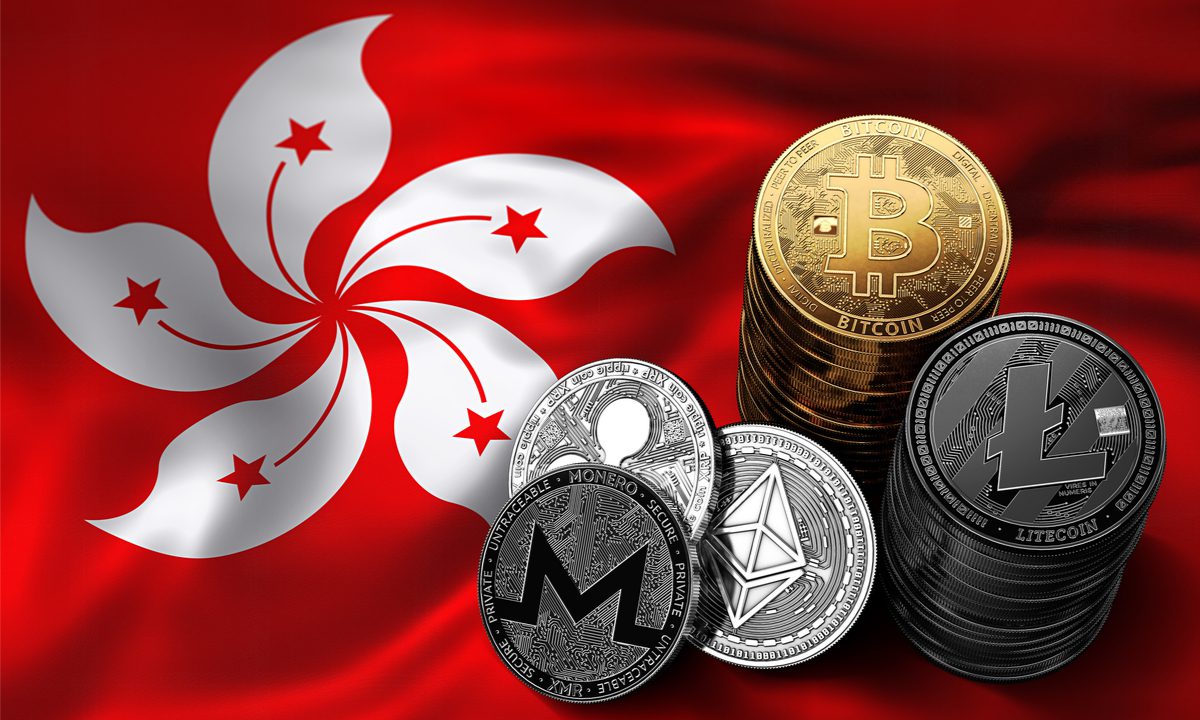
Hong Kong’s government on 26 June issued its Policy Statement 2.0 on the development of digital assets, signalling a decisive push to position the city at the forefront of the global crypto landscape. The statement introduces the comprehensive “LEAP” framework—Legal, Expand, Advance, People—underlining a mission to develop a trusted, innovative, and deeply integrated ecosystem for digital assets.

The regulatory reforms assign explicit oversight roles: the Securities and Futures Commission will licence digital asset exchanges, custodial and dealing services, while the Hong Kong Monetary Authority will govern bank-related activities in the sector. In addition, licensing regimes for stablecoin issuers and custodians are scheduled to commence on 1 August 2025, designed to strengthen anti‑money‑laundering safeguards, investor protection, and transparency in stablecoin issuance.

Central to Policy 2.0 is a commitment to tokenisation of traditional financial instruments and real‑world assets. The government will regularise issuance of tokenised government bonds, streamline stamp‑duty treatment for tokenised ETFs, and legislate to support tokenisation of assets such as precious and non‑ferrous metals, and renewable energy products. These bids aim to boost liquidity and broaden market access, aligning with existing initiatives such as the HK$6.8 billion in green bond token issuances since 2022.

Stablecoins also feature prominently, with proposals to pilot licensed stablecoins in public sector uses. Market consultation is seeking input on integrating these instruments into government operations and cross‑border payments, underpinned by stricter regulatory clarity. Tax incentives for private investment vehicles and family offices trading digital asset securities are expected in the 2025–26 fiscal year, aligning digital and traditional financial regimes.

International alignment is embedded in the blueprint. Hong Kong’s framework adheres to global standards—covering anti‑money‑laundering as per FATF, Basel Committee prudential supervision, IOSCO’s policy recommendations, and OECD crypto‑asset tax transparency measures. Complementary pilot schemes include HKMA’s “Project Ensemble” wholesale central bank digital currency trials, LME‑backed tokenisation of metal assets in Hong Kong warehouses, and a Cyberport‑sponsored incubator scheme to finance blockchain startups.

Since unveiling its original 2022 policy, the government has approved licences for over a dozen digital asset platforms, including nine trading licences and OTC frameworks, and supported tokenised bond issues by both government and corporate entities. Financial Secretary Paul Chan and SFC chief Julia Leung emphasise that this next phase marks a departure from pilot testing, transitioning toward institutionalisation and global competitiveness.

Industry leaders responded positively. Legal and compliance expert Cora Ang described the framework as “a strategic win” that aligns regulatory clarity with stablecoin and tokenisation growth. HashKey CEO Xiao Feng noted the city is entering a “new stage of maturity”, transitioning from sandbox environments to a substantive digital assets regime. Historical drivers such as the JPEX OTC fraud prompted regulators to enforce tighter custody and trading separation to protect investors.

Notably, fintech legal advisers in Hong Kong report surging demand. Firms are actively supporting issuance of tokenised gold and digital bonds, as banks like Bank of Communications and Zhuhai Huafa Group deploy digital debt instruments via licensed platforms. Meanwhile, legal specialists continue to advocate for derivatives, margin‑lending, and institutional frameworks targeted at professional investors.

Hong Kong’s strategic deployment of Policy 2.0 underlines a competitive counterbalance to rival jurisdictions such as Singapore, Dubai, and the US, each advancing their own crypto regulatory frameworks. The city’s alignment with global financial standards—alongside tailored incentives and public‑sector engagement—signals a comprehensive, forward‑leaning posture in digital asset finance.

Trade between the European Union and the East African Community reached €7.7 billion in 2024, marking a robust surge in economic engagement. Data from the EAC Secretariat and the European Commission reveal that Kenya led this growth, accounting for 43 per cent of total EAC trade with Europe. Kenya’s ascent to prominence has been propelled by its position as the region’s primary link to European markets. Under the Economic Partnership […]

The Central Bank of the UAE expanded its gold reserves by 19.3 per cent in the first quarter of 2025, adding AED 4.444 billion to bring the total to AED 27.425 billion as of 31 March, up from AED 22.981 billion at the close of 2024. The bank’s latest statistical bulletin also reveals marked increases across demand, savings and time deposits, alongside robust payment-system activity. Heightened global market unpredictability and a strategic emphasis on diversifying […]

Santos has granted a six‑week exclusive due‑diligence period to a consortium led by Abu Dhabi’s National Oil Company, signalling serious progress towards its A$36.5 billion takeover proposal.

The consortium, comprising ADNOC’s investment arm XRG, Abu Dhabi Development Holding Company and private equity investor Carlyle, has placed an all‑cash offer of A$8.89 per share—representing a roughly 28 per cent premium on Santos’s previous closing price. Santos’s board is prepared to endorse the deal, pending satisfactory outcomes from due diligence, no better competing bids and approval by an independent fairness expert.

Should the offer proceed, it would mark Australia’s largest-ever all‑cash corporate takeover and rank among the top three transactions nationally—holding an enterprise value near A$36.4 billion.

The acquisition targets Santos’s LNG assets, including Australia’s Gladstone and Darwin facilities, plus substantial interests in Papua New Guinea’s LNG project and the forthcoming Papua LNG development. XRG aims to build an integrated gas and LNG portfolio capable of delivering 20–25 million tonnes annually by 2035.

Adhering to regulatory requirements, the consortium has signed confidentiality agreements and secured exclusive negotiating rights for this due‑diligence phase.

Santos’s management is forecasting a binding scheme implementation agreement before enabling a shareholder vote needing at least 75 per cent support, as per Australian scheme‑of‑arrangement rules. Shareholder approval will depend on a legal and financial assessment of the offer’s fairness.

While the consortium has pledged to maintain Santos’s Adelaide headquarters, preserve local employment, and continue momentum on major projects like the Barossa LNG development and Moomba carbon‑capture initiative, significant regulatory scrutiny lies ahead.

National oversight will involve multiple bodies: Australia’s Foreign Investment Review Board, ACCC, ASIC, and National Offshore Petroleum Titles Administrator; Papua New Guinea’s Securities and Competition commissions; and the US Committee on Foreign Investment due to Santos’s cross-border interests.

Analysts caution that the central risk is FIRB rejection, given Santos’s control over critical gas infrastructure. Potential remedies, like spinning off assets, may invite legal and decommissioning complexities.

South Australian state officials, including Premier Peter Malinauskas and Energy Minister Tom Koutsantonis, have highlighted the importance of protecting domestic jobs, the company’s base, and energy security—leveraging recent legislative powers to oversee licence transfers.

The political backdrop complicates matters, with Treasurer Jim Chalmers in caretaker mode ahead of a potential election. His decision will pivot on FIRB advice and the national interest implications.

Santos has endured pressures in recent years, including a near‑16 per cent drop in annual profit and a 41 per cent dividend cut in 2024. It also abandoned merger negotiations with Woodside that would have created an A$80 billion energy entity.

The consortium’s revised offer follows an initial A$8.00 bid in March, raised to A$8.60 later that month, and now stands at A$8.89—reflecting sustained negotiations and valuation uplifts. Should the agreement proceed, final receipt of regulatory and shareholder clearances could extend into early 2026.

This transaction underscores ADNOC’s growing appetite for strategic LNG assets in the Asia‑Pacific region and exemplifies broader Middle Eastern investment trends in global energy infrastructure. The outcome will influence the balance of power in Australia’s evolving LNG market and set significant precedents for future foreign investment decisions.

KUALA LUMPUR, MALAYSIA – Media OutReach Newswire – 27 June 2025 – Octa, a globally regulated and trusted broker since 2011, was recently named ‘The best CFD broker 2025’ by the AllForexRating.com portal. Having amassed more than 10 industry awards in 2025 only, Octa is recognised for its quality e-brokerage services and proprietary trading platform OctaTrader. Carried out by AllForexRating.com, the Forex Brokers Award yearly highlights brokers’ […]

Continued Gross Profit Margin and Net Operating Cash Flow improvements albeit difficult market conditions HONG KONG SAR – Media OutReach Newswire – 26 June 2025 – HONMA Golf Limited (“HONMA”; together with its subsidiaries, the “Group”; HKEx stock code: 6858), one of the world’s most prestigious golf brands, announces its consolidated annual results for the year ended 31 March 2025 (the “Period”). Financial Highlights Due to economic […]

The U.S. dollar has slumped by more than 10 per cent year‑to‑date, marking its most severe first‑half decline since the mid‑1980s, as global investors pull back from dollar‑denominated assets amid doubts over U.S. economic policy and rising interest in alternatives such as cryptocurrencies.

Institutional investors across Europe and Asia are leading a broad sell‑off. European pension funds and insurers have slashed dollar‑asset exposure to levels unseen since 2022, primarily through equity divestment, while Asian bondholders have been unwinding fixed‑income positions.

Market watchers identify multiple bearish drivers: weakening Federal Reserve credibility under the spectre of political interference, dovish statements signalling potential rate cuts, and concerns over President Trump’s tariff posture and mounting debt. These factors have undercut confidence in the dollar’s role as the premier global reserve asset.

Declining yields on U.S. Treasuries have narrowed their appeal, prompting asset shifts toward Europe and emerging markets and feeding a broader investor rotation away from dollar‑centric investments. Cash strategists at Bank of America report that the net underweight position on the dollar is the most significant in two decades, signalling widespread repositioning.

Despite periodic reprieves, market technicals remain weak. The ICE U.S. Dollar Index, trading around the high‑90s, broke key support levels, triggering technical patterns that suggest further downside unless a strong reversal emerges.

The dollar’s weakness is also fueling a surge in alternative assets. Cryptocurrencies like Bitcoin have rallied, with analysts highlighting an inverse correlation to the dollar’s performance. Gold and select equities in Europe and Asia have benefited from the reallocation of capital.

Echoes of the mid‑1980s Plaza Accord era are notable, when coordinated efforts led to a sharp devaluation of the dollar. However, experts caution that the current environment reflects deeper structural trends: geopolitical uncertainties, shifting reserve currency strategies, and Asia’s growing role in capital flows.

Some analysts argue that short‑term technical bounce possibilities exist, especially if U.S. economic indicators outperform or geopolitical tensions rekindle risk‑off flows. Yet, the prevailing consensus points to a prolonged adjustment period, as “short dollar” bets remain deeply entrenched among fund managers.

The dollar’s slide has implications beyond currency markets. Weaker dollar conditions typically ease financial constraints for emerging economies with dollar-denominated debt, support commodity prices, and influence global trade balances. Conversely, U.S. consumers may experience elevated import costs.

Attention now shifts to key catalysts: upcoming Fed commentary, U.S. inflation and employment data, and whether the administration proceeds with proposed tariffs or investment taxes that could further unsettle international investor sentiment.

Ghana’s parliament has given approval to a $2.8 billion debt restructuring agreement with 25 creditor nations, including China, France, the United States, Germany and the United Kingdom. This authorisation is vital for unlocking further disbursements from a $3 billion IMF-backed bailout programme initiated in May 2023. Lawmakers, endorsing the restructuring unanimously, approved measures under a memorandum of understanding signed in January 2025 that reschedule debt payments falling due between 20 December 2022 and […]

HONG KONG SAR – Media OutReach Newswire – 24 June 2025 – SiegFund, a fintech–driven proprietary trading platform, has officially completed its brand upgrade and will now operate as SiegPath, serving proprietary traders worldwide and ushering in a new chapter in global expansion. To further strengthen its rebranding, SiegPath has simultaneously launched its brand-new official website, built with a user-centric approach and equipped with a range of […]

U.S. lawmakers have advanced the GENIUS Act, a federal bill setting strict requirements for stablecoin issuers that could significantly challenge Tether’s dominance. The legislation mandates full backing with cash or U.S. Treasuries, monthly audits by registered firms, transparency of reserves, anti-money laundering safeguards and U.S. registration for issuers with over $10 billion in circulation. Circle’s USDC stands to gain, while Tether’s model faces serious scrutiny if it intends to access U.S. markets.

Tether currently holds approximately $155 billion in USDT tokens, backed in part by volatile assets such as Bitcoin and gold—as well as commercial paper and loans. It discloses reserves via quarterly attestations, though it has never undergone a full independent audit, despite promises since 2017. In contrast, the GENIUS Act requires liquidity in U.S.-based financial institutions and audited transparency certified by company executives, holding them personally liable.

Experts warn that Tether now faces a strategic choice: overhaul its reserve holdings, comply with audits and potentially register under U.S. regulations—or abandon ambitions in the U.S. and pivot towards offshore markets. After relocating its corporate headquarters to El Salvador, Tether appears poised to leverage regulatory gaps via reciprocal agreements—though critics argue this is unlikely to satisfy U.S. authorities.

Steve Gannon, a lawyer specialising in digital assets, suggested that Tether is unlikely to enter U.S. markets until regulations are finalised, as adaptation would require extensive investment in compliance infrastructure. CoinDesk analysis emphasises that foreign issuers could qualify only if regulated by approved jurisdictions and maintain U.S.-based reserves, with oversight from the Office of the Comptroller of the Currency.

By contrast, Circle is well-positioned. USDC is fully backed by cash and Treasury bills, audited monthly and issued by a U.S.-based firm. Following the Senate’s approval of the GENIUS Act, Circle’s share price surged, reflecting investor confidence in its compliance-readiness.

The GENIUS Act also seeks to tighten anti-money laundering and counter-terror financing protocols by integrating stablecoins under the Bank Secrecy Act, with monthly certifications and criminal penalties for lapses. It includes explicit restrictions on stablecoin issuance by lawmakers and their families.

Critics have flagged potential loopholes, warning that offshore entities like Tether could continue servicing U.S. customers through decentralised exchanges—sidestepping rigorous Elm Salvador or other offshore jurisdictions. The Senate bill also bans stablecoins from offering interest, limiting yield-bearing models favoured by some existing issuers.

On financial markets, increased demand from compliant issuers is expected to boost U.S. Treasury purchases. Currently, around $200 billion of assets backing stablecoins are held in Treasuries and repos. Even a modest uptick in USDC issuance could drive multibillion-dollar incremental purchases. A recent study found Tether holds nearly 1.6% of all U.S. Treasury bills, contributing to yield compression equivalent to tens of billions in annual government savings.

Yet uncertainty remains. The GENIUS Act must clear the House and be signed into law, with possible amendments—especially regarding foreign issuance pressures and scope of AML provisions. Senate Banking Committee Democrats have warned of national security risks if the bill doesn’t close offshore loopholes, fearing illicit finance actors could exploit weakly regulated channels.

Tether’s CEO Paolo Ardoino has signalled exploration of a U.S.-compliant stablecoin variant, which would align reserves and governance with federal standards. However, no official timeline has been provided.

Stablecoin proponents say the GENIUS Act brings much‑needed clarity, potentially paving the way for mainstream adoption and institutional participation. Yet critics fear regulatory shortcuts may invite private stablecoins into a system without equal access for central bank digital currencies.

The stakes are high. Tether’s strategic response will shape the competitive landscape. Will it meet U.S. standards or cede space to compliant rivals like Circle? The passage of the GENIUS Act may mark a turning point in crypto policy and redefine stablecoin leadership.

Abu Dhabi sovereign investor ADQ is negotiating the acquisition of a 35 percent stake in Limagrain’s vegetable seeds unit, forging a strategic partnership focused on developing hard‑climate‑resilient crops. The envisioned alliance includes joint research and development initiatives in the UAE, designed to accelerate innovation in seeds tailored to extreme conditions. The proposed investment centres on Limagrain Vegetable Seeds, the vegetable‑seed division of France‑based cooperative Limagrain, a global market […]

VISHNU RAJA
RYO YAMADA
HITORI GOTOH
IKUYO KITA