News related to
Low oil

The International Monetary Fund (IMF) has raised serious concerns over the potential economic fallout from the escalating conflict in the Middle East. As violence spreads and tensions rise, the conflict threatens not only the region’s stability but also the global economy, particularly through disruptions in energy supplies, trade routes, and investor confidence.

The war in Gaza has intensified, drawing in multiple countries and raising fears of broader regional involvement. The IMF’s latest assessments highlight the possibility of severe economic impacts, particularly on energy markets. With the Middle East responsible for a significant portion of the world’s oil production, any disruptions could lead to increased volatility in oil prices. The IMF warned that sustained conflict could push oil prices higher, potentially surpassing $100 per barrel, a figure already approached during earlier hostilities this year. This price surge would have far-reaching consequences, especially for oil-importing nations, straining budgets and intensifying inflationary pressures.

Global financial markets have already shown signs of nervousness. Investors, traditionally wary of instability in key regions, have begun reallocating assets, with several stock indices experiencing sharp drops. Analysts suggest that if the conflict escalates further, the damage could spread beyond energy markets, affecting sectors such as manufacturing and technology that rely heavily on supply chains running through or near conflict zones.

The IMF’s mission chief underscored that while oil prices are the most immediate concern, the broader economic picture is equally troubling. Trade disruptions, particularly in critical shipping lanes like the Suez Canal, could severely impact the flow of goods, exacerbating the already fragile global supply chains. For nations in the region, the toll could be devastating. Countries like Lebanon and Egypt, already grappling with economic crises, could face further destabilization, compounding their debt issues and putting millions more at risk of poverty.

While energy exporters such as Saudi Arabia and the UAE may temporarily benefit from higher oil revenues, the broader economic instability could erode those gains, particularly if conflict spreads further across the region. Additionally, prolonged unrest could deter much-needed foreign investment in the Gulf region, which has been aggressively pursuing diversification away from oil dependency.

The IMF’s warning also extends to food security concerns, as the Middle East plays a crucial role in global grain trade. Egypt, for instance, is one of the world’s largest wheat importers, and disruptions to shipping could lead to shortages and price hikes. This would disproportionately affect lower-income nations, already struggling with inflationary food costs and economic stagnation.

As the situation continues to evolve, the IMF has urged regional governments and the international community to take immediate steps to prevent further escalation. In addition to diplomatic efforts, the IMF is advocating for emergency economic measures to protect the most vulnerable economies. These include securing financial aid, stabilizing food supply chains, and safeguarding energy markets from excessive speculation.

However, the global response remains uncertain. While Western powers and international organizations have expressed concern, efforts to mediate the conflict have so far been limited. The longer the fighting continues, the higher the economic risks become, making it crucial for governments to work towards de-escalation before the crisis spirals further out of control.
BANGKOK, THAILAND – Media OutReach Newswire – 1 October 2024 – Being a part of the non-oil business unit of PTT Oil and Retail Business Plc. (OR), Café Amazon has developed its fame at a small corner of PTT Station for a meeting place to those who are fascinated with coffee flavors. Over two decades, it has grown up to the brand that successfully builds up a […]

A groundbreaking initiative has been announced by Dubai Airports, marking the launch of the world’s largest solar rooftop project in collaboration with Etihad Clean Energy Development Company, a fully owned subsidiary of the Dubai Electricity and Water Authority (DEWA). This ambitious project aims to enhance the airport’s sustainability efforts and significantly contribute to Dubai’s clean energy targets.

The project involves the installation of solar photovoltaic panels on the rooftops of Dubai International Airport (DXB) and Dubai World Central (DWC). This effort is part of a broader commitment by Dubai Airports to adopt sustainable practices and support the emirate’s goal of becoming a global leader in renewable energy. The installation will generate a substantial amount of electricity, contributing to the operational energy needs of the airports while reducing carbon emissions.

Expected to generate up to 8 megawatts of power, the solar rooftop installation will occupy over 60,000 square meters of rooftop space across both airports. This initiative aligns with Dubai’s Clean Energy Strategy 2050, which aims to increase the share of clean energy in the city’s total energy mix to 75 percent by 2050. The solar project not only enhances the airports’ sustainability profile but also sets a benchmark for energy efficiency in the aviation sector.

This collaboration underscores the commitment of both Dubai Airports and DEWA to drive sustainable growth and innovation. The installation of solar panels at the airports is a pivotal step towards enhancing energy resilience and reducing reliance on fossil fuels. As part of the project, it is anticipated that the solar energy generated will power various airport facilities, thus optimizing operational efficiency.

The strategic partnership between Dubai Airports and Etihad Clean Energy Development Company highlights the importance of public-private collaborations in achieving sustainability goals. This project is poised to pave the way for similar initiatives in other sectors, reinforcing the UAE’s leadership in renewable energy adoption. Moreover, it exemplifies the proactive measures being taken by Dubai to address environmental challenges while supporting economic growth.

Several key players have contributed to the formulation and execution of this initiative. The project was developed following extensive feasibility studies and consultations with industry experts to ensure that it meets the highest standards of efficiency and effectiveness. DEWA, recognized for its commitment to innovation and sustainability, has been instrumental in supporting the integration of renewable energy solutions across the emirate.

Dubai Airports has a history of implementing sustainability measures, including the introduction of energy-efficient technologies and practices aimed at minimizing the environmental footprint of airport operations. The launch of the solar rooftop project represents a significant milestone in this ongoing effort and showcases Dubai’s ambition to lead by example in the global aviation industry.

In addition to the environmental benefits, the project is expected to have positive economic implications, providing job opportunities in the renewable energy sector and stimulating growth within the local economy. The focus on sustainability aligns with the broader vision of the UAE to diversify its economy and reduce its dependence on oil.

As part of its commitment to sustainability, Dubai Airports continues to explore innovative solutions to reduce energy consumption and enhance operational efficiency. The implementation of solar energy solutions is just one aspect of a comprehensive sustainability strategy that encompasses various initiatives aimed at minimizing waste, conserving resources, and promoting environmentally friendly practices.

This project represents a significant step forward in Dubai’s journey towards achieving a more sustainable future. The commitment to renewable energy aligns with the global shift towards cleaner energy sources and highlights the potential for airports and other major infrastructure to contribute positively to environmental sustainability.

Dubai’s leadership has emphasized the importance of such projects in realizing the emirate’s long-term sustainability goals. The solar rooftop initiative not only demonstrates the feasibility of large-scale renewable energy projects but also serves as a model for other cities and countries looking to enhance their sustainability efforts.

Construction on the Jeddah Tower, which aims to be the tallest building in the world, is back in motion after a prolonged hiatus. Owned by Saudi billionaire Jeddah Economic Company (JEC), the ambitious project has faced numerous delays since its groundbreaking in 2013 due to economic shifts, financing difficulties, and other logistical challenges. However, recent developments indicate that JEC is determined to complete this iconic structure, which […]

Growing concerns surrounding geopolitical instability in the Middle East are contributing to heightened volatility in the oil markets, as traders anticipate further price increases. Recent analyses indicate that the tensions between various regional players and broader global dynamics are significantly influencing supply concerns, leading to increased buying activity in oil options. This is particularly evident as major crude benchmarks, including Brent crude and West Texas Intermediate (WTI), have seen notable fluctuations driven by investor sentiment and strategic positioning.

Market data reveals a surge in options trading, suggesting that traders are preparing for potential price movements. Open interest in call options, which give the buyer the right to purchase oil at a predetermined price, has risen sharply. This indicates that market participants expect prices to climb, driven by fears of supply disruptions due to geopolitical unrest, particularly in key oil-producing countries such as Saudi Arabia, Iran, and Iraq. Analysts suggest that the current landscape is reminiscent of past crises, wherein escalating tensions have historically led to significant price spikes.

As oil prices approach the $100 per barrel mark, analysts warn that sustained increases could have broader economic implications. The International Energy Agency (IEA) has projected a potential supply shortfall if geopolitical tensions escalate, particularly with ongoing conflicts in Ukraine and regional disruptions in the Middle East. In this context, market experts emphasize the importance of monitoring geopolitical developments closely, as these factors will be critical in shaping oil price trajectories in the coming months.

The dynamics of oil trading have shifted, with many investors now viewing geopolitical events as pivotal catalysts for price changes. The strategic importance of the Middle East, often referred to as the world’s energy hub, cannot be overstated. The region accounts for a significant portion of global oil supply, and any disruptions can lead to immediate and substantial price reactions in the market.

In light of these developments, the oil market is exhibiting signs of increased speculation. Hedge funds and other large investors have ramped up their positions in oil futures and options, further reflecting the bullish sentiment permeating the market. This trend has been particularly pronounced in the context of the ongoing discussions regarding production cuts by the Organization of the Petroleum Exporting Countries (OPEC) and its allies. OPEC’s decisions will play a crucial role in determining supply levels and influencing price stability.

Saudi Arabia, a leading member of OPEC, has signaled its willingness to adjust production levels in response to market dynamics. The kingdom’s recent commitments to reducing output in order to stabilize prices have fueled discussions regarding potential collaborative efforts among OPEC members to manage supply effectively. This strategy aims to counterbalance the impact of external geopolitical risks and market volatility.

Iran’s continued efforts to revitalize its oil production in the wake of sanctions further complicates the scenario. The Iranian oil sector is poised for growth, but any increase in output is contingent upon the delicate diplomatic landscape. Investors are acutely aware that shifts in U.S. policy towards Iran can have immediate repercussions for oil supply and pricing, leading to a cautious approach in trading activities.

Market sentiment is also influenced by macroeconomic factors, including inflation and interest rates. Recent data suggest that rising inflationary pressures are leading to increased uncertainty regarding economic growth, which could, in turn, impact oil demand. Investors are weighing the potential for a slowdown in global economic activity against the backdrop of supply-side constraints. This balancing act adds another layer of complexity to trading strategies.

Analysts are observing emerging trends in the energy sector, particularly the transition towards renewable energy sources. As nations grapple with climate change initiatives, the demand for traditional fossil fuels is being challenged. However, in the short term, oil remains a critical component of the global energy mix, especially amid geopolitical uncertainties that necessitate a reliable energy supply.

The current landscape underscores the importance of strategic foresight for traders and investors. Understanding the interconnectedness of geopolitical developments, production decisions, and market sentiment will be essential in navigating the complexities of oil trading. Traders are increasingly incorporating a broader range of indicators and data points into their analyses, reflecting the dynamic nature of the oil market.

The Abu Dhabi Securities Exchange (ADX) recorded a significant surge in trading activity, logging 15 large deals worth AED 2.66 billion ($724 million) involving ADNOC Gas and Modon properties. These transactions underscore the growing investor confidence in ADNOC Gas and the continued expansion of Modon, a prominent developer of infrastructure projects in Abu Dhabi. ADNOC Gas, a key player in the UAE’s energy sector, has been central […]

Aiming to enhance transparency and streamline access to economic data, the UAE’s Ministry of Economy has launched the National Economic Registry (NER). The initiative is set to serve as a centralized platform, providing comprehensive information on companies and economic activities across the country, supporting businesses, investors, and government entities in their decision-making processes. The move underscores the UAE’s commitment to fostering a more open and transparent business environment, vital to attracting foreign investments and promoting sustainable growth.

The NER is designed to consolidate data from various economic departments and authorities, enabling users to access up-to-date and accurate information about companies operating within the UAE. This includes company registration details, ownership structures, legal statuses, and economic licenses. By facilitating the quick and reliable retrieval of business information, the platform is expected to contribute significantly to improving the ease of doing business in the country. The government’s efforts to enhance regulatory transparency are aligned with its broader strategy to position the UAE as a global business hub.

In addition to promoting transparency, the NER aims to combat financial crime, including money laundering and terrorist financing. By providing government agencies with access to consolidated economic data, the registry will support efforts to monitor suspicious financial activities and ensure compliance with international financial regulations. Authorities view the NER as a critical tool in maintaining the UAE’s standing as a responsible global financial player, while also ensuring that businesses adhere to stringent compliance standards.

This move is part of the UAE’s broader economic reform agenda, which has seen the country implementing several initiatives aimed at enhancing competitiveness and facilitating business growth. The NER is expected to complement existing reforms, such as the introduction of new foreign investment laws and changes to the country’s commercial and corporate governance frameworks. These reforms are part of the UAE’s broader vision to diversify its economy away from oil dependency, creating a more resilient and sustainable economic model.

Business leaders in the UAE have expressed optimism about the NER, noting its potential to improve operational efficiency and foster greater trust in the country’s regulatory framework. The centralized nature of the platform is seen as a significant improvement over previous systems, which required businesses and investors to engage with multiple entities to gather necessary information. By simplifying access to economic data, the NER is expected to reduce bureaucratic hurdles and enhance the overall business environment, making the UAE a more attractive destination for both local and foreign investors.

The UAE’s Ministry of Economy has emphasized the user-friendly nature of the NER, ensuring that the platform is easily accessible to businesses of all sizes. Whether small enterprises or large multinational corporations, companies will benefit from the streamlined processes offered by the platform. Additionally, the NER is expected to aid start-ups and entrepreneurs, providing them with crucial insights into the economic landscape, helping them navigate the complexities of establishing and growing businesses in the UAE.

This initiative also aligns with the UAE’s digital transformation efforts, which have accelerated across various sectors in recent years. The development of the NER reflects the government’s commitment to leveraging technology to enhance administrative efficiency and support the country’s economic growth. The digitalization of business information is expected to reduce paperwork, improve accuracy, and allow for real-time updates, ensuring that the economic data available on the platform remains current and reliable.

Experts note that the success of the NER will depend on the seamless integration of data from different economic departments and authorities across the UAE. The Ministry of Economy has worked closely with local authorities to ensure that the platform includes comprehensive and accurate data, with mechanisms in place to update the information regularly. This collaboration between federal and local entities is seen as a crucial factor in the long-term success of the registry.

The launch of the NER comes at a time when global economic conditions remain volatile, underscoring the importance of transparency and trust in attracting foreign investments. Countries around the world are increasingly focusing on improving their business environments to stay competitive in a post-pandemic global economy. In this context, the UAE’s efforts to bolster transparency through the NER are viewed as a proactive step towards reinforcing its position as a leading global business destination.

The NER is expected to support the UAE’s ambitions in international trade, providing foreign companies with reliable data that can help them assess business opportunities in the country. By offering greater visibility into the UAE’s economic landscape, the registry will likely strengthen international business partnerships and trade relations, further integrating the UAE into the global economy.

Advertisements

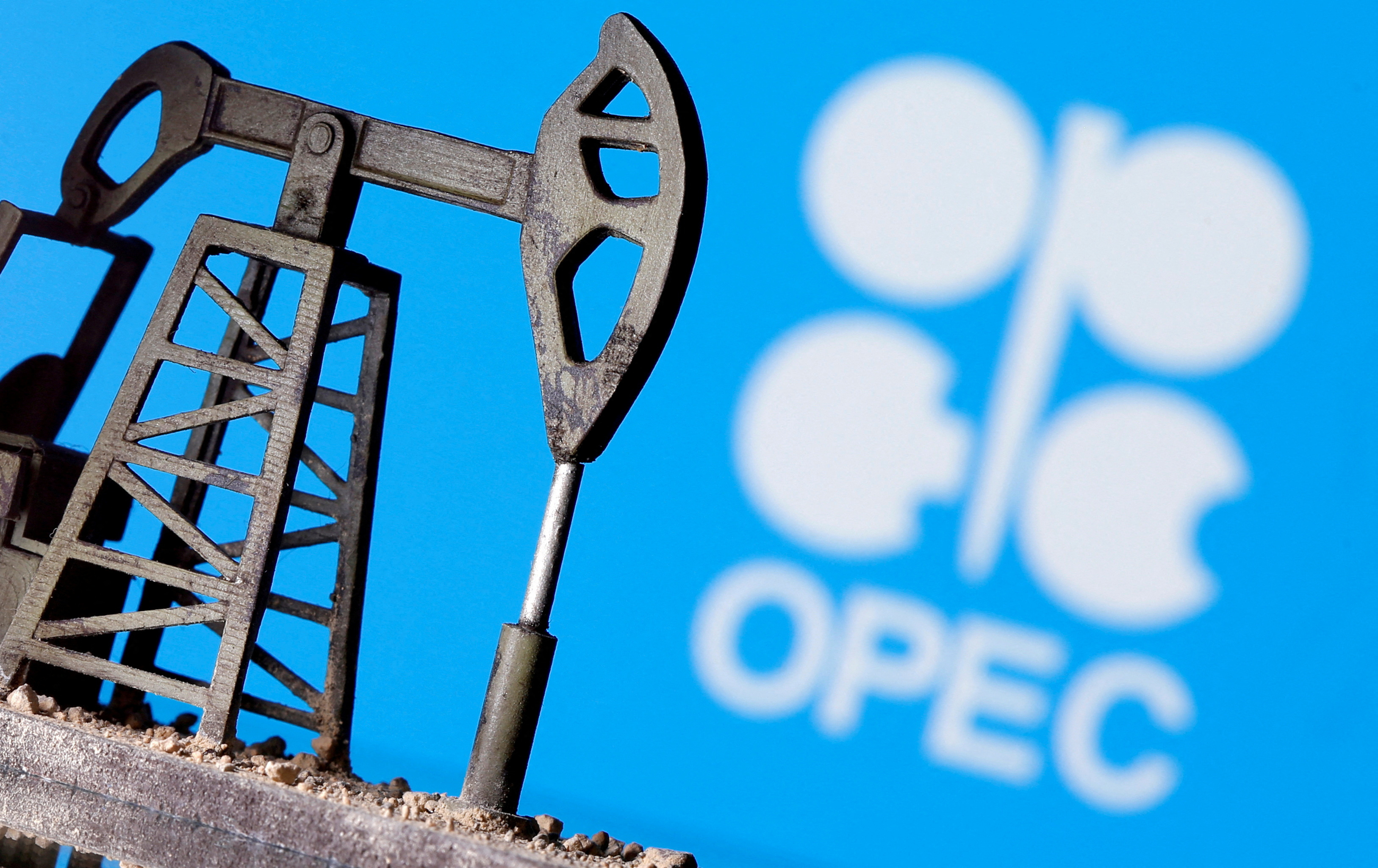
Oil-producing nations in the OPEC+ alliance have decided to maintain the current output policy following a key meeting. The gathering of ministers, which occurred as global energy markets continue to experience volatility, focused on compliance with production cuts and compensatory measures for countries that have exceeded their allocated quotas. As tensions persist over global supply and demand dynamics, this decision underscores OPEC+’s cautious approach in navigating the uncertain landscape.

The meeting, involving some of the world’s largest oil producers, was closely watched by analysts and industry leaders. Observers had anticipated possible adjustments to production levels, but the alliance chose to keep its policy steady for the time being. A source close to the talks confirmed the decision, emphasizing the group’s intent to maintain stability amid unpredictable economic conditions. OPEC+ has long been the primary driver behind oil supply strategies, and its decisions significantly impact global oil prices.

Attention was also directed at countries that have been overproducing relative to their targets. The meeting delved into how these nations might adjust their production in the coming months to align with the overall quotas set by the group. According to one of the sources within OPEC+, ministers discussed altering the schedules for compensating the excess oil production. While compliance remains a key issue, the group’s commitment to ensuring market equilibrium is evident through its continued discussions on corrective actions for overproducers.

OPEC+ includes the 13-member Organization of the Petroleum Exporting Countries (OPEC) along with other major oil producers, including Russia, forming an extended alliance that has managed global oil production since 2016. The group’s coordinated efforts in limiting production have played a critical role in managing global oil supply, especially after demand shocks like the COVID-19 pandemic. OPEC+ agreements, including the output cuts initiated in response to these shocks, have helped stabilize the market, albeit with ongoing challenges.

The current production cuts are part of a broader strategy adopted by OPEC+ to counterbalance the global oil supply. This strategy was designed to address the fluctuating demand patterns caused by economic slowdowns, geopolitical conflicts, and environmental concerns. Although many expected the group to consider tightening production further, the decision to maintain the status quo suggests that ministers are awaiting clearer market signals before making significant adjustments.

Concerns over compliance have surfaced repeatedly within the OPEC+ framework, particularly regarding the member nations that have consistently exceeded their production targets. The alliance had previously implemented a compensation mechanism that allows such countries to compensate for their overproduction by reducing future outputs. Discussions during the latest meeting reiterated the importance of this mechanism, with proposals to recalibrate the compensation schedules for non-compliant members gaining traction.

Market analysts are closely evaluating how these compensation schedules might influence oil prices in the coming months. For many overproducing countries, the challenge lies in balancing domestic energy demands with international commitments. The talks have underscored the need for greater transparency and enforcement within the OPEC+ framework, as stricter compliance will be crucial for the alliance’s long-term credibility and effectiveness.

The broader geopolitical context remains an important factor in OPEC+’s decision-making. Ongoing concerns over global inflation, coupled with fears of economic recessions in key markets, continue to shape the group’s cautious approach. Energy prices have become a focal point of debate in several regions, with governments under pressure to address rising costs while maintaining economic growth. OPEC+, mindful of these dynamics, is likely to continue adjusting its strategies in response to global macroeconomic shifts.

Despite the current output freeze, many industry experts believe that OPEC+ may consider changing its production policies in future meetings, especially if market conditions warrant it. The delicate balance between supply and demand remains a persistent challenge for oil producers, who must navigate not only the economics of energy but also the geopolitical pressures associated with oil dependency.

The global energy landscape continues to evolve, driven by factors such as the transition to renewable energy, geopolitical tensions, and the demand recovery in major economies. OPEC+ is increasingly viewed not just as a traditional oil cartel but as a central player in global energy governance. This meeting further highlights the alliance’s critical role in shaping the future of oil production and pricing.

OPEC+’s production strategies are also being influenced by longer-term shifts in the global energy mix. As the world gradually pivots toward more sustainable energy sources, fossil fuel producers face mounting pressure to diversify their portfolios while continuing to meet the immediate energy needs of a growing global population. For many OPEC+ members, the dual challenge of meeting these short-term and long-term goals will define the future of oil production policy.

A significant step towards enhancing its renewable energy landscape has been initiated by Abu Dhabi, as it officially announced the launch of a competitive bidding process for the 1.5-gigawatt (GW) Al-Zarraf solar independent power project (IPP). This initiative aligns with the emirate’s ambitious targets to achieve net-zero greenhouse gas emissions by 2050, while simultaneously increasing the share of clean energy in its overall energy mix. The Al-Zarraf […]

Over 80 flights have been diverted following a missile attack by Iran on Israeli territory, marking a significant escalation in tensions in the region. The attack, which occurred on a busy travel day, has triggered widespread disruptions in air travel, affecting routes across Europe, the Middle East, and beyond. As airlines scramble to adapt to the situation, travelers are facing delays and uncertainty as air traffic controllers adjust flight paths to ensure safety.

The missile assault targeted multiple locations in Israel, reportedly hitting near Tel Aviv and other key areas, prompting immediate responses from Israeli defense forces. In retaliation, Israel launched airstrikes against what it described as military installations in Iran, intensifying fears of a larger conflict. The situation has heightened anxieties among airlines and travelers, with many countries issuing travel advisories.

Air traffic management systems in various regions have been strained as the diversion of flights has created congestion in alternative airports. Affected airlines, including major carriers like Emirates, Lufthansa, and British Airways, have altered their flight schedules and routes to avoid the conflict zone. Passengers are being informed about changes, with many facing rebooking challenges due to the high volume of travelers displaced by the diversions.

Israeli officials have condemned the missile attack, describing it as a direct threat to civilian safety. The country’s Prime Minister stated that the government would respond with appropriate measures to safeguard its citizens. Analysts suggest that this incident could represent a turning point in the ongoing tensions between Iran and Israel, as well as potentially destabilizing the broader geopolitical landscape in the Middle East.

The impact of the attack extends beyond immediate safety concerns. Economists warn that prolonged instability in the region could affect global oil prices and trade routes. The fear of escalation might lead to increased insurance premiums for flights operating in and around the area, further complicating the situation for airlines and passengers alike.

Travelers currently in transit or scheduled to fly to Israel are advised to stay updated on their flight statuses and consult with airlines for the latest information. Some travelers have reported being rerouted to airports in nearby countries such as Cyprus and Greece, where they can continue their journeys after the situation stabilizes. However, the longer-term implications of this event may lead to broader shifts in airline operations, particularly for those serving the Middle East.

As airlines navigate these complex challenges, industry experts are analyzing how this incident might reshape air travel in the region. While the immediate focus is on safety and logistical adjustments, the incident raises questions about the resilience of global air travel amid geopolitical tensions. Airlines may need to reassess their risk management strategies, particularly for routes that are vulnerable to similar threats in the future.

International responses to the missile attack have also been varied, with some nations condemning the violence and calling for calm. The United Nations has expressed concern over the escalation of hostilities and the potential humanitarian consequences for civilians in the region. Diplomatic efforts are being initiated to de-escalate tensions and encourage dialogue between the conflicting parties, though success remains uncertain amid the heightened atmosphere of distrust.

In the broader context, this missile attack illustrates the fragility of peace in the region. Analysts note that the cycle of retaliation between Iran and Israel has persisted for years, and incidents like this may trigger further actions on both sides. The potential for regional instability to escalate into a wider conflict remains a concern for many observers.

DUBAI, UAE – EQS Newswire – 1 October 2024 – Dubai Electricity and Water Authority (DEWA) (www.DEWA.gov.ae) organises the 26th Water, Energy, Technology and Environment Exhibition (WETEX) from 1 to 3 October 2024 at the Dubai World Trade Centre. The exhibition is a standout event in the global sustainability calendar. It is the largest exhibition in the region in energy, water, green development, sustainability, decarbonisation, green mobility, […]

A significant shift to biofuels for dnata’s UK operations has resulted in a reduction of over 2,400 tonnes of carbon dioxide emissions annually. This transition aligns with the global push for more sustainable practices in the aviation industry and highlights dnata’s commitment to environmental responsibility. Dnata, a major player in ground handling and cargo services, has implemented a program to replace traditional fossil fuels with sustainable aviation […]

Sheikh Khaled bin Mohamed Al Nahyan, the Crown Prince of Abu Dhabi, arrived in Qatar on Tuesday for a significant official visit aimed at strengthening ties between the two Gulf nations. This diplomatic mission comes after years of strained relations between Qatar and some of its neighboring states, including the UAE, following the resolution of the 2017 blockade, where the UAE, Saudi Arabia, Bahrain, and Egypt severed ties with Qatar over allegations of supporting extremist groups—claims that Doha consistently denied.

The visit marks a turning point in relations, with Sheikh Khaled’s arrival signaling a renewed effort to bolster diplomatic, economic, and cultural cooperation between Abu Dhabi and Doha. The Crown Prince is scheduled to meet with Qatar’s Emir, Sheikh Tamim bin Hamad Al Thani, along with other senior Qatari officials. Their discussions are expected to focus on enhancing collaboration in areas such as energy, infrastructure, and regional security.

This visit also serves as part of a broader effort by the UAE to maintain its influential role in the Gulf Cooperation Council (GCC) and foster stability across the region. Relations between the UAE and Qatar have gradually improved since the signing of the Al-Ula Agreement in January 2021, which ended the three-and-a-half-year-long diplomatic rift.

Sheikh Khaled’s ascension as Crown Prince of Abu Dhabi earlier this year was a significant development, solidifying his position as one of the most powerful figures in the UAE. He has since been active in international diplomacy, leading state visits and launching major projects within the UAE, such as infrastructure initiatives and cultural advancements. His visit to Qatar underscores the UAE’s commitment to restoring strong bilateral ties with its neighbor and addressing shared concerns in a rapidly changing geopolitical landscape.

Observers believe the visit could yield agreements on several critical fronts, particularly in natural gas, where Qatar is a dominant player, and clean energy, a focus for both nations. As Qatar continues to expand its liquefied natural gas (LNG) exports, the UAE is keen to explore collaborations that could benefit both countries’ economies. Moreover, the two leaders are expected to discuss ongoing tensions in the broader Middle East, including the situation in Yemen and Iran’s influence in the region.

The talks come at a crucial time, as Gulf states seek to diversify their economies and reduce their reliance on oil. Both the UAE and Qatar have been investing heavily in sustainable energy and technology, areas where further cooperation could be mutually beneficial. Additionally, with Qatar set to host global events in the coming years, there is potential for Abu Dhabi and Doha to collaborate on tourism and infrastructure projects.

The broader context of Sheikh Khaled’s visit also reflects a shift in the UAE’s foreign policy approach under his leadership. While his father, Sheikh Mohamed bin Zayed Al Nahyan, focused on an assertive regional strategy, including military interventions in Yemen and Libya, Sheikh Khaled’s diplomatic approach appears to emphasize reconciliation and economic diplomacy. His visit to Qatar is seen as part of this recalibrated policy, aimed at building bridges with key regional players.

Economic ties between Qatar and the UAE are expected to be a major focal point during this visit. Despite the political fallout of the blockade, trade between the two nations resumed shortly after the Al-Ula Agreement, and both nations have expressed interest in boosting these exchanges further. Given Qatar’s vast energy resources and the UAE’s role as a regional business hub, stronger ties could lead to significant economic benefits for both nations.

Diplomatic sources indicate that beyond economic and security discussions, cultural exchanges will also be a priority. The UAE and Qatar have been vying to position themselves as cultural leaders in the region, with both countries investing in museums, art galleries, and other cultural institutions. Collaboration in this domain could enhance their global soft power and further their ambitions to be recognized as cultural hubs in the Middle East.

The Mississippi River, a lifeline for the American Midwest, faces severe water shortages as persistent drought conditions continue to affect its flow. The river, spanning 2,340 miles from Minnesota to the Gulf of Mexico, supports a vast network of industries, including agriculture, transportation, and energy. With millions of people depending on it for drinking water, irrigation, and commerce, the threat of the Mississippi drying up is raising […]

Adnoc Drilling has initiated a significant campaign targeting unconventional oil and gas resources, with an investment exceeding $1.7 billion. This move underscores the company’s commitment to expanding its operational capabilities and enhancing its production capacity amid the growing global demand for energy. The unconventional campaign aims to unlock resources that require advanced extraction technologies, reflecting a strategic shift toward maximizing the potential of the region’s energy landscape. […]

Sovereign wealth funds in the Gulf Cooperation Council (GCC) countries have made significant investments, deploying $55 billion in various sectors during the first three quarters of 2024. This surge in investment underscores the GCC’s continued commitment to diversify its economies and reduce reliance on oil revenues. These funds are channeling capital into technology, healthcare, renewable energy, and infrastructure, among other sectors, aiming to foster long-term growth and […]

Abu Dhabi National Oil Company (Adnoc) has successfully concluded a significant acquisition, purchasing Covestro, the prominent German chemicals manufacturer, for an estimated €12 billion. This landmark deal marks a critical strategic move for Adnoc, bolstering its position in the global chemicals market while also enhancing its diversification efforts beyond oil and gas.

Adnoc’s acquisition of Covestro is seen as a vital component of its long-term strategy to expand its portfolio into high-value chemicals, driven by the increasing demand for sustainable and innovative products. The deal not only aligns with the UAE’s broader economic diversification goals but also underscores Adnoc’s commitment to investing in advanced technologies and sustainable practices within the chemical sector.

Covestro, recognized for its production of polycarbonate and other high-performance materials, has a robust market presence across various industries, including automotive, electronics, and construction. The acquisition is anticipated to provide Adnoc with enhanced access to advanced materials and innovative chemical solutions, positioning the company to meet the evolving demands of global markets. Furthermore, it is expected to facilitate significant synergies and operational efficiencies, capitalizing on Adnoc’s existing capabilities and Covestro’s innovative technologies.

Analysts have noted that the deal reflects a broader trend among oil and gas companies seeking to pivot towards chemical production as a means of revenue diversification. This shift is driven by the global transition to a low-carbon economy, prompting traditional energy firms to explore opportunities in more sustainable sectors. By investing in Covestro, Adnoc is not only expanding its product offerings but is also positioning itself to lead in the production of environmentally friendly materials.

The transaction is poised to enhance Covestro’s growth trajectory, allowing it to leverage Adnoc’s extensive resources and market expertise. It is expected to strengthen Covestro’s operational framework, particularly in research and development, facilitating the innovation of new products tailored to meet the needs of a changing marketplace.

Industry experts have expressed optimism regarding the deal’s potential impact on the chemical sector in the Middle East. Adnoc’s acquisition of Covestro is likely to attract further investments into the region, stimulating growth and encouraging collaboration between traditional energy companies and chemical manufacturers. The integration of Covestro’s advanced technologies with Adnoc’s operational excellence could lead to groundbreaking developments in sustainable chemical production.

The acquisition process has garnered attention not only for its financial magnitude but also for its implications on the geopolitical landscape of the energy sector. As companies like Adnoc expand their chemical production capabilities, it signifies a shift in focus from crude oil dependence towards the production of value-added products. This strategic pivot aligns with the UAE’s ambitions to emerge as a leader in sustainable development and innovation.

Following the announcement of the deal, both companies have reiterated their commitment to maintaining high operational standards and ensuring that the transition is seamless for employees and stakeholders. Adnoc has pledged to uphold Covestro’s legacy of innovation and sustainability, ensuring that the integration aligns with its own values and objectives.

Market reactions to the acquisition have been largely positive, reflecting investor confidence in Adnoc’s strategic direction. The company’s decision to invest heavily in chemicals has been viewed as a proactive approach to securing its future in an industry facing significant transformation. Analysts anticipate that this acquisition will not only enhance Adnoc’s profitability but also solidify its reputation as a forward-thinking leader in the energy sector.

The deal also highlights the growing significance of partnerships in the global chemical market. By acquiring Covestro, Adnoc is tapping into a wealth of expertise and established market relationships that could further its reach into new markets. This collaborative approach is indicative of the evolving dynamics within the chemical industry, where innovation and sustainability are becoming paramount.

As the global demand for sustainable materials continues to rise, Adnoc’s investment in Covestro positions it strategically to capitalize on this trend. The transition towards environmentally friendly alternatives is reshaping the chemical landscape, and companies that adapt to these changes are likely to thrive in the coming years.

Crude oil prices have experienced a significant downturn, dropping approximately 17% in the third quarter of this year. This decline, marked by market volatility and geopolitical tensions, highlights a complex interplay between Middle Eastern conflicts and diminishing global demand.

As of late September, West Texas Intermediate (WTI) crude settled at around $89 per barrel, down from its highs earlier in the quarter. Brent crude, the global benchmark, followed suit, trading at roughly $92 per barrel. The reduction in prices comes after a series of events that initially fueled price increases due to fears of supply disruptions in the Middle East. However, weakening demand signals from major economies have overshadowed these concerns.

Ongoing hostilities in the Middle East, particularly the conflict in Gaza, have raised alarms about potential disruptions to oil supplies. Israel’s military actions have been met with retaliatory strikes from Hamas, leading to fears that regional tensions could escalate and affect oil-producing nations. However, despite these fears, oil production in the region has remained largely unaffected, allowing for a gradual decline in prices as the immediate risks did not materialize as significantly as anticipated.

Simultaneously, global economic indicators have pointed to a slowdown in demand for oil. The International Energy Agency (IEA) recently projected a weaker demand growth outlook for 2024, influenced by slower economic growth in key markets such as China and Europe. China’s oil demand growth has been particularly disappointing, with recent data indicating a sharp decline in refinery throughput amid struggling manufacturing and economic challenges. This downturn has led to concerns that the world’s largest oil importer may not recover as quickly as previously hoped.

The economic landscape has also been affected by rising interest rates, particularly in the United States, where the Federal Reserve’s aggressive monetary policy has contributed to slowing growth. High borrowing costs have prompted businesses and consumers to cut back on spending, leading to reduced fuel consumption. This trend is reflected in decreasing gasoline prices, which have fallen by approximately 20% since their peak earlier in the year.

Analysts are now closely monitoring the impact of the U.S. Federal Reserve’s interest rate policies on the energy market. As inflation remains a concern, higher rates are expected to temper economic activity further, which could result in continued softness in oil demand. Meanwhile, the market is also reacting to potential supply adjustments from the Organization of the Petroleum Exporting Countries (OPEC) and its allies, collectively known as OPEC+. The group has faced pressure to cut production to stabilize prices but has been hesitant to take drastic measures amid the ongoing global economic uncertainties.

OPEC’s recent meeting has been characterized by discussions surrounding production levels and output targets. While some member countries advocate for cuts to prevent a further slump in prices, others, particularly those reliant on oil revenues, express reluctance to decrease output. This tension reflects broader geopolitical dynamics, as different countries prioritize their economic needs amidst fluctuating global demand.

In addition to OPEC’s considerations, there are also rising concerns about the impact of new renewable energy projects on long-term oil demand. Governments worldwide are increasingly committing to net-zero emissions targets, and investment in clean energy sources continues to grow. This shift poses a long-term challenge to the oil industry as electric vehicle adoption rises and cleaner energy alternatives become more mainstream.

Market participants are also keeping a close eye on potential developments in the Ukraine conflict, which has significantly affected European energy markets. While the ongoing war has prompted Europe to diversify its energy sources away from Russian oil and gas, disruptions in supply chains can reverberate across global markets, leading to unexpected fluctuations in oil prices.

Analysts emphasize that while current prices reflect immediate market dynamics, underlying structural changes in energy consumption and production will play a crucial role in shaping the future of the oil market. As countries adjust their energy strategies and seek more sustainable options, traditional oil producers may need to adapt to a changing landscape characterized by increasing competition from alternative energy sources.

Climate policies and international agreements aimed at reducing carbon emissions will likely further pressure the oil sector. Countries that rely heavily on fossil fuel exports may face economic repercussions as the world shifts toward cleaner energy, necessitating a reevaluation of their long-term economic strategies.

Building in GBA’s debut bolsters regional exchange HONG KONG SAR – Media OutReach Newswire – 30 September 2024 – The Quality Building Awards 2024 (QBA 2024) Award Presentation Ceremony took place in the Hong Kong Grand Hyatt Hotel, with Ms Bernadette LINN Hon-ho, JP, Secretary for Development, Development Bureau, HKSARG, as the Guest of Honor. Hong Kong Palace Museum has triumphed in two awards including the most […]

As the Halloween horror budget approaches in the UK, scheduled for October 30, an ominous cloud looms over wealthy Britons, prompting many to consider leaving the country. This migration trend began under the Conservative government, which pushed UK taxes to a staggering 70-year high. The situation has escalated dramatically, with reports indicating that last year alone saw 4,200 millionaires departing the UK. With Labour now in charge, […]

A significant investment has been made by Saudi Aramco Ventures in the off-gas technology firm Utility Global, marking a critical step in advancing innovative solutions in the energy sector. This funding round, totaling $53 million, aims to enhance the development of technologies designed to convert natural gas and other off-gases into cleaner, more sustainable energy sources.

Utility Global, founded in 2021, has been at the forefront of creating integrated systems that enable the efficient conversion of waste gas into valuable energy products. The company’s innovative approach focuses on utilizing carbon capture and utilization technology, which aligns well with global efforts to reduce greenhouse gas emissions. By capturing carbon dioxide emissions and converting them into useful products, Utility Global addresses both energy efficiency and environmental sustainability.

The investment by Saudi Aramco Ventures, the venture capital arm of Saudi Aramco, underscores the growing interest among major oil and gas companies in diversifying their portfolios to include more sustainable technologies. Saudi Aramco, recognized as one of the world’s largest producers of oil and gas, has been making strides towards reducing its carbon footprint while simultaneously enhancing its market competitiveness. This partnership is seen as a strategic move to integrate innovative energy solutions into Saudi Aramco’s broader business model.

Utility Global plans to use the funding to scale its operations and accelerate the commercialization of its technologies. The company’s proprietary processes promise to unlock significant efficiencies in energy production while minimizing environmental impact. This investment positions Utility Global not only as a key player in the clean energy transition but also as a potential leader in the emerging market for off-gas technologies.

The global energy landscape is rapidly evolving, driven by the pressing need to address climate change and the push for cleaner energy alternatives. As governments and businesses worldwide commit to reducing carbon emissions, the demand for innovative technologies capable of transforming waste into energy is expected to grow substantially. This trend is reflected in the increasing number of investments directed toward companies that specialize in sustainable energy solutions.

The financial backing from Saudi Aramco Ventures also highlights the importance of collaboration between traditional energy giants and innovative startups. By investing in Utility Global, Saudi Aramco is not only securing access to cutting-edge technology but also fostering an ecosystem that encourages the development of sustainable practices within the energy sector. This partnership exemplifies the potential for synergy between established industry players and emerging tech firms focused on sustainability.

Industry analysts view this investment as a positive signal for the future of off-gas conversion technologies. With the potential to reduce reliance on fossil fuels and lower overall emissions, Utility Global’s innovations could play a pivotal role in the global transition towards cleaner energy sources. The company’s approach to leveraging off-gases offers a pathway for industries seeking to enhance their sustainability profiles while maintaining operational efficiency.

Utility Global’s growth trajectory is supported by a team of experts in engineering, environmental science, and business strategy, ensuring that the company is well-equipped to navigate the complexities of the energy market. The leadership’s commitment to innovation and sustainability aligns with the increasing pressure on industries to adopt cleaner practices. This shared vision between Utility Global and Saudi Aramco Ventures positions them as critical players in shaping the future of energy.

In the broader context of energy transition, investments like those from Saudi Aramco Ventures are crucial in facilitating the shift from traditional fossil fuels to more sustainable energy solutions. The momentum generated by this funding round may catalyze further investments in similar technologies, fostering a competitive landscape that prioritizes sustainability. As more companies recognize the value of integrating clean technology into their business models, the industry can expect to see a proliferation of innovative solutions that address both energy needs and environmental concerns.

Federal prosecutors have brought serious allegations against New York City Mayor Eric Adams, unsealing a five-count indictment that includes conspiracy, wire fraud, and bribery charges. The indictment outlines a decade-long pattern of corruption, linking Adams to influential Turkish officials and businesspeople who allegedly funneled illegal campaign contributions to him in exchange for preferential treatment. Despite these allegations, Adams remains defiant, asserting his intention to stay in office. […]

Abu Dhabi Developmental Holding Company (ADQ) successfully completed its second bond issuance of 2024, raising a significant $2 billion. This strategic financial move aims to bolster its investment initiatives and enhance the capital structure as it navigates diverse market conditions. The issuance comprises various tranches, reflecting ADQ’s commitment to maintaining a robust financial position while capitalizing on favorable market dynamics. ADQ, which has emerged as a pivotal […]

Malaysia’s state-owned oil and gas company, PETRONAS, has successfully entered into a new exploration agreement with the Abu Dhabi National Oil Company (ADNOC). This landmark deal marks a significant milestone for both entities as they aim to bolster their energy portfolios amid shifting global market dynamics. The agreement involves PETRONAS participating in the exploration and production of oil and gas resources in the Al Dhafra region of […]

VISHNU RAJA
RYO YAMADA
HITORI GOTOH
IKUYO KITA
Just in:
Oodles Smart Wins Best Use of AI & Smart Living Gold Award at the HKICT Awards 2026 // BIT Capital Expands Asia-Pacific Activities with Focus on Hong Kong and Singapore, Bringing Its Human × AI Approach to Asian Investors // Chinese researchers flag AI threats to nuclear deterrence // Green SM Celebrates Second Anniversary In Indonesia With “G2EEN SEASON” Promotion, Offering Special Fare Discounts // Satheesan rival camp takes grievances to Kharge // Taiwan enforces wider short-selling curbs after market rout // Palo Alto weighs Terra acquisition above $500 million // Man held over train assault complaint // York researchers expose differences in AI visual processing // European gas futures climb as cold forecasts strain supplies // COP31 ends without pact after fossil fuel dispute // Acrab Signs MoU with ModigenceVision at SWITCH 2026 to Advance On-Device AI for Robotics // IP addresses on scrutiny over Sabarimala bookings // A Bridge Between Indonesia and China: Bali Brought Together Government, Investors, Developers and Future Technologies at the Indonesia-China Bridge Forum // India shares briefly erase 2026 losses before retreat // Google creates simulated internet to test Chrome agents // Vinhomes Green Paradise: An ESG++ Megacity and the Future of Sustainable Urban Living // Gartner projects local AI shift among regulated enterprises // Canadian Malayali woman claims C$5 million lottery jackpot // LEGOLAND® Discovery Centre Hong Kong “The Holiday Workshop” //