News related to
Low oil

The Central Bank of the UAE (CBUAE) has reported that the total assets of banks operating within the country reached over $1.17 trillion by the end of June. This substantial figure reflects a robust growth trajectory in the banking sector, driven by increased economic activity and higher liquidity levels.

According to the CBUAE, the significant asset increase is attributed to a combination of factors including strong lending practices, improved deposit inflows, and a buoyant economic environment. The growth in bank assets is indicative of the financial sector’s resilience and its crucial role in supporting the UAE’s economic expansion.

The expansion in bank assets comes amidst a broader economic backdrop characterized by a recovery in non-oil sectors and sustained investment inflows. The UAE’s diverse economic base, including key sectors such as real estate, infrastructure, and tourism, continues to support a stable and growing banking sector. Increased foreign investments and strategic economic initiatives have further bolstered the financial sector’s stability.

In the first half of the year, the banking sector saw a marked increase in credit facilities extended to both individuals and businesses. This rise in lending reflects heightened consumer confidence and corporate investment, driven by favorable economic policies and improved business conditions. The CBUAE’s report highlights that the surge in credit demand has been met with adequate liquidity and strong capital positions by the banks.

The asset growth is also a result of the banks’ strategic focus on enhancing operational efficiency and leveraging digital transformation. Many institutions have adopted advanced technologies to streamline their operations and offer more innovative financial products to meet the evolving needs of customers. This technological advancement has not only improved customer experience but also contributed to operational cost reductions and revenue growth.

Furthermore, the regulatory framework established by the CBUAE has played a pivotal role in maintaining the stability of the financial sector. The central bank’s proactive stance in enforcing sound banking practices and its role in ensuring adequate capital reserves have helped in managing risks and sustaining growth. The introduction of new regulations aimed at enhancing transparency and operational resilience has reinforced confidence in the banking sector.

The increase in bank assets is also reflective of the broader trend of consolidation and growth within the regional banking sector. Several major banks have engaged in strategic mergers and acquisitions to enhance their market positions and expand their service offerings. This consolidation trend is expected to continue as banks seek to leverage economies of scale and integrate advanced technologies to remain competitive in a rapidly evolving financial landscape.

Additionally, the steady rise in deposit balances underscores the growing trust of consumers in the banking system. Increased deposits have provided banks with more capital to support their lending activities and investment opportunities. The positive sentiment towards the banking sector is further evidenced by the growth in investment portfolios and the expanding range of financial services offered to clients.
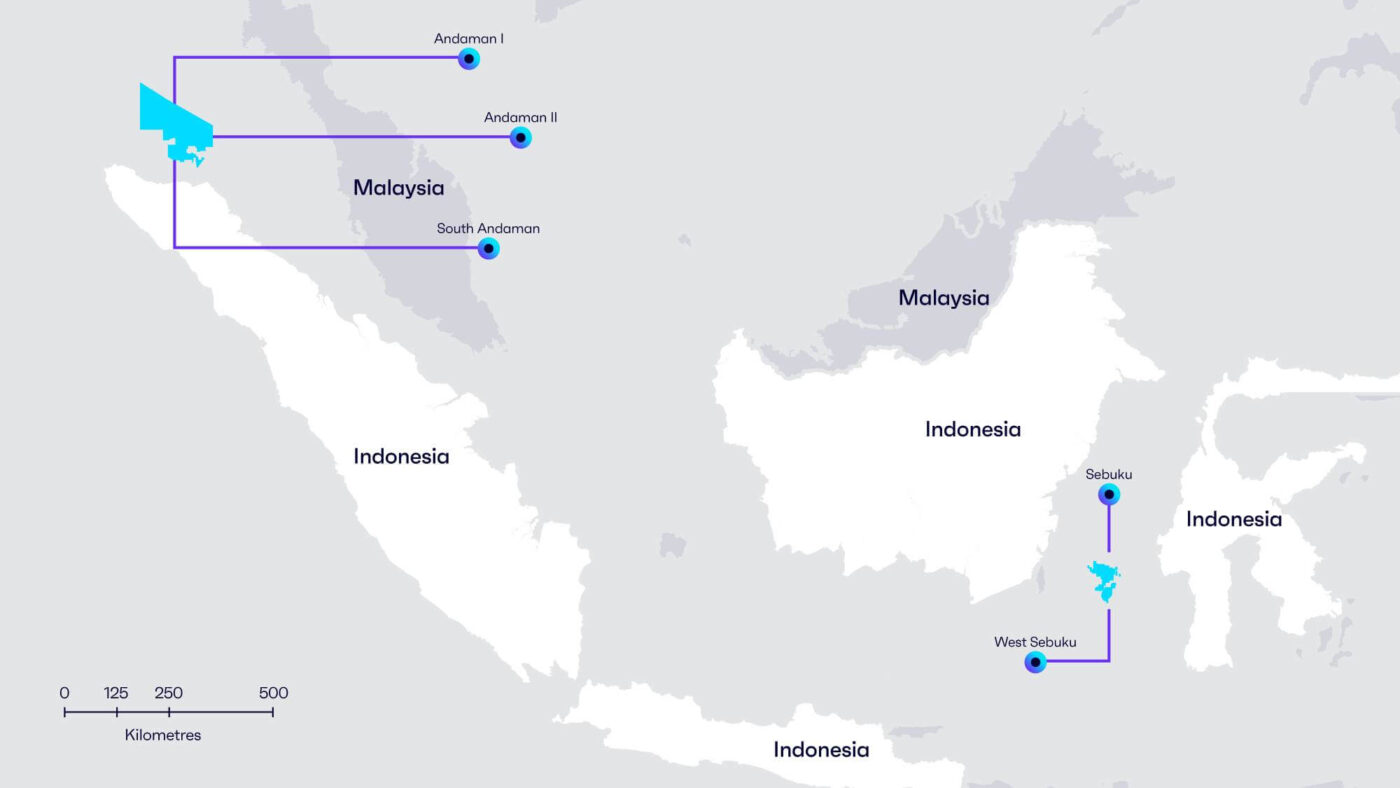
Mubadala Energy, the Abu Dhabi-based international oil and gas firm, has expanded its activities in the Andaman Sea, securing a significant foothold in Indonesia’s energy landscape. The company, alongside its partner Harbour Energy, was awarded the Central Andaman licence by Indonesia’s oil and gas regulator, MIGAS. This move marks a strategic boost for Mubadala, as it increases its influence in one of Southeast Asia’s most promising offshore basins.

Mubadala now holds a 40% stake in the Central Andaman block, with Harbour Energy leading operations with a 60% interest. The award followed the Indonesian government’s recent licensing round, where international energy firms competed for access to the region’s untapped potential. The Andaman Sea, known for its deep-water prospects, has attracted increased interest due to its significant reserves of hydrocarbons.

Building on this momentum, Mubadala has also completed an extensive drilling campaign in the South Andaman area. The campaign appraised multiple wells, including the successful Layaran and Tangkulo discoveries. These results highlight the Andaman Sea’s potential, with estimates suggesting multi-trillion cubic feet (TCF) of gas in place. The appraisal, which involved advanced deep-water drilling technologies, was seen as a major win for the company, further strengthening its long-term energy strategy in Southeast Asia.

Adnan Bu Fateem, Mubadala Energy’s Chief Operating Officer, emphasized the significance of the Central Andaman block, noting that the successful bid will open further opportunities in the region. Bu Fateem underscored the company’s operational expertise and familiarity with the basin as key factors that will enable Mubadala to maximize the area’s energy potential. As Indonesia continues to focus on energy security and the transition to cleaner energy sources, this development could play a vital role in meeting the country’s growing energy demands.

In addition to resource extraction, Mubadala Energy is poised to contribute to Indonesia’s broader energy strategy, which includes a push for gas as a transitional fuel. Gas, seen as a cleaner alternative to coal, remains central to Indonesia’s energy mix, and developments in the Andaman Sea could become crucial to maintaining supply.

Abdulla Bu Ali, President Director for Indonesia at Mubadala Energy, highlighted the success of the South Andaman drilling campaign, stressing that the safe and efficient completion of the operation was an important milestone. He reiterated that Mubadala’s findings would play a pivotal role in supporting both Indonesia’s energy needs and its transition to cleaner sources. Bu Ali added that the resources discovered during the campaign could become a cornerstone of Southeast Asia’s gas supply.

Looking forward, Mubadala is already planning its next steps in turning the South and Central Andaman blocks into production hubs. The company is formulating strategies to expedite the development of these fields, with a focus on delivering gas to regional markets. If fully developed, these assets could significantly alter the energy map of Southeast Asia, with implications for both domestic consumption and export to neighboring countries.

The UAE’s ambitious high-speed rail initiative has officially entered its prequalification stage, marking a significant step toward transforming the country’s transport infrastructure. This development follows the recent unveiling of a strategic plan to revolutionize rail travel across the United Arab Emirates.

Etihad Rail, the state-owned company spearheading the project, is inviting companies to submit their qualifications to participate in the development of the rail network. This marks a pivotal moment as the UAE aims to introduce a high-speed rail system that will significantly enhance connectivity between key cities and economic hubs.

The high-speed rail project is part of a broader vision to modernize the UAE’s transportation infrastructure, reduce road congestion, and promote sustainable travel options. When completed, it is expected to link major cities including Abu Dhabi, Dubai, and Sharjah, and extend to other Gulf Cooperation Council (GCC) countries, enhancing regional connectivity.

This initiative is not just about speed but also about efficiency and sustainability. The planned rail network will feature state-of-the-art technology aimed at providing a reliable and eco-friendly alternative to conventional transportation methods. The project underscores the UAE’s commitment to sustainable development and its ambition to become a leading player in global transport innovation.

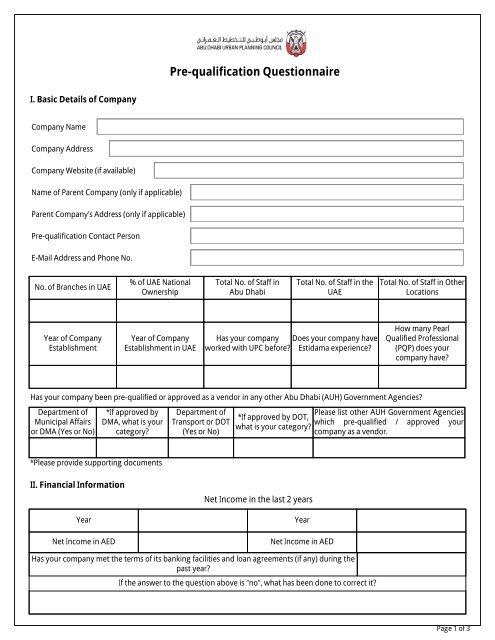
The prequalification process is crucial for ensuring that only the most capable and experienced companies are involved in the project. Etihad Rail is seeking firms with proven expertise in high-speed rail systems, construction, and project management. This phase will help identify and shortlist potential partners who can contribute to the successful delivery of the rail network.

The high-speed rail system is expected to have a transformative impact on the UAE’s economy. By improving transportation efficiency, it will facilitate better movement of goods and people, potentially boosting economic activities and reducing travel time significantly. This aligns with the UAE’s broader economic diversification strategy, which aims to reduce reliance on oil revenues and foster growth in other sectors.

Key players in the global rail industry are closely watching the progress of this project. Companies from Europe, Asia, and the Americas are anticipated to show interest, bringing a wealth of international experience and technological advancements to the table. This influx of expertise will be crucial for the successful implementation of such an ambitious undertaking.

The UAE’s commitment to high-speed rail reflects a broader trend in the region towards investing in advanced infrastructure projects. Similar initiatives are underway in neighboring countries, with the aim of creating a cohesive and integrated transport network across the GCC. The UAE’s project is poised to set a benchmark for other nations in the region and beyond.

As the prequalification phase progresses, it will be essential for Etihad Rail to ensure transparency and fairness in the selection process. This will help build trust among potential partners and stakeholders and pave the way for a successful collaboration. The project’s success will not only enhance the UAE’s transportation infrastructure but also contribute to its economic and environmental goals.

Saudi Arabia’s debt market is set to surpass $500 billion, according to Fitch Ratings, driven by a surge in government borrowing and increased investor appetite. This milestone reflects the Kingdom’s evolving financial landscape as it continues to implement its Vision 2030 reforms and diversify its economy away from oil dependency. Fitch’s forecast highlights the Kingdom’s substantial shift in fiscal strategy. The government’s borrowing has intensified in recent […]

A sharp decline in oil prices has bolstered prospects for a more stable global economic landscape. Falling into the $60s per barrel range, the price of crude oil is offering economies around the world some breathing room amid a complex economic environment marked by geopolitical tensions and inflationary pressures. As oil prices retreat from their earlier highs, this shift provides a critical cushion for economies grappling with […]

Saudi Arabia’s Vision 2030 initiative, a comprehensive plan aimed at diversifying the nation’s economy away from oil dependency, has seen its portfolio of projects reach an impressive valuation of $1.3 trillion. This substantial figure reflects the ambitious scale and economic impact of the country’s efforts to transform its infrastructure, technology, and business sectors by 2030.

Among the most notable projects under this vision is the NEOM megacity, a $500 billion endeavor designed to be a hub for innovation, technology, and sustainable living. NEOM will stretch across 10,230 square miles, integrating artificial intelligence, robotics, and renewable energy sources to create a futuristic urban environment. The city is expected to drive significant economic growth and attract international investors and technology firms.

Another significant element is the Red Sea Project, an extensive tourism development plan set to transform the coastline into a luxury travel destination. With an estimated value of $10 billion, this project aims to develop 50 islands and a series of high-end resorts, enhancing Saudi Arabia’s position in the global tourism market. This development is aligned with the broader goal of increasing the tourism sector’s contribution to the national economy.

The King Salman Park, a $23 billion initiative, represents a major urban development project. Spanning 13.4 square miles in Riyadh, the park will feature green spaces, recreational areas, and cultural facilities, designed to improve the quality of life for residents and support Saudi Arabia’s environmental and sustainability goals.

Significant investment is also flowing into the entertainment and cultural sectors. The $15 billion Qiddiya project is set to become a leading entertainment and cultural hub, incorporating theme parks, sports facilities, and cultural venues. This project aims to diversify Saudi Arabia’s entertainment offerings and attract tourists from around the world.

In the energy sector, the Saudi Arabian Oil Company (Aramco) is spearheading several major initiatives to invest in renewable energy and technology. The company’s investments are part of a broader strategy to reduce reliance on oil and position itself as a global leader in energy innovation. This includes substantial funding towards solar and wind energy projects, as well as advancements in hydrogen fuel technology.

The development of the Saudi Arabian Industrial Investments Company (SAIIC) is another crucial aspect of Vision 2030. SAIIC’s focus is on fostering the growth of new industrial sectors and attracting foreign investment into Saudi Arabia’s manufacturing and high-tech industries. This includes significant investments in sectors such as aerospace, automotive, and electronics.

Education and research are also pivotal in the Vision 2030 framework. The establishment of new universities and research centers, such as the King Abdullah University of Science and Technology (KAUST), represents a $15 billion investment in developing a knowledge-based economy. These institutions are aimed at fostering innovation and supporting the country’s shift towards high-value industries.

The real estate sector is booming as well, with significant investments flowing into residential and commercial developments. Mega-projects like the Riyadh Metro, a $23 billion investment, are designed to address urban congestion and improve public transportation infrastructure. The metro system is expected to enhance connectivity within the city and support the broader goals of urban development and sustainability.

In addition to these major projects, the Vision 2030 initiative includes numerous smaller-scale projects aimed at improving various aspects of daily life, including healthcare, education, and public services. These projects collectively contribute to the overarching goal of transforming Saudi Arabia into a global investment powerhouse and a leading example of modern economic diversification.

The success of Vision 2030 will largely depend on the effective implementation and management of these diverse projects. The Saudi government has been actively seeking international partnerships and investments to support its ambitious plans. This includes efforts to enhance regulatory frameworks, streamline business processes, and create an environment conducive to growth and innovation.

The Dubai Integrated Economic Zones Authority (DIEZ) has reported substantial growth in the first half of 2024, showcasing strong performance across all its business sectors. Marked by rising occupancy rates and improved key strategic indicators, the authority has bolstered its position as a key player in the region’s economic landscape. This growth mirrors Dubai’s ongoing efforts to strengthen its position as a global business hub and attract more investments in line with its long-term strategic goals.

The DIEZ, which oversees several major business districts in Dubai, including Dubai Airport Freezone (DAFZ), Dubai Silicon Oasis (DSO), and Dubai CommerCity, highlighted increased demand for commercial space, enhanced business activities, and the continuous expansion of its service offerings. These factors have collectively contributed to the robust financial performance recorded during the first half of 2024, further reinforcing Dubai’s image as a leading destination for global businesses.

As of mid-2024, DIEZ’s combined occupancy rates have surged, particularly in key sectors such as logistics, technology, and e-commerce. The consistent demand for warehousing and office space, coupled with the influx of businesses across these sectors, has significantly contributed to DIEZ’s outstanding performance. The growth in these sectors has been driven by the global trend of digital transformation, which has accelerated since 2020, alongside increasing demand for efficient logistics and e-commerce solutions in the region.

Dubai’s strategic location, its favorable regulatory environment, and the advanced infrastructure provided by DIEZ continue to be instrumental in attracting foreign direct investment (FDI). This aligns with the Emirate’s broader economic vision to diversify its economy beyond oil and solidify its standing as a leading center for business, trade, and innovation. The growth DIEZ has witnessed is reflective of the larger economic trajectory of Dubai, which has been experiencing sustained economic recovery and growth following the global pandemic.

DIEZ’s leadership has pointed to the authority’s ongoing efforts to provide innovative and future-ready solutions as a critical factor in its success. The organization’s strategic initiatives to offer tailored support for businesses, including customized packages for start-ups and small and medium-sized enterprises (SMEs), have played a vital role in attracting both local and international companies to establish operations within its zones. These efforts have been supported by Dubai’s strategic focus on creating a business-friendly environment with competitive incentives.

One of the primary areas of growth has been Dubai Silicon Oasis, which has emerged as a critical hub for technology-driven companies. The technology park has seen an influx of businesses involved in sectors ranging from software development to artificial intelligence and advanced robotics. The availability of cutting-edge infrastructure and high-tech facilities at DSO has helped the zone capture the interest of both established global players and emerging tech firms. This surge in business activity at DSO mirrors the broader global demand for tech-driven solutions across industries.

Dubai Airport Freezone (DAFZ), which primarily caters to logistics, aviation, and trade companies, has similarly benefited from the ongoing recovery of global trade. The rebound in the aviation sector, coupled with the rise in demand for logistics services, has helped DAFZ maintain high occupancy rates throughout the first half of 2024. The zone’s proximity to Dubai International Airport has also been a major advantage, enabling companies to benefit from streamlined import-export operations, which have played a critical role in supporting the supply chain needs of businesses operating within the free zone.

Another key contributor to DIEZ’s strong performance has been Dubai CommerCity, which has positioned itself as a specialized e-commerce hub within the region. As e-commerce continues to flourish, with both regional and international companies expanding their operations, the zone has seen significant demand for its tailored e-commerce solutions, including logistics support, technology infrastructure, and marketing services. The strong performance of Dubai CommerCity highlights the growing importance of the e-commerce sector, which has seen tremendous growth globally and regionally, fueled by changing consumer behaviors and the increasing prevalence of online shopping.

DIEZ has also taken significant steps toward sustainability and innovation, which have contributed to its growing appeal to businesses focused on environmental, social, and governance (ESG) goals. The organization has implemented several initiatives aimed at reducing carbon emissions, enhancing energy efficiency, and promoting green technologies within its economic zones. These initiatives align with Dubai’s broader goals of becoming a leader in sustainable development and reducing its carbon footprint in line with the UAE’s national agenda for sustainability.

As a result of these various factors, DIEZ has managed to attract a wide range of businesses from different industries, all of which are contributing to the economic vitality of the Emirate. The growth seen across DIEZ’s portfolio reflects the broader diversification of Dubai’s economy and its continued transition towards becoming a global leader in technology, logistics, and trade. The authority has outlined plans to further expand its offerings and infrastructure, signaling continued growth for the remainder of 2024 and beyond.

Advertisements
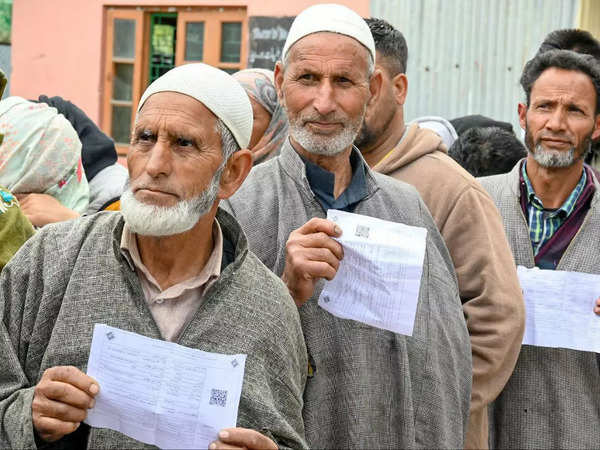
By Dr. Gyan Pathak It is an open secret, but never admitted, that political parties in power often get some candidates contest elections to effect division in opposition votes to facilitate easy win for their own candidates. The “election strategy of the proxy” in Jammu and Kashmir is witnessing some other dimensions added to it: […]

Rumble, a video-sharing platform known for its lenient stance on content moderation, has been barred from operating in Brazil. The ban marks a significant escalation in global regulatory actions against the platform, which is also restricted in France, Russia, and China. The decision by Brazilian authorities follows a wave of legal and political challenges faced by Rumble across various jurisdictions. In Brazil, the ban was announced after […]

British advertising mogul Martin Sorrell’s investment company, S4 Capital, is relocating its headquarters for its Middle Eastern operations from Dubai to Riyadh, Saudi Arabia. The move signifies a strategic pivot as the company aims to tap into Saudi Arabia’s burgeoning market and align with the kingdom’s ambitious Vision 2030 plan, which seeks to diversify its economy away from oil dependency. The decision to shift the headquarters comes […]

Arabian Post Staff -Dubai Oil prices are expected to hover between $60 and $70 per barrel as major global commodity traders Gunvor and Trafigura project a continued pressure on the market. This forecast, announced during a conference, reflects persistent concerns over sluggish demand from China and an ongoing global oversupply. Despite previous expectations that summer would bolster oil prices, the market has faced significant challenges. Oil prices […]

Abu Dhabi’s state-owned holding company ADQ has assumed responsibility for managing two critical urban mobility systems in the emirate, DARB and Mawaqif. This decision marks a significant move within the UAE’s capital as part of ADQ’s ongoing strategy to consolidate its influence across key sectors, including transport and infrastructure. With ADQ at the helm, the management of these systems is expected to enhance efficiency, integrate technological advancements, and drive further development across the region’s mobility infrastructure.

The acquisition of DARB and Mawaqif, which manage road tolls and public parking respectively, signifies a larger push toward creating an interconnected transportation ecosystem in Abu Dhabi. The integration of these platforms under ADQ aims to bolster the emirate’s urban mobility framework, aligning with broader objectives to position Abu Dhabi as a leader in smart city development. The transition is being seen as a major step towards modernizing the city’s infrastructure while ensuring sustainability and ease of mobility for residents.

DARB, the road toll system in Abu Dhabi, was introduced as part of an initiative to reduce traffic congestion and promote the use of alternative transportation methods. The toll system uses automated technology to charge drivers passing through designated gates without requiring any physical tollbooths. This shift toward automation aligns with ADQ’s broader agenda of adopting cutting-edge solutions to enhance public services. The company is expected to focus on improving the technological framework of DARB, making it more user-friendly and efficient.

Mawaqif, on the other hand, is Abu Dhabi’s public parking management system, ensuring that parking spaces are utilized effectively across the city. The system operates through an integrated technology platform that allows residents and visitors to manage parking payments seamlessly through mobile applications and online systems. With ADQ assuming control of Mawaqif, there is speculation that the system could see further integration with other smart city services, enhancing the overall user experience and contributing to the wider development of a unified, technologically advanced infrastructure.

This move fits into ADQ’s long-term plan of building cluster ecosystems, where interconnected industries and services work cohesively to foster growth. The entity has been instrumental in managing a diverse portfolio that includes healthcare, energy, logistics, and utilities. By taking control of DARB and Mawaqif, ADQ is consolidating its role in the urban planning and development space, ensuring that these systems contribute meaningfully to the emirate’s economic and social objectives.

Moreover, ADQ’s involvement in the transportation sector underlines the company’s commitment to aligning its activities with the UAE’s national vision, which emphasizes sustainability, technological innovation, and efficient public services. The integration of DARB and Mawaqif under a single managerial entity allows for streamlined decision-making, faster implementation of improvements, and better coordination between different urban mobility projects. ADQ’s history of successfully managing large-scale projects also boosts confidence in the future of these systems, particularly in terms of reliability and technological advancement.

As the emirate continues to expand, ensuring a sustainable and efficient transport system remains critical. Abu Dhabi has been heavily investing in smart infrastructure, and the transportation sector is a central pillar of these developments. ADQ’s takeover of DARB and Mawaqif will likely bring in significant improvements, especially in terms of adopting newer technologies such as AI-driven traffic management and real-time data analytics. These innovations could lead to optimized traffic flow, better management of urban spaces, and an enhanced quality of life for residents.

Additionally, this transition reflects a broader trend in the region, where governmental entities are increasingly collaborating with semi-autonomous holding companies like ADQ to implement large-scale infrastructure projects. This approach allows for better flexibility in execution while ensuring that public services remain in line with the country’s long-term strategic objectives. The growing influence of such entities, including ADQ, is seen as a key driver of economic diversification in the UAE, reducing dependency on oil revenues and fostering growth in other critical sectors.

While the exact financial details of ADQ’s takeover of DARB and Mawaqif have not been disclosed, industry analysts suggest that the move could lead to a significant increase in revenue generation for the holding company, particularly as the systems expand their scope in the coming years. Both DARB and Mawaqif are essential to Abu Dhabi’s day-to-day urban management, affecting millions of residents and commuters. By streamlining the operations of these systems, ADQ is positioned to ensure that they operate more efficiently and continue to meet the growing demands of the city.

The leadership transition is being watched closely by industry experts, who believe that ADQ’s role could extend beyond operational management to involve strategic decision-making on future expansions of the mobility infrastructure. This could include initiatives such as expanding public transportation options, integrating electric vehicle (EV) infrastructure, and further leveraging digital platforms to make transportation and parking more accessible. The potential for cross-sector collaboration, especially with ADQ’s involvement in utilities and logistics, opens the door to even more comprehensive urban planning initiatives in the future.

Oman is set to make waves in the Gulf region’s financial markets with the largest initial public offering (IPO) in the country’s history. Oman’s state energy company OQ SAOC has announced plans to raise approximately $2 billion by selling a 25% stake in its exploration and production unit, OQ Exploration & Production SAOG (OQEP). The valuation of the entire OQEP business could reach around $8 billion, based […]

The United Arab Emirates has completed its first-ever successful test flights of High-Altitude Pseudo-Satellites (HAPS), marking a significant milestone in the country’s efforts to become a global leader in advanced aerospace technologies. The HAPS flights, carried out in the UAE’s desert regions, offer groundbreaking potential for long-duration aerial monitoring, communication, and surveillance operations at high altitudes, a capability that could revolutionize industries ranging from agriculture to national […]

The UAE’s economy experienced a 3.4% growth year-on-year in the first quarter of 2024, reaching a total of $117.1 billion (Dhs430 billion), according to data released by the Federal Competitiveness and Statistics Centre. This growth reflects a robust performance across various sectors, with non-oil GDP increasing by 4% during the same period.

The expansion highlights the UAE’s continued economic resilience and diversification efforts. The growth rate, though slightly lower than previous peaks, demonstrates a stable economic trajectory amid global uncertainties and evolving market conditions. The non-oil sector’s performance is particularly noteworthy, as it underscores the UAE’s strategic shift away from oil dependence towards a more diversified economic model.

Key sectors contributing to this growth include tourism, technology, and financial services. The tourism sector, buoyed by ongoing investments in infrastructure and global marketing campaigns, has continued to attract international visitors, boosting spending and job creation. Similarly, the technology sector has benefitted from significant investments and innovations, driving both domestic and international interest.

Financial services have also played a crucial role in this economic expansion. The sector’s growth can be attributed to increased lending, higher investment inflows, and a burgeoning fintech industry. This development aligns with the UAE’s strategic vision of becoming a global financial hub, with regulatory reforms and advancements in financial technologies further supporting this goal.

The growth in non-oil GDP reflects a broader trend of economic diversification that has been a central focus of UAE policy over the past decade. Efforts to reduce reliance on hydrocarbons have led to substantial investments in alternative sectors, fostering a more balanced economic environment. This diversification strategy is supported by various government initiatives aimed at enhancing the competitiveness of non-oil sectors and attracting foreign investment.

Despite global economic challenges, including fluctuating oil prices and geopolitical tensions, the UAE’s economy has shown remarkable resilience. The government’s proactive measures, such as economic stimulus packages and infrastructure development, have bolstered economic stability and growth. Additionally, the UAE’s strategic location and business-friendly environment continue to attract international companies and investors.

The economic performance in the first quarter of 2024 is also reflective of ongoing structural reforms and policy adjustments aimed at enhancing the ease of doing business. The UAE has been actively pursuing reforms to streamline regulations, improve transparency, and foster innovation. These measures have contributed to a favorable business climate, encouraging both local and foreign investment.

Furthermore, the growth figures align with the UAE’s Vision 2021 and beyond, which emphasize sustainable development, economic diversification, and technological advancement. The government’s commitment to these goals is evident through various initiatives, including investments in green technologies, smart cities, and digital transformation projects.

By Nantoo Banerjee The oil price decontrol — at first, the retail prices of petrol by the Manmohan Singh-led government in 2010 and, thereafter, diesel prices by the Narendra Modi-led government in 2015 – to link the local retail market prices with global price trends seems to be meant more to mislead the general public […]

Emaar the Economic City (Emaar EC), the developer behind the ambitious King Abdullah Economic City (KAEC) project, has announced a comprehensive capital optimisation strategy valued at 8.7 billion Saudi riyals ($2.32 billion). The plan, which includes restructuring existing debt and reducing the company’s capital, aims to improve the company’s financial standing as it navigates the complexities of developing one of the region’s largest economic hubs. Emaar EC’s […]

Abu Dhabi Crown Prince Sheikh Khaled bin Mohamed bin Zayed Al Nahyan is scheduled to travel to India for a state visit on Sunday, September 8, where he will engage in high-level talks with Prime Minister Narendra Modi in New Delhi. The visit marks a significant step in the growing bilateral relationship between the UAE and India, and it is Sheikh Khaled’s first visit to the country since assuming the position of Crown Prince of Abu Dhabi. The meeting will focus on advancing strategic ties, with an emphasis on key economic sectors that are mutually beneficial.

AvanStrate Inc. will chart new growth path with high-tech display products across industries to meet increasing global demand. MUMBAI, INDIA – Media OutReach Newswire – 5 September 2024 – Vedanta Limited announced that the display glass business is set to grow 10x after consolidating its holding in AvanStrate Inc. (ASI), a Japanese display glass manufacturer, to 98%, following the acquisition of 46.57% equity from Hoya Corporation. ASI […]

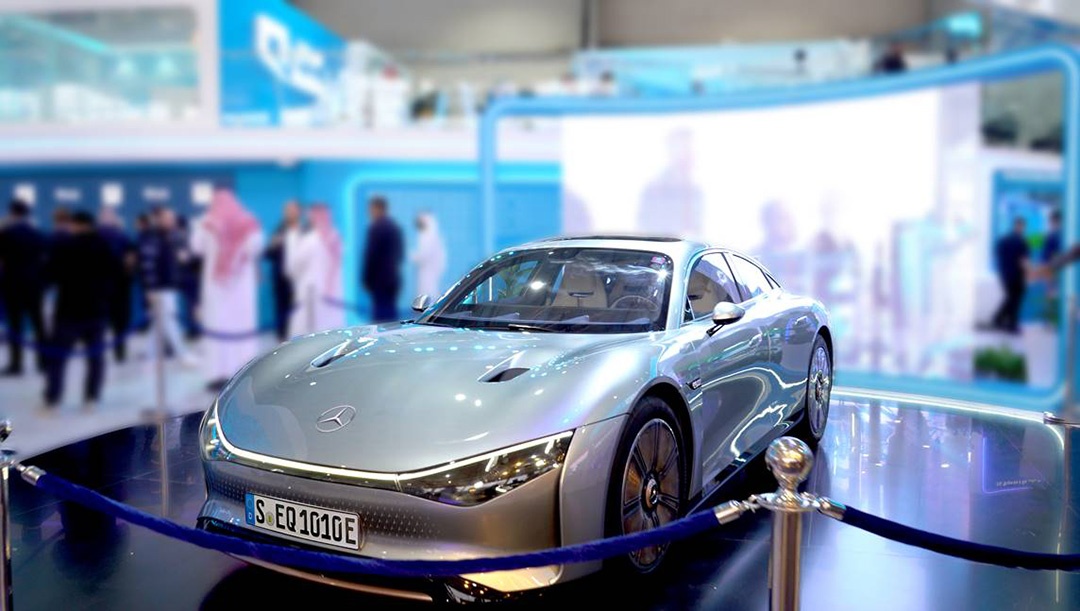
Saudi Arabia’s push towards sustainability and a clean energy future will take center stage at the EV Auto Show 2024, one of the most significant gatherings for the electric vehicle (EV) industry in the Middle East. From September 17th to 19th, the Riyadh International Convention and Exhibition Centre will host automakers, industry experts, and technology innovators from around the world. As the nation seeks to reduce its dependence on fossil fuels, this event marks a key moment in advancing electric mobility in the region.

The EV Auto Show 2024 is expected to attract some of the biggest names in electric vehicle manufacturing, as well as developers of charging infrastructure and related technologies. These participants will be instrumental in Saudi Arabia’s ambitious goals to become a global leader in sustainable energy. The event is more than a showcase of cutting-edge EV models; it represents a broader initiative aligned with the Kingdom’s Vision 2030 plan to diversify its economy and promote environmental responsibility.

Among the most anticipated exhibits are electric cars, commercial trucks, buses, and motorcycles that promise to reshape Saudi Arabia’s automotive landscape. Automakers from across Europe, the US, and Asia will be presenting their latest EV models, reflecting the global momentum in the shift towards electric transportation. Some companies are expected to unveil new vehicles tailored specifically to the needs of the Gulf region, focusing on extreme climate durability, high-performance batteries, and long-range capabilities that meet the challenges posed by the vast Saudi landscape.

Saudi Arabia’s commitment to electric vehicles has been clear over the past few years, as the Kingdom invests heavily in building EV infrastructure. Recent partnerships between the Saudi government and international EV manufacturers have already set the stage for increased local production and assembly of electric vehicles. The show is poised to bring these efforts into sharper focus, with an emphasis on collaborative innovation.

Several regional and international brands will showcase their EV charging solutions at the event. Saudi-based energy firms and multinational companies will demonstrate cutting-edge charging technologies and battery solutions, focusing on both residential and commercial applications. These technologies are pivotal for the growth of the EV market, as reliable and widespread charging infrastructure remains a key challenge in Saudi Arabia’s transition to electric vehicles. The event will feature panels on overcoming these hurdles, with industry leaders and government officials expected to discuss strategies for expanding the country’s EV charging network.

Energy and technology companies are increasingly looking at ways to integrate EVs with renewable energy sources such as solar power. Saudi Arabia’s abundant sunlight presents a significant opportunity to harness clean energy for EVs, reducing both emissions and energy costs in the long term. At the show, experts will discuss how solar-powered EV charging stations can support the country’s sustainability goals, especially as the Kingdom ramps up investment in its burgeoning solar industry.

Key figures in Saudi Arabia’s automotive and energy sectors have noted that the transition to electric vehicles is no longer a distant goal but an immediate priority. The EV Auto Show is expected to catalyze both consumer interest and industry momentum, with stakeholders eager to capitalize on the growing demand for sustainable transportation options. With gasoline prices fluctuating and global environmental policies tightening, EV adoption is not just a matter of preference but a strategic imperative for the Kingdom.

Public interest in electric vehicles has surged across Saudi Arabia, particularly among younger consumers who are increasingly aware of the environmental impacts of traditional gasoline-powered cars. To meet this rising demand, several local companies are making strides in EV development and marketing. In particular, Saudi Arabia’s own Public Investment Fund (PIF) has invested billions in Lucid Motors, a leading American EV manufacturer. Lucid has already established a production facility in King Abdullah Economic City (KAEC), marking a major milestone in local EV manufacturing. The partnership is seen as a crucial step in positioning the Kingdom as a future hub for electric vehicle production in the region.

Beyond private investment, government support for EVs in Saudi Arabia has been robust. In line with Vision 2030, the Saudi government has implemented policies designed to encourage both manufacturers and consumers to embrace electric mobility. Incentives such as tax breaks for EV buyers, subsidies for local manufacturers, and government contracts for EV fleets are just some of the measures aimed at fostering a supportive environment for the industry’s growth. These policies, coupled with investments in renewable energy, are part of a broader strategy to position the Kingdom as a leader in the clean energy transition.

The environmental impact of EV adoption is also a significant consideration for Saudi Arabia. While the country is one of the largest producers of oil globally, its leaders are keen to diversify its energy sources to ensure long-term sustainability. Reducing emissions from transportation is a key component of this strategy, as the sector accounts for a considerable portion of the country’s carbon footprint. With electric vehicles seen as a crucial solution to lowering emissions, the EV Auto Show serves as a platform to demonstrate the feasibility and necessity of electric mobility in achieving Saudi Arabia’s environmental goals.

Bahrain’s Economic Development Board (EDB) is set to embark on a multi-city tour across India, aiming to deepen bilateral ties and strengthen economic collaboration. The initiative, scheduled for September 9-14, comes as part of Bahrain’s broader efforts to attract investments and enhance partnerships across key sectors. Spearheaded by Noor bint Ali Al Khulaif, Bahrain’s Minister of Sustainable Development and Chief Executive of the EDB, the delegation will engage with top Indian business leaders, investors, and policymakers in Mumbai, New Delhi, Bengaluru, and Hyderabad.

Bahrain’s move to engage directly with India underscores the increasing significance of bilateral relations between the two countries. India, a rapidly growing economy and a key player in global trade, has been identified as a strategic partner for Bahrain’s economic ambitions. The tour is expected to showcase the Gulf nation’s business-friendly environment, investment opportunities, and the diverse sectors open to collaboration, including finance, manufacturing, technology, and logistics.

The Bahrain Economic Development Board, responsible for promoting investment in the Kingdom, has been working to position Bahrain as a hub for international businesses seeking a foothold in the Middle East and North Africa (MENA) region. By targeting India, Bahrain aims to tap into one of the world’s largest consumer markets and the fast-developing Indian economy, which is increasingly driven by innovation, technology, and industrial growth.

Bahrain’s strategic geographical location, coupled with its investor-friendly regulatory environment, is likely to be a focal point of discussions during the India tour. The Kingdom offers 100% foreign ownership in many sectors, low operational costs, and access to the Gulf Cooperation Council (GCC) market of over 50 million consumers. These advantages are expected to appeal to Indian companies looking to expand their presence in the Gulf region, particularly those involved in sectors such as financial services, logistics, ICT, and manufacturing.

The India visit also marks a significant opportunity for both nations to explore new areas of collaboration, particularly in emerging technologies. Bahrain has positioned itself as a leader in fintech, having launched a number of initiatives in recent years to support the sector. The Kingdom’s regulatory sandbox for fintech startups has attracted numerous international firms, and there is considerable scope for Indian technology companies to collaborate with Bahrain on financial innovation and digital services.

Moreover, Bahrain has been keen to bolster its manufacturing sector, especially in fields such as chemicals, food processing, and aluminum production. India’s robust manufacturing base makes it a natural partner for collaboration in these industries. The visit will likely focus on building synergies in these areas, with discussions centered on how Indian businesses can leverage Bahrain’s competitive edge as a production hub for the GCC market.

The tour will also provide a platform for discussions on sustainable development and climate change. Bahrain, through its Vision 2030 economic plan, has placed sustainability at the heart of its development strategy. Minister Noor bint Ali Al Khulaif, a key proponent of sustainable economic growth, is expected to highlight Bahrain’s initiatives in this area, which align with India’s own commitment to sustainable development. Both countries are signatories to the Paris Agreement and are looking to collaborate on green technologies, renewable energy, and sustainable infrastructure projects.

The Bahrain-India relationship is not limited to trade and investment. The two nations share a long history of cultural and diplomatic ties, with a sizable Indian expatriate community living in Bahrain. These deep-rooted connections are likely to be emphasized during the tour, as both sides seek to build on their historical relationship and foster stronger people-to-people ties.

On the economic front, bilateral trade between Bahrain and India has shown steady growth. According to the latest data, total trade between the two countries stood at around $1.4 billion in 2022. India is among Bahrain’s top trading partners, and there is potential for further expansion in sectors such as hydrocarbons, engineering goods, pharmaceuticals, and food products. Bahrain is also home to several prominent Indian companies, and the EDB’s tour is expected to explore new avenues for Indian firms to increase their presence in the Kingdom.

In addition to meetings with business leaders and investors, the Bahrain delegation is expected to hold discussions with Indian government officials on strengthening bilateral relations. These talks could pave the way for future cooperation agreements in areas such as trade, investment, and technology transfer. The tour aligns with India’s own foreign policy objectives of enhancing relations with Gulf countries, which have become critical economic partners for New Delhi in recent years.

The timing of Bahrain’s outreach to India is also notable, coming at a time when global economic dynamics are shifting. Both nations are looking to diversify their economies and reduce dependence on traditional industries, such as oil and gas. For Bahrain, India represents a key partner in its efforts to modernize and diversify its economic base, while for India, Bahrain provides access to the GCC and MENA markets, which are crucial for India’s energy security and trade.

A significant shake-up is underway in the Saudi retail sector as Investcorp, a prominent global investment firm, is poised to sell its stake in BinDawood Holding, a major player in the kingdom’s retail market. The decision to divest comes as the company aims to streamline its investment portfolio and focus on other strategic areas. This move has sparked considerable interest and speculation regarding the future trajectory of […]

OPEC+ has opted to prolong its production restraint by two months to prevent a looming oil surplus this year. This decision comes as economic indicators show slowing growth in China and increasing supply from the United States, driving crude oil prices to their lowest level in 14 months. The coalition, spearheaded by Saudi Arabia and Russia, announced the extension on Thursday after assessing the current global market […]

UAE-based Harwal Group, a prominent player in the building materials sector, is preparing to merge two of its subsidiaries and subsequently list the newly formed entity on Saudi Arabia’s NOMU market. This strategic move is aimed at capitalizing on the substantial growth opportunities within the Gulf Cooperation Council (GCC) region’s construction sector.

The merger will bring together TSSC KSA and Interplast Riyadh, two key companies within Harwal’s portfolio. Together, these firms generate an annual turnover of approximately SAR 355 million, equivalent to $100 million. This consolidation is expected to streamline operations and enhance market competitiveness, positioning the new entity to leverage the expanding construction opportunities in Saudi Arabia and beyond.

Saudi Arabia’s construction sector has witnessed a significant surge, driven by the country’s Vision 2030 initiative, which includes numerous mega-projects such as NEOM and the Red Sea Project. These projects are designed to diversify the economy away from oil dependence and stimulate substantial infrastructural and commercial growth. Harwal’s strategic entry into the NOMU market aims to position it advantageously to tap into this growth wave.

TSSC KSA, a leader in manufacturing and supplying high-quality building materials, and Interplast Riyadh, known for its innovative plastic solutions, are set to merge their operations. This amalgamation is anticipated to create a more robust and diversified entity, enhancing its ability to meet the increasing demand for construction materials driven by Saudi Arabia’s ambitious infrastructure plans.

By listing on NOMU, the secondary market of the Saudi Stock Exchange (Tadawul), Harwal Group intends to access capital necessary for its GCC expansion strategy. The NOMU market, which caters to small and medium-sized enterprises (SMEs) and provides a platform for growth-focused companies, offers Harwal an opportunity to raise funds and boost its operational capabilities.

The move aligns with a broader trend of increased regional investment in construction and infrastructure. Saudi Arabia’s proactive approach to economic diversification and infrastructure development has attracted significant attention from investors and companies looking to capitalize on the burgeoning market. Harwal’s planned listing on NOMU reflects its confidence in the sustained growth prospects within the region’s construction sector.

Harwal Group’s decision to merge TSSC KSA and Interplast Riyadh and subsequently list the combined entity highlights its strategic focus on enhancing operational efficiency and expanding its market footprint. The merger is expected to create synergies between the two companies, allowing for more streamlined operations and enhanced competitive positioning.

The merger and listing also underscore Harwal’s commitment to expanding its presence in the GCC region. The company aims to leverage its strengthened market position to tap into new opportunities and drive further growth. The listing on NOMU will provide Harwal with the capital necessary to support its expansion plans and invest in new projects, bolstering its ability to meet the evolving demands of the construction sector.

This strategic move comes at a time when the GCC construction sector is experiencing unprecedented growth, fueled by large-scale projects and increasing investments. Harwal’s entry into the NOMU market positions it to benefit from the sector’s expansion and capitalize on emerging opportunities.

VISHNU RAJA
RYO YAMADA
HITORI GOTOH
IKUYO KITA