News related to
Low oil

If you’ve spent the past few months watching the Trump tariff drama unfold, AI stocks become volatile and listening to everyone from your broker to your barista talk about rate cuts and inflation, you might think the only path to investment success in 2025 runs through stocks. But quietly, away from the hype, a growing number of individual investors are making a different move: they’re locking in […]

Saudi Aramco is exploring asset sales to bolster its balance sheet as it navigates declining oil revenues and intensifies its international expansion efforts. The state-owned oil giant has engaged investment banks to propose strategies for monetising its assets, according to individuals familiar with the matter. While specific assets and banks involved remain undisclosed, the move underscores Aramco’s proactive approach to financial management amid market challenges.

The company’s net income fell by 12% to $106.2 billion in 2024, down from $121.3 billion the previous year, primarily due to lower oil prices and reduced production volumes. Consequently, Aramco plans to cut its total dividend payout by nearly a third in 2025, distributing $85.4 billion compared to $124 billion in 2024. This reduction is expected to impact Saudi Arabia’s budget, which heavily relies on Aramco’s dividends to fund its Vision 2030 economic diversification initiative.

In response to these financial pressures, Aramco is actively seeking investors for infrastructure assets in its $100 billion Jafurah gas project, aiming to become a major global natural gas player. The company intends to maintain majority ownership and operational control while attracting external investments to support development. This strategy follows previous deals, including nearly $28 billion raised in 2021 through selling 49% stakes in its oil and gas pipeline subsidiaries.

Aramco’s international expansion includes signing preliminary agreements with U.S. companies valued at up to $90 billion, encompassing sectors such as liquefied natural gas, artificial intelligence, and technology. Key deals involve a 20-year LNG purchase agreement with NextDecade’s Rio Grande LNG export project in Texas and collaborations with ExxonMobil to upgrade the Samref refinery in Saudi Arabia. Additionally, Aramco is in discussions to invest in two new refineries in India, seeking stable markets for its crude amidst increased competition from cheaper sources like Russia.

Despite the dividend cut, Aramco plans capital investments between $52 billion and $58 billion in 2025, focusing on expanding its gas capabilities and integrating its upstream and downstream businesses. The company expects potential operating cash flows of $9 billion to $10 billion from growth in its upstream gas business and $8 billion to $10 billion from its downstream business by 2030.

Aramco’s financial adjustments come amid a broader context of declining oil prices, with Brent crude trading around $70 a barrel, down from approximately $100 three years ago. The company’s performance-linked dividend has seen a significant reduction, reflecting broader struggles in the oil industry. Analysts suggest that Aramco may need to tap into debt markets to finance its dividend and capital expenditure commitments if oil prices remain subdued.

KUALA LUMPUR, MALAYSIA – Media OutReach Newswire – 26 May 2025 – As global crypto markets show increased volatility, traders rethink their risk exposure. One vivid option is contracts for difference (CFDs). Kar Yong Ang, a financial market analyst at Octa broker, shares three reasons crypto traders should adopt CFDs and migrate from traditional exchanges. This year began with a harsh reminder that even the biggest crypto […]

By K Raveendran In his relentless pursuit of what he calls economic nationalism, President Donald Trump’s ‘trade jihad’ is targeting newer and more diverse sectors of the global economy. The latest front in this campaign is the high-tech industry, with a particular focus on smartphone manufacturing. This marks a significant escalation both in terms of […]
By Nitya Chakraborty The political crisis in Bangladesh has reached its flashpoint in the last 48 hours with two opposing groups getting ready for a major confrontation on the issue of holding elections in the country. One side is led by the newly floated party of the students – National Citizens Party (NCP) backed by […]

Abu Dhabi National Oil Company has entered into framework agreements valued at Dhs6 billion with 12 UAE-based manufacturers to produce critical industrial equipment locally. This initiative, part of the “Make it in the Emirates” programme, aims to enhance the resilience of the nation’s supply chain and create up to 1,300 skilled private-sector jobs.

The agreements focus on the domestic production of cables and pressure vessels, essential components in ADNOC’s operations. By localising the manufacturing of these items, ADNOC seeks to ensure timely availability, reduce dependency on international suppliers, and mitigate global supply chain disruptions.

The signing took place during the “Make it in the Emirates” forum in Abu Dhabi, attended by Dr Sultan Ahmed Al Jaber, Minister of Industry and Advanced Technology and ADNOC’s Managing Director and Group CEO. Dr Al Jaber emphasised the importance of strengthening local manufacturing capabilities to support the UAE’s industrial growth and economic diversification.

This move aligns with ADNOC’s broader strategy to stimulate domestic manufacturing. Previously, the company announced agreements with over 60 companies to locally produce critical non-oil products, aiming to manufacture AED70 billion worth of products in its procurement pipeline by 2027. These efforts are expected to create thousands of job opportunities and enhance the resilience of the local supply chain.

In addition to the current agreements, ADNOC has committed over AED20 billion for the procurement of structures and metal products from national companies. This commitment is part of a broader initiative to stimulate industrial growth and create more private-sector jobs for UAE nationals.

The “Make it in the Emirates” initiative, led by the Ministry of Industry and Advanced Technology, aims to position the UAE as a global hub for advanced industry and innovation. The programme encourages local manufacturing, supports the development of national talent, and promotes sustainable industrial practices.

ADNOC’s investment in local manufacturing is complemented by its focus on sustainability and technological innovation. The company has been leveraging artificial intelligence and advanced technologies to optimise operations and reduce emissions. Facilities like the Habshan 5 gas processing plant and Zirku Island offshore operations have been at the forefront of deploying such technologies, contributing to ADNOC’s goal of becoming a low-carbon energy leader.

ADNOC’s In-Country Value programme incentivises suppliers to adopt clean technologies and establish new manufacturing facilities in the UAE. Since its inception, the ICV programme has driven significant investment back into the UAE economy, supporting the nation’s Net Zero by 2050 Strategic Initiative.

The “Make it in the Emirates” forum serves as a platform for collaboration between government entities, industry leaders, and investors. It showcases the UAE’s commitment to fostering a robust industrial sector, enhancing economic resilience, and achieving sustainable growth.

Oil prices are on track for their first weekly decline in over a month, as Brent crude dipped below $64 per barrel and West Texas Intermediate slid under $61. The downturn, marking a fourth consecutive session of losses, is attributed to expectations of increased output from the Organisation of the Petroleum Exporting Countries and its allies , coupled with signs of a global supply surplus. Delegates within […]

Advertisements

Matein Khalid While I never ​ever found diamonds in any coal mine, the truth is​ I never looked since I never really believed that De Beers/James Bond propaganda that diamonds are forever. In fact, my ​i​ndustry sixth sense​ tells me that diamonds are forever – worthless. I guess, my only investment in diamonds was a romantic one when I proposed to my then GF and now proud […]

KUALA LUMPUR, MALAYSIA – Media OutReach Newswire – 23 May 2025 – Asian countries are navigating uncertainty amidst the U.S. tariff pause. The region runs a large trade surplus with the U.S., and many countries’ economies rely heavily on exports. Now, the Asian states have about seven weeks left to negotiate new trade deals with the U.S. Octa Broker looks at the progress made so far and […]

A growing crisis in African agriculture, driven by climate change and biodiversity loss, is jeopardising Europe’s access to essential food imports, including cocoa, coffee, and maize. New research indicates that over half of the European Union’s imports of these staples originate from countries ill-equipped to handle escalating environmental challenges. A report by UK-based consultancy Foresight Transitions reveals that the EU’s dependence on climate-vulnerable nations for key commodities […]

By Sushil Kutty Nobody can beat the Prime Minister in breathing fire at adversaries. Especially, when his ire is directed at Pakistan. The Pakistanis, they can be irritating, damn! But Pakistani newspapers would have spent much of May 22 reworking their scripts after Prime Minister Modi went all out against the Pak Army and the […]

Drone and robotics are evolving industry worldwide as well as in the Middle East where the UAE has taken a leadership role in gradually deploying them in government departments and public facilities – in addition to bringing in driver less vehicles and flying taxis – to transform its urban infrastructure into smart cities where drones, machines, robotics and AI will play a crucial role. The UAE’s General […]

Artificial Intelligence is expected to contribute around US$320 billion to the Middle East’s Gross Domestic Product (GDP) by 2030, with the Gulf Cooperation Council countries accounting for nearly 80 percent of that impact, translating to approximately US$260 billion, according to a latest report by global accounting firm PriceWaterhouseCoopers (PwC). The Gulf Cooperation Council (GCC) countries—Bahrain, Kuwait, Oman, Qatar, Saudi Arabia, and the United Arab Emirates—are at a […]

Abu Dhabi’s aerospace firm Space 42 is set to initiate production of prototype platforms designed to operate at altitudes reaching thousands of metres above the Earth’s surface. This development marks a significant step in the emirate’s growing ambitions within the aerospace sector, targeting near-space exploration and flight operations.

The prototypes will serve as platforms to launch near-space flights, a field that bridges traditional aviation and outer space exploration by operating at the edge of the Earth’s atmosphere. Space 42’s initiative is aligned with broader national goals to position Abu Dhabi and the United Arab Emirates as leaders in aerospace innovation and technology development. The company aims to contribute to the emerging commercial space economy by developing technologies capable of operating in the stratosphere and beyond.

Near-space platforms have a variety of potential applications, ranging from scientific research and atmospheric monitoring to telecommunications and high-altitude surveillance. These platforms can also serve as launchpads for suborbital missions, enabling experimental payloads or commercial ventures to access near-space environments more cost-effectively than traditional rockets.

Space 42 plans to produce the prototypes by the end of the year, employing advanced aerospace engineering and leveraging local expertise alongside international collaborations. The company’s approach involves creating modular, reusable platforms that can carry payloads to high altitudes while maintaining stability and control in the thin upper atmosphere.

Abu Dhabi has invested heavily in aerospace and space-related ventures as part of its strategy to diversify the economy away from oil. Space 42 is among several entities in the emirate focused on fostering innovation and building capabilities in advanced technologies. The move toward near-space flights reflects a global trend where governments and private companies alike are investing in technologies that can bridge the gap between Earth-bound aviation and space travel.

The platforms under development will use cutting-edge materials and propulsion technologies tailored to withstand harsh near-space conditions, including extreme temperature variations and low atmospheric pressure. The prototypes are expected to undergo rigorous testing phases before any commercial or scientific deployments.

Space 42’s project is part of a broader wave of interest in high-altitude platforms worldwide. These platforms offer a middle ground between satellites and aircraft, combining endurance and payload capacity with relative ease of deployment and maintenance. Their ability to provide persistent observation or communication coverage without the high costs associated with orbital launches makes them attractive for various industries.

The company’s initiative aligns with the UAE’s long-term space ambitions, which include Mars exploration, satellite development, and fostering a local space industry ecosystem. By manufacturing these prototype platforms, Space 42 aims to develop a technological edge that can be leveraged for both domestic and international markets.

Industry experts note that near-space platforms could transform how data is collected and transmitted across multiple sectors. They can support environmental monitoring by offering high-resolution data on atmospheric conditions, track climate change indicators, and improve weather prediction models. Telecommunications companies see potential in using such platforms to extend internet coverage to remote areas or enhance network resilience during emergencies.

Globally, the near-space flight market is gaining momentum as new entrants join established aerospace firms in developing technologies for stratospheric operations. Governments are increasingly recognising the strategic importance of controlling near-space assets for national security, scientific advancement, and economic competitiveness.

The production of prototype platforms by Space 42 is expected to position Abu Dhabi as a key player in this expanding field. This move may encourage further investments in research and development, talent acquisition, and infrastructure to support near-space flight activities. The initiative also aligns with the UAE’s vision to be a hub for science and technology innovation in the Middle East.

Space 42 has emphasised the role of sustainability and cost-effectiveness in their design philosophy, aiming to reduce the environmental footprint compared to traditional aerospace operations. Reusability and energy-efficient propulsion systems are central to this strategy, ensuring that the platforms can operate repeatedly without significant resource expenditure.

As the prototypes enter production, the company plans to collaborate with academic institutions, industry partners, and government bodies to validate performance and explore potential applications. This cooperation will be critical to overcoming technical challenges inherent in operating at the edge of space, where conditions differ markedly from those experienced by conventional aircraft.

The near-space platform project reflects a strategic blend of ambition and pragmatism. By focusing on prototype development, Space 42 is taking measured steps toward establishing a presence in an area that promises to grow significantly in importance and economic value. The company’s work contributes to the broader narrative of the UAE’s emergence as a forward-looking aerospace nation, committed to advancing scientific knowledge and commercial capabilities beyond the atmosphere.

While the production timeline anticipates completion before year-end, the path ahead will involve iterative testing and refinement. These phases are crucial to ensure the platforms meet stringent operational standards for safety, reliability, and performance under near-space conditions.

The company’s announcement has drawn attention from industry analysts and potential customers interested in utilising high-altitude platforms for various applications, from telecommunications to defence. The development also signals increasing competition in a sector where innovation and technical mastery are vital.


HOHHOT, CHINA – Media OutReach Newswire – 21 May 2025 – As China’s largest land port, Manzhouli is expanding beyond its traditional role as a “transit station.” By promoting local processing of grain, oil and timber, the city is steadily evolving into a regional industrial hub. An aerial drone photo shows trains for China-Europe freight service at Manzhouli Railway Port in north China’s Inner Mongolia Autonomous Region […]

BEIJING, CHINA – Media OutReach Newswire – 20 May 2025 – On the morning of May 20, the 29th World Gas Conference (WGC2025) opened at the China National Convention Center in Beijing. This marks the first time in the nearly 100-year history of the World Gas Conference that the event is being held in China. As one of the three flagship events of the International Gas Union […]

Step Inside a World of Anime Collectibles, Disney Magic, Travel Must-Haves, DIY Inspiration, and Unique Gifts SINGAPORE – Media OutReach Newswire – 20 May 2025 – OH!SOME, the trendy retail brand popular in Southeast Asia, has officially opened its doors at Suntec City Mall. Known for its stylish and carefully curated global selections, OH!SOME is now introducing four specially themed zones featuring a handpicked collection of lifestyle […]

Global financial markets reeled on Monday following Moody’s Investors Service’s decision to downgrade the United States’ sovereign credit rating from Aaa to Aa1. The move, citing escalating fiscal deficits and a ballooning national debt, has intensified scrutiny over Washington’s economic policies and triggered a wave of investor unease.

The downgrade has led to a sharp rise in U.S. Treasury yields, with the 30-year bond yield climbing to 5.03%, its highest level since November 2023. The 10-year yield also surged to 4.55%, reflecting growing apprehension about the sustainability of U.S. fiscal policy. Concurrently, the U.S. dollar weakened against major currencies, while global equity markets experienced significant declines.

Moody’s action follows the narrow approval of President Donald Trump’s $3.8 trillion tax-cut package by the House Budget Committee. The legislation, which aims to extend the 2017 tax cuts and introduce new reductions on tips and overtime income, is projected to add between $3 trillion and $5 trillion to the national debt over the next decade. Analysts warn that such measures could exacerbate fiscal imbalances and undermine investor confidence.

European markets responded negatively, with the pan-European STOXX 600 index falling by 0.7%, ending a five-week winning streak. Luxury stocks, heavily reliant on Chinese demand, were particularly affected due to disappointing retail sales data from China. In the UK, the FTSE 100 index dropped by 0.8%, while the midcap FTSE 250 fell by 1.3%, influenced by the U.S. credit downgrade and anticipation surrounding a UK-EU summit.

Asian markets mirrored this trend, with key indices declining amid concerns over the U.S. fiscal outlook. The downgrade has also stalled the recent Wall Street rally, with futures dipping and the dollar weakening. Investors are increasingly wary of the U.S.’s rising debt burden and the potential implications for global financial stability.

The concept of “bond vigilantes”—investors who sell off government bonds in response to fiscal irresponsibility—has resurfaced. Analysts caution that if yields continue to rise, it could lead to instability in both bond and stock markets, potentially forcing the Federal Reserve to intervene. Some foresee a scenario where yields could exceed 6%, posing significant risks to economic growth.

Moody’s downgrade aligns the U.S. with other major economies that have lost their triple-A ratings, such as the UK and France. The agency projects that the U.S. debt-to-GDP ratio could reach 134% by 2035, up from 98% last year. The federal deficit, currently at 6.4% of GDP, is expected to rise to 9% by 2035, driven by increased interest payments and entitlement spending.

Despite these warnings, Treasury Secretary Scott Bessent dismissed the downgrade, asserting that the tax cuts would spur economic growth sufficient to offset the increased debt. However, nonpartisan analysts and some lawmakers express skepticism, highlighting the lack of substantial spending cuts or new revenue measures to balance the budget.

The political landscape remains divided, with hardline Republicans advocating for deeper cuts to programs like Medicaid and the repeal of green tax credits. Moderate Republicans and some senators oppose such measures, citing potential harm to vulnerable populations and the broader economy. The proposed cuts could result in 8.6 million people losing Medicaid coverage, raising concerns about the social impact of fiscal austerity.

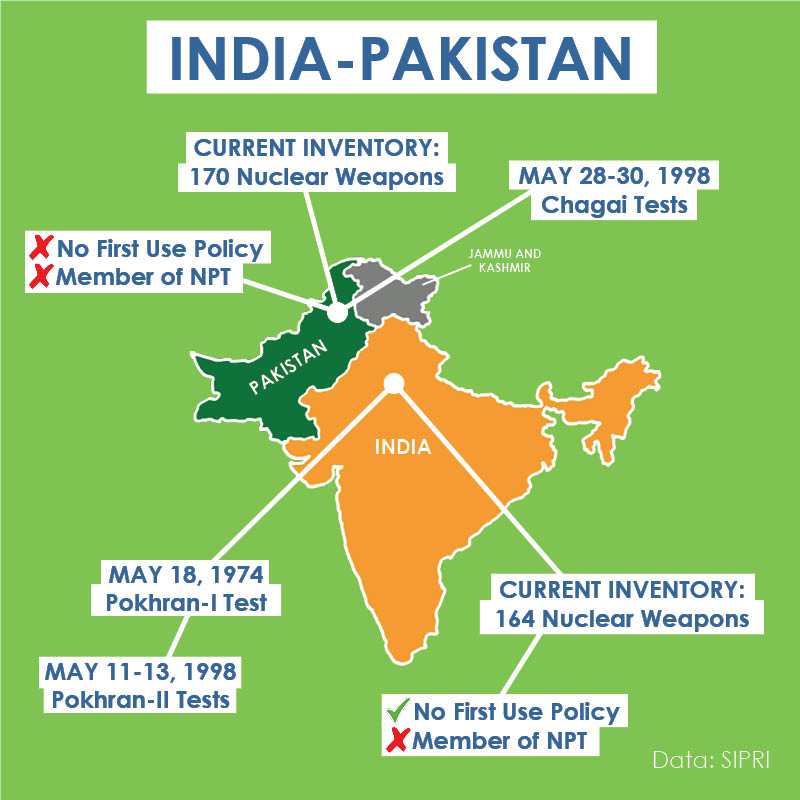
By Nantoo Banerjee It may be good that the latest armed conflict between India and Pakistan ended quickly before it could blow up into a full-scale war leading to massive destruction of life and property and economic disaster in both the countries – maybe more so in Pakistan than in India. However, the abrupt end […]

Saudi Basic Industries Corporation is advancing plans to list its gas subsidiary, National Industrial Gases Company , potentially within the current year. The Riyadh-based industrial giant is in early-stage talks with major financial advisers, including Lazard Inc., HSBC Holdings, JPMorgan Chase & Co., and Morgan Stanley, aiming to navigate the initial public offering process. This move reflects SABIC’s strategic intent to unlock value from its non-core assets […]

Abu Dhabi National Oil Company has granted contracts totaling Dh65.7 billion to nearly 400 local suppliers, contractors, and service providers during the first half of 2025. This extensive award reflects ADNOC’s ongoing commitment to strengthening the United Arab Emirates’ economy through its In-Country Value programme, which aims to bolster domestic industries and national supply chains. The contracts cover a diverse range of sectors vital to ADNOC’s operations, […]

Dubai’s real estate sector, having witnessed a remarkable 70 percent surge in property values over four years, is increasingly attracting the attention of major Wall Street investors, signalling a fresh wave of international capital flowing into the market. Among those showing strong interest is Brookfield Corp., a prominent global asset manager, which is reportedly considering a significant residential project in the Dubai Hills district. This potential move marks Brookfield’s first foray into the region’s residential property market, highlighting confidence in Dubai’s continued urban growth and economic resilience.

The Dubai Hills area, known for its integrated community developments blending residential, commercial, and leisure spaces, has become a prime target for investors aiming to capitalise on the emirate’s strategic location and expanding infrastructure. Brookfield’s plans reportedly focus on creating a mixed-use community, aligning with the city’s broader vision of enhancing livability and attracting diverse demographics including expatriates, business professionals, and families. This development would add to the already dynamic residential landscape that has benefitted from Dubai’s liberal property ownership laws and tax-friendly environment.

Singapore-based Temasek Holdings Pte., through one of its property management subsidiaries, is also actively scouting investment opportunities in Dubai, reflecting growing confidence from Asian institutional investors. Temasek’s involvement would bring considerable financial firepower and experience in managing large-scale real estate assets, further validating Dubai’s position as a regional hub for property investment. The company is reportedly assessing a range of options from commercial towers to high-end residential complexes, keen on leveraging Dubai’s status as a global financial and tourism centre.

The surge in property values has been driven by a confluence of factors including Dubai’s rapid economic diversification away from oil dependence, the government’s successful rollout of major infrastructure projects, and the city’s appeal as a safe haven for wealth amid geopolitical uncertainties. The Expo 2020 event, although delayed to 2021 due to the pandemic, had a notable impact in energising the real estate market, with sustained interest seen in areas like Dubai Marina, Downtown Dubai, and Palm Jumeirah.

Experts suggest that Dubai’s regulatory framework, which includes long-term visas for property investors and entrepreneurs, has created an inviting climate for foreign capital. This has been complemented by a steady increase in expatriate population, fostering demand for rental properties and driving rental yields. The UAE’s ongoing focus on enhancing its financial services sector and promoting innovation and technology hubs further supports long-term real estate demand.

Despite the enthusiasm, the market is not without challenges. Some analysts caution that the sharp rise in prices over a short period raises concerns about affordability and potential market overheating. The post-pandemic recovery phase has also exposed vulnerabilities such as fluctuating oil prices and shifting global economic conditions, which could affect investor sentiment. Additionally, the emergence of remote working trends may reshape residential preferences, potentially influencing demand patterns in Dubai’s real estate sector.

Brookfield’s possible entry into the residential segment is seen as a strategic bet that reflects confidence in Dubai’s ability to maintain its growth trajectory. The company’s expertise in infrastructure and real estate investment positions it well to navigate the complex regulatory and operational landscape of the region. Industry insiders point out that such high-profile involvement could encourage further inflows of private equity and institutional capital, contributing to market stability and innovation in property development.

Temasek’s active exploration in Dubai also underscores the emirate’s rising prominence on the Asian investment radar. The city’s connectivity, free-trade zones, and business-friendly policies make it an attractive gateway for investors seeking exposure to the Middle East, Africa, and South Asia markets. Temasek’s investment approach, typically characterised by long-term value creation and active asset management, may influence the development of more sustainable and diversified real estate offerings in Dubai.

Market observers note that while the residential sector is gaining momentum, commercial real estate remains a vital pillar of Dubai’s property market. The growth of co-working spaces, logistics hubs, and retail developments reflects the changing nature of work and consumption in the post-pandemic world. These trends complement residential growth by fostering integrated urban environments that cater to evolving lifestyles.

Matein Khalid The US Treasury bond market is unnerved by Powell’s reluctance to cut rates at the May FOMC and increasing short bets on long duration Uncle Sam IOUs by the world’s biggest hedge funds. This is the reason the 2-year Treasury note yield, the single security most sensitive to changes in expectation of US central bank monetary policy, has risen 15 basis points this week to […]

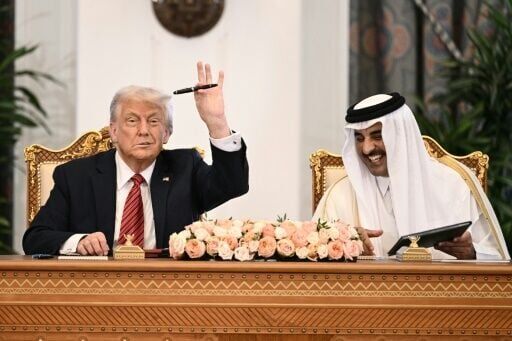
By K Raveendran Donald Trump’s Gulf tour has marked a defining chapter in his post-presidential brand of deal diplomacy, delivering a staggering $2 trillion in agreements that stretch across Saudi Arabia, the United Arab Emirates, and Qatar. This campaign stands in sharp contrast to the flagging results of his so-called trade mark tariff war, which—despite […]
VISHNU RAJA
RYO YAMADA
HITORI GOTOH
IKUYO KITA
Just in:
Padmini follows Padmaja for ‘ghar vapsi’ // UN arms talks sidestep binding autonomous weapons rules // Sabarimala booking discrepancies prompt sabotage angle probe // PayerMax and ShopeePay Strengthen Strategic Partnership to Advance Digital Payment Collaboration in Southeast Asia // Egypt’s African Union trade climbs to $8.2 billion //
Centre grants aircraft cabin access for Sabarimala pilgrims’ irumudi
// Abu Dhabi boat show seals manufacturing partnership on Saturday // California examines possible criminal breaches in Nvidia investigation // ED searches five districts in probe against hawala // Toward a Shared Future for Humanity: Rethinking Civilizational Exchange // Fungal toxins detected across 212 UK plant-based products // Vinhomes Green Paradise: An ESG++ Megacity and the Future of Sustainable Urban Living // Saudi Arabia schedules multinational top-up tax for 2027 // Yeebo Announces Interim Results for FY26/27 Revenue Increases by 45.5% to HK$806.7 Million Profit Attributable to Owners Surges 87.6% to HK$2,284.7 Million // Singapore regulator cautions against AI access to bank logins // Ex-minister named accused in Messi visit fraud case // Bail refused to 17-year old in Abhiram murder // Bahrain demands UN action after Iranian industrial strike // CrowdStrike explores Zscaler takeover amid cybersecurity dealmaking // Diabetes Malaysia And Alpro Pharmacy Set National Record With 11,007 Most Blood Glucose Screenings Conducted Across Malaysia In Just 48 Hours //