News related to
Low oil

Exclusive Trade Masterclass with Tim Mondavi at High House SINGAPORE – Media OutReach Newswire – 19 November 2024 – Monopole is proud to host a Trade Masterclass at High House, welcoming the legendary winemaker Tim Mondavi’s visit to Singapore. Tim shares his secret to redefining Napa—revealing his journey from establishing Continuum Estate to creating an iconic new chapter with Continuum and Novicium. With this, he is breaking […]

China is poised to complete an ambitious environmental project by the end of this year, encircling its largest desert, the Taklamakan, with a vast green belt. This initiative, part of the nation’s long-standing efforts to combat desertification, promises to improve local ecosystems and mitigate environmental challenges faced by communities in the region. The Taklamakan Desert, located in the Xinjiang Uygur Autonomous Region, spans roughly 337,000 square kilometers, […]

The global economic outlook for emerging markets (EMs) faces mounting pressure, with US trade policies under former President Donald Trump continuing to disrupt trade and growth patterns. Citigroup analysts predict that these shifts, primarily driven by tariffs and protectionist measures, will exacerbate the challenges that EMs already grapple with, such as inflation, currency instability, and volatile capital flows. However, one country in the Middle East stands resilient: Saudi Arabia. The kingdom’s economic diversification efforts and strategic positioning in global markets have placed it in a favorable position despite ongoing global economic turbulence.

Trump’s trade war, initiated during his presidency, was centered on tariffs and trade barriers, primarily targeting China, but with ripple effects felt across various sectors and regions. As the Biden administration seeks to reverse some of these policies, analysts remain concerned about the long-term effects of trade disruptions that began during the previous administration. Trade relationships between the US and major economies have been restructured, pushing supply chains into new configurations and altering global market dynamics.

Citigroup’s latest forecast outlines how these global shifts impact emerging markets in particular, given their high exposure to US tariffs and trade restrictions. Countries in Asia, Latin America, and Africa are expected to see a slow recovery, as protectionist policies strain international trade and hinder foreign direct investment (FDI) inflows. For these nations, the US-China trade tensions have underscored their vulnerability to global supply chain disruptions. Export-dependent countries, particularly in the manufacturing and agriculture sectors, may face reduced market access to some of their largest trading partners, further hindering growth prospects.

Yet, some countries are managing to navigate these headwinds with relative ease. Saudi Arabia, buoyed by its ongoing economic reforms under the Vision 2030 initiative, appears to be one of the more resilient players in the face of these global shifts. The kingdom has significantly reduced its reliance on oil exports by developing non-oil sectors such as tourism, entertainment, and technology. Moreover, its vast sovereign wealth fund, the Public Investment Fund (PIF), has strategically invested in sectors poised for growth, such as green energy, healthcare, and artificial intelligence.

Saudi Arabia’s successful diversification strategies have positioned it to weather the storm of changing global trade conditions. Citigroup’s analysis highlights that while the US’s trade policies could dampen global economic growth, Saudi Arabia’s economic stability remains largely intact. The kingdom’s ability to maintain steady oil revenues, coupled with its ambitious reform agenda, has placed it at the forefront of efforts to build a more diversified, future-proof economy. Additionally, Saudi Arabia’s participation in major international investment initiatives, such as the Belt and Road Initiative and the G20 summit, further solidifies its standing as a key global economic player.

While many emerging markets struggle with inflationary pressures and a rising cost of living, Saudi Arabia has implemented strategic fiscal policies that keep inflation levels manageable. The country’s introduction of VAT and other tax reforms have helped bolster its financial resilience. Furthermore, the government’s commitment to large-scale infrastructure projects, such as NEOM, a futuristic city being built with cutting-edge technology, signals a strong push toward positioning the kingdom as a global hub for innovation.

However, despite these favorable conditions in Saudi Arabia, Citigroup warns that other emerging markets are not as fortunate. Nations heavily dependent on exports to the US and China, such as Mexico, Brazil, and South Africa, face significant challenges as they cope with reduced demand and trade restrictions. For these countries, the combination of trade disputes, inflationary pressures, and weaker currency values is likely to hamper economic growth in the short to medium term. Analysts also point out that the global interest rate hikes prompted by the Federal Reserve’s tightening policy may further strain emerging market economies, particularly those with substantial debt burdens.

For some countries, the trade environment under Trump’s policies has created structural weaknesses that continue to hinder growth. The slowdown in global demand for goods and services, coupled with rising costs for raw materials and energy, has impacted countries dependent on commodity exports. As a result, the broader emerging markets community is facing an uncertain recovery trajectory, with little optimism for a swift rebound.

Saudi Arabia’s resilience, however, is noteworthy in this context. The kingdom’s emphasis on economic diversification has shielded it from some of the more detrimental effects of global trade disruptions. This shift towards a more diversified economy has not only safeguarded the country’s economic standing but has also attracted international investors, further securing its position as a pivotal player in the global marketplace.

Mergers and acquisitions (M&A) activity in the Middle East and North Africa (MENA) region has been notably strong in 2024, with the UAE and Saudi Arabia emerging as the dominant players, driving a significant share of the regional deal flow. A combination of strategic investment initiatives, favorable business regulations, and robust economic frameworks has positioned these two countries as key contributors to the growing M&A landscape.

The first half of 2024 saw the total M&A activity in the MENA region reach $49.2 billion, with a 12% increase in deal value compared to the previous year. Both the UAE and Saudi Arabia accounted for a substantial portion of this growth, with the UAE in particular benefiting from its business-friendly environment. The UAE’s reputation as a hub for cross-border investments, particularly in sectors such as real estate, energy, and technology, has been key to its position as a leader in regional M&A activity. The country’s strong legislative framework, along with the ease of doing business, has attracted both regional and international investors.

In Saudi Arabia, M&A deals have largely been driven by the government’s Vision 2030 reform plan, which focuses on diversifying the economy and reducing dependency on oil. This vision has led to a surge in infrastructure and energy-related deals, as well as investments in sectors like tourism, healthcare, and entertainment. Major sovereign wealth funds like Saudi Arabia’s Public Investment Fund (PIF) have been instrumental in facilitating these high-value transactions.

An interesting trend in the region has been the growing dominance of sovereign wealth funds in driving M&A. These funds, which include the Abu Dhabi Investment Authority (ADIA), Mubadala, and PIF, have been actively acquiring stakes in both domestic and international markets. They are increasingly playing a pivotal role in shaping the region’s investment climate, particularly in high-growth sectors such as insurance, real estate, and energy.

Noteworthy transactions include the acquisition of a 60% stake in Zhuhai Wanda Commercial Management Group by a consortium including Mubadala and ADIA, valued at $8.3 billion. Another significant deal saw Abu Dhabi Future Energy Company (Masdar) acquire a 67% stake in Greek company Terna Energy for $2.9 billion. These transactions are part of a broader strategy of cross-border investments aimed at expanding the MENA region’s global influence.

Despite fluctuations in global oil prices, the MENA region’s M&A market has demonstrated resilience, supported by stable oil revenue streams and continued government infrastructure spending. Industry experts attribute the growth to the diversification efforts by governments and a strategic push to invest in sectors beyond oil and gas.

Insurance and real estate are among the sectors that have seen the most M&A activity, driven by factors such as the growth in tourism, major infrastructure projects, and the rising middle class. These sectors, which traditionally account for a significant portion of M&A transactions, have attracted investments that reflect both short-term returns and long-term strategic goals.

The shift towards cross-border M&A activity has also been a defining characteristic of the market in 2024. Cross-border deals accounted for 52% of the total deal volume, with outbound investments, particularly from the UAE and Saudi Arabia, directed largely towards the United States, which remains a preferred target market. The growing influence of MENA-based investors in international markets reflects a broader trend of increased economic diversification.

This surge in M&A activity aligns with broader economic trends within the MENA region, where countries like the UAE and Saudi Arabia continue to build economic power through diversification and international partnerships. Local economic policies are tailored to foster an attractive investment climate, which has been crucial in maintaining the momentum of M&A deals.

Dedicated to Promoting the Development of eVTOL Technology and Boosting the Low-altitude Economy in Hong Kong and the Greater Bay Area of China HONG KONG SAR – Media OutReach Newswire – 18 November 2024 – To support the Hong Kong Government’s initiative to develop the low-altitude economy, the Centre for Intelligent Multidimensional Data Analysis (CIMDA) at the City University of Hong Kong (CityU), a member of the […]

Masdar, the Abu Dhabi-based renewable energy firm, and the State Oil Company of Azerbaijan (SOCAR) have finalized financing for their solar ventures in Azerbaijan, marking a significant step in the region’s transition to renewable energy. The projects, totaling a combined capacity of 760 megawatts, are part of a broader plan to position Azerbaijan as a key player in global sustainable energy markets. The initiative, comprising the Garadagh […]

Global oil markets are headed toward a significant surplus in 2025, according to the International Energy Agency (IEA). The forecast, which emerged as part of the IEA’s latest oil market report, highlights the combination of weak demand growth and ample supply as key factors shaping the oil landscape in the coming year.

Oil demand growth is expected to slow considerably in 2025, with global consumption rising by only about 1 million barrels per day (mb/d), compared to nearly double that in 2023. This is mainly due to lackluster demand from major consumers like China, where oil consumption has been declining, adding pressure to an already softening market. The IEA’s predictions also reflect the subdued expectations for demand in the aviation sector, despite signs of recovery in some parts of the world.

Meanwhile, oil supply is on course to exceed demand growth, with non-OPEC countries, particularly in the Americas, poised to make substantial gains. The United States, Brazil, and Canada are expected to be key drivers of supply, contributing over 1 mb/d each in 2024 and 2025. This surge in output, coupled with spare capacity in OPEC+ countries, including major producers like Saudi Arabia and Russia, further amplifies the outlook for surplus production.

The IEA also flagged concerns over global refining margins, which have been under pressure due to weaker demand for refined products such as gasoline and diesel. This trend has led to a reduction in crude oil processing rates, adding to the surplus in the market. Refining activity could continue to struggle unless global demand rebounds, a scenario that seems unlikely under current economic conditions.

As the surplus looms, global oil inventories are being closely monitored. Although crude stock levels have dropped recently, they remain at relatively high levels compared to historical averages. Refined product stocks, on the other hand, have increased, further tightening margins for refineries globally. This situation points to an oversupplied market, especially if demand growth fails to meet expectations.

Despite these market dynamics, geopolitical tensions in oil-producing regions like the Middle East have continued to influence market volatility. However, unless significant disruptions occur, such as a major escalation of conflicts or natural disasters, the IEA anticipates that oil prices will remain under pressure in 2025. Although prices briefly spiked earlier in the year due to fears of supply disruptions, these fears have subsided, leaving the market in a precarious position.

Advertisements

The UAE real estate market delivered strong performance in the third quarter of 2024, marked by an uptick in both residential and commercial sectors. As per the latest insights from Asteco, a leading property consultancy, key markets across the Emirates displayed resilience, with Dubai and Abu Dhabi continuing to see heightened demand for both sales and rentals. Despite global economic uncertainties, the property landscape in the UAE […]

The Saudi Public Investment Fund (PIF), a major sovereign wealth fund under the Saudi government, has executed a notable transaction by divesting over $1 billion worth of shares in the Saudi Telecom Company (STC). This decision aligns with the PIF’s strategy to rebalance its investment portfolio, shedding portions of domestic holdings to fund international acquisitions and domestic development initiatives, particularly in high-growth sectors outside of oil.

This strategic move involved the sale of a 4% stake in STC through a secondary share placement. A major player in the Saudi economy, STC is considered a blue-chip stock on the Saudi exchange, Tadawul, where it holds a considerable influence on market performance. The transaction came after months of market speculation about potential PIF divestitures, spurred by the Fund’s stated ambition to optimize capital flows toward diverse global and domestic investments, potentially in technology and renewables, where PIF sees long-term growth opportunities.

The secondary share placement, conducted through a structured auction, attracted significant interest from both institutional and retail investors in Saudi Arabia and abroad. Market analysts report that this interest underlines the strong international appetite for shares in Saudi Arabia’s robust telecom sector, a pivotal component of the Vision 2030 economic reform plan. Under this framework, which aims to reduce Saudi Arabia’s dependency on oil revenue, sectors like technology and telecommunications are prioritized for growth.

Prior to the sale, PIF held a 64% stake in STC, which translates to substantial influence over the company’s strategic direction. By reducing its stake by 4%, PIF remains the controlling shareholder while monetizing a portion of its holdings, a strategy that reflects the Fund’s ongoing recalibration toward agile capital allocation. PIF’s latest divestiture follows a similar move in 2021 when it sold a 6% stake in STC, raising approximately $3.2 billion, a transaction that bolstered its financial flexibility for reinvestment.

Market observers suggest that this sale is likely to bolster investor confidence in Saudi corporate equities, given PIF’s role in maintaining liquidity and investor interest in Tadawul-listed firms. As PIF diversifies its holdings, the Fund has attracted global interest for its capacity to influence capital flow into emerging market sectors and sustainable development projects, often supported by Saudi state-owned enterprises and investments from foreign sovereign funds.

The timing of this transaction aligns with PIF’s mandate to sustain a diversified portfolio that supports domestic projects like the Red Sea tourism initiative, NEOM, and Qiddiya, in addition to investments in international tech and innovation enterprises. Analysts point out that the sale proceeds may be allocated toward similar domestic mega-projects or invested abroad to capture strategic returns from fast-growing sectors such as artificial intelligence, energy storage, and automation. A notable aspect of PIF’s recent portfolio strategy includes collaborations with international technology firms, signaling an interest in assets that foster cross-border digital infrastructure.

The shift also reflects STC’s own strategic trajectory, as the company continues to expand its service offerings, venturing into digital services and content creation. As part of the broader telecom transformation in Saudi Arabia, STC aims to tap into areas like cloud services, cybersecurity, and data management, all seen as integral to supporting Saudi Arabia’s growing digital economy. PIF’s partial divestment does not signify a reduction in STC’s importance but rather indicates the Fund’s confidence in STC’s operational independence and market resilience.

For international investors, this transaction highlights STC’s status as a critical component of Saudi Arabia’s evolving economic structure. The company remains positioned as a cornerstone of Saudi Arabia’s Vision 2030, which emphasizes developing sectors like entertainment, tourism, and technology. Analysts suggest that, by divesting a stake in STC, PIF frees up capital that can be redirected to reinforce these high-growth industries, underpinning Saudi Arabia’s long-term economic diversification efforts.

Following the transaction, STC’s stock initially witnessed moderate fluctuations, reflecting standard market responses to significant share movements. Market analysts anticipate that, in the near term, STC’s stock price may stabilize, buoyed by investor confidence in its fundamentals. Observers also emphasize that the transaction reflects positively on the Saudi stock exchange, underscoring Tadawul’s growing role as a hub for institutional and foreign investors seeking exposure to Middle Eastern equities.

STC, on its part, remains committed to its expansion strategy, which involves fortifying its digital platforms and expanding telecommunications infrastructure. These initiatives align with the demands of a more digitally interconnected society and the anticipated increase in data consumption across Saudi Arabia, partly driven by high smartphone penetration and rising demand for e-government services. Industry insiders point out that STC’s ongoing investment in 5G infrastructure and data centers positions it well to capture market share in the expanding Gulf tech landscape.

KUALA LUMPUR, MALAYSIA – Media OutReach Newswire – 14 November 2024 – Adding exotic currency pairs to a portfolio is a popular way to get exposed to a wider variety of assets. These pairs, which include currencies from emerging markets or smaller economies, offer unique opportunities due to their volatility and potential for high returns. For traders in regions like India and Southeast Asia, exotic pairs can […]

KUALA LUMPUR, MALAYSIA – Media OutReach Newswire – 12 November 2024 – The recent U.S. presidential election and subsequent economic events have significantly impacted the Malaysian Ringgit (MYR), with the USDMYR exchange rate reaching a three-month high on Monday. Octa Broker’s financial market analyst, Kar Yong Ang, explains the reasons for the recent weakness in the Malaysian ringgit and provides short-term exchange rate projections. It has been […]

KUALA LUMPUR, MALAYSIA – Media OutReach Newswire – 13 November 2024 – As China solidifies its influence across Southeast Asia, it becomes the region’s largest trading partner and a crucial investor in areas like infrastructure, technology, and renewable energy. This release explores how China’s expanding economic reach shapes Southeast Asian markets, from Indonesia’s booming coal exports to Vietnam’s tech transformation, and provides a glimpse into future growth […]

The world’s cities are witnessing a concerning and sustained reduction in green spaces, a trend documented in recent studies and environmental reports that highlight a variety of contributing factors, from rapid urbanization to climate impacts. As metropolises expand and populations grow, urban vegetation, including parks, tree cover, and green corridors, continues to disappear at alarming rates, posing a range of health, environmental, and economic concerns. Research has […]

The growing financial links between Asia and the Middle East are poised to significantly influence global capital flows, according to new insights from HSBC. The accelerating collaboration between these two regions is already reshaping the landscape of international investments, with both sides benefitting from a convergence of economic goals, financial strategies, and geopolitical interests. With Asia’s expanding markets and the Middle East’s substantial financial resources, the deepening […]

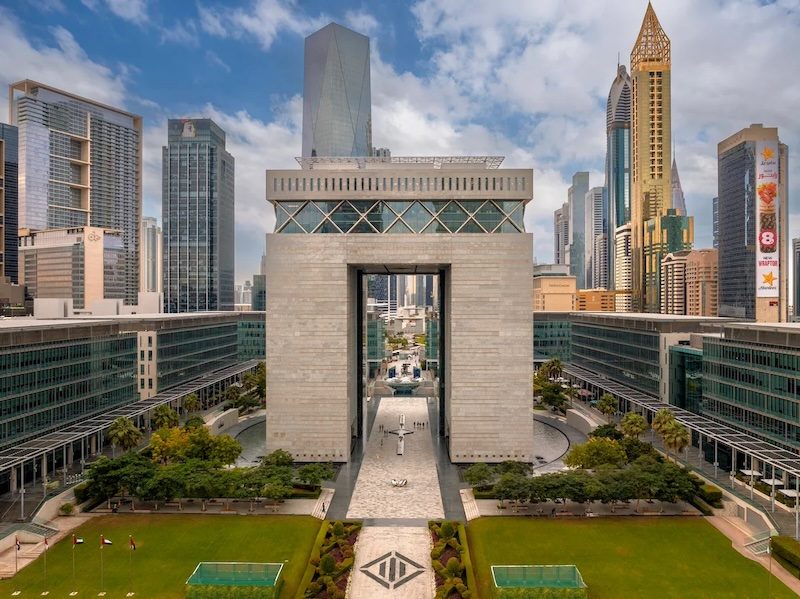
The Dubai International Financial Centre (DIFC) has repaid a $700 million sukuk, a significant milestone in its ongoing development efforts. This bond, originally issued to finance the expansion of the DIFC, helped fund key infrastructure projects, including the growth of its real estate sector and the development of the Gate Avenue retail precinct, which has become a central feature of the financial hub.

The repayment of the sukuk demonstrates the DIFC’s strong financial position, underscoring its ability to service its debt while continuing its mission to evolve as a global financial hub. The sukuk was part of a broader strategy to enhance the DIFC’s infrastructure and attract further investment to the region, reinforcing its status as one of the world’s leading financial centers.

Launched in 2004, the DIFC has seen exponential growth over the past two decades, with its strategic location and favorable business environment making it an attractive destination for international and regional firms. The expansion of DIFC’s real estate and retail offerings, particularly the Gate Avenue precinct, aligns with broader efforts to diversify its revenue streams and cement its position as a global business and lifestyle destination.

The Gate Avenue project, which was central to the sukuk issuance, transformed the DIFC area into a vibrant, mixed-use space combining commercial, retail, and residential offerings. The development has played a critical role in supporting the growth of the financial district, not only as a hub for businesses but also as a dynamic space for leisure and commerce. Gate Avenue features high-end retail outlets, restaurants, art galleries, and a host of premium office spaces, positioning the DIFC as a global destination for business and tourism alike.

The financial success of the sukuk reflects the increasing confidence in the DIFC’s ability to attract investment, maintain a strong credit rating, and manage large-scale projects effectively. The successful completion of the sukuk repayment follows a broader trend of fiscal responsibility within the Dubai government and its key development areas, including the Dubai Economic Agenda and the vision for the city’s continued diversification into non-oil sectors.

Dubai has steadily strengthened its position as a financial center, not just regionally but globally, through strategic investments in infrastructure, fintech, and real estate development. By repaying the sukuk, DIFC reaffirms its reputation as a key pillar of Dubai’s ambitious economic agenda. This action signals to both international investors and local stakeholders that DIFC remains a secure and attractive investment destination.

The sukuk’s issuance and repayment were also a part of the larger trend of Islamic financing mechanisms that have been growing in popularity in the UAE and other parts of the Gulf region. Sukuk, a Sharia-compliant alternative to conventional bonds, are increasingly viewed as an effective tool for raising capital for large-scale infrastructure and development projects. With the growing interest in sustainable finance, sukuk structures are adapting to include green and socially responsible investment components, further broadening their appeal.

The DIFC’s continued investment in its infrastructure is also reflected in its increasing number of financial firms, including major international banks, wealth management firms, and insurance companies, which have made the center their regional base. This is a testament to DIFC’s ability to provide a competitive and secure environment for financial operations, from asset management to fintech innovation.

The development of Gate Avenue, which connects the DIFC’s two main buildings with a series of bridges and corridors, offers not only commercial and office spaces but also cultural experiences that draw visitors and residents alike. This expansion helps differentiate the DIFC from other global financial hubs by offering a comprehensive lifestyle experience beyond the traditional financial operations. Its blend of culture, art, and luxury retail spaces makes it a unique offering in the competitive global financial landscape.

The repayment of the sukuk comes at a time when Dubai is positioning itself as a major player in the global financial and fintech sectors. As part of the Dubai 2040 Urban Master Plan, the city is focused on further expanding its financial infrastructure, which aligns with the UAE’s broader goal of diversifying its economy and attracting foreign investment. Projects like the DIFC’s development and the Gate Avenue precinct are designed to support this long-term vision and are expected to continue to bolster the UAE’s competitive edge.

DIFC’s financial success, evidenced by its ability to meet debt obligations, is closely tied to the broader economic strategies set out by Dubai and the UAE. The city has made substantial investments in becoming a global leader in fintech, with regulatory frameworks designed to foster innovation, while also strengthening its existing financial infrastructure. These efforts are part of a greater strategy to ensure Dubai’s place at the center of international finance, even as global markets face uncertainty.

As the DIFC looks to the future, it will likely continue its focus on sustainable development, leveraging its strategic location to attract global financial institutions and investors. The success of the sukuk repayment highlights the district’s ongoing stability and growth, which in turn strengthens Dubai’s position as a critical financial and business hub in the Middle East and beyond.


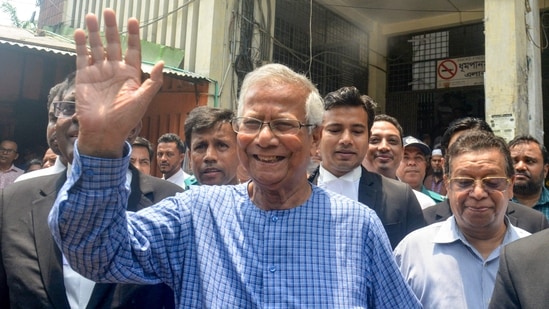
By Nitya Chakraborty Three months after the installation of the interim government in Bangladesh headed by chief adviser Dr. Muhammad Yunus, the politics of the 18 crore-nation has landed in fresh turmoil after the win of the Republican candidate Donald Trump in the just concluded November 5 presidential elections. Only six days have passed since […]

Dubai’s economy saw a notable growth of 3.3% in the second quarter of 2024, reaching a value of Dh116 billion ($31.58 billion), fueled by strong performance in key non-oil sectors like tourism, technology, and trade. This growth reflects the emirate’s continued diversification efforts and its ability to capitalize on emerging global trends.

Tourism has played a significant role in this expansion, with the sector experiencing a remarkable uptick in activity. Dubai’s tourism sector has long been a major contributor to its GDP, and in 2024, it was buoyed by the city’s robust tourism campaigns and major international events. The city hosted several high-profile exhibitions, concerts, and sporting events, which, along with the easing of global travel restrictions, have increased visitor numbers. This has had a direct impact on hospitality, retail, and entertainment industries, driving substantial revenue growth in these areas.

The technology sector also made impressive strides, contributing heavily to Dubai’s overall economic performance. Investment in tech infrastructure and innovation continues to push the boundaries of the city’s capabilities, attracting both regional and global players. Dubai has positioned itself as a hub for digital innovation and a global destination for tech startups. With Dubai’s Smart City initiative and various tech-centric projects, the city is setting a benchmark in AI, fintech, and blockchain adoption. These technological advancements are expected to play an even larger role in sustaining growth as the global digital economy expands.

Real estate, a longstanding pillar of Dubai’s economy, continues to show resilience. Despite global uncertainties, the property market has shown consistent demand, especially in the luxury sector. The city’s ambitious developments, including the Expo City Dubai, have helped maintain investor confidence. In addition, increased construction and infrastructural developments have stimulated job creation and supported economic activity in related sectors.

Trade, another critical non-oil sector, also saw an uptick, benefiting from Dubai’s strategic position as a global trade hub. The emirate has expanded its trade relationships, particularly in Asia and Africa, further cementing its status as a gateway for goods flowing into the Middle East and beyond. Efforts to enhance logistics, including advanced port facilities and a strong air cargo network, have been pivotal in boosting the trade sector.

While non-oil sectors remain the driving force, the overall economy has benefited from Dubai’s proactive stance in securing long-term partnerships and fostering innovation. Dubai has capitalized on global shifts, such as the rise of e-commerce and increased demand for digital services, leveraging its infrastructure and regulatory environment to support these industries.

However, challenges remain, particularly in global economic uncertainties and geopolitical factors that could affect trade and investment. The city’s leadership is aware of the need for sustainable growth, and they continue to promote policies aimed at ensuring resilience in the face of global risks. A strong focus on sustainability and green technologies is expected to be a cornerstone of Dubai’s development in the coming years, as part of efforts to diversify and future-proof the economy.

Deyaar Development has announced plans to launch a new real estate project in Dubai, with a projected investment value of Dh1.5 billion. This project, set for completion by the end of the year, marks a significant milestone for the company, which is renowned for its high-profile developments across the emirate. The initiative is part of Deyaar’s broader strategy to strengthen its presence in the competitive Dubai property […]

JAKARTA, INDONESIA – Media OutReach Newswire – 9 November 2024 – In a significant move to strengthen Indonesia’s National Free Meals Program, a cornerstone of President-elect Prabowo Subianto’s campaign, Ruifeng Wealth Management Pte Ltd has signed a Memorandum of Agreement (MoA) with INDUK KUD, Indonesia’s largest agriculture cooperative organization, to establish up to five palm oil mills and cooking oil refineries. President Prabowo is also the Chairman […]

KUALA LUMPUR, MALAYSIA – Media OutReach Newswire – 8 November 2024 – It’s that time of year again – Shopee’s 11.11 Big Sale, where everything you’ve been eyeing (and even things you didn’t know you need) is available at unbeatable prices! From cutting-edge tech gadgets and chic fashion finds to essential cookware and beauty must-haves, there’s something for everyone. The best part? You can shop with confidence, […]

A second term for Donald Trump could usher in significant changes for investors in the Middle East, with the potential for both increased economic opportunities and geopolitical instability. Trump’s return to the presidency would likely revive his administration’s assertive economic policies, reshaping U.S. foreign relations, particularly toward China, Europe, and Middle Eastern nations, while possibly impacting global market dynamics in ways that will directly affect Gulf economies.

Trump’s “America First” approach, previously marked by attempts to realign American foreign policy priorities, could lead to heightened trade tensions with major global economies, including the European Union and China. During his previous term, the Trump administration imposed steep tariffs on Chinese goods and withdrew from the Trans-Pacific Partnership, signaling a shift from multilateral agreements to bilateral deals with clear U.S. advantages. These policies could place Middle Eastern investors in a challenging position, especially those with extensive ties to both Western and Asian markets. His re-election could rekindle these policies, affecting key industries and the economic strategies of regional stakeholders, who may need to reassess their portfolios to navigate potential trade disruptions.

One area of likely change would be Trump’s approach to the U.S.-China trade war, which saw tariffs as high as 25% imposed on hundreds of billions in imports. The escalating tariffs strained trade flows globally, and with Trump’s potential return, the continuation or expansion of such tariffs could push China to deepen its ties with Gulf nations as it seeks alternative partners. The Middle East, particularly Saudi Arabia and the UAE, has already seen increased investment from China under the Belt and Road Initiative, and a further intensification of U.S.-China rivalry could strengthen these relations. Additionally, Gulf economies that depend heavily on oil exports may find opportunities as China looks for secure energy suppliers outside of the American sphere.

Simultaneously, Trump’s proposed policies are expected to drive further U.S. disengagement from traditional allies in Europe, compelling these countries to secure alternative economic partnerships. This shift could create an environment where European countries turn to the Middle East to establish closer trade relations, viewing Gulf states as critical energy providers and investment hubs. Regional investors could benefit from an increased inflow of European capital seeking to mitigate the effects of U.S. tariffs.

In terms of defense, Trump has consistently voiced support for reducing U.S. military commitments abroad, urging allies in Europe and the Middle East to shoulder more responsibility for their own defense. This could result in reduced U.S. military presence in Gulf nations, which may encourage these states to expand defense partnerships within the region and seek additional security alliances beyond the U.S. This shift could spur an increase in local defense spending and the development of domestic defense industries, presenting investment opportunities in these sectors. However, it may also bring heightened insecurity, which could lead to market instability, especially in oil-dependent economies that rely on stable energy production and export environments.

The Middle East’s energy sector might experience new pressures and opportunities under a Trump administration focused on American energy independence. Trump has previously supported policies that increase domestic oil and gas production in the U.S., which could lead to a drop in oil prices globally, impacting the revenue of oil-exporting countries in the Gulf. To counter this, Gulf economies may be motivated to diversify and boost non-oil sectors such as technology, real estate, and tourism, creating new avenues for regional and international investors.

Trump’s stance on Iran could also lead to renewed tensions in the region. During his first term, the administration’s “maximum pressure” campaign aimed at curbing Iran’s nuclear ambitions led to economic sanctions and heightened regional conflicts. If reinstated, such policies could escalate instability in areas around the Strait of Hormuz, a key chokepoint for global oil exports. Middle Eastern markets might face disruptions if these tensions spill over, particularly for industries dependent on steady energy flows and safe trading routes. Yet, defense and energy infrastructure investments may see a boost in response to these renewed geopolitical challenges.

Trump’s previous involvement in brokering the Abraham Accords set a precedent for Arab-Israeli normalization. A return to power could see a renewed push for expanded economic ties between Israel and more Arab states, following the precedent of UAE, Bahrain, Morocco, and Sudan establishing official relations with Israel. Investors across the Gulf could benefit from these expanded commercial ties through greater market access, technology transfers, and joint ventures, particularly in high-growth sectors like technology, renewable energy, and tourism. The prospect of regional integration holds promise for attracting further foreign direct investment (FDI) and bolstering Middle Eastern economies.

Middle Eastern investors, therefore, may need to prepare for a mixed impact, balancing potential market volatility with strategic opportunities. Gulf Cooperation Council (GCC) countries, particularly the UAE and Saudi Arabia, may find themselves in a pivotal position, with increased leverage in securing favorable trade agreements as both Western and Eastern economies seek partnerships in response to Trump’s policies. Yet, they may also have to contend with the risks of being on the frontline of fluctuating U.S. policies toward the region, especially regarding defense and energy.

Redefining the Golden Years with “Care Food” HONG KONG SAR – Media OutReach Newswire – 7 November 2024 – Yung Kee Restaurant (“Yung Kee“), renowned for its authentic Cantonese cuisine and charcoal-grilled delicacies, has grown alongside Hong Kong for over eight decades. On 10 November 2024, it will mark a significant milestone of its 82nd anniversary. This year, Yung Kee has organized multiple initiatives dedicated to social […]

Motorcycling offers an exhilarating blend of adventure, freedom, and community. This blog post provides essential guidance for beginners, covering the benefits of motorcycling, necessary gear, tips for choosing your first bike, and safety measures. It also includes advice on basic maintenance and accident preparedness, helping you start your motorcycling journey with confidence and excitement. Why Motorcycling is the Perfect Hobby Motorcycling is more than just a mode […]

Hytron Enhances Hygiene Standards at Temasek Polytechnic, Marks a Monumental Leap in Cleaning Technology SINGAPORE, HONG KONG SAR, BEIJING – Media OutReach Newswire – 7 November 2024 – Primech AI Pte. Ltd., a subsidiary of Primech Holdings Limited (Nasdaq: PMEC), announces the launch of Hytron, a cutting-edge AI-powered automated toilet cleaning robot, now operational and enhancing hygiene standards at Temasek Polytechnic. This innovative technology introduces unprecedented levels […]

VISHNU RAJA
RYO YAMADA
HITORI GOTOH
IKUYO KITA
Just in:
Forged court directives trigger probe into website blocking // December Is the Last Window for $800,000 U.S. Residency Investment // Saudi fund assets forecast to cross $400 billion // Turkish Airlines adds Chengdu to mainland China services // EBANX and Eneba strengthen partnership in Latin America with 138% YoY growth in payment volume // Ration dealers seek GPS aided grain deliveries // MG Motor presents four electrified vehicles at Dubai exhibition // Crescent Enterprises venture arm funds Oyster Therapeutics development // ONYX Hospitality Group Unveils Plans for Amari Samui Resort and Villas, Elevating Its Premium Resort Offering on Koh Samui // Fujairah highway pile-up leaves 14 dead and 30 injured // Electric and hybrid interest rises at Sharjah car market // Uforce reaches $6 billion valuation with British backing // Ladakh Ban On Protests Ahead Of Election Is Uniquely Contentious // Yicura BioMed Advances Dual Capital and Industrial Strategy: Completes First Closing of Series B Financing Led by Gobi Partners // Modi ally flags youth opportunities gap despite growth // High Court orders scrutiny of Thachankary hospitalisation // Musk expresses willingness to recruit Nvidia chief Huang // Ajman University MBA climbs to joint 13th regionally // L’OCCITANE Celebrates 50 Years Of Provençal Craftsmanship With Holiday 2026 Collection // LANDMARK Presents ‘Destination CENTRAL’: A District-Wide Celebration Inviting Global Travellers to Explore the Dynamism, Luxury, and Soul of Central //