News related to
Low oil

The United Arab Emirates has committed to increasing its energy sector investments in the United States to $440 billion over the next decade, a significant expansion from the current $70 billion. This strategic move was announced by Sultan Al Jaber, chief executive of Abu Dhabi National Oil Company , during a high-profile meeting with US President Donald Trump amid his Gulf tour aimed at fostering major business […]

Donald Trump concluded his Gulf tour with the White House touting more than $2 trillion in economic agreements, a figure that has drawn significant scepticism from financial analysts and diplomatic observers. The administration presented the headline number as a demonstration of strengthened U.S.-Gulf relations and expanded economic ties. However, a detailed examination of the announced agreements reveals a far lower total when measured against firm commitments. Official […]

The United Arab Emirates has finalised a significant agreement with the United States to import advanced American-made artificial intelligence semiconductors, marking a pivotal step in Abu Dhabi’s ambition to become a global AI hub. The deal, announced during President Donald Trump’s Gulf tour, permits the UAE to import 500,000 Nvidia H100 chips annually, facilitating the development of large-scale data centres in the region.

This agreement coincides with the UAE’s broader commitment to invest $1.4 trillion in the U.S. over the next decade, focusing on sectors such as AI infrastructure, semiconductors, energy, and manufacturing. The investment framework includes partnerships with major U.S. companies like BlackRock, Microsoft, and Global Infrastructure Partners, aiming to mobilise up to $100 billion for next-generation data centres and energy infrastructure.

A key component of the deal is the construction of a 10-square-mile, 5-gigawatt data centre in Abu Dhabi, led by Emirati firm G42 and involving several U.S. tech companies. This facility is set to be the largest of its kind outside the United States, significantly enhancing the UAE’s data processing capabilities and supporting its AI initiatives.

The agreement also includes substantial U.S. investments in the UAE, with American energy companies expected to invest in upstream oil and gas and unconventional energy projects. Top U.S. firms such as ExxonMobil, Oxy, and EOG Resources are involved in these initiatives, reflecting a deepening of bilateral energy ties.

President Trump’s Gulf tour, which included visits to Saudi Arabia, Qatar, and the UAE, focused on securing financial commitments from wealthy energy producers to boost the U.S. economy and create jobs. The UAE’s pledge to increase its energy sector investments in the United States to $440 billion by 2035, up from the current $70 billion, underscores the success of this diplomatic effort.

The UAE’s strategic shift towards the U.S. in technology and energy sectors is seen as a move to decouple from Chinese influence, particularly in AI. Emirati officials have explicitly pursued this realignment to secure U.S. technology transfers, including advanced semiconductors like Nvidia’s H100 GPUs. This pivot follows U.S. pressure to remove Chinese equipment from critical infrastructure, exemplified by G42’s removal of Huawei technology from its data centres.

The $1.4 trillion investment framework also encompasses initiatives in critical minerals and industrial capacity. The UAE’s $1.2 billion mining partnership with Orion Resource Partners targets lithium, cobalt, and rare earth metals essential for AI hardware and renewable energy systems. Additionally, Emirates Global Aluminum plans to build the first new aluminum smelter in the U.S. in 35 years, aiming to nearly double the country’s domestic production.

By Dr. Nilanjan Banik Renowned Nobel laureate economist Robert Solow was once asked if having a trade deficit is bad for any economy. He answered by saying he would always have a trade deficit with his barber and would always run a trade surplus with his students. Such is the nature of the game in […]

Marine fuel sales at the Port of Fujairah climbed to their highest level in over a year in April, marking a second consecutive month of growth and reinforcing the port’s status as a key global bunkering hub. Excluding lubricants, total sales reached 669,378 cubic metres, equivalent to approximately 663,000 metric tons, according to data from the Fujairah Oil Industry Zone released by S&P Global Commodity Insights.

This performance represents a 4.6% increase over March’s 639,811 cubic metres and a 20.8% rise from February’s record low of 554,117 cubic metres. The rebound aligns with a broader recovery in global shipping activity and increased demand for marine fuels, particularly high-sulphur fuel oil , amid fluctuating oil prices and evolving environmental regulations.

HSFO sales at Fujairah experienced a significant uptick, rising 17.9% month-on-month to 168,140 cubic metres in March, and continued to show strength into April. This growth is largely attributed to the increased use of exhaust gas cleaning systems, or scrubbers, by shipowners seeking cost-effective compliance with the International Maritime Organization’s 0.5% sulphur cap. The price differential between HSFO and low-sulphur alternatives has made scrubber-fitted vessels more economically viable, driving demand for HSFO.

Despite the gains in HSFO, low-sulphur fuel oil remains the dominant marine fuel at Fujairah, accounting for approximately 67.3% of total sales in March. However, LSFO volumes have faced downward pressure due to increased competition from neighboring ports and fluctuating global supply chains. In April, LSFO sales totaled 442,392 cubic metres, down 13.9% year-on-year and 2.1% lower than in March.

The port’s strategic initiatives to diversify fuel offerings and invest in alternative energy sources are also influencing sales dynamics. In July 2024, FOIZ allocated 54,000 square metres of land for the construction of a biofuel processing plant, signaling a commitment to sustainable fuel solutions. The facility, developed in partnership with Bahrain-based Mercantile and Maritime Group, aims to produce B24 biofuel blends, which combine 24% fatty acid methyl ester with 0.5% sulphur marine fuel. These blends can reduce carbon dioxide emissions by 15–20%, aligning with the IMO’s decarbonization targets.

Fujairah’s position as the world’s third-largest bunkering hub remains solid, with 2024 sales totaling 7.6 million cubic metres, up 1.9% from the previous year. This growth outpaced China’s Zhoushan port, which reported 7.26 million tons in the same period. The increase in sales is attributed to higher refueling demand in the first half of 2024 and larger delivery volumes, as shipping disruptions elsewhere prompted more liftings at key bunker ports globally.

However, the port faces challenges, including competition from neighboring ports like Khor Fakkan and Jebel Ali, which have attracted some demand due to competitive pricing. Additionally, geopolitical tensions and global shipping uncertainties continue to impact fuel demand patterns. Despite these hurdles, Fujairah’s strategic location and ongoing investments in infrastructure and alternative fuels position it to adapt to the evolving maritime fuel landscape.

The port’s commitment to transparency and data sharing through partnerships with organizations like S&P Global Commodity Insights enhances its appeal to global traders and investors. By providing detailed inventory levels and sales data, Fujairah enables market participants to make informed decisions, fostering a more efficient and responsive bunkering market.

Apple continues to hold its position as the world’s most valuable brand, maintaining a dominant lead in the annual Kantar BrandZ rankings. The technology giant’s brand value remains firmly ahead of its competitors, driven by sustained innovation, strong consumer loyalty, and expanding services. Among the global giants, Saudi Aramco stands out as the only company from the Gulf Cooperation Council and Middle East region to secure a spot within the Top 100, reflecting its growing international recognition amid shifting energy markets.

The Kantar BrandZ report evaluates thousands of brands worldwide based on consumer perceptions, financial performance, and market presence. Apple, which has consistently topped the rankings for several years, saw its brand value strengthen further due to its diversified product ecosystem and significant investments in augmented reality, artificial intelligence, and subscription services. Its ability to integrate hardware, software, and services continues to set it apart, contributing to record-breaking revenues and reinforcing customer engagement across the globe.

The inclusion of Saudi Aramco in the Top 100 highlights the resilience and strategic positioning of this energy giant amid global transitions. As the world accelerates its shift towards renewable energy, Saudi Aramco’s presence in the rankings underscores its efforts to diversify and adapt to evolving demands. The company has been investing heavily in cleaner energy technologies and sustainability initiatives, while still capitalising on its vast oil reserves and refining capabilities. This dual approach has helped maintain its strong financial standing and global brand stature.

Saudi Aramco’s entry into the list marks an important milestone for the GCC and the Middle East, regions that have been working to boost their global business profiles beyond the traditional hydrocarbon sector. The company’s brand value benefits from its critical role in global energy supply chains and its status as one of the largest integrated energy and chemicals companies worldwide. Its prominence in the BrandZ ranking reflects the ongoing transformation of the regional economy and the growing importance of Gulf-based enterprises in international markets.

Technology companies dominate the upper echelons of the BrandZ Top 100, with Apple’s closest rivals including Microsoft, Amazon, Google, and Samsung. These brands owe their high valuations to their broad global reach, innovation pipelines, and ability to capture consumer attention in a fast-evolving digital landscape. The report shows a marked increase in the value of brands involved in cloud computing, software services, and digital entertainment, signalling shifts in consumer behaviour and business investment.

Financial services and luxury goods brands also feature prominently, with firms such as Visa, Mastercard, and Louis Vuitton holding strong positions. These sectors benefit from sustained consumer demand and adaptation to digital channels, including e-commerce and fintech innovations. Luxury brands have further capitalised on expanding affluent markets in Asia and the Middle East, contributing to their steady brand valuation growth.

Saudi Aramco’s inclusion is particularly notable given the absence of other Middle Eastern brands in the Top 100, illustrating the challenging environment for regional companies in competing at this global scale. Despite high national revenues and significant economic influence, many Gulf firms have yet to establish the kind of global brand recognition needed to appear alongside the world’s largest multinational corporations. This reflects broader economic and strategic factors, including the diversification efforts underway across GCC countries and their focus on building competitive industries beyond energy.

The report also highlights evolving consumer expectations around sustainability and corporate responsibility, with brands that demonstrate genuine commitment to environmental and social governance increasingly favoured in valuation metrics. For energy companies like Saudi Aramco, this presents both challenges and opportunities, as stakeholders scrutinise their environmental impact and transition strategies. The company’s public commitments to reducing carbon emissions and investing in alternative energy projects are critical to its ongoing reputation and brand strength.

Among the factors contributing to Apple’s sustained brand leadership is its capacity to maintain premium pricing while expanding its user base globally. Its flagship products such as the iPhone, iPad, and Mac continue to enjoy strong demand, while services like Apple Music, iCloud, and the App Store generate consistent recurring revenue streams. Innovations in health technology, privacy features, and integration with smart home devices further deepen consumer engagement and brand loyalty.

The Kantar BrandZ rankings serve as a barometer for global business trends, reflecting shifts in consumer sentiment, technological advancement, and economic power distribution. Apple’s dominance underlines the continuing importance of technology innovation as a driver of brand value, while Saudi Aramco’s position signals the evolving role of energy companies in the global economy. As the world grapples with climate change and digital transformation, these rankings highlight how adaptability and strategic vision underpin the most valuable brands.

The presence of Saudi Aramco in the Top 100 is likely to inspire other Gulf-based companies to pursue greater international brand recognition through strategic investments, partnerships, and innovation. Governments across the region have increasingly prioritised economic diversification and global competitiveness, aiming to foster industries such as technology, finance, tourism, and renewable energy. Building strong, globally respected brands will be essential to this long-term vision.

This year’s BrandZ report underscores the growing concentration of brand value among a relatively small group of global leaders, with the top 10 brands accounting for a significant share of total valuation. While new entrants occasionally disrupt the rankings, the core list remains dominated by technology firms and consumer-focused corporations with expansive ecosystems and high consumer trust.

Saudi Aramco’s performance within this competitive context is a testament to its strategic management and financial robustness. It reflects its ability to navigate geopolitical uncertainties, market volatility, and the pressures of a shifting energy paradigm. As international investors and consumers become more conscious of sustainability, Saudi Aramco’s ongoing brand strategy will likely focus on balancing its traditional strengths with innovation in low-carbon energy solutions.

The Kantar BrandZ Top 100 also illustrates broader global economic trends, including the rise of Asian brands and the shifting influence of different markets. Chinese companies such as Tencent, Alibaba, and Huawei continue to climb the rankings, leveraging vast domestic markets and aggressive expansion strategies. Meanwhile, European brands have seen mixed fortunes amid economic challenges and regulatory shifts, emphasising the competitive pressures on established global players.


U.S. President Donald Trump has announced plans to lift longstanding U.S. sanctions on Syria, in place since 1979 and intensified during the Syrian Civil War. During his Middle East tour, Trump revealed the decision at the U.S.-Saudi Investment Forum, describing the sanctions as historically significant yet now detrimental. The sanctions had frozen Syrian assets, banned petroleum imports, and isolated the country from the global economy. Critics highlight […]

Advertisements
By Sushil Kutty The western Press is egging United States President Donald Trump to press India for third-party mediation in the Kashmir imbroglio roiling India-Pakistan relations, while at the same time asserting that Trump has put India, led by Prime Minister Narendra Modi, in a “tight spot”. Prime Minister Modi wasn’t asked for his opinion […]

Oil prices surged over $2 per barrel in Asian trading on Monday, buoyed by a significant easing of trade tensions between the United States and China. Brent crude futures climbed $2.11, or 3.3%, to $64.14 a barrel, while US West Texas Intermediate crude futures rose $2.12, or 3.47%, to $63.14. The rally followed a joint announcement from Washington and Beijing declaring a 90-day suspension of additional tariffs, […]

Saudi Arabia has launched HUMAIN, a new artificial intelligence company under the Public Investment Fund , aiming to position the kingdom as a global leader in AI innovation. Chaired by Crown Prince Mohammed bin Salman, HUMAIN is set to provide advanced AI services, including next-generation data centres, AI infrastructure, cloud capabilities, and sophisticated AI models. A key focus will be the development of one of the world’s […]

Opec+ has made significant moves in recent months, shifting from a neutral to a more aggressive stance. After a period of gradual production increases, the group, led by Saudi Arabia, has opted for a sharp rise in output, signalling a strategic push to regain market share. However, with key members such as Iraq and Kazakhstan failing to meet targets, the question remains: who will bear the brunt […]

Saudi Aramco has reported a decline of 4.6% in its first-quarter profit, totalling 97.54 billion riyals for the period ending March 31. This drop in profit is attributed to lower sales and increased operating costs, with the economic uncertainty weighing heavily on the global crude markets. Despite this decline, Aramco’s performance still exceeded analysts’ expectations, as the company had previously provided a median forecast of $25.36 billion. […]

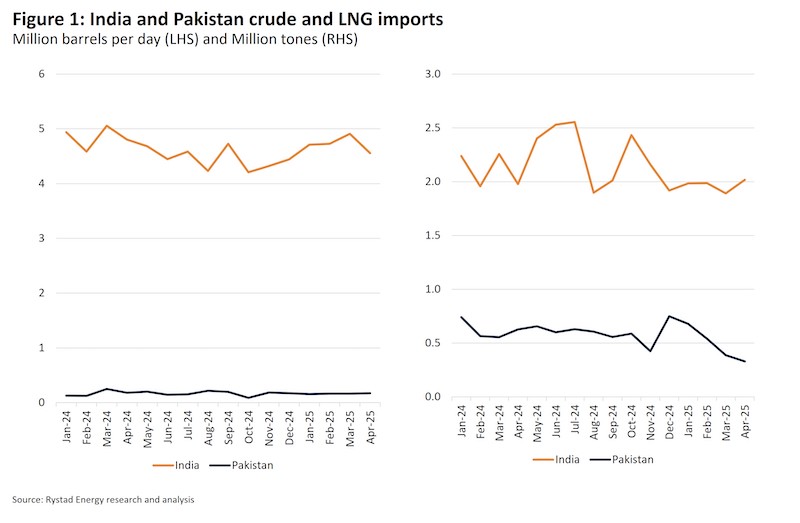
By K Raveendran Reports from across the border suggest that Pakistan is already suffering a fuel crisis, with petrol pumps having been ordered closed for the time being. An analysis of the emerging energy scenario in the wake of the ongoing conflict suggests the beginning of a serious crisis for Pakistan, while India is relatively […]

The Indian Rupee has plummeted to its lowest value against the UAE Dirham in over a month, marking a significant drop to 23.36 per dirham. This decline, the steepest since mid-April, follows escalating border tensions between India and Pakistan, which have triggered volatile market reactions. Traders are closely monitoring the situation, with fears of further instability driving the currency’s slide.

As the conflict intensifies, the Rupee’s depreciation is attributed to growing uncertainties surrounding the geopolitical standoff. India and Pakistan, both nuclear-armed neighbours, have long been at odds over the Kashmir region. The latest developments have exacerbated market fears of prolonged instability, pushing investors to seek safer assets, which has further weighed on the Rupee.

Currency markets, traditionally sensitive to geopolitical risks, have seen a surge in demand for the US Dollar, which remains a global safe-haven. Analysts point to the Dollar’s strengthening as a direct response to mounting tensions in South Asia, compounded by global inflationary pressures. With foreign investors retreating from riskier assets, the Rupee has been further pressured, intensifying the currency’s downtrend.

The Indian government’s response to the situation, alongside Pakistan’s military actions, has added to investor uncertainty. The military exchanges along the Line of Control between the two countries have led to heightened concerns not only about regional security but also about the broader economic repercussions of prolonged instability. Economists suggest that the markets will continue to reflect these risks until diplomatic measures are taken to de-escalate tensions.

The ongoing conflict is expected to affect trade relations, particularly in sectors reliant on cross-border commerce. Import and export activities between India and Pakistan, already hindered by past disputes, are likely to experience further disruptions. This could lead to an uptick in inflation, especially in critical sectors like oil, where price fluctuations are particularly sensitive to regional tensions.

Central banks in both nations, as well as the International Monetary Fund , have called for restraint, urging both sides to avoid further military escalation and seek peaceful resolutions. However, the risk of military confrontations spilling over into broader regional instability remains a concern that is factoring heavily into currency movements.

The financial impact on India is also underscored by the continued inflationary pressures faced by the country. While India has a relatively strong domestic economy, analysts warn that the ongoing uncertainty over the border conflict could undermine investor confidence, further destabilising the currency. This would place more pressure on the Reserve Bank of India , which may be forced to intervene in the markets to prevent excessive depreciation.

For businesses and consumers, the weakening Rupee has meant higher costs for imported goods, particularly fuel and electronic products, which are crucial to India’s economy. The cost of living for many Indian citizens is expected to rise, further intensifying socio-economic concerns. The rise in fuel prices has already led to protests in certain parts of India, with many calling on the government to address the economic fallout from the ongoing tensions.

The Indian government, however, remains optimistic about the long-term outlook for the Rupee. According to finance ministry officials, the country’s economic fundamentals remain robust despite the external geopolitical risks. They argue that the current currency depreciation is part of a broader, global trend, and that India is well-positioned to weather the storm with its growing foreign reserves and strong trade relationships beyond the subcontinent.

Despite these assurances, many analysts argue that India’s growing fiscal deficits and inflationary pressures could further complicate the Rupee’s recovery. A sharp depreciation could potentially lead to an erosion of investor confidence, compounding the country’s financial challenges.

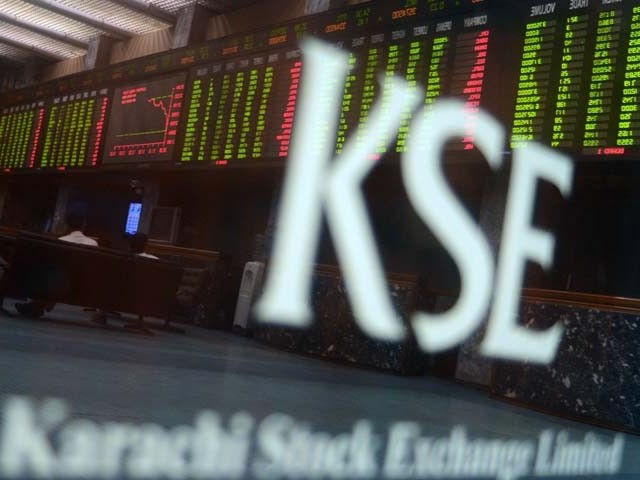
The Pakistan Stock Exchange experienced a severe downturn, with the benchmark KSE-100 Index plummeting by over 4,700 points, marking the most significant single-day drop in its history. This dramatic fall reflects mounting investor anxiety over escalating geopolitical tensions following India’s military operations, known as Operation Sindoor, targeting alleged militant infrastructure within Pakistani territory.

The KSE-100 Index closed at 106,274 points, down 4.51% from the previous session. The decline was primarily driven by substantial sell-offs in key sectors, including oil and gas, banking, and cement. Market analysts attribute this sharp downturn to a combination of geopolitical instability and aggressive profit-taking by institutional investors.

Operation Sindoor was launched by India in response to a deadly attack in Pahalgam, Indian-administered Kashmir, which resulted in the deaths of 26 civilians. India asserts that its strikes targeted terrorist groups such as Jaish-e-Mohammed and Lashkar-e-Taiba. However, Pakistan contends that the strikes hit civilian areas, including mosques and educational institutions, leading to the deaths of 31 civilians and injuries to 57 others.

In retaliation, Pakistan claims to have downed five Indian aircraft, a claim disputed by India. The ensuing military exchanges along the Line of Control have resulted in additional casualties on both sides, further exacerbating tensions between the two nuclear-armed neighbours.

The heightened conflict has significantly impacted investor confidence. Analysts note that the uncertainty surrounding the geopolitical situation has led to a risk-averse sentiment among investors, prompting widespread sell-offs. The situation is further compounded by concerns over potential economic repercussions, including disruptions to trade and foreign investment.

By Saifur Rahman The Emirates Group reported an 18 percent growth in profit before tax exceeding US$6.2 billion (Dh22.7 billion) – a new record – in the financial year 2024-25. This is the first financial year that the UAE corporate tax, enacted in 2023, is applied to the Emirates Group. After accounting for the 9 percent tax charge, the Group’s profit after tax reached US$5.6 billion (Dh20.5 […]

Dubai’s real estate market is poised for substantial expansion, with projections indicating a potential doubling of property values over the next five years, according to Abdullah Alajaji, CEO of Driven Properties. This optimistic outlook is underpinned by a combination of robust demand, strategic urban planning, and investor-friendly policies.

Average property prices in Dubai have surged by approximately 75% since early 2021, nearing the pre-2008 peak of AED 1,750 per square foot. This growth is attributed to a 50-month rally driven by economic resilience, liberalized visa regulations, and a significant influx of expatriates. The city’s population is projected to exceed 4 million by 2026, fueling sustained demand for residential properties, particularly in emerging areas such as Dubai South, Jumeirah Village Circle, and Dubai Hills Estate.

The luxury segment has witnessed remarkable activity, with sales of properties valued at AED 15 million and above reaching 948 transactions in 2024. Developments like Palm Jumeirah and Dubai Hills Estate have been at the forefront, attracting high-net-worth individuals seeking premium residences. The introduction of branded residences and ultra-luxury waterfront properties continues to appeal to affluent buyers.

Dubai’s government has implemented several initiatives to enhance the real estate sector’s appeal. Notably, policies allowing 100% foreign ownership of commercial companies outside free zones have been introduced, boosting investment in office and retail spaces. The expansion of the golden visa scheme has further attracted international investors, contributing to increased demand for high-end properties.

Sustainability and smart technology are increasingly influencing buyer preferences. By 2025, it is anticipated that 35% of new office spaces in Dubai will be LEED-certified, reflecting a shift towards eco-friendly developments. Smart homes equipped with IoT-enabled features, AI-powered security, and blockchain-based transaction systems are becoming more prevalent, aligning with the city’s commitment to innovation and sustainability.

The off-plan market remains a significant driver of growth, with 7,381 transactions recorded in January 2025 alone, totaling AED 15.1 billion. Flexible payment plans and attractive pricing continue to draw both foreign investors and end-users. Additionally, the redevelopment of areas like Sheikh Zayed Road and Al Jaddaf into freehold zones is expected to attract new investors and spur property value increases of 30-50% in these locations.

Despite the impressive growth, the market faces potential risks, including global economic fluctuations and oil price volatility. However, Dubai’s efforts to diversify its economy and attract foreign investment provide a solid foundation for long-term resilience. The city’s proactive approach to urban planning, coupled with its focus on sustainability and innovation, positions it favorably for continued growth in the real estate sector.

SINGAPORE – Media OutReach Newswire – 7 May 2025 – Bee Choo Origin, Singapore’s leading herbal hair care brand that specialises in hair fall treatment and oily scalp treatment, has reaffirmed its commitment to corporate social responsibility (CSR) with the donation of an electric passenger van to The National Kidney Foundation (NKF). This marks a significant step in enhancing patient mobility while promoting sustainable transport solutions. Bee […]

Panasonic Marketing Middle East and Africa has entered into a strategic partnership with Saudi Company for Hardware , a leading retailer in Saudi Arabia, to revolutionise the retail experience for customers in the Kingdom. This move marks a significant shift in the retail and electronics sectors, directly aligning one of Japan’s biggest manufacturers with a key local distributor, reshaping supply chains and enhancing customer engagement.

The collaboration between Panasonic and SACO will introduce a direct supply model, which aims to streamline product availability and improve service efficiency. By working closely together, the two companies will ensure a smoother, faster product distribution system, ultimately benefiting consumers with quicker access to Panasonic’s wide range of electronics and home appliances. SACO’s established retail network and expertise in the local market provide Panasonic with the necessary infrastructure to reach a broader audience while maintaining the highest service standards.

As part of the partnership, SACO will become Panasonic’s exclusive retail distributor for several product categories, including air conditioners, home appliances, and consumer electronics. The deal is expected to strengthen Panasonic’s presence in Saudi Arabia, which is one of the Middle East’s largest and most lucrative consumer markets. Both companies are focusing on providing customers with an enhanced shopping experience by offering a range of cutting-edge technologies and products, with a focus on energy-efficient and environmentally friendly solutions.

The collaboration is also set to create a seamless integration of Panasonic’s products into SACO’s expansive network of stores across the Kingdom. With a deep understanding of the Saudi consumer landscape, SACO is well-positioned to promote Panasonic’s products effectively while ensuring that they meet the local market’s unique needs and preferences. SACO’s strategic locations across major cities in Saudi Arabia will provide Panasonic with an enhanced retail footprint, allowing it to tap into new demographics and increase brand recognition.

The partnership comes at a time when Saudi Arabia’s retail and electronics sectors are experiencing substantial growth, driven by a youthful population, rising disposable incomes, and increased consumer demand for high-quality home electronics. This trend is further supported by the Saudi Vision 2030 initiative, which aims to diversify the economy and reduce its reliance on oil exports. As part of this vision, the Kingdom is increasingly focusing on expanding its non-oil sectors, with retail and consumer electronics being key growth areas.

Panasonic’s commitment to sustainability aligns with the growing demand for energy-efficient products in the Kingdom. In response to this demand, the company plans to introduce a range of environmentally conscious solutions, such as energy-saving home appliances and air conditioning systems, designed to meet Saudi Arabia’s strict energy regulations. These products are expected to resonate well with consumers who are becoming more environmentally aware and seek to reduce their carbon footprints while maintaining high standards of comfort and quality.

Through this collaboration, Panasonic also aims to strengthen its after-sales service network in Saudi Arabia. The partnership will facilitate the creation of dedicated service centres, staffed by highly trained technicians who can provide maintenance and repair services for Panasonic products. This move is designed to enhance customer satisfaction, ensuring that consumers receive comprehensive support throughout the life cycle of their purchased products. Panasonic’s reputation for high-quality manufacturing and reliability will be further bolstered by SACO’s robust service infrastructure.

The partnership is expected to play a pivotal role in transforming the electronics retail sector in Saudi Arabia. By leveraging SACO’s local expertise and Panasonic’s global brand strength, the companies aim to offer a unique value proposition to consumers. Shoppers will benefit from a more integrated shopping experience, including access to the latest Panasonic products, expert advice, and convenient after-sales support. Furthermore, the collaboration is likely to spark more innovation in the retail sector, as other manufacturers may look to follow suit and form similar partnerships with local distributors to enhance their market presence.

As the Kingdom continues to prioritise economic diversification and digital transformation under Saudi Vision 2030, the collaboration between Panasonic and SACO represents a significant step in aligning global brands with local expertise. By directly addressing consumer needs and preferences, the partnership is well-positioned to drive further growth in the Kingdom’s electronics and retail sectors, supporting the wider goal of modernising the economy and improving the quality of life for Saudi citizens.

G42, an AI powerhouse based in Abu Dhabi, is embarking on an ambitious expansion into the United States. This move signals the UAE’s broader strategy to solidify its role as a global leader in artificial intelligence, a sector that has become a cornerstone of its economic vision for the future. The company, founded in 2018, has grown swiftly into a major player in the Middle East’s rapidly […]

A high-level delegation from Abu Dhabi has arrived in Tokyo for the inaugural Abu Dhabi Investment Forum, marking a significant step towards deepening the economic ties between the UAE capital and Japan. The four-day visit, running from May 6 to 9, sees top officials and private sector leaders from Abu Dhabi engaging with their Japanese counterparts to explore new areas of collaboration, particularly in advanced industries such […]

Saudi Arabian budget airline flynas, under the backing of billionaire Prince Alwaleed Bin Talal, is preparing to launch an initial public offering later this month. This move marks the first IPO by a Gulf airline in nearly two decades, a significant milestone for both the airline and the broader Middle Eastern aviation industry. The airline, which has become a key player in the region’s air travel market, […]

Dubai’s equity market emerged as the top performer among Gulf Cooperation Council bourses in April 2025, registering a 4.1% gain driven by robust activity in the real estate and banking sectors. This contrasts with the broader S&P GCC Composite Index, which declined by 1% during the same period, reflecting mixed performances across the region amid fluctuating oil prices and global trade uncertainties.

The banking sector played a pivotal role in Dubai’s market ascent. Dubai Islamic Bank , the largest Sharia-compliant lender in the UAE, reported an 8% year-on-year increase in net profit for the first quarter of 2025. This growth was underpinned by a 7% rise in net financing and sukuk investments, reaching AED 212 billion. DIB’s asset quality improved significantly, with impairment charges dropping by 71% to AED 407 million and the non-performing financing ratio decreasing to 4%. The bank’s shares responded positively, posting a 5.4% gain in April.

In the real estate sector, Emaar Properties experienced a 1.5% decline in its stock price, contributing to a 0.4% dip in Dubai’s main index on April 30. Despite this, the overall monthly performance remained strong, bolstered by gains in other financial institutions. Emirates NBD, for instance, saw its shares rise by 1.2%, reflecting investor confidence in the banking sector’s resilience.

Abu Dhabi’s stock market also recorded positive movement, with its index climbing 1.8% in April. First Abu Dhabi Bank , the UAE’s largest lender by assets, exceeded first-quarter profit expectations, reporting a 23% year-on-year increase in net profit to AED 5.13 billion. This performance was driven by a substantial rise in non-interest income, which grew by 22% to AED 3.8 billion. FAB’s strategic restructuring, including the appointment of Linos Lekkas as head of investment banking and a reorganisation into four operational divisions, has been positively received by investors, with the bank’s shares gaining 8.7% over the month.

Qatar’s equity markets posted a 2.2% growth in April, supported by a 1.4% increase in Qatar Islamic Bank shares. However, the broader market sentiment was tempered by declines in other sectors, such as a drop in Qatar Gas Transport’s stock ahead of its earnings report.

In contrast, Saudi Arabia’s main index experienced a slight decline of 0.1% on April 30, influenced by falling oil prices and weaker corporate earnings. Saudi Aramco’s shares fell by 0.6%, while Americana Restaurants International saw a 2.2% decrease following a drop in quarterly profits. Alinma Bank’s stock also declined by 1.2% due to a sequential drop in quarterly profits.

Matein Khalid I  have not exactly been reticent in my conviction since last autumn that King Dollar was on the precipice of a seminal monetary regime shift that could mean 40% downside risk on its trade weighted index, as in 2001-06. Yet not in my wildest dreams did I anticipate that the New Taiwan dollar would surge 8% against the greenback, its best performance in 42 years, in […]

VISHNU RAJA
RYO YAMADA
HITORI GOTOH
IKUYO KITA
Just in:
Bail refused to 17-year old in Abhiram murder // Saudi Arabia schedules multinational top-up tax for 2027 //
Rahul addresses League’s INDIA bloc grievances
// Anthropic briefly reaches $2 trillion in Nasdaq debut // Yeebo Announces Interim Results for FY26/27 Revenue Increases by 45.5% to HK$806.7 Million Profit Attributable to Owners Surges 87.6% to HK$2,284.7 Million // Promoting Common Human Development Through Exchanges and Mutual Learning Among Civilizations // Egypt’s African Union trade climbs to $8.2 billion // Diabetes Malaysia And Alpro Pharmacy Set National Record With 11,007 Most Blood Glucose Screenings Conducted Across Malaysia In Just 48 Hours // PayerMax and ShopeePay Strengthen Strategic Partnership to Advance Digital Payment Collaboration in Southeast Asia // Balagopal challenges CM over tax revenue // Toward a Shared Future for Humanity: Rethinking Civilizational Exchange // Vinhomes Green Paradise: An ESG++ Megacity and the Future of Sustainable Urban Living // Saudi defences destroy three Houthi missiles targeting Riyadh // Technology at Work, Heritage for All: The “Chinese Approach” to Safeguarding the Leshan Giant Buddha // CrowdStrike explores Zscaler takeover amid cybersecurity dealmaking // Sabarimala booking discrepancies prompt sabotage angle probe // Energy Markets Find Little Substance In Shenzhen Summit Promises // Padmini follows Padmaja for ‘ghar vapsi’ // ED searches five districts in probe against hawala //
Centre grants aircraft cabin access for Sabarimala pilgrims’ irumudi
//