News related to
Low oil

Nila offers guests a rare taste of Indian coastal cuisine, bringing unique flavours and dining experiences to Thailand BANGKOK, THAILAND – Media OutReach Newswire – 21 March 2025 – ONYX Hospitality Group, a prominent management company in Southeast Asia specialising in hotels and resorts, serviced apartments and luxury residences, is delighted to celebrate the first anniversary of Nila, a Coastal Indian restaurant on the 4th floor of […]

OPEC+ has announced a revised schedule for seven member nations to implement additional oil output cuts, aiming to compensate for previous overproduction. These measures are set to overshadow the planned production increases slated for next month.

The updated plan mandates monthly reductions ranging from 189,000 to 435,000 barrels per day , with the cuts extending until June 2026. This initiative seeks to address the excess output that has occurred despite the group’s ongoing efforts to stabilize the oil market.

Since 2022, OPEC+, which includes members of the Organization of the Petroleum Exporting Countries along with Russia and other allies, has been implementing output cuts totaling 5.85 million bpd, approximately 5.7% of global supply. These cuts were introduced in phases to support market stability amid fluctuating demand and geopolitical tensions.

Despite these efforts, certain member countries have exceeded their production quotas. Kazakhstan, for instance, has seen a significant production surge due to Chevron’s expansion at the Tengiz oilfield, leading to output levels surpassing its OPEC+ quota.

To address this imbalance, the new compensatory cuts will require substantial contributions from Iraq, Kazakhstan, and Russia, with Saudi Arabia also making smaller adjustments. These measures are designed to offset the previous overproduction and align the group’s output with agreed targets.

Concurrently, OPEC+ has decided to proceed with a modest production increase of 138,000 bpd starting in April, citing healthier market conditions. This marks the beginning of a series of monthly hikes intended to gradually restore a total of 2.2 million bpd over the next 18 months, following repeated delays since 2022.

However, the introduction of compensatory cuts raises questions about the net effect on global oil supply. The scheduled reductions are expected to more than offset the planned production hikes, potentially tightening the market further. This development comes amid new U.S. sanctions targeting Chinese entities involved in supplying Iranian oil, which have contributed to a recent uptick in oil prices.

As of Friday, Brent crude futures rose 0.3% to $72.21 per barrel, and U.S. West Texas Intermediate crude futures increased 0.4% to $68.32 per barrel. Both benchmarks were set to rise about 2% for the week, marking the largest weekly gains since early 2025.

The International Energy Agency has noted that increasing global trade tensions and new U.S. tariffs are negatively impacting oil demand and economic growth, creating uncertainty. The IEA revised its oil-demand growth estimates down to 1.03 million bpd from an earlier 1.1 million bpd, while OPEC projects higher growth at 1.45 million bpd.

With OPEC+ set to raise output beyond April and increased production in regions like Kazakhstan, Iran, and Venezuela, the IEA expects global oil supply to exceed demand, foreseeing a surplus of approximately 600,000 bpd. Total supply could average 104.5 million bpd by 2025, driven by non-OPEC+ production growth.

Matein Khalid Starting in 2016, the US has morphed into the world’s largest LNG exporter, eclipsing Australia and Qatar. Trump is determined to achieve global energy dominance as he exploits the geopolitical leverage American LNG exports give him in his relations with Europe, Asia and the GCC. He has pledged to dramatically expand US natural gas production via his “drill baby drill” ethos, rescinded Biden’s environmental pause […]

Thailand’s edible insect industry has emerged as a global leader, seamlessly blending tradition with modern sustainability practices. This sector not only offers a rich source of nutrition but also presents environmentally friendly alternatives to conventional protein sources. In Thailand, consuming insects is deeply rooted in cultural traditions, especially in regions like Isan and the north. Markets frequently display an array of fried insects, including grasshoppers, crickets, silkworm […]

Arabian Post Staff -Dubai President Donald Trump hosted Sheikh Tahnoon bin Zayed Al Nahyan, the United Arab Emirates’ National Security Adviser and Deputy Ruler of Abu Dhabi, at the White House on Tuesday evening. The meeting underscored the enduring ties between the two nations and focused on enhancing cooperation in technology and investment sectors. In a statement following the dinner, President Trump highlighted the significance of the […]

By Nitya Chakraborty Indrajit Gupta, the dedicated Communist leader of India in the last century and an outstanding Parliamentarian dominated the country’s trade union movement and the Left movement for the last sixty years of the 20th century. He belonged to that generation of leaders from undivided Bengal whose sense of patriotism and deep anguish […]

The global economy is experiencing fresh waves of volatility as Trump’s second term reignites trade conflicts, currency battles, and inflationary pressures. Markets have already reacted—tariff hikes on Chinese goods, retaliatory measures from Beijing, and escalating tensions with Europe are shifting capital flows at a breakneck pace. Investors can’t afford to be complacent. They must position portfolios to withstand uncertainty, hedge against risk, and seize opportunities in this […]

Advertisements
By Nitya Chakraborty Sidelined by the Trump 2.0 administration and rebuffed by India, Bangladesh interim government is exploring all avenues to rejuvenate the country’s ailing economy by expanding its trade and investment relationship with Pakistan and China. The objective is to reduce the dependence on India in major areas where the outsourcing is possible from […]

Goldman Sachs has adjusted its oil price forecasts, citing a confluence of factors including escalating global supply and a decelerating U.S. economy. The investment bank now projects Brent crude to average $71 per barrel by December, a $5 decrease from its prior estimate, and West Texas Intermediate to reach $67 per barrel. This downward revision aligns with the bank’s updated expectations for global oil demand growth, now […]

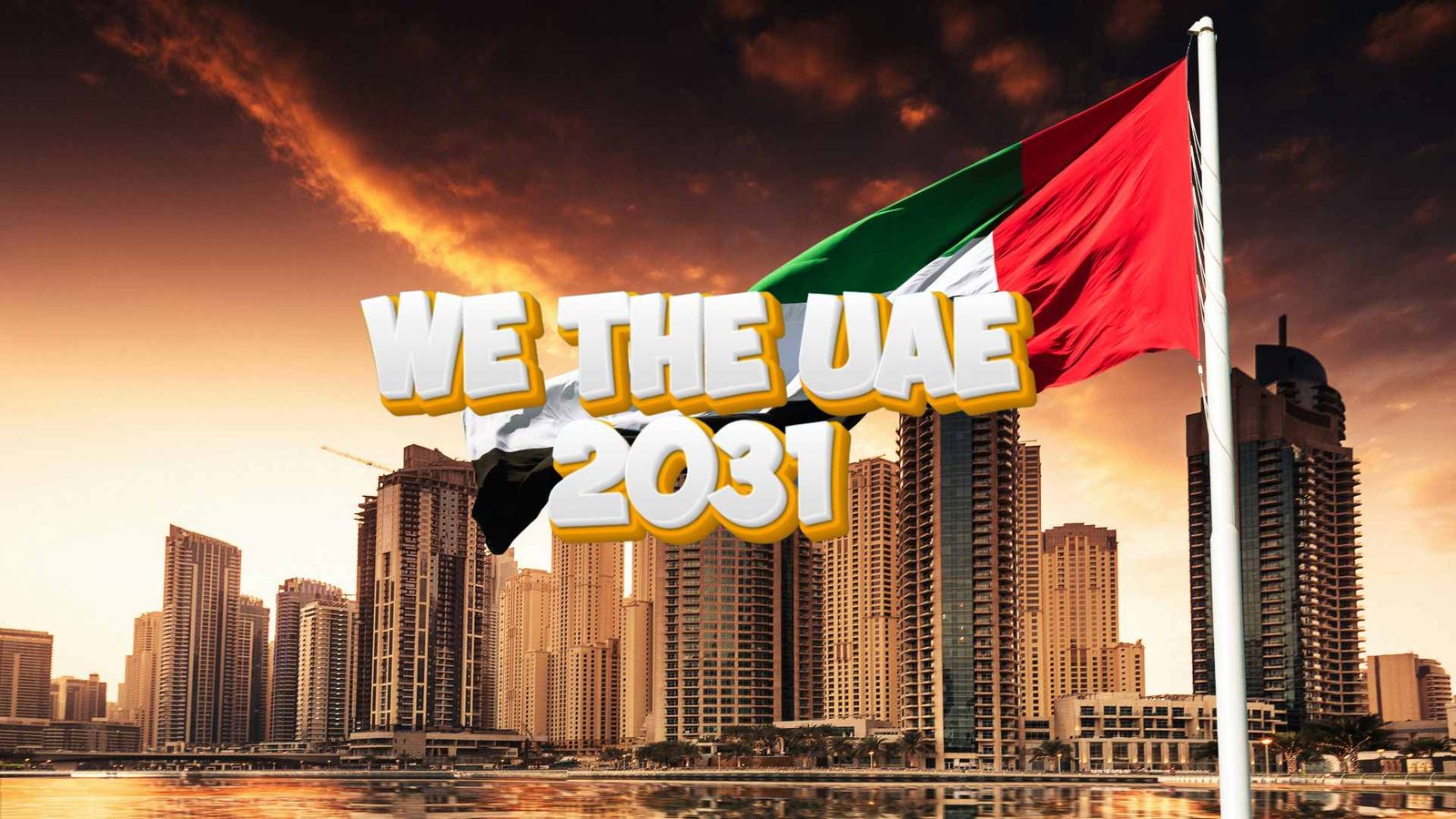
The United Arab Emirates has unveiled an ambitious plan to significantly boost its foreign direct investment inflows, aiming to increase annual figures from AED112 billion in 2023 to AED240 billion by 2031. This initiative is part of the newly approved National Investment Strategy 2031, which seeks to position the UAE as a premier global investment hub.

The strategy outlines a comprehensive approach to enhance the nation’s investment landscape. It includes the launch of 12 strategic programmes and 30 targeted initiatives, such as the Financial Sector Development Program, the One-Market Program, and InvestUAE. These initiatives are designed to bolster investment promotion and drive economic diversification across key sectors, including industry, logistics, financial services, renewable energy, and information technology.

His Highness Sheikh Mohammed bin Rashid Al Maktoum, Vice President, Prime Minister, and Ruler of Dubai, chaired the UAE Cabinet meeting where the strategy received approval. He emphasized that the goal is to increase annual foreign investment inflows to AED240 billion by 2031 and grow the UAE’s total FDI stock from AED800 billion to AED2.2 trillion over the coming years.

In 2023, the UAE recorded FDI inflows amounting to USD 30.688 billion, a substantial increase from USD 22.737 billion in 2022. This growth positioned the UAE second globally in FDI inflows, reflecting the nation’s robust investment climate and strategic initiatives to attract foreign capital.

The National Investment Strategy 2031 is expected to further enhance the UAE’s role as a bridge connecting regional markets and a global hub for investment. By focusing on key sectors and implementing targeted initiatives, the UAE aims to diversify its economy, reduce dependence on oil revenues, and promote sustainable development.

The strategy also aligns with the UAE’s broader economic goals, including the promotion of innovation, support for small and medium-sized enterprises , and the development of human capital. By creating a conducive environment for businesses and investors, the UAE seeks to foster economic growth and maintain its competitive edge in the global market.

As part of its efforts to attract foreign investment, the UAE has established a comprehensive framework of agreements, including Bilateral Investment Treaties , Avoidance of Double Taxation Agreements , and Comprehensive Economic Partnership Agreements . These agreements aim to offer robust protections, streamline processes, and provide strategic opportunities for investors, thereby enhancing the UAE’s appeal as an investment destination.

The United States has escalated its economic pressure on Iran by imposing sanctions on Iranian Oil Minister Mohsen Paknejad and a network of vessels, commonly referred to as the “shadow fleet,” accused of facilitating Tehran’s evasion of existing sanctions. This move is part of President Donald Trump’s “maximum pressure” campaign aimed at curtailing Iran’s oil exports and hindering its alleged nuclear ambitions.

The U.S. Treasury Department’s Office of Foreign Assets Control announced the sanctions, highlighting Paknejad’s role in overseeing the export of oil valued at tens of billions of dollars, with significant portions allocated to Iran’s armed forces. Treasury Secretary Scott Bessent emphasized that the Iranian regime exploits its oil wealth for its own interests rather than for the benefit of its people.

The sanctions also target a fleet of vessels accused of disguising Iranian oil shipments. Among them are the Hong Kong-flagged Peace Hill and the Iran-flagged Polaris 1, as well as others registered in Seychelles and Liberia. These ships are allegedly part of a sophisticated network designed to circumvent international sanctions by obscuring the origin of Iranian oil.

The concept of a “shadow fleet” refers to a collection of aging tankers that operate under various flags and ownership structures to evade detection. These vessels often engage in deceptive practices such as turning off their Automatic Identification Systems , conducting ship-to-ship transfers in international waters, and falsifying documentation to mask the origin of their cargo. Such tactics have been employed to maintain the flow of Iranian oil to international markets despite stringent sanctions.

The U.S. administration’s strategy includes not only sanctioning individuals and entities directly involved in Iran’s oil exports but also those facilitating these clandestine operations. By targeting the maritime infrastructure that supports Iran’s oil trade, the U.S. aims to disrupt the financial networks that fund Iran’s nuclear program and its support for militant groups.

In addition to these measures, the U.S. is considering more aggressive tactics to impede Iran’s oil exports. One proposal under review involves stopping and inspecting Iranian oil tankers at sea. This approach aims to delay crude deliveries and create uncertainty in the supply chains that are vital for Iran’s revenue. Such actions would further tighten the economic noose around Tehran, limiting its ability to generate income from oil sales.

The U.S. State Department has also announced a comprehensive review of all sanctions waivers that provide Iran with economic relief. This includes scrutinizing waivers that allow countries like Iraq to pay Iran for electricity, as well as those permitting other nations to import Iranian oil. The objective is to close any loopholes that might enable Iran to sustain its economy despite the sanctions.

Iran has sharply criticized the U.S. for its “hypocrisy” following the new sanctions on its oil minister, further straining U.S.-Iran relations. The Iranian government argues that these measures are part of a broader strategy to destabilize the country and undermine its sovereignty.

The international community remains divided over the U.S.’s approach. While some allies support the hardline stance against Iran’s nuclear program and regional activities, others express concern that escalating sanctions could lead to increased tensions in the Middle East. There are fears that such measures might provoke retaliatory actions from Iran, potentially disrupting global oil markets and leading to broader geopolitical instability.

The effectiveness of the “maximum pressure” campaign is a subject of ongoing debate. Proponents argue that the economic strain forces Iran to reconsider its nuclear ambitions and regional policies. Critics, however, contend that the sanctions disproportionately affect ordinary Iranians and may strengthen hardline factions within the country, reducing the prospects for diplomatic engagement.

As the U.S. continues to tighten its sanctions regime, the resilience of Iran’s strategies to circumvent these measures will be tested. The international community will closely monitor the situation to assess the impact on global oil markets, regional stability, and the broader geopolitical landscape.

A U.S. court has approved Three Arrows Capital’s request to raise its claim against FTX to $1.53 billion. This decision allows the embattled hedge fund to pursue a larger share in the bankruptcy proceedings of the collapsed cryptocurrency exchange, FTX. The court’s approval comes after 3AC, which held significant assets in FTX, revised its initial claim to reflect a more substantial financial stake.

As of June 12, 2022, 3AC reportedly held assets valued at $1.53 billion in FTX, a cryptocurrency exchange that has since spiraled into bankruptcy. However, a rapid series of transactions between the two parties led to the liquidation of a significant portion of these assets. Just days after 3AC held the assets, they were sold off to cover a $1.3 billion debt owed to FTX, leaving 3AC with a significantly reduced amount.

Initially, 3AC had filed a claim for $120 million in June 2023, which represented the remaining value of its assets at the time. The claim was based on 3AC’s holdings of FTX’s native FTT tokens and other crypto assets tied to the exchange, which were initially valued higher. However, in light of further analysis and unfolding details, the claim has now been revised upwards, with 3AC seeking $1.53 billion in total.

The court’s ruling allows 3AC to officially revise the terms of its claim, which will impact how the proceedings in FTX’s bankruptcy case unfold. With a claim now nearly ten times larger than originally filed, 3AC’s request highlights the complexity of the ongoing bankruptcy proceedings and the intricate relationships between major crypto players.

The revised claim is rooted in the volatile collapse of FTX, which saw assets across the crypto sector lose significant value. The turmoil within the digital currency market has also raised questions regarding asset valuations and the interlinked financial risks faced by companies involved in the cryptocurrency ecosystem. The asset liquidation that occurred between 3AC and FTX highlights the systemic risks that crypto exchanges, funds, and investors face during such crises.

The U.S. court’s approval comes amid continuing investigations into FTX’s operations, with authorities scrutinising the events leading to the exchange’s downfall. FTX founder Sam Bankman-Fried faces multiple charges related to fraud and mismanagement, and the ongoing legal proceedings have drawn attention to the broader impact on investors and creditors. The case of 3AC is just one of many high-profile claims emerging from the aftermath of FTX’s bankruptcy, but its size and prominence underscore the potential consequences for other creditors.

For 3AC, the court’s approval marks a critical development as the firm continues its restructuring efforts in the wake of its own collapse. Three Arrows Capital had once been a prominent player in the cryptocurrency hedge fund space, but it has faced significant financial setbacks following its exposure to failing crypto assets. The fund’s involvement in the FTX debacle further complicates its ongoing recovery, with large sums of money at stake.

3AC’s strategy to pursue a larger claim indicates its ongoing efforts to secure as much compensation as possible through FTX’s bankruptcy process. Given the scale of its claim, 3AC may also seek to negotiate its position with other creditors involved in the bankruptcy, all of whom are competing for a share of the limited remaining assets.

The approval also raises broader questions about the future of cryptocurrency regulation, as both the U.S. and international regulators examine the collapse of FTX and its ramifications. The FTX debacle has drawn scrutiny from lawmakers and regulatory bodies, with calls for more stringent oversight of the cryptocurrency industry. As the fallout from the collapse continues to unfold, many expect further legal challenges and claims from other investors and entities that were involved in the exchange’s operations.

Janus Marine and Defense, a U.S.-based marine autonomy specialist, in collaboration with Nexus Remote Solutions, has announced plans to establish the United Arab Emirates’ inaugural center dedicated to the testing, hiring, and maintenance of unmanned vessels. The Remote Operations Center , aptly named ‘The Quarterdeck,’ is set to be located at Addax Tower on Al Reem Island in Abu Dhabi, marking a significant milestone in the region’s maritime industry.

This initiative represents a pioneering effort to provide industry and small to medium-sized enterprises with access to advanced facilities for unmanned surface vessels and unmanned underwater vessels . The Quarterdeck aims to serve both commercial offshore and defense sectors, fostering innovation and development in marine autonomy technologies.

Jack Dougherty, owner of Janus Marine and Defense and a former U.S. Navy seafarer with extensive experience in naval and commercial marine autonomy, highlighted the strategic advantages of operating in the UAE. He noted that the country’s open policy towards USV operations in its territorial waters offers favorable conditions, free from the bureaucratic hurdles and regulations encountered in other parts of the world.

The Quarterdeck is scheduled to officially open in June, positioning itself as a unique facility in the Gulf region. Currently, the UAE hosts three ROCs spanning the offshore, commercial, and defense markets; however, all three are privately owned and inaccessible to external contractors. The establishment of the Quarterdeck aims to bridge this gap by providing private companies with access to state-of-the-art technology and facilities typically reserved for private ROCs.

This development is poised to significantly enhance the capabilities of startups and scale-ups in the region, enabling them to innovate and advance USV and UUV technologies. By offering a dedicated space for testing and maintenance, the Quarterdeck is expected to accelerate the growth of the unmanned vessel industry within the UAE and beyond.

The collaboration between Janus Marine and Defense and Nexus Remote Solutions underscores a shared vision for industry standardization and practical cooperation. In May 2024, the two companies unveiled the Nexus-Janus Portal, a groundbreaking USV payload management system designed for universal compatibility. The NJ Portal aims to standardize payload integration across various vessel builders, payload providers, and autonomous control manufacturers, thereby enhancing the modularity and operational flexibility of USVs.

The NJ Portal is a scalable, versatile server solution that simplifies the integration and management of payload systems on USVs. It adapts to diverse data processing requirements and power needs, ranging from single-board computers to powerful 8U GPU servers. This ensures easy management of payload integrations and rapid deployment or modification of configurations across different vessels. Jack Dougherty, CEO of Janus Marine and Defense, emphasized the portal’s versatility, stating, “Whether it’s a tow-behind side scan sonar performing a hydro survey or a .50 caliber machine gun in a remote weapon system, the principle is the same. We take a manned or wired system and make it work on an autonomous platform where it wasn’t designed to be.”

John Woroniuk, Director of Nexus and Portal Development Engineer, highlighted the portal’s potential, noting, “With version 3 of our system, we offer nearly unlimited integration possibilities. This enhances payload efficiency and allows preprogrammed accommodation for additional payloads yet to be installed. Whether your fleet consists of 11-meter USVs equipped for varied missions, our system delivers the seamless integration needed.”

The establishment of the Quarterdeck aligns with the UAE’s broader strategic objectives to position itself as a leader in maritime innovation and technology. By providing a dedicated facility for the development and maintenance of unmanned vessels, the UAE is set to attract global attention and investment in the marine autonomy sector.

The Quarterdeck’s location at Addax Tower on Al Reem Island offers strategic advantages, providing easy access to key maritime routes and infrastructure. This prime location is expected to facilitate seamless operations and collaborations with local and international partners.

The launch of the Quarterdeck is anticipated to have a ripple effect across the maritime industry in the region. By offering accessible facilities for testing and maintaining unmanned vessels, the center is likely to encourage more companies to explore and invest in marine autonomy technologies. This could lead to increased innovation, job creation, and economic growth within the sector.

The Quarterdeck is expected to serve as a hub for knowledge exchange and collaboration. By bringing together industry experts, researchers, and companies, the center aims to foster a community dedicated to advancing unmanned vessel technologies. This collaborative environment is likely to spur new ideas, partnerships, and solutions to existing challenges in the maritime industry.

The initiative also reflects a growing global trend towards the adoption of unmanned systems in various sectors, including defense, oil and gas, and environmental monitoring. The ability to operate vessels remotely offers numerous advantages, such as increased safety, reduced operational costs, and the capability to perform tasks in hazardous environments.

As the maritime industry continues to evolve, the establishment of facilities like the Quarterdeck will play a crucial role in shaping the future of marine operations. By providing the necessary infrastructure and support, such centers enable the development and deployment of advanced technologies that can transform traditional practices.


The world’s leading technology billionaires have experienced unprecedented declines in their net worths, with a collective loss of approximately $266 billion in 2025. This downturn surpasses the market capitalizations of major corporations such as Salesforce and McDonald’s. Elon Musk, the CEO of Tesla and SpaceX, has seen his wealth diminish by $102 billion in just two months, primarily due to a 35% drop in Tesla’s stock price. […]

The U.S. Securities and Exchange Commission has postponed decisions on a series of high-profile cryptocurrency exchange-traded funds , signalling an ongoing cautious approach to integrating digital assets into mainstream financial markets. Among the delayed applications are several ETFs linked to major cryptocurrencies, such as Dogecoin, XRP, Solana, and Litecoin.

The Grayscale Dogecoin ETF, along with the Grayscale XRP ETF, are part of a broader set of applications put forward by the company to broaden its crypto offerings. Other significant applications include those from VanEck, Canary, Bitwise, and Coinshares, which are seeking to launch ETFs focused on Solana and Litecoin. These delays mark a critical moment in the cryptocurrency sector, where industry observers and market participants had hoped for greater clarity and regulatory progress from the SEC.

While the SEC has cited concerns about investor protection and market manipulation risks, industry players argue that the delay underscores the agency’s struggle to adapt existing regulations to an ever-evolving digital asset landscape. Proponents of these ETFs contend that the SEC’s hesitation hampers innovation and blocks more accessible investment channels for retail investors eager to gain exposure to digital currencies.

The regulatory body has been scrutinising crypto ETFs for some time, weighing the risks associated with market volatility and liquidity issues. SEC Chair Gary Gensler has repeatedly indicated that the agency’s stance on cryptocurrency would focus on ensuring the integrity of the financial system and protecting investors from potential fraud. Yet, critics argue that these delays are hindering the growth of the digital asset sector, and market participants remain uncertain about the timeline for future approvals.

Grayscale, a prominent asset management firm known for its Bitcoin and Ethereum trust funds, has been at the forefront of advocating for Bitcoin ETFs and other crypto investment vehicles. The company has expressed disappointment over the delay but remains optimistic that the SEC will eventually approve these products, citing the increasing institutional interest in cryptocurrency markets and the growing demand for regulated investment vehicles.

The proposed Grayscale Dogecoin and XRP ETFs are especially notable due to the prominence of these assets in the digital currency ecosystem. Dogecoin, originally created as a meme, has gained significant traction over the past few years, bolstered by celebrity endorsements and a growing user base. XRP, meanwhile, continues to be embroiled in ongoing legal battles with the SEC, which has added further complexity to its potential approval for an ETF.

Similarly, the Solana and Litecoin-focused ETFs, which include offerings from Canary, Bitwise, and Grayscale, have generated significant attention. Solana, known for its high-speed transactions and lower fees, has become one of the most talked-about cryptocurrencies in recent years. However, concerns around security breaches and technical challenges have led to questions about its long-term stability and viability as a mainstream investment product. Litecoin, while considered one of the more established cryptocurrencies, has faced similar issues regarding its perceived relevance in a rapidly evolving market.

As the SEC continues to deliberate on these applications, many in the cryptocurrency industry remain hopeful that the regulator will take a more open-minded approach in the future. However, the delay of these ETFs highlights the ongoing tension between the cryptocurrency sector and regulatory bodies, as both sides navigate the complexities of balancing innovation with risk mitigation. Despite the setback, cryptocurrency advocates are expected to persist in pushing for more robust regulatory frameworks that will allow digital assets to gain legitimacy in the financial sector.

The SEC’s cautious stance is also reflective of broader concerns in the U.S. government about the potential for cryptocurrencies to be used in illicit activities. Policymakers have raised concerns about the role digital currencies may play in money laundering, terrorism financing, and other illegal transactions. These concerns have prompted calls for more stringent regulatory measures, including the implementation of clearer rules around custody, reporting, and anti-money laundering compliance.

By Nitya Chakraborty The 14th National People’s Congress of China ended its one-week-long session in Beijing on Tuesday March 11 with a clear direction given by the President and the Communist Party supremo Xi Jinping that China will take on the disruptions made in the global order by the United States president Donald Trump in […]

Sushi Kissho by Miyakawa and Teppanyaki Shou Make Dazzling Debuts on the SCMP’s Best of the Best Annual List MACAU SAR – Media OutReach Newswire – 11 March 2025 – The South China Morning Post recently announced its 100 Top Tables guide for 2025, a definitive list recognizing the most exceptional dining establishments in Hong Kong and Macau. This year, six restaurants from StarWorld Hotel and Galaxy […]

AIQ, a subsidiary of Presight, has secured a $340 million contract from Abu Dhabi National Oil Company to deploy its ENERGYai platform and associated artificial intelligence solutions across ADNOC’s upstream operations. This three-year agreement marks a significant advancement in integrating AI within the energy sector, aiming to enhance efficiency and operational performance. The contract follows the successful completion of a proof-of-concept phase, during which ENERGYai demonstrated its […]

At the CERAWeek conference in Houston, Saudi Aramco’s President and CEO, Amin Nasser, delivered a sharp critique of current global energy transition strategies, labelling them as “self-destructive” and warning of potential economic and energy security consequences. Nasser emphasized that the prevailing approach, which aims to rapidly phase out conventional energy sources in favour of immature alternatives, is flawed. He argued that such strategies are not only unrealistic […]

Dubai continues to dominate the global greenfield foreign direct investment rankings, further solidifying its position as a key investment hub. According to the latest data from the Financial Times’ fDi Markets, the emirate secured its spot as the leading destination for greenfield FDI projects in 2024. This achievement highlights the city’s resilience and attractiveness as an investment destination, despite global economic challenges. Greenfield FDI refers to investments […]

Oil prices stabilized on Tuesday after a period of declines, reflecting investor apprehension over escalating trade tensions and their potential impact on global economic growth. West Texas Intermediate crude hovered around $66 per barrel, while Brent crude traded near $69, following a 1.5% drop on Monday.

The recent market volatility stems from U.S. President Donald Trump’s enforcement of tariff measures, which has heightened fears of a slowdown in the world’s largest economy. Investors retreated from various risk assets on Monday, leading to significant sell-offs across global markets. Although the selloff moderated on Tuesday, concerns persist regarding the broader economic implications of the tariffs.

In addition to trade tensions, geopolitical developments have contributed to market unease. Notably, the potential for a ceasefire between Russia and Ukraine has raised the prospect of lifting sanctions on Russia’s energy sector, which could increase crude supply and exert downward pressure on prices. Such developments add complexity to an already uncertain market environment.

The Organization of the Petroleum Exporting Countries and its allies have also influenced market dynamics. The coalition signaled intentions to adjust production caps in response to changing market conditions, aiming to balance supply and demand. However, concerns about slowing global demand persist, particularly given the potential economic ramifications of ongoing trade disputes.

Matein Khalid I have warned my friends that US recession risk was rising alarmingly in the past month as I saw the price of oil and money (2-year Treasury note yields) tank in unison while metrics of consumer/business confidence nosedived. Now Wall Street has accepted my thesis that the tariff trauma will lead to a deflation Big Chill and not an inflation spike in the US economy. […]

Donald Trump’s economic policies generate excitement, but they often contain internal contradictions that make navigating financial decisions more challenging. Investors and businesses are left in an environment of uncertainty, where competing policy objectives create unpredictability. This is why expert financial advice is more important than ever—because when the strategy of the world’s largest economy pulls in different directions, the risks and opportunities shift rapidly. Take tariffs, for […]

By Nantoo Banerjee Returning empty-handed and crestfallen from his meeting with United States President Donald Trump, popular satirical comedian turned Ukraine President Volodymyr Zelensky looks more like a totally confused person now. He doesn’t know whom to trust — highly peeved US President Donald Trump or the leaders of the EU-UK combine, the backstage instigators […]

VISHNU RAJA
RYO YAMADA
HITORI GOTOH
IKUYO KITA