News related to
Low oil

Aldar Properties, one of the UAE’s largest real estate developers, has announced a substantial $408 million investment to revamp several of its high-end hotel properties. The company aims to enhance its hospitality portfolio by upgrading key hotels across Abu Dhabi, signaling a strong commitment to the luxury sector as tourism continues to recover. This major initiative is part of a broader strategy to align the region’s hospitality […]

Plans are underway for Africa’s wealthiest person, Aliko Dangote, to establish a family office in Dubai, signaling a significant move towards consolidating his extensive business empire and managing his diverse investments. The billionaire, who is renowned for his vast interests in cement, sugar, and oil, aims to leverage Dubai’s strategic position as a global business hub to further expand his financial portfolio. This initiative reflects the increasing […]

Gold has surged to historic heights, driven by the latest Federal Reserve decision to cut interest rates by 50 basis points, sparking heightened investor interest in safe-haven assets. The precious metal, which has long been seen as a hedge against inflation and economic uncertainty, reached an unprecedented $2,653 per ounce on September 23, a record in the global market.

The Fed’s move marked a pivotal shift in monetary policy, signaling further potential rate cuts. As interest rates fall, the opportunity cost of holding non-yielding assets like gold decreases, making them more attractive to investors. This shift has ignited a rally in gold prices, with many analysts predicting that the metal’s upward momentum may continue if the Fed maintains its rate-cutting strategy. The substantial increase in gold prices, approximately 30% from the start of the year, underscores growing concerns about the economic outlook.

Economic uncertainty fueled by rising geopolitical tensions, particularly in the Middle East, has also played a crucial role in driving gold to these new highs. Investors tend to flock to gold during times of instability, and the current geopolitical landscape has heightened that trend. In particular, concerns over potential disruptions in oil supplies and escalating conflicts have contributed to a broader risk-off sentiment in the market, with many turning to gold as a safer investment during turbulent times.

Global financial markets have been facing heightened volatility, spurred in part by fluctuating inflation rates and concerns over a possible economic slowdown in key markets such as the United States and Europe. This has led to increased speculation about future interest rate cuts, which further benefits gold. As inflation remains a key concern, particularly in the wake of strong consumer spending data, gold’s allure as a store of value has strengthened significantly.

The Federal Reserve’s latest actions have further entrenched the belief that it will continue to lower rates in an effort to manage inflation and support economic growth. Speculation is rife that further rate cuts could be on the horizon, with several financial analysts forecasting additional cuts by the end of 2024. As a result, gold prices could continue to rise, further bolstered by continued uncertainty in the global economic outlook.

Beyond U.S. monetary policy, a key factor contributing to the gold surge is the weakening of the U.S. dollar, which has dropped against a basket of major currencies. Gold, being dollar-denominated, becomes cheaper for investors holding other currencies when the dollar weakens, further increasing demand. This dynamic is likely to persist as long as the dollar remains under pressure due to softening economic data or expectations of further monetary easing by the Fed.

Central banks around the world have been increasing their gold reserves, driven by the desire to diversify away from dollar holdings amid concerns about long-term economic stability. China and Russia, in particular, have been large buyers of gold in recent years, further tightening supply in the global market and pushing prices upward.

The remarkable performance of gold has also drawn attention from a wide array of institutional investors, who are increasingly viewing it as an essential component of diversified portfolios. Amid concerns over stock market volatility and potential downward pressure on bonds due to interest rate movements, gold has emerged as a resilient option for mitigating risk. The widespread belief that gold will continue to perform well in the current economic environment is fueling additional inflows into gold-backed exchange-traded funds (ETFs) and other investment vehicles tied to the precious metal.

Despite the ongoing bullish sentiment, some analysts caution that gold’s rapid ascent could face headwinds if the Federal Reserve decides to reverse course on its monetary easing policies. A sudden shift toward tightening or a stronger-than-expected economic recovery could diminish gold’s appeal, particularly if the U.S. dollar strengthens in response to better-than-anticipated economic data. Nonetheless, the consensus among market watchers remains that gold is likely to continue benefitting from a combination of lower interest rates, geopolitical uncertainty, and a weaker dollar in the near term.

Gold’s record-breaking surge has been a boon for mining companies and the broader precious metals sector, which have seen their stocks rise in tandem with gold prices. The strong performance of gold miners reflects the market’s confidence that gold will remain a sought-after commodity, at least in the medium term. In particular, companies with low-cost operations are well-positioned to capitalize on the elevated price environment, which has bolstered profit margins across the sector.

Investment flows from the Middle East into China have surged to unprecedented levels, reflecting an evolving economic partnership driven by substantial cash reserves and a shared interest in diversification and innovation. As the global economy continues to grapple with geopolitical tensions and supply chain disruptions, companies from the Gulf region are increasingly looking to capitalize on China’s robust market potential.

Several factors have contributed to this notable increase in investment. The post-pandemic recovery in China, coupled with the Belt and Road Initiative, has created fertile ground for collaboration. This initiative aims to enhance global trade routes, and Middle Eastern firms see significant opportunities in infrastructure, technology, and renewable energy sectors. Recent data indicates that investments from Gulf Cooperation Council (GCC) countries reached a record high, with a noticeable increase in transactions related to technology and logistics.

A pivotal player in this investment wave is Saudi Arabia, which has been actively seeking to diversify its economy under the Vision 2030 plan. The Kingdom’s Public Investment Fund (PIF) is increasingly channeling resources into Chinese technology firms, particularly in artificial intelligence and e-commerce. This aligns with the Saudi strategy to leverage advancements in technology to bolster local industries and foster economic growth. The PIF has made substantial investments in Alibaba and other tech giants, marking a significant shift in its investment portfolio.

UAE firms are also playing a critical role in this trend. Abu Dhabi’s Mubadala Investment Company has expanded its footprint in China, investing heavily in sectors such as healthcare, renewable energy, and telecommunications. The strategic focus on technology and innovation mirrors the UAE’s own economic diversification goals, emphasizing a move away from oil dependency. Additionally, Dubai’s position as a global trading hub enables UAE companies to act as a conduit for investments flowing into China, facilitating partnerships and joint ventures.

Emerging sectors are at the forefront of this investment boom, particularly in technology and renewable energy. Middle Eastern firms are increasingly recognizing the importance of digital transformation, leading to significant investments in Chinese tech startups. The push for innovation aligns with global trends in artificial intelligence, fintech, and e-commerce. Companies from the Middle East are particularly interested in leveraging China’s advanced technological infrastructure to enhance their own capabilities.

The renewable energy sector is another focal point for investment. As part of their commitment to sustainability, many GCC countries are investing in clean energy projects. China’s leadership in solar and wind technology presents attractive opportunities for collaboration. Recent joint ventures between Chinese and Middle Eastern firms in solar energy projects highlight a growing trend towards sustainability in their investment strategies. This synergy not only addresses the energy needs of the region but also contributes to global efforts in combating climate change.

China’s growing consumer market also attracts substantial interest from Middle Eastern companies. With a burgeoning middle class, demand for high-quality products and services is on the rise. Companies from sectors such as food and beverage, luxury goods, and health products are looking to tap into this lucrative market. The expanding trade relationship is expected to yield significant benefits for both parties, as Middle Eastern firms introduce their products and services to Chinese consumers.

The geopolitical landscape plays a crucial role in shaping these investment dynamics. As tensions between the U.S. and China escalate, Middle Eastern nations are finding themselves in a unique position to act as intermediaries. The desire for strategic partnerships allows Gulf countries to leverage their relationships with both Western and Eastern powers. This balancing act is critical for maintaining economic stability and fostering trade relationships that benefit all parties involved.

Despite the promising outlook, challenges remain. Regulatory barriers and varying business practices can complicate cross-border investments. However, many companies are finding ways to navigate these obstacles through strategic alliances and local partnerships. Building relationships with Chinese firms is essential for understanding market dynamics and ensuring successful investment outcomes.

As Middle Eastern firms continue to increase their presence in China, the implications for global trade are profound. The growing interdependence between these regions highlights a shift in the traditional investment landscape. Analysts predict that this trend will not only bolster economic ties but also create new avenues for collaboration across various sectors.

Saudi Aramco, the state-owned oil giant of Saudi Arabia, has set the pricing guidance for its upcoming dollar-denominated sukuk bonds. The issuance marks another significant move in the company’s strategy to diversify its funding sources and support its ongoing expansion plans. The term sheet indicates a total anticipated issuance of up to $5 billion, which is expected to be split into multiple tranches with varying maturities. This […]

By Dr. Gyan Pathak Creating a bad neighbourhood is unwise, especially through totally avoidable unrestrained speeches. However, the leaders from the ruling establishment in India have been in the habit of making unrestrained speeches aimed at winning domestic elections that hurt our neighbouring countries unnecessarily worsening already strained relationships at a time when India is […]

The Dubai Financial Market (DFM) has completed its scheduled review of the General Index and Islamic Index, applying the new stock weightings to both indices starting today. This periodic evaluation aims to ensure the indices accurately reflect the market’s movements and the performance of listed companies.

The reviewed weightings, effective immediately, are expected to provide a clearer picture of the current market standing. The adjustments have garnered significant attention as investors and stakeholders analyze how the updated figures will impact their portfolios and trading strategies. The changes come during a time of increased global financial uncertainty, making the recalibration of these indices a critical measure for the market’s participants.

DFM’s review process, undertaken twice annually, forms a core part of its strategy to maintain a balanced and representative index system. This time, the Islamic Index received heightened scrutiny as sharia-compliant investments have seen a surge in global interest. The modifications to both indices are reflective of market activity over the past months, including stock performance, market capitalization, and liquidity considerations.

Many large-cap companies retained their influential positions within the indices, while certain mid-cap and smaller firms saw their weightings adjusted. The DFM General Index, a barometer of the broader market performance, experienced changes that industry analysts believe could signal emerging trends in the region’s economic sectors. The Islamic Index, which tracks sharia-compliant companies, also saw updates aligning with the growing demand for ethical investments across the Middle East and North Africa (MENA) region.

Several market experts are focusing on the potential impact these adjustments will have on the financial landscape in the UAE and beyond. With the global investment community closely observing DFM’s activities, the revised weightings could affect decisions made by institutional investors and fund managers, particularly those with significant holdings in both the General and Islamic Indices.

Companies with strong fundamentals and steady performance records were expected to maintain or even improve their positions in the indices, while those with fluctuating market capitalization and lower liquidity risk seeing their weightings diminished. The review is based on a transparent methodology that takes into account factors such as market capitalization, free float, and compliance with DFM’s stringent listing standards.

This year’s review comes at a time when the UAE’s capital markets are witnessing renewed interest from both regional and international investors. Analysts have pointed to the growth of sectors such as real estate, banking, and technology, which continue to drive much of the economic activity on the exchange. DFM’s Islamic Index, in particular, has seen an uptick in interest as sharia-compliant investments become increasingly attractive in an era of socially responsible investing.

With Dubai positioning itself as a global hub for financial services, the success and accuracy of its indices remain pivotal for both local and foreign investors. The DFM General Index, often viewed as a proxy for the health of Dubai’s economy, offers a snapshot of the market’s trajectory. Likewise, the Islamic Index is gaining attention due to the global rise in demand for Islamic finance solutions, particularly as countries across the Gulf continue to diversify their economies away from oil dependence.

Today’s application of the new weightings comes at a time of heightened anticipation among traders and fund managers who closely monitor any shifts in the indices for signs of underlying market movements. Analysts are already beginning to issue forecasts based on the changes, with some expecting a boost in the performance of companies that gained weight in the review.

Several of Dubai’s top-listed firms continue to dominate the General Index, including major players in sectors such as banking, real estate, and logistics. The Islamic Index, meanwhile, continues to feature companies that comply with sharia principles, covering a range of industries from financial services to energy. As Dubai continues to strengthen its regulatory frameworks, ensuring transparency and investor protection, the DFM’s indices play a crucial role in attracting foreign investment and maintaining market stability.

The periodic review also brings into focus the importance of accurate and timely data in market operations. Investors rely on these recalibrations to make informed decisions, particularly when it comes to index-linked investments such as exchange-traded funds (ETFs) and index funds. With the UAE’s capital markets maturing, the role of DFM’s indices in reflecting the true performance of the economy is more critical than ever.

DFM’s commitment to reviewing its indices bi-annually ensures that they remain aligned with international best practices. As part of this process, DFM collaborates with a wide range of stakeholders, including regulators, market participants, and financial experts, to ensure that its indices maintain a high standard of accuracy and relevance. This collaborative approach has helped cement DFM’s position as one of the leading exchanges in the MENA region.

Advertisements

Brookfield Asset Management has successfully raised $2.4 billion for its inaugural climate-focused fund, with backing from Abu Dhabi’s Mubadala Investment Company. This marks a pivotal step in Brookfield’s efforts to support global decarbonization projects. The first phase of fundraising, which is part of a larger initiative to reach a $15 billion goal, underscores the growing international commitment to addressing climate change through substantial private investment. Brookfield’s new […]

HONG KONG SAR – Media OutReach Newswire – 23 September 2024 – The first baijiu company listed on the Hong Kong Stock Exchange and the second Chinese sauce-aroma baijiu stock being publicly listed, ZJLD Group Inc. (“ZJLD” or the “Company”, SEHK stock code: 06979. HK), has been awarded the prestigious “Outstanding Social Sustainable Awards” and “Outstanding Green Sustainable Awards” by the Metro Finance’s “GBA ESG Achievement Awards […]

General Atlantic, a leading global growth equity firm, is planning to establish an office in Abu Dhabi by the end of this year as part of its expanding focus on the Middle East. The move highlights the firm’s strategy to deepen its engagement with regional markets, leveraging Abu Dhabi’s status as a growing financial hub. This decision reflects the firm’s increasing interest in capturing investment opportunities within the Middle East and North Africa (MENA) region, which has seen a surge in economic activity across various sectors, including technology, fintech, and healthcare.

Abu Dhabi’s emergence as a key financial center has attracted several global firms, and General Atlantic is the latest to set its sights on the city. This expansion is aligned with the firm’s broader plans to scale its investments in high-growth markets across the globe. Over the years, the Middle East has grown in prominence for international investors, and General Atlantic has been a notable player, investing approximately $400 million in the region since 2015, with prominent investments including Property Finder and Network International.

Samir Assaf, Chairman of MENA at General Atlantic, is spearheading this initiative. His leadership is expected to strengthen the firm’s regional network and assist in identifying further investment opportunities. Assaf, who joined General Atlantic as a Senior Advisor in 2021 and later took on this expanded role, brings decades of experience in the financial sector, including senior roles at HSBC. He is tasked with building relationships with key stakeholders and supporting the firm’s portfolio companies as they grow in the MENA region. His extensive experience in the region is a critical asset to General Atlantic’s ambition to support entrepreneurial ventures and drive growth across the Middle East.

The firm’s decision to establish an office in Abu Dhabi comes at a time when regional governments are prioritizing the diversification of their economies. This diversification, particularly in the UAE, is marked by increased investment in non-oil sectors, which aligns with General Atlantic’s focus on technology-driven businesses and its broader growth equity strategy. The firm has been actively scouting for opportunities in industries that are critical to the region’s economic transformation, including e-commerce, digital infrastructure, and financial services.

The UAE’s regulatory environment and strategic location have positioned it as a favorable base for international firms looking to expand in the Middle East. General Atlantic’s plans for Abu Dhabi are expected to provide the firm with closer access to regional markets, especially as Gulf nations push forward with ambitious economic reforms. The city is also home to sovereign wealth funds such as Mubadala, which are increasingly involved in global investments, and General Atlantic’s presence could lead to closer collaborations with such entities.

While General Atlantic’s interest in the Middle East is not new, its decision to open an office in Abu Dhabi signals a more concerted effort to establish a permanent presence and tap into the region’s growing economic potential. This follows the firm’s long-term investment approach, which focuses on partnering with entrepreneurs and companies in emerging markets. By the end of the year, the firm is expected to make a formal announcement regarding the opening of the office, which will be staffed by regional experts and senior executives from its global offices.

This strategic shift is part of a larger trend of global investment firms establishing a presence in the UAE and wider Gulf region. In the past few years, other equity firms and financial institutions have similarly expanded their operations, drawn by the region’s rapid economic growth and investment potential. For General Atlantic, which manages over $70 billion in assets globally, the move signals its continued confidence in the Middle East as a key area of growth, particularly as the firm looks to invest in innovation-driven sectors.

As the firm increases its footprint in the region, its leadership has expressed optimism about the region’s future, noting the vibrant entrepreneurial ecosystem and supportive regulatory frameworks. General Atlantic’s global expertise and strategic capital deployment model position it well to help regional companies scale and succeed in an increasingly competitive global market.

Azerbaijan’s announcement of a new climate fund aimed at addressing global climate challenges has sparked debate among experts and policymakers. While the initiative reflects a growing awareness of the need for urgent action in combating climate change, skepticism remains over whether it will significantly narrow the persistent climate finance gap facing developing nations. As pressure mounts on both industrialized and emerging economies to contribute to global climate […]

ADNOC Distribution has announced an interim cash dividend of $350 million for the first half of the fiscal year, reflecting its strong financial performance and commitment to returning value to shareholders. This decision underscores the company’s robust operational framework and the positive outlook for its growth trajectory in the competitive energy sector. The announcement came during a recent board meeting, where the executives highlighted significant increases in […]

A substantial issuance of $6.8 billion in government treasury bonds and Islamic treasury sukuk highlights the UAE’s robust financial strategy amidst evolving economic conditions. This move reflects the country’s commitment to maintaining liquidity and enhancing its fiscal stability. The recent bond sale is aimed at meeting the growing funding requirements while also strengthening investor confidence in the UAE’s economic landscape.

The issuance comprises $4 billion in treasury bonds and $2.8 billion in sukuk, with varying maturities catering to a wide array of institutional and retail investors. The Ministry of Finance announced that the bonds have received a favorable response from both domestic and international markets, indicating strong demand for UAE government securities. The issuance will be used to finance various developmental projects, including infrastructure, healthcare, and education, aligned with the UAE’s long-term strategic vision.

Analysts highlight that this latest move is part of a broader trend where regional governments are increasingly turning to capital markets for financing. This approach allows for greater flexibility and efficiency in raising funds, particularly in a time when global interest rates are fluctuating. By tapping into both conventional bonds and sukuk, the UAE is also catering to a diverse investor base, which is critical for maintaining liquidity in the market.

The demand for the sukuk component of the issuance underscores the growing interest in Sharia-compliant investments. Sukuk, which are Islamic financial certificates similar to bonds, have been gaining traction as more investors seek ethical investment opportunities that align with Islamic finance principles. The success of this issuance may lead to more offerings in the future, further diversifying the UAE’s financial instruments available in the market.

As the UAE navigates through global economic uncertainties, this issuance is a strategic maneuver to bolster its fiscal position. The government has emphasized its commitment to financial prudence, ensuring that public debt remains sustainable and manageable. This careful approach is intended to foster a stable economic environment, which is crucial for attracting foreign investment and stimulating economic growth.

Emerging trends in the global bond market also play a significant role in shaping the UAE’s financial strategies. With the backdrop of rising interest rates in several economies, the UAE’s issuance at competitive yields is likely to appeal to investors looking for relatively stable returns. The bonds are expected to have strong performance, particularly given the UAE’s favorable credit ratings and economic fundamentals.

Key players in the bond market are closely monitoring this issuance as it sets a benchmark for future government and corporate debt offerings in the region. Market participants expect that the success of this sale will encourage other Gulf Cooperation Council (GCC) nations to undertake similar measures, further enhancing the depth and liquidity of the regional bond markets.

The UAE’s proactive approach in issuing bonds and sukuk is indicative of its efforts to adapt to the changing economic landscape. This initiative comes as the nation continues to diversify its economy away from oil dependency, focusing on sectors such as technology, renewable energy, and tourism. By ensuring robust funding mechanisms through bond issuances, the UAE is positioning itself to support these strategic sectors effectively.

The Ministry of Finance has also indicated that proceeds from this issuance will be channeled into sustainability initiatives, aligning with the UAE’s commitment to achieving the United Nations Sustainable Development Goals. This focus on sustainability not only resonates with global investor sentiment but also enhances the UAE’s reputation as a leader in green finance.

Investor sentiment remains positive, bolstered by the UAE’s track record of timely payments and a commitment to fiscal discipline. Analysts believe that the bond issuance will further reinforce the UAE’s status as a regional financial hub, attracting both local and international investors looking for secure investment opportunities.

OQ Exploration and Production (OQEP) is poised to secure up to 780 million Omani riyals, equivalent to $2.03 billion, through its upcoming initial public offering (IPO) on the Muscat Stock Exchange (MSX). The company has announced an indicative price range of 370 to 390 Omani baisas per share, which places its overall valuation at approximately 3.12 billion Omani riyals. This substantial IPO reflects OQEP’s strategic growth initiatives and ambitions in the oil and gas sector.

The offering consists of 2 billion shares, accounting for 25% of OQEP’s total issued share capital. The final share price will be determined through a book-building process, allowing for flexibility based on investor demand. This move is part of OQEP’s broader strategy to enhance liquidity and attract diverse investment into its operations.

Key players in this IPO include six anchor investors who have collectively committed to purchasing 20% of the offering at the final subscription price, which will not exceed 390 Omani baisas per share. These investors are a mix of local and regional financial entities, including Al-Hosn Investment Company SAOC, Bank Dhofar SAOG, Mars Development and Investment LLC, Oman National Investments Development Company SAOC, Salim & Partners LLC, and the Social Protection Fund. Their backing is expected to provide a robust foundation for the IPO, ensuring substantial initial interest.

OQEP operates under the umbrella of OQ, Oman’s integrated energy company, and focuses on exploration and production activities that are pivotal to the Sultanate’s economy. With an emphasis on enhancing production capacities and exploring new opportunities, OQEP is strategically positioned to capitalize on market dynamics in the energy sector.

The IPO marks a significant milestone for OQEP as it seeks to raise capital for various projects aimed at boosting production and operational efficiencies. The funds raised will likely be directed towards enhancing existing assets and investing in new ventures that align with the Sultanate’s long-term energy strategy. OQEP’s commitment to sustainability and responsible resource management is also expected to play a critical role in shaping its future projects.

In the broader context, the IPO reflects the ongoing trend of privatization and market liberalization in Oman. The government’s efforts to diversify the economy beyond oil and gas are increasingly evident in the financial markets, encouraging local and foreign investment. This IPO is anticipated to attract a wide array of institutional and retail investors, furthering Oman’s economic objectives.

Market analysts predict that the IPO will garner significant interest, particularly given the strong backing from established investors. This could potentially set a precedent for future offerings in Oman, highlighting the country’s evolving capital markets. The success of OQEP’s IPO could stimulate further public offerings in the energy sector and beyond, contributing to a more dynamic investment environment.

As the book-building process commences, investor sentiment will play a crucial role in determining the final valuation and success of the IPO. Market conditions, including global oil prices and regional economic stability, will also influence investor decisions and the overall performance of OQEP post-IPO.

Saudi Arabia has emerged as the leading G20 nation in international tourism growth during the initial seven months of 2024, setting remarkable benchmarks in both tourist numbers and tourism revenue. According to data released by the UN Tourism Barometer at the recent G20 Tourism Ministerial Meeting in Belem, Brazil, the Kingdom recorded an impressive 73% increase in international tourist arrivals compared to the same period in 2019. Equally striking, international tourism revenues soared by 207%, signaling a robust recovery and expansion of the sector post-pandemic.

This surge aligns with Saudi Arabia’s ambitious Vision 2030 initiative, which aims to diversify the economy away from oil dependency by promoting tourism and entertainment. The Kingdom’s strategic investments in infrastructure and its efforts to enhance the overall visitor experience have played a crucial role in attracting global travelers. Significant projects, such as the NEOM city and various mega resorts along the Red Sea, exemplify Saudi Arabia’s commitment to creating world-class tourism destinations.

Tourism has been identified as a key pillar for economic diversification, providing job opportunities and stimulating local economies. The Kingdom’s strategic location, rich cultural heritage, and unique offerings, such as historical sites, desert experiences, and modern entertainment complexes, contribute to its appeal. The government’s proactive measures to streamline visa processes, including the introduction of e-visas and a visa-on-arrival system for certain nationalities, have further facilitated travel to the country.

Riyadh, the capital, has seen a notable influx of international tourists, bolstered by high-profile events and festivals. The Saudi Seasons initiative, which hosts a variety of cultural and entertainment events throughout the year, has attracted millions of visitors. Additionally, major sporting events, such as the Saudi Arabian Formula E race and international concerts, have significantly enhanced the Kingdom’s visibility on the global tourism map.

The report highlights that several other G20 countries also witnessed growth in their tourism sectors, but none matched the scale of Saudi Arabia’s advancements. Countries like Mexico and Italy showed positive trends, with increases in both tourist arrivals and revenues, yet their figures fell short in comparison to the Kingdom’s exponential growth rates.

Emerging trends within the tourism sector suggest a shift in traveler preferences. Tourists are increasingly seeking immersive cultural experiences and sustainable travel options. Saudi Arabia’s focus on heritage tourism, particularly through its UNESCO World Heritage sites like Al-Ula and Diriyah, aligns with these trends. The government has invested in preserving and promoting these sites, allowing visitors to engage deeply with the Kingdom’s history and traditions.

The Kingdom is positioning itself as a hub for eco-tourism. Initiatives such as the Red Sea Project aim to create a sustainable tourism model that minimizes environmental impact while maximizing visitor engagement with the natural beauty of the region. This focus on sustainability resonates with a growing segment of travelers who prioritize environmental responsibility in their choices.

Key players in the Saudi tourism landscape include both state-owned and private enterprises. The Saudi Tourism Authority plays a central role in promoting the Kingdom as a premier tourist destination, while private companies are rapidly emerging to offer diverse travel packages, accommodations, and experiences tailored to international tourists. Collaborative efforts between these entities are vital for ensuring the seamless integration of services and maintaining high standards of hospitality.

Despite the optimistic growth trajectory, challenges remain. The global tourism industry is still navigating the complexities introduced by the COVID-19 pandemic, including changing travel restrictions and health regulations. Additionally, geopolitical factors in the region can influence tourist perceptions and decision-making. The Kingdom must continue to cultivate a safe and welcoming environment to maintain its competitive edge.

Market analysts suggest that the momentum seen in the first half of 2024 could pave the way for sustained growth, provided that the Kingdom continues to innovate and adapt to changing market dynamics. As the global tourism landscape evolves, Saudi Arabia’s commitment to enhancing its offerings and promoting itself effectively on the world stage will be critical in attracting and retaining international visitors.

The collaboration between various sectors—government, hospitality, transport, and cultural organizations—will be essential for creating a cohesive tourism strategy. This integrated approach not only enhances visitor experiences but also maximizes the economic benefits derived from tourism, fostering community development and cultural exchange.

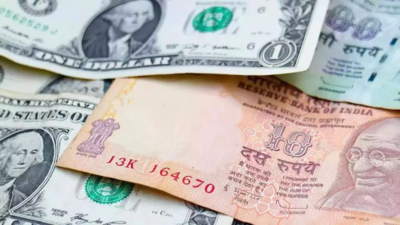
India’s foreign exchange reserves have surged to an unprecedented level of $689.458 billion, marking a crucial milestone for the country’s economic positioning in global markets. The reserves, which reflect the country’s ability to meet external obligations and provide a buffer against financial instability, increased by $223 million in the week ending September 13. This rise has further cemented India’s status as one of the largest holders of foreign currency reserves worldwide, positioning it as a key player in the global financial arena.

Despite this substantial increase in the overall reserves, the composition of these reserves presented a more nuanced picture. Foreign currency assets (FCA), which form the largest component of the reserves, witnessed a reduction of $515 million. These assets, held in different currencies such as the U.S. dollar, euro, pound sterling, and Japanese yen, are a critical indicator of India’s foreign currency holdings and are often affected by currency fluctuations and interest rates in international markets. The decline in FCA was offset by other components of the reserves, particularly the significant increase in gold reserves.

Gold reserves saw a sharp rise of $899 million during the same period, underscoring the metal’s continued relevance as a safe haven asset. This increase suggests that India’s central bank may be looking to diversify its holdings in response to broader global uncertainties. Gold, traditionally regarded as a hedge against inflation and economic instability, has been gaining renewed attention among global central banks. As countries face the challenges of rising geopolitical tensions and economic fluctuations, gold’s role as a stabilizing force has once again come into focus.

While the rise in gold reserves was notable, other components of India’s foreign exchange holdings, such as Special Drawing Rights (SDRs) and the reserve position with the International Monetary Fund (IMF), experienced marginal declines. SDRs, which represent a basket of international currencies and serve as a supplementary reserve asset allocated by the IMF, dropped by $50 million. Similarly, the country’s reserve position in the IMF, which allows access to international liquidity and contributes to global financial stability, recorded a decrease of $111 million.

The overall uptick in reserves comes at a time when India’s economic outlook remains relatively resilient compared to other emerging markets. The reserves serve not only as a tool for defending the rupee in times of volatility but also as an indicator of investor confidence in India’s macroeconomic stability. A stronger reserve position allows India to better manage external shocks, such as oil price fluctuations, trade imbalances, and global financial turbulence.

India’s reserves are now among the highest globally, trailing only China, Japan, and Switzerland. This latest achievement reflects the country’s efforts to build a robust foreign exchange buffer since the economic reforms of the 1990s. Since then, successive governments have prioritized strengthening the reserves to safeguard the country from external vulnerabilities. The rise in reserves has also been fueled by sustained foreign investment inflows and a healthy current account balance in previous quarters, driven in part by a recovery in global demand for goods and services after pandemic-induced disruptions.

Analysts have pointed out that India’s reserve accumulation strategy is likely to be shaped by several factors in the coming months. Global interest rate trends, particularly in the United States, will have a significant impact on foreign currency assets, while commodity prices, especially crude oil, will influence the country’s import bill. Moreover, ongoing geopolitical tensions, trade uncertainties, and inflationary pressures in major economies will also affect the Reserve Bank of India’s (RBI) approach to managing these reserves.

The central bank has maintained a cautious approach toward managing the reserves, intervening in the forex market to curb excessive volatility in the rupee’s value. A stable and sufficient level of reserves allows the RBI greater flexibility in implementing monetary policy and defending the currency against external shocks. With inflationary pressures rising globally and the U.S. Federal Reserve tightening its monetary policy, India’s reserve position will play a critical role in maintaining domestic economic stability.

In the past, India has faced challenges related to its foreign exchange reserves, particularly during the 1991 balance of payments crisis, when reserves had dwindled to just a few weeks’ worth of imports. The crisis marked a turning point in India’s economic policy, leading to structural reforms that opened the economy to greater foreign investment and trade. Since then, India has steadily accumulated reserves, reaching new highs over the years. The importance of a strong forex reserve was highlighted again during the global financial crisis of 2008 and the economic shocks caused by the COVID-19 pandemic, where countries with stronger reserves were better able to weather financial market disruptions.

As of the latest data, India’s forex reserves provide an import cover of approximately 10 months, which is well above the internationally recommended threshold. This gives India a comfortable cushion to meet its external payment obligations and insulate the economy from global shocks. The reserves also provide a buffer to support the rupee, which has faced depreciation pressures amid fluctuating oil prices and changes in global investor sentiment.

Going forward, experts suggest that India’s focus should remain on maintaining a balanced reserve composition. While the accumulation of foreign currency assets is crucial, ensuring diversification through gold and other assets will provide added protection against global market volatility. Moreover, with India being a major importer of crude oil, fluctuations in energy prices will continue to play a significant role in determining the country’s forex reserve levels.


The rising tensions in the Red Sea, particularly due to Houthi rebel threats against shipping vessels, have led to a sharp increase in insurance premiums for maritime companies operating in the region. The volatile security environment, combined with the risk of targeted attacks on vessels linked to countries like the UK, US, or those having called at Israeli ports, has left insurers increasingly cautious about providing war-risk cover for ships transiting the waters.

War-risk insurance premiums have skyrocketed to as much as 2% of a vessel’s value for a single transit through the Red Sea. This steep increase reflects heightened concerns following several incidents, most notably the August 21 strike on the oil tanker Sounion, which was carrying about one million barrels of crude oil at the time. Though the tanker was safely towed without spillage, the attack underscored the vulnerability of maritime assets in the region, adding pressure on insurers and shipping companies alike.

The market for insuring ships passing through this critical shipping route has narrowed as smaller insurers retreat from offering coverage. A limited number of firms, mostly high-risk underwriters, continue to offer protection, but at significantly elevated costs. Industry insiders have noted that some vessels, especially those perceived as high-value targets for potential attacks, are struggling to secure any coverage at all.

The risks have intensified with the Houthis’ declaration that ships with certain affiliations would face potential attacks. While traditionally, war-risk cover has been available, the situation is unprecedented with underwriters outright refusing coverage, citing the region’s escalating risks. For shipping operators, this poses not only financial but also operational challenges, as the necessity of traversing the Red Sea for global oil and goods trade remains critical despite the threats.

A consortium of insurance underwriters led by Brit provided the war-risk cover for the Sounion, alongside firms such as Antares, Iquw, Hamilton, and others. However, many of these insurers have been notably silent regarding the details of coverage, which underscores the sensitivity and complexities of offering insurance in such a volatile region. The consortium’s willingness to continue offering protection contrasts with smaller players who are increasingly unwilling to take on such risks.

The situation has compounded concerns for global shipping companies, especially with the strategic importance of the Red Sea in connecting Europe, the Middle East, and Asia. As attacks threaten to disrupt not just oil shipments but broader trade routes, the rising insurance costs may further exacerbate existing challenges for global supply chains.

Maritime experts are urging caution as geopolitical tensions in the region show little sign of abating, with insurers increasingly exercising selective underwriting processes to minimize exposure. Ships perceived as having higher exposure to attacks are now finding it exceedingly difficult to secure coverage at any price. This selective process not only reflects the complexities of the situation but also highlights the unpredictable nature of risk in conflict-prone areas like the Red Sea.

As shipping companies scramble to mitigate these rising costs, the long-term impact on global trade remains a looming concern. Many in the industry are questioning how long they can sustain operations under such financial pressure and whether alternative routes or additional security measures might provide a viable solution in the coming months.

Gulf Cooperation Council (GCC) countries are making steady progress towards a unified economic framework that would grant economic citizenship across the bloc. The move aims to boost regional integration, attract investments, and facilitate smoother economic relations among the six member states. These efforts are considered essential for strengthening economic cooperation, a goal that has been part of the bloc’s broader vision since its establishment in 1981. The […]

MGM Resorts, one of the world’s most prominent gaming and hospitality operators, has officially confirmed plans to expand its reach into the UAE by seeking a gaming license in Abu Dhabi. The move marks a significant development in the global gaming industry, as MGM becomes one of the first major players to explore the opportunity to establish gaming operations in the UAE. This announcement follows growing interest from international casino operators looking to enter the Gulf market, as regional governments consider diversifying their economies.

MGM Resorts CEO Bill Hornbuckle confirmed the company’s intent during a shareholders’ meeting, outlining how the expansion aligns with the company’s global strategy. While the UAE is traditionally known for its conservative stance on gambling, this marks a shift in the region’s approach to attracting global tourism. Hornbuckle expressed optimism about Abu Dhabi’s potential to become a key destination for luxury gaming resorts, similar to what MGM has established in locations such as Las Vegas and Macau.

The UAE has increasingly been recognized for its willingness to explore new avenues to enhance its tourism offerings. Abu Dhabi, in particular, has become a focal point for luxury hospitality, and MGM’s entry into this market could reshape the entertainment landscape. The capital city is already home to a number of world-class resorts, and the addition of MGM would likely attract a new demographic of tourists and international business.

Hornbuckle highlighted Abu Dhabi’s strategic location and reputation for high-end tourism as key factors in the decision. He also emphasized the Emirate’s growing status as a global hub for both leisure and business, noting the potential for MGM to contribute to the evolving landscape. The company aims to bring its signature blend of gaming, luxury accommodations, and entertainment to the region, further bolstering Abu Dhabi’s attractiveness to affluent travelers.

While specific details of the proposal are still under wraps, industry insiders suggest that the license would likely involve a large-scale integrated resort, combining gaming with a range of luxury amenities. This could include high-end restaurants, entertainment venues, and shopping, which are all hallmarks of MGM’s international projects. Should the license be granted, it would represent a pivotal moment for the gaming industry, marking the UAE as one of the few countries in the Middle East to allow such operations.

The UAE’s move toward legalizing gaming is seen as part of a broader effort to diversify its economy, which has long been reliant on oil revenues. In an era where tourism and entertainment are becoming key economic drivers, gaming could prove to be a significant contributor to Abu Dhabi’s growth. Many experts believe that introducing regulated gaming could further solidify the Emirate’s status as a global tourist destination, similar to Las Vegas or Singapore, both of which have leveraged integrated resorts to boost their economies.

Although the UAE has not yet officially confirmed the legalization of gaming, there have been several indicators that the government is exploring the possibility. Earlier this year, Wynn Resorts announced plans for an integrated resort in Ras Al Khaimah that would feature gaming facilities, signaling that the groundwork for regulated gaming might already be in place. The UAE’s consideration of such projects points to a broader trend of Gulf nations opening up to more liberal forms of entertainment and tourism to attract international visitors.

Market analysts are optimistic about MGM’s potential success in the region, citing the company’s track record of delivering high-quality resorts and entertainment experiences worldwide. Abu Dhabi, with its blend of cultural heritage and modern attractions, is seen as a fitting destination for MGM’s brand, which is synonymous with luxury and world-class service. Analysts have also pointed out that MGM’s expertise in navigating regulated gaming markets could give the company an advantage as the UAE considers introducing gaming regulations.

Despite the optimism, there remain challenges and uncertainties about how gaming will be regulated in the UAE, particularly in a region where cultural and religious factors play a significant role in governance. Analysts have noted that any gaming operations in Abu Dhabi would likely be subject to strict regulatory oversight and would need to cater to both local sensitivities and international standards. Hornbuckle acknowledged these complexities but expressed confidence in MGM’s ability to adapt to different markets while respecting local laws and customs.

As the region inches closer to potentially legalizing gaming, other international operators are also eyeing the UAE for expansion. Alongside MGM and Wynn Resorts, there has been speculation that Las Vegas Sands is also interested in entering the UAE market. These developments suggest that the UAE could become a new frontier for the global gaming industry, attracting billions in investments and creating thousands of jobs.

Regional stock markets across the Arab world reached a total market capitalization of $4.268 trillion in August, marking another significant milestone for the financial hubs of the Middle East. Major players such as Saudi Arabia, the UAE, and Qatar continue to lead the region’s stock exchanges, driven by robust economic conditions, high energy prices, and increased investor confidence in non-oil sectors. This rise reflects growing interest from […]

Strategic economic discussions are at the forefront of the United Arab Emirates’ diplomatic agenda as officials prepare for President Mohamed bin Zayed Al Nahyan’s upcoming visit to Washington. This visit aims to reinforce economic partnerships and bolster trade relations, reflecting the UAE’s commitment to enhancing its global economic footprint amid shifting geopolitical dynamics.

The discussions are anticipated to focus on a range of issues, including technology investments, renewable energy, and sustainable development initiatives. The UAE has been proactive in positioning itself as a leader in renewable energy, with significant investments in solar and nuclear power projects. The visit comes at a time when the United States is keen on strengthening ties with Middle Eastern allies, especially in the context of energy security and economic stability.

Officials from both countries are expected to engage in talks to expand bilateral trade, which has shown resilience even in challenging global economic conditions. According to the UAE Ministry of Economy, trade between the two nations reached $24 billion in 2022, highlighting the potential for further growth. The discussions will likely include opportunities for U.S. companies to invest in the UAE’s burgeoning sectors, including technology and healthcare.

The UAE’s diversification efforts, particularly through its Vision 2021 and subsequent strategies, underscore its ambition to reduce reliance on oil revenues. With a strong focus on innovation and sustainability, the UAE is attracting foreign direct investment (FDI) and enhancing its reputation as a business hub. The ongoing development of the UAE’s technology landscape, with initiatives like the Dubai Future Foundation and Abu Dhabi’s Tech Investment Fund, positions it as an attractive destination for U.S. investors seeking new opportunities.

Key players from both sides are expected to participate in high-level meetings. Notable figures may include U.S. Secretary of State Antony Blinken and UAE Minister of Foreign Affairs Abdullah bin Zayed Al Nahyan. Their discussions are likely to revolve around fostering cooperation in areas such as cybersecurity, artificial intelligence, and advanced manufacturing. The emphasis on technology reflects the growing recognition of the digital economy’s role in driving future growth.

Moreover, the UAE’s role as a logistics and trade hub for the region presents further opportunities for collaboration. The country’s strategic location, coupled with its advanced infrastructure, makes it an ideal gateway for U.S. companies aiming to access markets in Africa, Asia, and Europe. Enhancing logistics and supply chain efficiency will be a key topic of discussion, particularly in the aftermath of the disruptions caused by the pandemic.

The economic dialogue also aligns with broader geopolitical interests. The UAE’s commitment to stability in the Gulf region is crucial for U.S. interests, particularly in light of ongoing tensions with Iran and other regional challenges. Strengthening economic ties serves to fortify alliances that are vital for regional security and economic resilience.

The upcoming visit also underscores the UAE’s efforts to position itself as a mediator in global conflicts and an advocate for multilateral cooperation. The nation’s diplomatic initiatives in promoting peace and stability in conflict zones such as Yemen and Libya have garnered international attention. This diplomatic approach is expected to be highlighted during the discussions, reinforcing the UAE’s role as a key player in regional and global politics.

Additionally, climate change is likely to be a significant theme during the meetings. The UAE has made notable commitments to sustainability, including hosting the COP28 climate summit in 2023. This platform will allow the UAE to showcase its initiatives in reducing carbon emissions and promoting green technologies. Cooperation with the U.S. on climate action can pave the way for joint ventures in renewable energy projects and innovative environmental solutions.

Furthermore, the visit may address concerns regarding the global supply chain, particularly in light of recent disruptions. Both countries are likely to explore collaborative strategies to enhance resilience in supply chains, focusing on technology-driven solutions to streamline processes and mitigate risks.

4 Cute Glass Food Containers Arrive at 7-Eleven to Make Mealtimes Special Plus, a 7-Eleven Online Exclusive: Pre-order the Limited Edition mofusand X Hangyodon Design And 3 More Must-Have Items: 2-in-1 Neck Pillow & Eye Masks, Cosy Cat Wrap Towels and a Plush Pencil Case HONG KONG SAR & MACAU SAR – Media OutReach Newswire – 19 September 2024 – Following the overwhelming success of our “A […]

Abu Dhabi’s Gulf Capital and Kazakhstan’s QIC have joined forces to establish an $800 million fund aimed at boosting investments across Central Asia. The newly created fund is set to target key sectors such as infrastructure, energy, and technology, addressing the growing investment opportunities in the region.

The initiative marks a significant collaboration between two prominent investment entities. Gulf Capital, a leading alternative investment firm based in Abu Dhabi, and QIC, Kazakhstan’s sovereign wealth fund, are leveraging their respective expertise to drive economic development in Central Asia. This partnership reflects a broader trend of increased investment interest in the region, driven by its strategic location and abundant natural resources.

Central Asia has emerged as a focal point for international investors due to its potential for economic growth and development. The region’s strategic positioning as a bridge between Europe and Asia, coupled with its rich reserves of natural resources such as oil and gas, makes it an attractive destination for investment. The new fund aims to capitalize on these factors by channeling capital into projects that can drive long-term economic benefits.

The $800 million fund will focus on several key areas. Infrastructure development is a major priority, with investments planned for projects that enhance connectivity and support regional integration. This includes improvements to transportation networks, such as highways and railways, which are crucial for facilitating trade and economic activity.

Energy projects are another significant focus of the fund. Central Asia’s energy sector offers substantial opportunities for development, with the region possessing considerable reserves of oil, gas, and renewable energy sources. The fund will target projects that enhance energy production and distribution, supporting the region’s energy needs and promoting sustainable development.

Technology and innovation are also on the agenda. The fund aims to invest in technology startups and innovation hubs that can drive digital transformation in Central Asia. By supporting the growth of technology-driven businesses, the fund seeks to foster an environment conducive to innovation and entrepreneurship.

The establishment of this fund is expected to have a positive impact on the regional economy. By attracting substantial capital inflows, the fund will support job creation, infrastructure development, and technological advancement. These investments are likely to enhance economic growth and improve living standards in Central Asia.

The partnership between Gulf Capital and QIC represents a strategic alignment of interests and resources. Gulf Capital brings extensive experience in managing alternative investments and executing complex transactions, while QIC provides a strong presence in the Central Asian market and deep knowledge of the region’s economic landscape.

Both Gulf Capital and QIC have a track record of successful investments and a shared vision for fostering economic development. Their collaboration on this fund underscores their commitment to driving growth and creating value in Central Asia. The fund is anticipated to attract additional investment from other international investors, further boosting the region’s economic prospects.

Central Asia’s investment climate has been increasingly favorable, with governments in the region implementing reforms to improve the business environment and attract foreign investment. The new fund is well-positioned to leverage these positive developments and contribute to the region’s economic transformation.

As the fund begins its operations, it will likely focus on identifying high-potential projects and opportunities that align with its strategic objectives. The emphasis will be on projects that offer substantial returns on investment while contributing to the broader economic goals of the region.

BEIJING, CHINA – Media OutReach Newswire – 18 September 2024 – On September 12, the first day of the 2024 China International Fair for Trade in Services, the nation’s first Han Dynasty cultural digital art exhibition, “Han Dynasty Splendor: A Thousand Years in One Painting” (hereafter referred to as the “Han Culture Exhibition”), debuted at the Metaverse Experience Center in Hall 3 of Shougang Park. The exhibition […]

VISHNU RAJA
RYO YAMADA
HITORI GOTOH
IKUYO KITA