News related to
Low oil

Arabian Post Staff -Dubai The United Arab Emirates (UAE) is implementing a series of strategic initiatives to enhance its property sector and attract increased investment. These measures come on the heels of significant growth in the real estate market, which has experienced substantial expansion in recent years. In 2023, the UAE’s property market demonstrated remarkable resilience and growth. The International Monetary Fund (IMF) reported that property prices […]

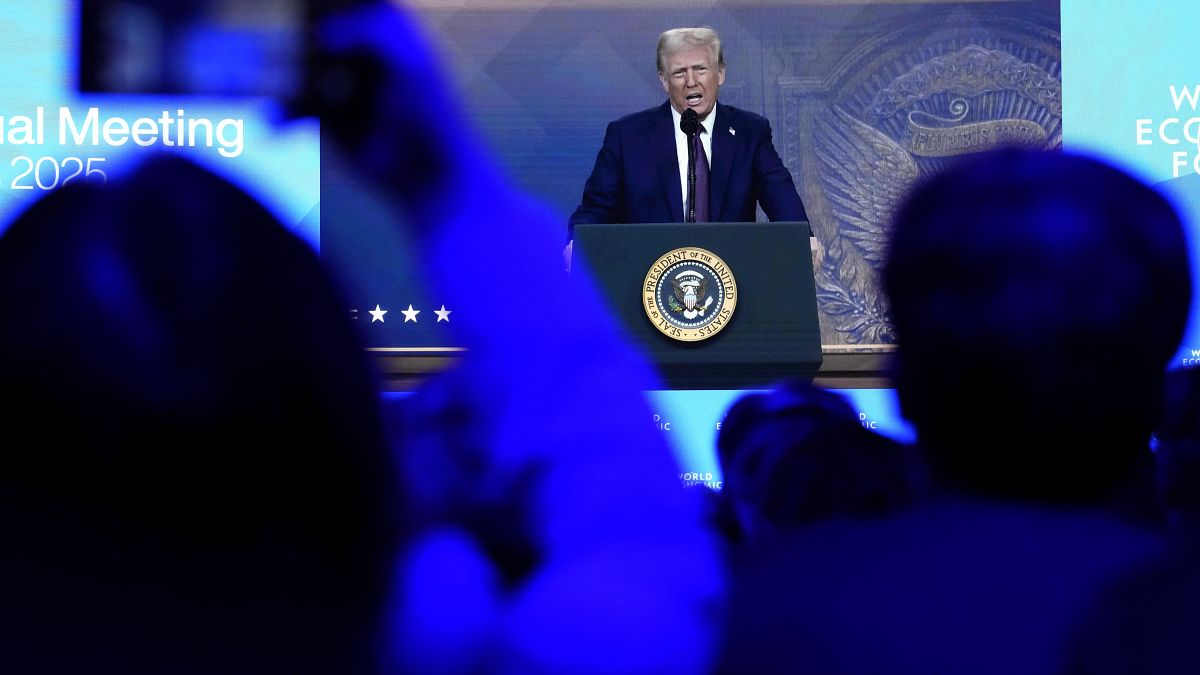
By Nitya Chakraborty Just six days have passed since the inauguration of Donald Trump as the second term President of the United States of America and his policy announcements on the first day in office. The impact varies from country to country but nowhere it is more panicky than in the European Union countries, especially […]

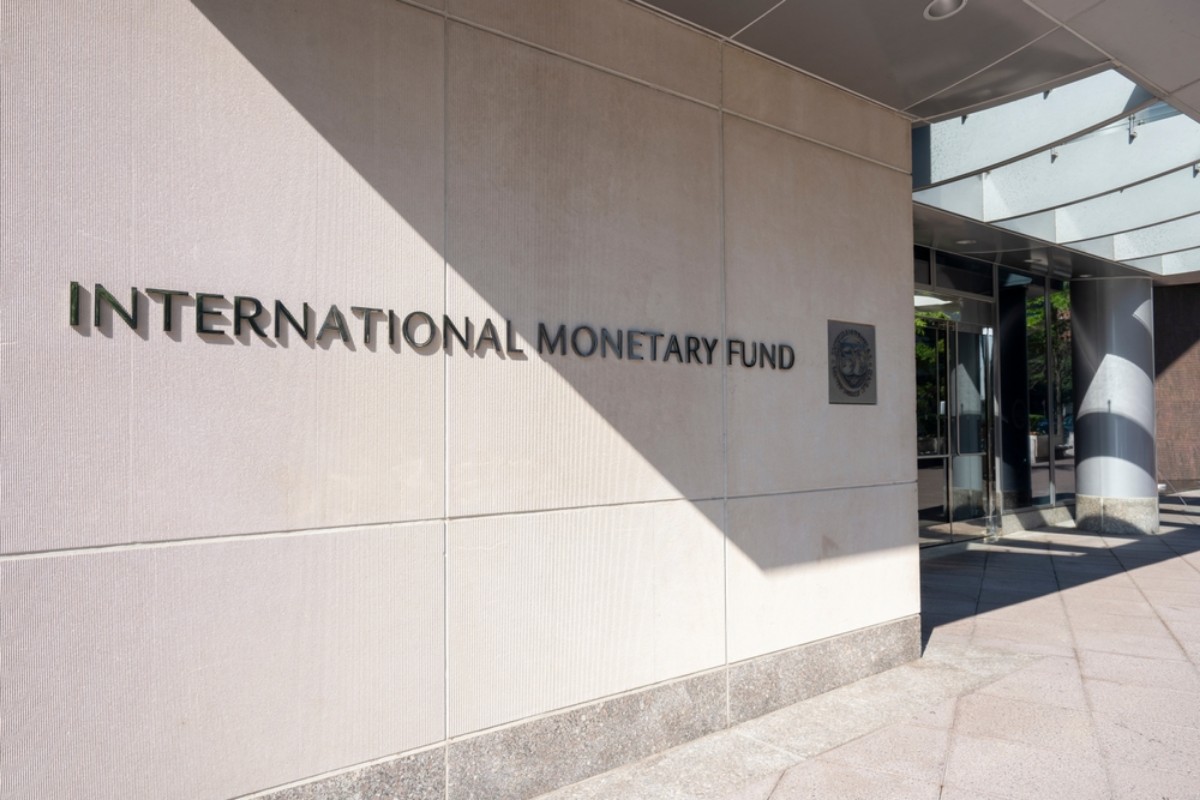
By Saifur Rahman The UAE economic growth is expected to remain healthy at around 4 percent while fiscal surplus is expected to decline to 4 percent of GDP this year from an estimated 5 percent of GDP last year, the International Monetary Fund said. This is slightly lower than the projections made by the Central Bank of the UAE (CBUAE) which last month projected the UAE’s real […]

Donald Trump has urged Saudi Arabia to make a $1 trillion investment in the United States and to help lower oil prices. Speaking at a rally in Michigan, the former U.S. president emphasized the economic benefits of such a partnership for both countries, asserting that it would create millions of jobs and foster mutual prosperity. The call comes at a time when energy prices and geopolitical concerns […]

Dubai Investments is gearing up to take its subsidiary companies public, with plans for an initial public offering (IPO), according to the company’s CEO. The move reflects the growing trend among Middle Eastern conglomerates to unlock value and attract investment by listing some of their high-performing subsidiaries. The company, a prominent player in the UAE’s investment sector, has not specified a timeline or details about which subsidiaries will be included in the offering, but the announcement marks a significant step in Dubai Investments’ ongoing strategy to diversify its capital base and enhance its market position.

The UAE has seen a surge in IPO activity in recent years, with companies from various sectors, including real estate, energy, and financial services, opting to go public to leverage favorable market conditions. Dubai Investments, with its diverse portfolio spanning sectors like manufacturing, real estate, and healthcare, is positioning itself to tap into this growing market momentum.

The decision to pursue an IPO aligns with the broader push by UAE-based companies to boost their financial profiles and capital flexibility. UAE’s stock exchanges have seen a revival of IPO activity, with several high-profile listings, such as those of Dubai-based Emirates Central Cooling Systems Corporation (Empower) and the real estate developer Emaar Properties. These IPOs, coupled with the UAE government’s efforts to make the country more attractive to foreign investors, have set a strong precedent for other major firms like Dubai Investments to follow suit.

CEO of Dubai Investments, Khaled Al Huraimel, expressed optimism regarding the company’s plans, pointing to a robust market appetite for high-growth companies with a diversified asset base. He emphasized that the decision to list subsidiaries will help maximize shareholder value and unlock greater capital for reinvestment into core operations. With Dubai’s stock market seeing record levels of participation, the potential for a successful IPO seems favorable.

As part of Dubai Investments’ growth strategy, the IPOs will likely be part of a broader restructuring that focuses on enhancing operational efficiencies and sharpening the strategic direction of its subsidiary companies. These subsidiaries, which include some of the UAE’s most successful ventures in manufacturing, real estate, and healthcare, stand to benefit from increased visibility and liquidity once listed. The capital raised from the IPO could be reinvested into expanding these businesses, as well as funding new projects and acquisitions, further solidifying Dubai Investments’ footprint in the region.

Market analysts expect the IPOs to create a ripple effect across the UAE’s business landscape, potentially encouraging other conglomerates in the region to pursue similar paths. By going public, Dubai Investments and its subsidiaries will gain access to a larger pool of capital, allowing them to expand operations more aggressively, strengthen market share, and accelerate their regional and international growth plans.

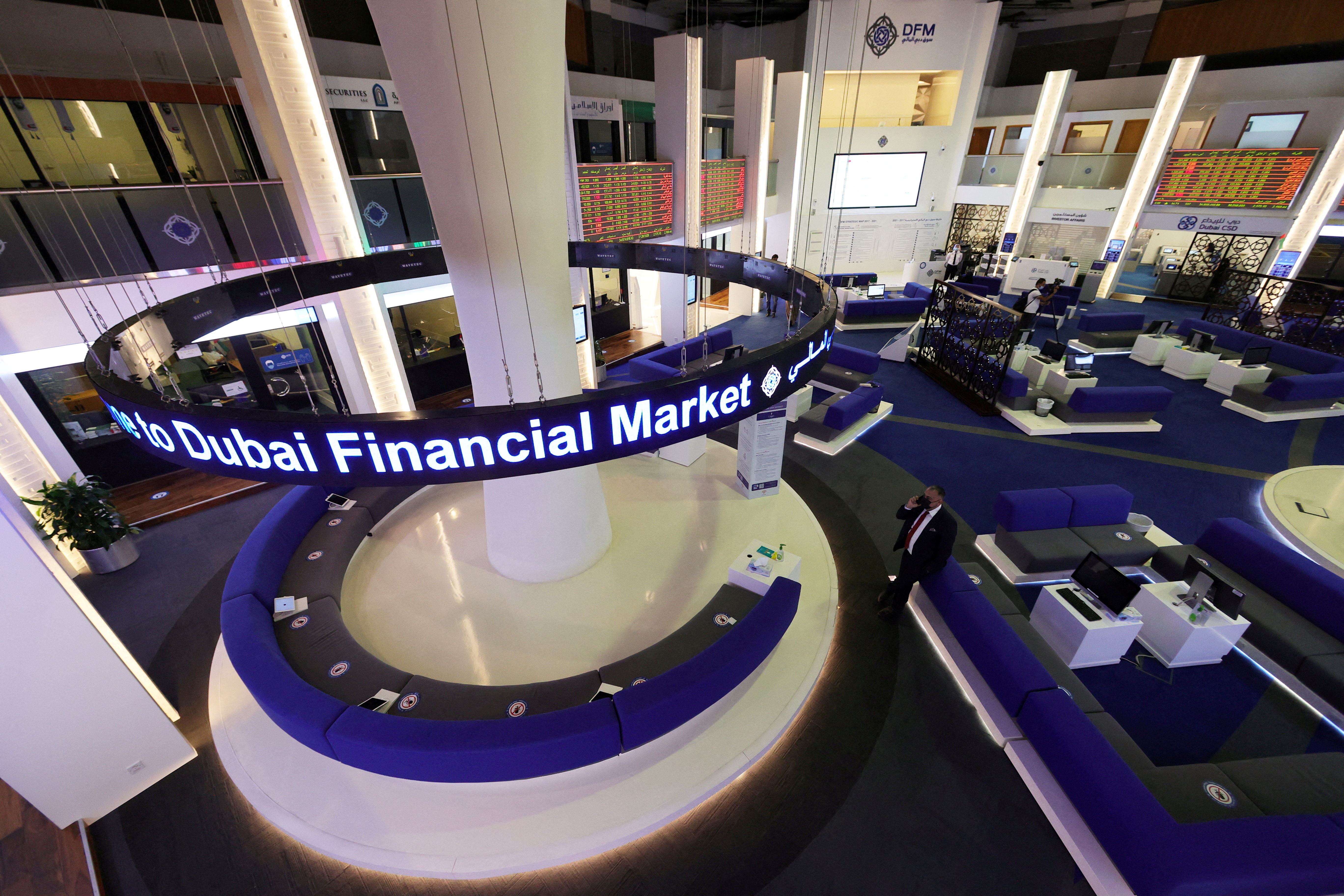
The UAE government’s pro-business initiatives, including efforts to attract foreign investments and regulatory reforms aimed at increasing market transparency, have made the country an attractive destination for initial public offerings. These efforts are part of the UAE’s broader economic diversification strategy, which aims to reduce reliance on oil revenues and foster the growth of non-oil sectors. The country’s stock exchanges, particularly the Dubai Financial Market (DFM) and the Abu Dhabi Securities Exchange (ADX), have benefited from these policies, experiencing increased investor interest and a rise in IPOs in recent months.

Experts believe that the market conditions are ripe for Dubai Investments to capitalize on the growing investor demand for stocks from well-established firms with strong operational histories. With a track record of success across various sectors, Dubai Investments is well-positioned to attract a wide range of institutional and retail investors who are eager to tap into the growth potential of its diverse subsidiary companies.

The company’s move to pursue an IPO comes at a time when Dubai is further consolidating its position as a regional financial hub, thanks to government-backed initiatives aimed at making the city an appealing destination for business and investment. Dubai’s ease of doing business, robust infrastructure, and investor-friendly regulations make it a favorable environment for companies like Dubai Investments to expand their capital base and achieve long-term growth.

However, the decision to go public also carries risks. IPOs can be volatile, particularly in times of global uncertainty or market fluctuations. Dubai Investments will need to carefully navigate the process to ensure that its subsidiaries are positioned for success post-listing. The company’s management will also need to ensure that the IPOs do not dilute the control or influence of its parent company, preserving its strategic direction and long-term vision.

For Dubai Investments, listing its subsidiaries is a key part of its transformation and efforts to modernize its portfolio. While the IPO route is seen as a way to enhance liquidity and raise capital, it also provides an opportunity to unlock value from a number of high-growth subsidiaries, many of which have proven resilient in the face of economic challenges.


The International Monetary Fund (IMF) has revised its 2025 gross domestic product (GDP) growth projection for Saudi Arabia downward to 3.3%, attributing this adjustment primarily to the extension of oil production cuts by the Organization of the Petroleum Exporting Countries and its allies (OPEC+).

This revision marks a significant decrease from the IMF’s earlier forecast of 4.6% growth for the same period. The 2024 growth estimate has also been lowered to 1.4%. These adjustments have influenced the broader economic outlook for the Middle East and Central Asia region, with the IMF now anticipating a growth rate of 3.6% in 2025, down from the 3.9% projected in October.

The downward revision is largely due to the decision by OPEC+ to extend oil production cuts. In December, the alliance, which includes Saudi Arabia, postponed the commencement of output increases by three months to April 2025 and further extended the full unwinding of cuts, citing concerns over weak demand and rising production from non-OPEC+ countries.

Despite the anticipated slowdown in oil sector growth, Saudi Arabia is actively pursuing its Vision 2030 initiative, aimed at diversifying the economy and reducing dependence on oil revenues. The non-oil sector has shown resilience, with projections indicating growth rates exceeding 4% in both 2024 and 2025. This expansion is supported by substantial investments in large-scale projects, including NEOM and the Red Sea developments.

The IMF also forecasts a 2.6% decline in energy commodity prices for 2025, a more significant drop than previously expected. This projection reflects the complex dynamics of global oil markets, where production decisions by major exporters like Saudi Arabia play a crucial role in influencing prices.

KUALA LUMPUR, MALAYSIA – Media OutReach Newswire – 22 January 2025 – The U.S. dollar has been appreciating almost relentlessly since the end of September. In just three and a half months, the Dollar Index (DXY), which measures the value of the greenback relative to a basket of six major foreign currencies, including the euro, Japanese yen, British pound, Canadian dollar, Swedish krona, and Swiss franc, was […]

Advertisements

SINGAPORE – Media OutReach Newswire – 22 January 2025 – Mr Kool, a premier destination for car air conditioner service, is proud to introduce the K11HV+ AC Flushing Station, a cutting-edge solution designed to optimise air conditioning performance in electric and hybrid vehicles. The system exclusively uses polyolester (POE) oil, known for its superior insulating properties, to ensure the efficiency, safety, and longevity of Heating, Ventilation, and […]

By Satyaki Chakraborty China has scored a major diplomatic victory in Myanmar by helping the conclusion of a truce between the ruling military junta and the Myanmar National Democratic Alliance Army (MNDAA) in the provinces bordering China. The MNDAA rebels took control of large areas around the border by driving out the junta troops last […]

Hedge funds are recalibrating their positions in the oil market as geopolitical tensions in the Middle East introduce new uncertainties. The recent escalation of conflicts, particularly involving Israel and Iran, has prompted a reassessment of oil price trajectories among major financial players.

In October 2024, oil futures and options trading reached unprecedented levels. The Intercontinental Exchange (ICE) reported a total of 68.44 million barrels traded, surpassing the previous record set in March 2020. Similarly, the CME Group noted a single-day volume record for weekly crude oil options on October 18, with 58,132 contracts exchanged. This surge in trading activity reflects heightened concerns over potential disruptions to oil infrastructure and anticipated price volatility due to the ongoing Middle East conflicts.

Despite the geopolitical turmoil, oil prices have exhibited volatility. Following initial spikes due to fears of supply disruptions, Brent crude futures experienced a decline of approximately $4 per barrel, fluctuating between $70 and $81 throughout October. This price movement underscores the market’s complex response to geopolitical events and underlying supply-demand dynamics.

Market analysts have observed that while geopolitical conflicts pose upward risks to oil prices, traders are also contending with weak fundamentals projected for 2025. Factors such as potential oversupply, especially if OPEC+ decides to increase production, contribute to a bearish outlook. In response, the market has seen a notable 38% year-on-year increase in West Texas Intermediate (WTI) crude oil monthly options traded on the CME, indicating a strategic shift towards options for risk management.

The Organization of the Petroleum Exporting Countries and its allies (OPEC+) have played a pivotal role in influencing market sentiment. In October, OPEC+ decided to delay its planned December output increase by one month to counteract weak demand and rising supply pressures. This decision reflects the group’s cautious approach in navigating the delicate balance between supporting prices and maintaining market share.

Hedge funds’ strategies have evolved in tandem with these developments. In September 2024, money managers reduced their combined net-long positions on Brent and WTI by 99,889 lots, bringing the total to 139,242 lots—the lowest level recorded since March 2011. This significant reduction in bullish bets indicates a cautious stance amid concerns of growing supply and weakening demand.

However, the landscape shifted in October as geopolitical tensions escalated. The increased risk of a region-wide Middle East war led to a 3% rise in oil prices, with Brent surpassing $80 per barrel for the first time since August. This price movement was likely driven by money managers closing bearish bets due to the heightened risk of disruptions to Middle Eastern oil supplies.

President Donald Trump’s declaration of a national energy emergency can be expected to spark seismic shifts in global markets and create a wave of opportunities for investors, predicts the CEO of one of the world’s largest independent financial advisory and asset management organizations. deVere Group’s Nigel Green’s comments come as the new administration’s focus will be on ramping up domestic energy production, particularly in Alaska, and rolling back […]

Global diesel prices have surged following the United States’ imposition of new sanctions targeting Russia’s energy sector. These sanctions aim to further constrain Russia’s oil revenues, which have been a significant source of funding for its military activities in Ukraine. On January 10, 2025, the U.S. Department of the Treasury and the Department of State announced intensified measures against Russia’s energy industry. The sanctions specifically target major […]

By Anjan Roy The recent volatility in the exchange rate of the Indian rupee against the US dollar has given rise to a debate on how the central bank should react to the situation of progressive depreciation of the national currency. To wit, the rupee appears to hit 90 to a dollar in no time, […]


The UAE Securities and Commodities Authority (SCA) has appointed a new chairperson following the resignation of its CEO, marking a significant leadership transition at the country’s main financial regulatory body. This appointment comes as the UAE continues its efforts to modernize and enhance the resilience of its financial markets amidst global challenges.

The SCA, tasked with overseeing the UAE’s securities and commodities markets, plays a crucial role in shaping the financial ecosystem, ensuring transparency, and safeguarding investor interests. This leadership change is being closely observed by financial stakeholders, especially as the region seeks to bolster investor confidence and attract global capital.

Industry experts point to the leadership change as part of a broader wave of reforms aimed at streamlining the regulatory environment. Over the past few years, the UAE has enacted several measures to strengthen its financial infrastructure, promote corporate governance, and boost market liquidity. This reshuffle at the SCA comes at a time when the government is keen on expanding the role of the UAE’s stock markets on the global stage.

The outgoing CEO had held the position for several years, during which he was instrumental in driving the authority’s modernization initiatives. Under his leadership, the SCA took steps to improve the regulatory framework and enhance market supervision, earning praise for its efforts in fostering a more transparent environment. However, his departure, described as a personal decision, comes at a time when the UAE stock market is seeing increasing volatility, driven by external factors such as oil price fluctuations and shifting geopolitical dynamics.

The incoming head of the SCA is well-regarded within the financial community for their experience in both private and public sector financial services. Experts believe the new leadership will bring a renewed focus on innovation, digital transformation, and the diversification of financial products. Analysts are optimistic that the new chairperson will continue to build on the momentum of regulatory reforms while focusing on long-term sustainability and investor protection.

As the UAE stock market continues to evolve, regulatory oversight will remain a key element in its development. Analysts predict that the SCA’s new leadership will prioritize initiatives aimed at increasing market transparency and aligning with global best practices. These efforts are seen as essential in maintaining investor confidence, particularly in an era of rapid technological advancements and growing demands for sustainable finance.

Financial analysts also note the critical role that the SCA will play in the UAE’s broader economic diversification efforts. With the government’s ambitious Vision 2030 initiative in full swing, the financial sector is expected to contribute more significantly to the country’s GDP, particularly as sectors like technology, renewable energy, and tourism continue to expand. The new leadership is expected to drive initiatives that not only safeguard financial stability but also support the growth of non-oil industries, which are increasingly becoming central to the country’s economic future.

Market analysts will be watching the SCA’s next moves closely, especially as the UAE government seeks to enhance its attractiveness as a financial hub. This will include aligning with global standards for financial reporting and disclosure, which is seen as a crucial step in attracting more international investors. As the global economy continues to face headwinds, from trade tensions to economic slowdowns, the UAE’s efforts to position itself as a robust financial center will be critical to its long-term success.

With the leadership transition underway, there is anticipation that the SCA will further accelerate its efforts to improve market liquidity, streamline regulations, and increase the range of investment products available to both domestic and international investors. Many expect the incoming leadership to continue efforts to expand the scope of capital markets, exploring new avenues such as sustainable investing and green finance, in line with the UAE’s commitment to sustainable development goals.

By Anjan Roy Controversial equity research firm, Hindenburg, has closed down, all of a sudden. Disbanding the operations, the firm’s founder and short-seller said that this “was only chapter of his life” not the only one. The news of Hindenburg closure immediately had a political twist in India. While, the ruling BJP had suggested that […]


The Trump administration is preparing a comprehensive plan to implement stricter oil sanctions against Russia and impose additional economic pressure on Iran. This move comes as part of a broader strategy to curb both nations’ geopolitical influence, especially in global oil markets and energy security. Senior U.S. officials have outlined a series of measures aimed at restricting Russia’s ability to profit from its oil exports and penalizing […]

Masdar, the UAE-based renewable energy powerhouse, has announced a monumental venture in the Philippines, committing $15 billion towards the development of clean energy projects. This move marks a pivotal expansion for Masdar, aiming to bolster its growing footprint in Southeast Asia while contributing to the Philippines’ ambitious climate goals. The decision to enter the Philippine market comes as the country intensifies its efforts to transition to renewable […]

HONG KONG SAR – Media OutReach Newswire – 16 January 2025 – To attract high-yield visitors to Hong Kong, the Hong Kong Tourism Board (HKTB) constantly promotes the development of Meetings, Incentives, Conventions and Exhibitions (MICE) tourism through elevating business travellers’ experience in Hong Kong, reinforcing the city’s position as the “World’s Meeting Place”. In line with this mission, and with the vision of the newly released […]

ADNOC Gas is exploring innovative technologies aimed at transforming methane into graphene and hydrogen, positioning itself at the forefront of energy sector innovation. This breakthrough approach could redefine the future of energy production, reduce carbon emissions, and open new possibilities for the use of natural gas. The new technology being investigated by ADNOC Gas, part of the state-owned Abu Dhabi National Oil Company (ADNOC), represents a significant […]

Salik, the Dubai-based road toll operator, is set to introduce a dynamic toll pricing system by the end of January. This move is part of the company’s broader strategy to adjust its toll fees based on traffic flow and demand. However, as the company prepares to launch this pricing model, there are growing concerns over the valuation of its stock, which has been a standout performer on […]

Chinese solar giant Trinasolar is seeking a strategic partner in the United Arab Emirates (UAE) for a major solar power initiative valued at $5 billion. This ambitious project is designed to further the company’s foothold in the Middle East’s rapidly expanding renewable energy sector. The program aims to leverage Trinasolar’s advanced technologies and the UAE’s increasingly aggressive push towards sustainability, a combination that could mark a significant […]

A Dubai court has ordered the former CEO of Drake & Scull International, Khaldoun Al Tabari, alongside a former employee, to pay a staggering $41.3 million in damages. The court ruling follows the company’s involvement in financial mismanagement that led to significant losses. Al Tabari and the ex-employee, identified as an unnamed former senior manager, were found guilty of embezzlement and fraudulent practices during their tenure at […]

Global sukuk issuance is forecasted to approach $190 billion to $200 billion in 2025, driven by monetary easing and substantial financing needs in core Islamic finance countries, according to S&P Global Ratings.

In 2024, the total issuance stabilized at $193.4 billion, slightly down from $197.8 billion in 2023. This performance was underpinned by a significant increase in foreign currency-denominated issuance and a drop in local-currency issuance. The stabilization was further aided by strong financing needs in core Islamic finance countries, the need to attract foreign capital, and improving global liquidity conditions, with major central banks starting to ease their monetary policy.

Local currency-denominated sukuk issuance fell by 14.6% year on year, primarily due to lower issuance in Malaysia, Pakistan, Turkiye, and Indonesia. The largest drop was in Malaysia, where government issuance decreased because of a smaller fiscal deficit due to the reduction of subsidies. Similarly, Malaysia’s central bank’s issuance fell as a result of tighter liquidity conditions for the Islamic banks as their financing growth continued to outpace deposit growth. Pakistan also saw lower local-currency issuance, as the government’s fiscal position remains under pressure and monetary conditions remain tight, as did Turkiye, where tight monetary conditions resulted in lower local currency-denominated issuance. However, local-currency issuance in Saudi Arabia resumed its growing trend as the government tapped the market with jumbo issuance and started issuing retail sukuk.

Conversely, foreign currency-denominated sukuk issuance increased significantly, rising to $72.7 billion in 2024 from $56.5 billion in 2023. This surge was mainly attributable to the Gulf Cooperation Council (GCC) countries, Malaysia, and Indonesia. Among GCC countries, Saudi Arabia and Kuwait led the way, with banks, corporations, and the government of Saudi Arabia stepping up their foreign-currency issuance, while banks and corporations in Qatar and Oman were also more active in this area. The United Arab Emirates ended the year with marginally lower foreign-currency sukuk issuance than last year. In Malaysia, performance was mainly underpinned by increased issuance by the International Islamic Liquidity Management Corporation and a couple of issuances by the central bank and the sovereign wealth fund. Indonesia’s higher sukuk volumes were due to the country’s increased sovereign issuance.

Fitch Ratings reported that global outstanding sukuk grew 8.5% year-on-year to $900 billion by the end of the third quarter of 2024. Sukuk held a large 30% share of the global debt capital market outstanding in core markets. In the GCC, the debt capital market is about $1 trillion outstanding, with sukuk holding a 37% share.

The U.S. Federal Reserve’s 50-basis-point rate cut in September improved financing conditions, leading to a rise in global sukuk issuances. Fitch expects rates to reach 4.5% at the end of 2024 and 3.5% at the end of 2025, boosting issuance activity in the fourth quarter of 2024 and into 2025. A further decline in interest rates is anticipated to support refinancing upcoming maturities and funding diversification goals.

Despite the positive outlook, risks to the sukuk pipeline remain. Sharia-related complexities, rising geopolitical risks, and oil price volatilities could affect market growth. Bashar Al Natoor, global head of Islamic finance at Fitch Ratings, noted that while there is a build-up of the sukuk pipeline partially supported by the recent Fed cut, these downside risks could impact the market.

In the first half of 2024, global sukuk issuance reached $91.9 billion, a slight increase from $91.3 billion during the same period in 2023. This growth was significantly influenced by a 23.8% rise in foreign currency issuances, which hit $32.7 billion by June 30, 2024, up from $26.4 billion the previous year. Saudi Arabia, the United Arab Emirates, Oman, Malaysia, and Kuwait were the main contributors to this increase.

However, the market might face disruptions starting next year with the adoption of the Accounting and Auditing Organization for Islamic Financial Institutions’ (AAOIFI) Standard 62 guidelines. These guidelines, which transition the industry toward asset-backed sukuk by requiring the real transfer of underlying assets to investors, could impact the market depending on investor and issuer response. Despite potential challenges, existing sukuk are unlikely to be disrupted as any changes in contractual obligations would require investor consent.

HONG KONG SAR – Media OutReach Newswire – 15 January 2025 – This news release is made by Johnson Electric Holdings Limited (“Johnson Electric” or the “Company” and together with its subsidiaries, the “Group”) for the business operations and selected unaudited financial information of the Group for the nine months ended 31 December 2024. The Group’s sales for the nine months ended 31 December 2024 were US$2,730 […]

VISHNU RAJA
RYO YAMADA
HITORI GOTOH
IKUYO KITA