News related to
Low oil

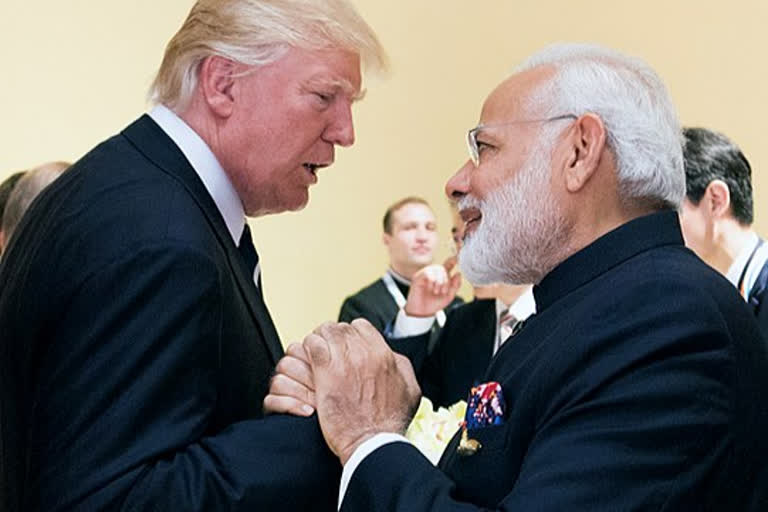
By Nitya Chakraborty Prime Minister Narendra Modi will be meeting the United States President Donald Trump in Washington on February 13. He is going straight to U.S. on a two-day visit after completing his engagement in France on Tuesday, including co-chairing the global AI summit along with the French President Emanuel Macron. For all practical […]
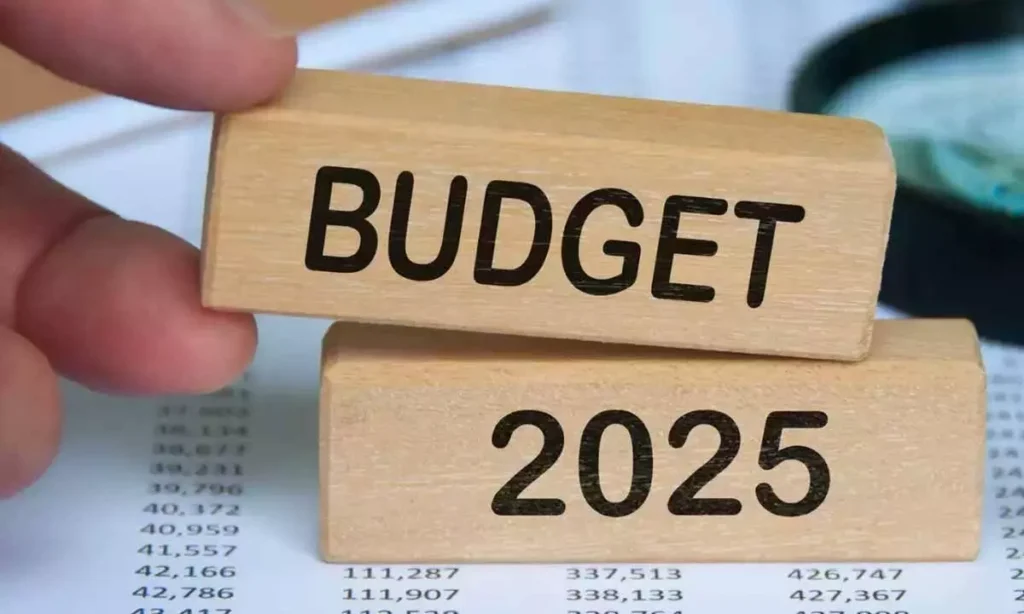
By Nantoo Banerjee With Indian Rupee (INR) dwindling almost daily against US Dollar (USD), it is good the Union Budget for 2025-26 has stopped repeating on making the Indian economy a $5-trillion GDP to become the world’s third largest by the end of this year or anytime too soon. The budget also provides no indication […]

Abu Dhabi-based Ittihad International Investment LLC has secured a $450 million sustainability-linked revolving credit facility with a consortium of local banks. The facility was arranged by Emirates NBD, Commercial Bank of Dubai, and First Abu Dhabi Bank, serving as mandated lead arrangers and bookrunners, as well as sustainability joint coordinators. Additionally, Abu Dhabi Commercial Bank, Abu Dhabi Islamic Bank, and Emirates Islamic acted as joint arrangers. The […]

The Gulf Cooperation Council equity markets have observed a downturn in net foreign investor inflows, with January figures decreasing to $939 million from December’s $1.04 billion, marking a significant 41% drop compared to November’s numbers. This trend is highlighted in the ‘Foreign Flow Analysis’ study by Iridium Advisors, a Dubai-based management consulting firm. CEO Oliver Schutzmann interprets this as foreign investors becoming “more selective in their allocations.” […]

HOHHOT, CHINA – Media OutReach Newswire – 6 February 2025 – At 57, Wang Fei is hailed as the “King of Sunflower Seeds” in his hometown of Bayannur, in northern China. A farmer drives a harvester to harvest sunflower seeds in a field in Linhe District of Bayannur, north China’s Inner Mongolia Autonomous Region The title reflects not only his passion for the crunchy snack but also […]

Matein Khalid t is significant that President Trump, despite his bluff and brinkmanship with 25 percent tariff threats against Mexico and Canada, chose only to impose a 10 percent tariff on China. China is Washington’s only real peer competitor in great power realpolitik and its preeminent rival in Cold War 2.0. A 10 percent tariff is not a threat to global economic stability as would have been the 60 percent […]

By Nitya Chakraborty Exactly six months have passed since the installation of the interim government in Bangladesh on August 8, headed by Dr. Mohammad Yunus, three days after the ouster of the Awami League government led by former Prime Minister Sheikh Hasina. Hasina, daughter of the founder of the present Bangladesh, the late Sheikh Mujibur […]
Advertisements

The UAE has set a remarkable record, achieving a significant milestone in foreign trade with a total of Dhs3 trillion in 2024. This accomplishment comes as the UAE’s foreign trade expanded by an impressive 14.6 per cent, far outstripping the global trade growth, which only saw a modest 2 per cent increase. This surge in foreign trade marks a continuing trend for the UAE, solidifying its position […]

Saudi Aramco, the world’s largest oil producer, has significantly increased its official selling price for Arab Light crude oil destined for Asia. This move has sent ripples through the global energy markets, raising questions about the potential impacts on supply, demand, and the broader oil market dynamics. The price adjustment comes as the global oil market continues to face various challenges, including fluctuating demand, geopolitical tensions, and […]

Markets flourish with predictability. Companies require consistency to strategize effectively. However, the current US administration’s erratic approach to trade is fostering the opposite environment. Donald Trump’s eleventh-hour decision to postpone sweeping tariffs on Mexico and Canada provides temporary relief but does not address the core issue: the United States is becoming an increasingly erratic economic ally. Investors are already experiencing the repercussions. This latest suspension is the […]

Successful Event Draws 200,000 Global Visitors with Hong Kong’s Local Creativity 29 January to 2 February 2025: 38 Featured Creations & 16 Visiting Hong Kong Comics Artists/ Illustrators Watch drawing demonstrations by Hong Kong comics artists in real-time at one of the top three major overseas comics festivals in the world February to May 2025: All the participating artists will be invited to share their exchange experiences […]

By K Raveendran OPEC+ is once again at the centre of a global energy crisis as it grapples with a new challenge posed by President Donald Trump’s tariffs on major crude oil suppliers. The tariffs, which include a 10 percent levy on Canadian oil and 25 percent on US imports into Canada in retaliation, threaten […]

Gold prices have reached unprecedented levels, with spot gold climbing to $2,858.12 per ounce. This surge is attributed to escalating trade tensions between the United States and China, following Beijing’s imposition of tariffs on U.S. imports in retaliation to new U.S. duties on Chinese goods. The heightened trade conflict has led investors to seek refuge in safe-haven assets like gold. Ilya Spivak, head of global macro at […]

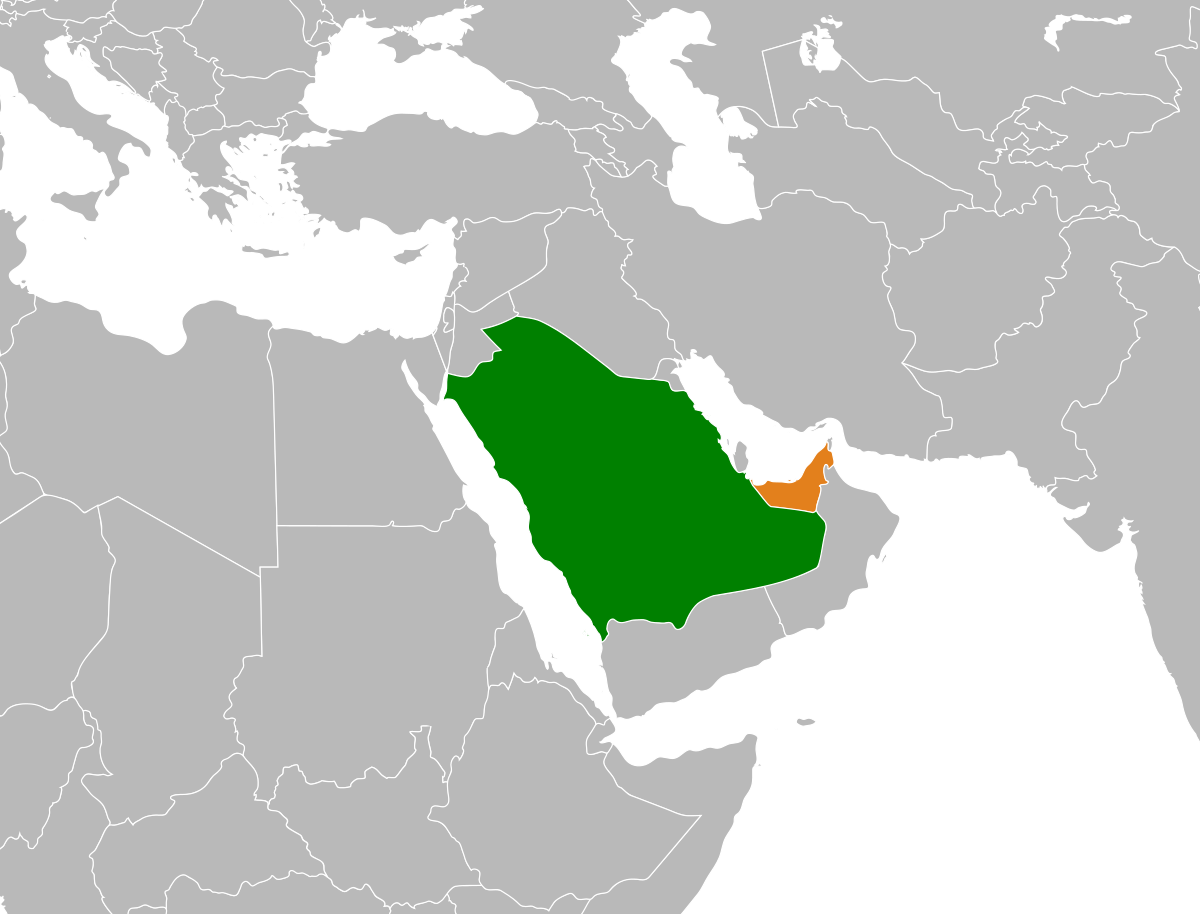
Discussions between Russian and US officials have surfaced regarding a potential summit between President Donald Trump and President Vladimir Putin, with Saudi Arabia and the United Arab Emirates being considered as the possible locations for the high-stakes meeting. According to two Russian sources familiar with the matter, both Middle Eastern nations have emerged as viable venues for the summit, a move that reflects the growing geopolitical engagement of these countries in the Russia-US relations.

Trump, who has long positioned himself as a proponent of international diplomacy, stated his intentions to end the war in Ukraine as swiftly as possible. He reiterated his readiness to engage with Putin, emphasizing the desire to address the ongoing conflict and other shared concerns. In return, President Putin congratulated Trump following his re-election and voiced his own readiness to meet and discuss critical issues, including the war in Ukraine and energy policies, which remain central to the broader global conversation on security and economic stability.

Despite these declarations, Russian officials have firmly denied any direct communications with the United States regarding plans for a phone call or a potential in-person meeting between the two leaders. These officials insist that any forthcoming discussions, if they occur, would be arranged at a later stage, with careful consideration of timing and venue.

The prospect of such a summit, especially in the context of Russia’s recent military actions in Ukraine, has sparked interest on the international stage. The geopolitical ramifications of such a meeting would likely be far-reaching, impacting global energy markets, NATO relations, and the future of the conflict in Eastern Europe. Although some observers view this as an opportunity for peacebuilding, others remain skeptical, given the contentious history of US-Russia relations.

Saudi Arabia and the UAE, with their growing influence on the global diplomatic stage, are being considered due to their neutral stance in the Ukraine conflict and their established relationships with both Russia and the United States. These nations have long been involved in energy markets, which would make them attractive hosts for a meeting focused on energy policies and economic security. Russia’s energy exports, including oil and natural gas, remain a critical factor in shaping international relations, particularly in light of sanctions imposed by the West in response to Russia’s actions in Ukraine.

Trump’s position on Ukraine has been a point of divergence from that of his political opponents, with some criticizing his favorable rhetoric toward Russia. However, his approach has consistently focused on resolving the conflict through direct negotiations, an approach he has applied to other global tensions during his presidency. The idea of a Trump-Putin summit reflects his broader foreign policy philosophy, which emphasizes personal diplomacy over multilateral frameworks.

Despite public statements from both leaders expressing interest in talks, the reality of organizing a summit remains complex. The diplomatic groundwork necessary to bring the two leaders to the same table would require careful coordination, especially with ongoing tensions over Ukraine. Moreover, the absence of direct communication between the US and Russia regarding the summit preparations has raised questions about the seriousness of the plans and the potential obstacles that may arise in the months ahead.

The role of intermediaries, such as Saudi Arabia and the UAE, in facilitating this meeting underscores the shifting dynamics of international diplomacy. Both nations have increasingly positioned themselves as key players in mediating between conflicting global powers. Saudi Arabia’s leadership within OPEC, combined with its strategic partnerships with both Russia and the United States, places it in a unique position to influence global discussions, particularly in the energy sector. Similarly, the UAE, with its expansive diplomatic network and strong ties to both Moscow and Washington, has become a focal point for international peace efforts and negotiations.

The consideration of Saudi Arabia and the UAE as potential hosts for the Trump-Putin summit aligns with their broader strategy of asserting themselves as mediators in global political disputes. The Middle East, long a region of contention, is now emerging as a diplomatic hub where major powers can engage in dialogue, far from the direct theater of conflict. This shift in geopolitical dynamics highlights the region’s growing importance as a neutral ground for major power negotiations, particularly in an era marked by heightened tensions and polarized global politics.

While a Trump-Putin summit would be a significant event on the world stage, it would also require both leaders to overcome a range of diplomatic and political challenges. The ongoing war in Ukraine remains a central issue, and any discussions between Trump and Putin would likely revolve around finding a peaceful resolution to the conflict, while balancing the interests of their respective countries. However, any breakthroughs or agreements arising from such a summit would be closely scrutinized by the international community, particularly given the historical tensions that have defined US-Russia relations.

Matein Khalid The ideologues of MAGA assured us that Tariff Man’s threats were pure bombast and Wall Street believed them, the reason equities and crypto went ballistic after the election of POTUS-47. Yet Trump’s tariff threats were all too real and the global markets must now pay a bitter price for history’s second worst economic own goal after Brexit. The 25% tariff on Mexico will immediately send […]

• Yunlin OWF fully operational and running at design capacity of 640 MW • Enough clean energy to power over 600,000 Taiwanese homes annually • Major step for Taiwan’s offshore wind farm and renewable energy sectors HAMBURG, GERMANY – EQS Newswire – 3 February 2025 – Skyborn Renewables (Skyborn) and its partners in Yunneng Wind Power Co., Ltd. (Yunneng) are pleased to announce a major milestone: The […]

Dubai is continuing to strengthen its position as a global luxury real estate hub with the introduction of new $100 million mansions aimed at attracting the world’s ultra-wealthy buyers. These high-end properties, designed with a blend of opulence and cutting-edge technology, offer unparalleled luxury and exclusivity, reinforcing the city’s appeal among high-net-worth individuals seeking a lavish lifestyle in one of the most cosmopolitan cities in the world.

The move comes amid Dubai’s ongoing efforts to diversify its economy and reduce dependence on oil. By creating an environment conducive to wealth generation, the city aims to secure its place as a key player in the global luxury real estate market, appealing to billionaires and other affluent individuals from various industries such as finance, technology, and entertainment. The launch of these multimillion-dollar homes aligns with Dubai’s broader strategy to foster growth in its property sector while attracting international investors.

The new mansions are situated in some of the city’s most prestigious neighborhoods, including Palm Jumeirah and Emirates Hills, both of which are synonymous with opulence and sophistication. These locations are well-established as the prime residential areas for Dubai’s elite, boasting spectacular views, private beach access, and proximity to world-class facilities such as five-star hotels, shopping malls, and golf courses. The homes, which range in size from 20,000 to 30,000 square feet, offer unmatched privacy and security, with residents benefiting from state-of-the-art surveillance systems and 24-hour concierge services.

Architecturally, the mansions represent a fusion of traditional Arabian design with modern, minimalist aesthetics. The developers have incorporated advanced technologies such as home automation systems, environmental sustainability features, and even artificial intelligence-driven energy efficiency, ensuring that the properties meet the highest standards of luxury and functionality. Many of these homes also come with private pools, spas, cinemas, and expansive outdoor spaces designed for both relaxation and entertainment.

Another attractive feature is the availability of bespoke services tailored to the needs of each buyer. Personalized interior design, exclusive art collections, and even custom-built furniture are part of the package, allowing wealthy residents to create a space that reflects their individual tastes and lifestyles. The presence of renowned luxury brands like Rolls-Royce and Lamborghini further enhances the appeal, with private showrooms and exclusive car services available to residents.

Dubai’s real estate market has been resilient even in the face of global economic challenges. The city’s stable political environment, tax-free policies, and world-class infrastructure make it an attractive destination for the ultra-wealthy, particularly in light of geopolitical uncertainties elsewhere. The luxury sector has seen steady growth, fueled by a consistent influx of foreign investors seeking safe havens for their wealth. The introduction of these new mansions is expected to build on that momentum, catering to the growing demand for extraordinary homes that offer both lavish living and a secure, high-profile address.

While the $100 million price tag may seem astronomical to many, the value proposition is clear for those looking to buy into Dubai’s elite real estate market. The growing trend of “safe haven” investments, where the ultra-wealthy look to protect their assets in politically stable environments, makes Dubai’s prime properties even more appealing. As the city continues to position itself as a beacon for global wealth, the demand for luxury residences remains high, with Dubai consistently ranking among the world’s most sought-after destinations for property investment.

In addition to the allure of luxury living, these new mansions offer buyers a unique opportunity to be part of Dubai’s thriving cultural and social scene. The city’s reputation as a global business hub, its numerous luxury shopping destinations, and its burgeoning arts and entertainment industries provide an attractive backdrop for those seeking not just a home, but an elevated lifestyle.

Despite the substantial cost, the market for Dubai’s high-end properties is seeing increasing interest from international buyers, especially from regions such as Europe, Russia, and China. These global buyers are attracted not only by the mansions themselves but by the broader appeal of Dubai as a tax-free haven, providing access to a safe, stable environment for both living and investing. The city’s legal framework, which is favorable to foreign investors, also ensures that the luxury real estate market remains competitive and attractive.

Dubai’s government has been proactive in making it easier for foreign buyers to invest in property. Recent reforms, such as offering long-term residency visas to investors and property owners, have further contributed to the growth of the luxury real estate market. The ease of doing business in the city, combined with its strategic location at the crossroads of Europe, Asia, and Africa, ensures that Dubai remains an ideal base for wealthy individuals looking to expand their global portfolios.

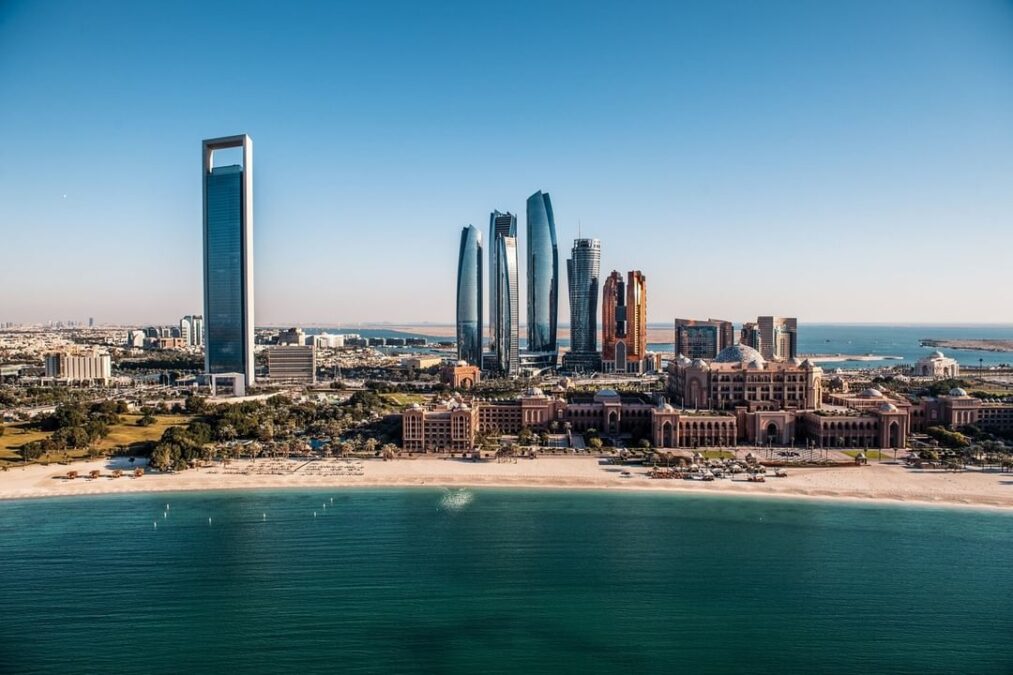
Abu Dhabi’s real estate market experienced a significant surge in activity during January, reaching a total value of $2.88 billion in transactions. This marks a considerable increase in both sales and investments, reflecting growing investor confidence in the emirate’s property sector.

The uptick in transactions follows a series of market dynamics that have been shaping the real estate landscape in the UAE capital. According to the latest figures from the Abu Dhabi Department of Municipalities and Transport , the volume of deals spans various segments, including residential, commercial, and industrial properties. Notably, the residential sector continues to dominate, with a large portion of transactions involving high-value villas and apartments in sought-after areas.

The government’s commitment to fostering economic growth, especially through initiatives targeting real estate, has played a key role in stimulating demand. These policies have aimed at attracting foreign investments, bolstering infrastructure, and improving overall market conditions. New regulatory measures, such as those aimed at simplifying property ownership laws for non-residents and expanding property options, have also helped to enhance market stability.

Throughout January, luxury real estate in prime locations, particularly on Yas Island and Saadiyat Island, saw a noticeable uptick in demand. These areas, known for their high-end residential developments and world-class amenities, have become magnets for international buyers. Properties in these locations have attracted investors looking for both secure capital growth and high rental returns.

The office space market has also shown resilience, as businesses continue to expand operations in Abu Dhabi, despite global challenges. Leasing activity for commercial properties remains strong, especially for Grade-A office spaces, as companies seek modern and flexible work environments. The UAE capital’s status as a regional business hub has contributed to this demand, alongside its increasing appeal as a destination for multinational corporations.

The data further highlights the rise of off-plan sales, with developers offering new projects across multiple residential communities. These off-plan sales, which accounted for a significant portion of the month’s total value, demonstrate the ongoing confidence in Abu Dhabi’s long-term real estate prospects. The availability of flexible financing options and competitive prices in comparison to global property markets have positioned Abu Dhabi as a desirable market for investors seeking stable returns.

The UAE’s Vision 2021 agenda, which aims to diversify the economy and reduce reliance on oil, has undoubtedly influenced the real estate sector’s strong performance. A considerable focus has been placed on infrastructure development and sustainability, including green building initiatives and smart city projects, which align with global trends. These initiatives are expected to sustain the growth of Abu Dhabi’s property market in the long term, as both local and international investors turn their attention to properties with sustainable features and advanced technologies.

The value of transactions in the commercial sector, including retail and hospitality properties, has shown positive movement. As the UAE recovers from the global disruptions caused by the COVID-19 pandemic, tourism and hospitality sectors are also seeing a boost, with a surge in demand for short-term rental spaces. Investors are capitalizing on this, focusing on both residential and commercial assets that cater to the increasing influx of tourists and business travelers.

Analysts suggest that the robust performance of the real estate market is also tied to global economic conditions. As many countries continue to grapple with inflationary pressures and market volatility, Abu Dhabi’s relatively stable economic environment is increasingly seen as a safe haven for investors. This trend is expected to continue, with forecasts pointing to sustained growth in the property market throughout 2025.

As Abu Dhabi continues to make strides toward becoming a global financial and cultural hub, its real estate market is likely to remain a key contributor to the emirate’s economic growth. The government’s focus on developing a diverse and attractive real estate sector, along with ongoing investments in infrastructure, is expected to support the market’s expansion.

Abu Dhabi National Oil Company and Austria’s OMV have confirmed ongoing negotiations to establish a new global leader in the polyolefins sector. The merger, which would combine ADNOC’s Borouge, OMV’s Borealis, and Canada’s Nova Chemicals, is poised to create one of the world’s largest polyolefin groups. The two companies described the discussions as progressing in a “constructive and positive manner.”

Both ADNOC and OMV have been increasing their focus on expanding their footprint in the chemicals and petrochemicals sectors, particularly in polyolefins, which are critical for manufacturing a wide range of products, from packaging materials to automotive components. The merger would not only boost the companies’ market positions but also position the new entity as a major player in the global chemicals market.

The polyolefins industry has seen steady growth in recent years, driven by demand for packaging, consumer goods, and industrial applications. The merger, if completed, would give the combined entity a significant advantage in this competitive market, leveraging the resources and technological expertise of each participant. Experts suggest that the combined scale and enhanced capabilities could make the group a leader in producing polyethylene and polypropylene, two of the most widely used plastics globally.

ADNOC’s Borouge, based in the UAE, has been a key player in the polyolefins market for years, with a focus on high-quality, innovative products. Meanwhile, Borealis, controlled by OMV, is a leading European chemicals company with an established presence in polyolefins and advanced chemicals. Nova Chemicals, a wholly owned subsidiary of Canada’s Mubadala Investment Company, brings further expertise and production capacity to the table.

The merger would allow the three companies to capitalize on each other’s strengths. Borouge, for instance, has extensive experience in the Middle East and Asia, while Borealis has a strong European and North American footprint. Nova Chemicals’ established position in North America would be complemented by the global reach of the other two. Together, the companies would form a formidable force in both developed and emerging markets, ensuring a diversified supply chain and the ability to serve a broader range of industries.

This deal comes at a time when the polyolefins market is facing new challenges and opportunities. As the global demand for sustainable materials rises, the new entity may also benefit from growing interest in recyclable and eco-friendly plastic alternatives. Industry analysts speculate that the merger could help the group meet these demands by accelerating research into more sustainable production methods and product offerings.

The proposed combination would also be a notable shift in ADNOC’s strategy. Historically, the company has been heavily involved in the exploration and production of oil and gas. However, the increasing focus on petrochemical expansion aligns with broader regional goals to diversify the economy and reduce dependence on crude oil exports. By increasing its stake in high-value industries like polyolefins, ADNOC could secure more stable revenue streams in the coming years, particularly as global demand for petrochemicals continues to rise.

For OMV, the deal represents a significant opportunity to consolidate its position in the chemicals sector, aligning with its long-term strategy of enhancing its refining and petrochemical operations. The company has been expanding its portfolio in this space and aims to increase the contribution of chemicals to its overall business, helping to buffer against the volatility of oil and gas prices.

The announcement of the merger talks has raised questions about the potential regulatory hurdles the companies may face, particularly in Europe, where anti-trust laws are stringent. The deal would need to be assessed by competition regulators to ensure that the merger does not significantly reduce competition in the polyolefins market. Both ADNOC and OMV have stated that they are committed to ensuring compliance with all regulatory requirements.

Despite these challenges, analysts remain optimistic about the potential benefits of the deal. A merger of this scale would enable the combined company to drive innovation, improve efficiency, and leverage economies of scale. The global polyolefins market, valued at tens of billions of dollars, could see a new dominant player emerge, with the capacity to set trends and dictate pricing across key regions.

In addition to the market implications, the merger could reshape the supply chain dynamics for polyolefins. By merging production capacities and expanding global reach, the new group would be better positioned to serve large multinational customers who rely on polyolefins for various applications. This could include sectors like automotive, packaging, and construction, all of which are seeing shifts toward higher performance and more sustainable materials.

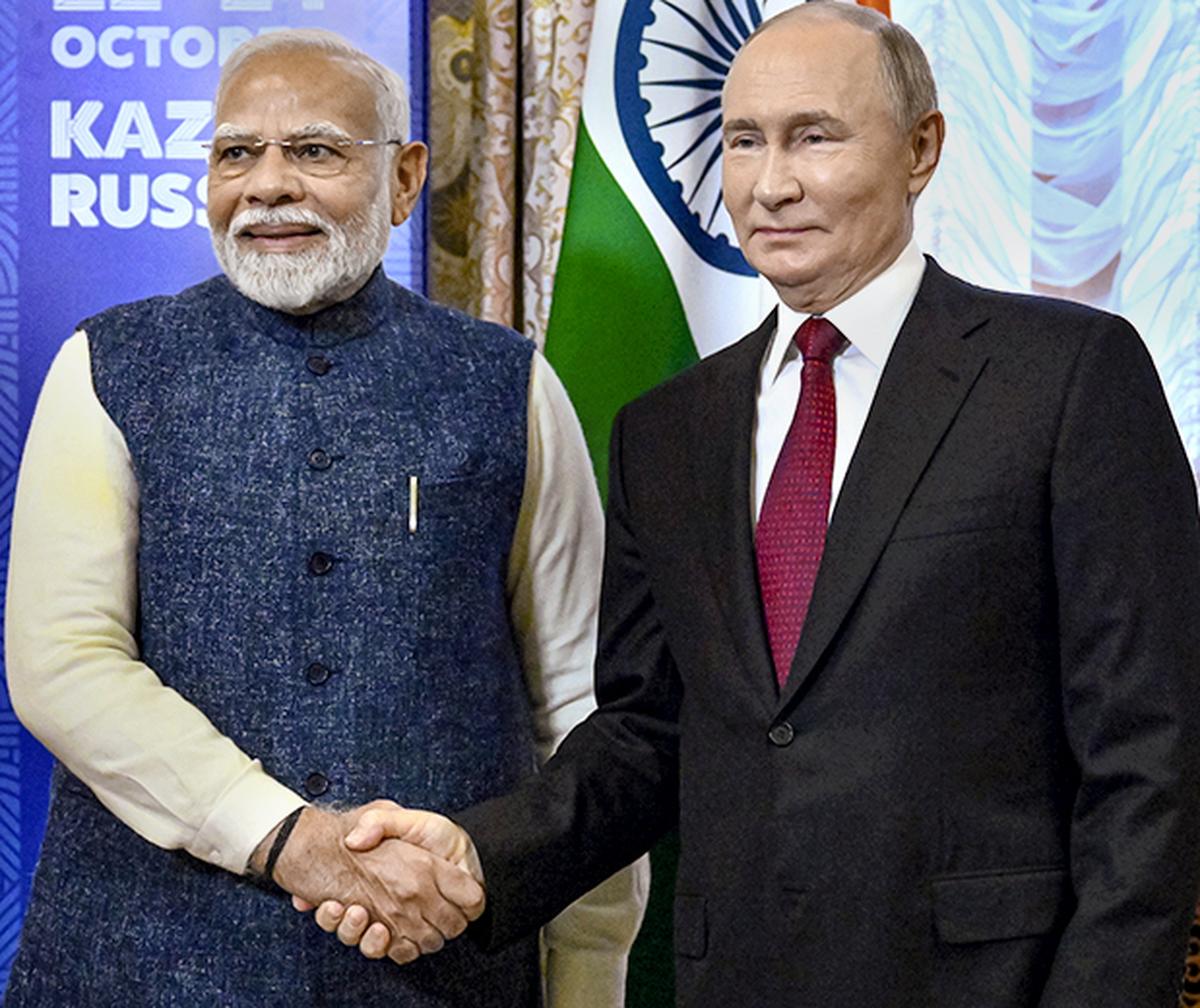
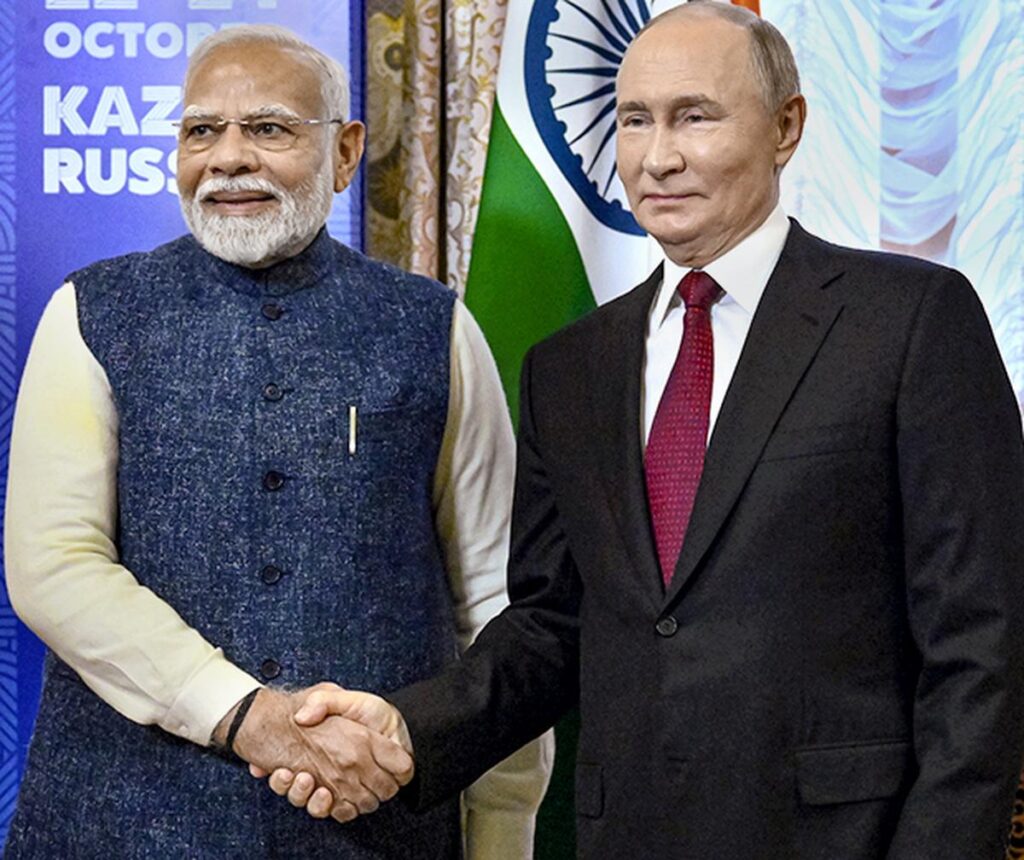
By Nitya Chakraborty What is happening to the proposed official visit of the Russian President Vladimir Putin to India early this year? Is the Prime Minister Narendra Modi’s invitation to the Russian President to visit India given at the BRICS summit at Kazan on October 22 still valid? Doubts are being raised about the visit […]

Abu Dhabi sovereign wealth fund ADQ has entered into a strategic joint venture with global investment firm Orion Resource Partners to focus on investments in metals and mining. The announcement was made on Thursday, marking a significant expansion of ADQ’s portfolio in critical minerals. This partnership is expected to inject $1.2 billion over the next four years, targeting mining operations in emerging markets across Africa, Asia, and Latin America.

The 50-50 joint venture will be headquartered in Abu Dhabi, reinforcing the UAE’s growing influence in global resource investment. The capital infusion will be deployed across a wide range of asset classes, including equity, senior debt, and production-linked instruments such as royalties, enabling the partners to diversify their approach while providing flexible financial support to mining companies.

This collaboration comes as demand for critical minerals, particularly those essential for green energy and technology, continues to surge worldwide. By strategically positioning itself in emerging markets, ADQ aims to tap into the growing potential of these sectors, while also ensuring a steady supply of materials for industries such as electric vehicles, renewable energy, and technology manufacturing.

The UAE has increasingly sought to diversify its investments, with sovereign wealth funds like ADQ playing a central role in expanding the nation’s economic footprint beyond oil. This partnership with Orion represents a key step in the UAE’s strategy to enhance its global financial influence, especially in sectors aligned with future growth, such as critical minerals.

The joint venture is expected to leverage Orion’s expertise in the mining sector, with the firm’s global experience providing a competitive edge in identifying and managing investments. Orion Resource Partners, known for its investments in natural resources and energy, will bring its deep market insights and operational capabilities to ensure the success of the venture.

The partners have already identified several opportunities in the target regions, which have abundant mineral reserves but often face challenges such as political instability, infrastructure limitations, and regulatory hurdles. By focusing on emerging markets, ADQ and Orion hope to unlock value in these regions, driving economic development while securing access to essential resources.

The decision to focus on mining companies in Africa, Asia, and Latin America aligns with global trends indicating a growing shift toward these regions, which have vast untapped mineral potential. These markets are becoming increasingly attractive to investors looking to capitalize on the expanding demand for metals critical to clean energy transitions. As nations commit to reducing their carbon footprints, the need for raw materials like lithium, cobalt, and nickel is escalating, placing these regions in the spotlight.

For ADQ, the partnership with Orion reflects its broader strategy to develop a well-rounded investment portfolio that includes not only traditional assets but also strategic holdings in critical industries. This move also signals ADQ’s commitment to responsible and sustainable investments, with the fund placing a strong emphasis on environmental, social, and governance factors in its investment decisions.

The joint venture’s investments will not be limited to equity stakes but will also include senior debt and other instruments such as royalties, allowing the partners to support mining companies with the flexibility to meet their funding needs across different stages of their development. This varied approach provides opportunities for both high-growth and stable, income-generating assets.

The UAE’s growing focus on the mining sector is also linked to its efforts to enhance energy security and ensure the long-term availability of essential raw materials. By forming such partnerships and investing in mining, the UAE can build stronger links with emerging markets while ensuring that its own economic and industrial sectors are less dependent on external sources of critical minerals.

ADQ’s decision to form this venture with Orion comes at a time when other global investors are also increasing their exposure to the mining sector. With the rise of sustainable investment practices and the need to secure critical minerals for the global green energy revolution, mining is set to remain an important area for international capital flows.

Through this partnership, ADQ and Orion aim to establish themselves as key players in the global mining sector, specifically targeting regions that are expected to become increasingly central to the global supply chain for critical minerals. As the world transitions to cleaner energy and technology, the demand for these minerals is only expected to increase, making such investments highly strategic for the long-term success of the partners involved.

The venture also highlights the UAE’s growing role in shaping the future of global industries. As one of the world’s leading financial hubs, Abu Dhabi is positioning itself to attract international capital and play a key role in industries that will drive future economic growth, from sustainable energy to advanced technology.


Nice One, a rising star in Saudi Arabia’s beauty and e-commerce sectors, made a remarkable debut on the Riyadh stock exchange this January, reflecting the ongoing boom in IPO activity across multiple industries in the Kingdom. The IPO raised an impressive $320 million, a significant milestone for the company, which saw its stock price soar by 30% on its first trading day—the maximum allowed by the exchange.

Shares of Nice One were initially priced at 35 riyals per unit, marking a strong start for the company. As the market opened, the price quickly rose to a high of SAR 64.50, before stabilizing at SAR 55.70 by the close of Wednesday’s trading session. This surge not only underscored investor confidence in the company but also highlighted the growing demand for opportunities in the region’s burgeoning beauty and e-commerce markets.

For the broader Saudi economy, Nice One’s IPO serves as a testament to the Kingdom’s strategic push to diversify its economy away from oil dependency and build up other sectors such as technology, retail, and digital services. This wave of IPOs, particularly in non-energy sectors, aligns with Saudi Vision 2030, an ambitious plan to reshape the country’s economic landscape and foster growth in new industries.

Nice One’s debut has caught the attention of investors and analysts alike, with many viewing it as a potential model for other startups within the beauty and e-commerce space. The company’s rapid rise, spurred by the increasing popularity of online retail in the Kingdom, highlights the shifting consumer behavior in Saudi Arabia, particularly among younger generations who are eager to embrace digital and mobile-first shopping experiences.

The beauty and e-commerce sectors have experienced significant growth in recent years, particularly as digital transformation has accelerated across the region. Online shopping platforms, like Nice One, have become increasingly popular as consumers seek convenience, variety, and competitive pricing. This shift in buying habits has been particularly pronounced during the COVID-19 pandemic, which further propelled the growth of e-commerce, with many consumers opting for home delivery and digital shopping solutions.

Nice One’s success also reflects the growing appeal of online beauty products in the Saudi market. The beauty industry in the region has become a major player in the global market, driven by an increasingly affluent and brand-conscious population. Saudi Arabia is home to a young, tech-savvy demographic, with high disposable incomes and a keen interest in beauty and wellness products. This has created an attractive market for local and international brands looking to expand their presence in the Middle East.

The company’s strong performance is expected to encourage other players in the e-commerce and beauty sectors to follow suit. Analysts predict that as Saudi Arabia’s stock market continues to liberalize and attract international investment, more companies within high-growth industries will consider IPOs as a means to raise capital and gain exposure on a regional or global scale.

It’s worth noting that the success of Nice One’s IPO is also closely tied to Saudi Arabia’s wider push to strengthen its capital markets. The Tadawul exchange, the largest in the Arab world, has become a focal point for IPO activity. As part of its ongoing reforms, the government has introduced initiatives designed to make the stock market more attractive to both local and international investors, including new regulations and incentives for IPO listings.

Beyond the financial impact, Nice One’s IPO also holds significance for the future of the Saudi retail and digital landscape. The company’s strong debut is a clear indicator that there is substantial growth potential in Saudi Arabia’s beauty and e-commerce markets, which have gained increasing traction both within the Kingdom and across the wider Middle East region. This sets the stage for further investment and innovation, as more companies within these sectors look to scale and capture a larger share of the market.

With a price jump of 30% on its debut, Nice One’s IPO is being seen as a benchmark for other companies that are eyeing expansion in the highly competitive beauty and e-commerce space. It serves as a signal to the market that there is a strong appetite for well-positioned companies in high-growth industries. The success of Nice One could pave the way for more consumer-focused businesses to consider listing on Tadawul, further diversifying the Kingdom’s economy.

Looking forward, the focus will be on how Nice One navigates its post-IPO growth phase. While the early performance of its stock has been promising, the company will need to demonstrate its ability to scale and maintain investor confidence. This will require continued innovation, strategic expansion, and effective management of the rapidly evolving beauty and e-commerce landscape.

Robinhood Markets has introduced Bitcoin and cryptocurrency futures trading, expanding its investment services to include crypto-based derivatives. The move aims to cater to the growing demand for cryptocurrency investment tools, allowing users to speculate on Bitcoin’s price movement without directly holding the cryptocurrency.

The company, which first gained popularity with its user-friendly stock trading app, has been expanding its portfolio to meet the evolving needs of retail investors. By adding crypto futures to its platform, Robinhood is positioning itself as a more versatile trading hub, aligning with the trend of traditional financial services adapting to the growing influence of digital assets.

Crypto futures are agreements to buy or sell an underlying asset at a future date for a predetermined price. Unlike spot trading, where investors purchase cryptocurrencies directly, futures allow traders to bet on price movements without owning the actual coins. This could attract more investors who prefer speculating on price fluctuations while avoiding the complexities of cryptocurrency storage and security.

The timing of Robinhood’s move comes at a moment when cryptocurrency markets are gaining broader attention and legitimacy, especially as institutional players like hedge funds and large banks enter the space. Futures trading offers a higher level of risk compared to traditional buying and selling, but it also provides significant opportunities for profit, making it an appealing option for both seasoned traders and newcomers to the digital asset space.

This expansion into futures trading also follows growing interest in Bitcoin and other cryptocurrencies from both individual and institutional investors. Bitcoin’s price has seen substantial fluctuations, and futures trading provides a method for hedging against these market swings. It is also seen as a strategic maneuver for Robinhood to compete with other trading platforms, such as Coinbase and eToro, which have been incorporating more cryptocurrency offerings.

Robinhood has long been known for its disruptive approach to finance, offering commission-free trading on stocks and options. Its decision to venture into cryptocurrency futures aligns with its broader goal of democratizing finance and making more sophisticated financial tools accessible to everyday investors. Crypto futures, however, come with unique risks, especially given the volatility of cryptocurrency prices. Critics have expressed concern over the potential for inexperienced investors to face significant losses.

Futures contracts are commonly used by institutional traders, but Robinhood’s entry into this market is designed to make these instruments more approachable for retail investors. The platform’s streamlined user interface could attract novice traders who may have shied away from futures trading due to its perceived complexity. With Bitcoin futures trading, investors will be able to enter both long and short positions on Bitcoin, allowing them to profit from price movements in either direction.

Robinhood’s push into cryptocurrency futures is not just a response to demand but also a calculated strategy to capture a larger share of the expanding digital asset market. As the cryptocurrency market continues to mature, the availability of new products like futures trading could play a key role in attracting more diverse investor participation. The move is also expected to bolster Robinhood’s position as a major player in the broader financial ecosystem, offering products ranging from equities to commodities, alongside digital assets.

While the crypto futures market is still evolving, regulatory scrutiny remains a key concern. The U.S. Commodity Futures Trading Commission and the U.S. Securities and Exchange Commission have both indicated their interest in providing clearer regulations around cryptocurrency derivatives. Future developments in regulatory policy will likely influence how Robinhood and other platforms navigate the crypto futures space.

For Robinhood, the integration of Bitcoin and cryptocurrency futures into its platform signifies an ongoing transformation of its business model. With an increasing number of retail traders showing interest in digital assets, the company’s ability to adapt and introduce new products will be pivotal in maintaining its competitive edge.

The platform’s expansion into this space also places additional focus on the growing trend of financial democratization. By bringing sophisticated trading tools like crypto futures to a broader audience, Robinhood continues to challenge traditional financial institutions and reshape the way investors access and trade various asset classes.

The introduction of crypto futures comes at a time when market volatility has been a consistent characteristic of the crypto landscape, with Bitcoin regularly experiencing dramatic price swings. This volatility, while presenting opportunities for skilled traders, also makes it crucial for retail investors to fully understand the risks involved in futures trading.

In offering crypto futures, Robinhood is also tapping into a demographic that seeks more diverse and complex financial products. Futures markets allow traders to speculate on the price of assets like oil, gold, and Bitcoin, providing exposure to various types of commodities in addition to traditional stocks. By integrating these financial instruments into its app, Robinhood positions itself as a go-to platform for users interested in broader investment opportunities.

By Nitya Chakraborty Narendra Modi government is due to present its second budget in the third term of the Modi regime on February 1 in an environment of domestic downturn in GDP growth along with global uncertainty in trade due to U.S. President Donald Trump’s disruptive trade and tariff programme. Latest official data show that […]

VISHNU RAJA
RYO YAMADA
HITORI GOTOH
IKUYO KITA