A sharp fall in Iran’s rial has triggered demonstrations in the heart of Tehran, exposing mounting pressure on household budgets and traders as prices of basic goods accelerate amid tightening financial conditions and long-running sanctions. State television on Monday broadcast blurred footage it described as limited unrest by merchants at Grand Bazaar, while videos circulating on social media indicated wider participation, with shopkeepers pulling down shutters and […]
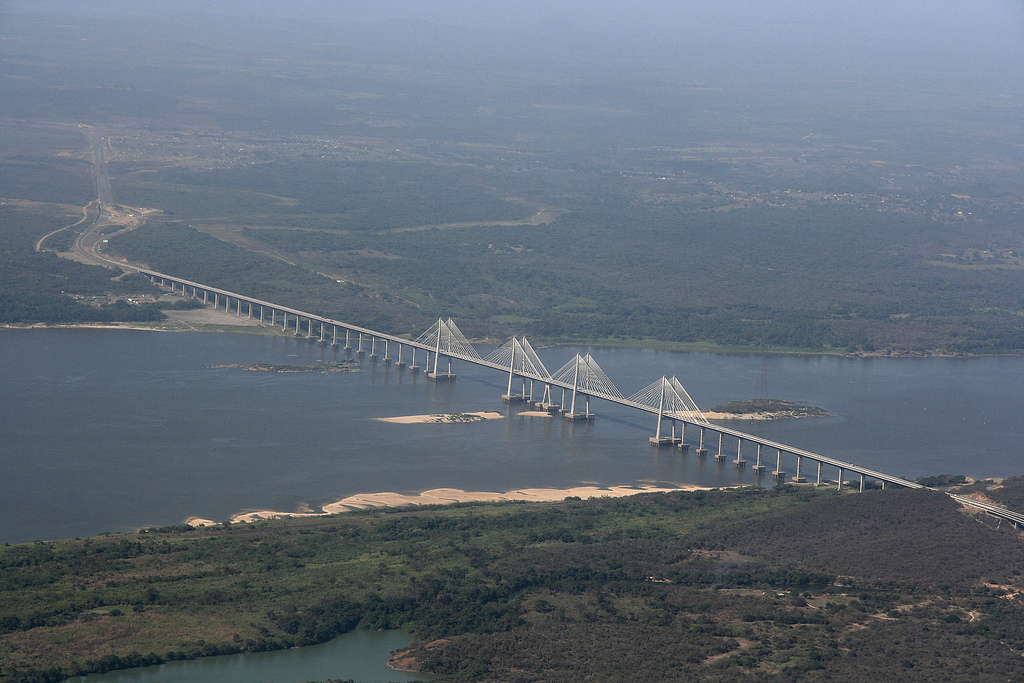
Venezuela has begun shutting oil wells in its prolific Orinoco Belt after storage filled up and inventories swelled, a move that underscores the operational strain facing the state producer as financial pressure from Washington tightens. The cutbacks, which started on 28 December, are set to lower heavy crude output by at least a quarter in the belt that holds the world’s largest known oil deposits, according to people familiar with internal operations.
Petroleos de Venezuela SA, known as PDVSA, is aiming to bring Orinoco production down to about 500,000 barrels a day, the people said. That reduction equates to roughly 15% of the country’s total output of around 1.1 million barrels a day. The wells were idled as tanks reached capacity and export bottlenecks left little room to keep pumping.
The Orinoco Belt, stretching across eastern Venezuela, has been the backbone of the nation’s oil recovery over the past two years as PDVSA revived projects, leaned on foreign partners and relied on intermediaries to place barrels abroad. Heavy crude from the belt requires blending and specialised handling, making storage constraints particularly acute when exports slow or logistics falter.
The curtailment comes amid a renewed effort by the Donald Trump administration to financially squeeze Caracas. Measures have focused on limiting cash flows and tightening scrutiny of trade channels that had allowed Venezuelan oil to reach global markets. While PDVSA has navigated sanctions for years through complex trading arrangements, the latest actions have reduced the room for manoeuvre.
Operationally, the impact is immediate. Engineers have prioritised shutting wells with higher water cut or maintenance needs, while keeping strategic upgraders running to preserve reservoir integrity. Restarting heavy-oil wells can be costly and time-consuming, raising the risk that some output may not return quickly even if conditions improve.
For the government in Caracas, the setback dents a fragile rebound that had lifted production from historic lows. Oil remains the main source of hard currency, funding imports and social spending. Lower volumes threaten fiscal plans at a time when inflation has moderated but public finances remain stretched.
Internationally, the cuts add a layer of uncertainty to heavy crude markets. Refineries in Asia and the United States Gulf Coast have relied on Venezuelan grades as substitutes for similar barrels from elsewhere. Traders said tighter availability could widen discounts and prompt buyers to seek alternatives from Canada or the Middle East.
PDVSA’s partners in the Orinoco Belt, including joint ventures with foreign companies, are also affected. Output reductions translate into lower liftings for partners and could complicate investment decisions. Several projects had been ramping up after maintenance and drilling campaigns, betting on stable export routes.
The government has framed the situation as a temporary adjustment driven by logistics rather than geology. Officials argue that reserves remain intact and that production can rebound once storage is freed and exports normalise. Behind the scenes, PDVSA has been exploring options to lease additional floating storage and accelerate shipments to Asia, though payment and insurance hurdles persist.
Analysts note that the episode highlights structural weaknesses. Venezuela’s oil infrastructure has suffered years of underinvestment, leaving little buffer when trade flows are disrupted. Power outages, pipeline leaks and equipment shortages have repeatedly constrained operations, forcing stop-start cycles that erode efficiency.
In the broader geopolitical context, the pressure campaign reflects Washington’s leverage over energy finance and shipping. Even when licences allow limited trade, banks, insurers and carriers often tread cautiously, amplifying the impact on producers like PDVSA. The result is a stopgap approach that prioritises managing bottlenecks over long-term optimisation.
By Dr Arun Mitra The new nuclear bill, titled Sustainable Harnessing and Advancement of Nuclear Energy for Transforming India (SHANTI), passed by Parliament, has received the assent of the President of India, Droupadi Murmu. With this, it has become an Act governing various aspects of nuclear energy in the country. There is a strong push […]
SINGAPORE – Media OutReach Newswire – 26 December 2025– Apical continues to reinforce its commitment to preventing and reducing stunting by prioritising women’s health in Cilincing subdistrict, North Jakarta. Through its business unit, PT Asianagro Agungjaya (PT AAJ), Apical collaborated with the Cilincing Community Health Centre (Puskesmas Cilincing) to implement community-based programmes focused on women’s health and early stunting prevention.
The initiative was launched on 15 December 2025 at the RW 03, RW 09 and RW 10 community offices within the Cilincing public housing complex. Targeting women of reproductive age, the programme was designed as a preventive effort to raise awareness and improve access to essential health services, particularly reproductive health, as a foundation for healthy families and future generations.
Apical’s CSR Manager, Sugiantoro, said the collaboration reflects the company’s long-term, preventive approach to public health. “We believe that healthy women are the pillars of strong families and a key force in shaping healthy communities. Through PT AAJ’s involvement, we aim to create tangible impact by prioritising early prevention, rather than focusing solely on treatment,” he said.
A key focus of the initiative was the early detection of cervical cancer, a serious but largely preventable disease when identified through routine screening and timely intervention. Services provided included IVA screening (visual inspection with acetic acid) and HPV (human papillomavirus) testing.
Dr Kezia Ivana from the Cilincing Community Health Centre explained that IVA and HPV screenings are effective methods for detecting cervical cancer at an early stage.
“Early detection allows us to identify the virus that causes cervical cancer sooner, significantly reducing the risk of disease progression. When detected early, the chances of recovery are very high. However, if left undetected, cervical cancer can lead to severe pain, abnormal bleeding, kidney and urinary tract disorders, swelling of the legs, and fertility problems that may prevent women from having children,” she said.
Apical’s participation in this initiative aligns with the company’s 5Cs philosophy that whatever it does must be good for the Community, Country, Climate and Customer, and only then will it be good for the Company, which underpins its commitment to inclusive and sustainable growth. Through partnerships with local stakeholders, Apical, a member of the RGE group of companies founded by Sukanto Tanoto, continues to support government efforts to address stunting while contributing to improved social and women’s health outcomes, particularly in communities surrounding its operational areas. Hashtag: #RGE #Apical #CSR #Stunting #Indonesia #Women #Health #Communities
The issuer is solely responsible for the content of this announcement.
About Apical
Apical is a leading vegetable oil processor with an expanding global footprint. Our vertically integrated mid-stream refining and value-added downstream processing makes us an integral supplier that supports the needs of various industries namely food, feed, oleochemicals and renewable fuel, including sustainable aviation fuel (SAF) which enables a great reduction of CO2 emissions.
With integrated assets in strategic locations spanning Indonesia, China and Spain, Apical operates numerous refineries, oleochemical plants, renewable fuel plants and kernel crushing plants. Through joint ventures and strategic partnerships, Apical also has processing and distribution operations in Brazil, India, Pakistan, Philippines, Middle East, Africa, USA and Vietnam.
Apical’s growth is built on the foundations of sustainability and transparency, and motivated by our strong belief that we can contribute to a circular economy for a more meaningful impact, even as we continue to grow our business and deliver innovative solutions to our customers.
By K Raveendran As 2026 approaches, the global oil market is heading into a year that could decisively reshape price dynamics, fiscal planning in producing states, and energy security calculations for importing economies. The defining feature of the coming year is not demand destruction or geopolitical shock, but the growing weight of surplus supply. Market […]
By Nantoo Banerjee US President Donald Trump may have problems with Russia, Venezuela and a host of other states and has every right to decide on the US trade and diplomatic policies to deal with those countries. But he has no right to thrust upon other free nations his likes, dislikes and prejudices. Unfortunately, he […]
Oil prices advanced in early Asian trade on Monday after United States authorities intercepted an oil tanker off the coast of Venezuela in international waters, reinforcing concerns over supply risks linked to enforcement actions in key producing regions. Brent crude futures gained 44 cents, or 0.73%, to $60.91 a barrel by 0141 GMT, while U. S. West Texas Intermediate rose 40 cents, or 0.71%, to $56.92. The […]
United Arab Emirates policy makers are accelerating the shift towards a technology-driven economic model, placing innovation, advanced industries and the knowledge economy at the centre of long-term growth as the country seeks to reduce reliance on hydrocarbons and strengthen competitiveness across global markets. Federal strategies over the past decade have converged around building a diversified economy anchored in artificial intelligence, financial technology, clean energy and advanced manufacturing. […]
Arabian Post Staff -Dubai Italy’s Saipem has clinched a multi-billion-dollar offshore engineering, procurement, construction and installation contract from QatarEnergy LNG, marking one of the largest project awards in the global energy services sector and reinforcing Doha’s long-term expansion plans for liquefied natural gas production. The Milan-based engineering group said the overall value of the contract is about $4 billion, with Saipem’s share estimated at roughly $3.1 billion. […]
Matein Khalid The Indian equity markets have experienced one of Asia’s most frenetic IPO bonanzas in 2024-25 even if no less than 50% of all new flotations are now trading below their offer price. Despite the decline of the Indian rupee’s new low against the dollar beyond 91 and Dalal Street’s underperformance relative to my fave emerging markets Argentina, Poland and Brazil in 2025, the macro omens […]
Saudi Arabia is preparing to lift crude oil shipments at the start of 2026, a move that underscores mounting concerns about excess supply as global demand growth remains uneven. Allocations to buyers across Asia, Europe and North America are set to rise, according to trade and shipping data reviewed by market participants, pointing to a more assertive sales posture by the world’s largest exporter after months of […]
Arabian Post Staff -Dubai Abu Dhabi National Oil Company has finalised a $2 billion green financing facility backed by the Korea Trade Insurance Corporation, strengthening its funding base for lower-carbon projects as it seeks to align hydrocarbon operations with long-term energy transition goals. The facility, structured under ADNOC’s Sustainable Finance Framework, is earmarked for eligible investments across the company’s upstream, downstream and chemicals businesses, including emissions-reduction technologies, […]
Hong Kong and Macau Organisations Honoured for Outstanding Achievements ESG-led Business for a Sustainable Future
HONG KONG SAR – Media OutReach Newswire – 19 December 2025 – With global acceleration towards sustainable development and rising expectations from investors and stakeholders for responsible business practices, Hong Kong and Macau enterprises in recent years have been actively integrating Environmental, Social and Governance (ESG) vision into their business strategies to drive green transformation and high-quality growth. Organised by Television Broadcasts Limited (TVB) and co-organised by the Hong Kong Productivity Council, the TVB ESG Awards 2025 (the Awards) aim to recognise and commend enterprises and organisations that have demonstrated outstanding performance in ESG and sustainable development. Now in its fourth edition, this annual flagship event recognise outstanding organisations and their achievements in ESG practices over the past year.
The ceremony was officiated by Mr. Michael WONG, GBS, JP, Deputy Financial Secretary (2nd left); Dr. LAM Ching-choi, GBS, JP, Non-official Member of the Executive Council & Chairman of the Council for Carbon Neutrality & Sustainable Development (1st right); Mr. SIU Sai Wo, General Manager (Business Operations), Television Broadcasts Limited (2nd right); and Dr. Lawrence CHEUNG Chi-chong, Chief Technology Officer, Hong Kong Productivity Council (1st left).
The ceremony was officiated by Mr. Michael WONG, GBS, JP, Deputy Financial Secretary; Dr. LAM Ching-choi, GBS, JP, Non-official Member of the Executive Council & Chairman of the Council for Carbon Neutrality & Sustainable Development; Mr. SIU Sai Wo, General Manager (Business Operations), Television Broadcasts Limited; and Dr. Lawrence CHEUNG Chi-chong, Chief Technology Officer, Hong Kong Productivity Council. Following the Green Summit held in July this year, the presentation ceremony also featured sharing sessions, inviting industry leaders and experts to exchange the latest trends and practical experience. In addition, the enhanced matching sessions enabled enterprises to connect with numerous attendees through exhibition booths to promote cross-sector collaboration and knowledge sharing.
Diverse Award Categories Recognise ESG Efforts of Hong Kong and Macau Industries
This year’s Awards include the “Outstanding ESG Award”, “Best in ESG Practices”, “Best in ESG Report”, “ESG Environmental Innovative Technology Award” and “ESG Social Innovative Technology Award”. Entries were open to five groups, namely large, medium, small market capitalisation/ GEM listed companies, as well as non-listed companies and non-profit organisations, to recognise the achievements of enterprises of different scales in ESG practices, reporting and innovation. To identify outstanding performers, a cross-sector professional judging panel appointed by TVB were responsible for assessing entries, using clear and diversified selection criteria that mainly cover five areas: environment, social, corporate governance, sustainability strategy, corporate information disclosure and communication.
Additionally, a new “Greater Bay Area ESG Excellence Enterprise Award (Macau SAR)” has been introduced this year to recognise Macau enterprises and organisations with outstanding ESG performance that actively promote sustainable development in the Macau community. Furthermore, to enhance and recognise the excellent performance of small and medium-sized enterprises (SMEs) in ESG practices and innovation, TVB has collaborated with the “ESG One” platform of the Hong Kong Productivity Council to launch the “SME ESG Excellence Award” this year. The award covers five areas: “Business Decarbonisation”, “Employee Care”, “Supply Chain Partnership”, “Sustainable Governance” and “ESG Technology Enhancement”, helping SMEs to progressively enhance their ESG performance. Organisations that did not receive the above ESG category awards but have actively performed and implemented ESG initiatives in various aspects will be eligible for nomination of “ESG Special Recognition Award – with Merit” or “ESG Special Recognition Award” in acknowledgement of their contributions.
Mr. Michael WONG, GBS, JP, Deputy Financial Secretary, said in his keynote speech, “Hong Kong possesses significant advantages in green economy transformation. As the city’s two major innovation and technology flagships, Hong Kong Science Park and Cyberport have now brought together over 270 green technology companies, representing growth of more than 80% compared to 2023, reflecting remarkably rapid development in recent years. Hong Kong can provide diversified investment and financing channels, enabling international capital to match with quality green projects. As of the end of September this year, there are over 200 SFC-authorised ESG funds with assets under management exceeding HKD1.1 trillion, demonstrating that investors are increasingly prioritising investment in sustainable development. The Government looks forward to continued collaboration with all of you to jointly build our sustainable future and make outstanding contributions to Hong Kong’s green economic development.”
Mr. SIU Sai Wo, General Manager (Business Operations), Television Broadcasts Limited, said, “The TVB ESG Awards 2025 received over 250 corporate entries this year, reflecting the growing importance of ESG for enterprises. We are grateful to all award-winning organisations and partners for their continued support of this flagship award. This year’s awardees excelled in ESG performance and set forward-looking models for the industry. TVB is actively supporting enterprises to devote resources to ESG development, incorporate sustainability into business decision-making and operations, and strengthen their sense of social responsibility. The Awards also provide a professional exchange platform for enterprises of different industries and scales to share their ESG strategies and tangible outcomes with a wider range of stakeholders.”
To help the public gain a more comprehensive understanding of the vision, mission and innovative strategies of various enterprises, the presentation ceremony featured sharing sessions. The judge Dr. Lawrence CHEUNG Chi-chong, Chief Technology Officer, Hong Kong Productivity Council, together with representatives from enterprises receiving the Outstanding ESG Award, exchanged practical insights. As the highest honour of this year’s Awards, the Outstanding ESG Award is conferred upon top-tier organisations in each category that have achieved the best performance in both “ESG Practices” and “ESG Report”. The award-winning enterprises shared their insights in the session titled “Partnering Across Sectors to Co-create a Low-carbon Future”:
Ms. Jessica CHAN, Head of Sustainability of MTR Corporation, shared how MTR leverages its diversified business portfolio to drive carbon reduction and social inclusion in daily operations, thus encouraging business partners to enhance their ESG performance.
Ms. Angel SZE, Company Secretary and Head of ESG Management Committee, Fosun International Limited, who shared how Fosun is driving innovation and global development to create value, while highlighting effective ESG practices for cross‑industry and cross‑regional enterprises.
Ms. Connie LAU, Assistant General Manager, Legal Department, China State Construction Development Holdings Limited, who used examples of innovative applications to demonstrate the company’s breakthroughs and decarbonisation goals.
Mr. Jonathan CHIU, President, Schneider Electric Hong Kong, who highlighted the company’s commitment as a global energy technology leader to driving efficiency and sustainability by electrifying, automating and digitalising industries, businesses and homes, contributing to Hong Kong’s low-carbon transition.
Mr. Peter LEE, Chief Sustainability Officer, Airport Authority Hong Kong, elaborated on how the authority collaborates with business partners and extends the sustainability concept to the society and education sector.
Mr. Oswald AU, Managing Director, Riskory Consultancy Limited, shared how SMEs can drive ESG through innovative solutions and practical actions, while leveraging mega event economy development to create greater impact.
The judge Dr. Lawrence CHEUNG Chi-chong, Chief Technology Officer, Hong Kong Productivity Council (1st left), together with representatives from enterprises receiving the Outstanding ESG Award, Ms. Jessica CHAN, Head of Sustainability of MTR Corporation (2nd left); Ms. Angel SZE, Company Secretary and Head of ESG Management Committee, Fosun International Limited (3rd left); Ms. Connie LAU, Assistant General Manager, Legal Department, China State Construction Development Holdings Limited (4th left); Mr. Jonathan CHIU, President, Schneider Electric Hong Kong (3rd right) ; Mr. Peter LEE, Chief Sustainability Officer, Airport Authority Hong Kong (2nd right); Mr. Oswald AU, Managing Director, Riskory Consultancy Limited (1st right), exchanged practical insights in the session titled “Partnering Across Sectors to Co-create a Low-carbon Future”.
Building on these insights, another sharing session titled “Building a Green and Sustainable Pathway: Advancing Liveable, Inclusive Smart Cities” invited Mr. Andy WONG, Senior Manager, Advocacy, Our Hong Kong Foundation, as moderator. He was joined by Ir. Franco CHEUNG, Director (Projects), Hong Kong Housing Society, Mr. Samuel KWONG, Senior Associate Director – ESG, Chinachem Group and Mr. Jeffery LOK, Managing Director, Kwan On Chemical Enterprise Co. Ltd., for in-depth discussions on topics such as decarbonisation planning, the application of green building technologies including Modular Integrated Construction (MiC), kitchen and grease trap waste oil recycling, exploring the roadmap for Hong Kong and Macau’s sustainable urban development and environmental benefits.
The sharing session titled “Building a Green and Sustainable Pathway: Advancing Liveable, Inclusive Smart Cities” invited Mr. Andy WONG, Senior Manager, Advocacy, Our Hong Kong Foundation (1st left), as moderator. He was joined by Ir. Franco CHEUNG, Director (Projects), Hong Kong Housing Society (2nd left); Mr. Samuel KWONG, Senior Associate Director – ESG, Chinachem Group (2nd right); Mr. Jeffery LOK, Managing Director, Kwan On Chemical Enterprise Co. Ltd. (1st right) for in-depth discussions.
This year’s ceremony attracted enthusiastic participation from numerous enterprises and organisations, including listed companies, non-listed companies and non-profit organisations, signalling the local market’s increasing commitment to ESG. Enhanced matching sessions with exhibition booths were arranged before and after the ceremony, allowing participants to engage in in-depth exchanges on green technology solutions, sustainable development and eco-friendly materials, and to explore collaboration opportunities.
The issuer is solely responsible for the content of this announcement.
About TVB ESG
Since 2022, TVB ESG has been committed to building a professional exchange platform for local sustainable development, promoting a deeper understanding, implementation, and strategic development of Environmental, Social and Governance (ESG) issues among businesses and different sectors of society. TVB ESG works closely with various organisations to foster cross-sector collaboration, help enterprises expand their professional networks and strengthen industry connections, while enhancing their visibility in the market and industry through diverse channels, thereby amplifying their impact in the ESG field.
To enhance industry exchange and promote a culture of sustainability, TVB ESG organises three core events every year, the Green Forum, the Green Summit and the “TVB ESG Awards”. These events aim to focus on key environmental issues and emerging trends, bringing together industry leaders and experts to provide forward-looking insights for enterprises, promote knowledge sharing, and facilitate the exchange of best practices. Through the “TVB ESG Awards”, TVB ESG also recognises enterprises and organisations with outstanding achievements in sustainable development, encouraging the industry to continuously implement and elevate ESG standards.
Arabian Post Staff -Dubai Kuwait is set to sign a contract next week with China Communications Construction Company to advance the long-delayed Mubarak Al-Kabeer Port, signalling renewed momentum behind a project seen as pivotal to the country’s trade ambitions and its role in regional logistics. Public Works Minister Noura Al-Mashaan confirmed the timeline on Thursday, following formal approval by the Central Agency for Public Tenders for the […]
Matein Khalid I was sure the Medline IPO would be a winner since I have tracked this business since it was acquired in a $30 billion leveraged buyout by Blackstone, Carlyle and the San Fran private equity house Hellman & Friedman after the bankers priced the deal at 29, I even wrote a post several hours before the New York open, reiterating that the largest private equity […]
Prime Minister Narendra Modi arrived in Muscat on December 17 for a two-day visit that places the spotlight on a partnership shaped by geography, commerce and people-to-people ties across the Arabian Sea. Sayyid Shihab bin Tarik Al Said, Deputy Prime Minister for Defence Affairs, led the welcoming party at Muscat International Airport, receiving the guest and his delegation with ceremonial honours. The visit marks a milestone year […]
The United Arab Emirates has consolidated its standing in 2025 as one of the world’s fastest-growing economies, underpinned by a surge in non-oil activity, sustained investment inflows and a regulatory framework designed to attract capital and talent. Data released through the year point to broad-based expansion across trade, manufacturing, logistics, tourism, finance and technology, reinforcing a shift away from hydrocarbons as the primary engine of growth.
Non-oil foreign trade climbed 24.5 per cent in the first half of 2025 to AED1.7 trillion, a pace that far exceeds the prevailing global trade growth rate. The increase reflects rising re-exports, stronger demand from Asia, Europe and Africa, and the UAE’s role as a commercial bridge linking major markets. Officials have highlighted gains in machinery, electronics, precious metals, food products and pharmaceuticals, supported by expanded port capacity, faster customs procedures and new trade agreements.
Investment indicators have moved in tandem with trade. The UN Conference on Trade and Development’s World Investment Report 2025 ranked the UAE 10th globally for inbound foreign direct investment in 2024, with inflows of AED167.6 billion. That placing keeps the country among the world’s most attractive destinations for capital, alongside much larger economies, and underscores confidence in the policy environment, infrastructure and legal protections available to investors.
Economic planners attribute the momentum to a combination of structural reforms and targeted incentives. Liberalised ownership rules, long-term residency options for professionals and entrepreneurs, and streamlined licensing have lowered barriers for international firms. Specialised free zones continue to draw companies in logistics, clean energy, advanced manufacturing, fintech and digital services, while onshore jurisdictions have simplified company formation and compliance.
Non-oil GDP growth has been supported by strong domestic demand and an expanding population of skilled workers. Tourism has posted record levels of hotel occupancy and visitor spending, aided by expanded air connectivity and major events that have kept demand resilient across seasons. Retail and hospitality have benefited from rising consumer confidence, while real estate transactions have remained active across residential, commercial and industrial segments.
Manufacturing has emerged as a key contributor, with investments flowing into metals, food processing, pharmaceuticals and building materials. The push to localise supply chains and boost exports has been reinforced by incentives for advanced manufacturing and the adoption of automation and artificial intelligence. Renewable energy and clean technology projects have also attracted capital, aligning economic growth with climate commitments.
The financial sector has played a central role in channelling investment. Banks have reported healthy credit growth to businesses, while capital markets have seen new listings and debt issuance that broaden funding options. Asset managers and private equity firms have expanded regional operations, using the UAE as a base for Middle East, Africa and South Asia strategies. Regulatory clarity in digital assets and fintech has further widened the investor base.
Trade policy has complemented domestic reforms. Comprehensive economic partnership agreements have reduced tariffs and opened access to fast-growing markets, supporting exporters and logistics providers. Improved customs digitisation has shortened clearance times, enhancing the country’s competitiveness as a trans-shipment hub. The scale of non-oil trade growth indicates that these measures are translating into higher volumes rather than merely price effects.
Arabian Post Staff -Dubai Hotel occupancy across the UAE climbed to 79.3 per cent during the first ten months of 2025, underlining the sector’s sustained momentum as visitor flows, air connectivity and investment continue to reinforce the country’s position as a global tourism hub. The figure marks an increase from 78 per cent a year earlier and places the UAE among the strongest performers both regionally and […]
By K Raveendran Oil prices slipping below $60 a barrel for the first time since February 2021 and a sharp easing in European gas prices mark more than a cyclical downturn in commodities. They signal a rapid repricing of geopolitical risk at a moment when diplomacy, rather than escalation, has begun to dominate market psychology. […]
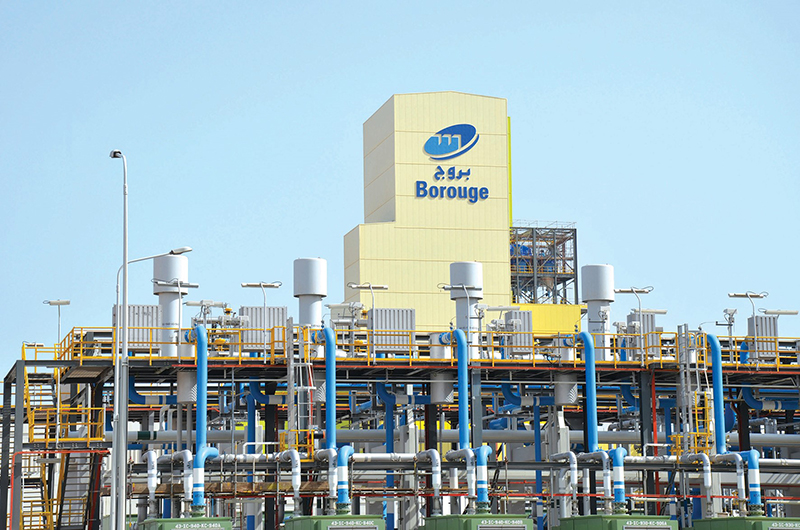
Borouge Plc has been included in the FTSE ADX Dividend Stars Index, a new benchmark launched by Abu Dhabi Securities Exchange in December 2025 that is designed to spotlight companies with a sustained record of dividend distributions, underlining the petrochemicals producer’s position as a core income stock within the local market.
ADX said the FTSE ADX Dividend Stars Index is the first income-focused index of its kind in the region, created to meet growing demand from investors seeking predictable cash returns alongside exposure to liquid, large-cap equities. The index brings together 17 companies that collectively accounted for more than 70 per cent of total cash dividends paid by ADX-listed firms during 2025, highlighting its role as a barometer for dividend strength across the exchange.
Borouge’s inclusion reflects its established dividend policy and scale within the Abu Dhabi market. The company, which produces polyolefins for infrastructure, energy, automotive and packaging applications, has been a consistent dividend payer since listing and is among the exchange’s most actively traded stocks by both institutional and retail investors. Its presence in the index places it alongside leading financial, energy and utility companies that dominate cash returns on ADX.
For market participants, the creation of the FTSE ADX Dividend Stars Index represents a strategic shift in how income strategies can be implemented in the Gulf. Until now, dividend-focused investors relied largely on individual stock selection or broader market indices that did not explicitly weight for income stability. By concentrating on dividend history and payout consistency, the new benchmark offers a clearer framework for portfolio construction aimed at long-term yield.
ADX officials have positioned the index as part of a broader effort to deepen the exchange’s product suite and attract international capital. Abu Dhabi has steadily expanded its market infrastructure through the introduction of sectoral indices, derivatives, exchange-traded funds and sustainability-linked products. An income-focused index is intended to complement these offerings by appealing to pension funds, insurers and asset managers with mandates tied to regular distributions.
Borouge’s operational and financial profile has supported its standing as a dividend anchor stock. The company benefits from integrated feedstock arrangements and proximity to key growth markets in Asia, the Middle East and Africa. Its production base in Ruwais, combined with access to Borouge 4 expansion capacity, has strengthened cash generation, even amid volatility in global petrochemical pricing cycles.
The company’s dividend record has also been closely watched in the context of broader consolidation within the Abu Dhabi energy and industrial ecosystem. Strategic alignment with major shareholders has emphasised balance sheet resilience and shareholder returns, factors that are central to index eligibility criteria focused on payout sustainability rather than short-term yield spikes.
The FTSE ADX Dividend Stars Index methodology places weight on historical dividend payments, liquidity thresholds and free-float considerations, ensuring that constituents are both investable and representative of income generation on the exchange. By capturing more than two-thirds of all dividends paid on ADX during the year, the index underscores the concentration of cash returns among a relatively small group of large, established issuers.
Market analysts note that such concentration can work to the advantage of income investors by reducing volatility and enhancing predictability, while also posing questions about diversification within dividend strategies. The index structure addresses this by capping individual weights and maintaining sector balance, allowing exposure to financial services, energy, utilities and industrials without over-reliance on a single name.
For Borouge, index inclusion may translate into incremental demand from passive and semi-passive investment products tracking the benchmark. Fund managers often use newly launched indices as the basis for exchange-traded funds or structured products, potentially increasing liquidity and reinforcing valuation support for constituent stocks.
By Nitya Chakraborty Is Bangladesh’s pre-election scenario is being repeated in Nepal which was the seat of a two day revolt by Gen Z of the country against the ruling K S Oli government in the second week of September this year? Major indications are leading to that, the only difference is that the students […]
Middle Eastern crude markets have shown clear signs of weakening as traders and refiners grapple with mounting concerns that regional supply is exceeding demand, adding pressure to an already fragile global oil balance. Pricing indicators closely watched by physical traders point to softer buying interest from Asia, where refiners face ample alternative supplies and uncertain consumption growth. One of the most telling signals has been the narrowing […]
Washington’s state dinner honouring Saudi Arabia’s crown prince offered a carefully curated guest list that blended politics, finance and technology. Alongside executives such as Apple chief Tim Cook and Citigroup head Jane Fraser sat Lubna Olayan, placed next to Elon Musk, a seating choice that quietly reflected her standing as one of the most connected figures linking Wall Street and the Gulf. The gathering drew attention to […]
Kuwait has moved to deepen its role in Gulf maritime trade after the Kuwait Ports Authority said it signed a memorandum of understanding with Abu Dhabi Ports Group to develop and operate the container terminal at Shuaiba port under a concession agreement. The arrangement places a major state-backed ports operator from Abu Dhabi at the centre of a facility that has long served as a backbone of Kuwait’s seaborne commerce, signalling a shift towards international partnerships to modernise ageing infrastructure and boost competitiveness.
The memorandum outlines a framework for collaboration that could see Abu Dhabi Ports Group involved in terminal operations, capacity upgrades and efficiency improvements at Shuaiba, subject to regulatory approvals and the finalisation of commercial terms. While financial details have not been disclosed, officials described the understanding as a step towards unlocking investment, technology transfer and operational expertise at Kuwait’s oldest port, which has faced mounting pressure from larger and more automated hubs elsewhere in the region.
Shuaiba port was established in the 1960s and remains a critical gateway for imports and exports despite growing competition from newer facilities along the Gulf. The port covers a total area of about 2.2 million square metres and has 20 berths, according to data published by the Kuwait Ports Authority. Its container terminal includes a storage area of roughly 318,000 square metres, making it a significant asset in a country that relies heavily on maritime trade for food, consumer goods and industrial inputs.
Officials familiar with the discussions said the focus of the partnership would be on improving berth productivity, reducing vessel turnaround times and expanding container-handling capacity to meet shifting trade patterns. Kuwait’s logistics sector has faced challenges linked to congestion, limited automation and slower clearance processes compared with regional peers. Partnering with an experienced international operator is seen as a way to narrow that gap without placing the entire investment burden on the state.
Abu Dhabi Ports Group has expanded rapidly beyond the UAE over the past few years, building a portfolio that spans ports, terminals, maritime services and logistics corridors across the Middle East, Africa and South Asia. Its strategy has centred on long-term concessions and joint ventures that integrate port operations with industrial zones and inland logistics. The Shuaiba memorandum aligns with that approach, offering access to a mature but under-optimised port in a strategically located market.
For Kuwait, the agreement reflects a broader policy push to diversify the economy and improve infrastructure efficiency as part of long-term development plans. While the country has invested heavily in oil and gas facilities, progress in logistics and transport has been slower, partly due to regulatory complexity and limited private-sector participation. Bringing in a regional operator with a track record in terminal modernisation could help accelerate reforms that have proved difficult to deliver through public investment alone.
Industry analysts note that container volumes in the Gulf are increasingly concentrated at mega-ports with deep drafts, advanced cranes and integrated digital systems. Smaller or older ports risk being sidelined unless they upgrade or specialise. Shuaiba’s location near industrial zones and population centres gives it an advantage, but sustaining that position requires capital spending and operational know-how. The proposed concession model would allow Kuwait Ports Authority to retain ownership while delegating day-to-day operations to a specialist partner.
The memorandum also carries geopolitical and commercial significance. Closer cooperation between Kuwait and Abu Dhabi in maritime infrastructure adds to a growing web of Gulf logistics partnerships aimed at strengthening regional supply chains. As global trade routes adjust to disruptions in other corridors, Gulf ports are competing to attract transshipment traffic and value-added services. Collaboration rather than rivalry is increasingly seen as a way to enhance resilience and bargaining power with global shipping lines.




 https://www.apicalgroup.com


 By K Raveendran As 2026 approaches, the global oil market is heading into a year that could decisively reshape price dynamics, fiscal planning in producing states, and energy security calculations for importing economies. The defining feature of the coming year is not demand destruction or geopolitical shock, but the growing weight of surplus supply. Market […]





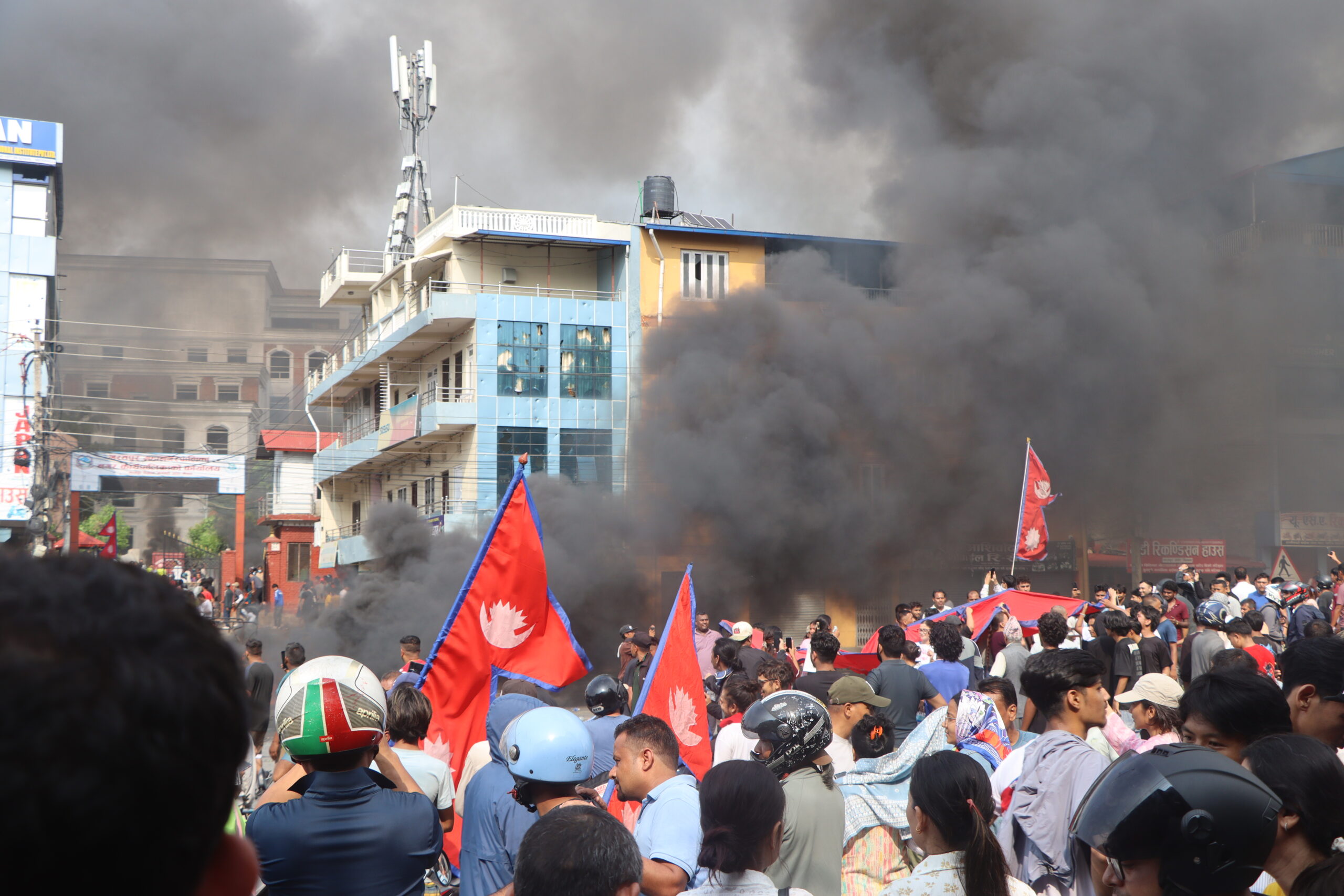
 By Nitya Chakraborty Is Bangladesh’s pre-election scenario is being repeated in Nepal which was the seat of a two day revolt by Gen Z of the country against the ruling K S Oli government in the second week of September this year? Major indications are leading to that, the only difference is that the students […]




